Republic of Ireland: Regions, Cities & Travel Guide
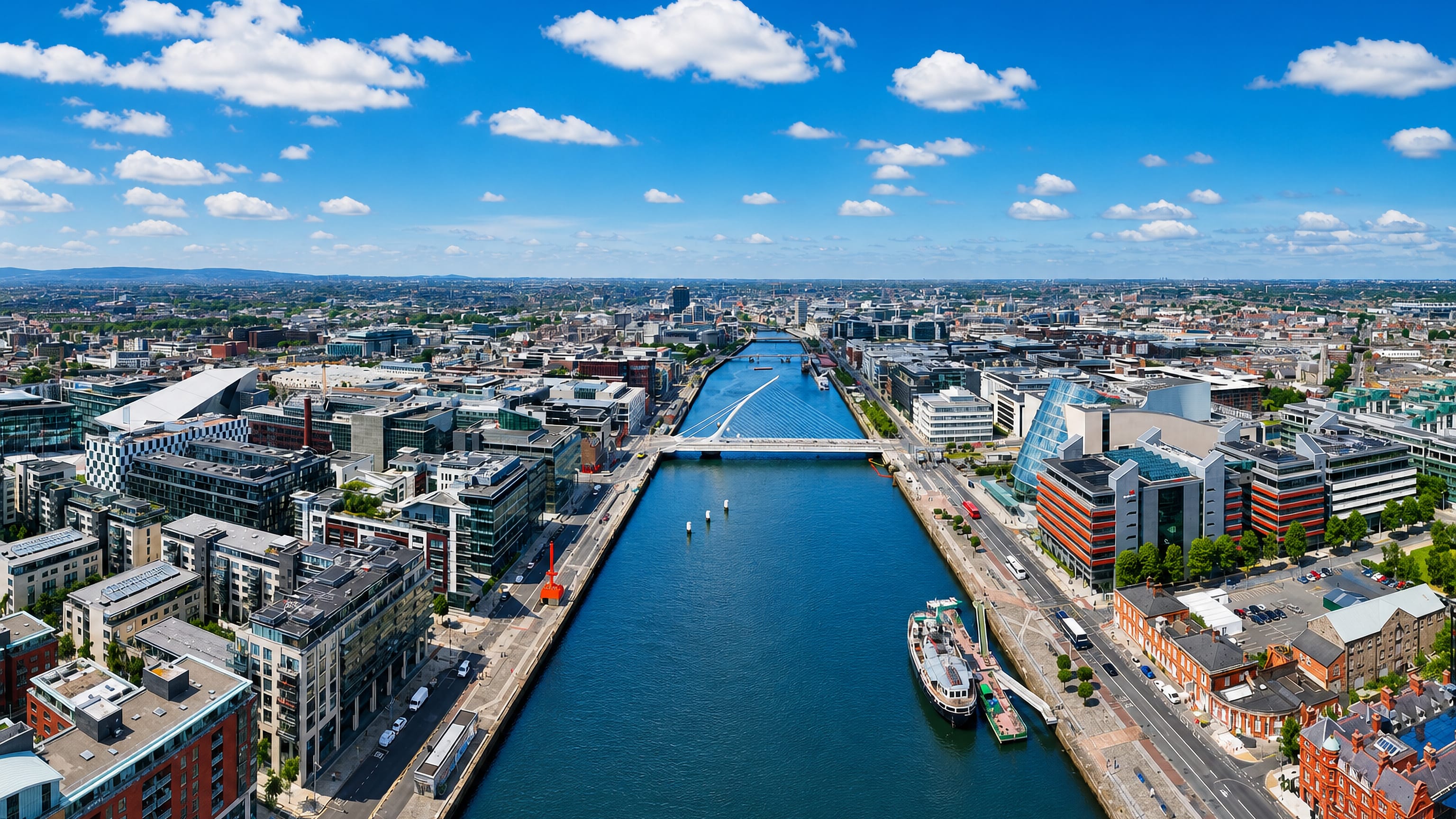
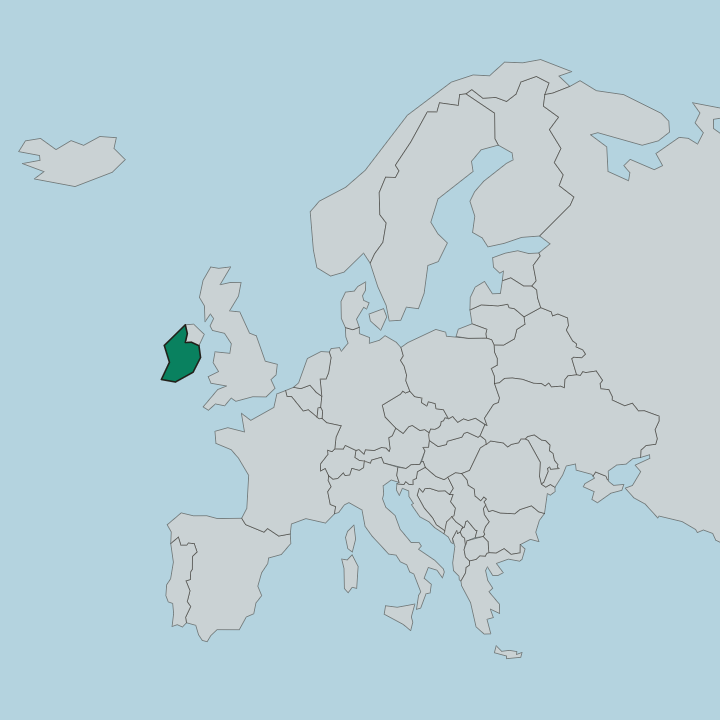
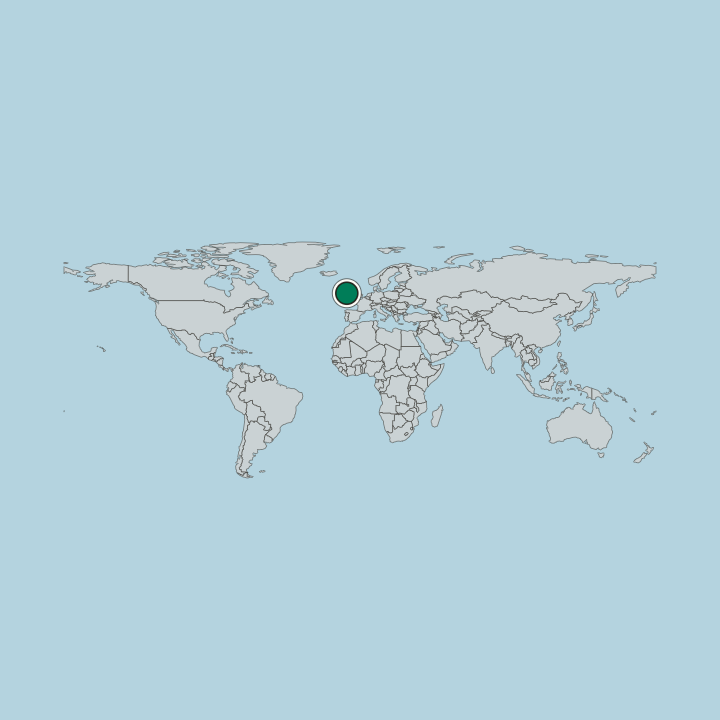
Ireland fills the west of its island in the North Atlantic, a green country of pasture and bog with Dublin on the east coast.
Hotel links are affiliate links: booking through them may earn us a commission, at no extra cost to you. It never affects how places are ranked. How this works


Top destinations in Republic of Ireland
Cities to start from, then drill into areas and hotels.
 Republic of Ireland
Dublin
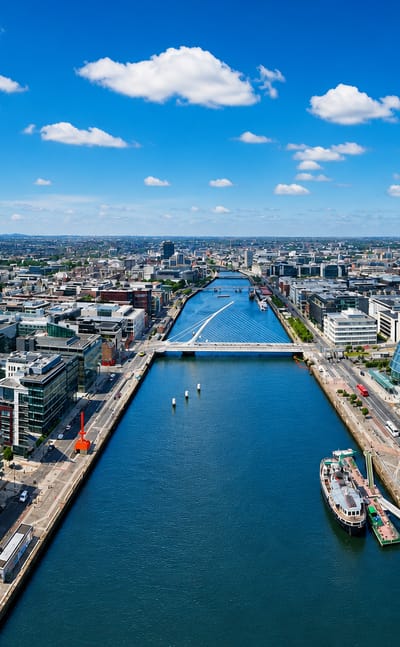
The River Liffey splits Dublin as it reaches Dublin Bay, a capital city in Leinster, Ireland, known for Dublin Castle and the Guinness Storehouse.Where to stay →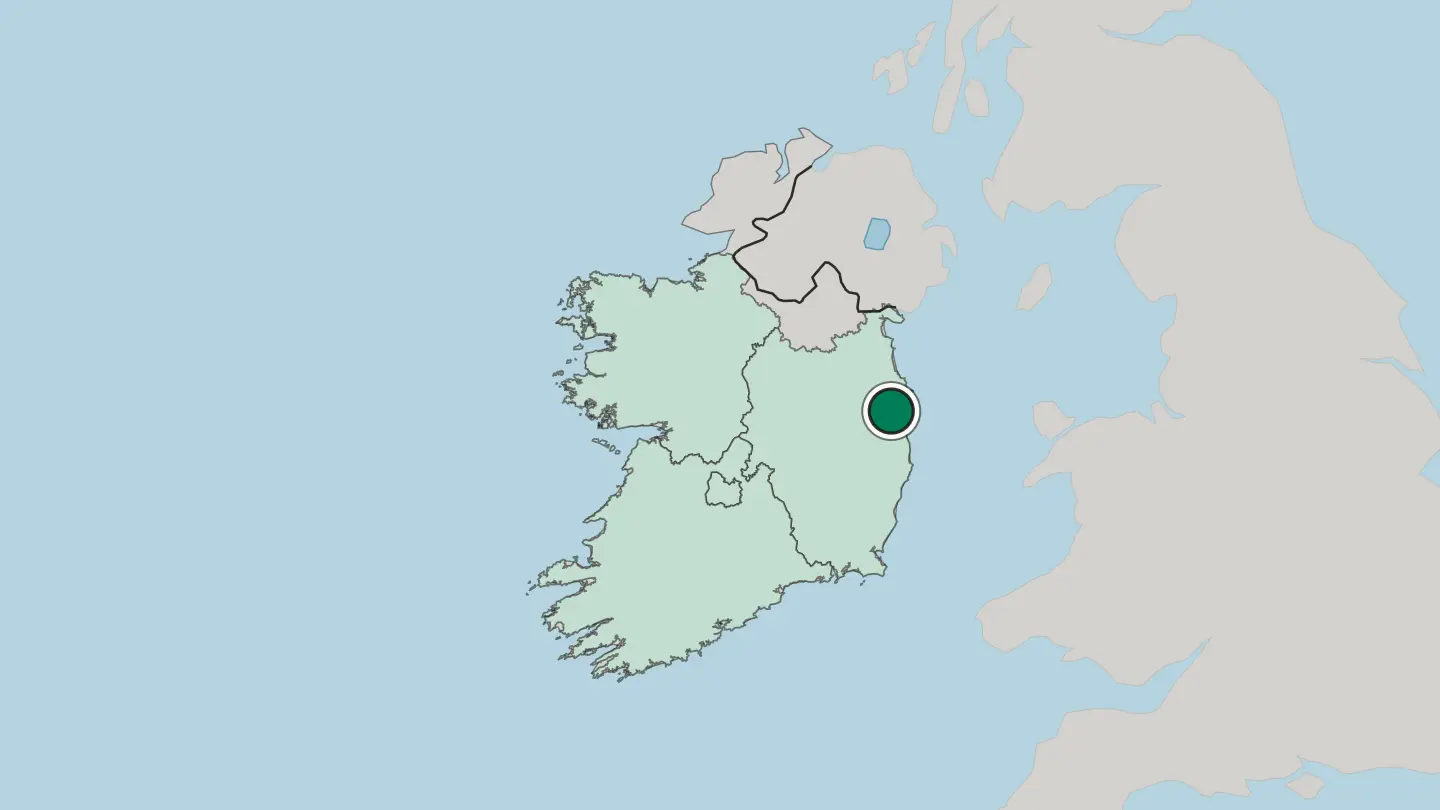
 Republic of Ireland
Cork
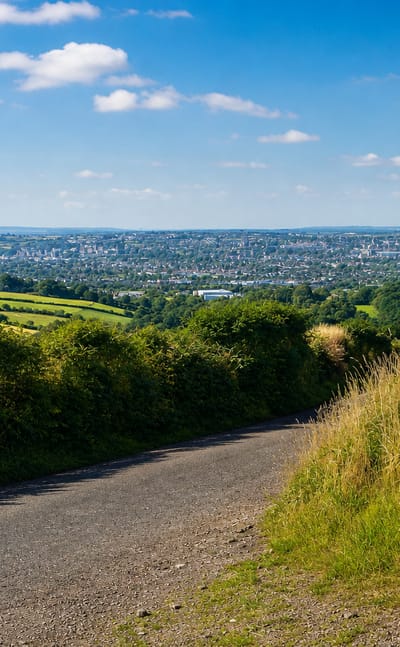
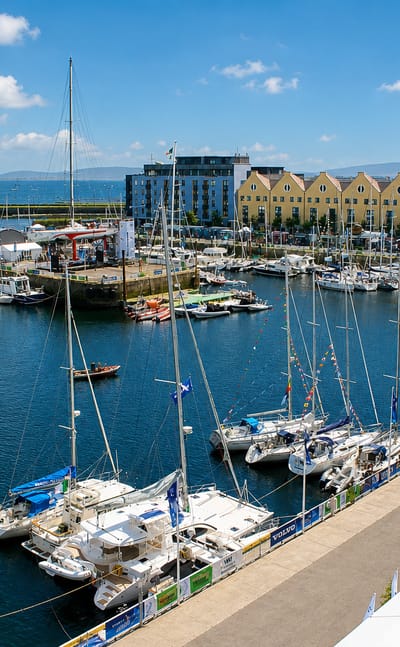
Bells ring from the Church of St Anne over Cork, a merchant port city in Munster, Ireland, known for its Georgian streets and the Crawford Art Gallery.Where to stay →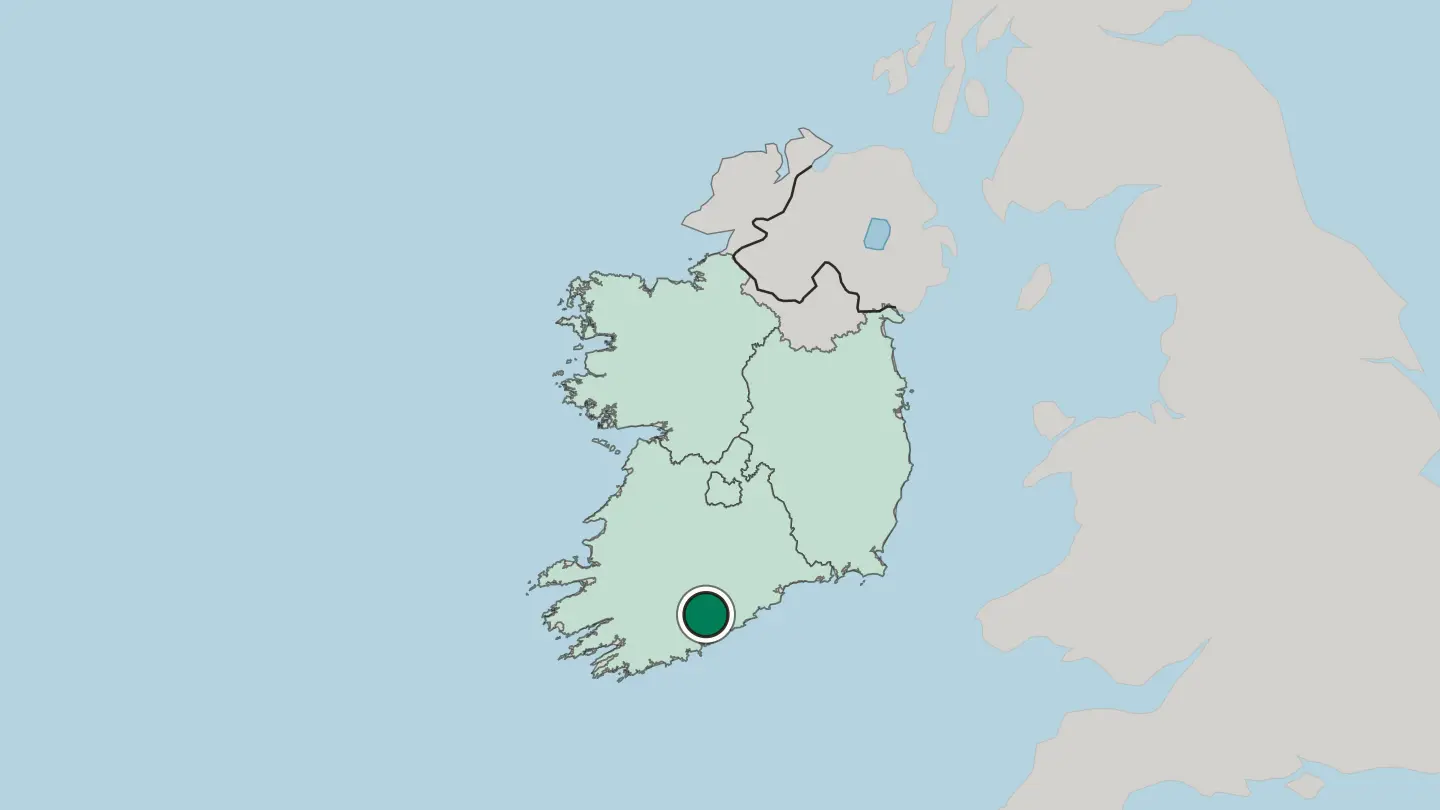
 Republic of Ireland
Galway
Galway sits where the River Corrib meets Galway Bay, a medieval port on the west coast of Ireland and the largest city in Connacht.Where to stay →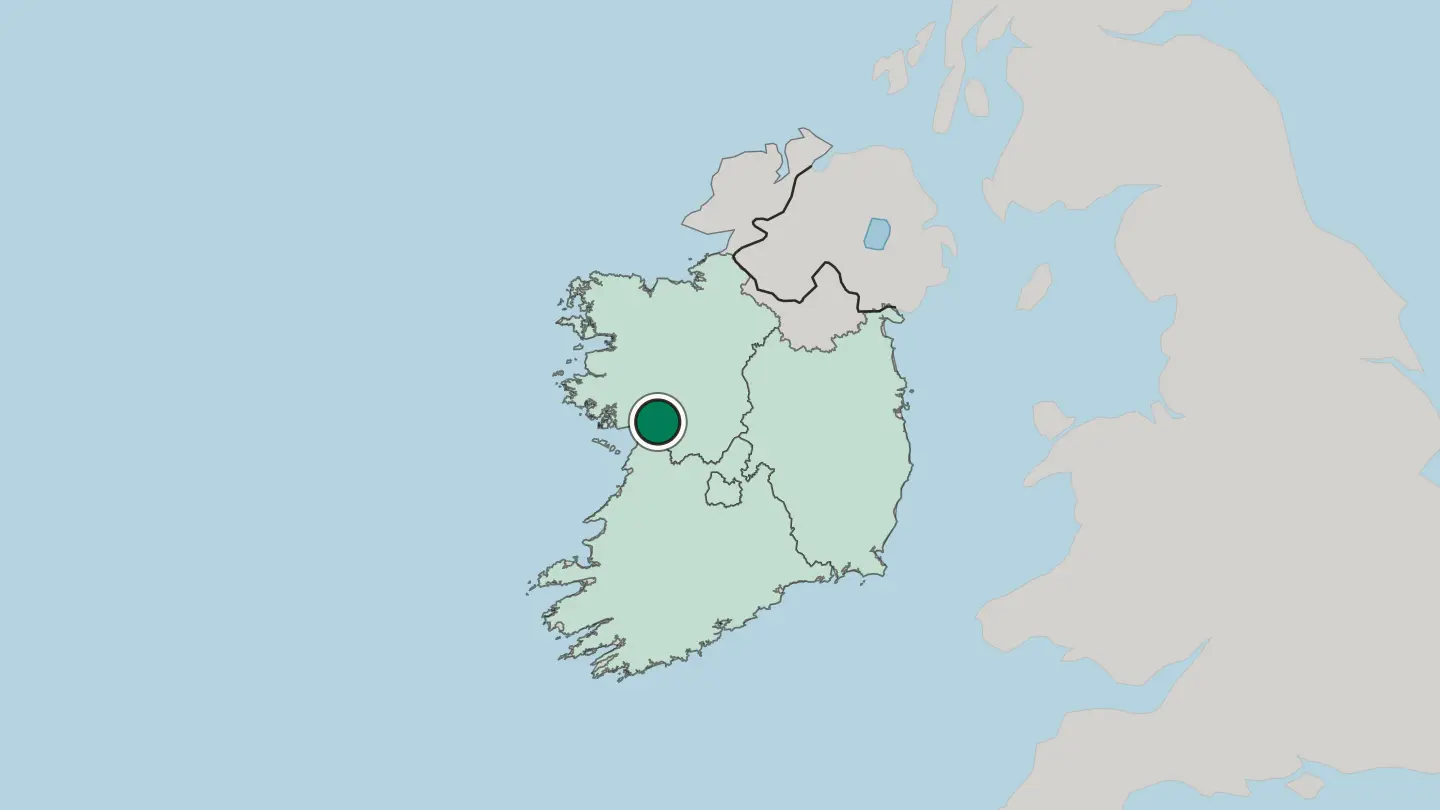
 Republic of Ireland
Limerick
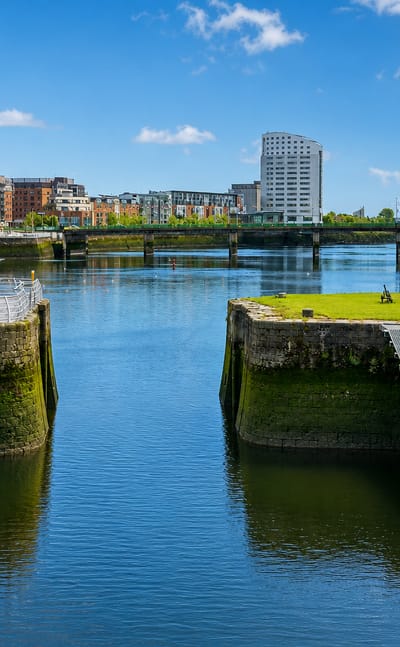
King John's Castle guards the Shannon at Limerick, a Georgian-streeted city in Munster founded by Scandinavian settlers in 812.Where to stay →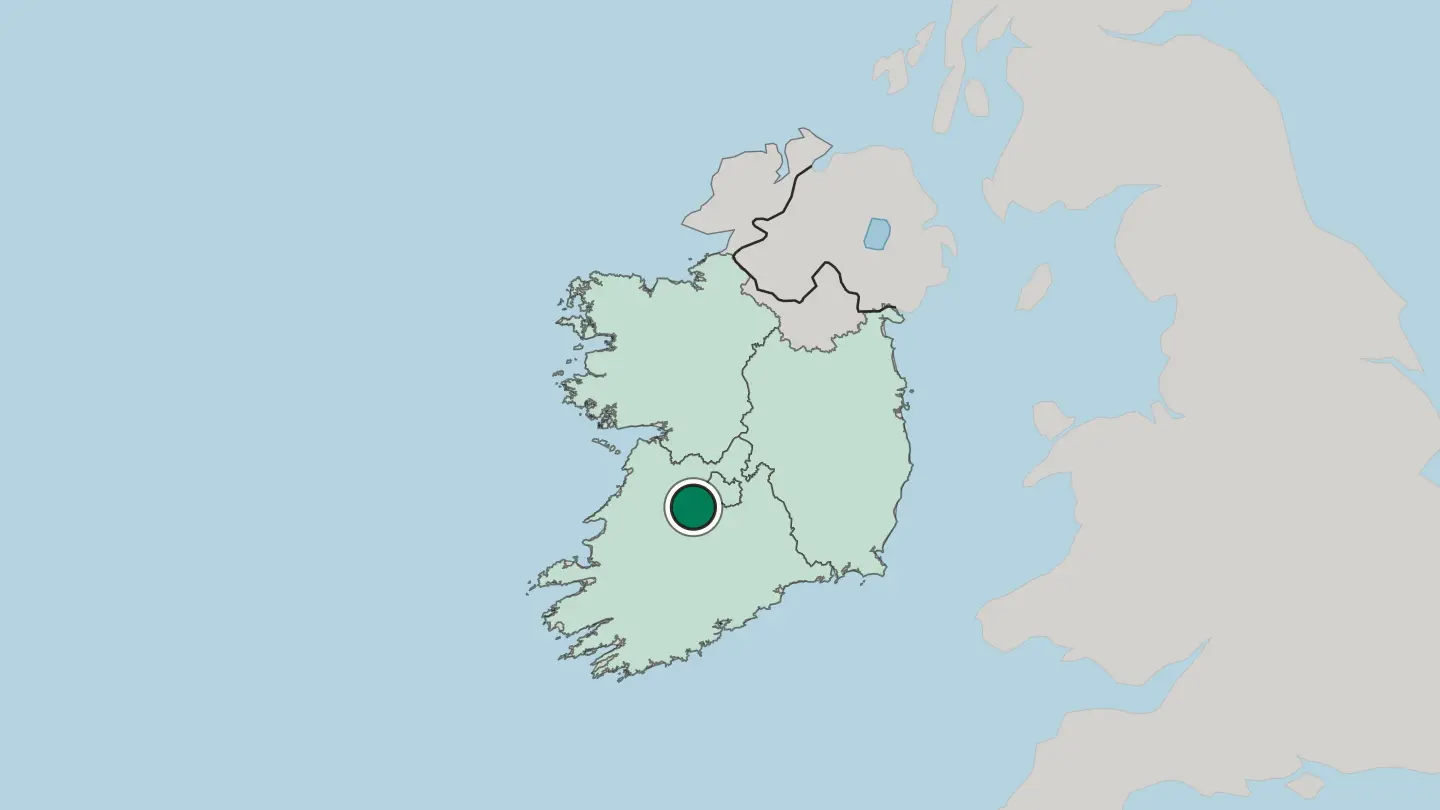
 Republic of Ireland
Waterford
Waterford is the oldest city in Ireland, a Viking-founded port on the River Suir in the southeast.Where to stay →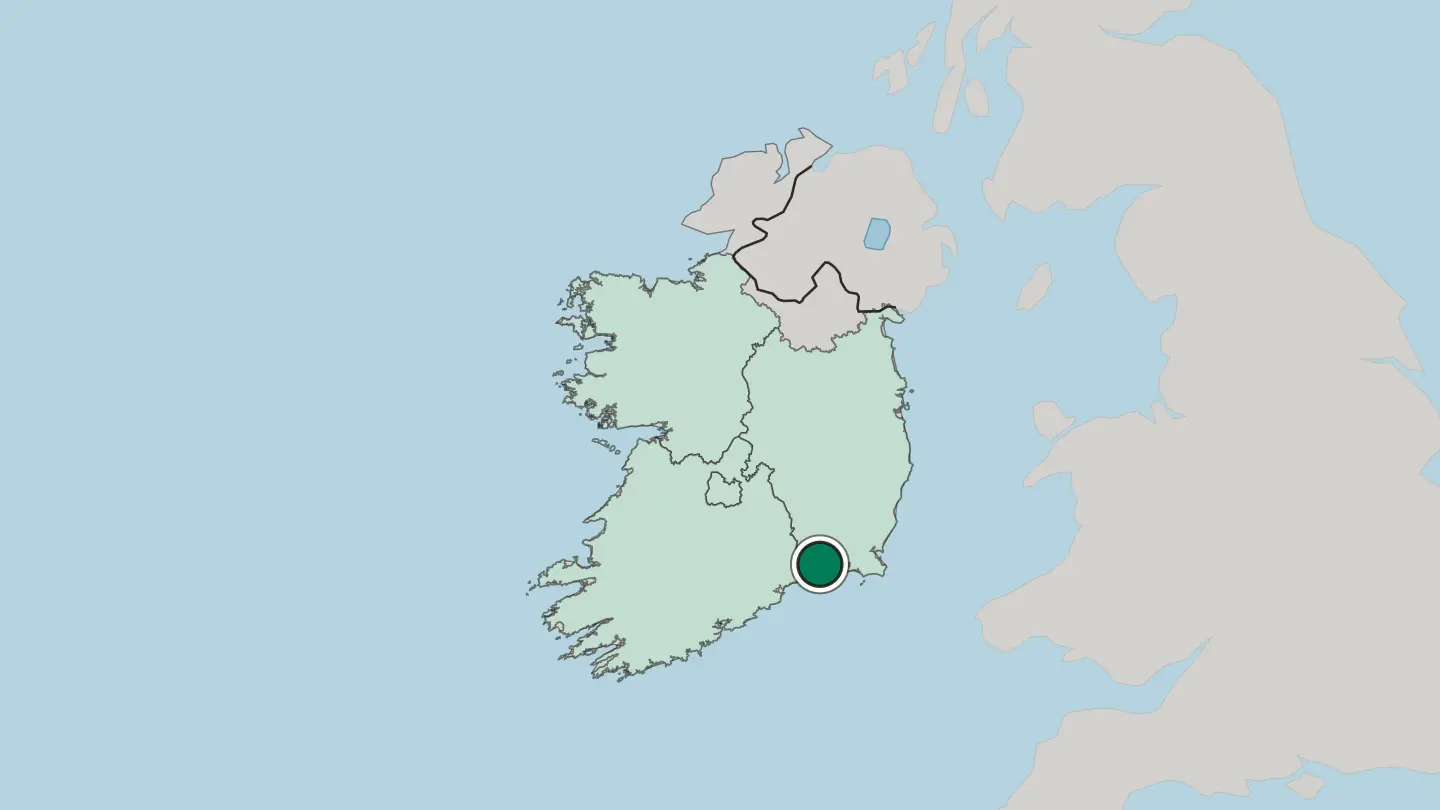
 Republic of Ireland
Tallaght
Tallaght is the county town of South Dublin and an outer suburb of Dublin, grown from a monastic settlement of the 8th century.Where to stay →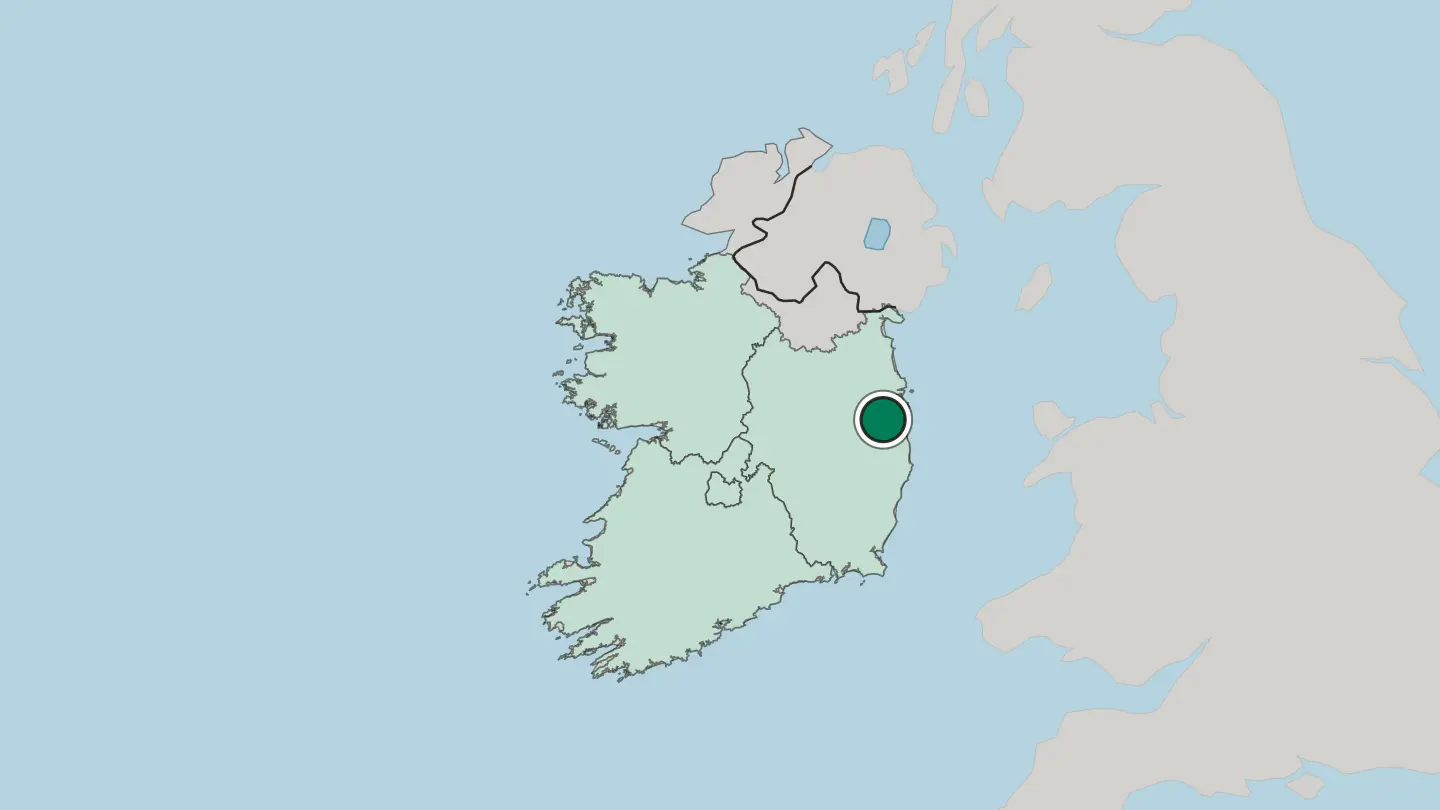
Hotel links are affiliate links: booking through them may earn us a commission, at no extra cost to you. It never affects how places are ranked. How this works
Regions of Republic of Ireland
Republic of Ireland
Connacht
Connacht is the westernmost and smallest of the four provinces of Ireland, once a patchwork of Gaelic kingdoms and centred on the western city of Galway.Towns & cities →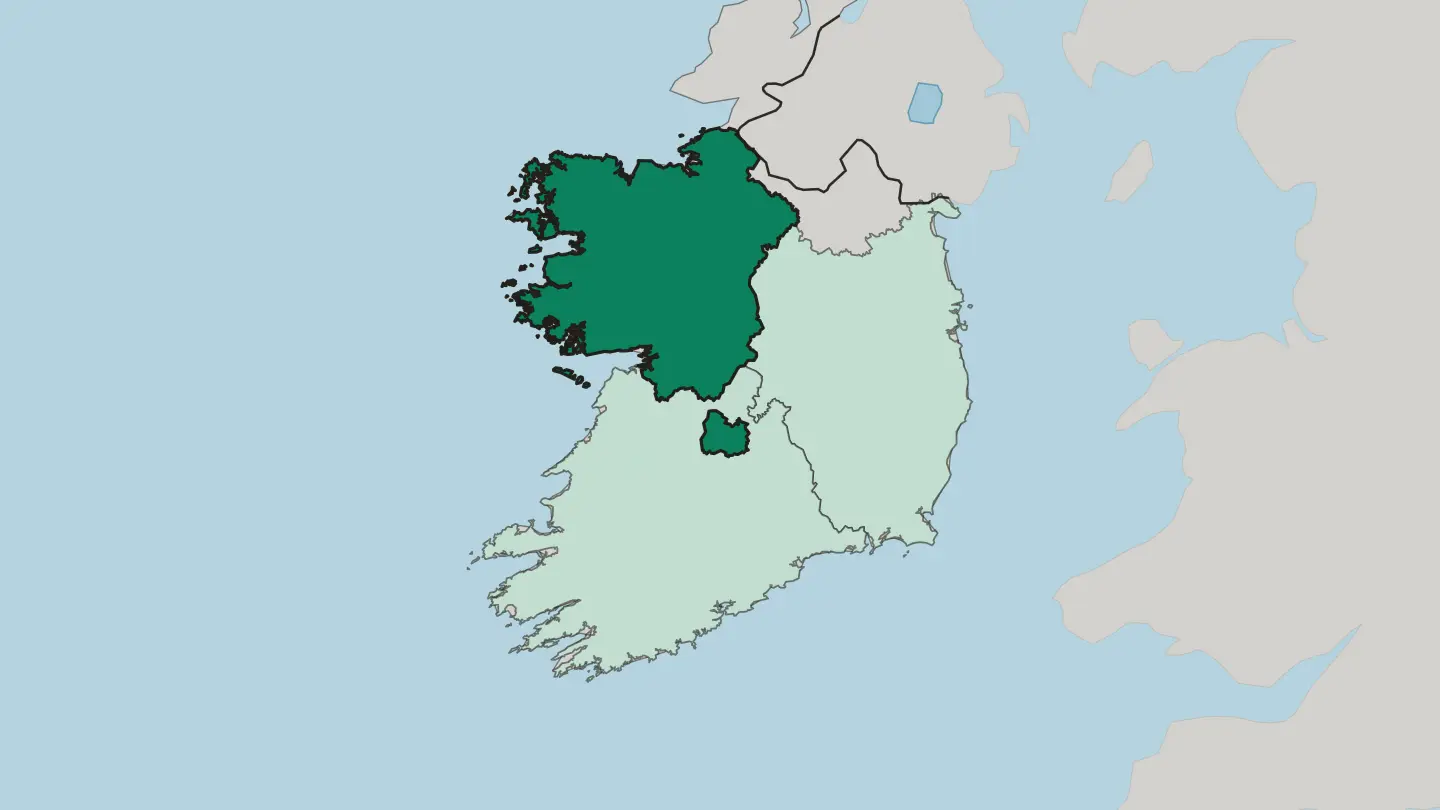 Republic of Ireland
Leinster
Leinster is the eastern province of Ireland, the land around the capital Dublin, known for its literary heritage and its place among the four provinces.Towns & cities →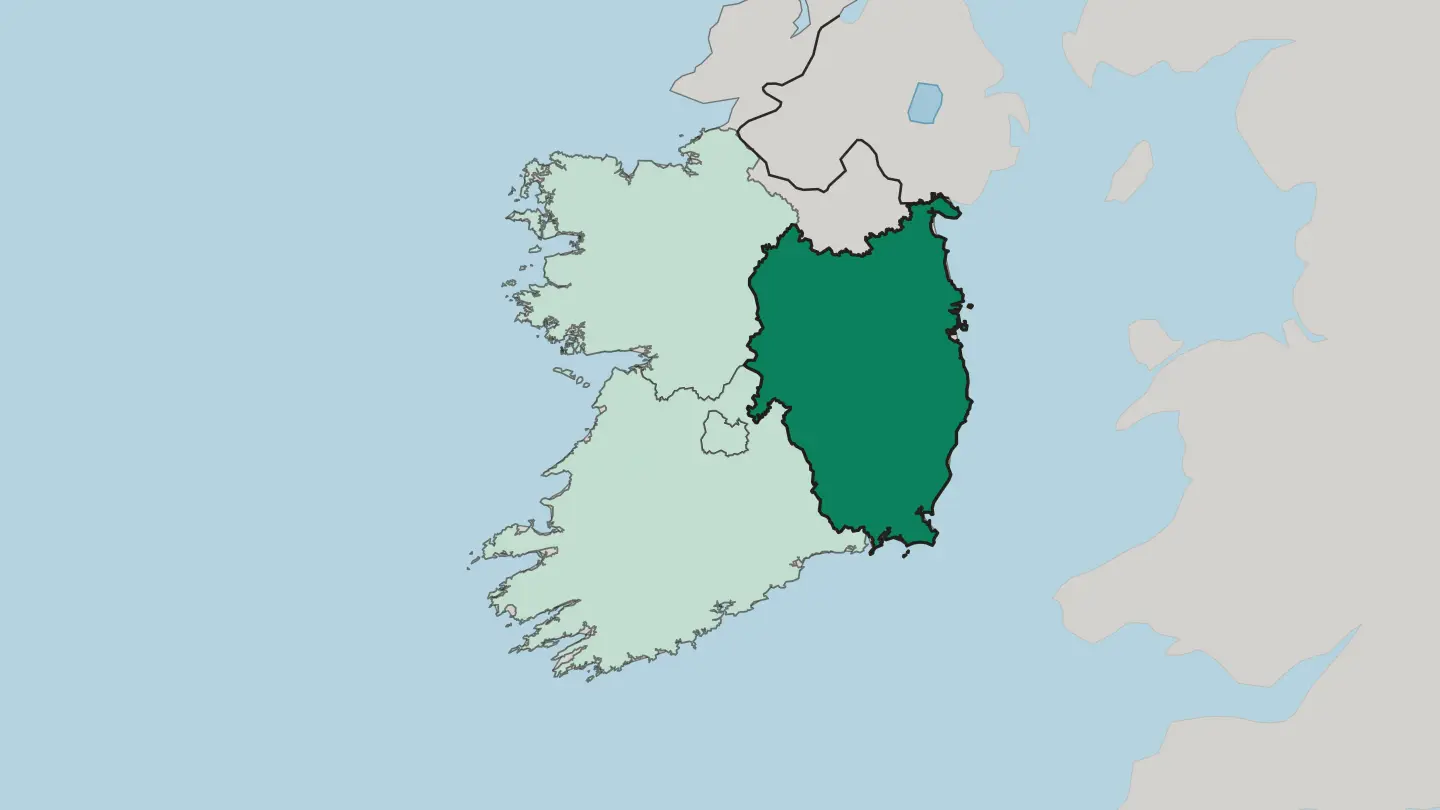 Republic of Ireland
Munster
Munster is one of the four provinces of Ireland, the country around the port city of Cork, and a long-settled quarter of the island.Towns & cities →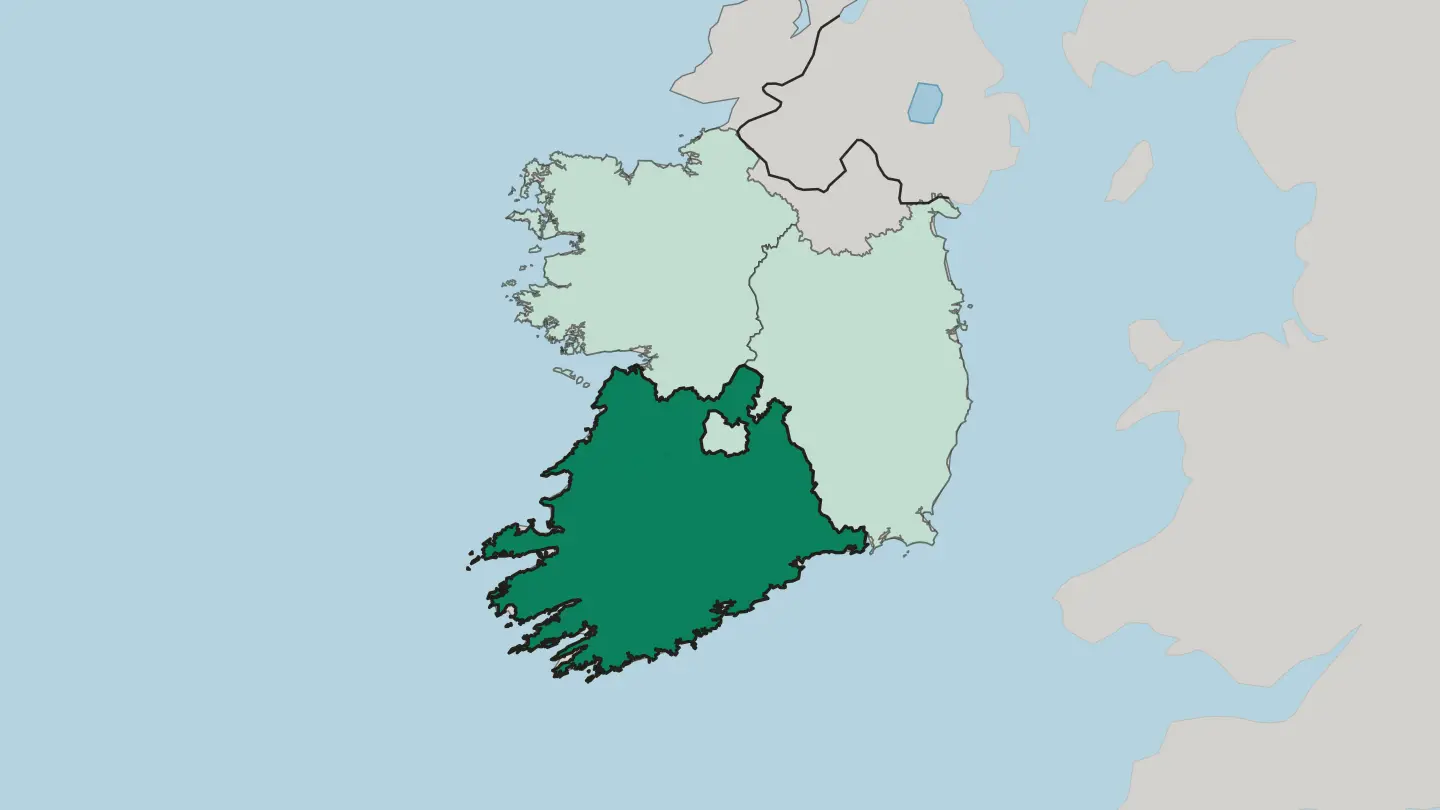
Explore by experience
Not sure which place? Start from how you want to travel.

About Republic of Ireland
What is Republic of Ireland known for?
Ireland is known for a landscape and a literature that both travel well. Dublin, on the River Liffey, gave the world James Joyce and William Butler Yeats, and its pubs still carry the trad sessions travellers come to hear. The scenery pulls people west.
The Cliffs of Moher rise sheer from the Atlantic in Clare, the Ring of Kerry loops past the MacGillycuddy's Reeks, and Connemara spreads its lakes and bogs behind Galway. Guinness and Gaelic games round out the picture.
Where is Republic of Ireland?
Ireland occupies five-sixths of the island it shares, taking in three full provinces and part of a fourth. Leinster holds the east around Dublin, Munster the south, Connacht the west, and the border counties of Ulster reach up into the north. A ring of hills and low mountains rims the coast, while a broad limestone lowland of pasture, lake, and peat bog fills the middle of the country.
Water shapes that interior. The River Shannon, the longest in Ireland, runs south through the central plain and swells into Lough Ree and Lough Derg before reaching the Atlantic below Limerick. In the south-west the ground rises to its highest point.
Carrauntoohil crowns the MacGillycuddy's Reeks in Kerry, a range of glacier-cut sandstone that stands above the lakes of Killarney. Closer to the capital, the granite Wicklow Mountains climb straight from the southern edge of Dublin, threaded with valleys and upland bog. The Atlantic coast is the wildest edge of all, cut into long peninsulas and headlands, and the Cliffs of Moher drop some two hundred metres to the sea in Clare.
Offshore, the Aran Islands guard the mouth of Galway Bay. From bog to summit the distances stay small.
What is the history of Republic of Ireland?
Ireland carries one of Europe's longest human records, and the proof still stands in the Boyne Valley. Newgrange, a passage tomb north of Dublin, was raised more than five thousand years ago, older than the pyramids at Giza and built to catch the winter-solstice dawn. Celtic peoples arrived later and gave the island its language, its myths, and the shape of its early kingdoms.
Vikings founded the first real towns. Dublin, Cork, Waterford, and Limerick all began as Norse trading ports set along the rivers and coast, before Norman lords crossed from Britain in 1169 and opened eight centuries of English involvement. The nineteenth century then brought catastrophe.
The Great Famine of the 1840s killed roughly a million people and drove a million more abroad, emptying whole parishes of the west and seeding a diaspora that still shapes the country's ties to America and beyond. Independence came in stages after the 1916 Easter Rising in Dublin, through the Irish Free State of 1922 and the constitution of 1937 that named the modern state. Partition left six northern counties outside its borders.
That long thread runs through daily life.
What is Republic of Ireland like?
Ireland treats words and music as public art rather than as private hobbies. The country claims four Nobel laureates in literature, and Dublin's streets and pubs still trade on the names of Joyce, Yeats, and the older storytelling that predates them both. Music here is genuinely everywhere.
A trad session can strike up in any corner of a Galway or Dingle pub, fiddle and bodhrán picking straight up where the last tune ended. The Irish language survives as a living tongue in the Gaeltacht districts of Connemara, Kerry, and Donegal, taught in schools nationwide and printed beside English on every road sign in the country. Sport carries the same local pride.
Hurling and Gaelic football, both run by the Gaelic Athletic Association, fill parish grounds through the year and pull whole counties to Dublin for the All-Ireland finals each summer. Food has finally caught up with the rest of it. Cork's covered markets, Atlantic seafood off the western piers, farmhouse cheeses, and the stout poured in Dublin since 1759 now share the table with a serious modern kitchen.
The whole thing still runs on conversation.
What is the climate of Republic of Ireland?
Ireland has a climate that is mild, wet, and changeable, driven by the Atlantic. The same ocean currents that warm north-west Europe keep winters here far softer than the far-northern position would suggest, so frost and snow stay rare near the coast. Across Ireland, rain is the one dependable feature.
The western hills of Connemara and Kerry catch well over twice the rainfall of the drier east around Dublin, and grey skies can give way to sun within an hour. Summers are cool and long-lit. That damp air is why the fields stay green.
How do you get to Republic of Ireland?
Ireland draws most visitors through Dublin. The capital's airport is the country's main gateway, with Cork and Shannon in the south and west taking direct flights of their own. Ferries cross from Britain to Dublin and Rosslare.
Distances are short by European standards, and a hire car reaches Galway, Killarney, or the Cliffs of Moher from Dublin in a few hours, though the west's narrow roads slow the pace. Trains and coaches link the main cities. Once west, most travellers drive.
Good for
Updated September 2026