Republic of Ireland · Leinster
Where to Stay in Dublin, Leinster
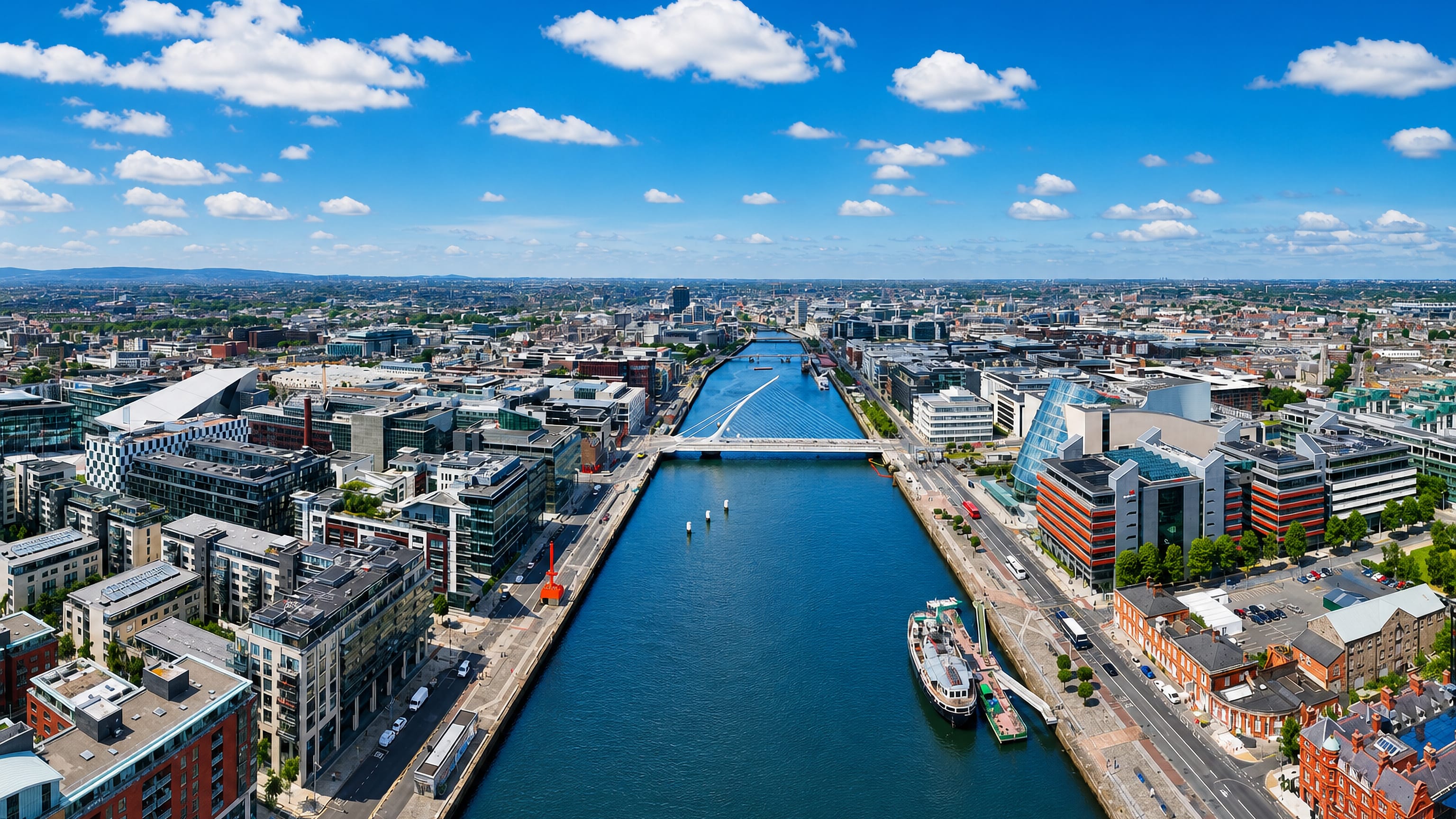
The River Liffey splits Dublin as it reaches Dublin Bay, a capital city in Leinster, Ireland, known for Dublin Castle and the Guinness Storehouse.
Hotel links are affiliate links: booking through them may earn us a commission, at no extra cost to you. It never affects how places are ranked. How this works


Where to stay in Dublin
Not every neighbourhood fits every trip — here's what each one is good for.

 DublinRepublic of Ireland
Temple Bar
Temple Bar is Dublin's cultural quarter, cobbled lanes of pubs, galleries and music on the River Liffey, from Dame Street to the quays by Trinity College.Where to stay →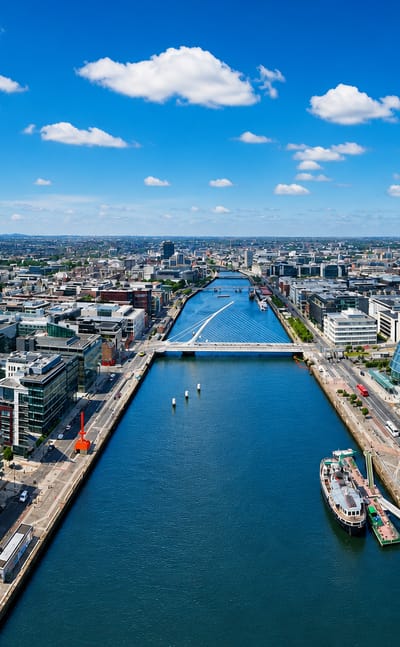 DublinRepublic of Ireland
Monto
Monto is a small area of Dublin's inner city above the River Liffey, short for Montgomery Street, now Foley Street. Joyce set Nighttown in Ulysses here.Where to stay →DublinRepublic of IrelandSummerhill
Summerhill is a quarter of north inner Dublin above the River Liffey, Mountjoy Square to Ballybough. Saint Francis Xavier Church fronts Gardiner Street.Where to stay → DublinRepublic of Ireland
Wood Quay
Wood Quay is a stretch of the River Liffey's south bank, the Viking settlement Dublin grew from. Dublin City Council sits above, Dublin Castle south.Where to stay → DublinRepublic of Ireland
Smithfield
Smithfield is a market district on Dublin's north side, west of O'Connell Street and north of the River Liffey. Bow Street runs along its eastern edge.Where to stay → DublinRepublic of Ireland
Phibsborough
Phibsborough sits on Dublin's Northside, where the North Circular Road crosses the Phibsborough Road. Terraced streets reach the Royal Canal.Where to stay → DublinRepublic of Ireland
Dublin Docklands
Dublin Docklands stretches along both banks of the River Liffey, running east from Talbot Memorial Bridge to the 3Arena. It grew from the working port.Where to stay → DublinRepublic of Ireland
Stoneybatter
Stoneybatter is a quarter on Dublin's northside, red-brick terraces on a village main street. The name means road of stones. Smithfield lies east.Where to stay → DublinRepublic of Ireland
Grand Canal Dock
Grand Canal Dock is where the Grand Canal meets the River Liffey, in the Dublin Docklands near the National Print Museum and National Gallery of Ireland.Where to stay → DublinRepublic of Ireland
Ringsend
Ringsend is a southside inner suburb of Dublin between the River Liffey and the River Dodder, under the chimneys of Poolbeg power station.Where to stay → DublinRepublic of Ireland
Ballsbridge
Ballsbridge takes its name from a stone crossing of the River Dodder, and holds the ground north and west of it on Dublin's south side.Where to stay →DublinRepublic of IrelandIrishtown
Irishtown is an inner suburb of Dublin on the southside of the River Liffey, between Ringsend to the north and Sandymount to the south.Where to stay →All neighbourhoods (19)
 DublinRepublic of Ireland
Marino
Marino is a planned Northside suburb of Dublin, laid out as a single scheme of concrete-built houses on the former grounds of Marino House.Where to stay → DublinRepublic of Ireland
An Carnan
An Carnan, or Dolphin's Barn, is an inner city suburb on the Southside of Dublin, split between the Dublin 8 and Dublin 12 postal districts.Where to stay → DublinRepublic of Ireland
Rathmines
An inner suburb on Dublin's Southside, Rathmines begins at the Grand Canal and runs south along the Rathmines Road toward Rathgar.Where to stay → DublinRepublic of Ireland
Islandbridge
Islandbridge is a district of Dublin with Kilmainham Gaol, Dublin Zoo and the Irish Museum of Modern Art all within its reach.Where to stay → DublinRepublic of Ireland
Kimmage
Kimmage is a residential suburb on the south side of Dublin, bordered by Rathmines and Harold's Cross. Kimmage Manor Parish Church serves it.Where to stay →DublinRepublic of IrelandClonskeagh
Clonskeagh, also spelled Clonskea, is a small suburb on the south side of Dublin, straddling the River Dodder. Inland of Sandymount, north of Dundrum.Where to stay → DublinRepublic of Ireland
Donaghmede
Donaghmede is a residential district north of Dublin, inland of coastal Baldoyle and next to Raheny and Kilbarrack, with the ruins of Grange Abbey.Where to stay →Hotel links are affiliate links: booking through them may earn us a commission, at no extra cost to you. It never affects how places are ranked. How this works
Find hotels in Dublin
Direct booking searches for these neighbourhoods.
Medieval south core
The lanes wrap Dublin Castle, the Chester Beatty Library, and the Dublinia exhibition into a walkable medieval grid.Find hotels in Medieval south coreTravellers wanting the Guinness Storehouse and green edgesKilmainham and the brewery west
The rising ground links the Guinness Storehouse, the Irish Museum of Modern Art, and Kilmainham Gaol away from the river crowds.Find hotels in Kilmainham and the brewery westMuseum-focused stays on the south bankCultural east side
The National Gallery of Ireland, National Museum of Ireland, and National Library of Ireland cluster within one short walk.Find hotels in Cultural east sideGallery and river-crossing convenienceNorth Liffey galleries
Streets around the Spire of Dublin, the Hugh Lane Gallery, and the James Joyce Centre suit gallery-led north-bank stays.Find hotels in North Liffey galleriesHotel links are affiliate links: booking through them may earn us a commission, at no extra cost to you. It never affects how places are ranked. How this works
Things to do in Dublin
Ranked by global recognition; descriptions from Wikidata (CC0).
Museums & Galleries
3- Guinness Storehouse
- National Gallery of Ireland
- Chester Beatty Library
Churches & Religious Sites
3- St Audoen's Church, Dublin Heritage
- Grange Abbey Heritage
- Whitefriar Street Carmelite Church
Castles & Historic Sites
3- Spire of Dublin
- Dublin Castle
- Anna Livia
Stadiums & Sports
1- Parnell Park
Landmarks & Notable Places
1- St. Helen's, Booterstown
worth knowingacross 5 categories in Dublin
About Dublin
What is Dublin known for?
Dublin is known as the capital of Ireland and its largest city, set on the River Liffey where the water opens into Dublin Bay. Museums cluster tightly here. The National Museum of Ireland, the National Gallery of Ireland, and the National Library of Ireland stand within walking distance, while the Guinness Storehouse and the Chester Beatty Library draw visitors toward the older quarter around Dublin Castle.
The Spire of Dublin rises above the main thoroughfare as a plain modern marker.
What are the main landmarks in Dublin?
The main landmarks in Dublin range from a Norman fortress to a slender steel monument. Dublin Castle anchors the old core, with the Chester Beatty Library beside it and Dublinia recounting the Viking town nearby. The Spire of Dublin marks the north thoroughfare.
Liffey bridges tie the halves. Kilmainham Gaol and the Irish Museum of Modern Art hold the western edge, the Guinness Storehouse sits above the river, and the National Museum of Ireland, the Hugh Lane Gallery, and the John's Lane Church round out a walkable set that reaches from the water to the higher ground below the Dublin Mountains.
What is the history of Dublin?
Dublin traces its founding as a settlement to 841, when Norse raiders established a base at the mouth of the River Liffey. The Liffey held them. That Viking town, its story now retold at Dublinia, grew into a walled port where the Liffey met the tidal reach of Dublin Bay, and the crossing of the river gave the place its long strategic weight.
Norman power later took hold, and Dublin Castle rose as the seat of that authority for centuries, its walls looming over the medieval lanes of the south bank. The city carried its administrative role across the following eras, and much of the built fabric a visitor reads dates from those long-settled centuries. Kilmainham Gaol, at the western edge, became bound up with the story of Irish independence, and its cells now stand as a museum of that chapter.
Trade, brewing, and print all left marks on the fabric. The Guinness Storehouse occupies the industrial ground west of the centre, while the National Print Museum and the James Joyce Centre keep other threads of the past. The Garden of Remembrance north of the Liffey holds the memory of those who died in the struggle, a quiet counterpoint to the busy streets around the Spire of Dublin.
Where is Dublin?
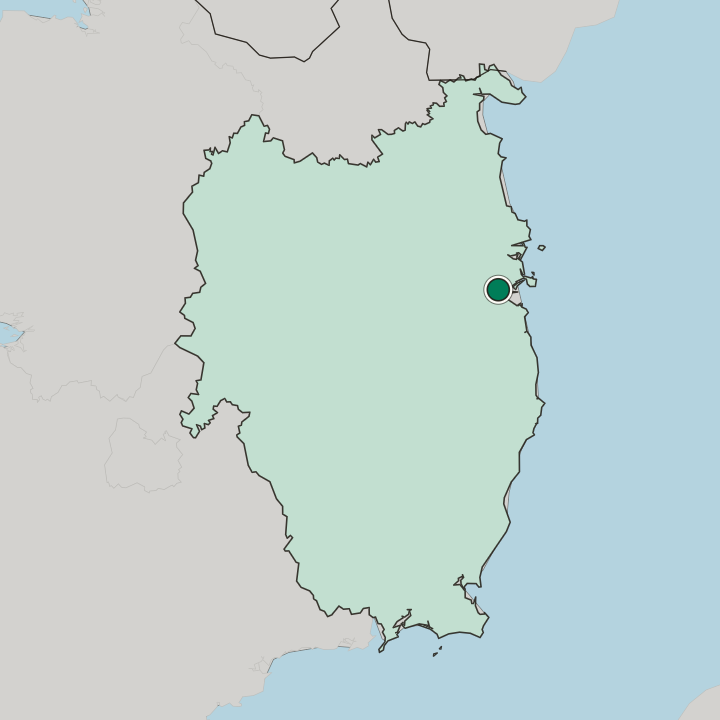
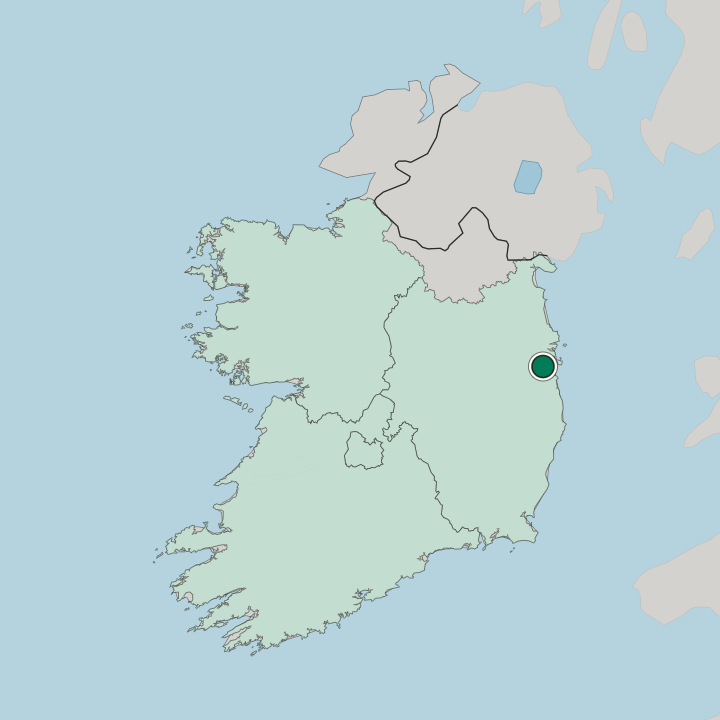
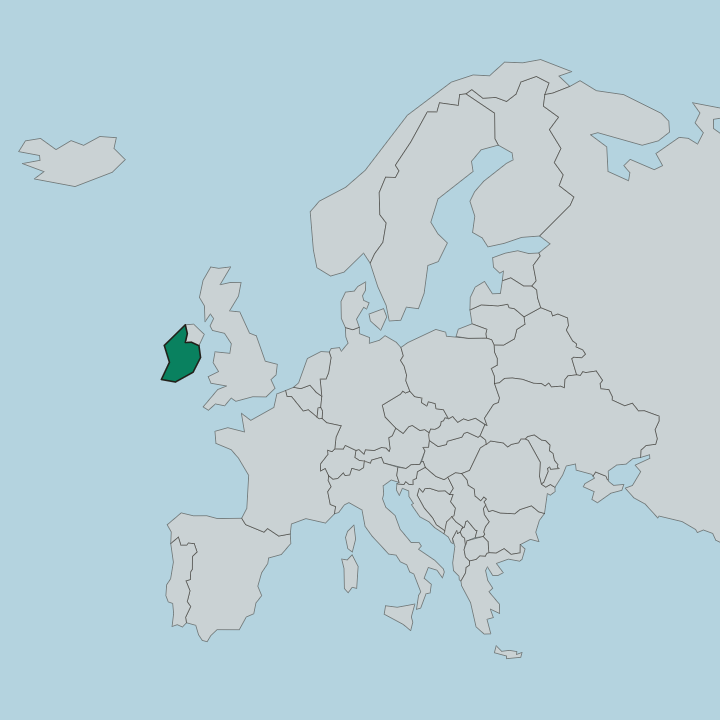
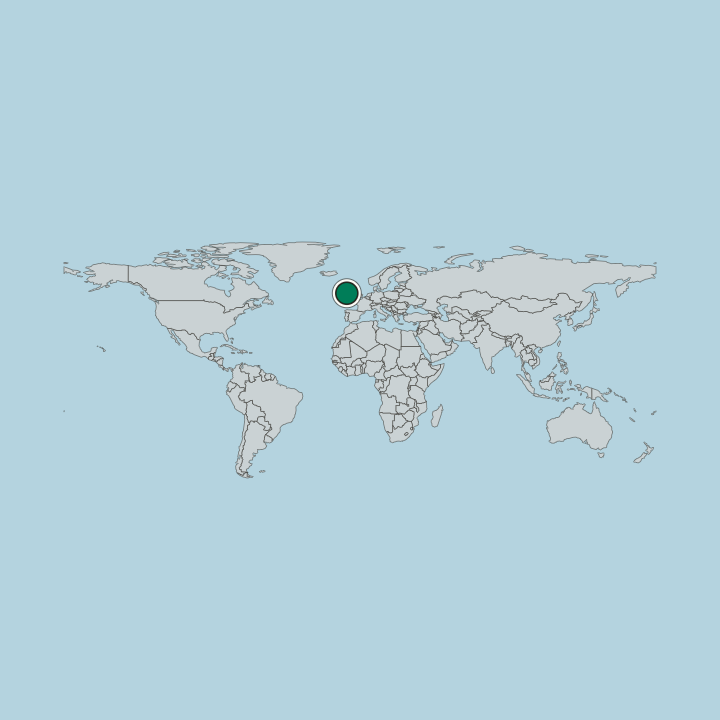
Dublin sits on the east coast of Ireland, in the province of Leinster, where the River Liffey empties into Dublin Bay. The Liffey splits the city. Rising ground to the south leads up to the Dublin Mountains, the northern end of the Wicklow Mountains range, so the built area lies on a low coastal plain between the water and the hills.
The bay opens the city to the Irish Sea, and the river remains the axis around which every quarter orients itself.
What is the climate of Dublin?
Dublin has a mild maritime climate shaped by its position on Dublin Bay and the Irish Sea. The bay tempers the cold. Summers stay temperate rather than hot, and rain falls across the seasons without long dry spells, moderated by the water that wraps the city on its eastern side.
The shelter of the Dublin Mountains to the south keeps the built area a little drier than the higher ground, though grey and changeable skies are the ordinary character of the year along the coast.
How do you get to Dublin?
Dublin is the main entry point to Ireland, reached by air, sea, and rail. Dublin Airport lies north of the River Liffey and links the city to routes across Europe and beyond. Ferries cross the sea.
They dock on Dublin Bay close to the centre, and rail and coach lines fan out from the city through Leinster, so most arrivals reach the old core around Dublin Castle within a short ride of the river crossings.
Common questions
What is the best area to stay in Dublin?
Medieval south core: History-minded first stays near Dublin Castle. Kilmainham and the brewery west: Travellers wanting the Guinness Storehouse and green edges. Cultural east side: Museum-focused stays on the south bank. North Liffey galleries: Gallery and river-crossing convenience.
Good for
Another city in Leinster
Updated October 2026