Republic of Ireland · Leinster
Where to Stay in Tallaght, Leinster
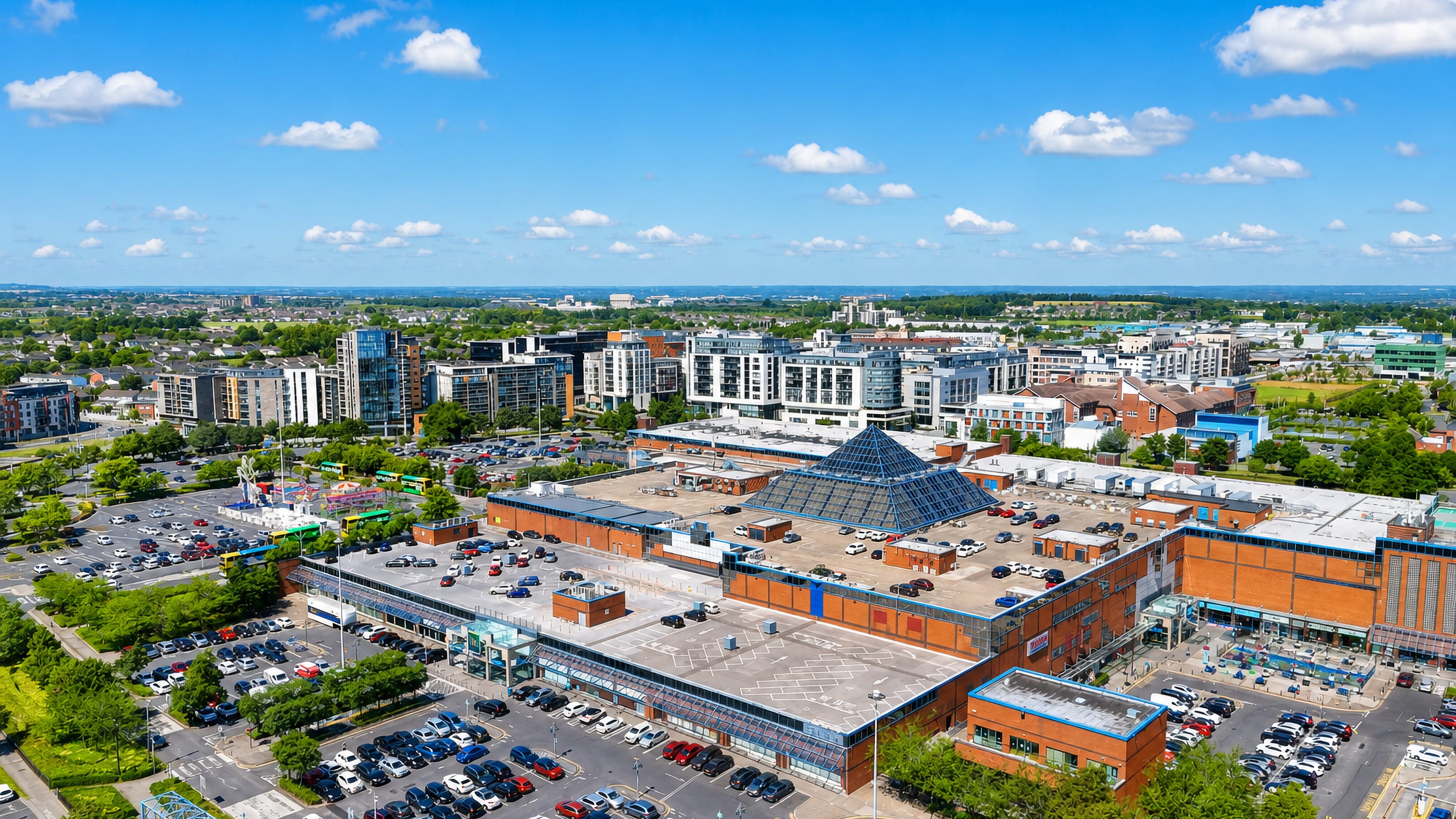
Tallaght is the county town of South Dublin and an outer suburb of Dublin, grown from a monastic settlement of the 8th century.
Hotel links are affiliate links: booking through them may earn us a commission, at no extra cost to you. It never affects how places are ranked. How this works


Where to stay in Tallaght
The right area depends on your trip — here's what each neighbourhood is best for.

 TallaghtRepublic of Ireland
Greenhills
Greenhills is a Dublin suburb of residential estates, ringed by Kimmage, Walkinstown, Templeogue and Tallaght in the Dublin 12 postal district.Where to stay → TallaghtRepublic of Ireland
Templeogue
Templeogue is a Dublin suburb on the strip between the River Poddle and the River Dodder, about halfway from the city centre to the mountains.Where to stay →Hotel links are affiliate links: booking through them may earn us a commission, at no extra cost to you. It never affects how places are ranked. How this works
Find hotels in Tallaght
Direct booking searches for these neighbourhoods.
The monastery ground
The oldest part of the suburb, where the monastic site, the Tynan Memorial Cross and the Church of the Holy Spirit sit closest togetherFind hotels in The monastery groundStays pitched at Knocklyne Castle and Knocklyon Cross rather than the county officesKnocklyon
A residential side of Tallaght carrying its own castle name and wayside cross, off the civic core. Rooms are few around here — worth securing early.Find hotels in KnocklyonLonger bookings anchored on Kiltalown House and the outer estates of South DublinKiltalown
The far end of the county town, where Kiltalown House is the landmark nearest the beds. Few places to stay nearby — book ahead.Find hotels in KiltalownTrips built around Kimmage Manor Parish Church or the Terenure Badminton CentreThe Kimmage and Terenure edge
The stretch of the suburb nearest those two names and St Basil's Training Centre, on the Dublin side of TallaghtFind hotels in The Kimmage and Terenure edgeHotel links are affiliate links: booking through them may earn us a commission, at no extra cost to you. It never affects how places are ranked. How this works
Things to do in Tallaght
Ranked by global recognition; descriptions from Wikidata (CC0).
Churches & Religious Sites
3- Tallaght Monastery
- St. Maelruain's Church, Tallaght
- Church of the Holy Spirit (Dublin)
Castles & Historic Sites
3- Knocklyne Castle
- Tynan Memorial Cross
- Knocklyon Cross
Landmarks & Notable Places
3- Yellow House Bar and Restaurant
- St Basil's Training Centre (Tallaght)
- Kiltalown House
worth knowingacross 3 categories in Tallaght
About Tallaght
Monks came first.
What is Tallaght known for?
The monastic settlement here dates from at least the 8th century, and it grew into one of medieval Ireland's more important monastic centres, a past still carried by St Maelruain's Church and the ground of Tallaght Monastery. County business arrived far later. Tallaght works as the county town of South Dublin, so the administration of a whole county sits inside a suburb of Dublin, with the Tynan Memorial Cross and Knocklyon Cross among the smaller markers its streets keep.
What are the main landmarks in Tallaght?
Ten names carry the list. Tallaght Monastery and St Maelruain's Church hold the oldest of them, while Knocklyne Castle, Kiltalown House and the Church of the Holy Spirit belong to other parts of the built record. Two crosses stand out.
The Tynan Memorial Cross and Knocklyon Cross are wayside monuments rather than large ones, and Kimmage Manor Parish Church, St Basil's Training Centre and the Terenure Badminton Centre fill out what the county town of South Dublin lists.
What is the history of Tallaght?
Tallaght begins with a monastery. A monastic settlement stood on this ground from at least the 8th century, and by the medieval period it ranked among the more important monastic centres in Ireland, a standing that outlived the buildings which produced it. St Maelruain's Church keeps the name.
The church carries the dedication by which the monastic site is remembered, and the Tynan Memorial Cross belongs to the same small stock of stone the place has held onto. Other centuries left less behind. Knocklyne Castle and Kiltalown House are the secular names on the surviving list, and Knocklyon Cross marks a further point in the same landscape, yet the record of Tallaght is dominated by the church rather than by the castle or the house.
The county town role came last. Tallaght serves as the county town of South Dublin, which turned a settlement known for its monks into the administrative centre of a county, and the parish buildings of the suburban phase followed: the Church of the Holy Spirit, Kimmage Manor Parish Church and, in a different register, St Basil's Training Centre. Dublin did the rest.
The city's outward growth absorbed the ground the monastery once stood alone on, so what had been a separate settlement in Leinster became an outer suburb with a medieval core, and institutions such as the Terenure Badminton Centre now sit in the same place-name list as a monastic foundation of the 8th century. The layers are legible. Church, castle, house and county office each date from a different part of that sequence.
Where is Tallaght?
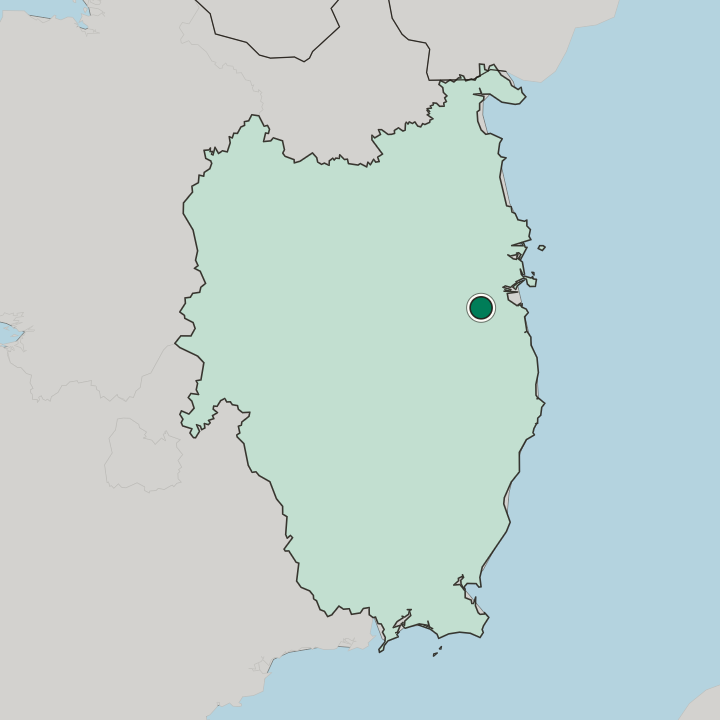
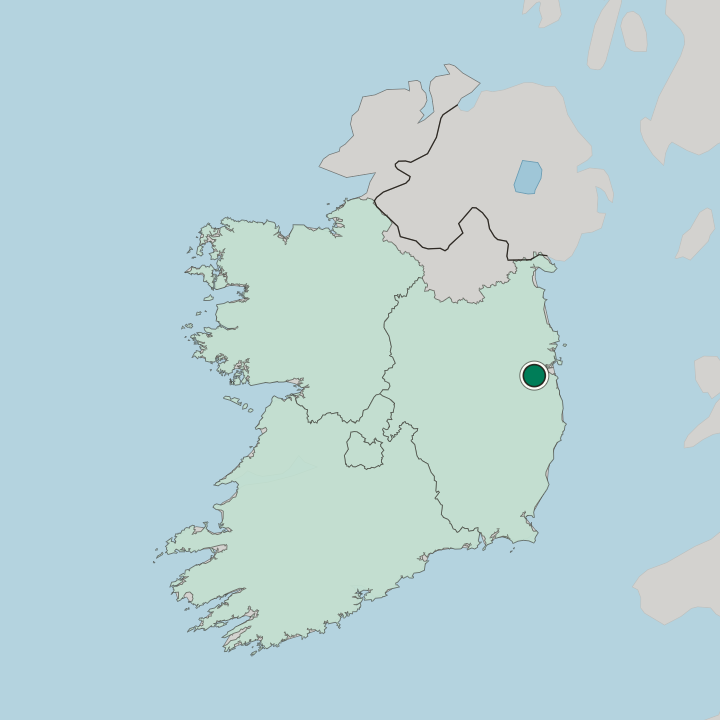
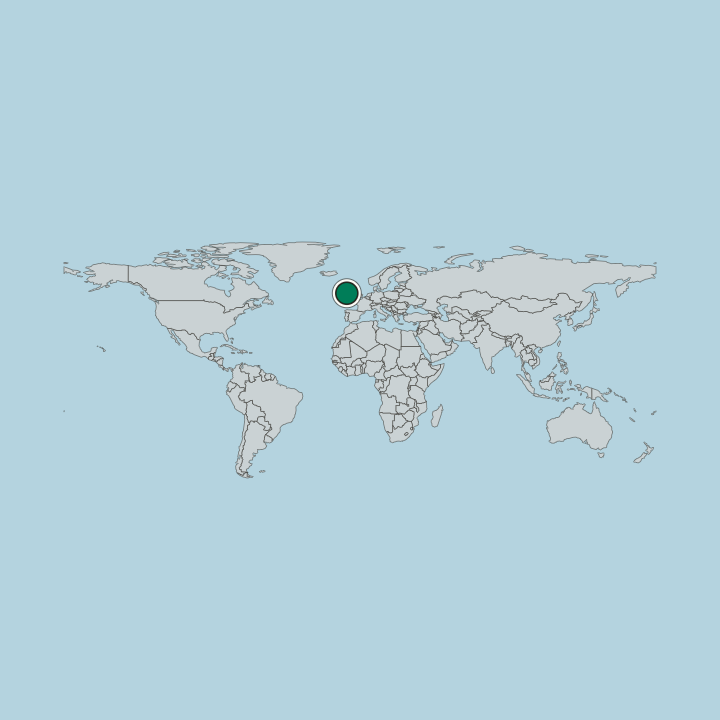
Tallaght lies on the outer ring of the built-up ground around Dublin, inside the county of South Dublin and, beyond that, the province of Leinster. Weather here stays within the temperate range. Distance from the city core is what gives the suburb its shape, since it keeps landmarks of its own, from Knocklyne Castle to Kiltalown House, without functioning as a separate town would.
What is the climate of Tallaght?
Tallaght keeps Dublin's weather. The suburb sits in the temperate band of the northern hemisphere, so the year turns without hard extremes at either end and the difference between one month and the next is a matter of degree. Sharp swings almost never happen.
Conditions vary little across South Dublin, and what falls on the Kiltalown estates falls much the same on Knocklyon.
How do you get to Tallaght?
Arrival is through Dublin. Tallaght stands on the outer edge of the city's built area, which makes reaching it a suburban journey out from Dublin rather than a trip to a distinct town somewhere in Leinster. County business points the same way.
Anyone coming for the administration of South Dublin, or for the Terenure Badminton Centre and St Basil's Training Centre, is travelling inside that metropolitan spread and not out of it.
Common questions
What is the best area to stay in Tallaght?
The monastery ground: Guests who want St Maelruain's Church and the Tallaght Monastery site at the door. Knocklyon: Stays pitched at Knocklyne Castle and Knocklyon Cross rather than the county offices. Kiltalown: Longer bookings anchored on Kiltalown House and the outer estates of South Dublin. The Kimmage and Terenure edge: Trips built around Kimmage Manor Parish Church or the Terenure Badminton Centre.
Good for
Another city in Leinster
Updated October 2026