Republic of Ireland · Munster
Where to Stay in Cork, Munster
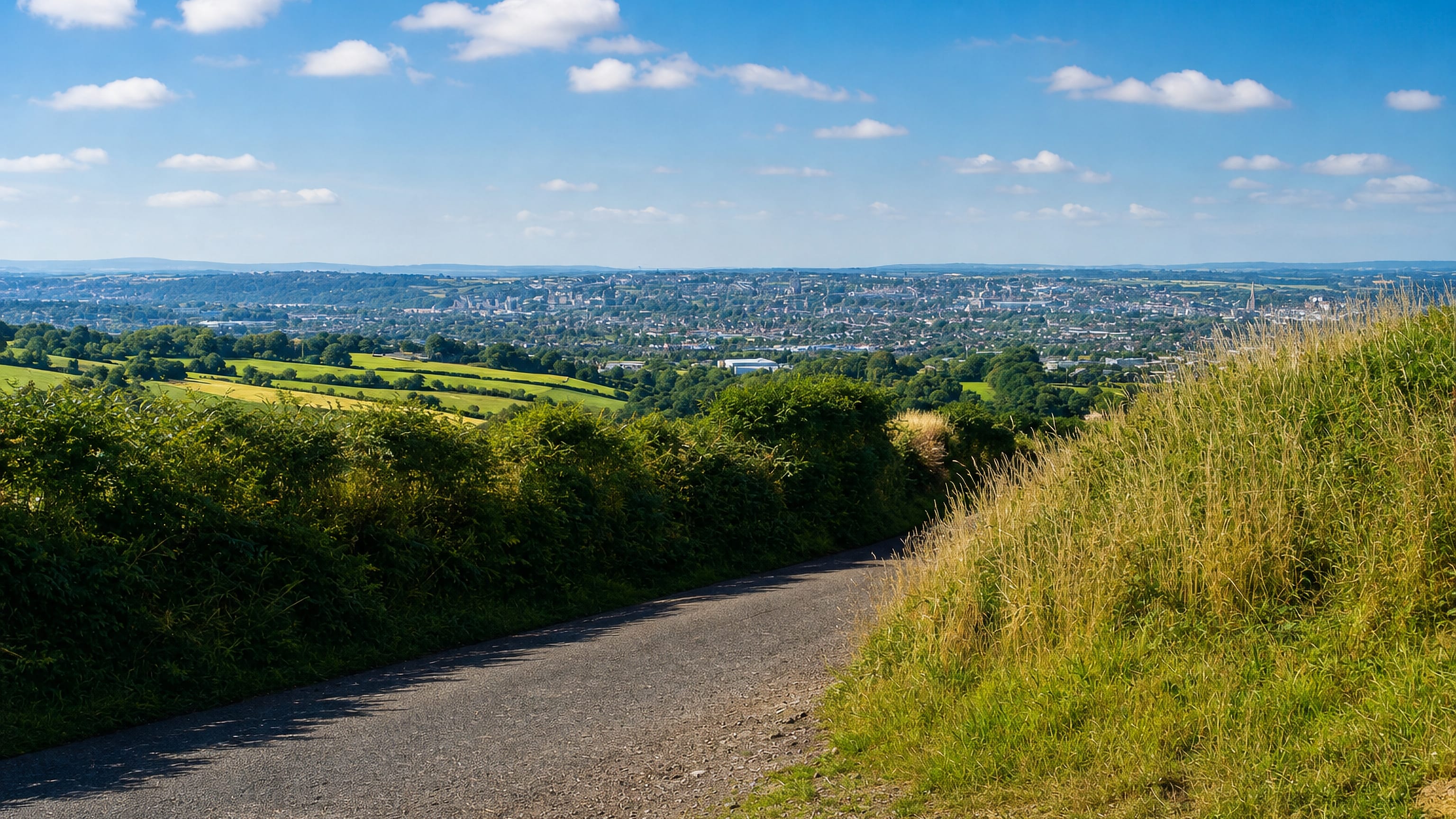
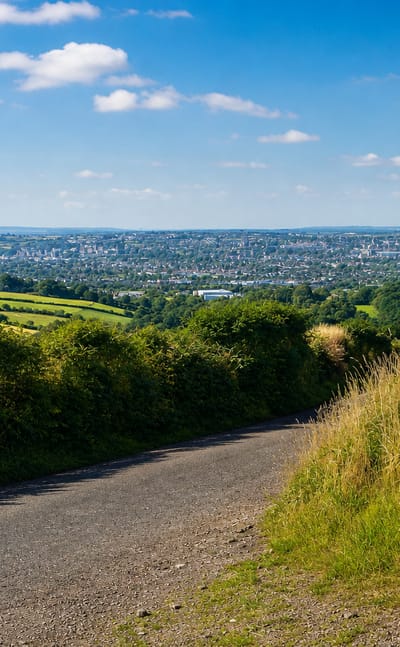
Bells ring from the Church of St Anne over Cork, a merchant port city in Munster, Ireland, known for its Georgian streets and the Crawford Art Gallery.
Hotel links are affiliate links: booking through them may earn us a commission, at no extra cost to you. It never affects how places are ranked. How this works


Where to stay in Cork
One neighbourhood here has its own guide — here's what it is best for.
 CorkRepublic of Ireland
Blackpool
Blackpool is a suburb in the north of Cork city, close to Shandon Castle, the Cork Butter Museum and the Church of St Anne.Where to stay →Hotel links are affiliate links: booking through them may earn us a commission, at no extra cost to you. It never affects how places are ranked. How this works
Find hotels in Cork
Direct booking searches for these neighbourhoods.
Shandon slope
The northern lanes climb around the Church of St Anne, the Cork Butter Museum, and Skiddy's Almshouse in Cork's oldest quarter.Find hotels in Shandon slopeGallery and Georgian-shopping staysCentral island
The flat grid gathers the Crawford Art Gallery, the National Monument, and Cork's Georgian streets into one walkable core.Find hotels in Central islandParkland and university-side calmMardyke and the west
The tree-lined Mardyke walk leads to the Lewis Glucksman Gallery and the Cork Public Museum away from the shopping bustle.Find hotels in Mardyke and the westHotel links are affiliate links: booking through them may earn us a commission, at no extra cost to you. It never affects how places are ranked. How this works
Things to do in Cork
Ranked by global recognition; descriptions from Wikidata (CC0).
Museums & Galleries
3- Crawford Art Gallery
- Lewis Glucksman Gallery
- Cork Butter Museum
Churches & Religious Sites
3- Church of St Anne
- Honan Chapel
- Holy Trinity Church, Cork
Castles & Historic Sites
3- Shandon Castle
- National Monument
- Father Theobald Mathew Memorial
Stadiums & Sports
3- Páirc Uí Chaoimh
- Musgrave Park
- Páirc Uí Rinn
Landmarks & Notable Places
3- Skiddy's Almshouse
- Penrose House
- Callanans Tower
worth knowingacross 5 categories in Cork
About Cork
What is Cork known for?
Cork is known as the principal city of County Cork and a historic merchant port with a strong independent streak. Georgian architecture lines its centre. The Crawford Art Gallery and the Lewis Glucksman Gallery carry its arts reputation, the Cork Butter Museum recalls the trade that built the port, and the Church of St Anne rises over the Shandon quarter with its landmark bells.
The Cork Public Museum in the Mardyke grounds tells the wider story of the city and its part in Irish history.
What are the main landmarks in Cork?
The main landmarks in Cork gather churches, galleries, and merchant relics across a small centre. The Church of St Anne crowns the Shandon slope with its bells, and Holy Trinity Church and the Honan Chapel add to the city's ecclesiastical set. Galleries anchor the arts.
The Crawford Art Gallery and the Lewis Glucksman Gallery hold the visual scene, while the Cork Butter Museum, the Cork Public Museum, and the National Monument record trade and memory. St Finbarre's Tower and Shandon Castle keep fragments of the older fortified town.
What is the history of Cork?
Cork grew as a merchant port and the principal city of County Cork, its wealth built on trade shipped out through its harbour. The butter market made its name. The Cork Butter Museum records the era when the port sent dairy across the seas, and the merchant fortunes of that trade paid for the Georgian streets and the fine houses that still shape the centre.
Older still are the fragments of the fortified town, remembered in St Finbarre's Tower, Shandon Castle, and the Old Market Place Castle, which mark where defensive works once stood. The city earned a proud place in Irish history and a reputation for independence that Corkonians still claim. Monuments across the centre carry that memory.
The National Monument and the Delaney Brothers Monument stand for figures and events tied to the struggle, while the Father Theobald Mathew Memorial honours the temperance reformer whose work spread from the city. Faith left its own marks in the Church of St Anne on the Shandon slope, in Holy Trinity Church, and in the Honan Chapel, and the Skiddy's Almshouse survives as a charitable relic of the merchant age that gave Cork its enduring character.
Where is Cork?
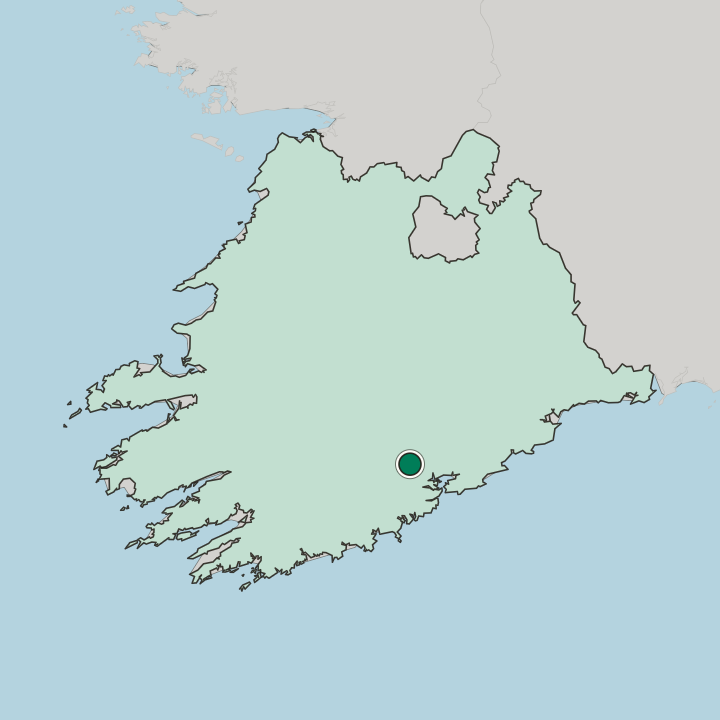
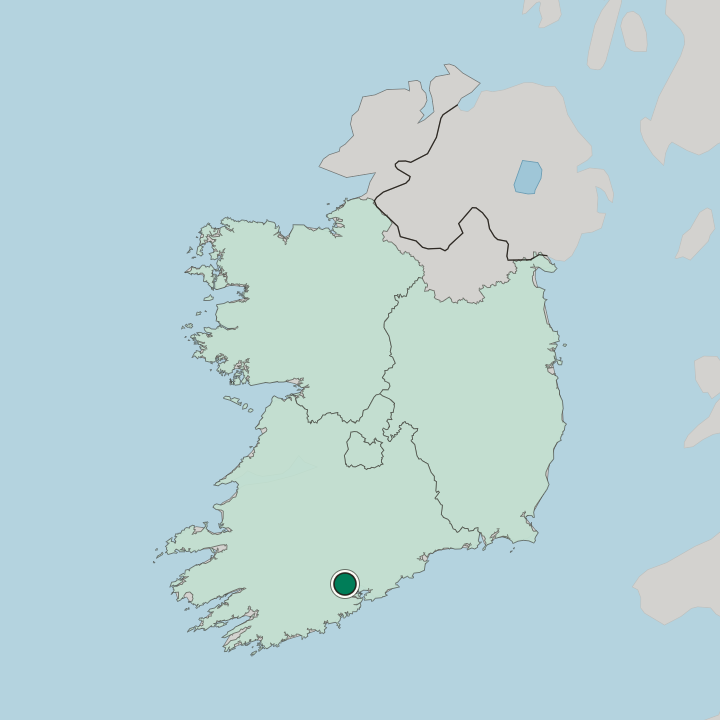
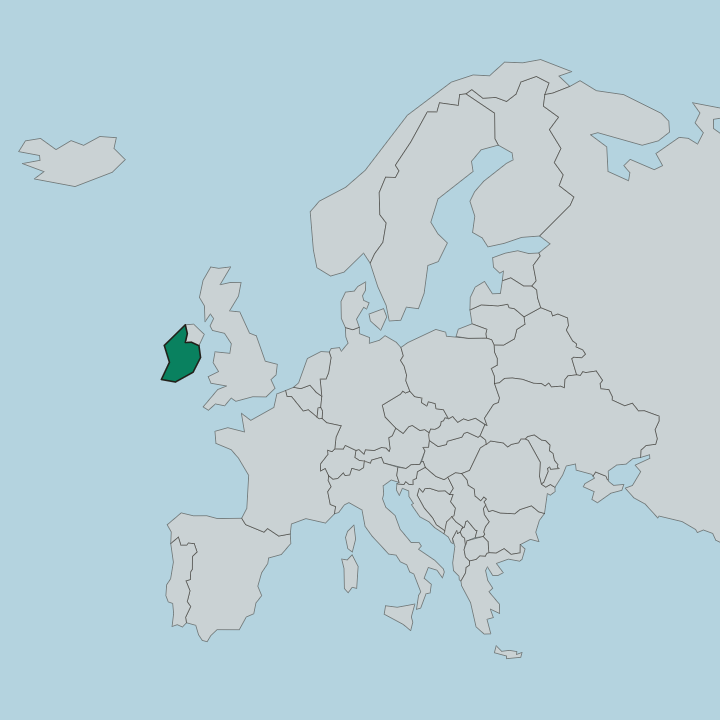
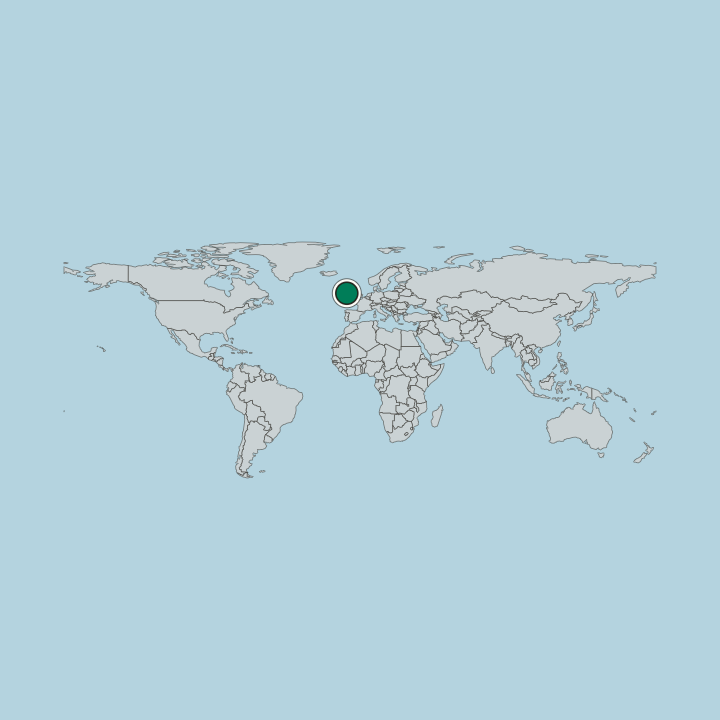
Cork lies in southwest Ireland, the principal city of County Cork in the province of Munster. Its centre sits low. The old core spreads across flat ground between water channels, with the Shandon quarter climbing the slope to the north around the Church of St Anne, while the green Mardyke walk stretches away to the west.
A port setting placed the city on the sea trade routes that made its harbour, and the compact, low-lying centre keeps its landmarks within an easy walk of one another.
What is the climate of Cork?
Cork has a mild maritime climate typical of southwest Ireland and its harbour setting. Winters stay cool and wet. Summers are temperate rather than hot, and rain falls steadily through the year with few long dry spells, moderated by the ocean air that reaches the port.
Grey and changeable skies are the ordinary character over the Shandon slope and the low centre, though hard frost and heavy snow are rare so close to the warming sea.
How do you get to Cork?
Cork is reached by air, sea, and rail as the main hub of southwest Ireland. Cork Airport lies just south of the city and links it to routes across Ireland, Britain, and Europe. Ferries use the harbour.
Rail and coach lines run north toward the rest of Munster and beyond, and within the compact centre the Shandon slope, the central island, and the Mardyke all sit within a short walk of the arrival points around the Crawford Art Gallery.
Common questions
What is the best area to stay in Cork?
Shandon slope: Historic hillside stays near the Cork bells. Central island: Gallery and Georgian-shopping stays. Mardyke and the west: Parkland and university-side calm.
Good for
More cities in Munster
Updated September 2026