Republic of Ireland · Munster
Where to Stay in Limerick, Munster
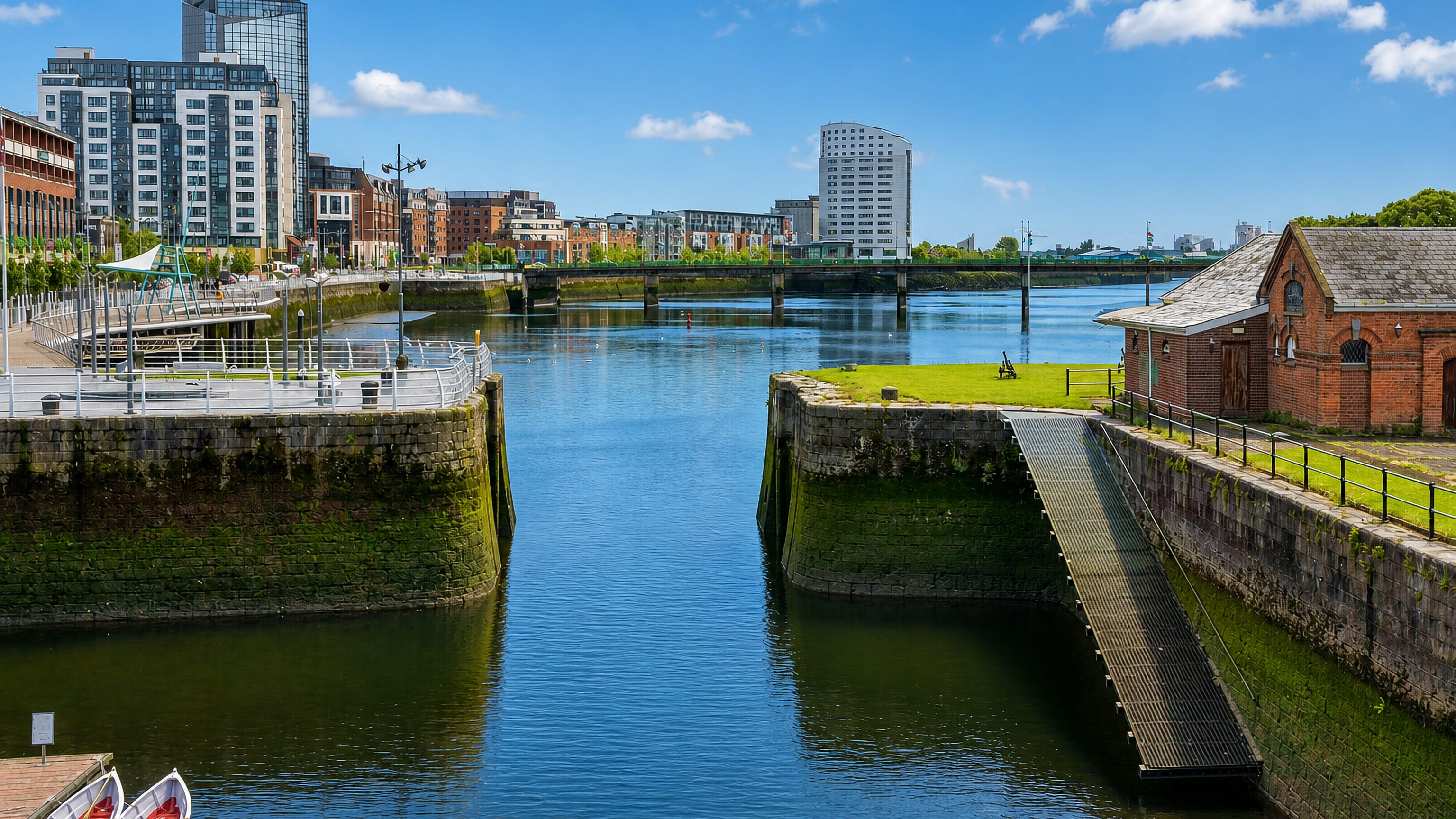
King John's Castle guards the Shannon at Limerick, a Georgian-streeted city in Munster founded by Scandinavian settlers in 812.
Hotel links are affiliate links: booking through them may earn us a commission, at no extra cost to you. It never affects how places are ranked. How this works



Where to stay in Limerick
Where visitors usually base themselves, and why.
Limerick divides between two quarters. The oldest gathers around King John's Castle on the Shannon, the walled riverside island where the Treaty Stone stands and the city's Norse and Norman story is written into the ground. South of it lies the Georgian city, the ordered streets that earned Limerick its miniature-Dublin name, holding the Hunt Museum, the Limerick City Gallery of Art, and the everyday life of the centre.
The castle quarter suits travellers who want the medieval river frontage at their door. Its lanes run past the Treaty Stone and Saint Michael's Catholic Church, close to the water and the crossing that first drew Scandinavian settlers here. The Georgian centre is the more practical base.
Its long streets put the museums, the galleries, and the Daniel O'Connell Monument within an easy walk, and the county beyond opens toward County Clare and County Tipperary. Stay by King John's Castle for the river and the history; take the Georgian streets if you want the museums and the city's daily rhythm around you.
Find hotels in Limerick
Direct booking searches for these neighbourhoods.
The King John's Castle quarter
Limerick's walled medieval island on the Shannon, where King John's Castle and the Treaty Stone hold the old Norse and Norman waterfront.Find hotels in The King John's Castle quartermuseums, galleries, and the daily life of the centreThe Georgian city centre
Limerick's ordered Georgian grid, the miniature-Dublin streets holding the Hunt Museum, the Limerick City Gallery of Art, and the Daniel O'Connell Monument.Find hotels in The Georgian city centreHotel links are affiliate links: booking through them may earn us a commission, at no extra cost to you. It never affects how places are ranked. How this works
Things to do in Limerick
Ranked by global recognition; descriptions from Wikidata (CC0).
Museums & Galleries
3- Hunt Museum
- Limerick City Gallery of Art
- The People's Museum of Limerick
Churches & Religious Sites
3- Saint Michael's Catholic Church
- Mount St Lawrence's Chapel
- Church of the Sacred Heart
Castles & Historic Sites
3- King John's Castle Heritage
- The Treaty Stone
- 1916 Memorial
Stadiums & Sports
1- Markets Field
worth knowingacross 4 categories in Limerick
About Limerick
What is Limerick known for?
Limerick is western Ireland's third city. It sits in County Limerick within the province of Munster, the third-most populous urban area in Ireland and the fourth-most populous on the island. The city is known for its Georgian streets, likened to a miniature Dublin, and for the medieval waterfront where King John's Castle and the Treaty Stone stand above the Shannon.
It makes a base for the surrounding county and for County Clare and County Tipperary next door.
What are the main landmarks in Limerick?
King John's Castle is Limerick's signature building. The Norman fortress stands on the Shannon at the heart of the old walled city, its round towers a set-piece of the medieval river frontage. Nearby the Treaty Stone marks the 1691 surrender that ended the siege of the city.
The Hunt Museum and the Limerick City Gallery of Art hold its collections, while the Daniel O'Connell Monument and Saint Michael's Catholic Church mark the Georgian streets beyond.
What is the history of Limerick?
Limerick was founded by Scandinavian settlers in 812, during the Viking Age. The Norse raised their settlement at the lowest crossing point of the Shannon in western Ireland, on the island where the water could be forded and guarded. Vikings held it.
Their riverside base grew into a walled trading town that the Normans later seized and fortified, building the great castle that still carries the name of King John above the water. The medieval city became one of the most fought-over on the island. Its walls, its bridges, and its island quarter made it a prize, and the Treaty Stone by the Shannon commemorates the 1691 surrender that ended the long siege of the town and sent the defeated to exile.
In the following century the ordered Georgian streets rose south of the old walls, giving Limerick the miniature-Dublin cast that still marks the centre. From a Viking ford on the Shannon the city grew into the third-most populous urban area in Ireland, seat of County Limerick within Munster.
Where is Limerick?
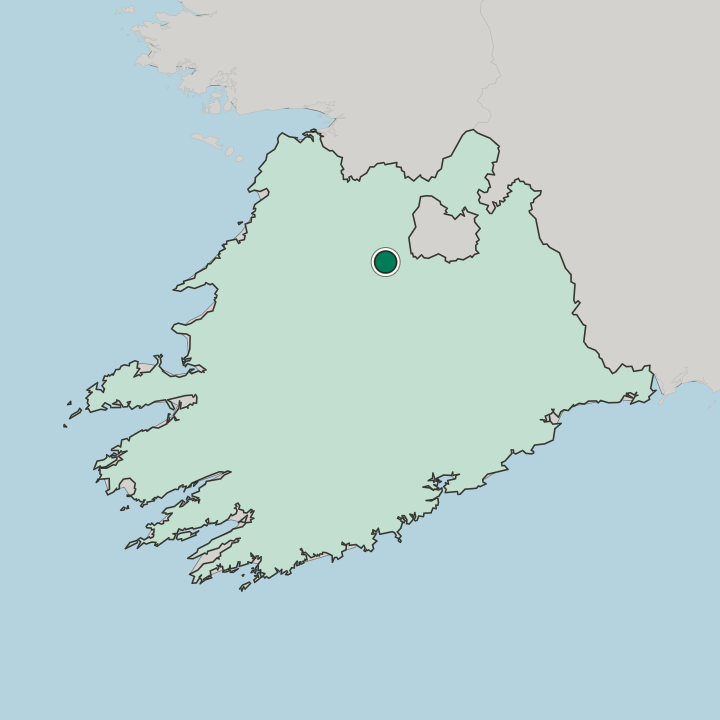
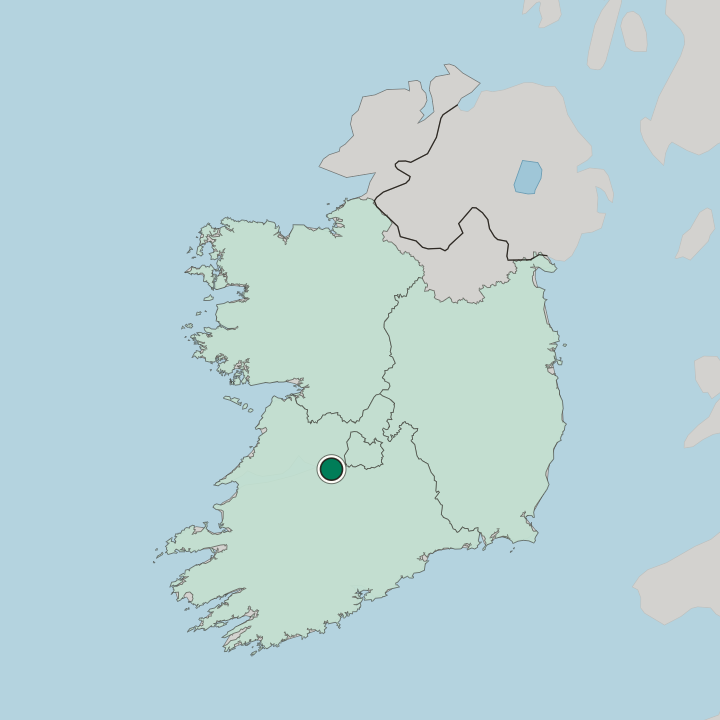
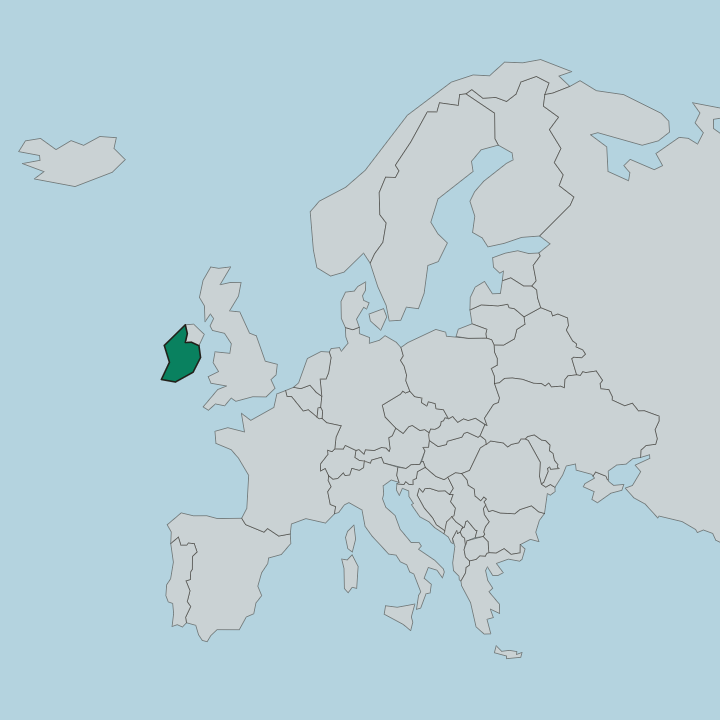
Limerick stands on the Shannon in western Ireland. The city occupies the lowest fording point of the river, at the head of its long estuary in County Limerick, within the province of Munster and the Mid-West of the Southern Region. Its old core sits on an island in the Shannon where King John's Castle guards the water, and County Clare lies just across the river to the north while County Tipperary borders the county to the east.
What is the climate of Limerick?
Limerick has the mild, damp weather of Ireland's Atlantic west. The Shannon estuary carries ocean air inland to the city, keeping winters cool rather than cold and summers mild and green. Rain blows in often off the Atlantic.
It arrives off the Atlantic across County Clare and the western county through much of the year, borne on the prevailing south-westerly winds that keep the air soft and grey. The wide estuary tempers the extremes, so hard frost and lasting snow are rare.
How do you get to Limerick?
Limerick sits at the road and rail crossing of the Shannon. The city is the hub of the Mid-West, linked by motorway and rail toward Dublin to the east and Cork to the south in the province of Munster. County Clare lies just across the river to the north, and County Tipperary borders the county to the east, so the surrounding country is within an easy drive.
Rail and bus services run into the centre near the old Georgian streets.
Common questions
What is the best area to stay in Limerick?
The King John's Castle quarter: the medieval river frontage and history. The Georgian city centre: museums, galleries, and the daily life of the centre.
Good for
More cities in Munster
Updated October 2026