India · Manipur
Where to Stay in Imphal, Manipur
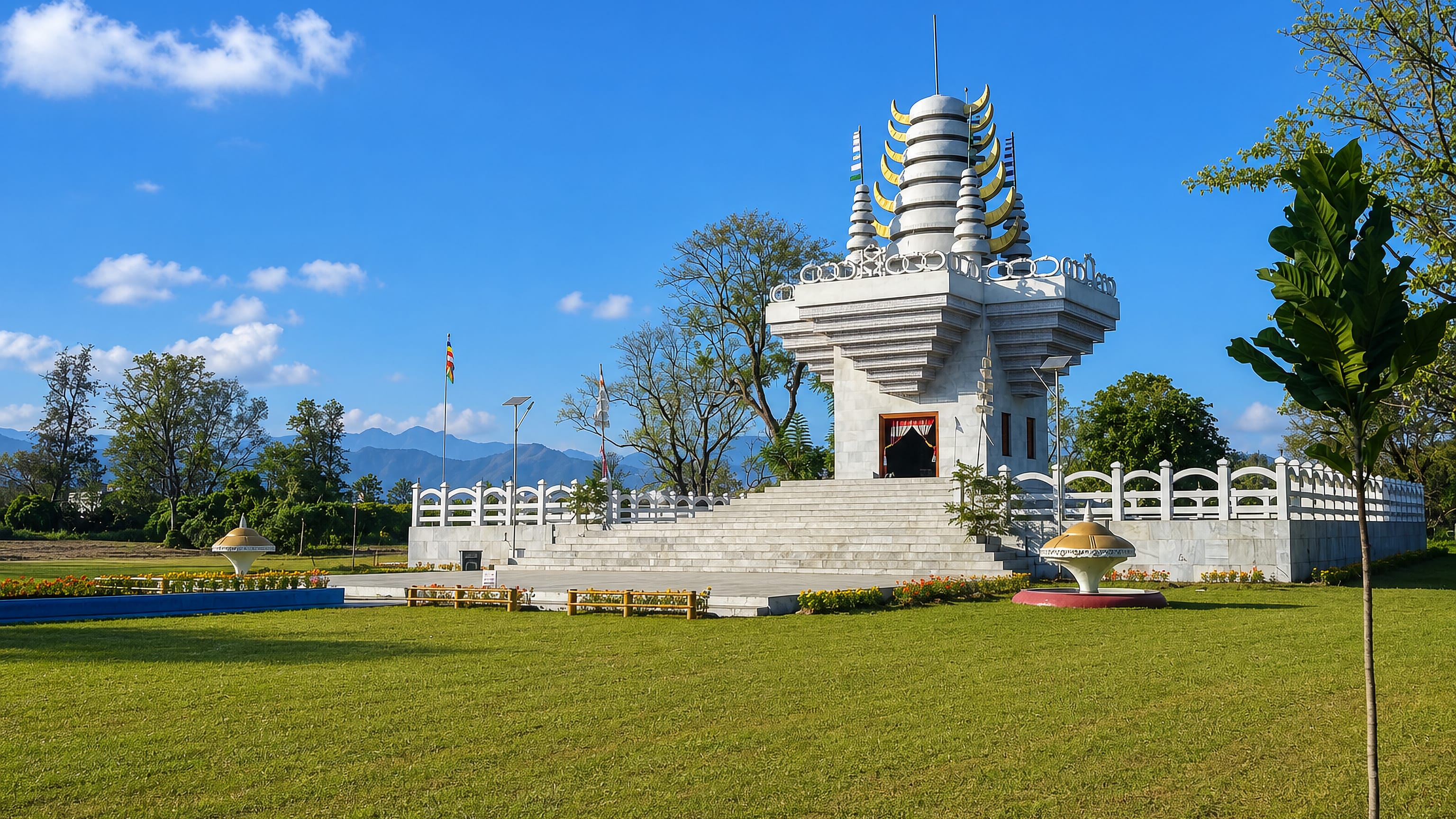
Imphal is the capital of Manipur, built around the moated ruins of Kangla Palace, the royal seat of the former Kingdom of Manipur.
Hotel links are affiliate links: booking through them may earn us a commission, at no extra cost to you. It never affects how places are ranked. How this works


Where to stay in Imphal
How the choice of base plays out on the ground.
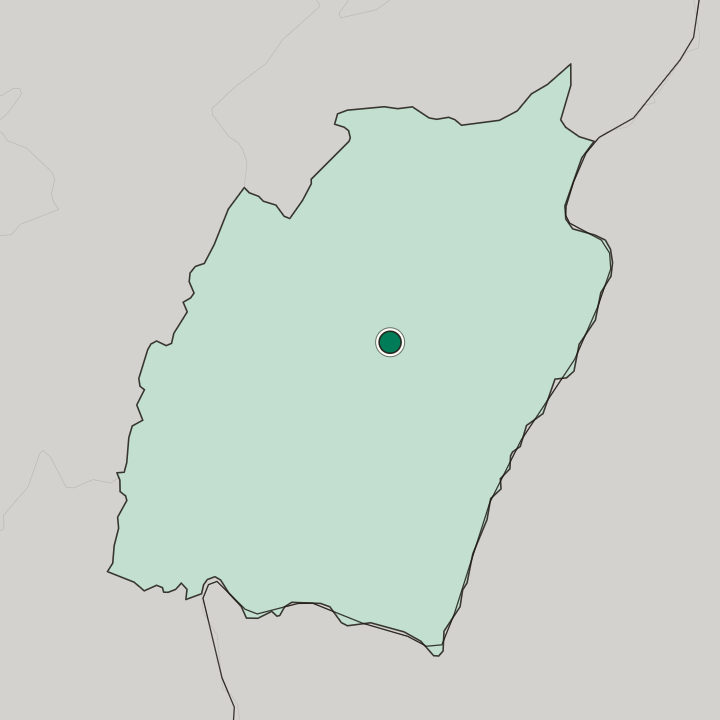
Two districts split the city. Imphal spreads across Imphal West and Imphal East, and Imphal West carries the greater part of the built-up area, which is where the Manipur State Museum and the ground around Kangla Palace both turn out to be. A room near the moat puts the palace ruins, the Manipur State Museum and the weaving and brass-ware trades within one walk.
Transit stays are common. Travellers passing through Manipur on the way somewhere else make up a good share of the demand, so rooms are chosen for the road out at least as much as for the sights. Imphal East holds the smaller share.
Rooms there sit further from Kangla Palace, and anyone whose itinerary is built around the Imphal Peace Museum, Shaheed Minar or Sanggai Yumpham should confirm which district each one falls in before booking. The Imphal dialect is the standard form of Meitei, officially called Manipuri, and it is what a visitor will hear in the markets and on the streets of both districts. Lodging is thin in Imphal.
Imphal is not a large city, and the demand from state administration and passing traffic keeps what rooms exist busier than the visitor numbers alone would suggest.
Find hotels in Imphal
Direct booking searches for these neighbourhoods.
Around the Kangla Palace moat
The moated enclosure of Kangla Palace sits at the metropolitan centre of Imphal, and a room against it puts the royal seat of the former Kingdom of Manipur and the state museum inside a single walk. Lodging is scarce in this area; reserve in advance.Find hotels in Around the Kangla Palace moatA first visit that wants the larger half of the city on its doorstepImphal West
Imphal West holds the greater part of Imphal's built-up area, which makes it the practical half for a traveller who wants the Manipur State Museum and the Kangla Palace ground both within reachFind hotels in Imphal WestItineraries built around the Imphal Peace Museum and Shaheed MinarImphal East
Imphal East takes the smaller share of the city, which makes it worth checking whether the Imphal Peace Museum, Shaheed Minar or Sanggai Yumpham falls on that side before a booking is madeFind hotels in Imphal EastHotel links are affiliate links: booking through them may earn us a commission, at no extra cost to you. It never affects how places are ranked. How this works
About Imphal
Kangla Palace is the centre of it.
What is Imphal known for?
The royal seat of the former Kingdom of Manipur stands in ruins inside its moat, and the rest of Imphal has grown around that enclosure rather than pushing it to one side. Superlatives cluster here too. The city keeps the world's oldest polo ground, the world's tallest topiary plant, a market run entirely by women, and the tallest polo player statue anywhere, which is more distinction than most cities of its size can list.
What are the main landmarks in Imphal?
Imphal's roll of named sights runs to five. Kangla Palace anchors it, a moated ruin at the metropolitan centre of Imphal that once served as the royal seat of the Kingdom of Manipur. The Manipur State Museum and the Imphal Peace Museum sit on the same itinerary, and Shaheed Minar and Sanggai Yumpham round it out.
One cathedral belongs on the list as well: St. Joseph's Cathedral.
What is the history of Imphal?
A kingdom sat here first. Kangla Palace was the royal seat of the Kingdom of Manipur, and what survives of it, a ruin inside a moat at the metropolitan centre of Imphal, is what the modern city grew around. No founding year is recorded for Imphal itself, which leaves the palace and its moat as the fixed point in the city's account of its own past.
Two districts carry the city. Imphal West and Imphal East divide the built-up area between them, with the larger share of that area falling to Imphal West. Craft kept the place going.
Weaving, brass-ware and bronze-ware are the trades Imphal is known for, and cottage industries of that kind account for a large part of what the city makes and sells. Language survived alongside the crafts. The Imphal dialect is the standard form of Meitei, known officially as Manipuri, so the city's own speech sets the standard form of the language.
Imphal was taken into the Smart Cities Mission run by the Ministry of Housing and Urban Affairs, and that programme sits at the far end of a record which runs back through craft, language and kingdom. The Imphal Peace Museum and Shaheed Minar are the two commemorative sites on the city's landmark list.
Where is Imphal?
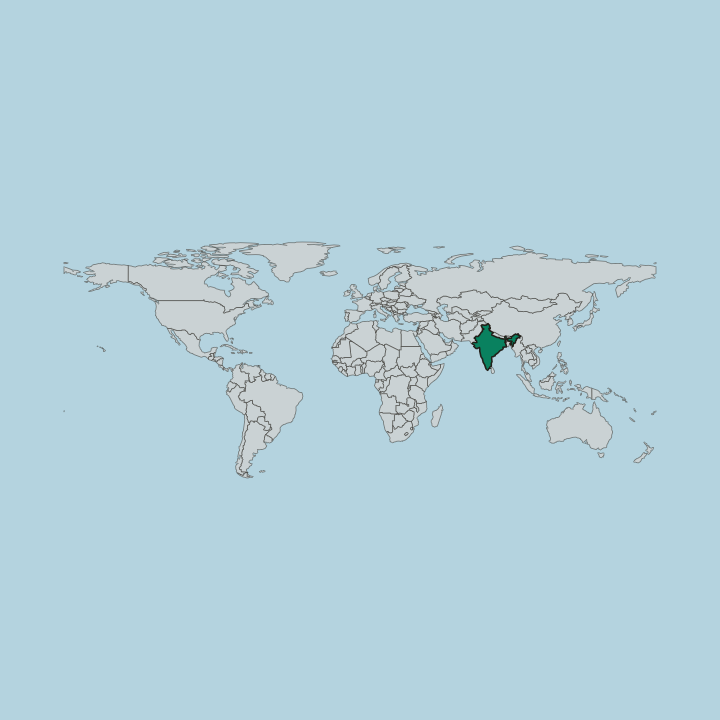
The moat marks the centre. Kangla Palace and its water sit at the metropolitan core of Imphal, and the city's built-up ground has spread outward from there across the two districts that share it. Imphal West takes the larger part.
Imphal East holds the rest, and the boundary between them is what a traveller crosses moving from one side of Manipur's capital to the other.
What is the climate of Imphal?
Subtropical air governs the year. Imphal sits in that band north of the equator, and the seasons show up less in the temperature than in what the weather does to a day spent walking between Kangla Palace, the Manipur State Museum and the markets. Shade is scarce.
Anything on the open ground around the palace ruins is exposed, which is why a morning spent at Kangla Palace differs so much from a midday one.
How do you get to Imphal?
Much of the traffic is passing through. Imphal is a stop on the way elsewhere for a large share of the people who arrive, and the city's position as Manipur's capital makes it the point at which routes across the state converge. Two districts share it.
Imphal West holds the greater part of the built-up area and Imphal East takes the remainder, so a booked address is worth checking against the district it belongs to.
Common questions
What is the best area to stay in Imphal?
Around the Kangla Palace moat: Reaching the Kangla Palace ruins and the Manipur State Museum on foot. Imphal West: A first visit that wants the larger half of the city on its doorstep. Imphal East: Itineraries built around the Imphal Peace Museum and Shaheed Minar.
Good for
Updated September 2026