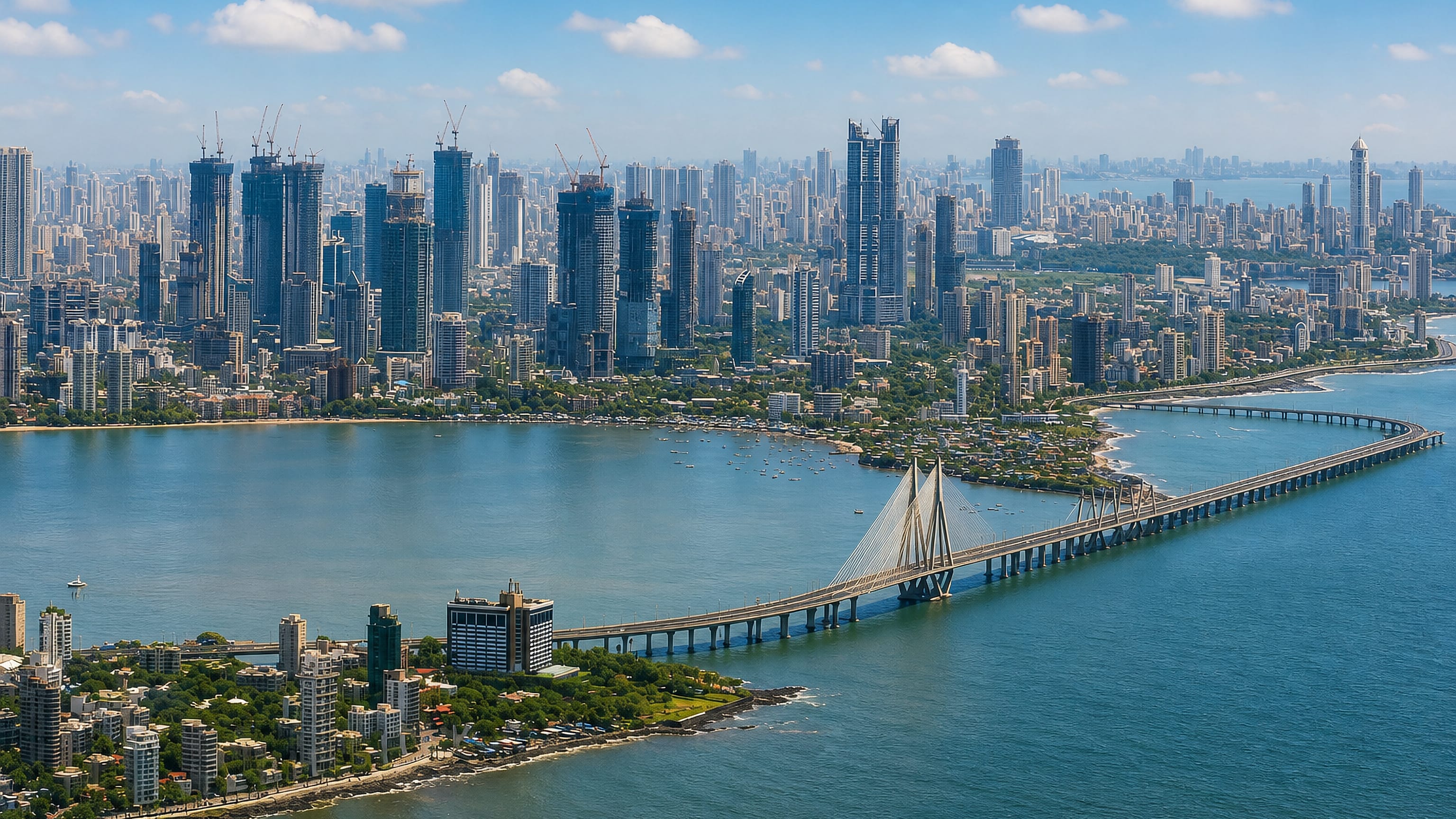
India: Regions, Cities & Travel Guide
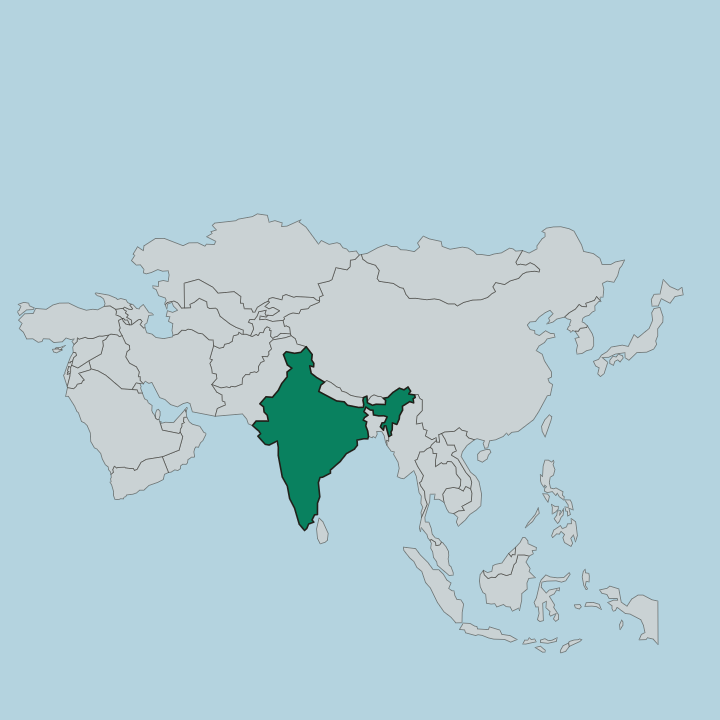
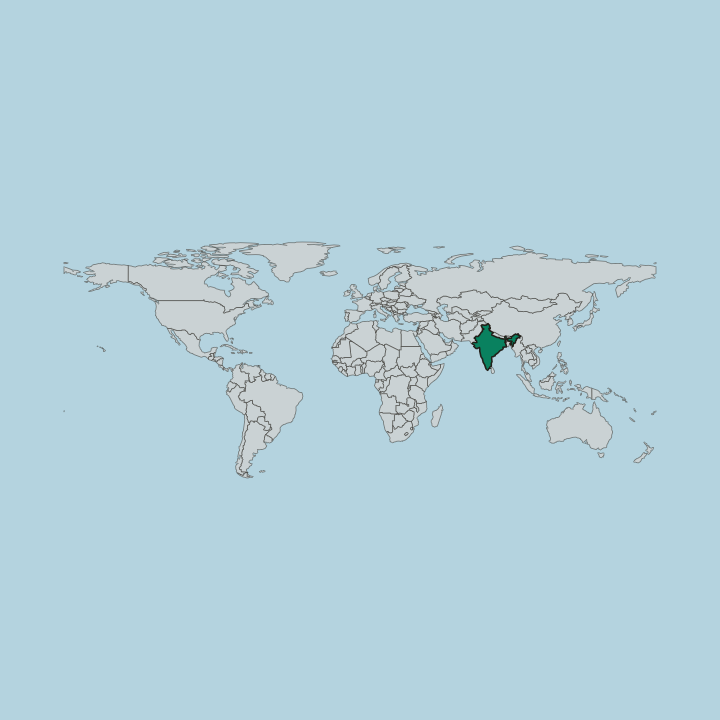
India spreads across South Asia between the Arabian Sea and the Bay of Bengal, a vast country of ancient civilisations, many languages and long coasts.
Hotel links are affiliate links: booking through them may earn us a commission, at no extra cost to you. It never affects how places are ranked. How this works


Top destinations in India
Cities to start from, then drill into areas and hotels.
 India
India
Mumbai
The sea wraps Mumbai on the Konkan coast, capital of Maharashtra built across seven islands, known for its old churches and deep harbour.Where to stay →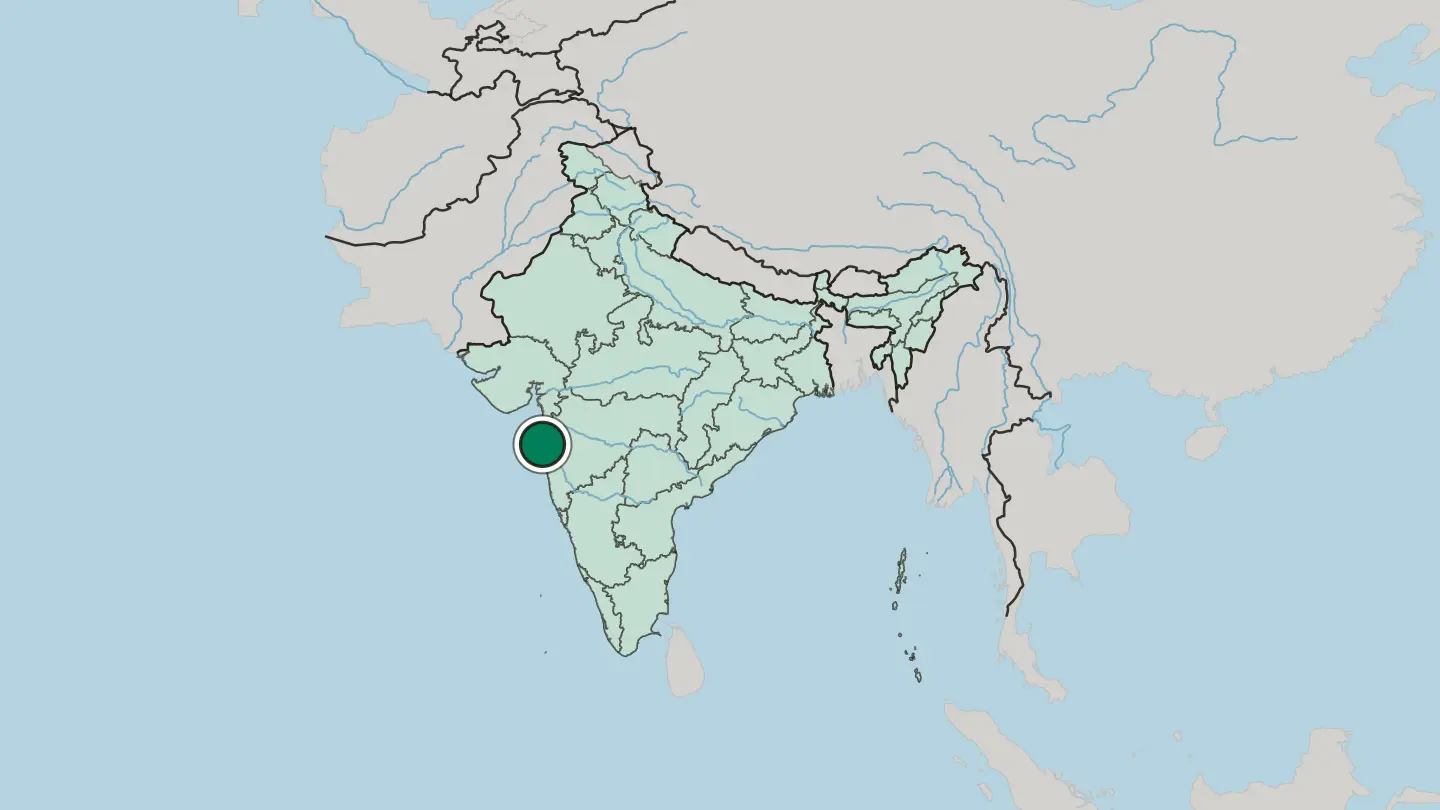
 India
India
Delhi
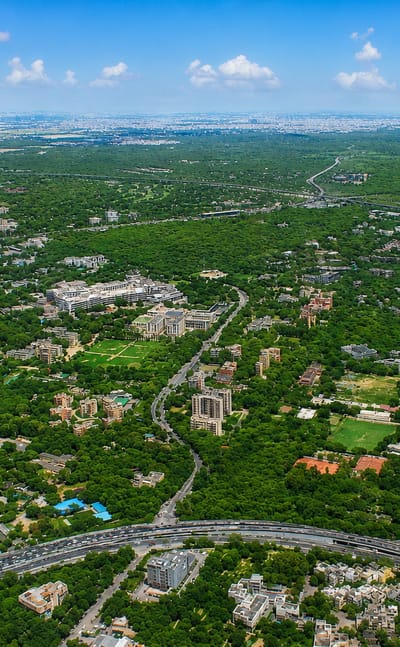
Old ramparts and river flats meet the modern grid in Delhi, the megacity of the National Capital Territory of Delhi, spread along the Yamuna.Where to stay →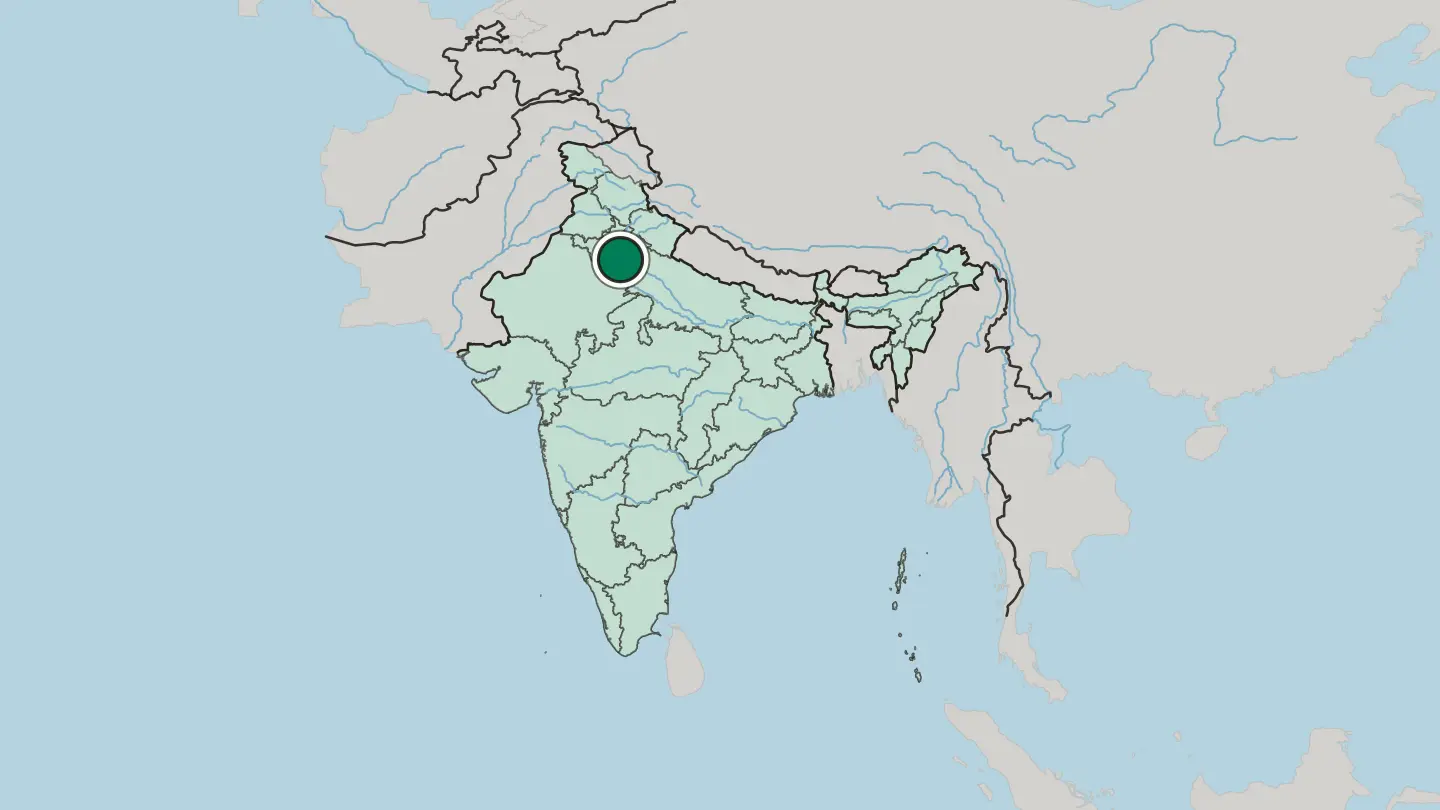
 India
India
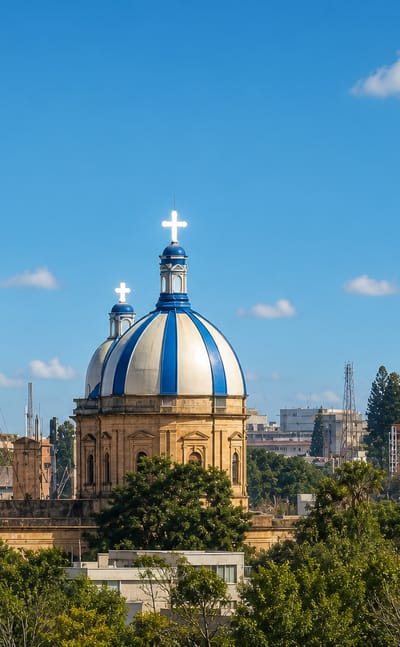
Bengaluru
Cool air and green streets run through Bengaluru, capital of Karnataka on the Deccan Plateau, long known as India's Garden City.Where to stay →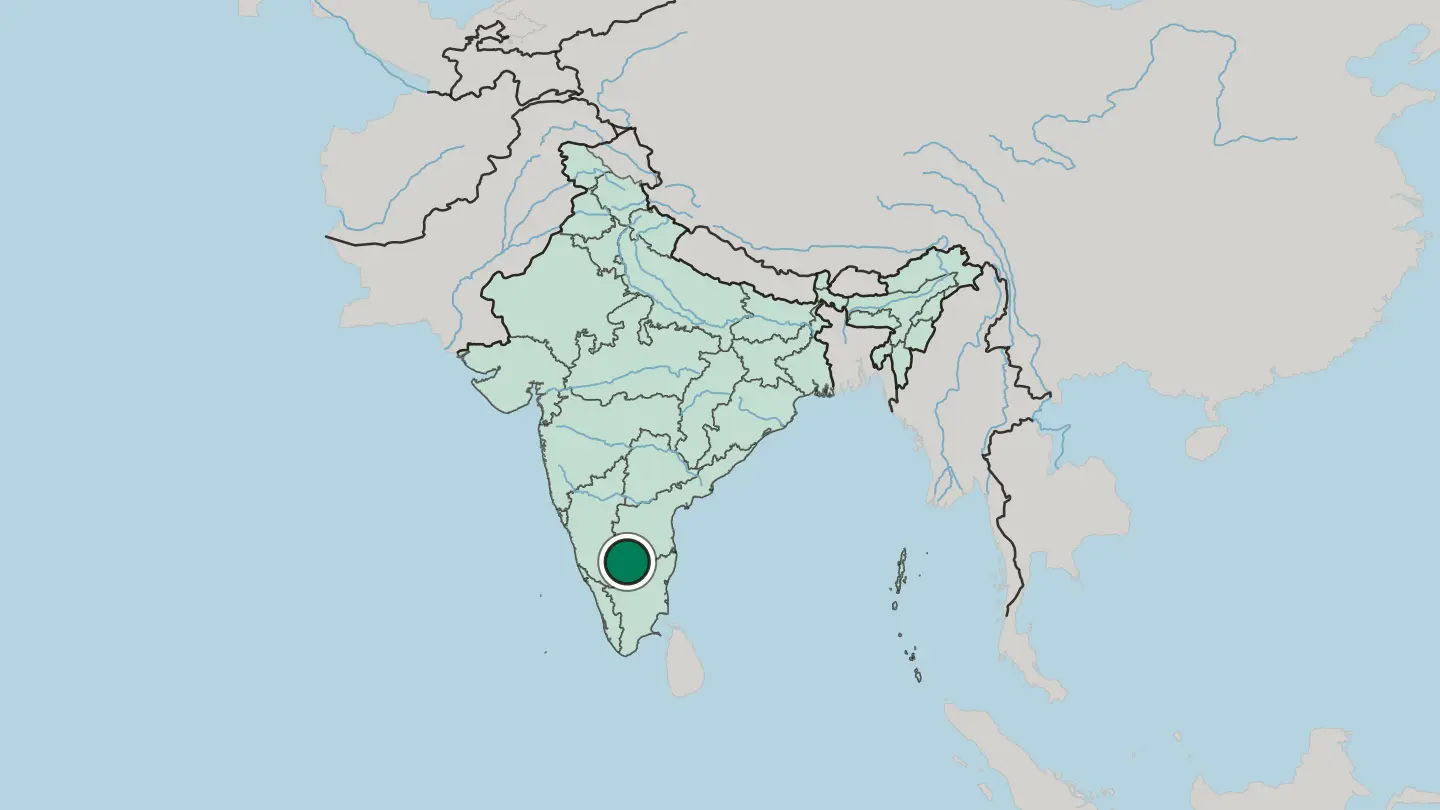
 India
India
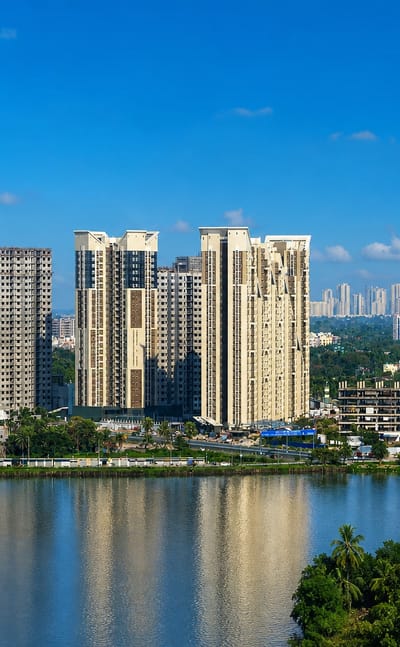
Kolkata
The Hooghly River rolls past Kolkata, capital of West Bengal, cradle of the Bengali Renaissance, known for the Victoria Memorial and its colonial churches.Where to stay →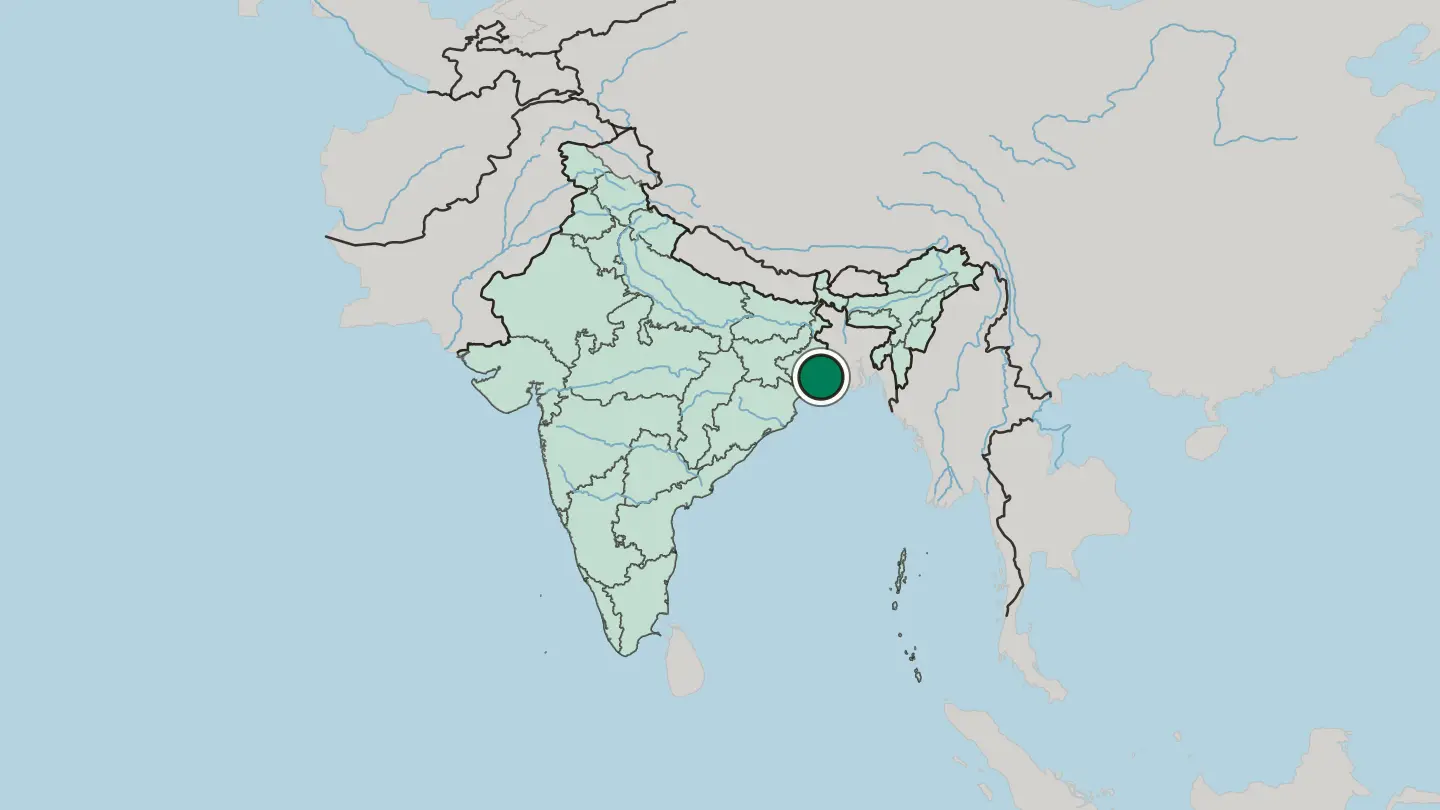
 India
India
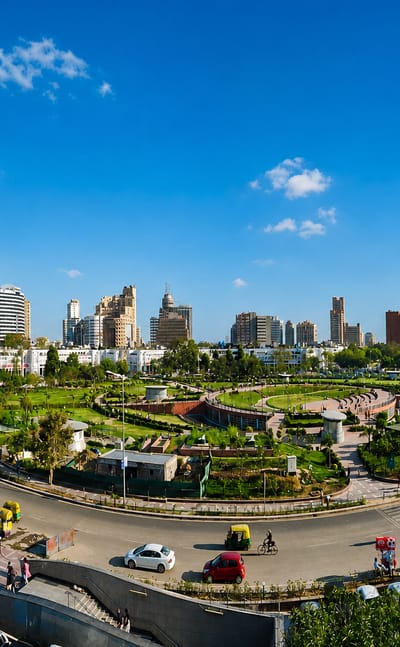
New Delhi
New Delhi is the capital of India, the seat of its government laid out across Lutyens' Delhi in the National Capital Territory of Delhi.Where to stay →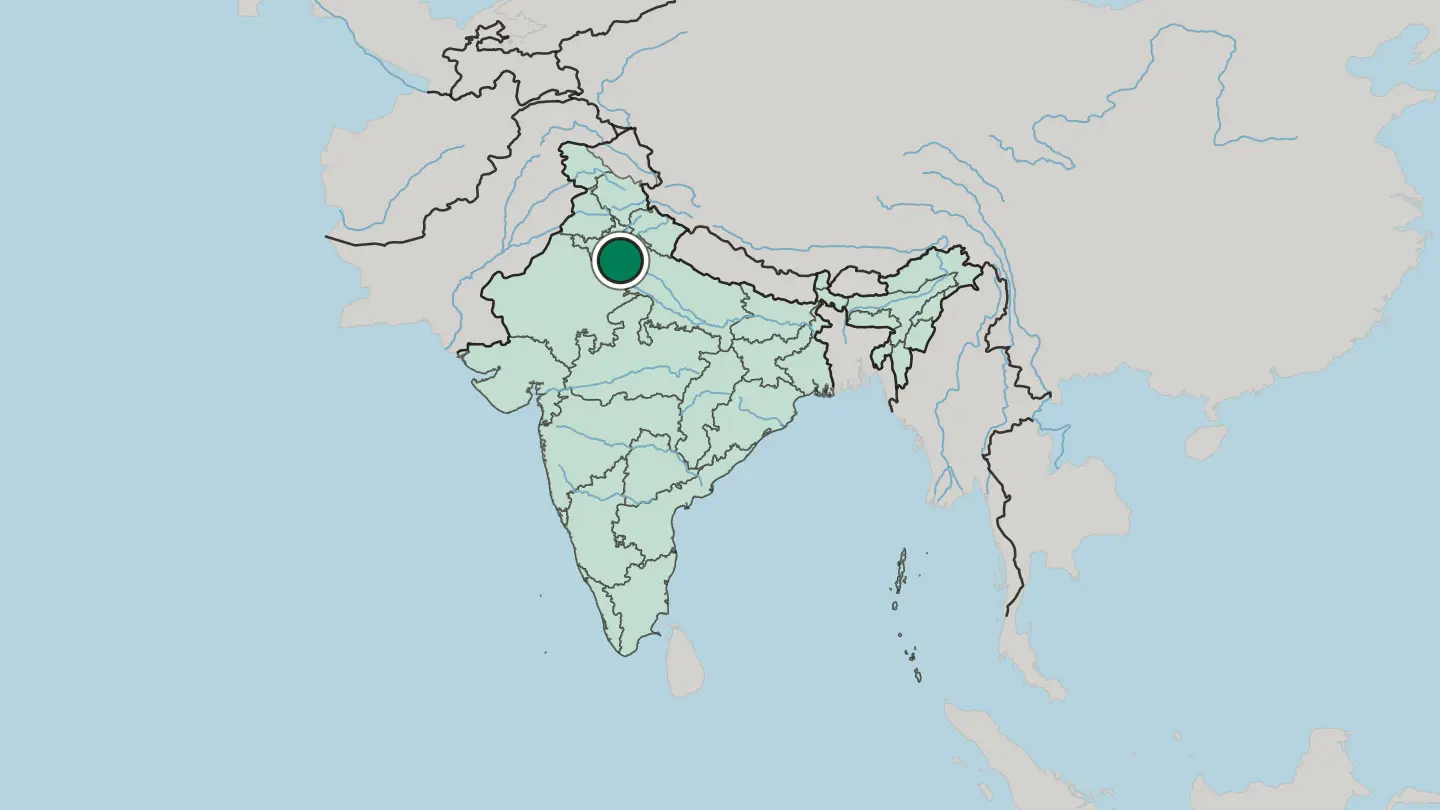
 India
India
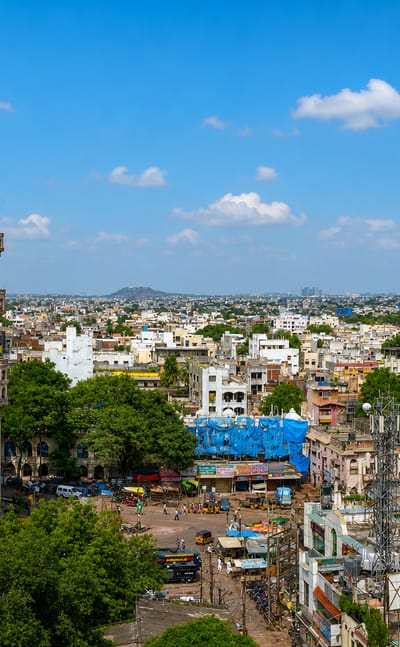
Hyderabad
Charminar's minarets rise over Hyderabad, capital of Telangana on the Musi River, known for the Salar Jung Museum and Falaknuma Palace.Where to stay →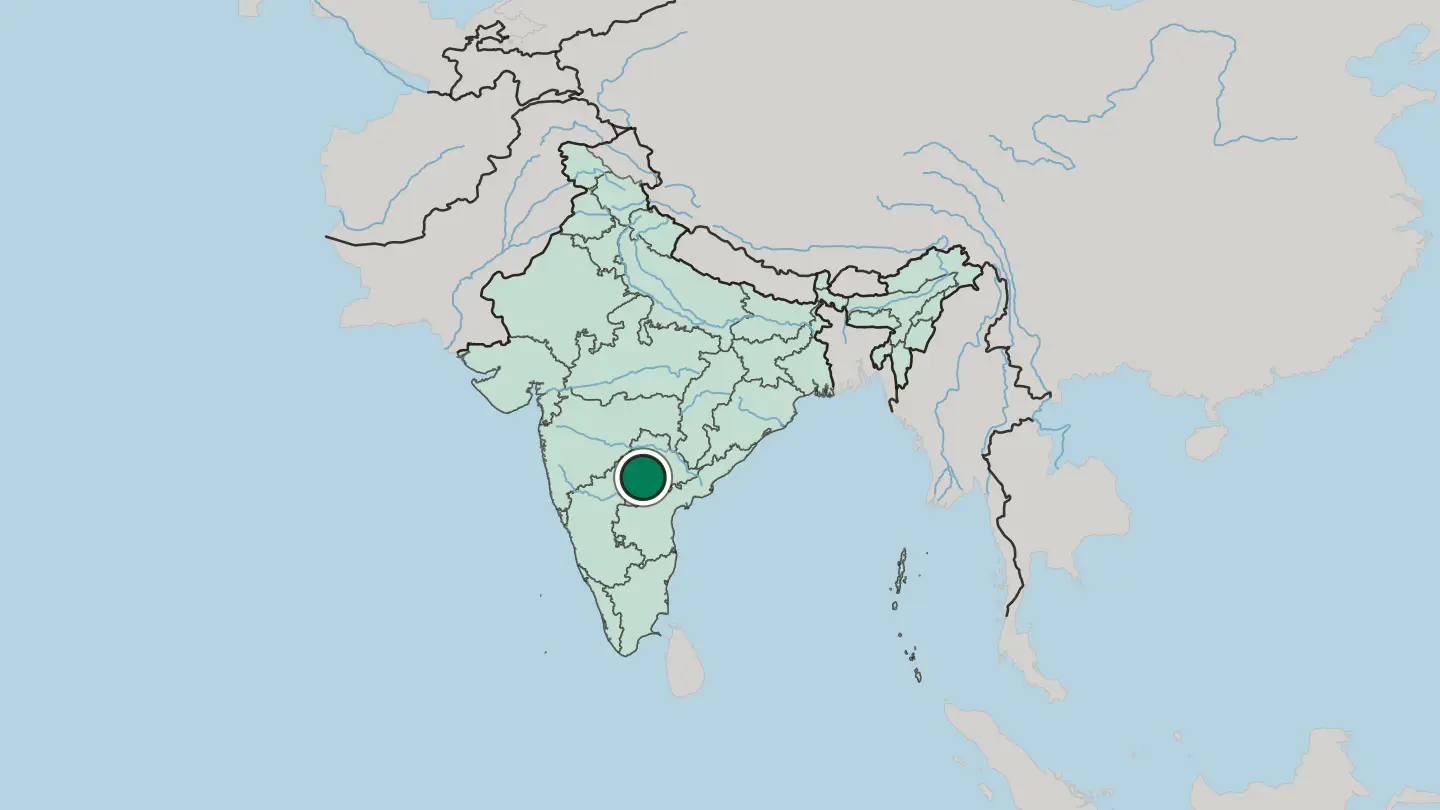
 India
India
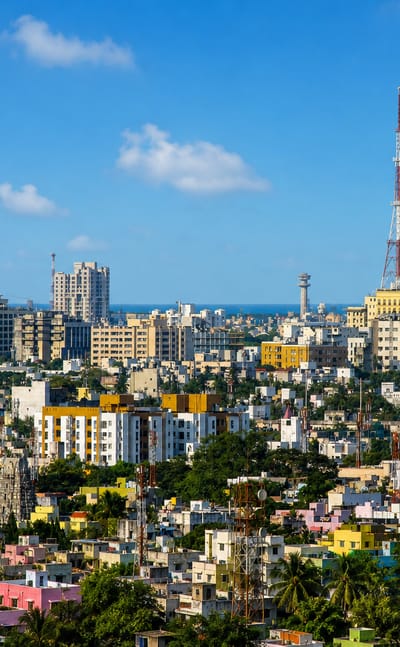
Chennai
Sea winds off the Bay of Bengal reach Chennai, capital of Tamil Nadu on the Coromandel Coast, known for Fort St George and its old churches.Where to stay →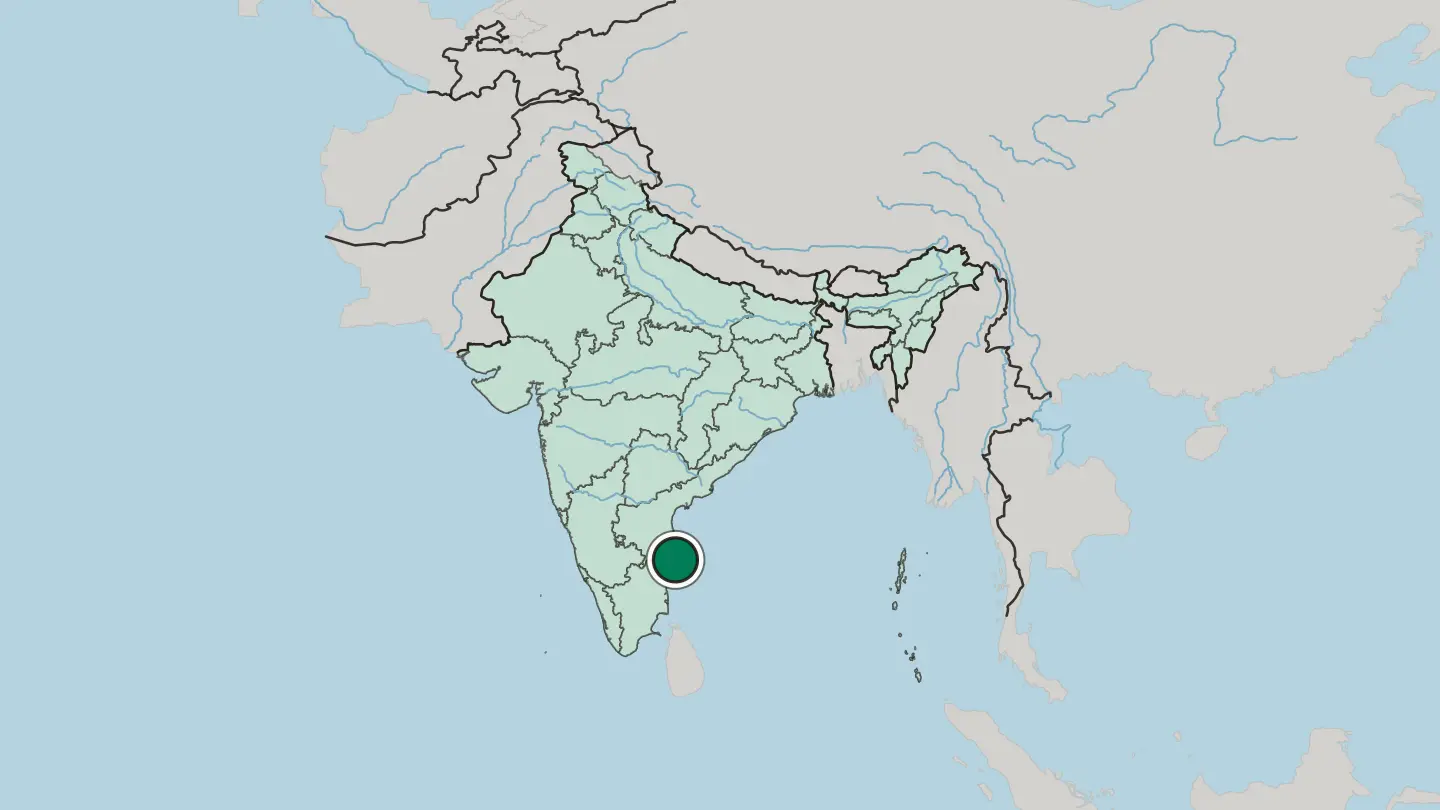
 India
India
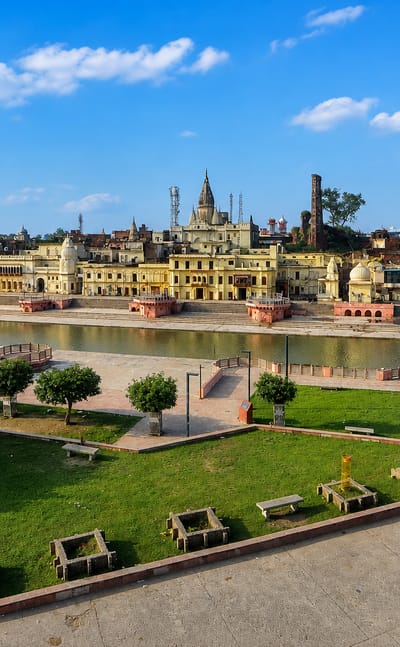
Ayodhya
Temple bells carry across the Sarayu at Ayodhya, an ancient city in Uttar Pradesh, known for Ram Janmabhoomi and its place in the Ramayana.Where to stay →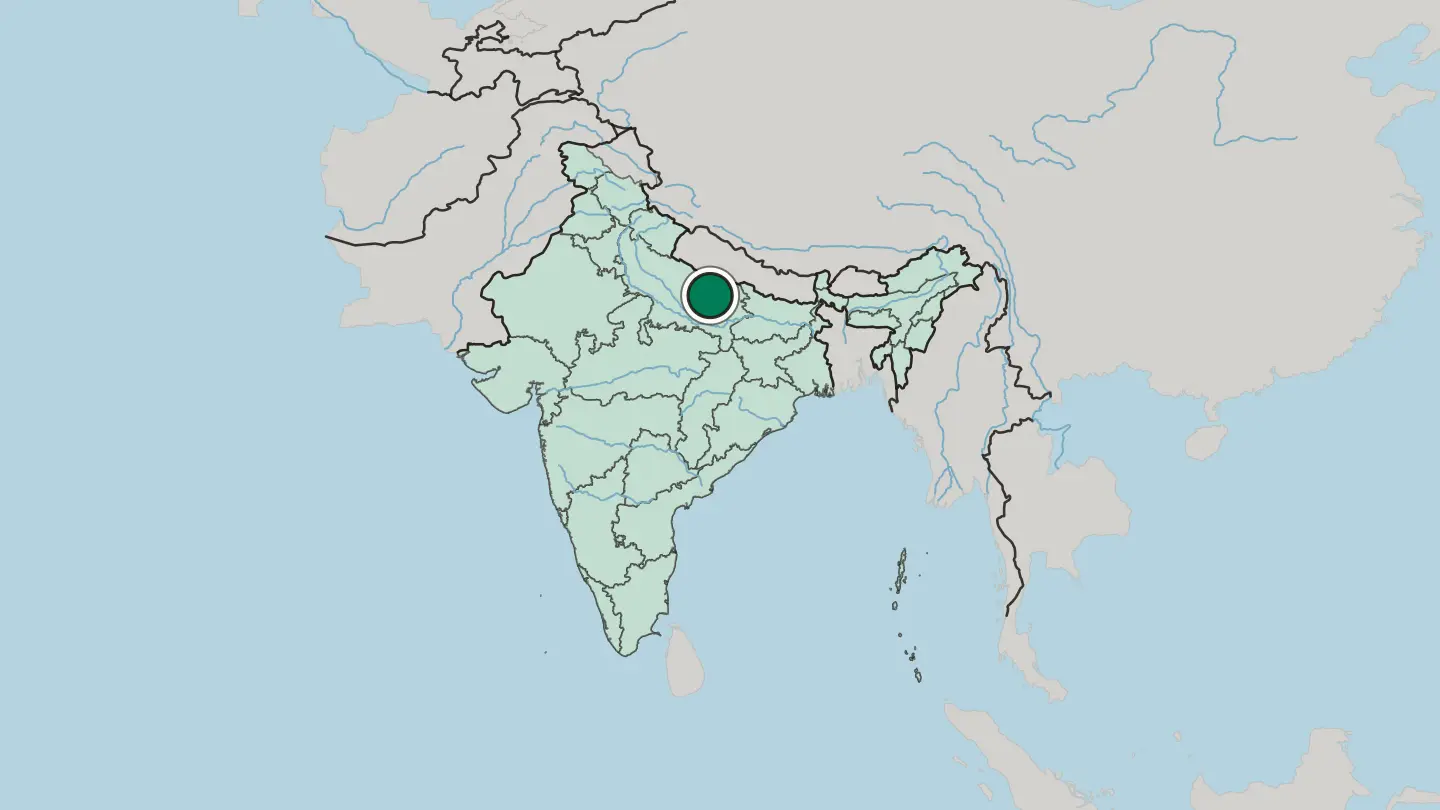
 India
India
Varanasi
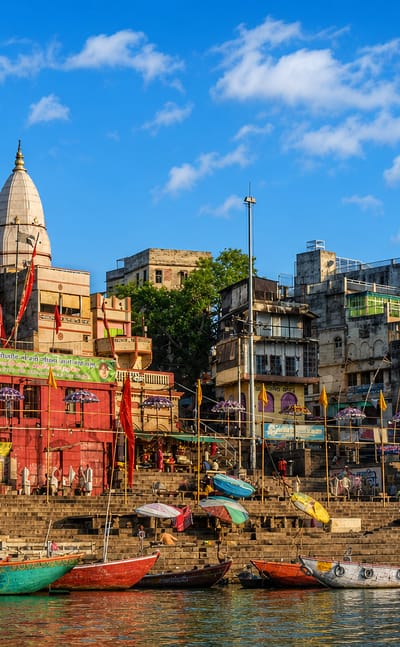
Stone steps drop to the water at the ghats of Varanasi, an ancient riverside city in Uttar Pradesh, known for its ghats and the Sarnath Temple nearby.Where to stay →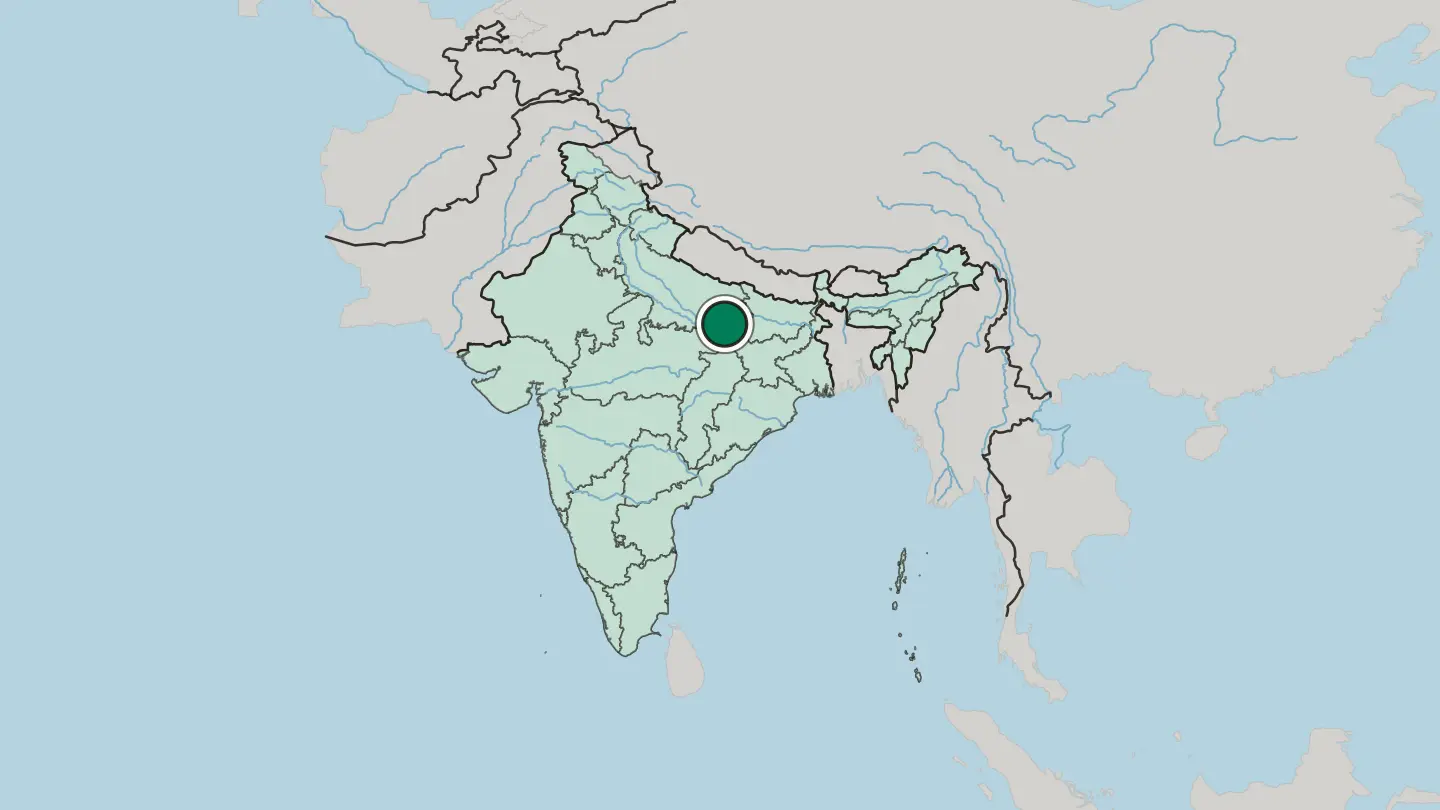
Hotel links are affiliate links: booking through them may earn us a commission, at no extra cost to you. It never affects how places are ranked. How this works
Regions of India
 India
India
Assam
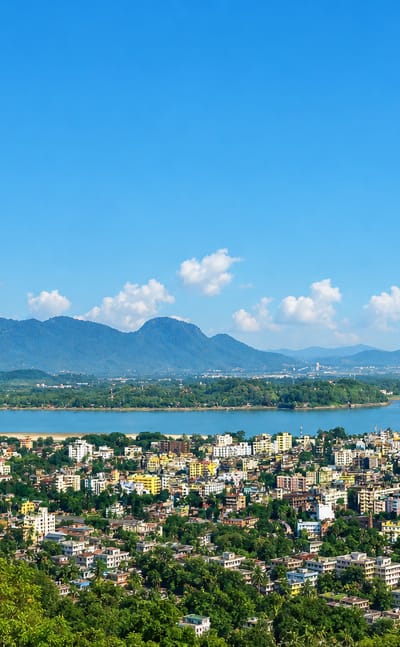
Assam is India's tea-and-rhino state, spread along the braided Brahmaputra in the far northeast between the Himalayan foothills and Bangladesh.Towns & cities →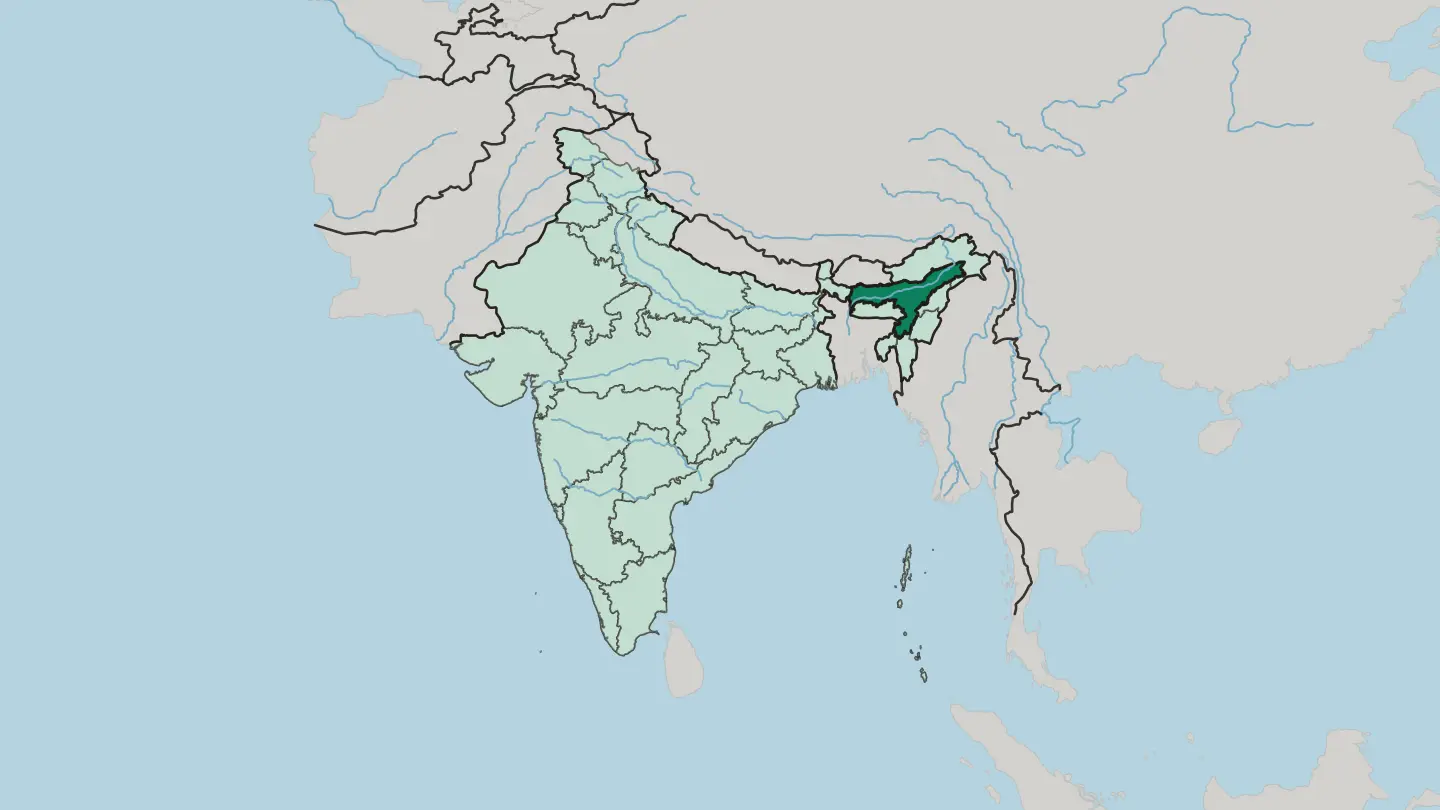
 India
India
Dadra and Nagar Haveli and Daman and Diu
A four-part Indian union territory of former Portuguese enclaves, the beaches of Daman and Diu, the forested hills of Nagar Haveli.Towns & cities →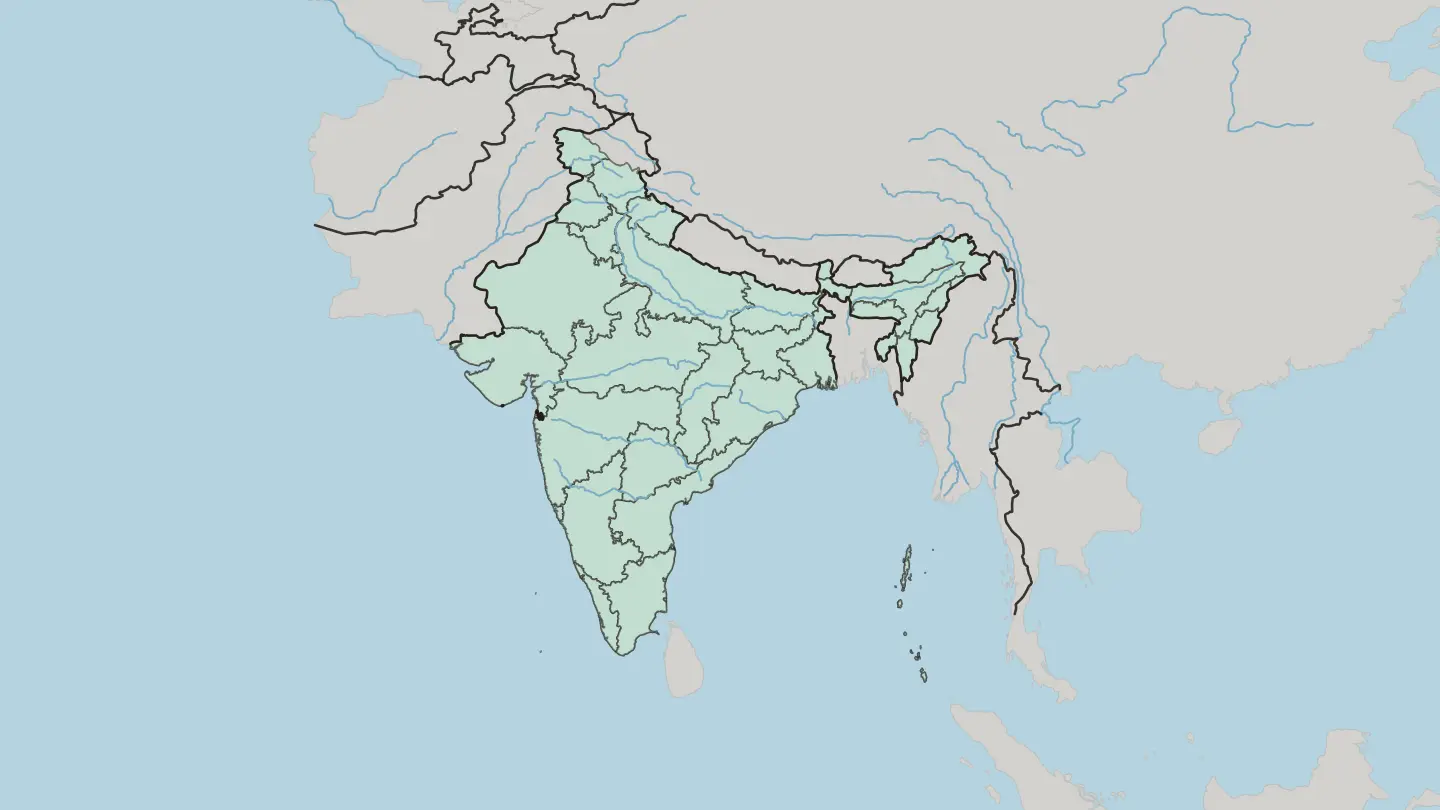
 India
India
Goa
Goa is India's smallest state, a strip of Arabian Sea coast where Portuguese churches sit above palm-backed beaches.Towns & cities →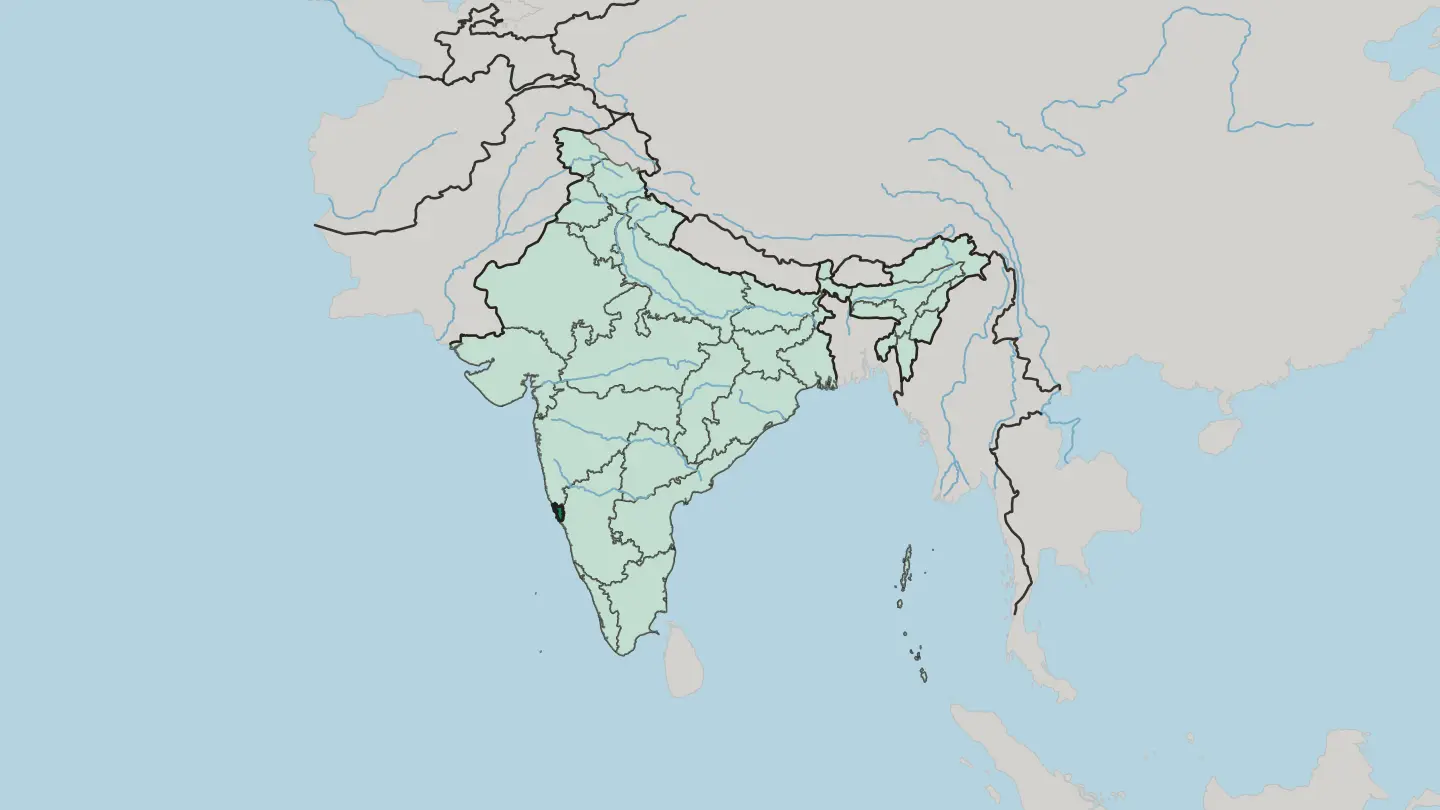
 India
India
Madhya Pradesh
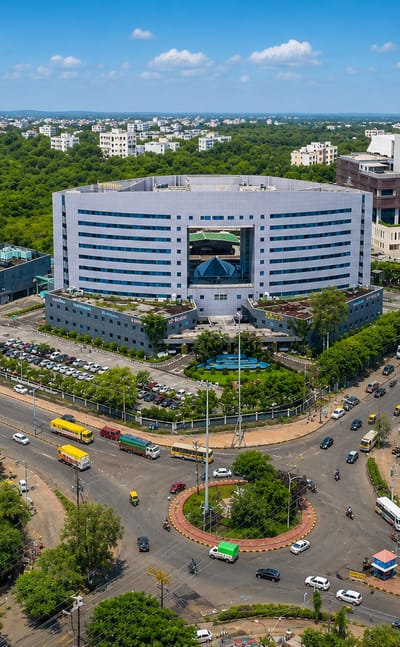
Madhya Pradesh sits at the centre of India, the country's second-largest state, split by the Narmada and ringed by tigers and temples.Towns & cities →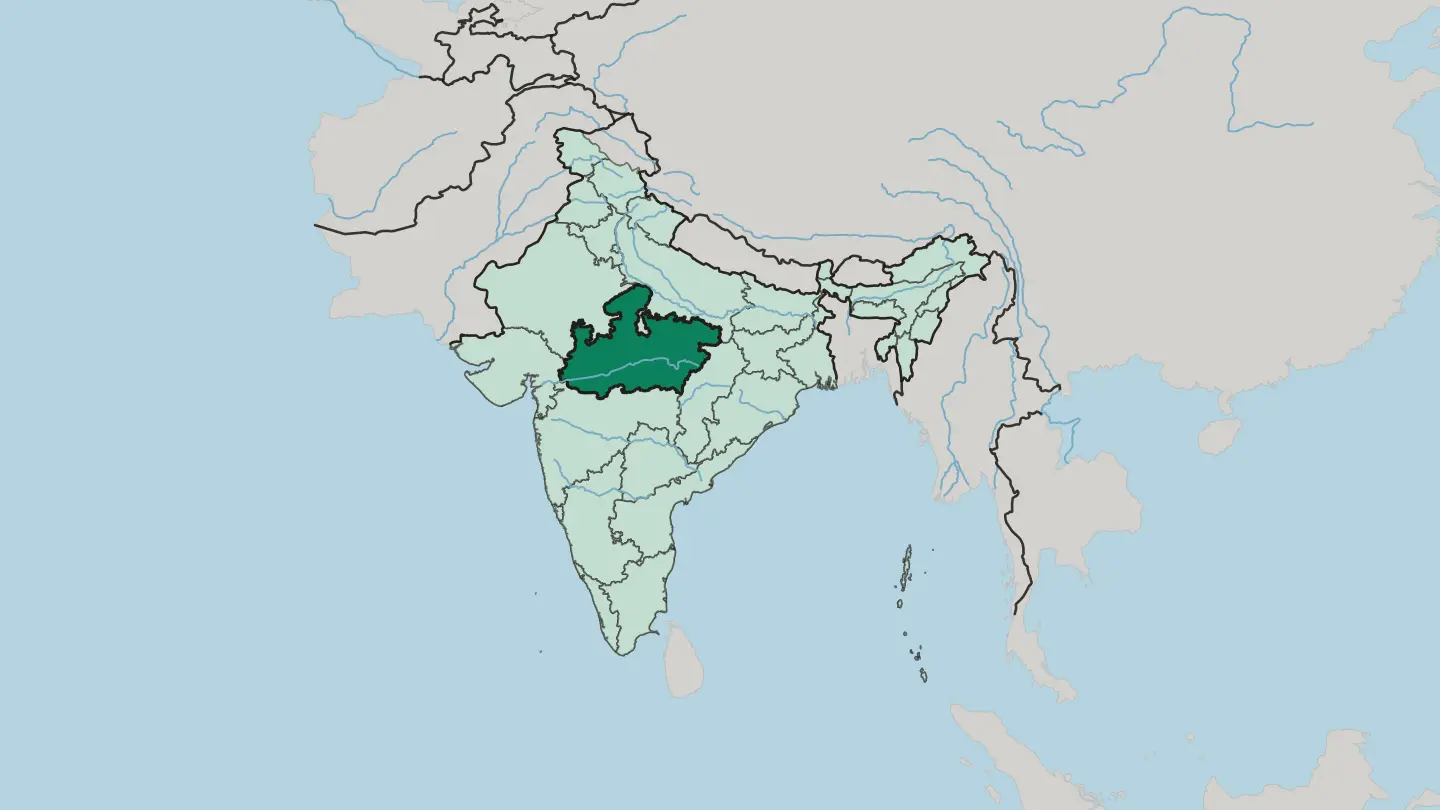
 India
India
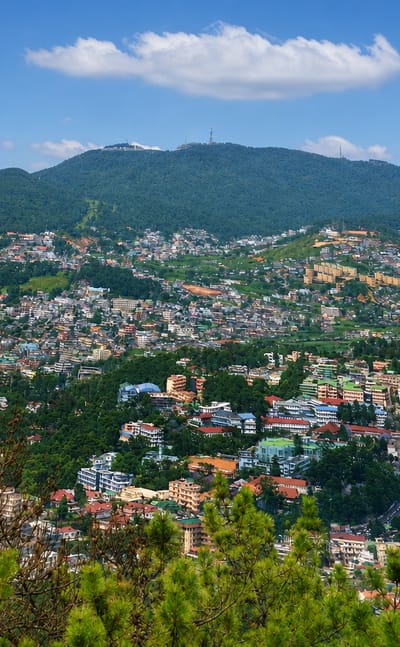
Manipur
Manipur is a hill-ringed state of northeastern India, its Imphal Valley cupped by mountains toward Myanmar.Towns & cities →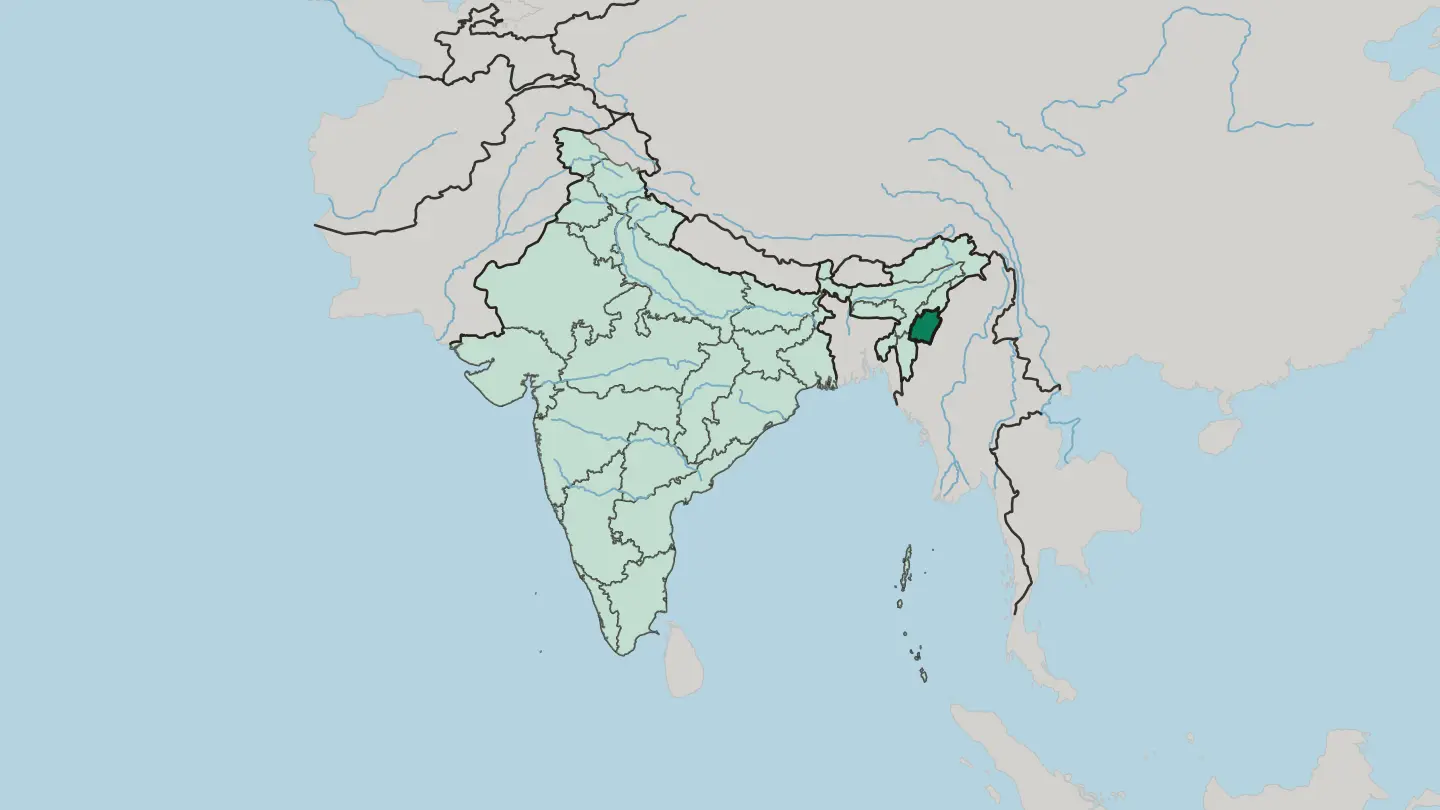
 India
India
Meghālaya
Meghālaya is India's cloud-wrapped hill state, where monsoon rains carve waterfalls and the Khasi tie tree roots into bridges.Towns & cities →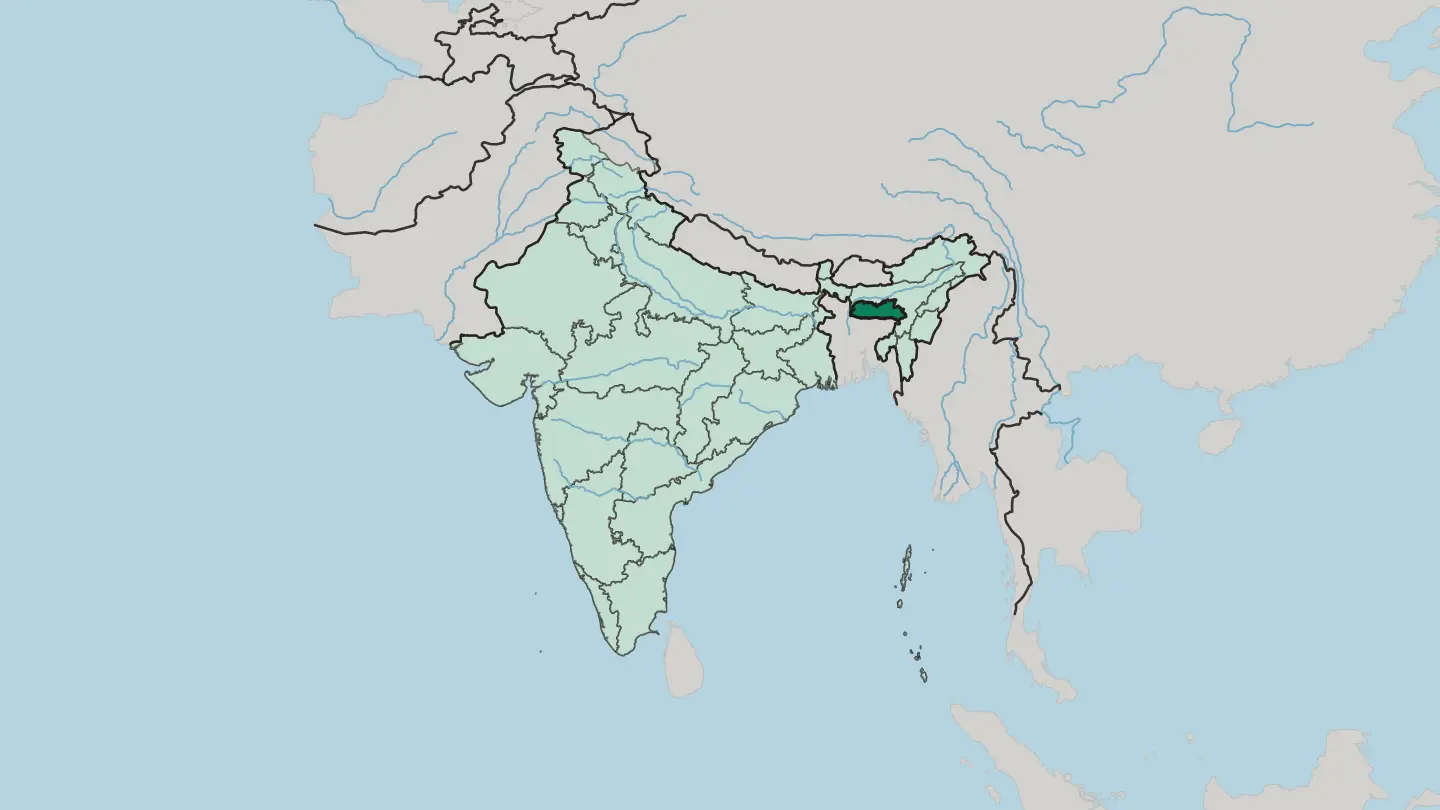
 India
India
Mizoram
Mizoram is a hill state in far north-eastern India, a run of forested ridges above the plains, capital Aizawl.Towns & cities →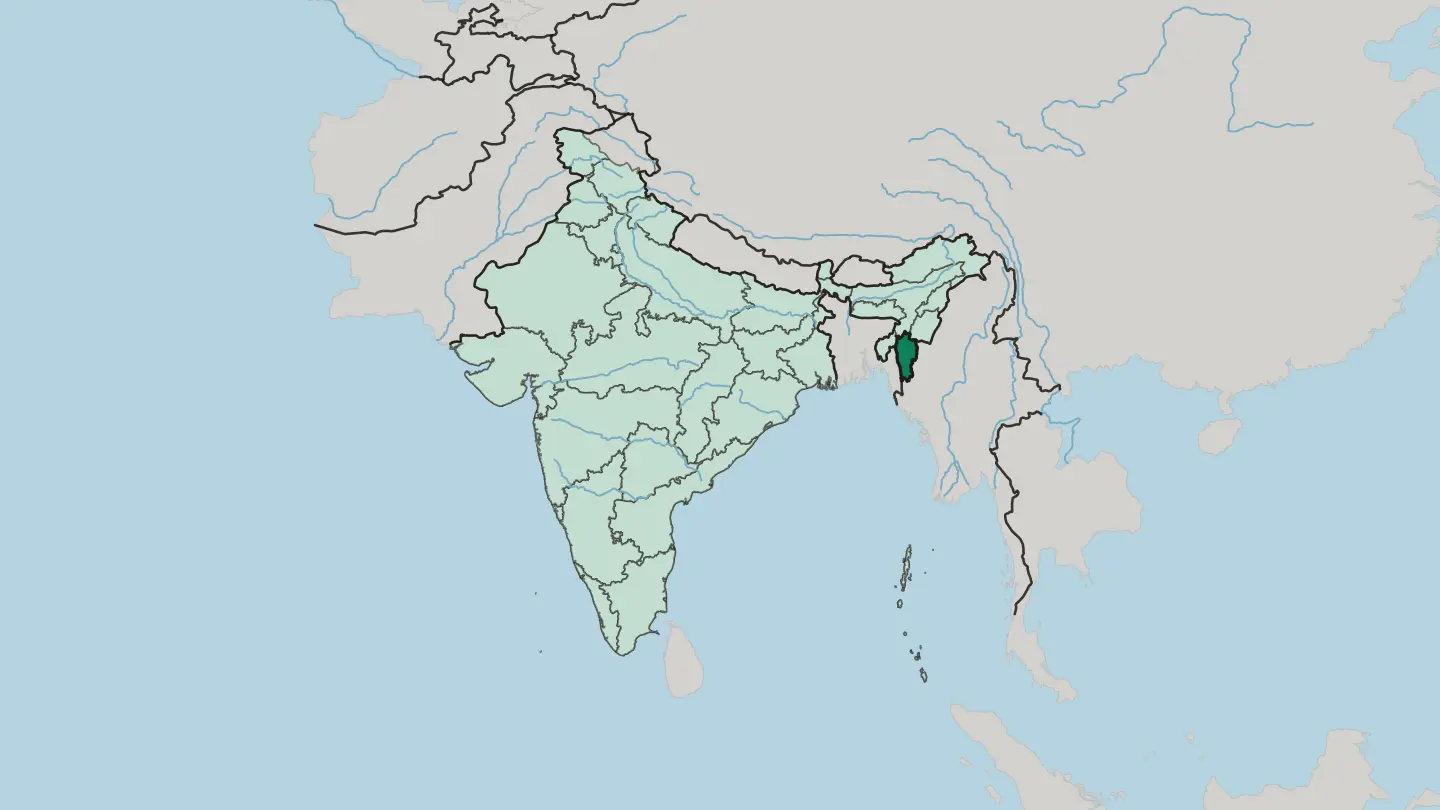 India
India
National Capital Territory of Delhi
The National Capital Territory of Delhi is the capital region of the Republic of India, a compact territory built around the city of New Delhi.Towns & cities →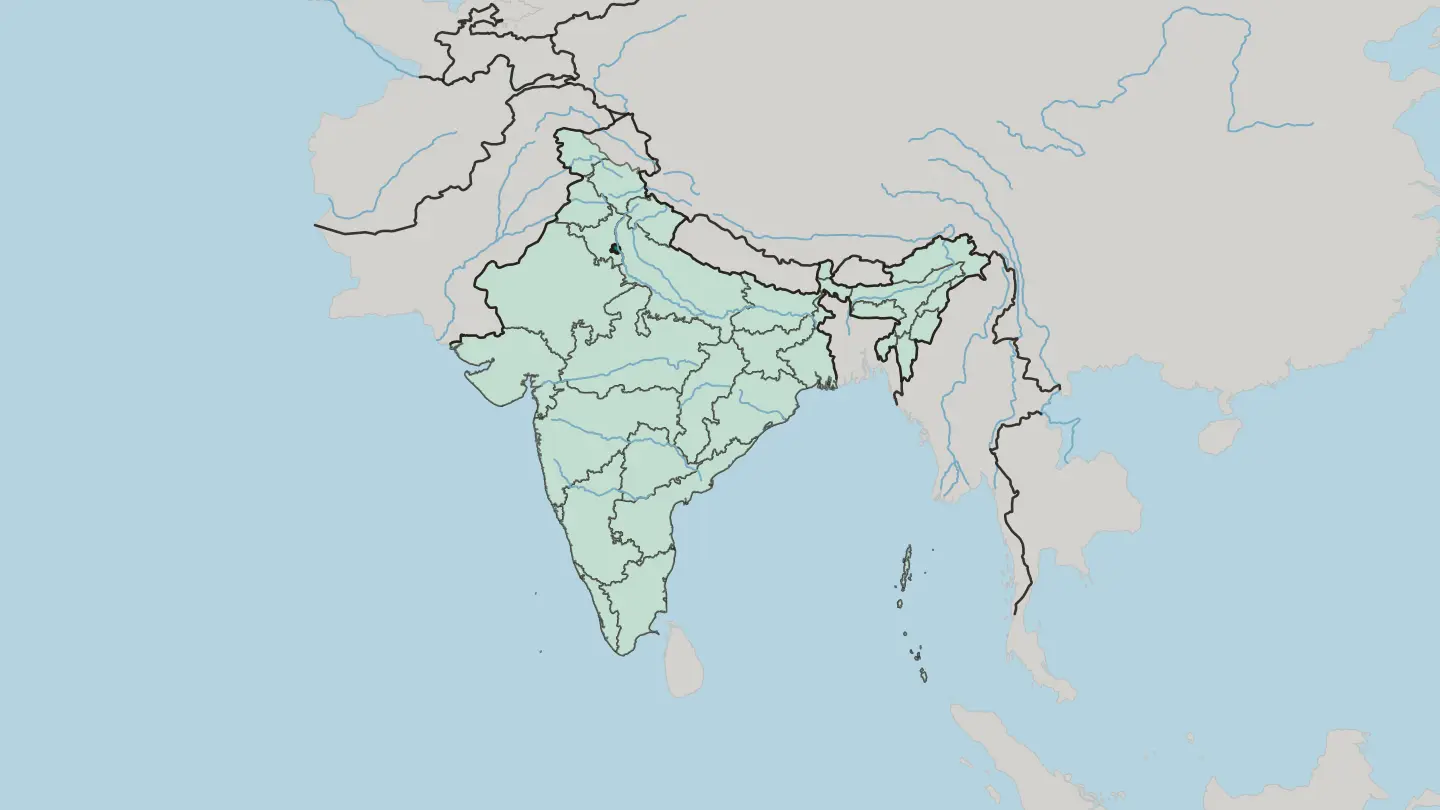
 India
India
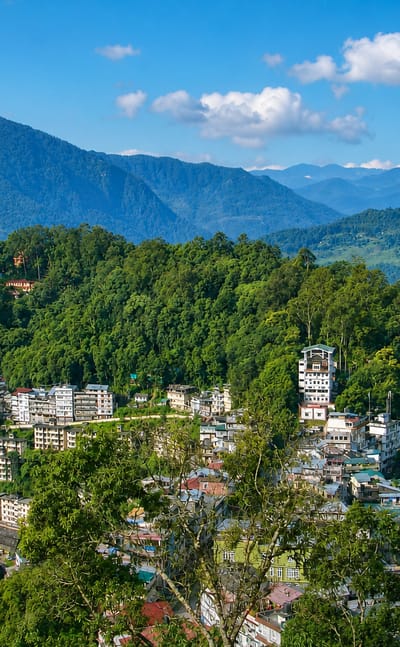
Sikkim
Sikkim is India's small Himalayan state in the far north-east, wrapped around the valleys below Kangchenjunga, the country's highest peak.Towns & cities →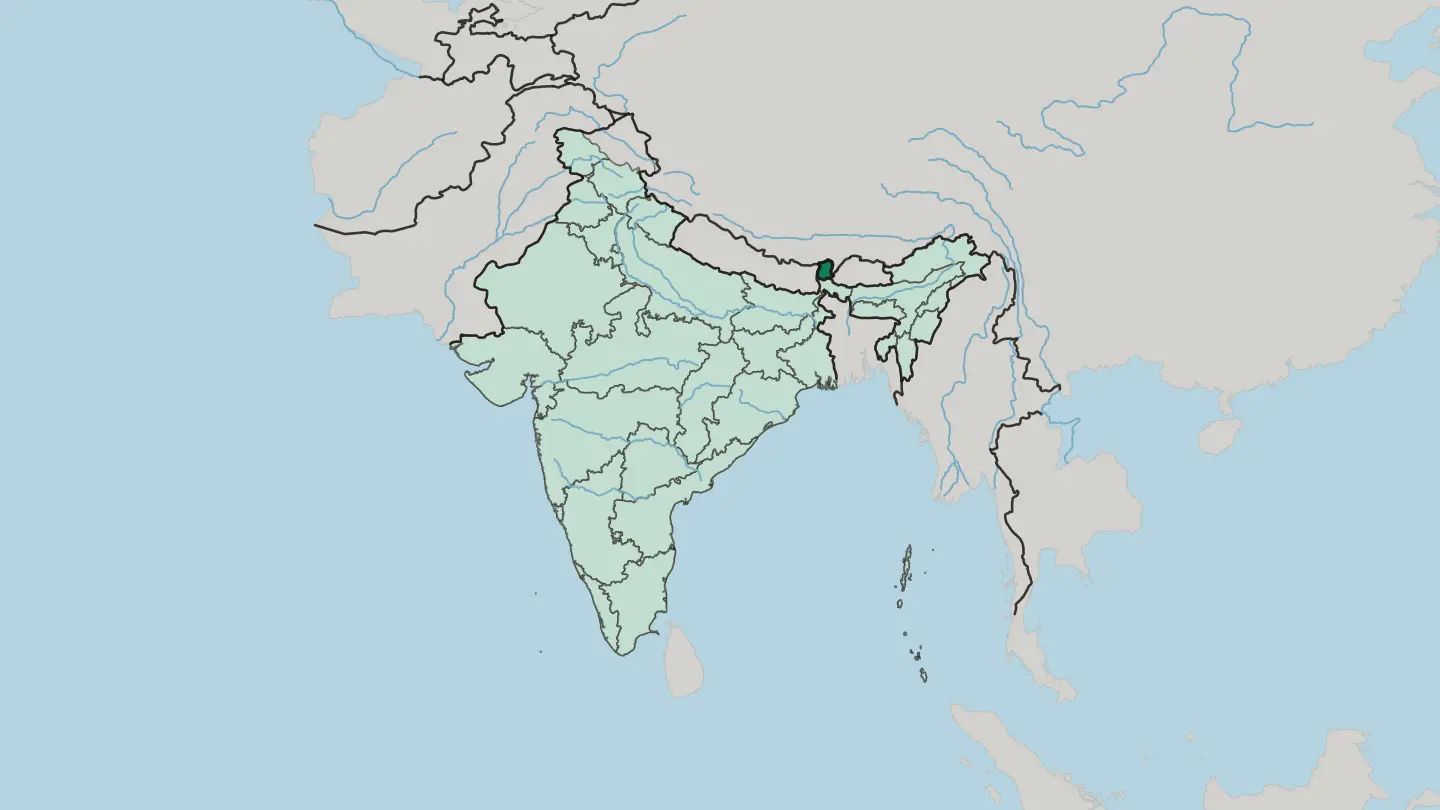
 India
India
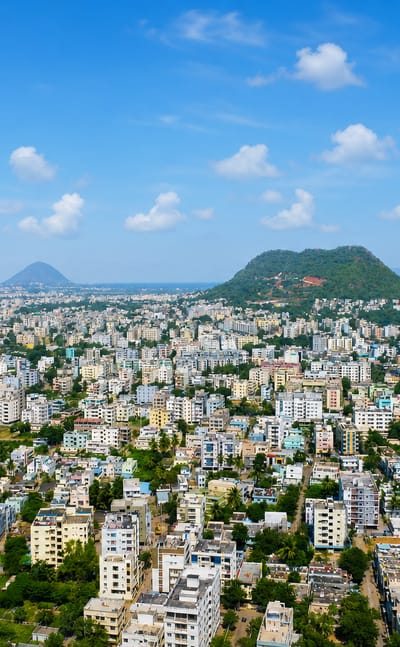
State of Andhra Pradesh
Andhra Pradesh runs down India's southeastern coast, from the Godavari and Krishna deltas on the Bay of Bengal to the Eastern Ghats inland.Towns & cities →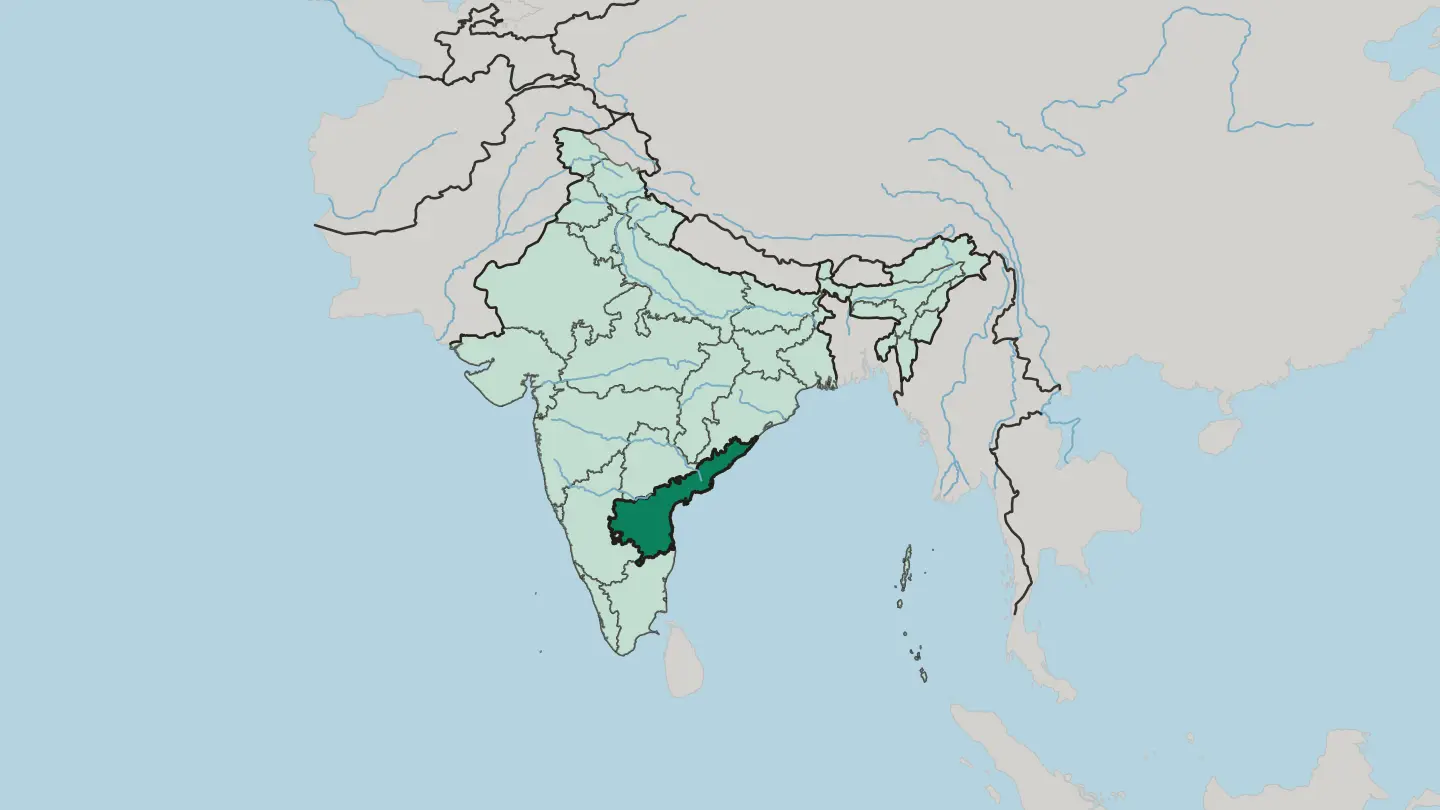
 India
India
State of Arunāchal Pradesh
Arunāchal Pradesh is India's far north-eastern state, a wall of Himalayan valleys against Tibet, Bhutan and Myanmar.Towns & cities →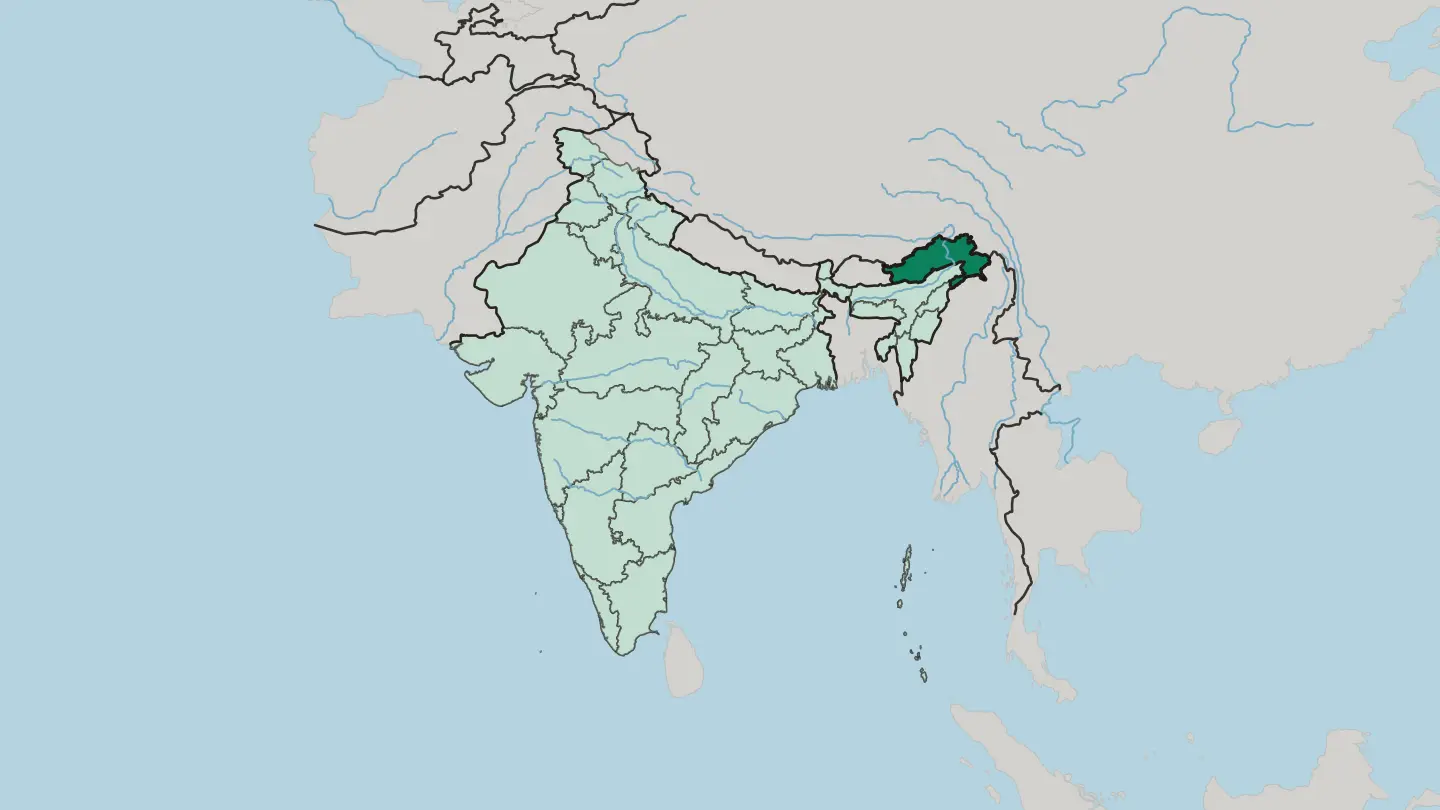
 India
India
State of Bihar
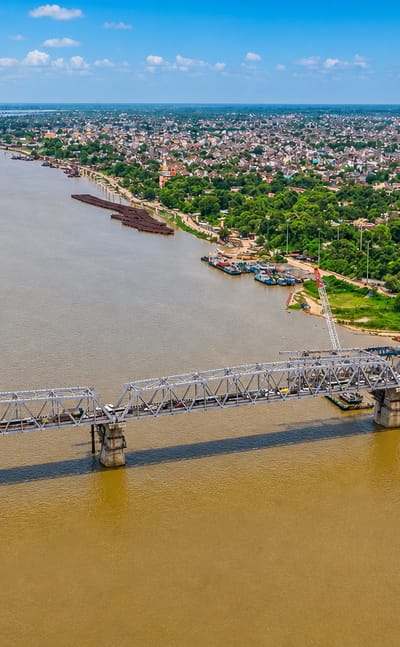
Bihar is a state on the Gangetic plain of eastern India, split by the Ganges and heir to the ancient realm of Magadha.Towns & cities →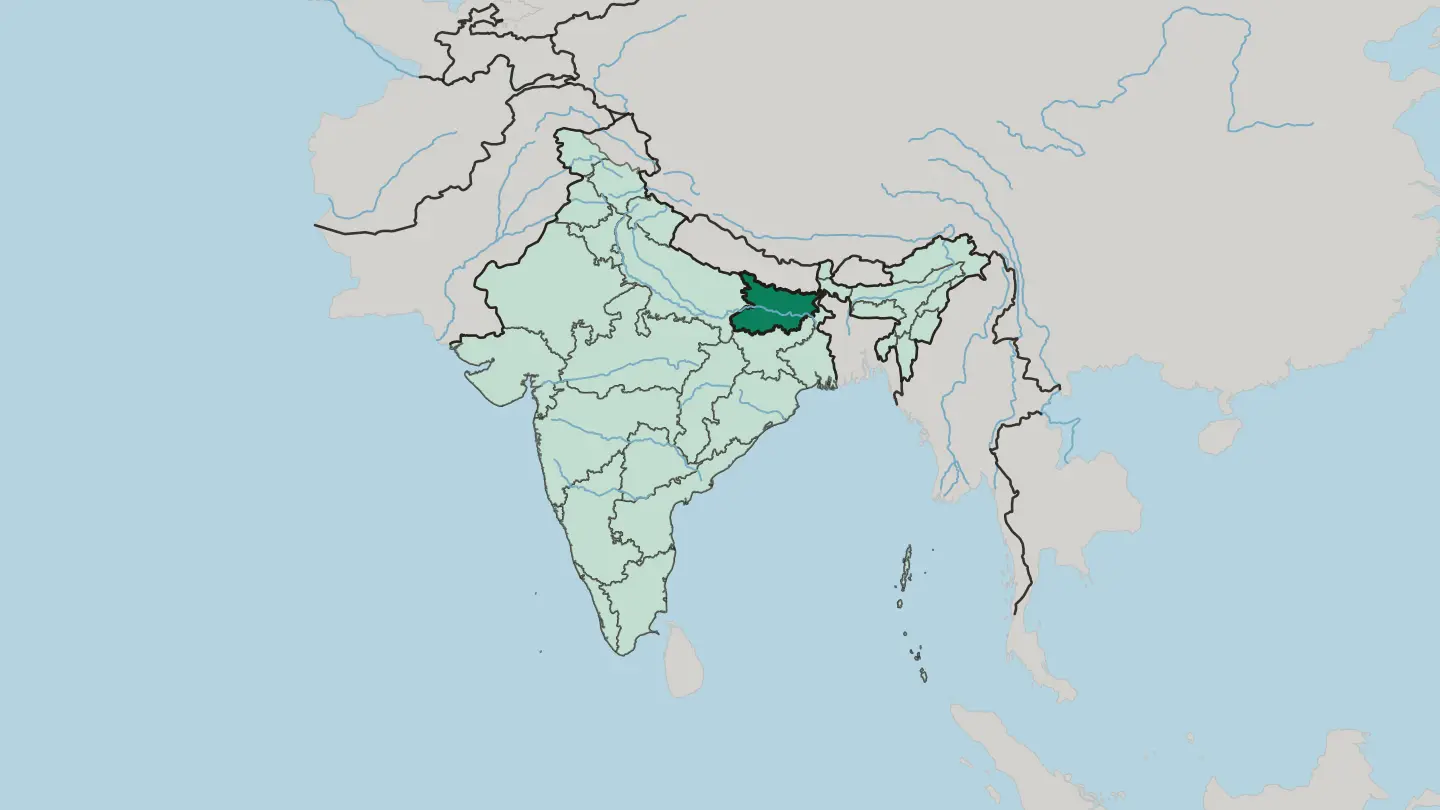
 India
India
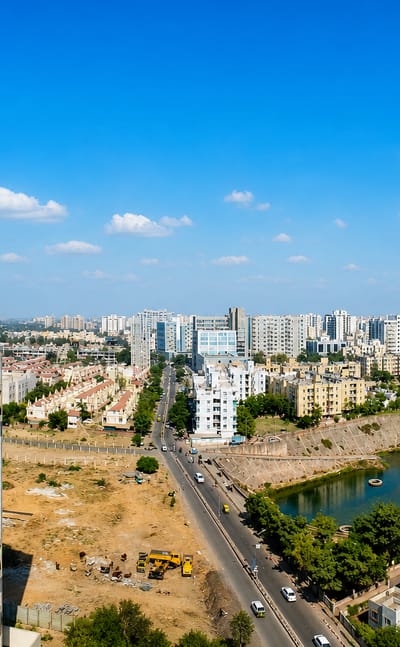
State of Chhattīsgarh
Chhattīsgarh is a landlocked state in central India, the land of thirty-six forts on the upper Mahānadī plain.Towns & cities →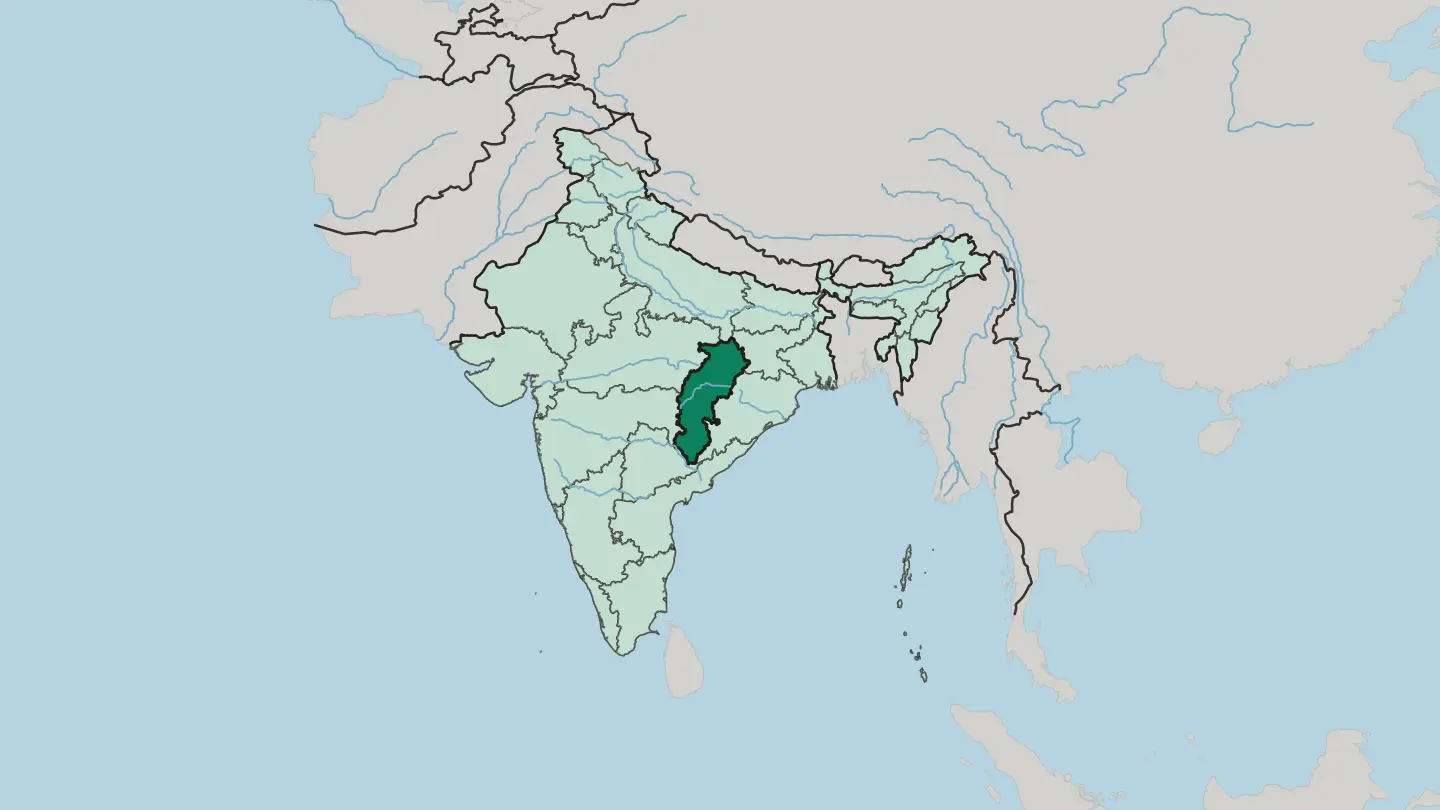
 India
India
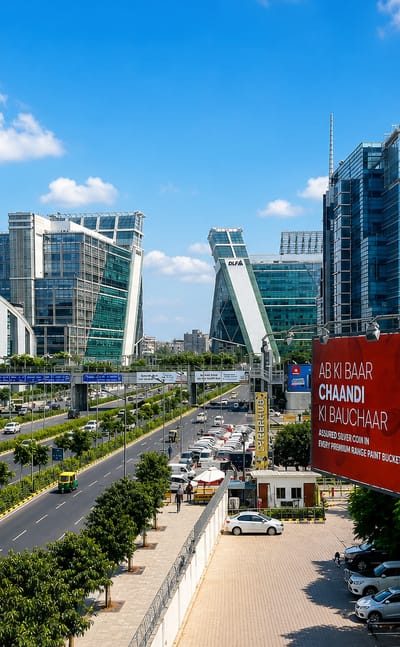
State of Gujarāt
Gujarat runs along the Arabian Sea on the western coast of India, a state formed in 1960 and known for the ancient Harappan sites of Lothal and Dholavira.Towns & cities →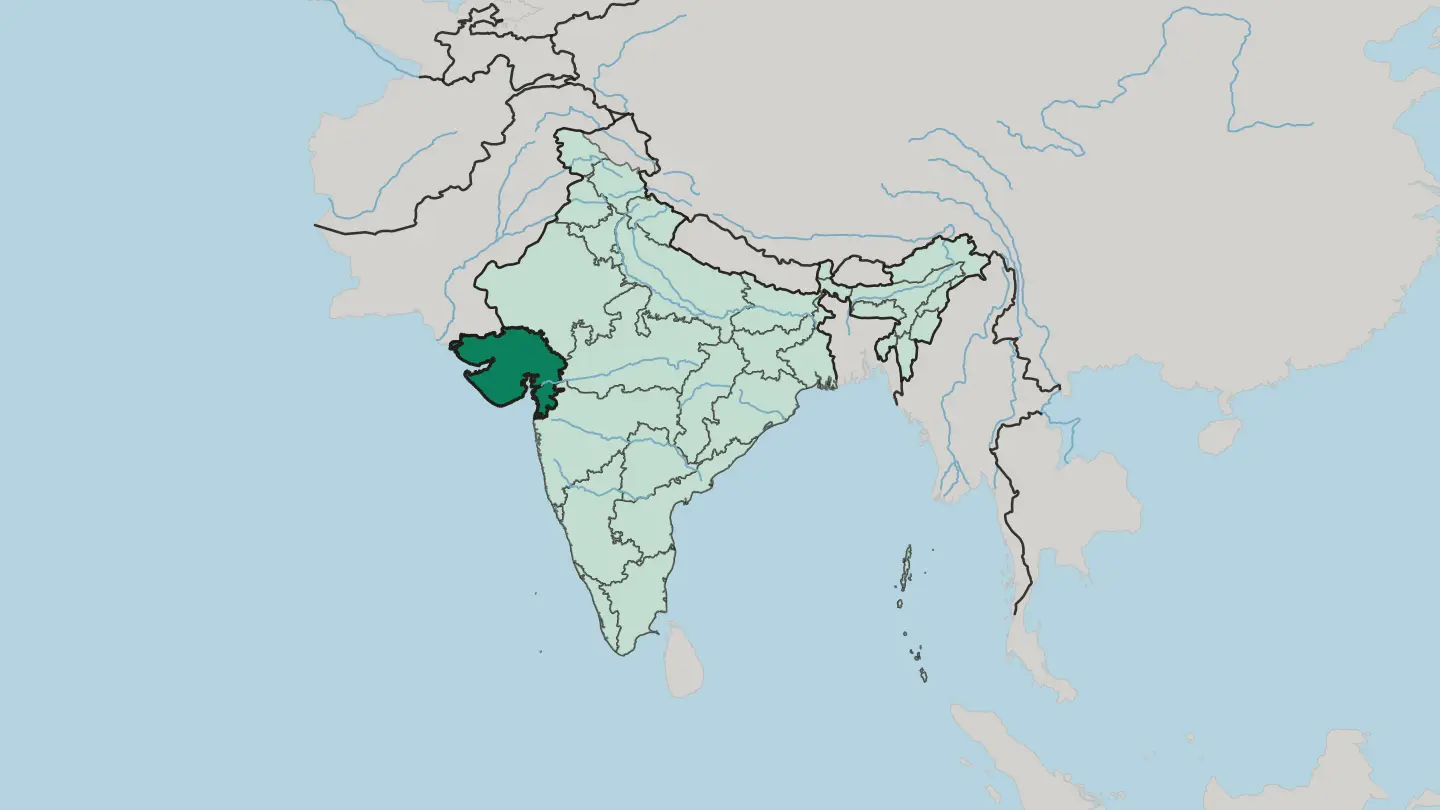
 India
India
State of Haryāna
Haryāna wraps around Delhi across the plains of northwestern India, holding Kurukshetra, the Yamuna, and the tech hub of Gurgaon.Towns & cities →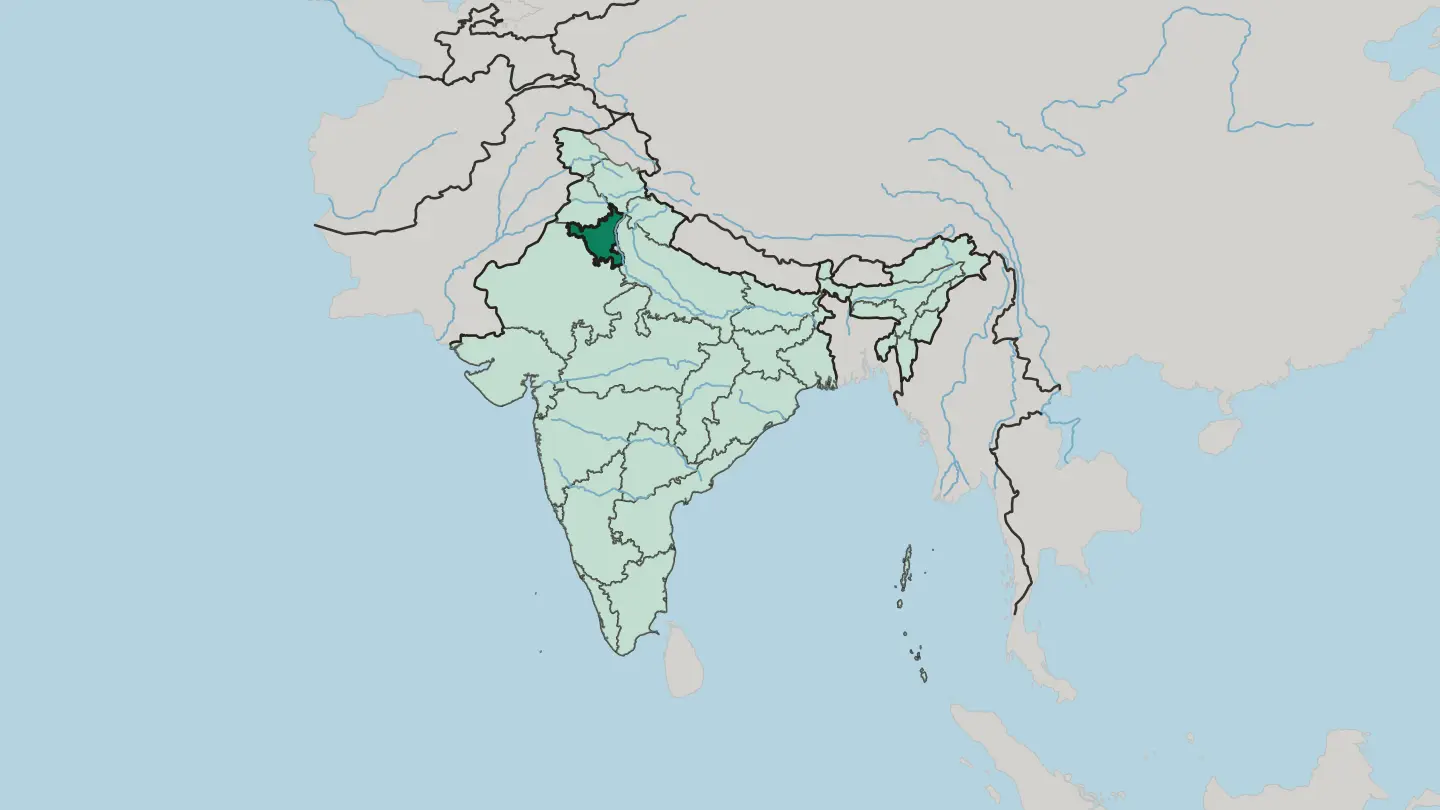
 India
India
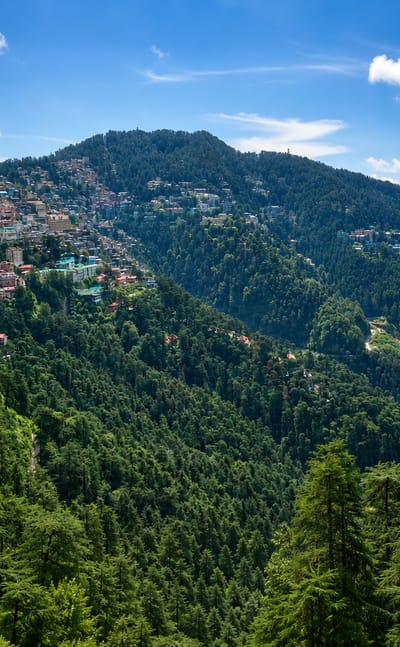
State of Himāchal Pradesh
Himachal Pradesh is a mountain state in northern India, spread across the Western Himalayas from Shimla to the Spiti Valley.Towns & cities →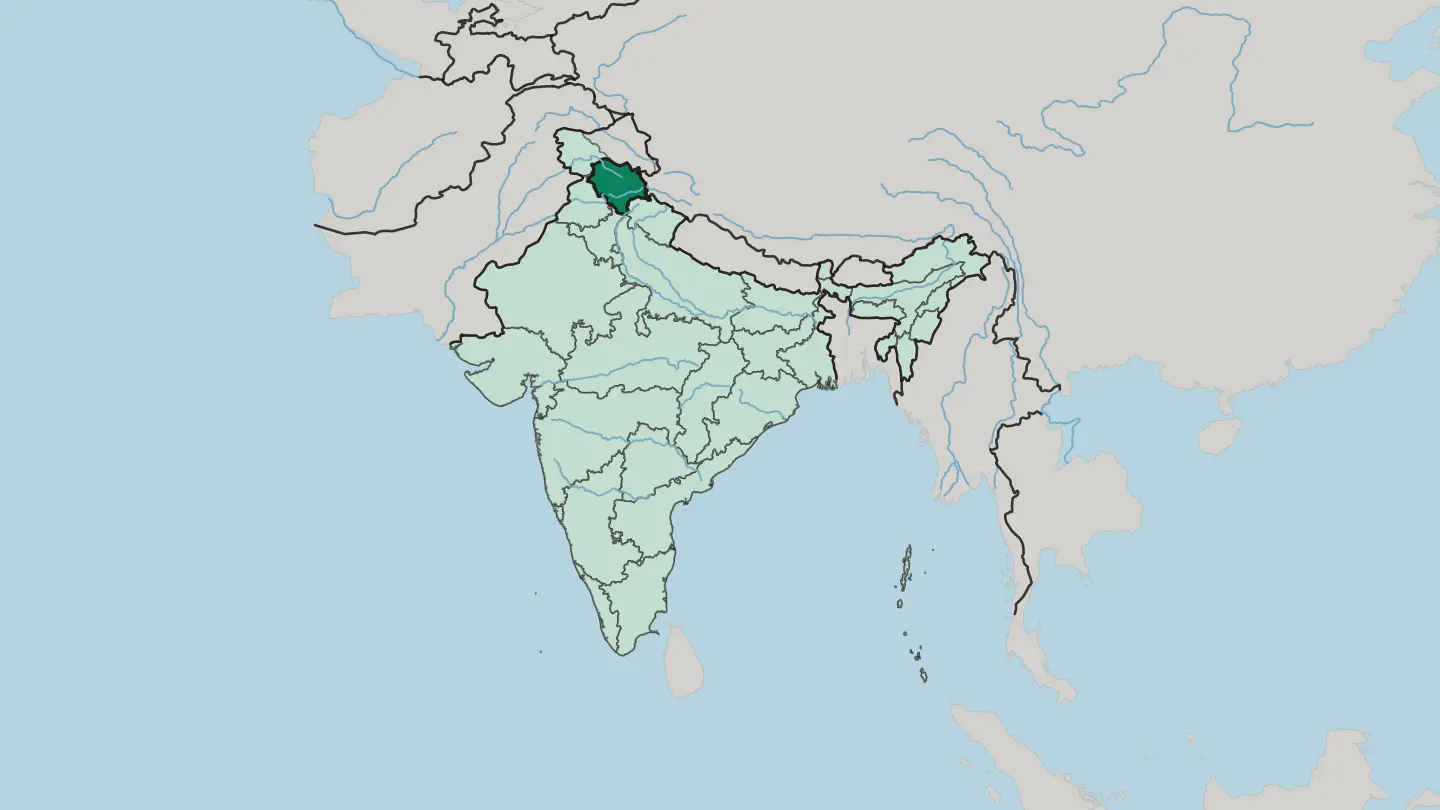
 India
India
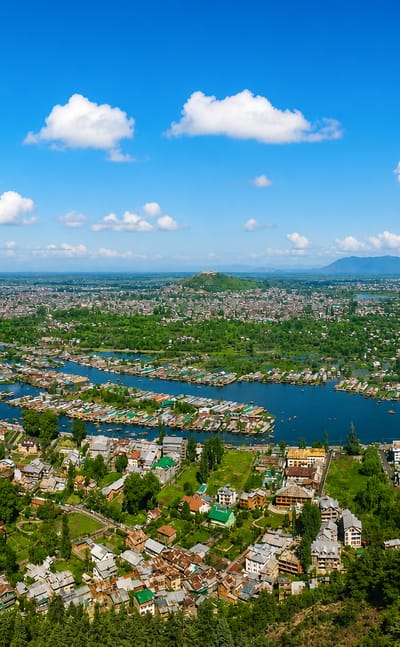
State of Jammu and Kashmīr
Jammu and Kashmir is India's northern Himalayan region, holding the Vale of Kashmir, Srinagar's Dal Lake, and the winter capital at Jammu.Towns & cities →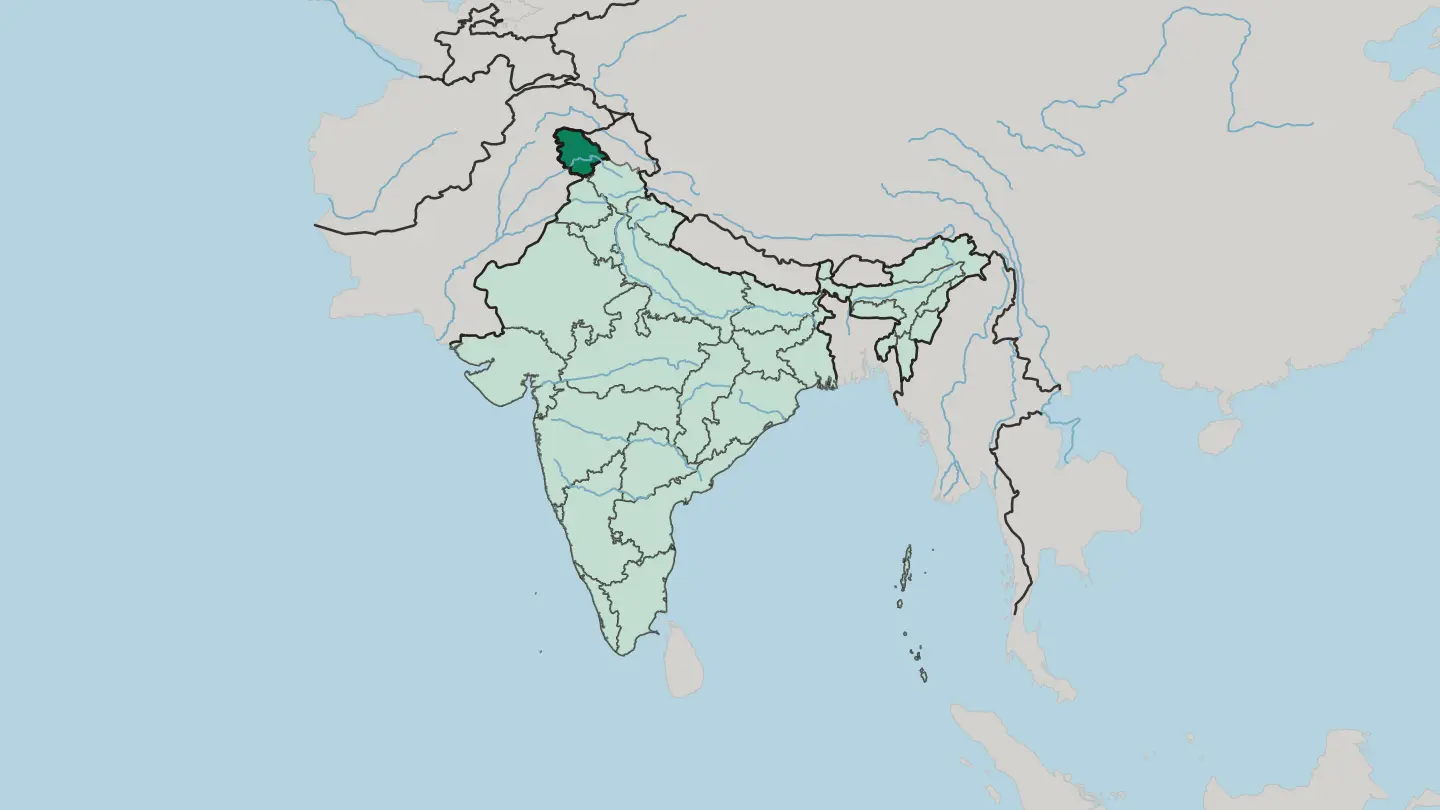
 India
India
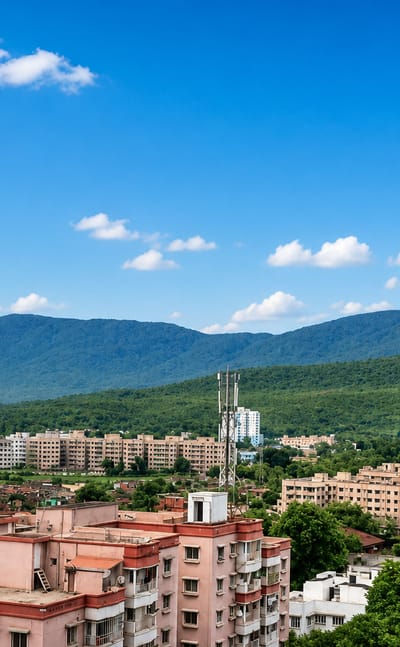
State of Jhārkhand
Jhārkhand is a forested plateau state in eastern India, carved from southern Bihar in 2000, its capital at Rānchī.Towns & cities →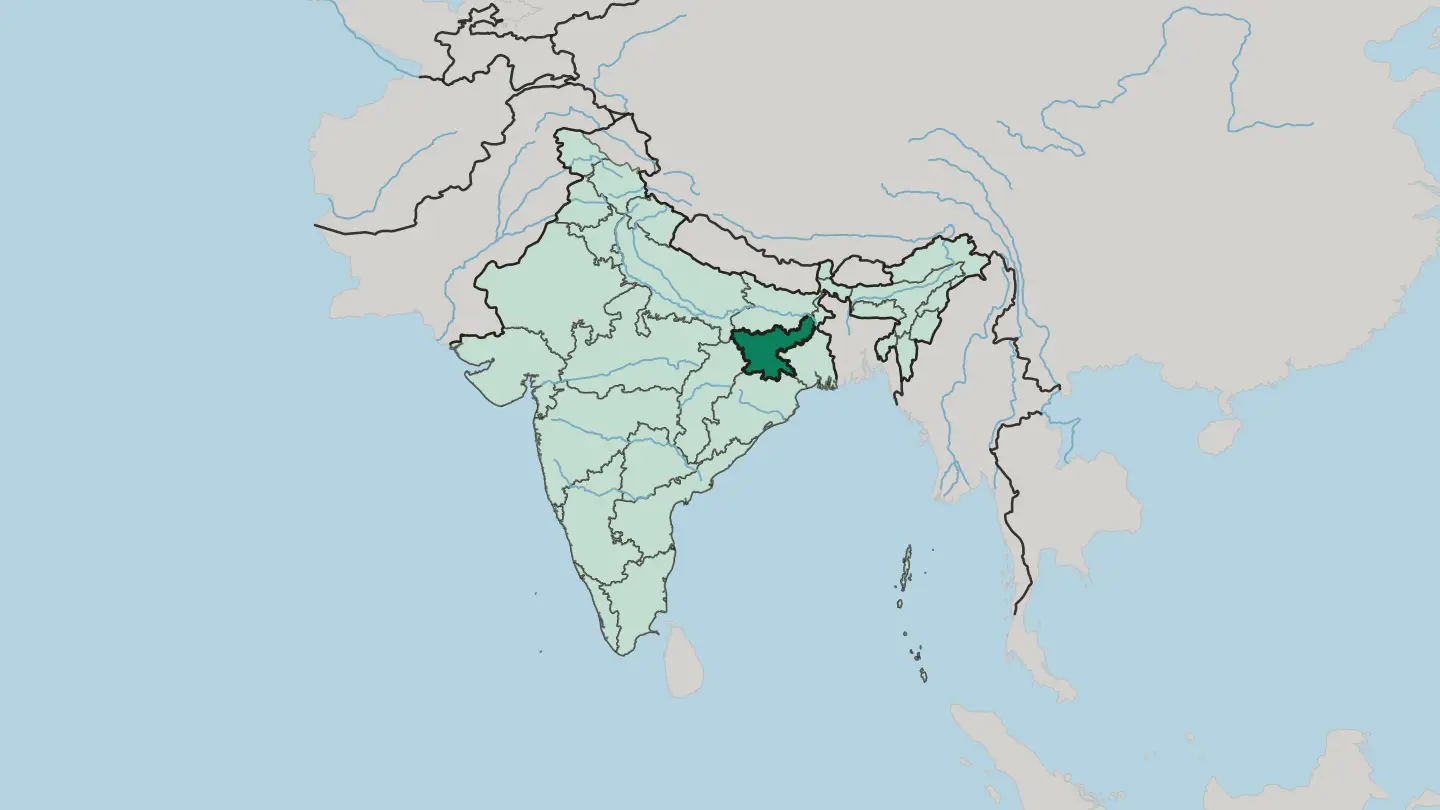 India
India
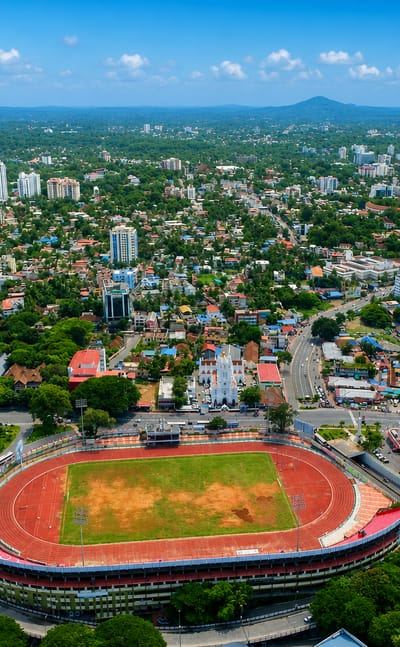
State of Karnataka
Karnataka lines the south-western coast of India, a southern state formed in 1956 as Mysore State and renamed in 1973, with Bengaluru as its capital.Towns & cities →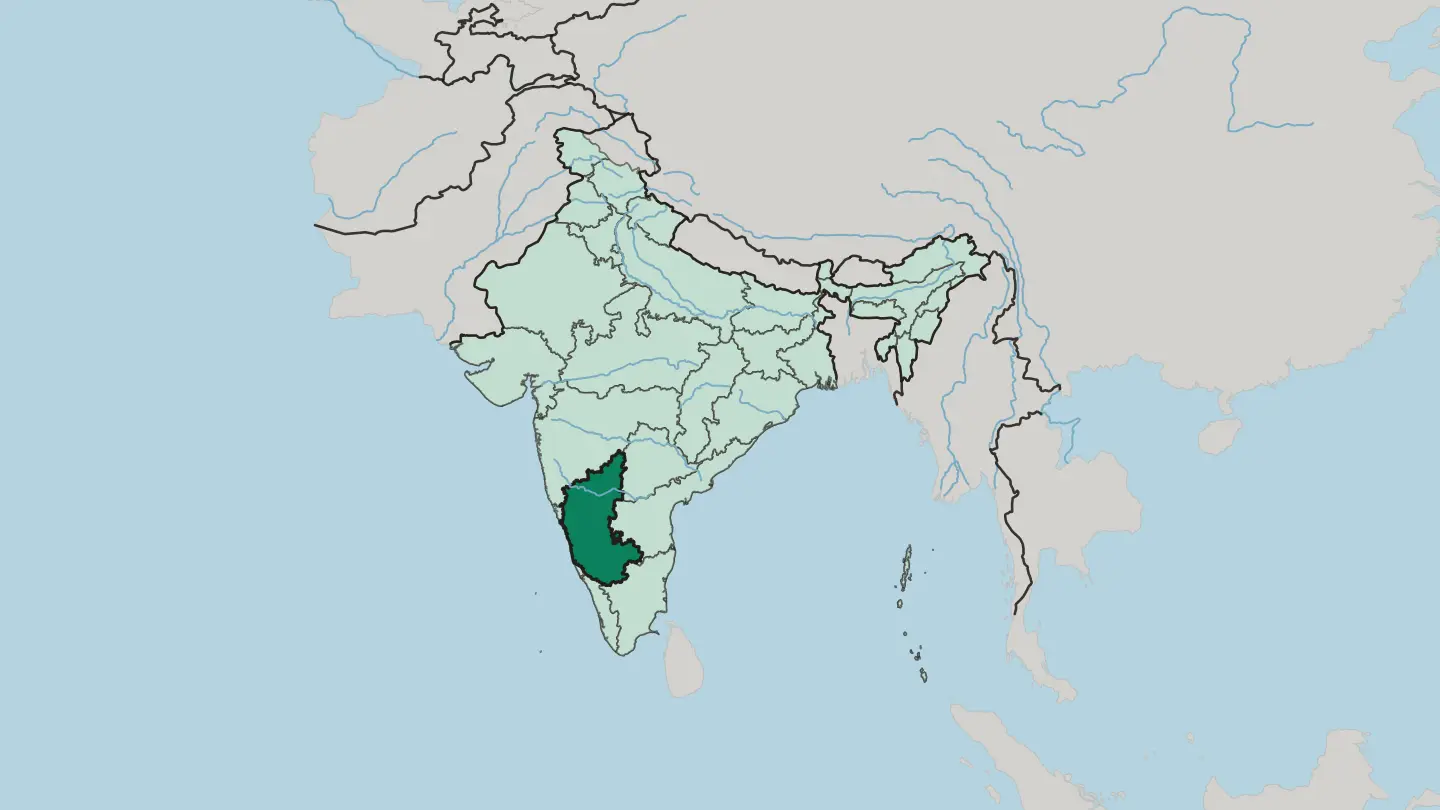
 India
India
State of Kerala
Kerala is a long, green state on India's south-western coast, a land of backwaters, Western Ghats tea country and old spice ports on the Arabian Sea.Towns & cities →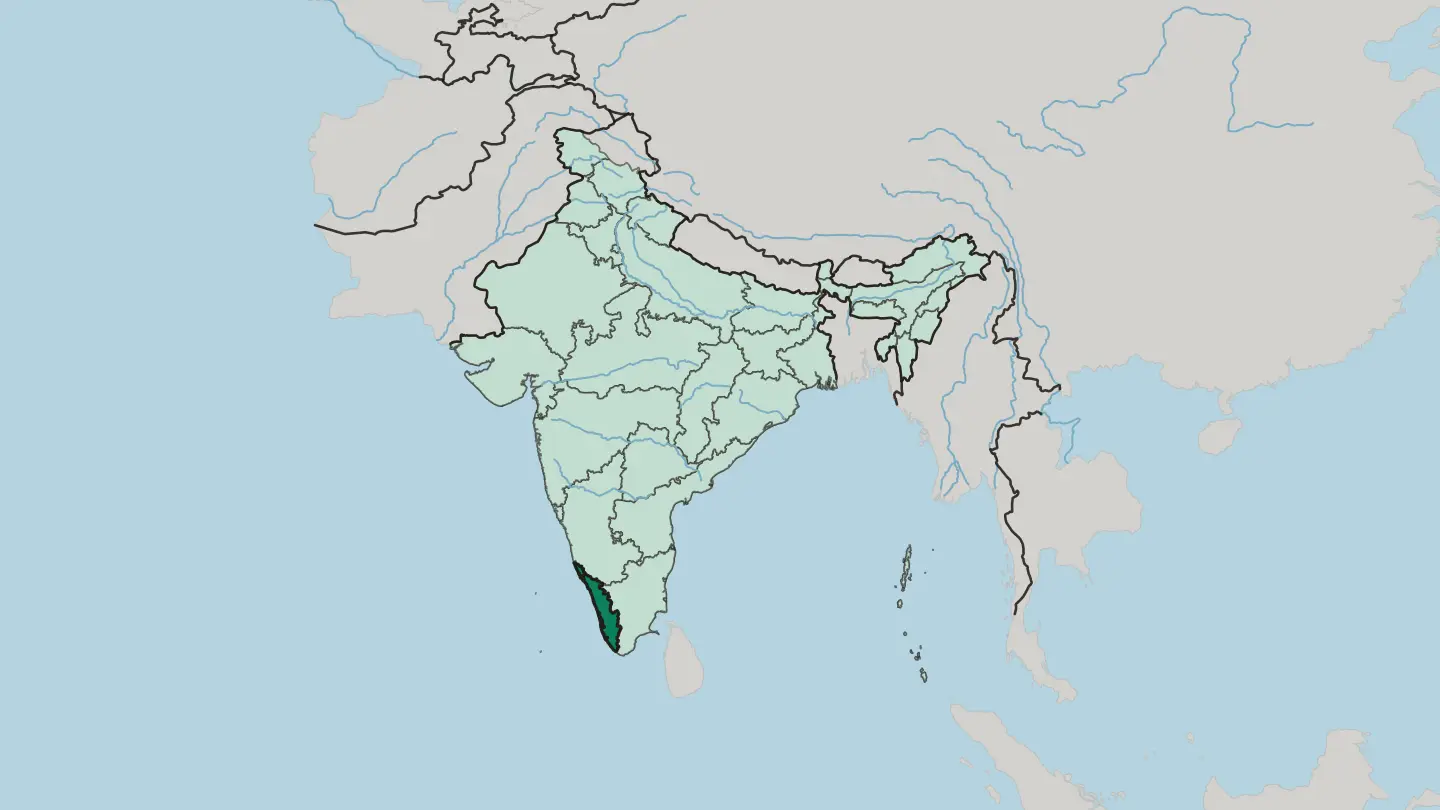 India
India
State of Mahārāshtra
Maharashtra is one of the larger states of India, formed in 1960.Towns & cities →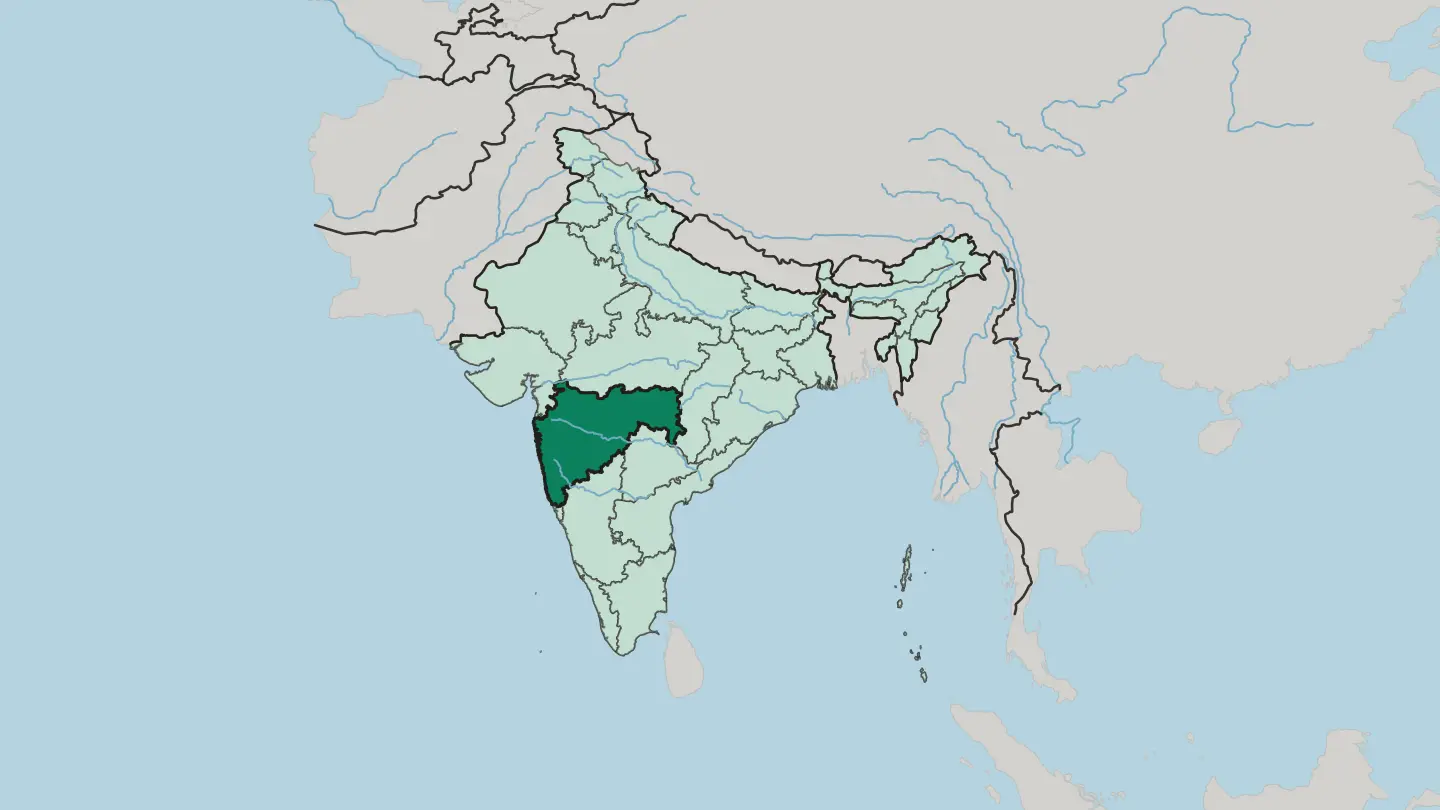
 India
India
State of Nāgāland
Nāgāland is a mountainous state in far north-eastern India, wedged against the Myanmar border where the Naga Hills rise.Towns & cities →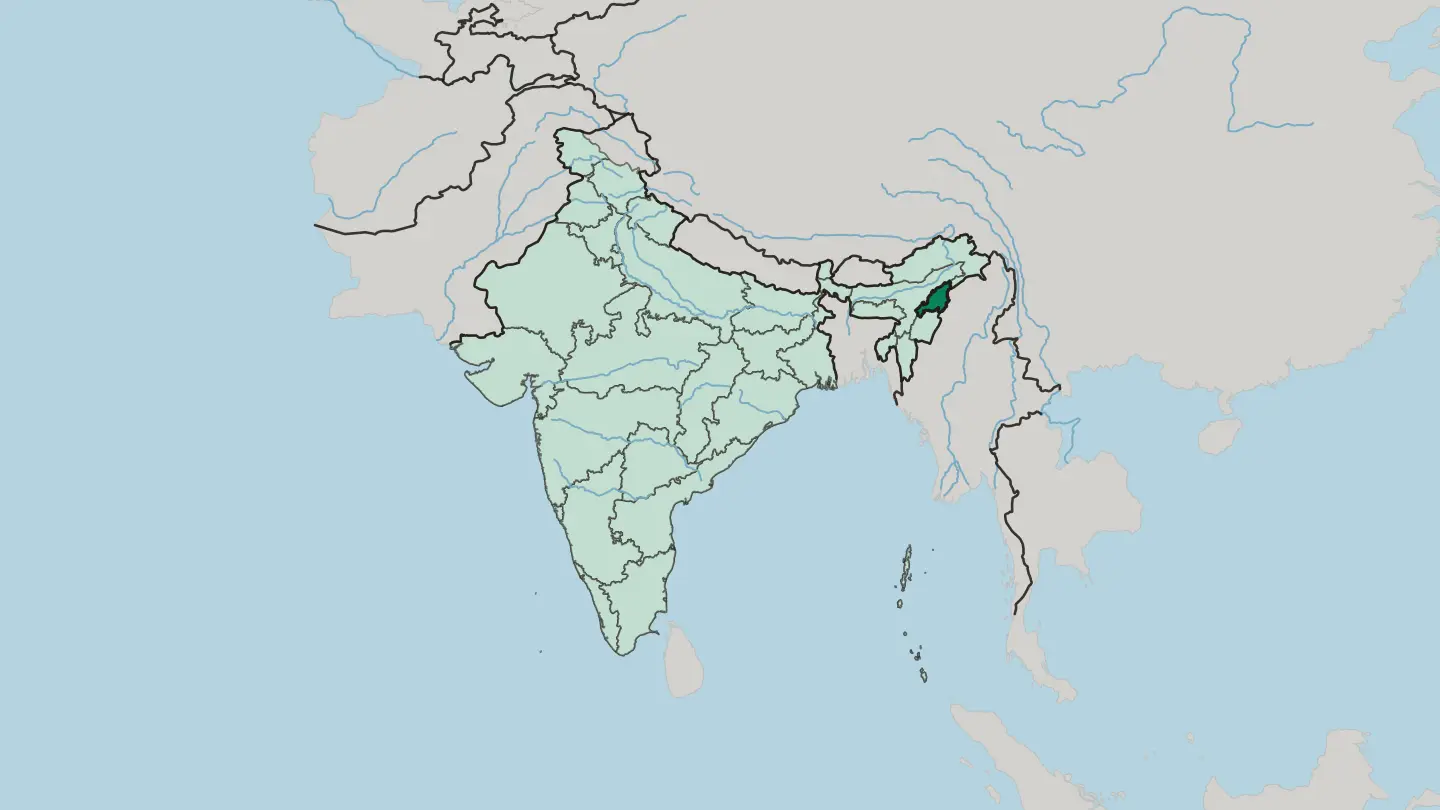
 India
India
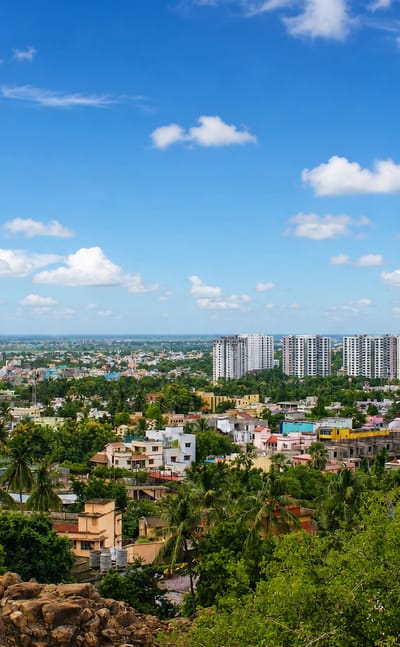
State of Odisha
Odisha is an eastern Indian state on the Bay of Bengal, temple country where the Mahanadi's six-river delta meets the sea.Towns & cities →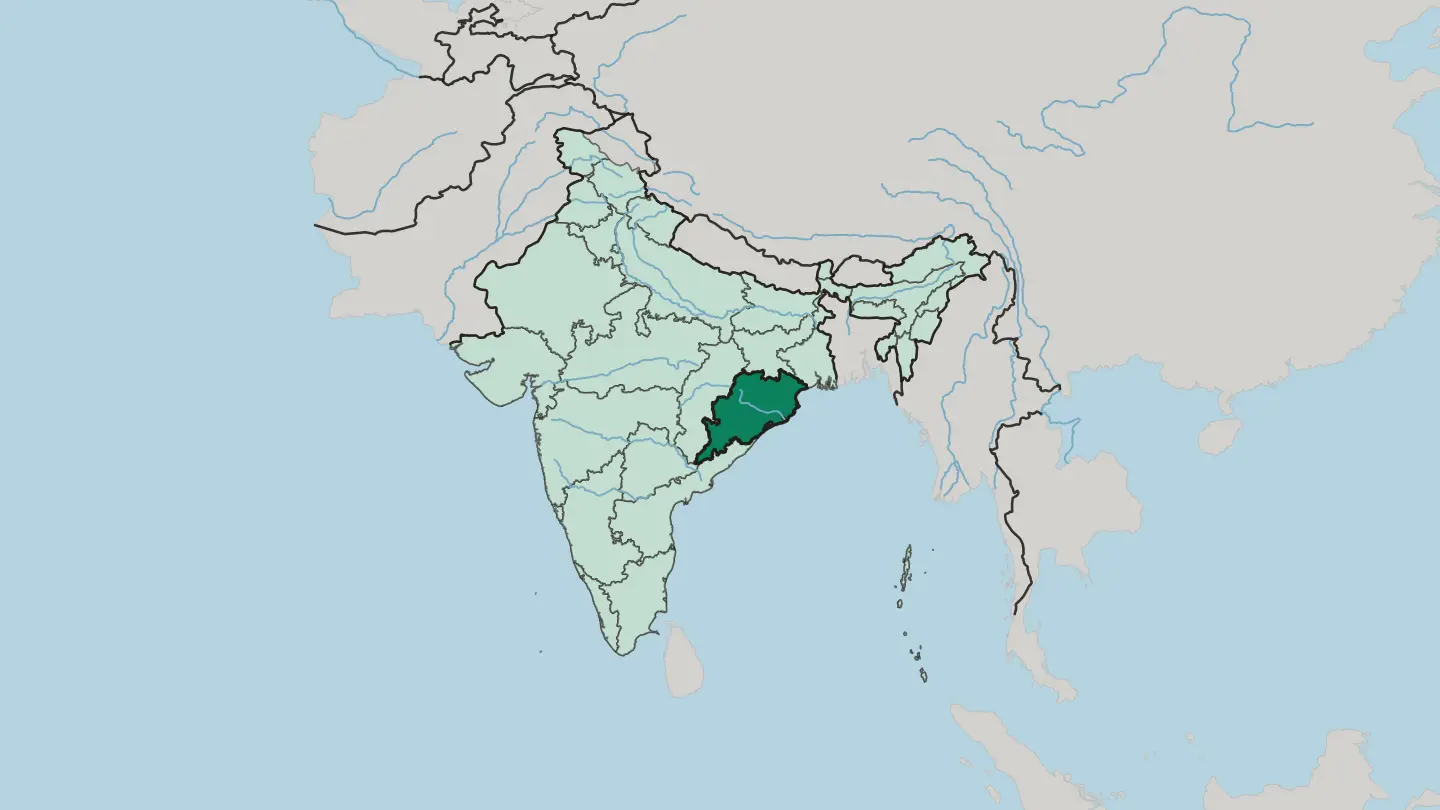
 India
India
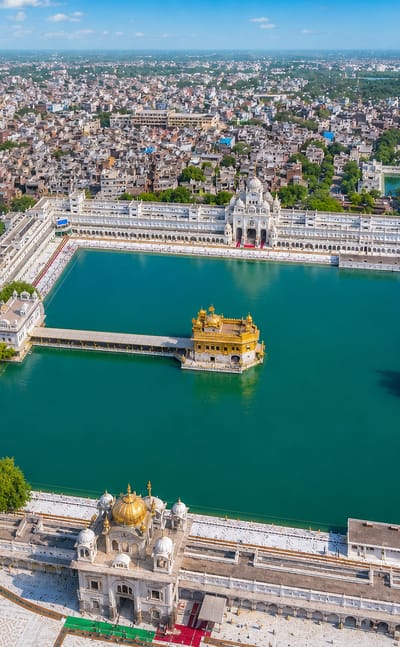
State of Punjab
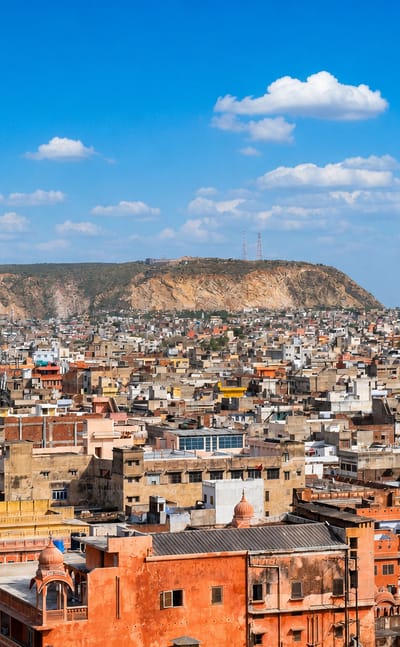
Punjab is India's land of five rivers, the Sikh heartland where the Golden Temple of Amritsar draws pilgrims from across the world.Towns & cities →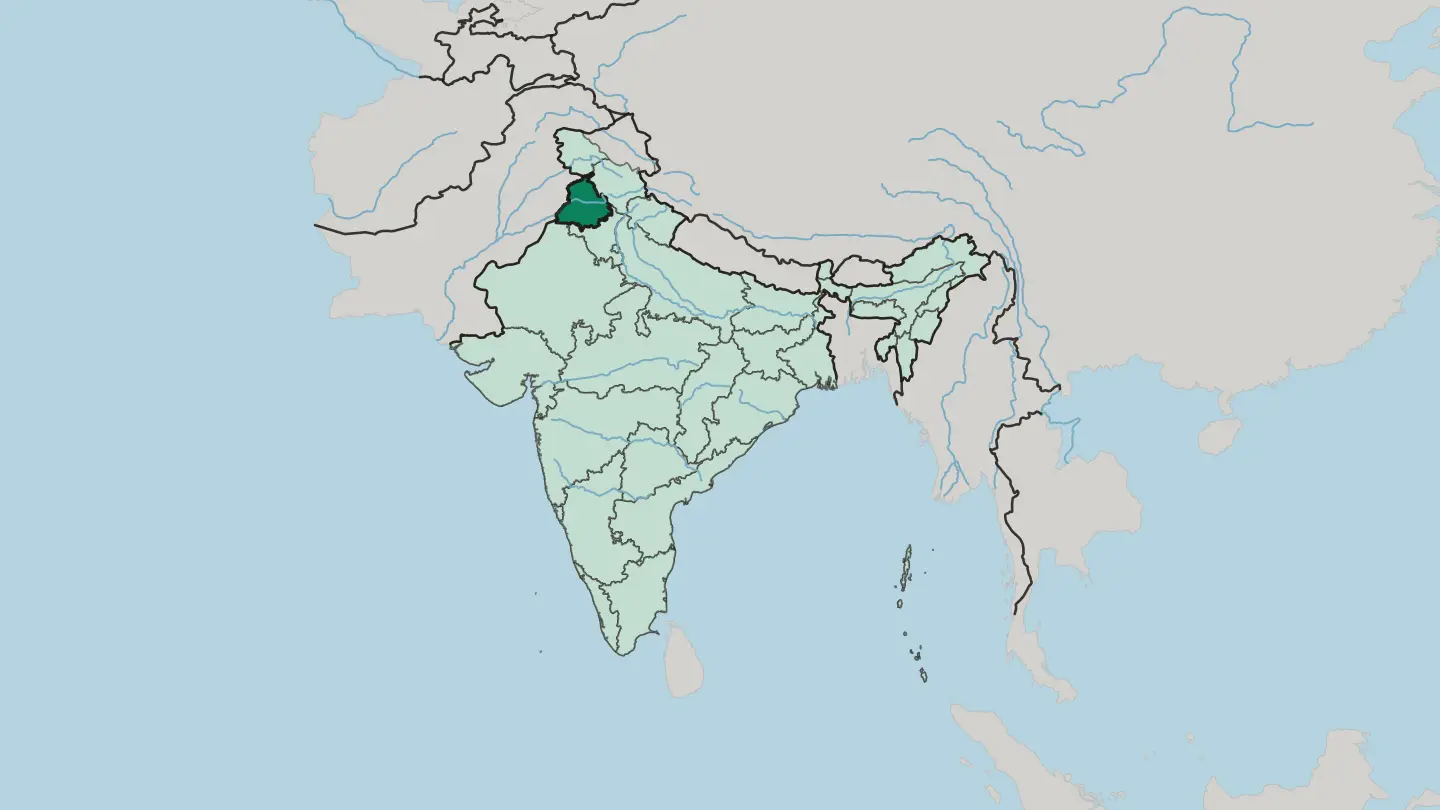
 India
India
State of Rājasthān
Rajasthan is India's largest state, spread across the Thar Desert and the Aravalli hills in the country's north-west.Towns & cities →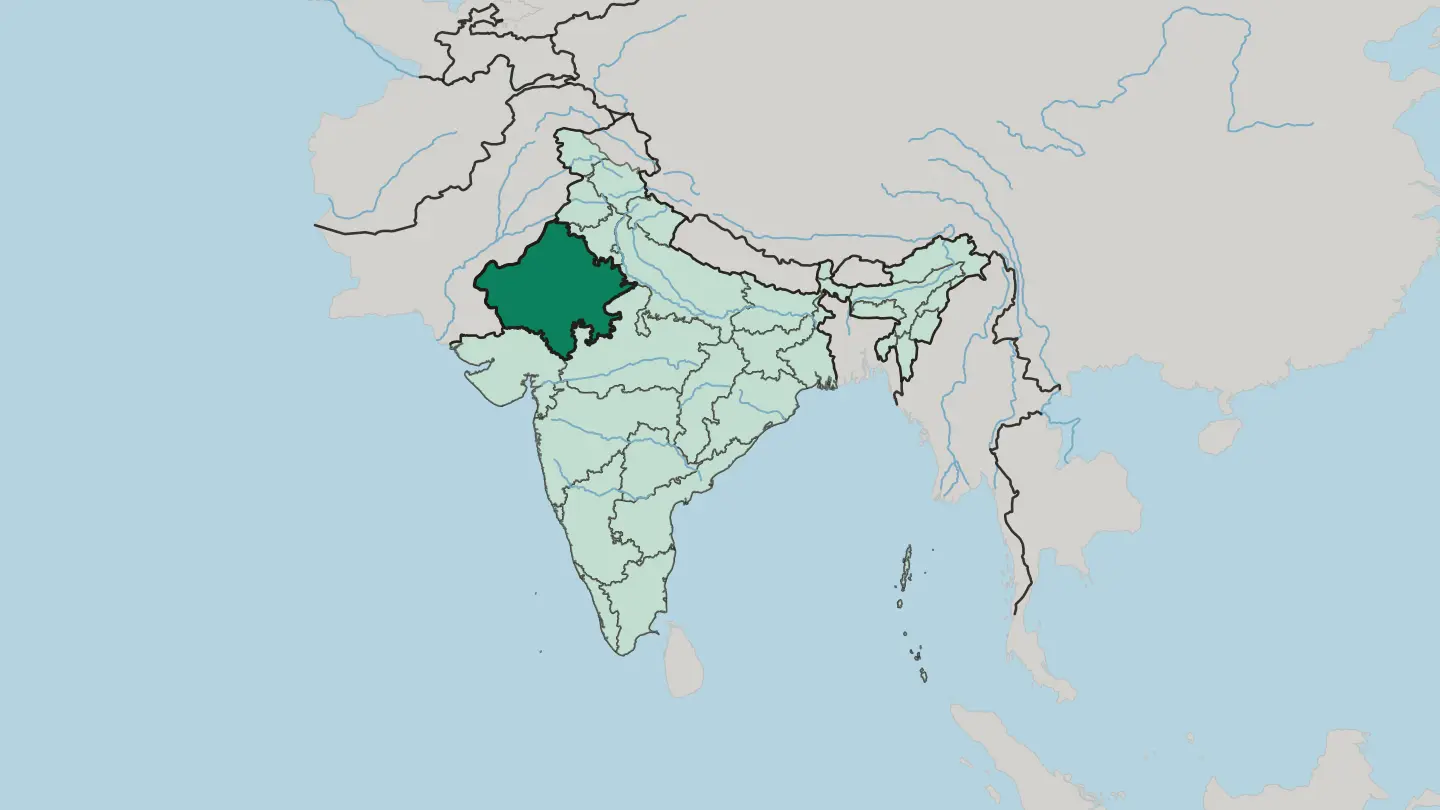 India
India
State of Tamil Nādu
Tamil Nadu is the southernmost state of India, the land of the Tamils and the Tamil language, with Chennai as its capital.Towns & cities →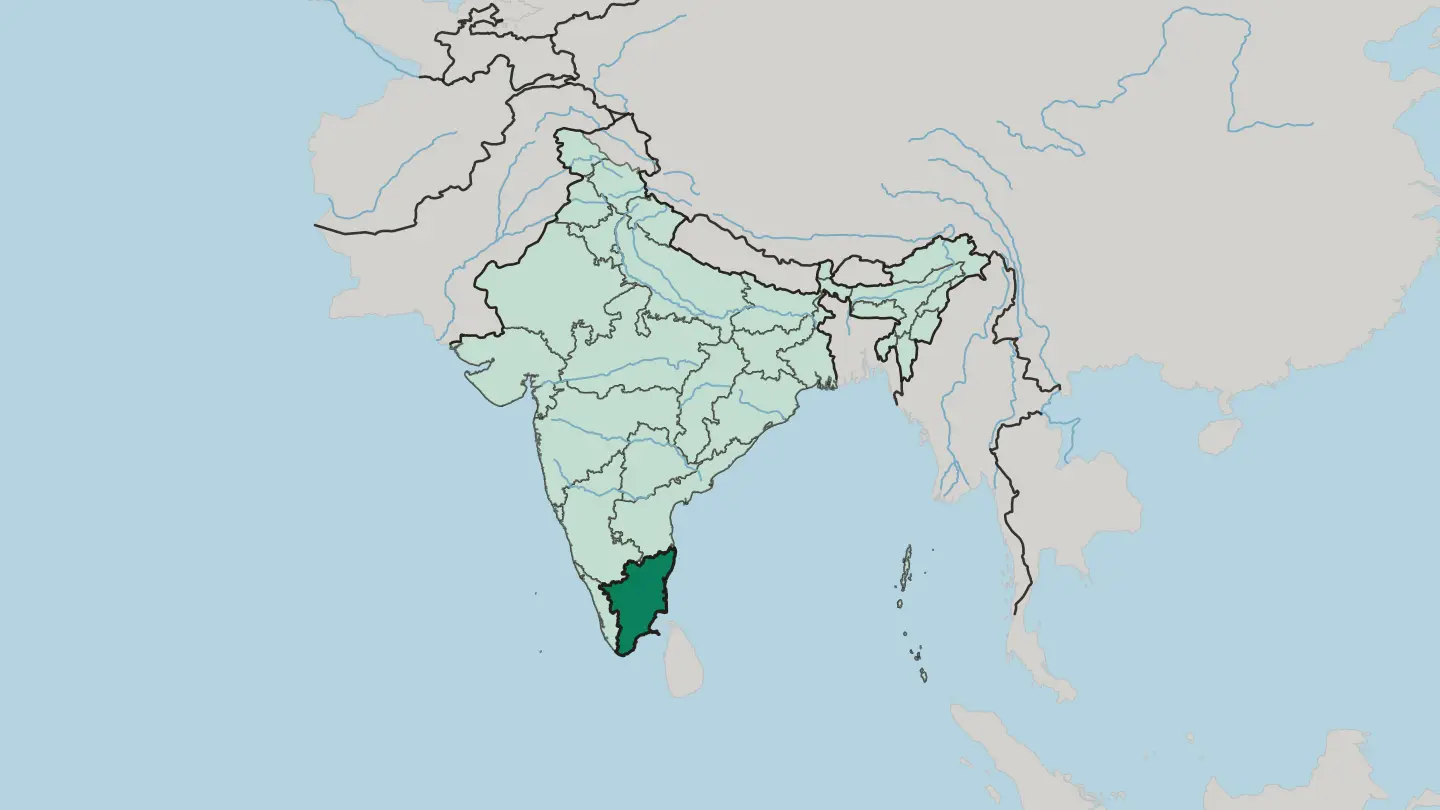 India
India
State of Telangāna
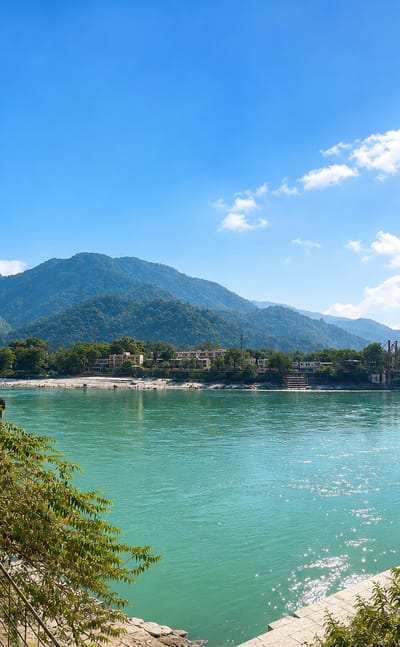
Telangana sits on the Deccan Plateau in southern India, a state formed in 2014 from Andhra Pradesh, long the seat of the Nizams of Hyderabad.Towns & cities →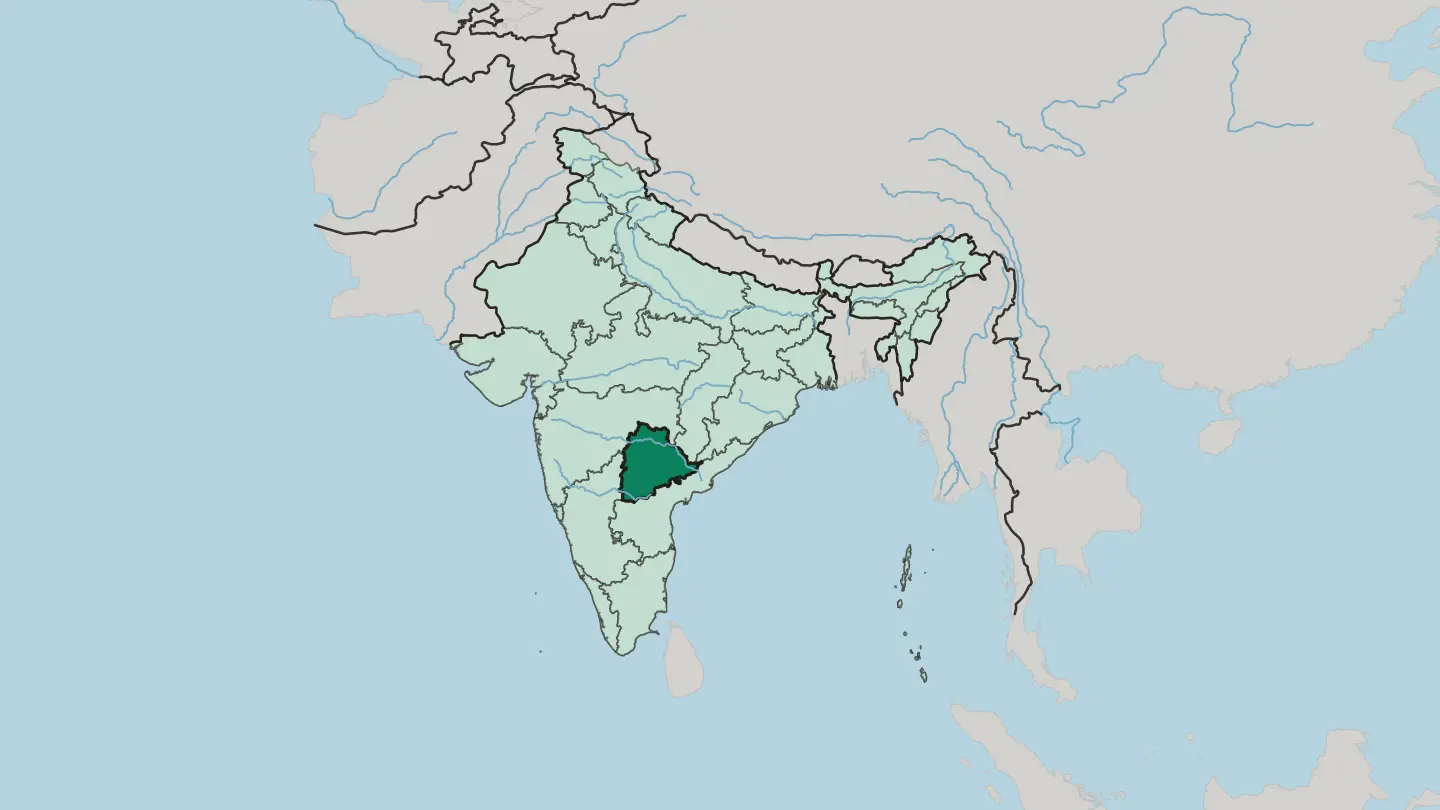
 India
India
State of Uttarākhand
Uttarākhand is India's Himalayan north, Devbhūmi, the Land of the Gods, where the Ganges and the Yamuna both begin.Towns & cities →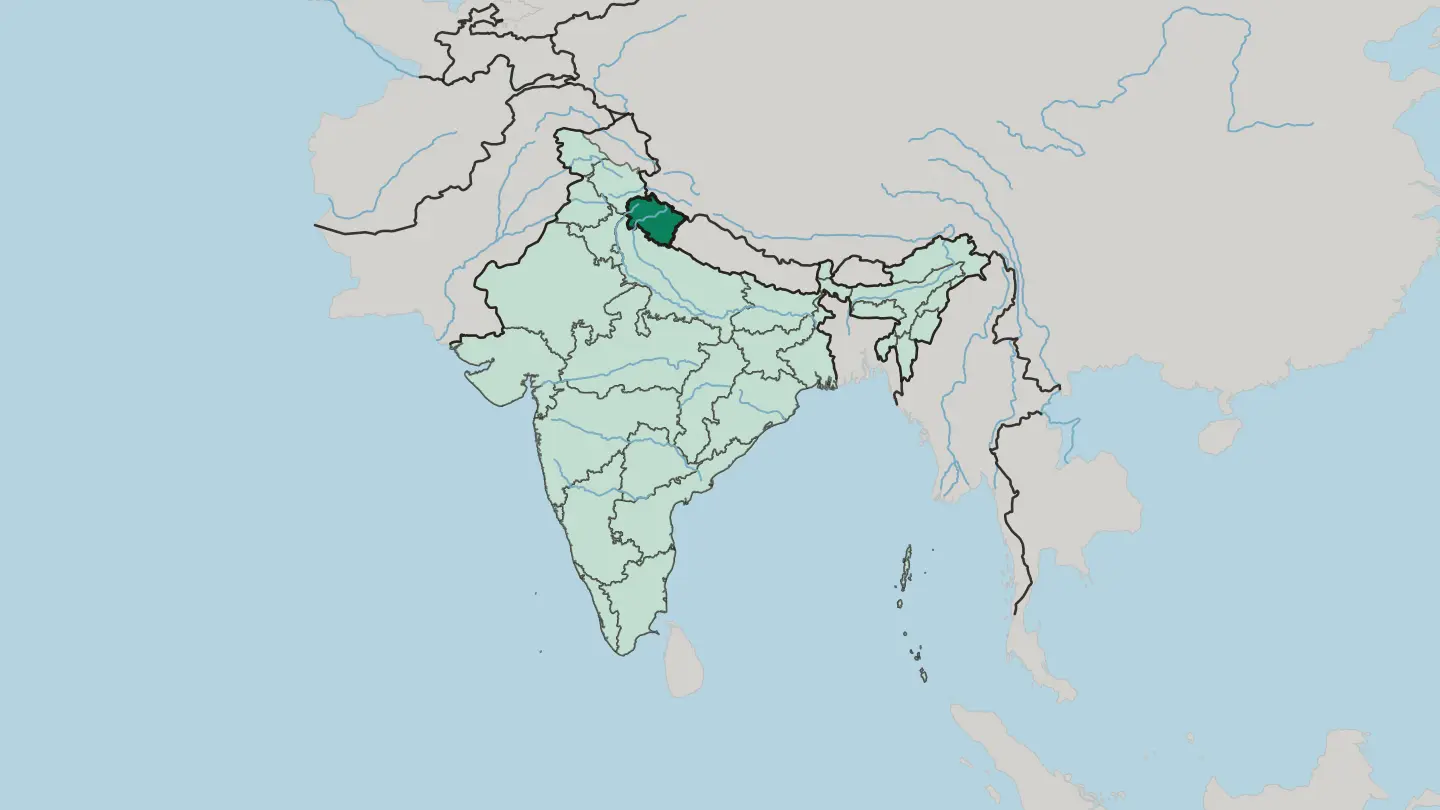
 India
India
Tripura
Tripura is a small hill state in north-east India, nearly ringed by Bangladesh, with Agartala on its western plain.Towns & cities →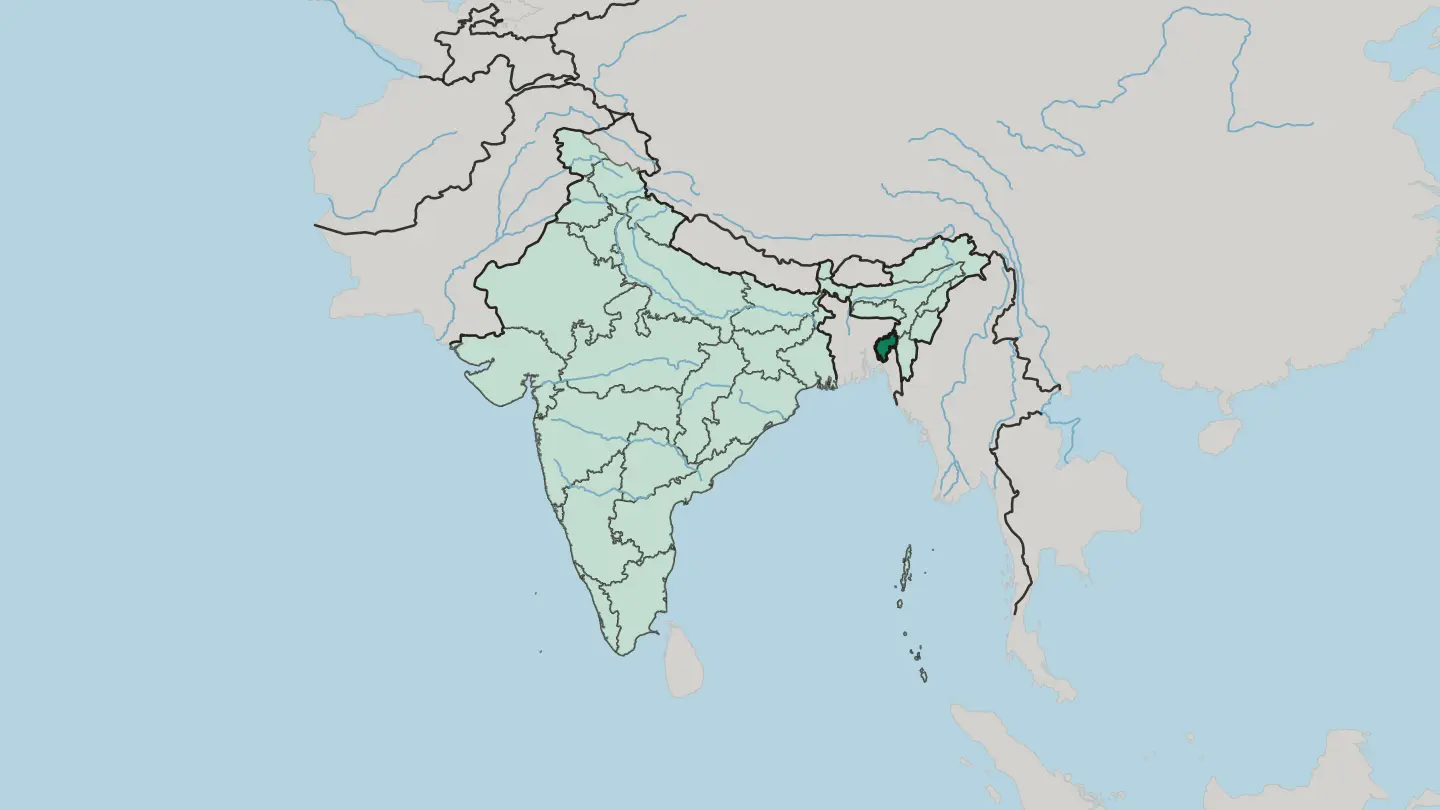
 India
India
Union Territory of Andaman and Nicobar Islands
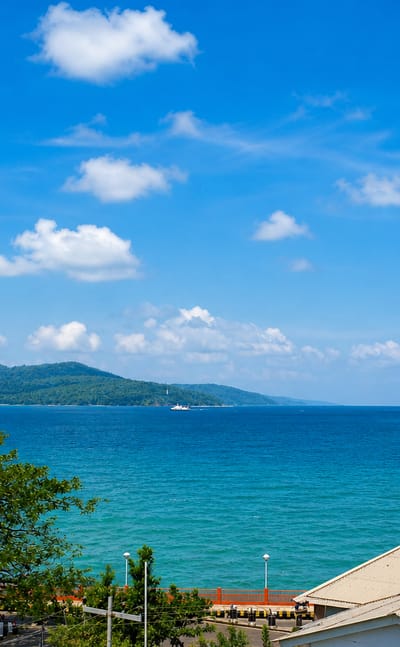
The Andaman and Nicobar Islands are India's forested archipelago in the Bay of Bengal, ruled from Port Blair on South Andaman.Towns & cities →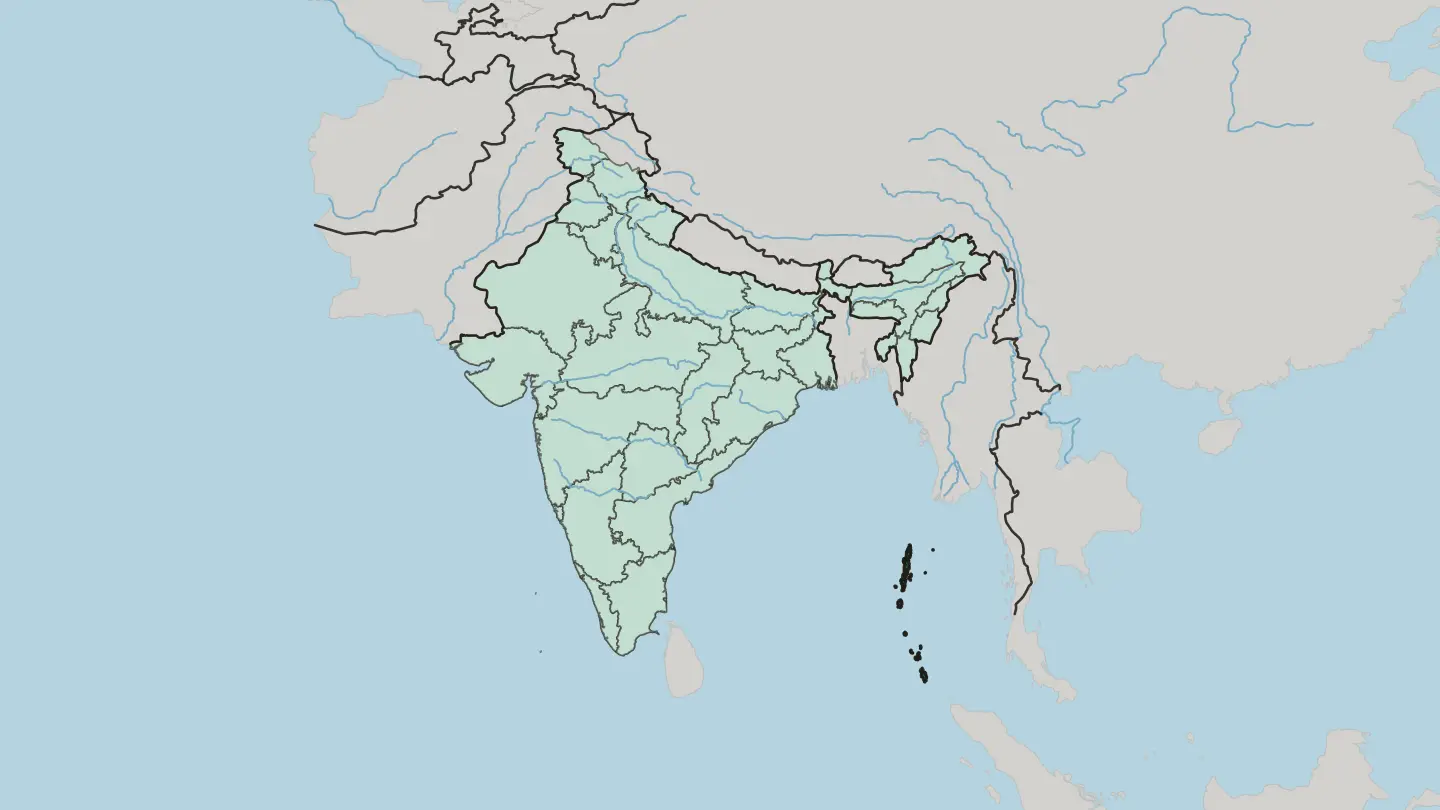
 India
India
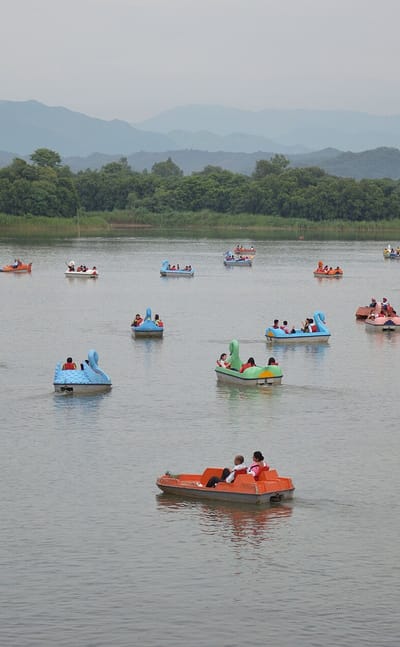
Union Territory of Chandigarh
Chandigarh is India's first planned city, a grid of numbered sectors laid out by Le Corbusier below the Shivalik foothills.Towns & cities →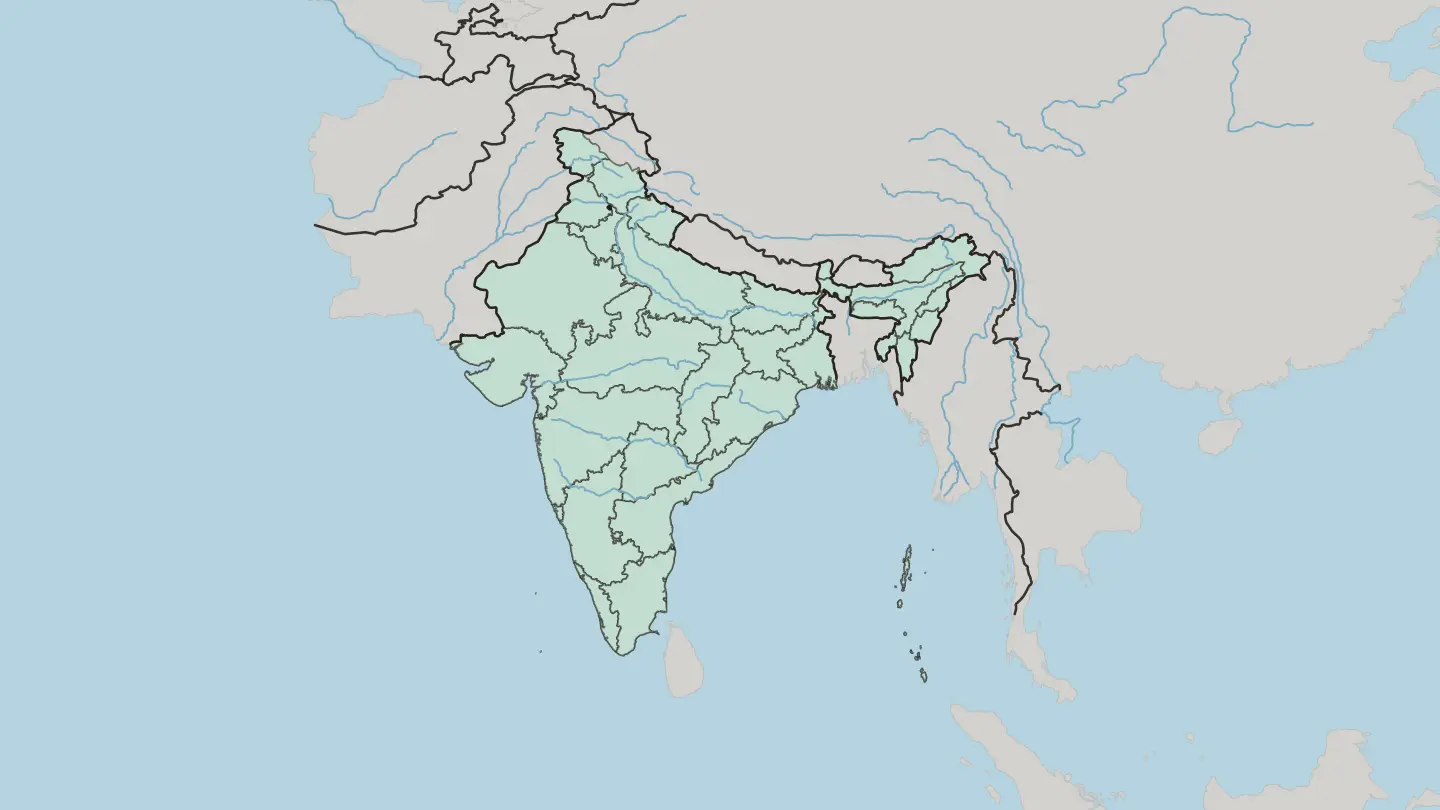
 India
India
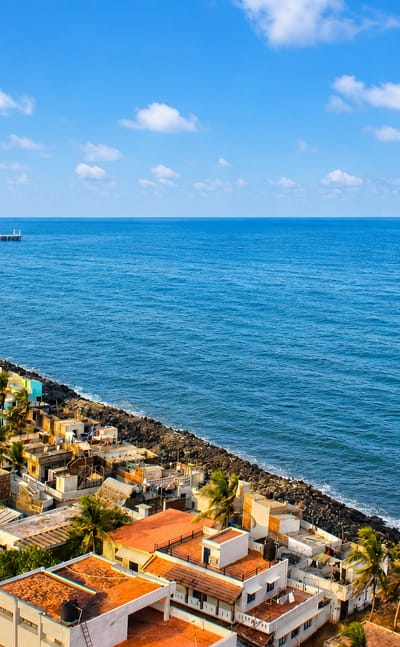
Union Territory of Puducherry
A former French colony on India's southeast coast, Puducherry keeps its grid-plan streets, seafront promenade, and Tamil-French heritage.Towns & cities →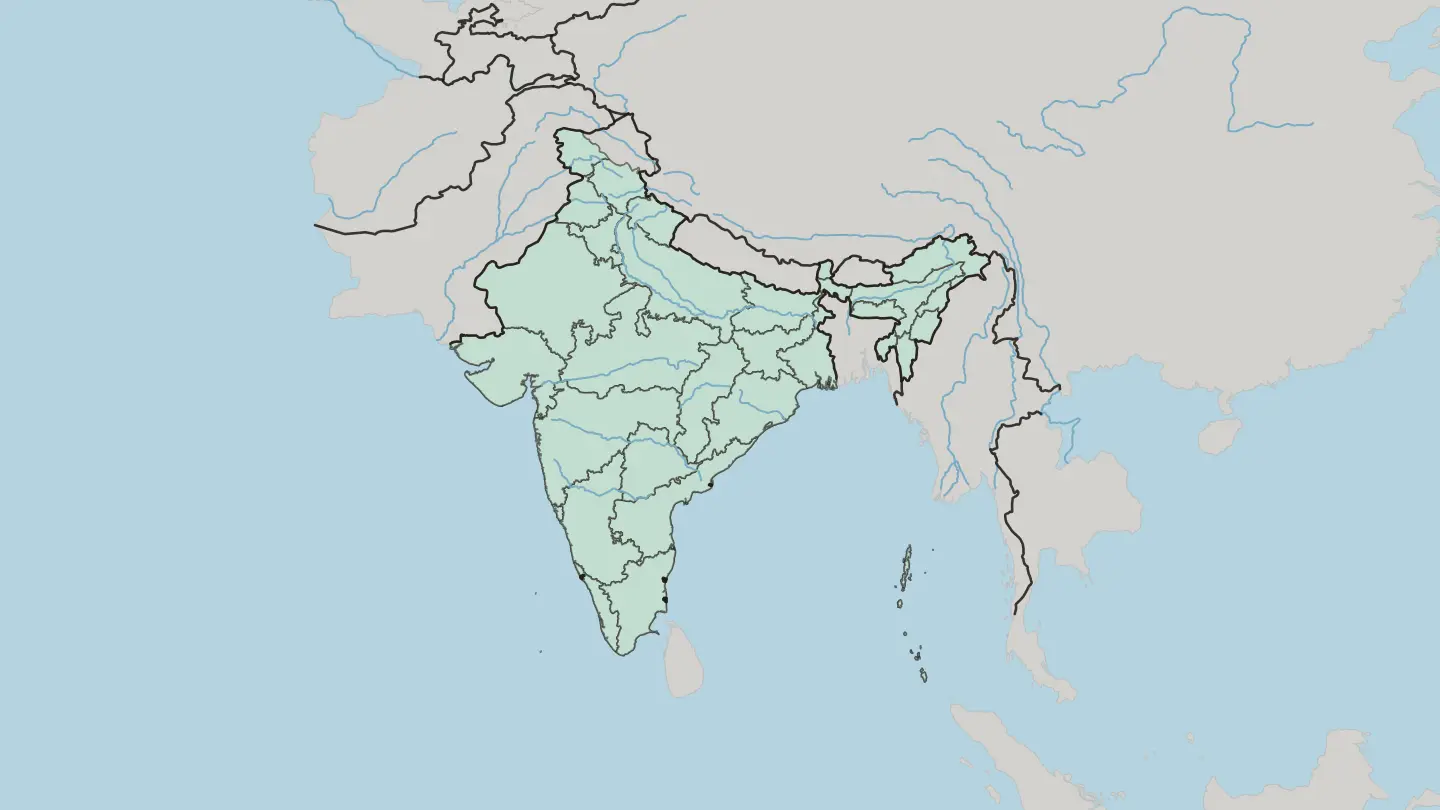 India
India
Uttar Pradesh
Uttar Pradesh, the Northern Province, is a state on the plains of northern India, bordered by more states than any other, with Lucknow as its capital.Towns & cities →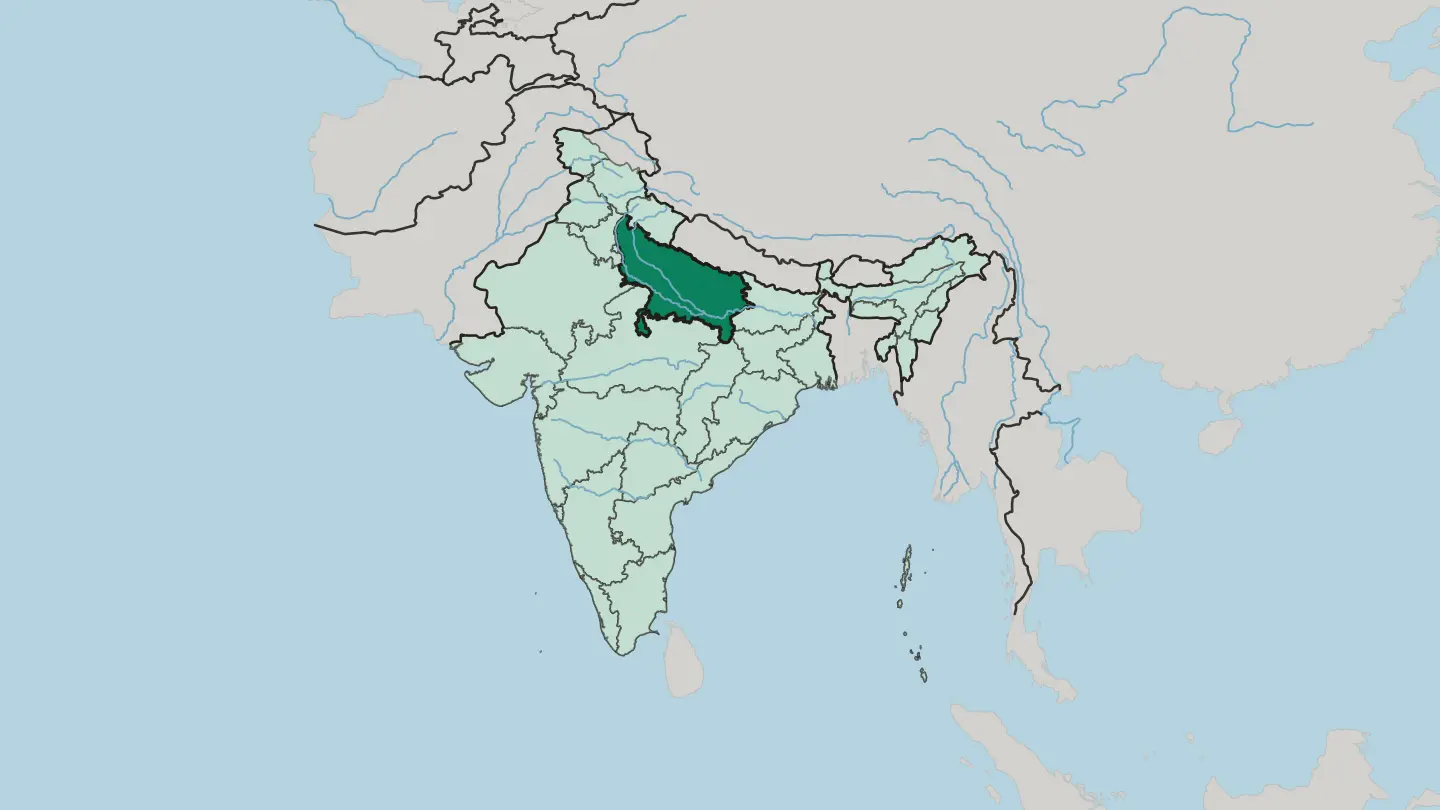 India
India
West Bengal
West Bengal runs from the Himalayan tea hills of Darjeeling down through the Ganges delta to the Bay of Bengal, with Kolkata at its heart.Towns & cities →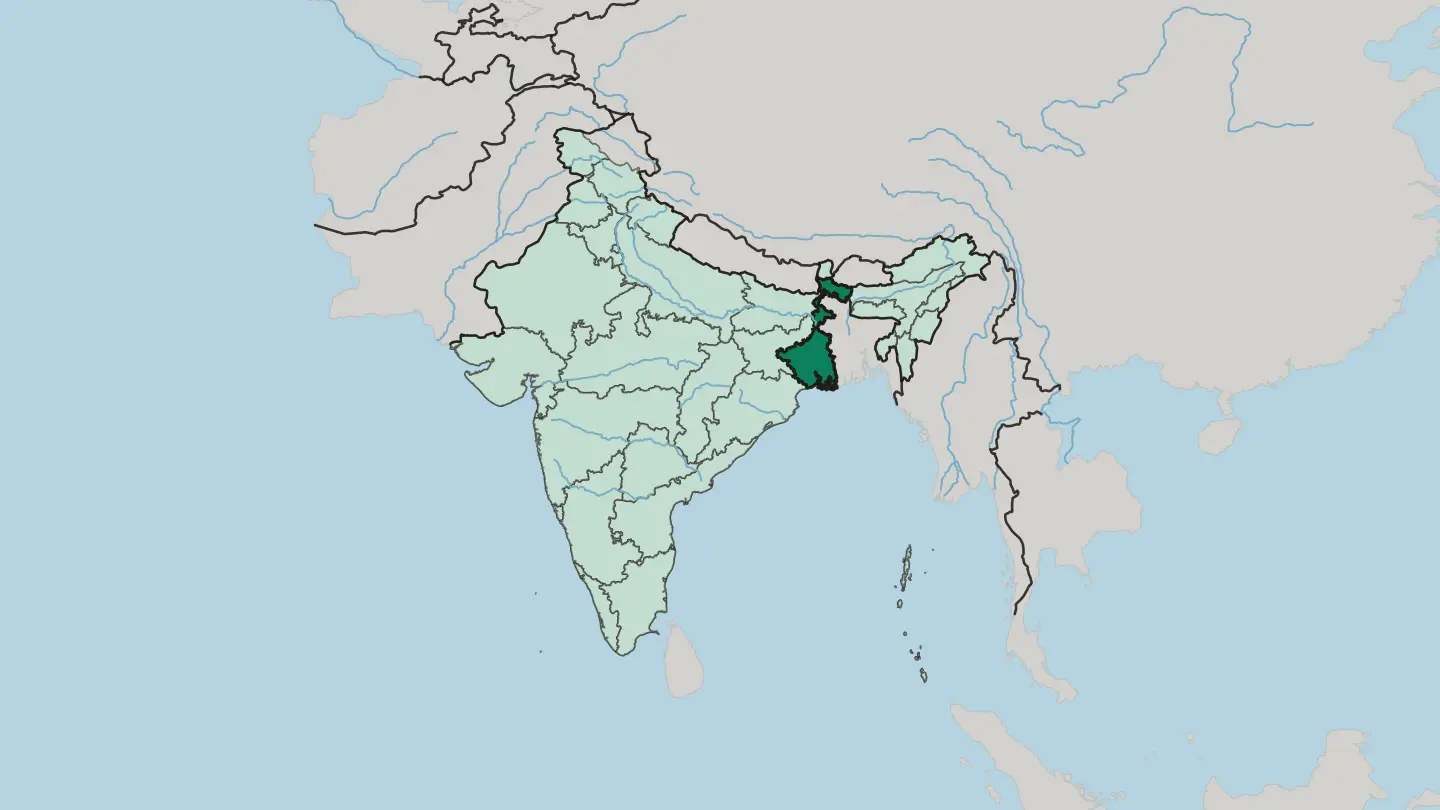
Explore by experience
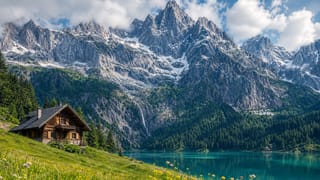
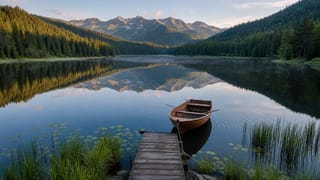
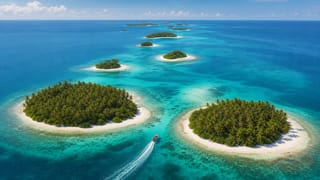
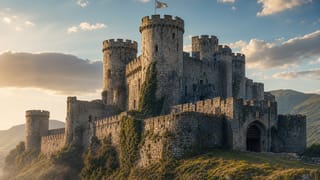
Not sure which place? Start from how you want to travel.

About India
What is India known for?
India is known for one of the world's great ancient civilisations, once called the golden bird for its wealth. Its languages number in the many, and its religions, cooking and architecture vary from region to region across South Asia. Depth defines the place.
Travellers come for temples and forts raised long ago and still standing, for food that shifts every few hundred miles, and for coasts that run from the Arabian Sea to the Bay of Bengal. The mountains to the north rank among the highest on earth.
Where is India?
India occupies most of South Asia, a broad peninsula tapering south into the Indian Ocean. The Arabian Sea washes its southwest and the Bay of Bengal its southeast, so water frames the country on three sides. The sea is never far in the south.
Inland, its land borders run to Pakistan in the west, to China, Nepal and Bhutan across the mountains of the north, and to Bangladesh and Myanmar in the east. These frontiers stretch for thousands of miles across desert, plain and high pass. Offshore, India lies near Sri Lanka and the Maldives, low in the Indian Ocean to the south.
Its Andaman and Nicobar Islands reach far out toward Myanmar, Thailand and Indonesia, sharing a maritime border with those distant coasts across the eastern water. Warm currents wrap the long shoreline on every side. From the high mountains of the north the land falls through wide plains toward the coasts.
Distances are immense. Few countries pack so many landscapes between a single ocean and a single mountain wall in one span. The peninsula narrows steadily toward Sri Lanka and the open ocean beyond.
What is the history of India?
India carries one of the longest continuous records of civilisation on earth, reaching back millennia. Cities, temples and forts raised in antiquity still stand across the land, the work of successive kingdoms and empires. The past is everywhere here.
Trade in spices, textiles and gems made the country famous, and older writers called it the golden bird for its wealth. Waves of rulers and faiths crossed South Asia over the centuries, each leaving behind buildings, languages, customs, and new ways of worship. Ports on the Arabian Sea and the Bay of Bengal linked the country to distant markets by sea.
In the modern era India came under colonial rule before winning its independence in 1947. It then adopted a republican constitution and became a large democracy. New institutions of state took shape in the years that followed.
Independence reshaped the nation. Cities that had grown for centuries became the seats of the new republic and its states. The monuments of earlier ages, built long before, remain intact and in use, tying the modern country to the deep past that shaped it across South Asia.
What is India like?
India is a country of many peoples, faiths and tongues, layered together over a long history across South Asia. Dozens of major languages are spoken, and scripts change from region to region. Variety is the rule.
Its religions run deep and diverse, shaping festivals, temples and daily ritual in every corner of the land. Dress, calendar and custom vary as widely as speech. Food shifts with the map, from the coasts of the Arabian Sea to the plains inland, changing spice and staple every few hundred miles.
Architecture records the same range, in temples, mosques, forts, and palaces built across the centuries and still standing. Craft traditions in textile, metal and stone pass down through families. Markets sell block-printed cloth, brasswork and hand-carved wood side by side.
The making never stops. Music, dance and cinema carry the culture far beyond South Asia, across the Indian Ocean and its diaspora, while the old stories endure at home. Cinema in many languages draws vast audiences across the country.
Few places hold such variety of custom and belief within one set of borders, from the Bay of Bengal to the northern mountains.
What is the climate of India?
India has a broadly tropical climate, ruled by the monsoon that sweeps in off the surrounding seas. Warm, wet air rides up from the Arabian Sea and the Bay of Bengal in the rainy season, then retreats to leave drier months behind. The rains set the calendar.
Higher ground in the north stays cooler, with snow on the great mountains, while the coasts along the Indian Ocean run hot and humid for much of the year.
How do you get to India?
Most travellers reach India by air, landing at the big cities before spreading out across the country. By sea, the approaches cross the Indian Ocean, the Arabian Sea and the Bay of Bengal to its long coastline. The distances are large.
Overland routes run from neighbours like Nepal and Bangladesh, while the Andaman and Nicobar Islands are reached only by sea or air far out in the Indian Ocean.
Common questions
What is the best area to stay in India?
The Arabian Sea coast: Ports and beaches in the west. The Bay of Bengal coast: Deltas and temple towns. The northern high country: Cool mountain hill stations. Andaman and Nicobar Islands: Remote island sands.
Good for
Updated September 2026