India · State of Himāchal Pradesh
Where to Stay in Shimla, State of Himāchal Pradesh
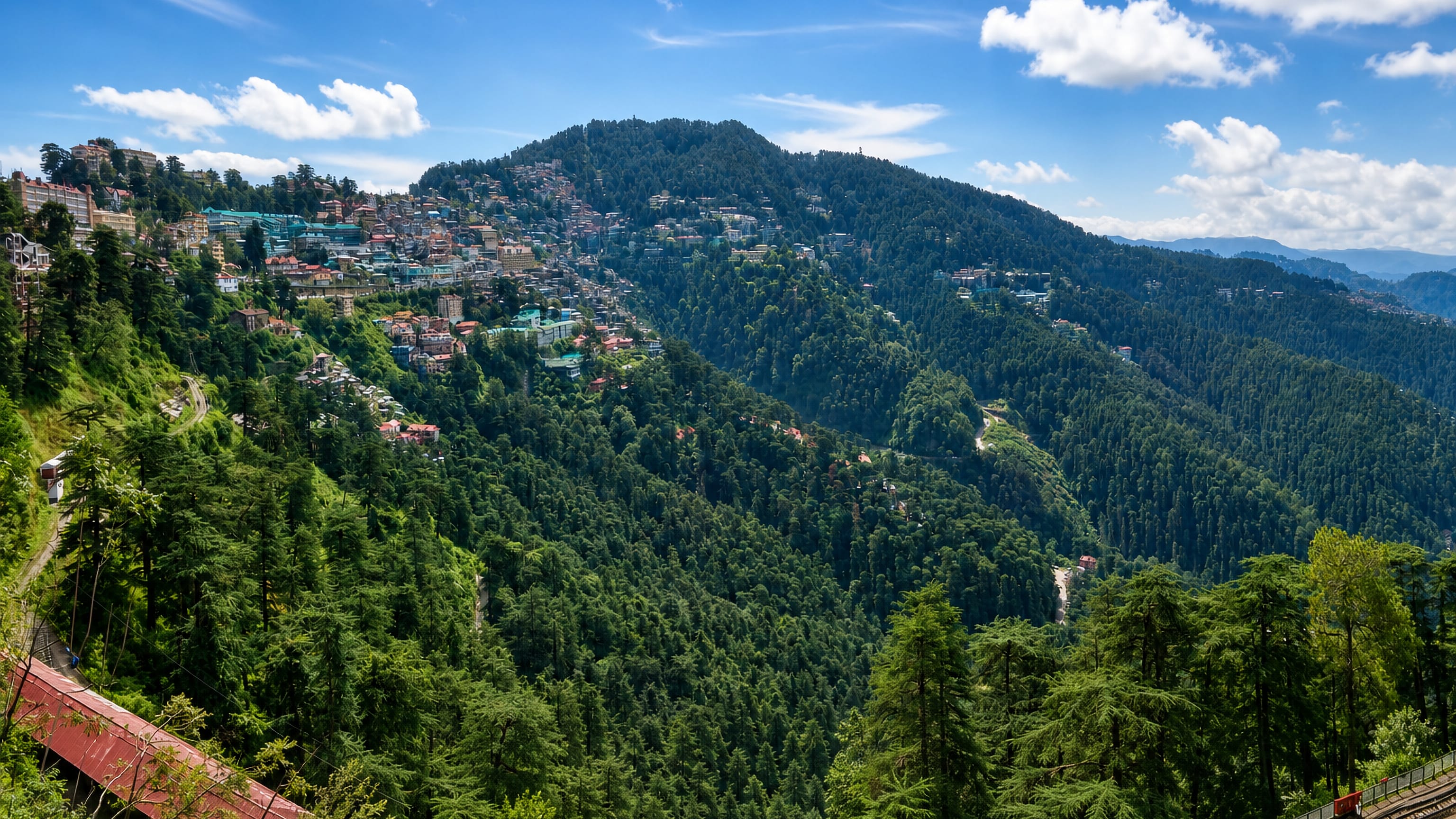
Victorian roofs climb the ridgelines at Shimla, the hill capital of Himachal Pradesh, India, once the summer seat of British India.
Hotel links are affiliate links: booking through them may earn us a commission, at no extra cost to you. It never affects how places are ranked. How this works


Where to stay in Shimla
The practical side of choosing where to sleep.
Shimla clusters its lodging along the Mall and the Ridge, the twin spines of the old hill station. The Mall suits a first stay. Its length holds the Victorian buildings, the shops and the walking crowds at the heart of the Himachal Pradesh capital, with Christ Church rising over the Ridge and the whole town falling away down the slopes on either side.
Stay along the Mall for the shortest reach into daily Shimla. The quieter mansion quarters read older and more secluded, near buildings like the Crow Borough Building, Manorville Mansion and Wood Banks Building. They sit back from the busy centre.
A traveller drawn to the colonial architecture, the Himachal Pradesh state museum and the Army Heritage Museum, Shimla finds the upper slopes a calmer base, though beds cluster most thickly along the central Mall of this hill city.
Find hotels in Shimla
Direct booking searches for these neighbourhoods.
The Mall
the central spine of the Himachal Pradesh hill capital, holding the colonial buildings and the shops at the heart of the townFind hotels in The Mallquiet stays near the Crow Borough Building and Manorville MansionUpper mansion slopes
the secluded colonial-house quarters of Shimla set back above the Mall, near the Himachal Pradesh state museum and the Army Heritage Museum. Lodging is scarce in this area; reserve in advance.Find hotels in Upper mansion slopesHotel links are affiliate links: booking through them may earn us a commission, at no extra cost to you. It never affects how places are ranked. How this works
Things to do in Shimla
Ranked by global recognition; descriptions from Wikidata (CC0).
Museums & Galleries
2- Himachal Pradesh state museum
- Army Heritage Museum, Shimla
Churches & Religious Sites
1- Christ Church (Shimla)
Landmarks & Notable Places
3- Crow Borough Building Heritage
- Manorville Mansion Heritage
- Wood Banks Building Heritage
worth knowingacross 3 categories in Shimla
About Shimla
What is Shimla known for?
Shimla is known as the capital of Himachal Pradesh and a hill station of Victorian character. Its architecture sets the tone. The Mall and the Ridge carry the colonial-era buildings for which the city is known, and the Kalka-Shimla Railway climbs to it through the hills, a legacy of the years when Shimla served as the summer capital of British India.
Height and heritage carry its name.
What are the main landmarks in Shimla?
Shimla's landmarks are largely colonial and civic. Christ Church stands over the Ridge, and the Kalka-Shimla Railway winds up to the town through the hills. The Himachal Pradesh state museum and the Army Heritage Museum, Shimla hold its collections, while the Crow Borough Building, Manorville Mansion and Wood Banks Building carry the Victorian architecture that defines this Himachal Pradesh capital.
Colonial stone fills the roll.
What is the history of Shimla?
Shimla rose as a hill station and, in 1864, was declared the summer capital of British India. That decision made the town. The colonial administration climbed here to escape the heat of the plains, and the Victorian buildings along the Mall and the Ridge, together with Christ Church, date from those years of imperial summers spent above the hills.
After independence the city became the capital of East Punjab and was later made the capital of Himachal Pradesh, the state it still governs. Its role kept shifting upward. The Kalka-Shimla Railway that had carried the colonial court remained, and Shimla held its place as the principal city of Himachal Pradesh, its identity resting on that long run as a hill capital rather than on any earlier dated founding on record.
Where is Shimla?
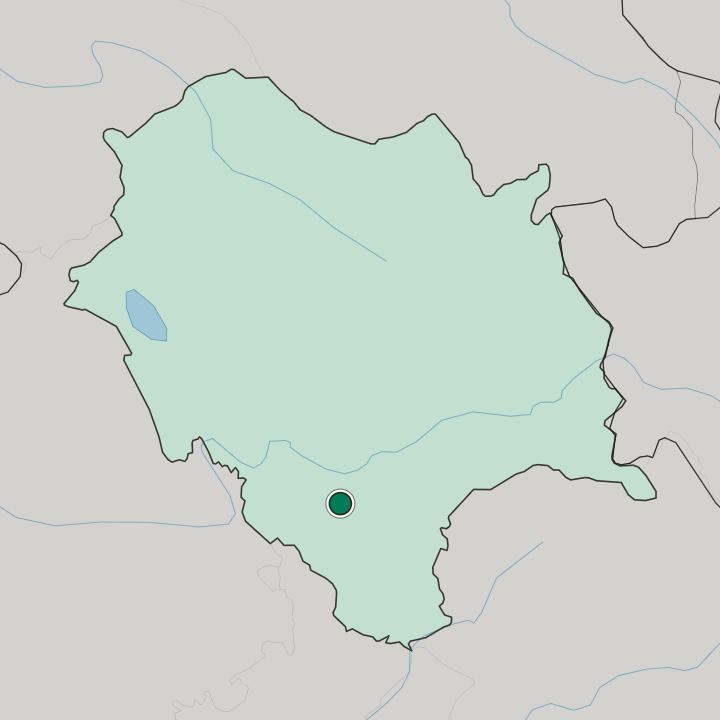
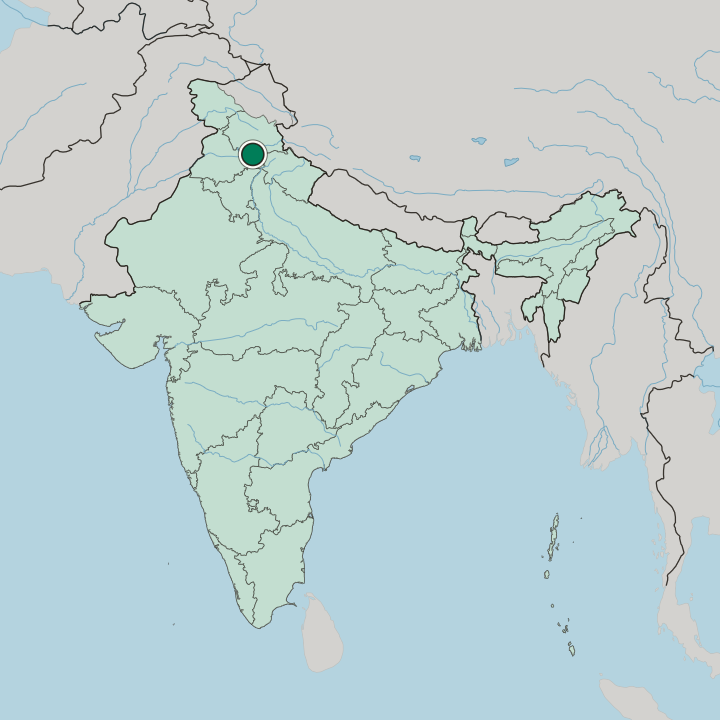
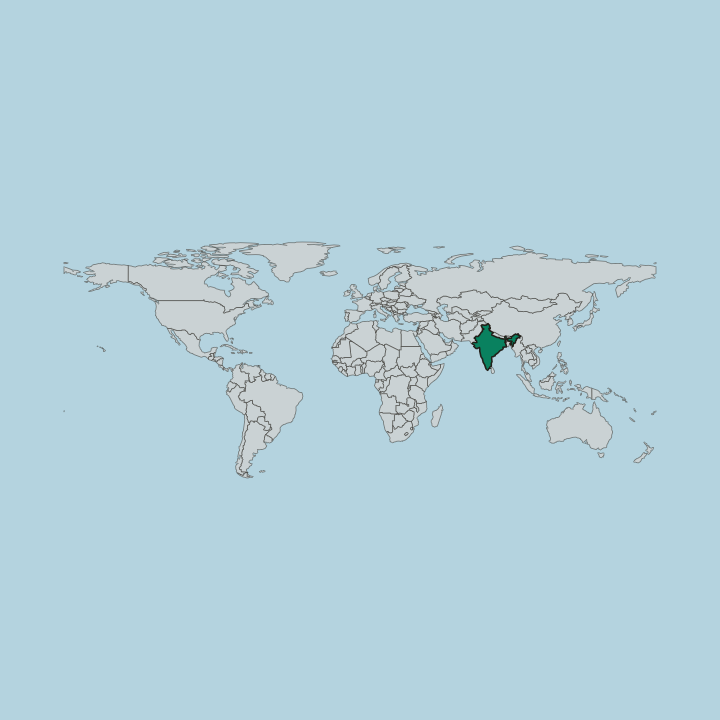
Shimla sits high in the hills as the capital of Himachal Pradesh. Ridgelines shape the town. The city runs along its spurs and slopes, the Mall and the Ridge tracing the crest while the streets fall away steeply on either side, a hill setting well above the plains of India.
Its ground is mountain terrain, not flatland.
What is the climate of Shimla?
Shimla holds a cool hill climate well above the plains. Summers stay mild. The height of the Himachal Pradesh capital keeps it a summer retreat from the heat below, while winters turn cold and can bring snow to the Mall and the Ridge.
Its seasons are those of a high hill station.
How do you get to Shimla?
Shimla is reached by climbing into the hills of Himachal Pradesh. The Kalka-Shimla Railway is the classic approach. Its narrow-gauge line winds up to the town, and roads switch back through the slopes to the capital, the hill setting meaning every arrival gains height from the plains of India.
Travel in is a steady climb.
Common questions
What is the best area to stay in Shimla?
The Mall: a first base among Shimla's Victorian shopfronts and walking crowds. Upper mansion slopes: quiet stays near the Crow Borough Building and Manorville Mansion.
Updated September 2026