India
State of Himāchal Pradesh, India — Towns & Travel Guide
Himachal Pradesh is a mountain state in northern India, spread across the Western Himalayas from Shimla to the Spiti Valley.
Hotel links are affiliate links: booking through them may earn us a commission, at no extra cost to you. It never affects how places are ranked. How this works


Towns & cities in State of Himāchal Pradesh
One town here has its own guide — it links to where to stay.
 India
India
Shimla
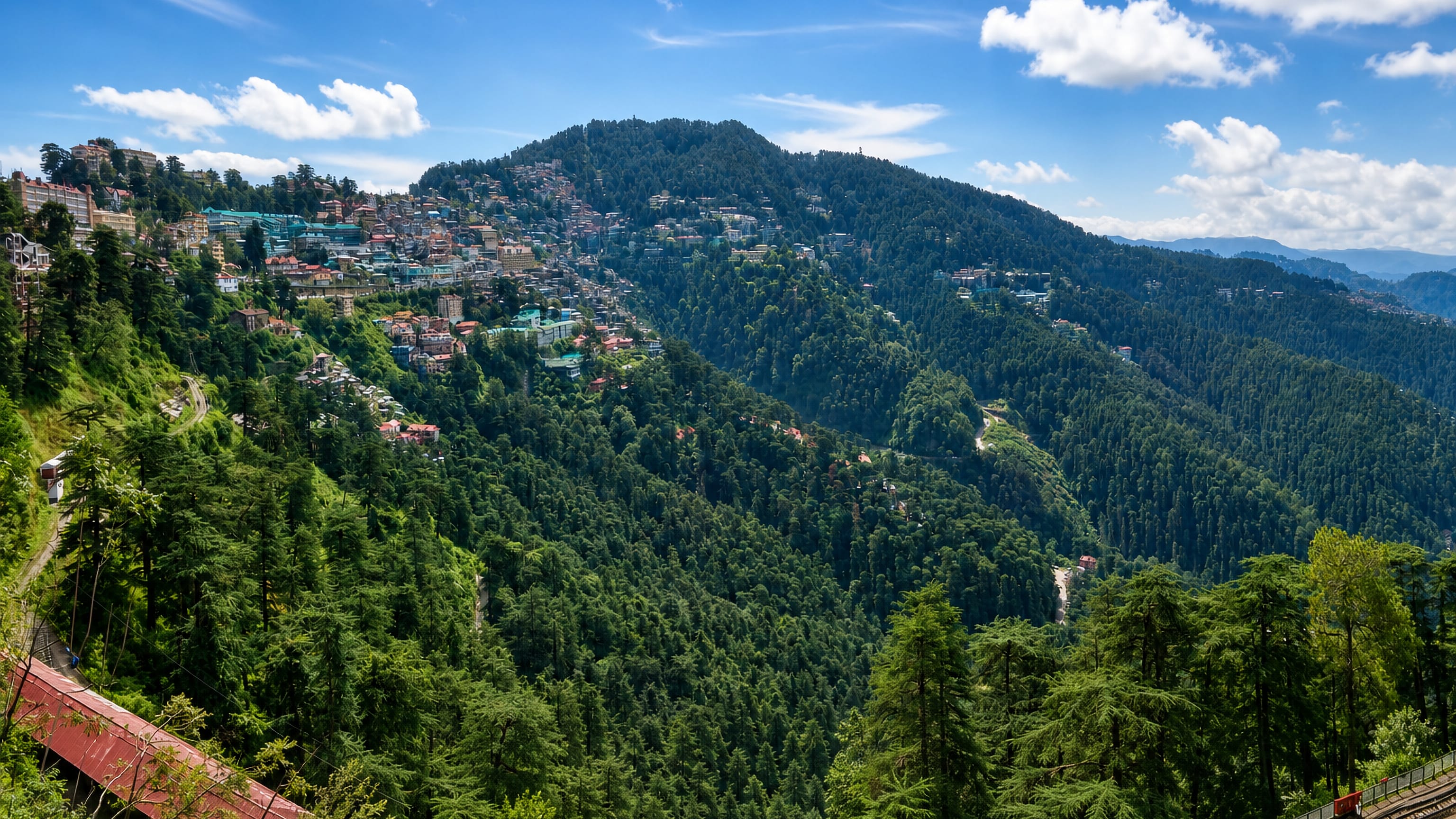
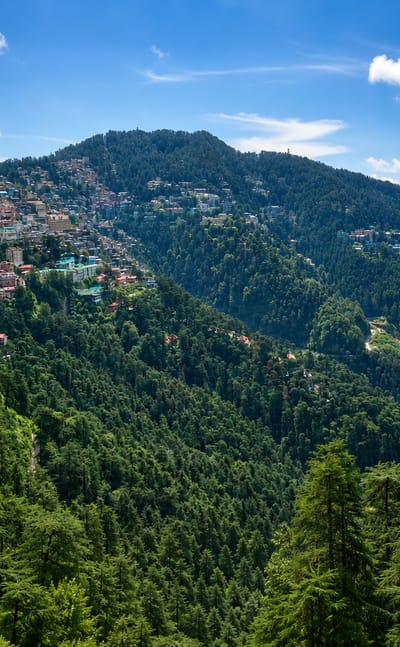
Victorian roofs climb the ridgelines at Shimla, the hill capital of Himachal Pradesh, India, once the summer seat of British India.Where to stay →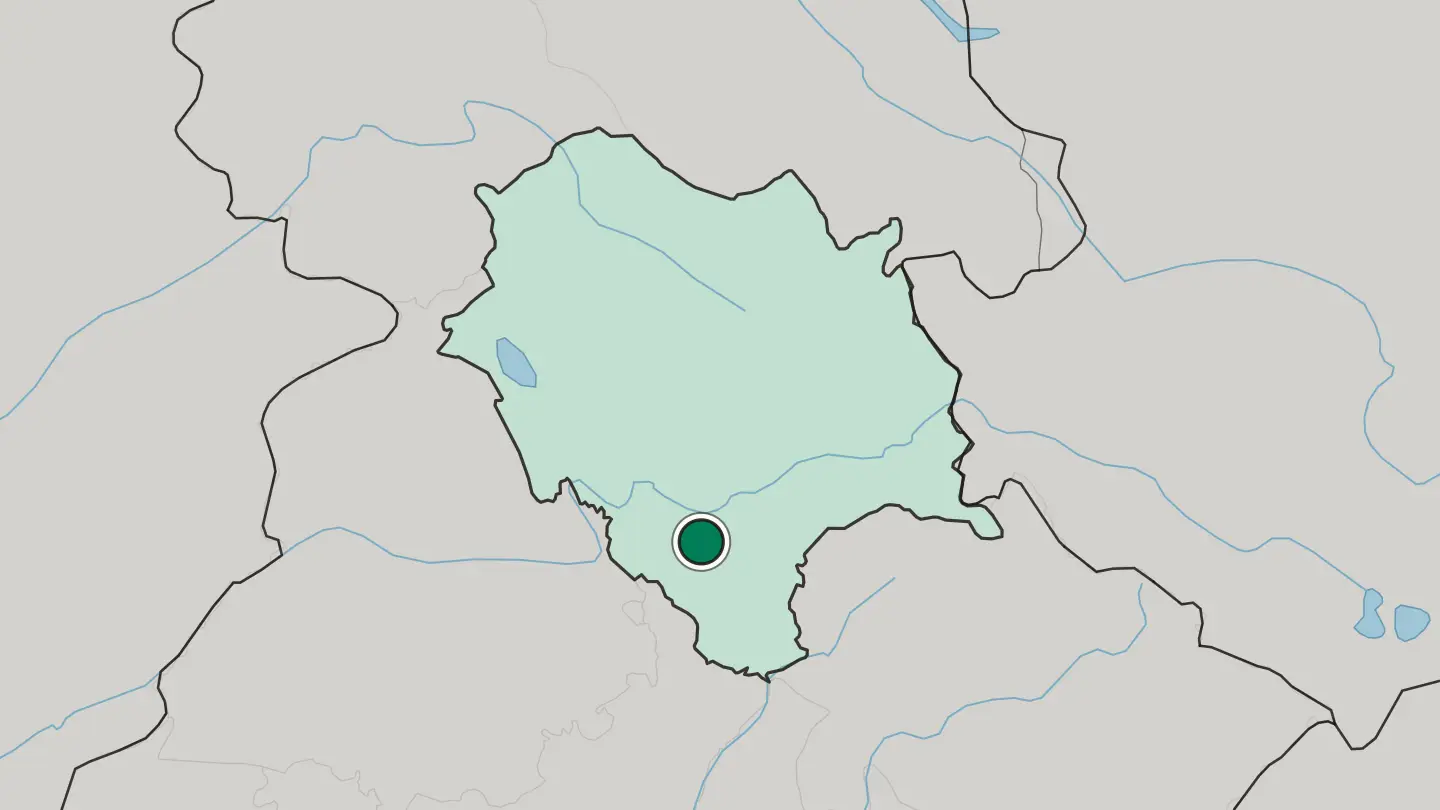
Hotel links are affiliate links: booking through them may earn us a commission, at no extra cost to you. It never affects how places are ranked. How this works
About State of Himāchal Pradesh
What is State of Himāchal Pradesh known for?
Himachal Pradesh is India's Himalayan hill-station country. Snow is the draw. Its name means "abode of snow," and the mountains climb from pine ridges near Shimla up to the bare, high desert of the Spiti Valley in the north-east.
Colonial-era towns such as Shimla and Dharamshala sit on forested spurs, while the Beas River carves the green Kullu Valley below. Locals call the state Dev Bhoomi, the Land of Gods, for the temples scattered through its valleys.
Where is State of Himāchal Pradesh?
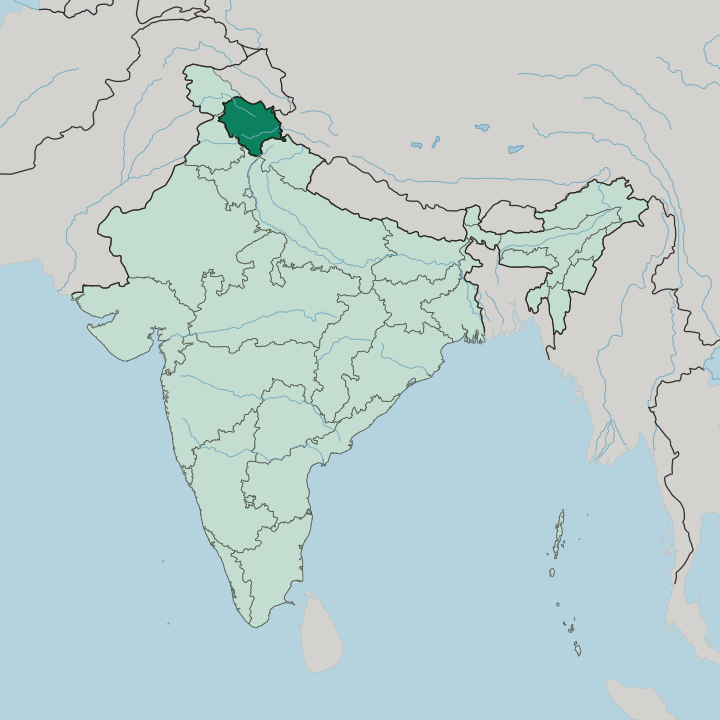
Himachal Pradesh sits in the Western Himalayas, in the far north of India. It is a state built almost entirely of mountains. The land rises in bands from the low Shivalik foothills in the south, through the Lesser Himalayas around Shimla and Dharamshala, up to the high Zanskar peaks along the Tibetan frontier. Punjab lies to the west and Haryana to the south-west, while Uttarakhand borders it to the south-east.
To the east, across a high wall of ridges, the state meets the Tibet Autonomous Region of China. Water defines the map here. Four of the great rivers of the Punjab plains are born or fed in these hills: the Sutlej, the Beas, the Ravi and the Chenab, all snow-fed and running hard through deep gorges.
The Beas River shapes the green Kullu Valley below Manali, while the Sutlej cuts the state's longest valley on its way west from the Tibetan plateau. Beyond the main Himalayan crest lies a different world altogether. The Spiti Valley, in the north-east, is a cold high-altitude desert in the rain shadow of the mountains, bare and brown where the southern valleys are forested and green.
That single divide, wet forest on one side and dry desert on the other, is the state in miniature.
What is State of Himāchal Pradesh like?
Faith is woven into daily life across Himachal Pradesh. The state's nickname, Dev Bhoomi, means Land of Gods, and its valleys are dotted with village temples to local deities carried out on palanquins at festival time. Kullu is famous for its Dussehra, when scores of these village gods are brought together in the town below Manali.
Hindu shrines share the hills with a strong Buddhist presence, heaviest in the far north. Dharamshala changed the state's cultural balance. Since the Dalai Lama and the Tibetan government-in-exile settled on the ridge at McLeod Ganj, the Kangra valley has become a centre of Tibetan Buddhism, with monasteries, prayer flags and a large refugee community.
In the trans-Himalayan Spiti Valley, whitewashed gompas cling to the cliffs above the river, some of them centuries old. Language marks the same divide. Pahari hill dialects and Hindi are spoken through the southern valleys, while Tibetan-related tongues are heard in the high north.
Wool, apples and hand-woven Kullu shawls run through the local economy. It is a rural, mountain culture at heart.
What is the history of State of Himāchal Pradesh?
Himachal Pradesh is a young state on old ground. The hills were long divided among small princely kingdoms before the British made Shimla the summer capital of their Indian empire, governing the subcontinent for part of each year from a ridge in these mountains. After independence the pieces came together.
The hill territories were unified first as a chief commissioner's province in 1948, then as a union territory. Full statehood came on 25 January 1971, when Himachal Pradesh became the eighteenth state of India. Its borders still trace the shapes of the old hill kingdoms together with the plains districts that were merged in from neighbouring Punjab.
What is the climate of State of Himāchal Pradesh?
In Himachal Pradesh, height decides the climate. Summers are pleasant in the mid-hills around Shimla and Dharamshala, which is exactly why the British came up to escape the heat of the plains. From late June the summer monsoon soaks the southern valleys, feeding the Beas and its neighbours and making landslides a real hazard on mountain roads.
Winters bring snow to the high towns, and the passes toward the Spiti Valley close for months. Behind the main range, Spiti stays dry all year in the rain shadow of the Himalayas.
How do you get to State of Himāchal Pradesh?
Most travellers reach Himachal Pradesh overland. Chandigarh, on the plains just south of the state, has the nearest large airport and serves as the usual road-and-rail jumping-off point into the hills. Small hill airfields at Kangra, near Dharamshala, and Bhuntar, near Kullu and Manali, take limited flights that weather often grounds.
The classic arrival is grander: the narrow-gauge Kalka-Shimla Railway, a UNESCO-listed line that climbs to the capital through more than a hundred tunnels. From there, buses and shared taxis thread the valleys deeper in.
Common questions
What is the best area to stay in State of Himāchal Pradesh?
Shimla: a first taste of the Himachal hills. Manali: adventure and high-mountain passes. Dharamshala and McLeod Ganj: Tibetan culture and Kangra-valley views. Spiti Valley: remote high-desert monasteries.
Good for
More regions in India
Updated September 2026