India · State of Nāgāland
Where to Stay in Kohima, State of Nāgāland
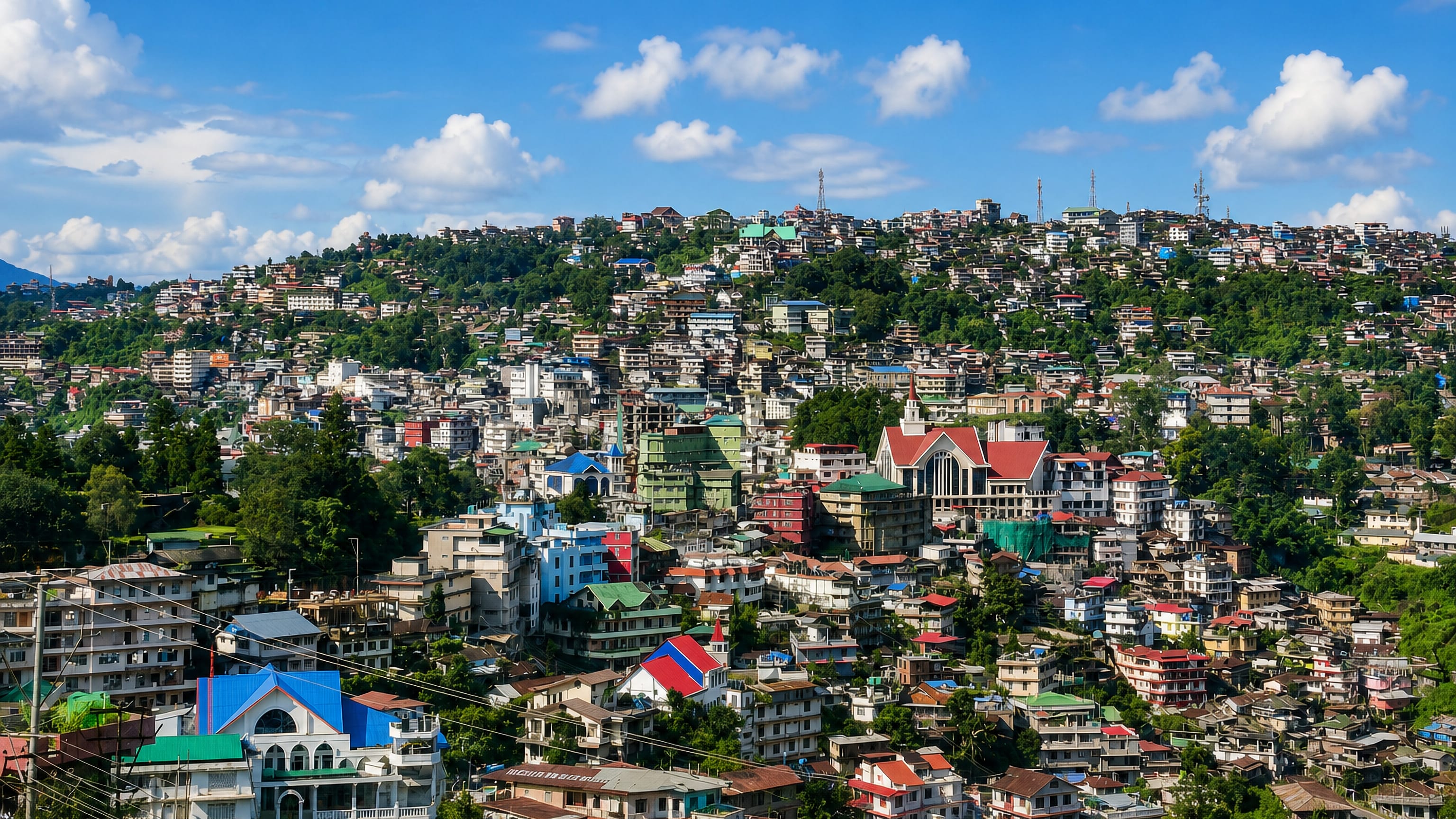
Kohima is the capital of Nagaland, a city on the Japfü foothills of the Barail Range, recorded from 1879 and holding the Nagaland State Museum.
Hotel links are affiliate links: booking through them may earn us a commission, at no extra cost to you. It never affects how places are ranked. How this works


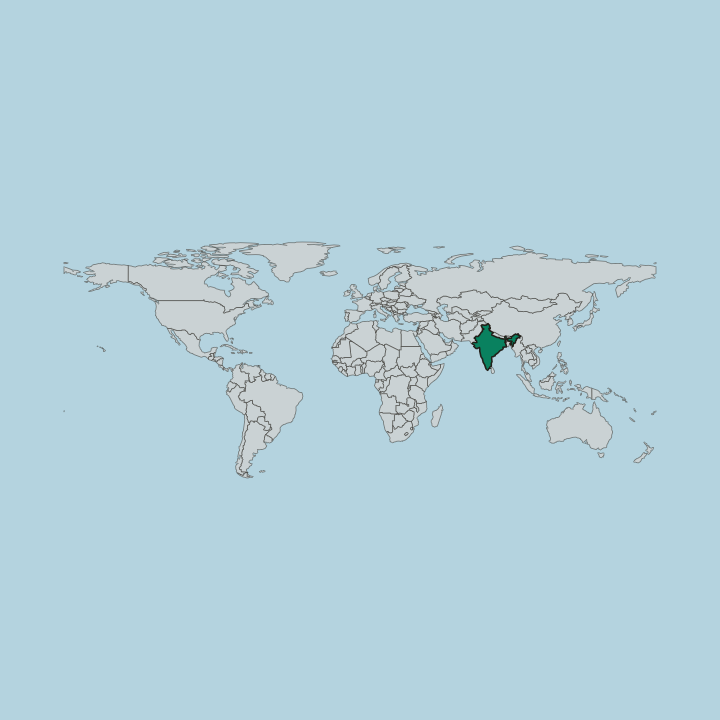
Where to stay in Kohima
Where visitors usually base themselves, and why.
Nagaland's capital offers few beds. Kohima is a hill city on the Japfü foothills, and the practical question is not which quarter has the most rooms but which of the city's few landmarks a traveller wants to reach on foot each morning. Mary Help of Christians Cathedral is one such anchor, and the Nagaland State Museum is the other.
The choice divides there. Anyone coming for the state's collections rather than its churches will want to be on that side of Kohima, since the Nagaland State Museum is the one stop in the city built around exhibits rather than worship. Kohima Ao Baptist Church gives a third bearing.
The Barail Range shapes everything else. Travel within Nagaland runs slowly across ridge and valley, so a room in Kohima itself is worth more than one out in the surrounding Kohima District, and the difference shows in hours rather than kilometres. Arrivals late in the day do best with a booking made in advance.
Kohima carries the administrative traffic of Nagaland's capital as well as its visitors, and that competition for rooms is steady rather than tied to any one season.
Find hotels in Kohima
Direct booking searches for these neighbourhoods.
Around Mary Help of Christians Cathedral
The cathedral is the landmark most often named first in Kohima, and a room on that side of the Japfü foothills keeps the climb short at both ends of the day. Few places to stay nearby — book ahead.Find hotels in Around Mary Help of Christians CathedralA morning given over to the Nagaland State MuseumThe Nagaland State Museum side
The museum is the one stop in Kohima built around exhibits rather than worship, and staying near it takes a cross-city climb out of a day the ridges already shorten. Few places to stay nearby — book ahead.Find hotels in The Nagaland State Museum sideA fallback when Nagaland's capital has nothing freeOut in the Kohima District
Rooms beyond the city sit in the surrounding Kohima District, where travel across the Barail Range ridges turns a short distance into a long morning. Lodging is scarce in this area; reserve in advance.Find hotels in Out in the Kohima DistrictHotel links are affiliate links: booking through them may earn us a commission, at no extra cost to you. It never affects how places are ranked. How this works
About Kohima
The hills come first.
What is Kohima known for?
Kohima sits on the foothills of the Japfü section of the Barail Range, and the ground climbs steeply enough that the city's streets follow the slope rather than any grid laid over it. Churches mark the landmark list. Mary Help of Christians Cathedral and Kohima Ao Baptist Church stand among the buildings the city is known by, and the Nagaland State Museum is where the state sets out its own account of itself.
What are the main landmarks in Kohima?
Kohima's list is short and specific. Mary Help of Christians Cathedral is the building most often named first, and the Nagaland State Museum sets out the collections of Nagaland for anyone who wants the state explained before travelling further into it. Kohima Ao Baptist Church is the third entry.
One memorial closes it: the Memorial of G. H. Damant.
What is the history of Kohima?
The record begins in 1879. Kohima's founding is set in that year, and the city that grew from it on the Japfü foothills went on to hold the government of Nagaland, a municipality of its own, and a district carrying the same name. Two roles overlap.
Kohima is at once a district and a municipality, and that doubling explains why the city's name attaches to a stretch of hill country far larger than the built-up ground itself. The Barail Range was the obstacle and the address at once, and a settlement founded in 1879 on the Japfü section of that range grew where the ridges allowed rather than where a plan proposed. Church building left the clearest marks.
Mary Help of Christians Cathedral and Kohima Ao Baptist Church are both recorded among the city's principal buildings, and between them they name the two Christian traditions that the city's landmark list records. The Nagaland State Museum holds the state's own record. One landmark carries a person's name rather than an institution's: the Memorial of G. H. Damant.
Selection as the capital of Nagaland settled what Kohima would be, and the offices and records of a state government sit on ground the Japfü foothills had left narrow to begin with.
Where is Kohima?
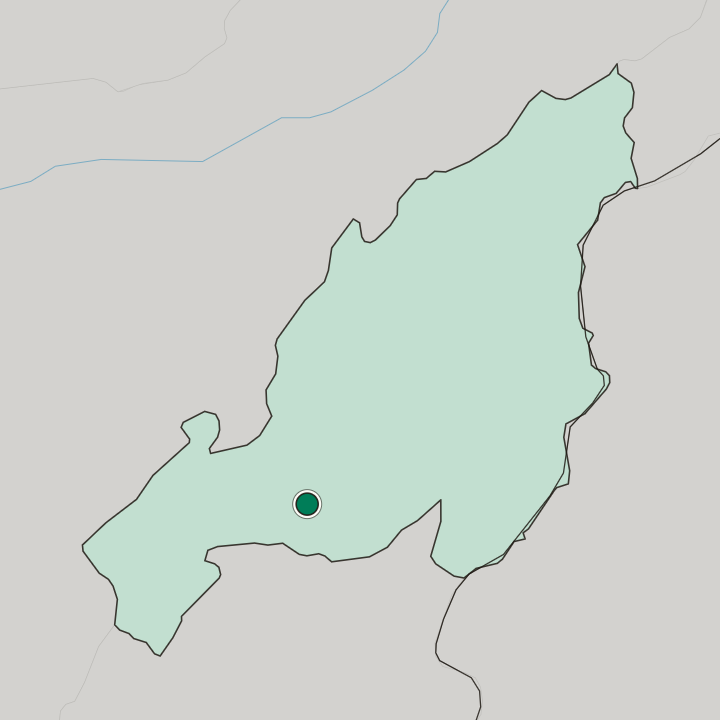
Ridges set the limits. Kohima stands on the foothills of the Japfü section of the Barail Range, and the hill ground rather than any river or plain is what decides where the city can spread. Nagaland surrounds it.
The Kohima District takes the city's name and reaches out from it across the same broken country, which is why distances here are measured in driving time rather than kilometres.
What is the climate of Kohima?
Height does the work. Kohima sits in the subtropical band, but the Japfü foothills lift the city well above the plains, so the air over its streets answers to the ridges of the Barail Range rather than to the lowlands beyond them. Season matters less than slope.
Anyone walking up to Mary Help of Christians Cathedral or across to the Nagaland State Museum will find the height of the ground the more reliable guide to what to wear.
How do you get to Kohima?
Every road into Kohima climbs. Kohima stands on the foothills of the Japfü section of the Barail Range, and the ascent from the plains is the defining part of any journey to Nagaland's capital, whatever the vehicle. No approach is flat.
Travellers heading on into the Kohima District leave from the same city, since Kohima is where the administration of the state is concentrated.
Common questions
What is the best area to stay in Kohima?
Around Mary Help of Christians Cathedral: Reaching Mary Help of Christians Cathedral on foot before the hill traffic builds. The Nagaland State Museum side: A morning given over to the Nagaland State Museum. Out in the Kohima District: A fallback when Nagaland's capital has nothing free.
Good for
Another city in State of Nāgāland
Updated September 2026