India · Tripura
Where to Stay in Agartala, Tripura
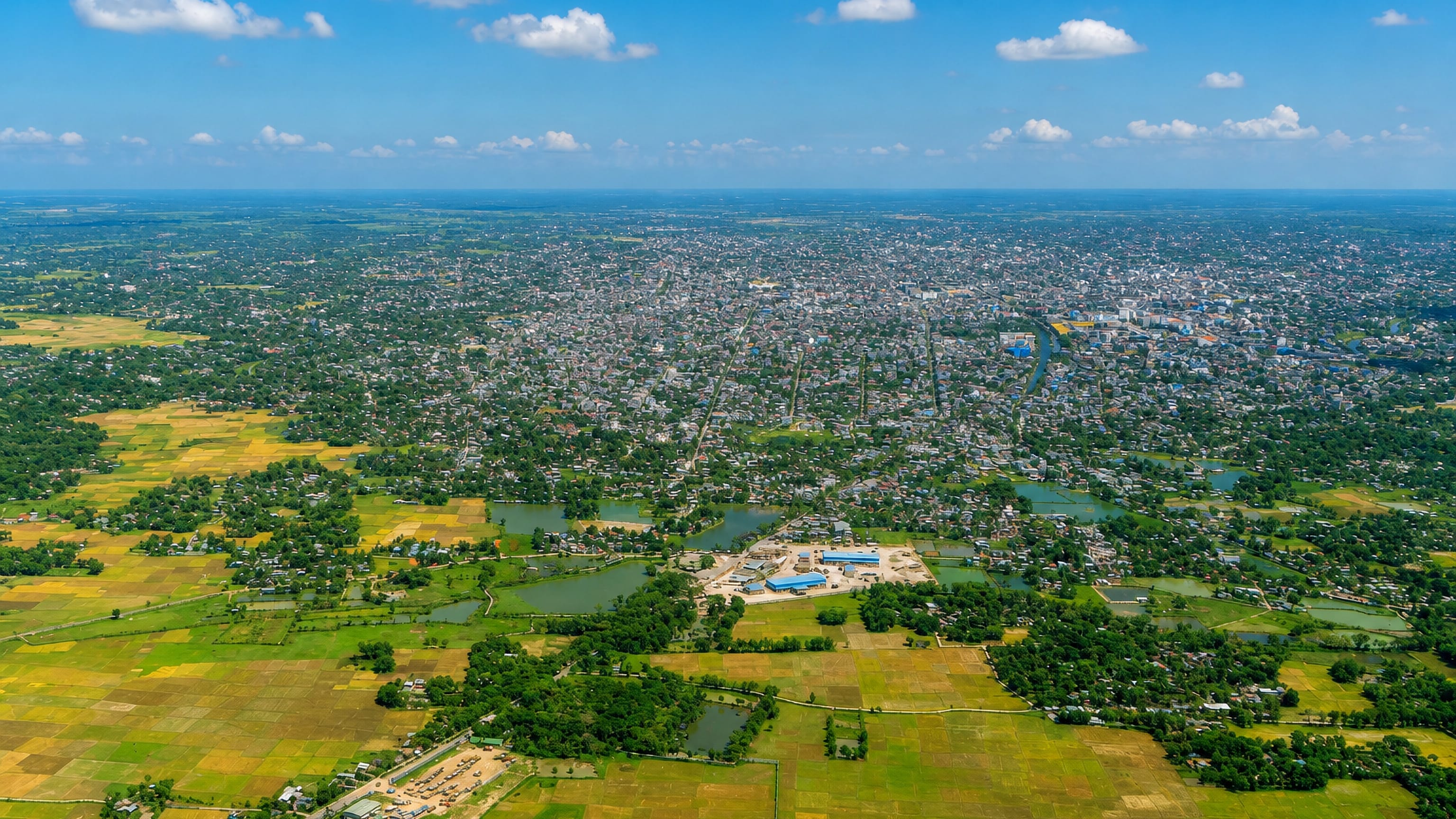
Agartala is the capital of Tripura, a city on the banks of the Haora River a short way east of the border with Bangladesh.
Hotel links are affiliate links: booking through them may earn us a commission, at no extra cost to you. It never affects how places are ranked. How this works


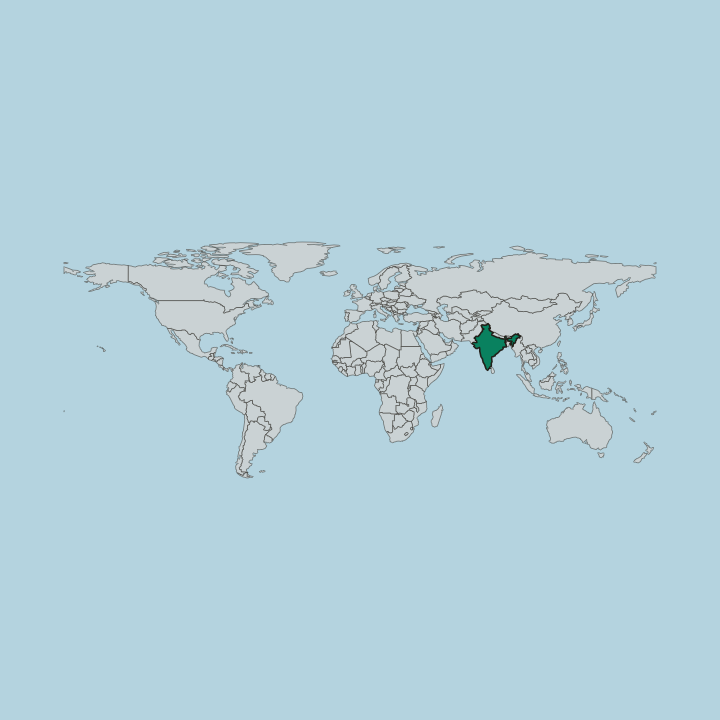
Where to stay in Agartala
Where the beds are, and what that means for the visit.
The Haora River splits the practical choice. Agartala's central ground, close to the Tripura Government Museum and the offices of the state, holds most of what a visitor needs within a compact walk, and it is where the majority of rooms sit. Most arrivals settle in those streets.
Staying central puts the museum, the older civic buildings, and the Church of Shantir Rani inside an afternoon's wandering, without needing transport for any of it. Border traffic makes the second case. Ground nearer the line towards Bangladesh suits anyone crossing on to Dhaka, since a stay there cuts the morning transfer down to a short run rather than a trip across the whole city.
Choice thins quickly away from the centre. Agartala is a state capital rather than a resort city, so the stock runs to business hotels and guesthouses, and anyone planning to reach Pilak or the wider districts of Tripura should treat the capital as the base and travel out from it. The centre is the safe first choice, and a second night is better spent moving out towards the border or the river than switching between hotels inside the same few streets.
Find hotels in Agartala
Direct booking searches for these neighbourhoods.
Central Agartala near the Tripura Government Museum
The Tripura Government Museum, the state offices, and the Church of Shantir Rani fall inside one walk.Find hotels in Central Agartala near the Tripura Government Museumquieter nights still within reach of the state officesThe Haora River side
Streets following the Haora River sit back from the central government blocks while staying close to them. Few places to stay nearby — book ahead.Find hotels in The Haora River sideonward crossings in the direction of DhakaTowards the Bangladesh border
Two kilometres of ground separate this edge from the Bangladesh line, shortening the run towards Dhaka. Rooms are few around here — worth securing early.Find hotels in Towards the Bangladesh borderHotel links are affiliate links: booking through them may earn us a commission, at no extra cost to you. It never affects how places are ranked. How this works
About Agartala
The border defines the city.
What is Agartala known for?
Agartala sits a couple of kilometres from Bangladesh, and Dhaka lies about ninety kilometres west of it, far nearer than New Delhi at the other end of the country. Capital status brings the rest. Tripura's government sits here, and the Tripura Government Museum holds the state's collections, while the Church of Shantir Rani marks a smaller strand of the city's religious building.
Data traffic gives it a further claim, since Agartala carries India's third international internet gateway, after the ones at Mumbai and Chennai.
What are the main landmarks in Agartala?
Three named sites carry the city's heritage listings. The Tripura Government Museum is the one that repays a deliberate visit, holding the collections through which the state presents its own history to anyone passing through the capital. The Church of Shantir Rani is smaller.
Pilak lies out in Tripura rather than in Agartala, which puts it outside any walk from the centre, and it is the oldest thing on the list.
What is the history of Agartala?
Agartala dates from 1871. Its founding year is the one date the record fixes without qualification. That year fixes the capital in its present place, and everything the city carries from before it belongs to Tripura at large rather than to this particular stretch of the Haora River.
Pilak carries the older record. Tripura lists it among the state's heritage places, and it lies away from the capital, so the earliest surviving material sits on ground Agartala never covered. The border arrived later than the city.
The line with Bangladesh runs two kilometres from the built-up edge, and Agartala functions as a capital whose nearest large city, Dhaka, lies in another country. Institutions followed statehood. The Tripura Government Museum gathers the collections that explain the region to visitors, and the Church of Shantir Rani stands among the buildings that record the mix of communities the capital drew in.
A newer chapter is infrastructural. Agartala carries India's third international internet gateway, after Mumbai and Chennai, and the Smart Cities Mission has taken the place on as one of its development projects. The national capital, New Delhi, lies thousands of kilometres away, which keeps the city's practical connections regional rather than national.
Where is Agartala?
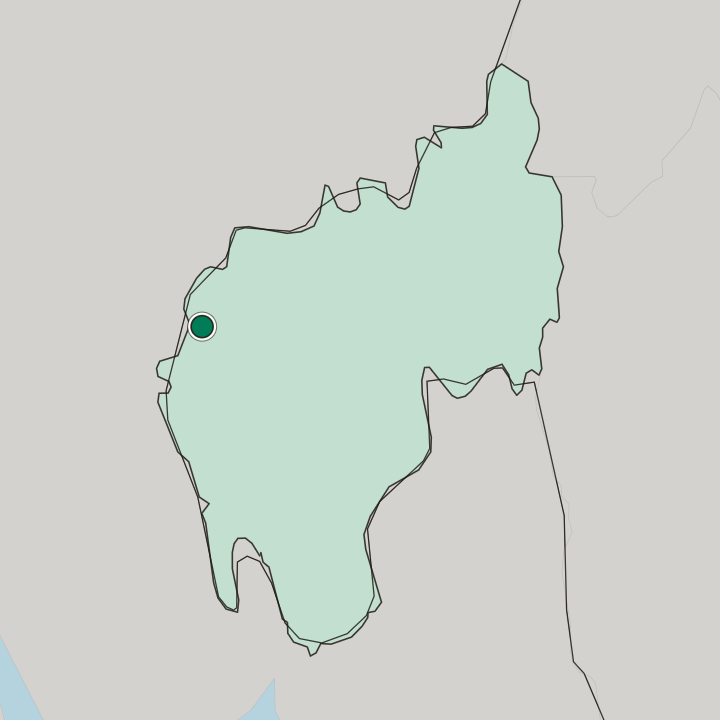
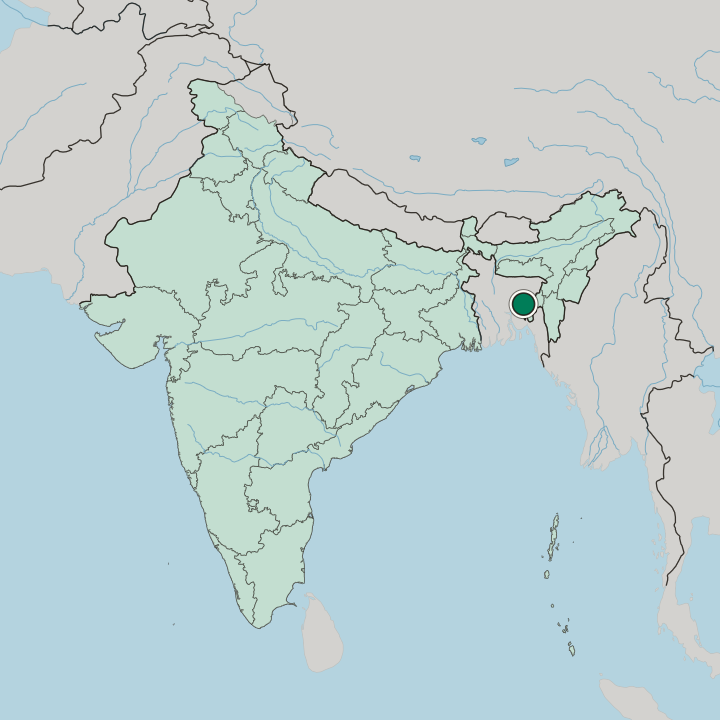
The Haora River runs through Agartala, and the state of Tripura wraps around it on the Indian side while Bangladesh takes up the ground immediately beyond. Some sources give the same water as the Saidra. The line into Bangladesh sits very near.
Two kilometres of ground separate the built-up area from it, which makes Agartala one of those capitals whose suburbs run out towards another country rather than into open state territory. Guwahati alone outranks it among the region's cities.
What is the climate of Agartala?
The subtropical band sets the pattern. Agartala's year runs hot and humid through the middle months, then eases into a drier, cooler stretch around the turn of the year, which is when most travel through Tripura is comfortable. Humidity is the harder part.
The city holds moisture in the air long after rain, and lightweight clothing matters more than warm layers at any point in the Agartala year.
How do you get to Agartala?
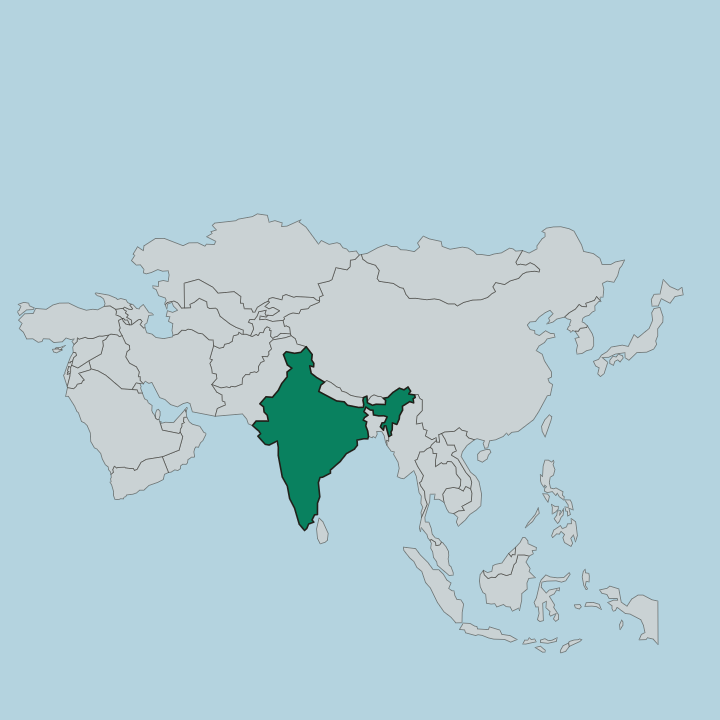
Distance is the first problem. New Delhi lies thousands of kilometres away, so travel to Agartala is a regional matter, routed through the cities of the region rather than straight out of the national capital. Guwahati is the usual pivot.
The Bangladesh border sits two kilometres from the built-up area, and Dhaka lies about ninety kilometres west of the city, which shapes how people here think about direction and distance.
Common questions
What is the best area to stay in Agartala?
Central Agartala near the Tripura Government Museum: first visits built around the state collections. The Haora River side: quieter nights still within reach of the state offices. Towards the Bangladesh border: onward crossings in the direction of Dhaka.
Good for
Updated September 2026