Iraq · Babil Governorate
Where to Stay in Al Hillah, Babil Governorate
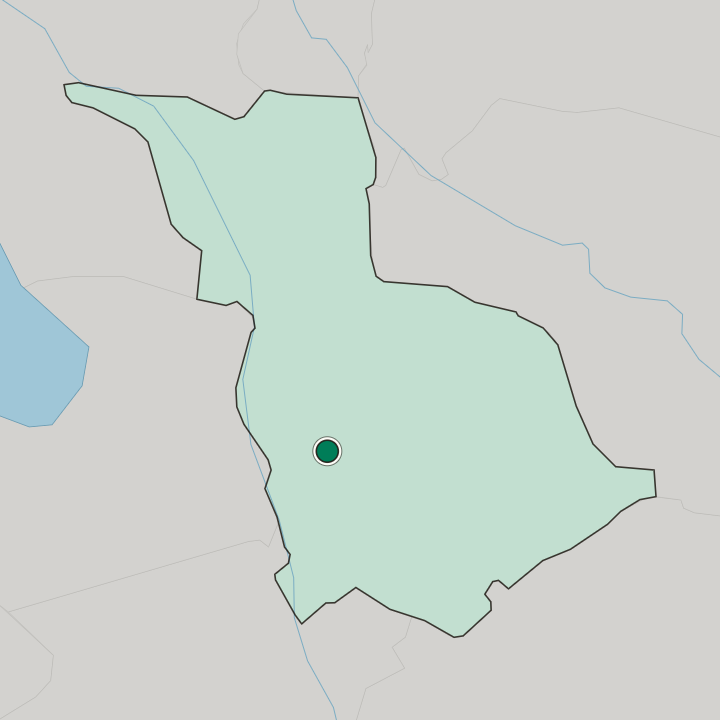
Al Hillah, capital of Babil Governorate, was founded in 1101 on the Hilla branch of the Euphrates River, 5 kilometres from the ruins of Babylon.
Hotel links are affiliate links: booking through them may earn us a commission, at no extra cost to you. It never affects how places are ranked. How this works


Where to stay in Al Hillah
The practical side of choosing where to sleep.
The river frontage is the obvious base. The Hilla branch of the Euphrates River runs through the middle of Al Hillah, so a room near it puts the water, the town centre and the road out to Babylon within easy reach of one another. That covers most visits.
Al Hillah is the nearest city to the ruins of Babylon. The city is the capital of Babil Governorate. The far side of town is quieter.
Ground out among the date palm plantations and the fields watered by the Hilla canal trades river frontage for open country, which suits anyone who would rather end the day away from traffic. Babylon has no town of its own. The ruins 5 kilometres north are an archaeological site rather than a settlement, so every visitor sleeps in Al Hillah or drives the 100 kilometres back toward Baghdad.
That makes the choice simple. Etemenanki, Tell Babil and the rest of the Babylon ground are all reached from this one city, and the only real decision is whether the room faces the Euphrates or the palms.
Find hotels in Al Hillah
Direct booking searches for these neighbourhoods.
The Hilla branch frontage
The Euphrates runs through the middle of Al Hillah, with the road out to Babylon leading off itFind hotels in The Hilla branch frontageMornings that begin at Etemenanki and Tell BabilThe Babylon road
The northern edge of the city, closest to the 5 kilometres of road up to the ruins. Few places to stay nearby — book ahead.Find hotels in The Babylon roadEvenings away from Al Hillah's through trafficOut among the date palms
Fields watered by the Hilla canal, where the plantations close in around the town's edge. Lodging is scarce in this area; reserve in advance.Find hotels in Out among the date palmsHotel links are affiliate links: booking through them may earn us a commission, at no extra cost to you. It never affects how places are ranked. How this works
About Al Hillah
Babylon is 5 kilometres away.
What is Al Hillah known for?
Al Hillah is the nearest city to those ruins, and Etemenanki and Tell Babil belong to the same complex of sites that draws visitors down from Baghdad. The city itself grew on water. It stands on the Hilla branch of the Euphrates River, and the Hilla canal irrigates an agricultural region around it that yields crops, fruit and textiles.
What are the main landmarks in Al Hillah?
Three names sit on the same ground. Babylon is the site itself, Etemenanki is the structure within it that carries its own entry, and Tell Babil is the mound recorded alongside them. All lie north of the city.
Al Hillah's own fabric is the frontage where the Hilla branch of the Euphrates River runs through the middle of the town, with date palm plantations closing the view beyond it.
What is the history of Al Hillah?
The city is medieval; its neighbour is not. Al Hillah was founded in 1101 on the Hilla branch of the Euphrates River, while Babylon and Etemenanki, 5 kilometres off, belong to an antiquity the medieval town cannot approach. Its name may come from beauty.
That derivation, from the Arabic word, is offered without certainty, and it is the kind of origin that attaches to a place on a river rather than to a fortress or a mine. Administration followed. The city became the capital of Babylon Province, the seat from which an irrigated agricultural region watered by the Hilla canal is run, and it holds that role still.
Babylon shapes the record more than the city does. Etemenanki and Tell Babil stand among the ruins north of Al Hillah, and their presence has made a medieval river town the point of access to one of the oldest urban sites in Iraq. The Euphrates connects both.
The Hilla branch runs through the middle of the town and past the archaeological ground beyond it, and it is the same water that made settlement possible in either period. Baghdad lies 100 kilometres off. That distance has kept Al Hillah the working centre of its own province rather than an outpost of the capital, and the crops, fruit and textiles produced around it have long had a market of their own.
Where is Al Hillah?
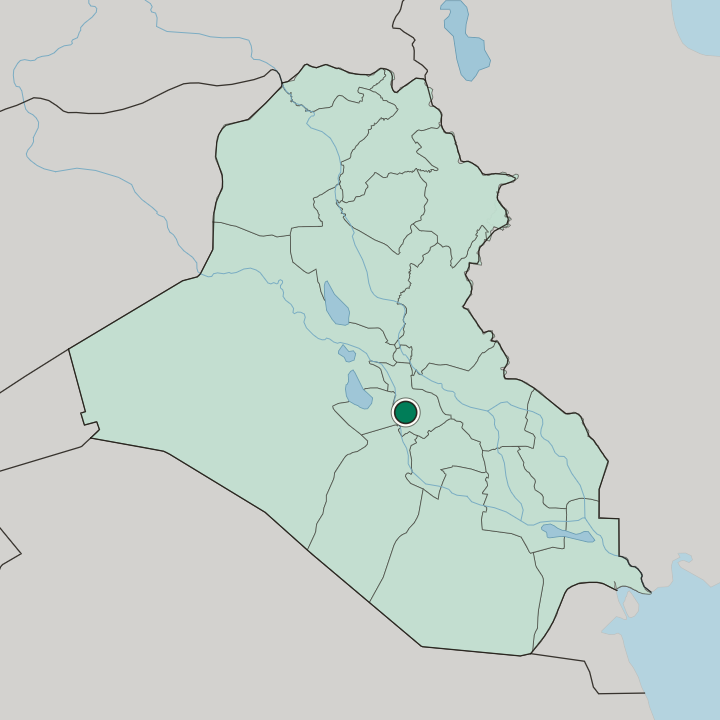
The Euphrates runs through the middle of the town. Al Hillah sits on the Hilla branch of that river about 100 kilometres south of Baghdad, on irrigated ground where the Hilla canal carries water out into an agricultural region. Date palms surround it.
The ruins of Babylon lie 5 kilometres north of the city, with Etemenanki and Tell Babil on the same ground, so the arid country beyond the plantations is archaeological country as well.
What is the climate of Al Hillah?
Dust and desert wind are the local problems. Al Hillah lies in the subtropical band north of the equator, and the date palm trees and other arid vegetation surrounding the town reduce the harmful effects of both. Canal water finishes the job.
The Hilla canal and the Hilla branch of the Euphrates River keep an otherwise arid region under crops, which is why the country immediately around the city looks nothing like the ground that produces the wind.
How do you get to Al Hillah?
Baghdad is the usual origin. The city lies about 100 kilometres south of the capital by road, which makes Al Hillah a straightforward approach and the standard base for reaching Babylon. The ruins are 5 kilometres out.
That last stretch north is short enough that anyone staying in Babil Governorate can treat Etemenanki and Tell Babil as a morning rather than an expedition.
Common questions
What is the best area to stay in Al Hillah?
The Hilla branch frontage: Stays wanting the Hilla branch outside the door. The Babylon road: Mornings that begin at Etemenanki and Tell Babil. Out among the date palms: Evenings away from Al Hillah's through traffic.
Good for
Updated October 2026