Iraq: Regions, Cities & Travel Guide
Iraq is a country in West Asia, the land of ancient Mesopotamia at the heart of the Middle East, with its capital at Baghdad.
Hotel links are affiliate links: booking through them may earn us a commission, at no extra cost to you. It never affects how places are ranked. How this works


Top destinations in Iraq
Cities to start from, then drill into areas and hotels.
 Iraq
Iraq
Baghdad
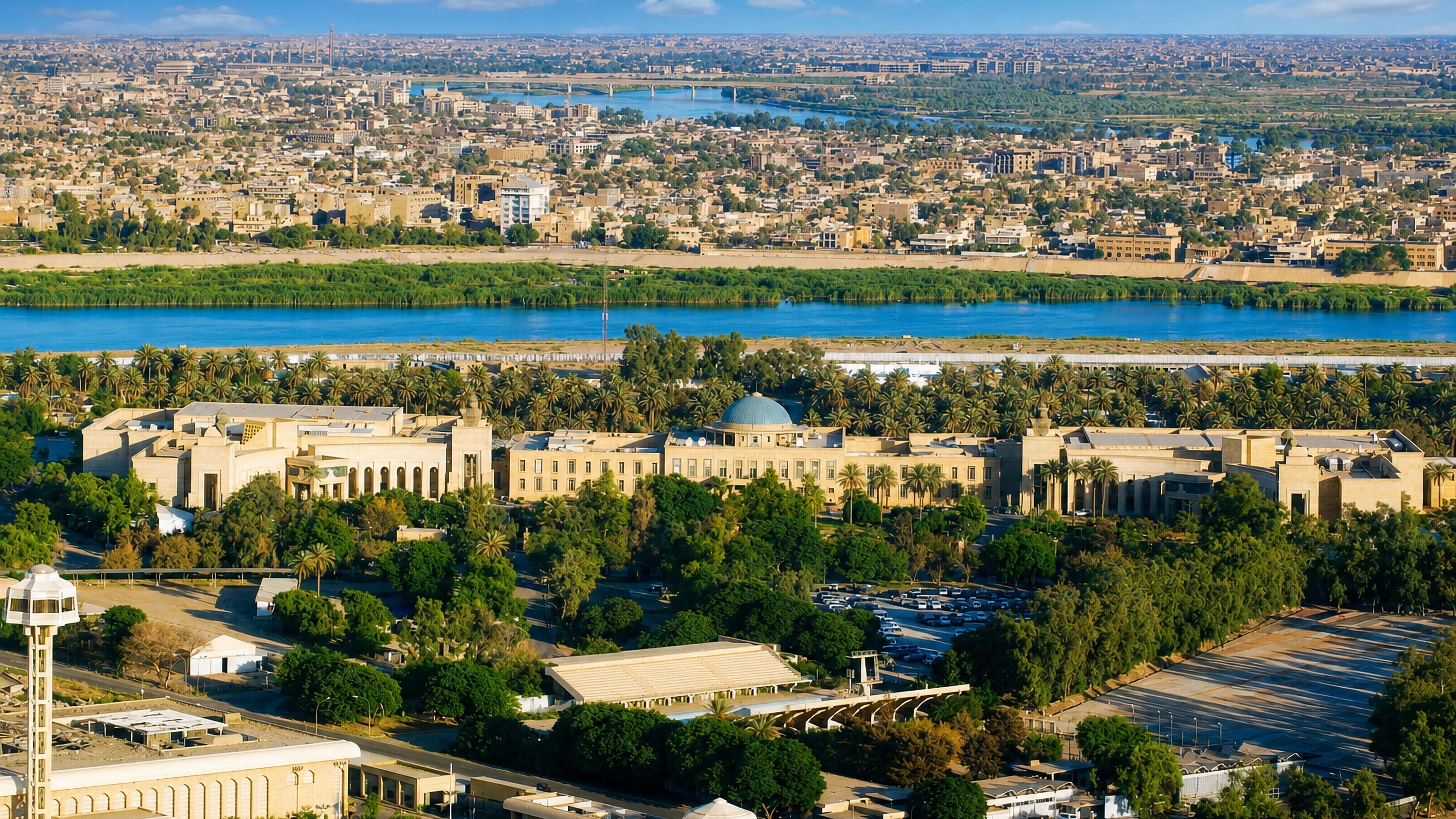
The Tigris runs through the heart of Baghdad, the capital and largest city of Iraq, known for the Abbasid heritage of its Islamic Golden Age.Where to stay →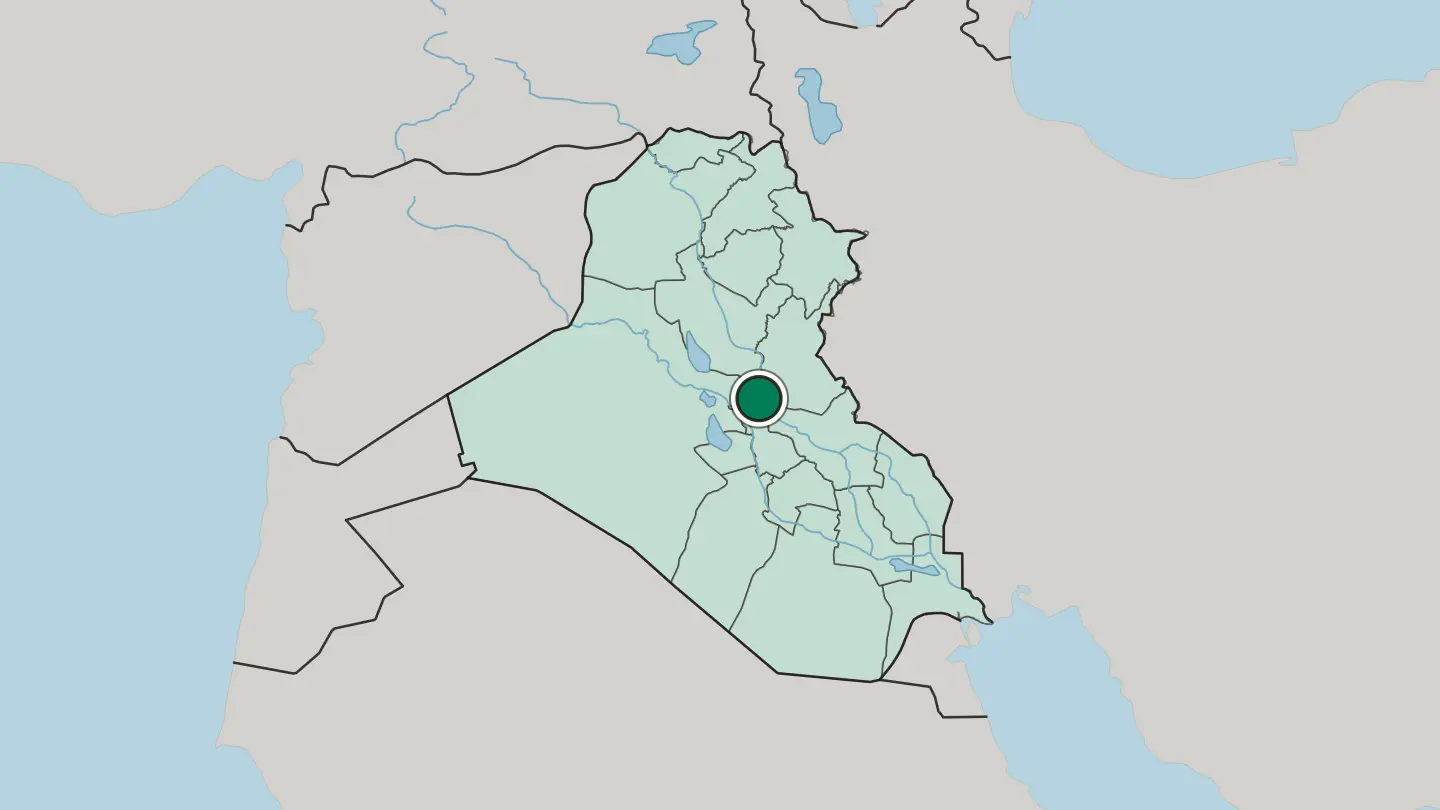
 Iraq
Iraq
Erbil
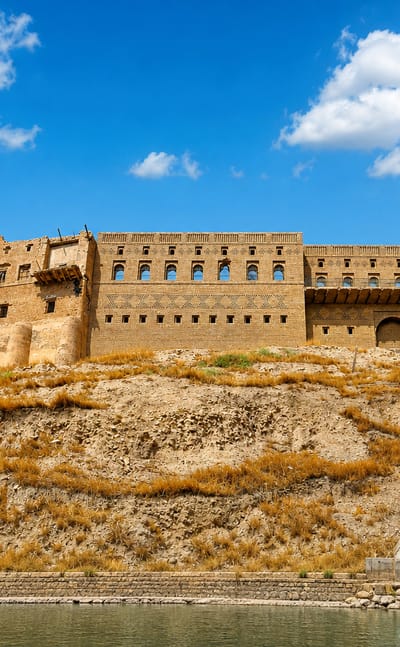
The Citadel of Erbil rises on its tell above Hawler, capital of the Kurdistan Region of Iraq and one of the oldest continually inhabited sites on earth.Where to stay →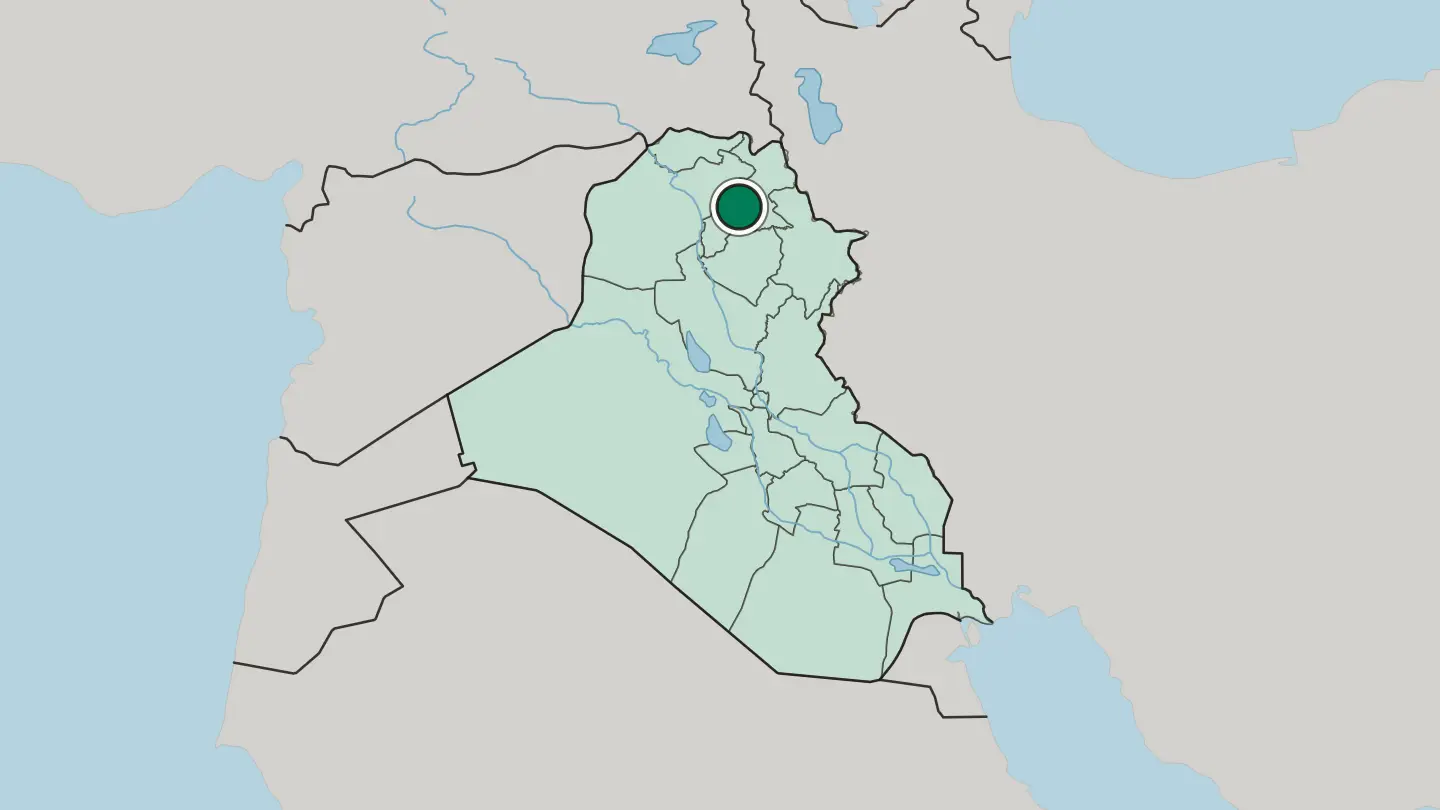 Iraq
Iraq
Mosul
The Tigris divides Mosul, a major city in northern Iraq and capital of Nineveh Governorate, facing the ancient Assyrian ruins of Nineveh across the water.Where to stay →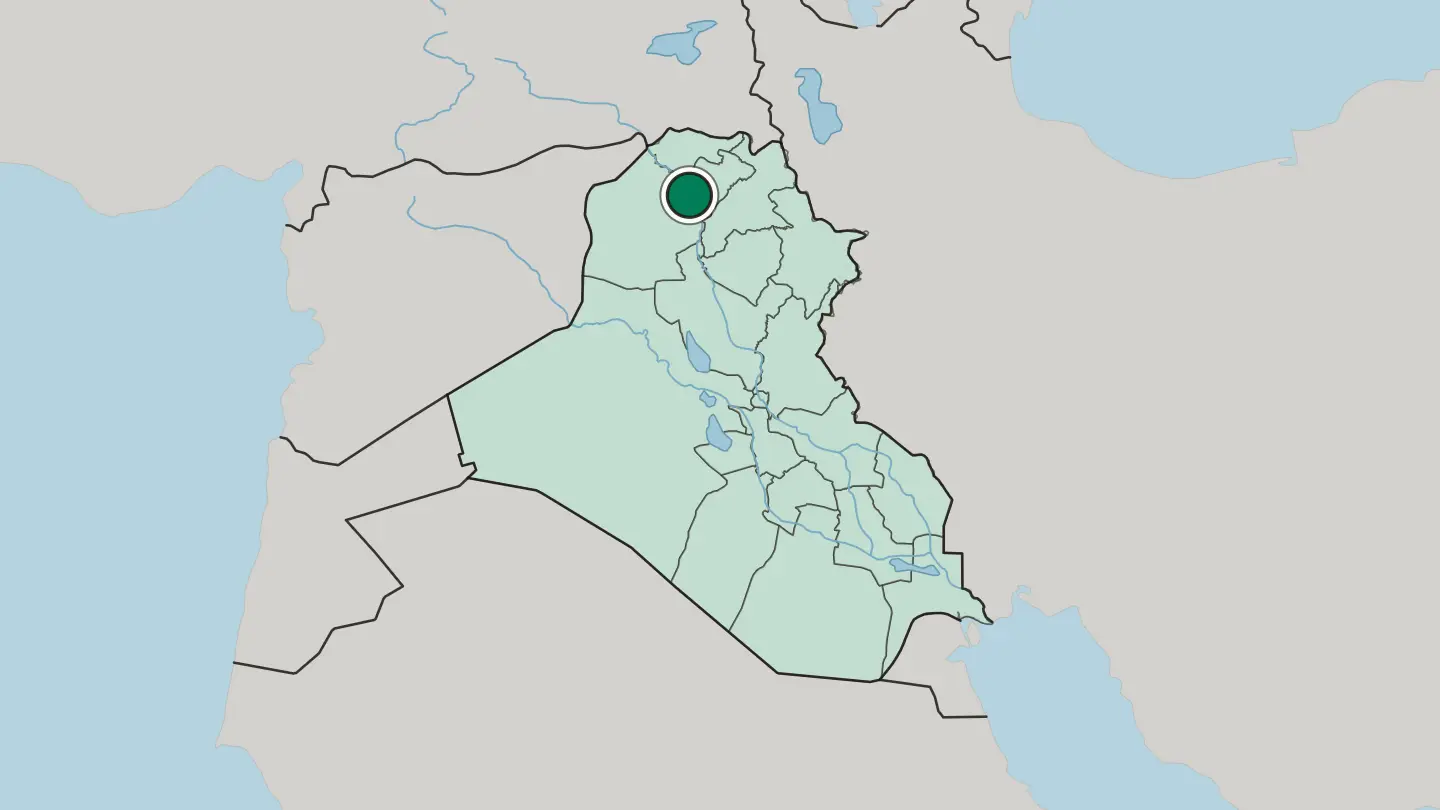
 Iraq
Iraq
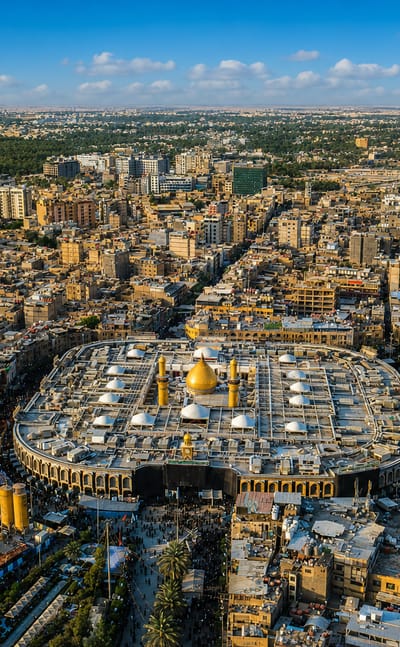
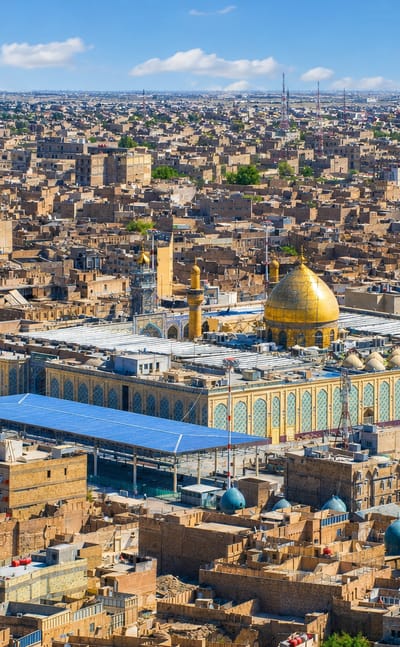
Karbala
The golden dome of the Imam Husayn Mausoleum crowns Karbala, a holy city in central Iraq and one of the principal spiritual centres of Shia Islam.Where to stay →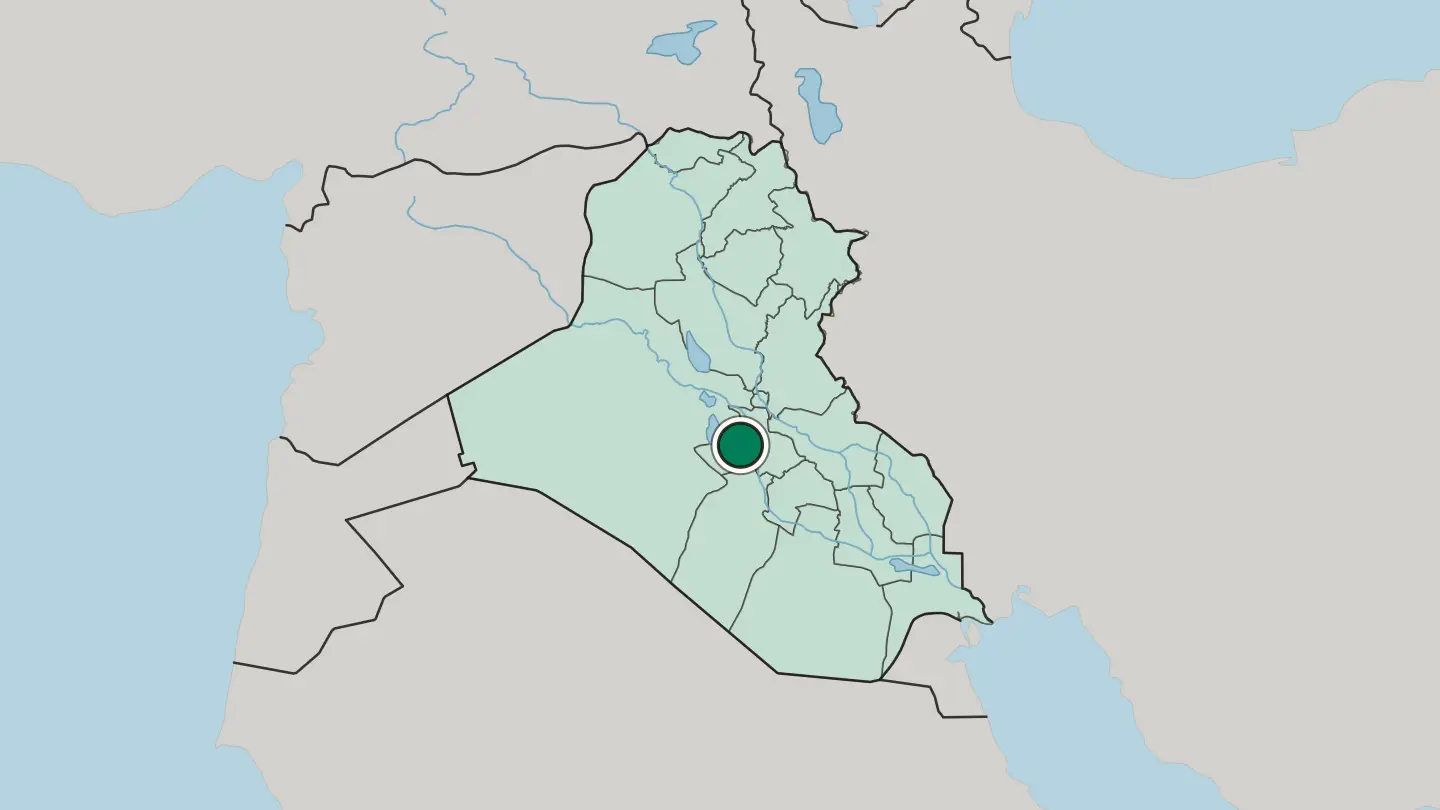
 Iraq
Iraq
Basrah
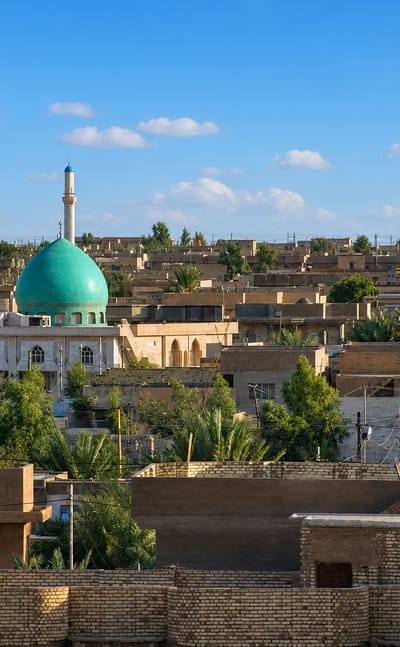
Warm water slides past the quays of Basrah, a port city on the Shatt al-Arab in southern Iraq, known for its date gardens and the Basrah Museum.Where to stay →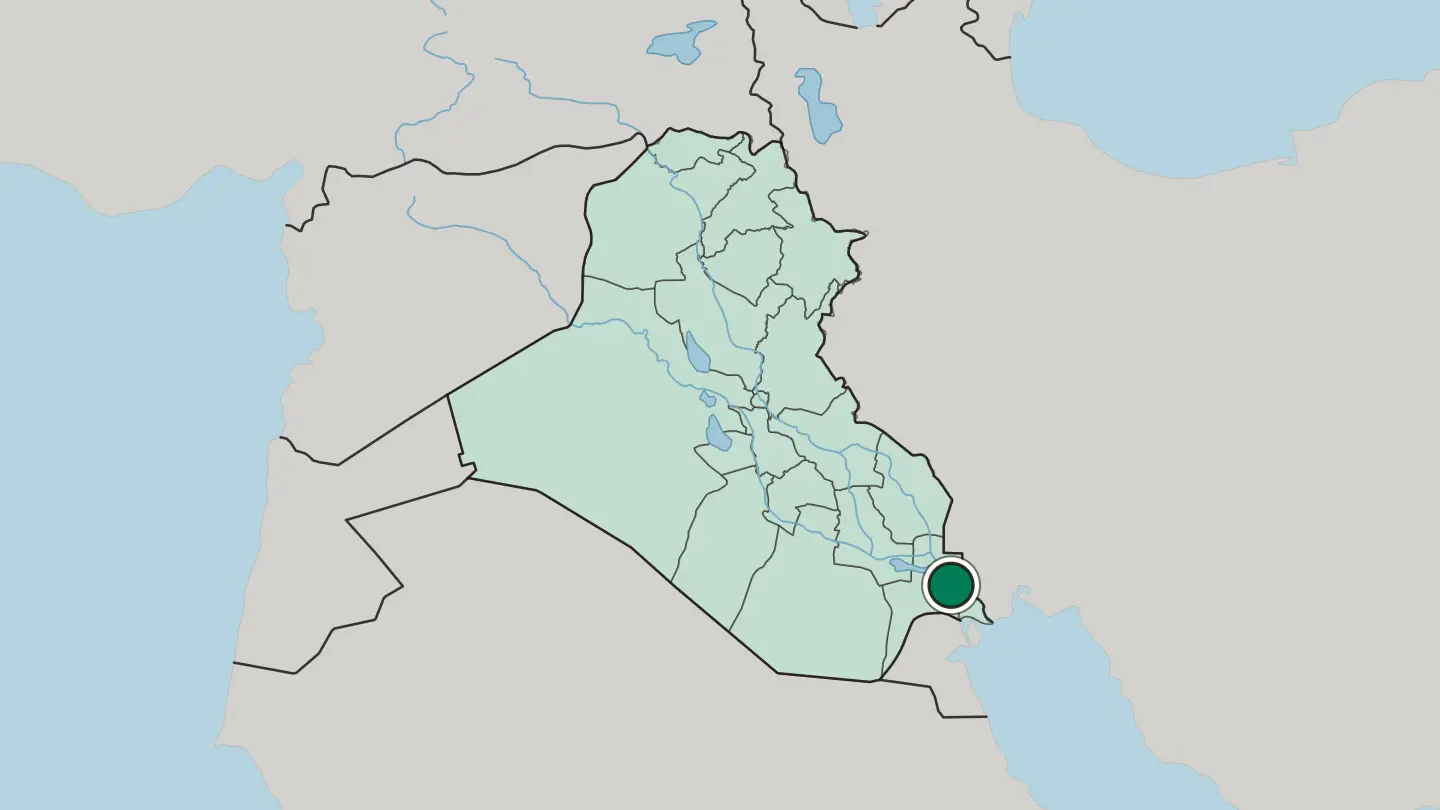
 Iraq
Iraq
Al Fallūjah
Al Fallūjah is a city in the Al-Anbar Governorate of Iraq, an Arabic-speaking settlement on the plains of the historical Anbar region.Where to stay →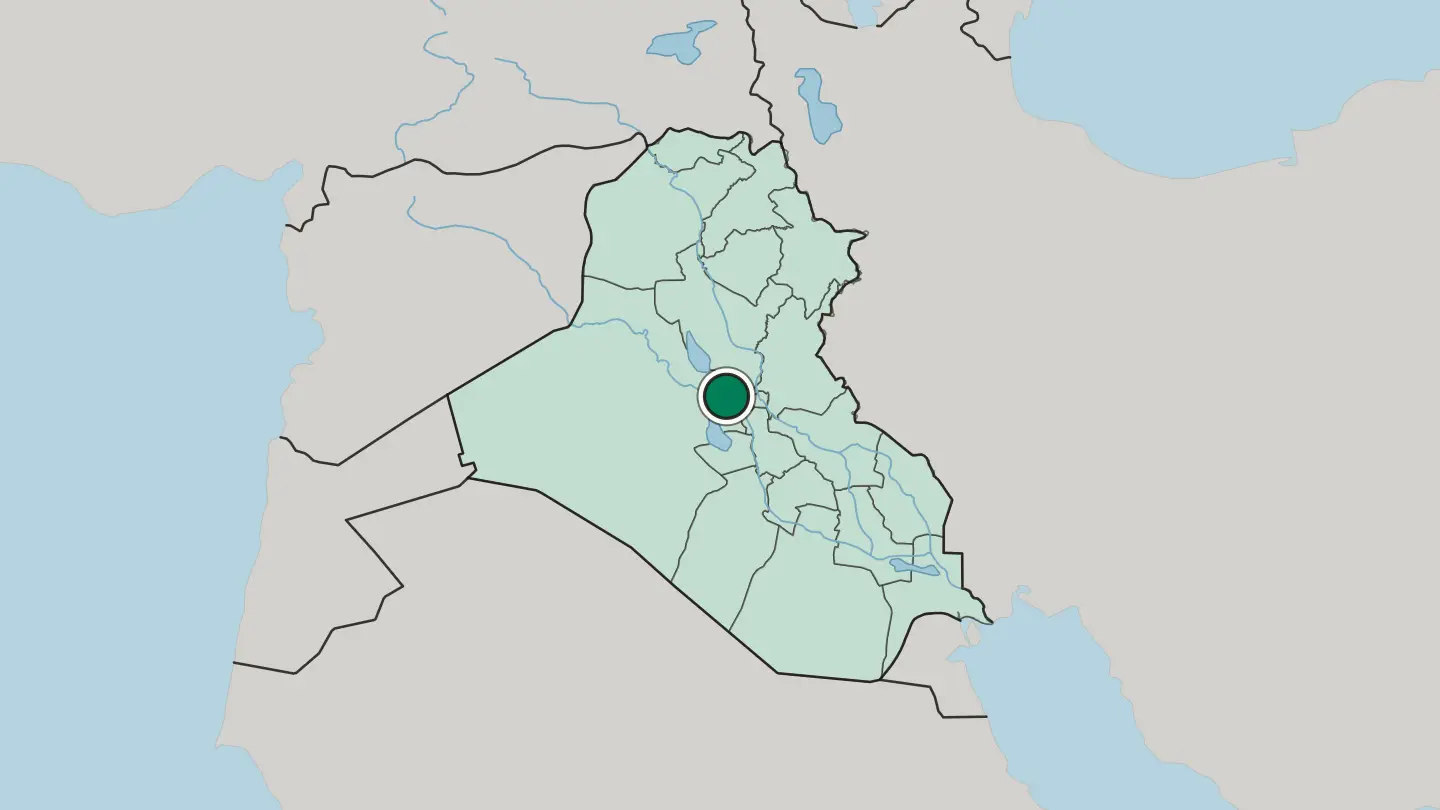 Iraq
Iraq
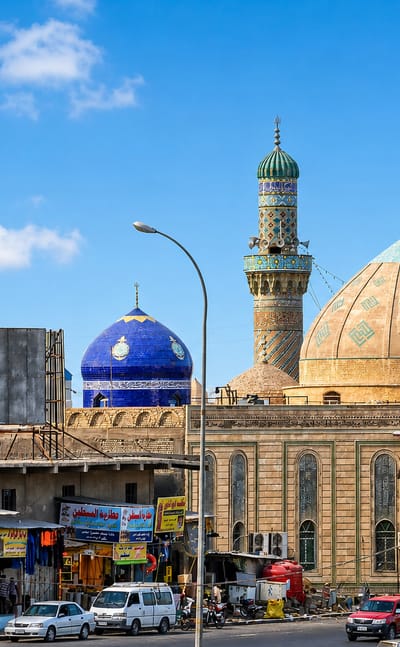
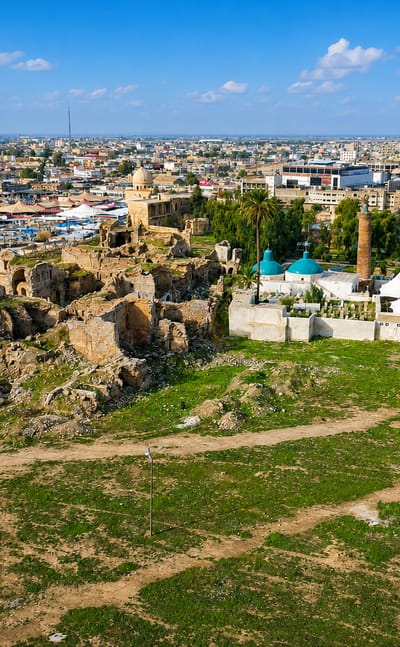
Kufa
The Euphrates runs past Kufa, a holy city of Shia Islam in Iraq, close to Najaf and set beside the ancient ground of Al-Hirah.Where to stay →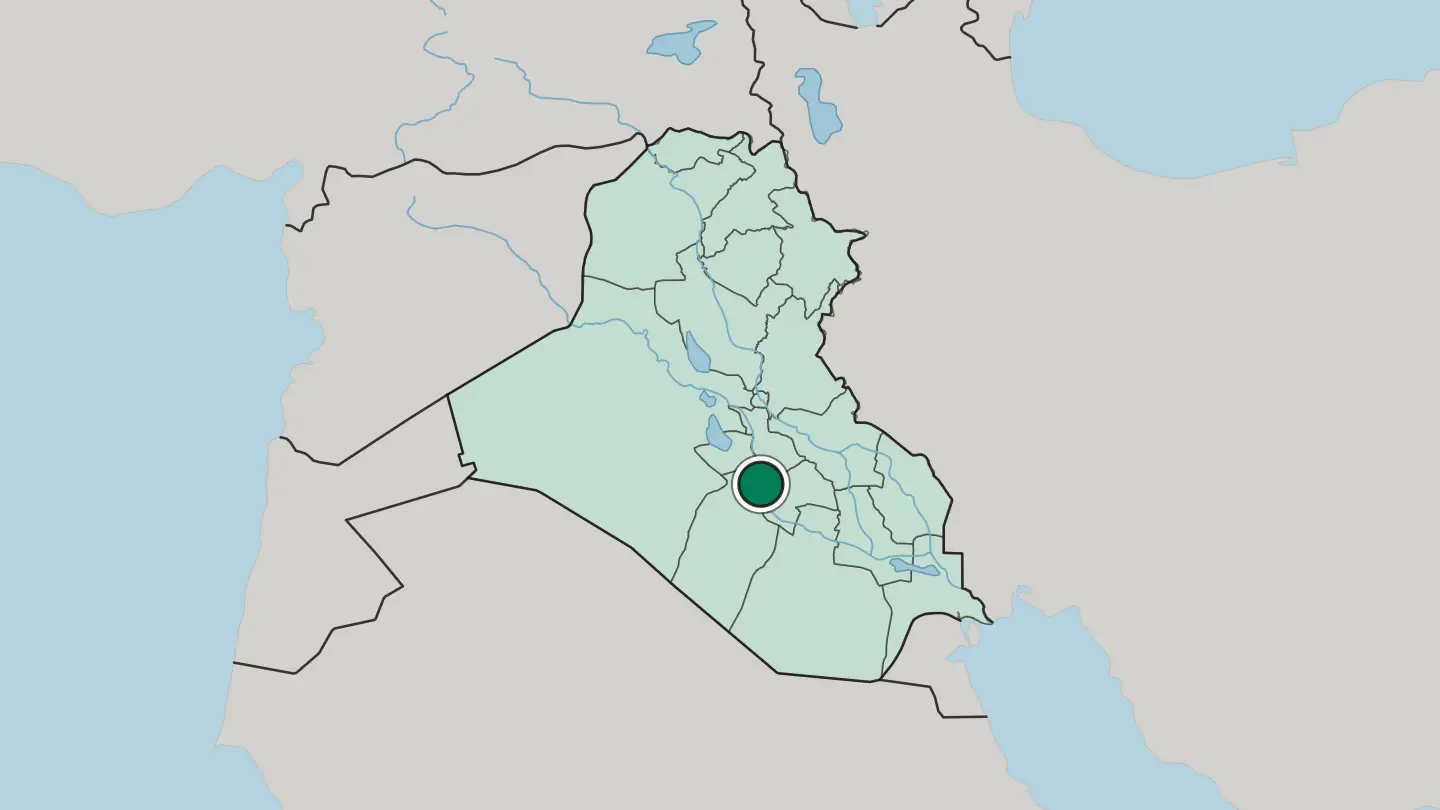
 Iraq
Iraq
Kirkuk
The Kirkuk Citadel stands on its ancient mound above the Khasa River in Kirkuk, a long-inhabited city in northern Iraq and the seat of Kirkuk Governorate.Where to stay →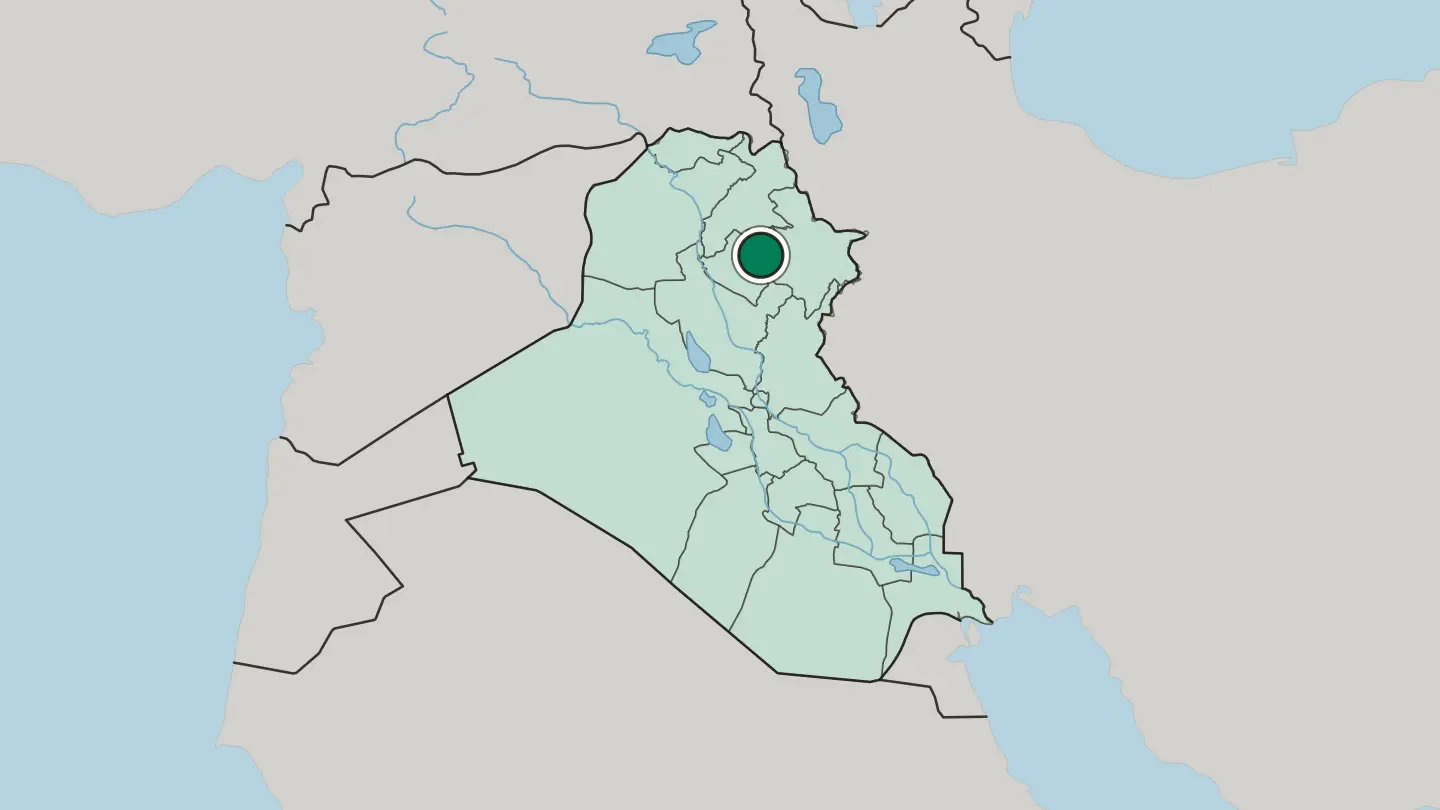
 Iraq
Iraq
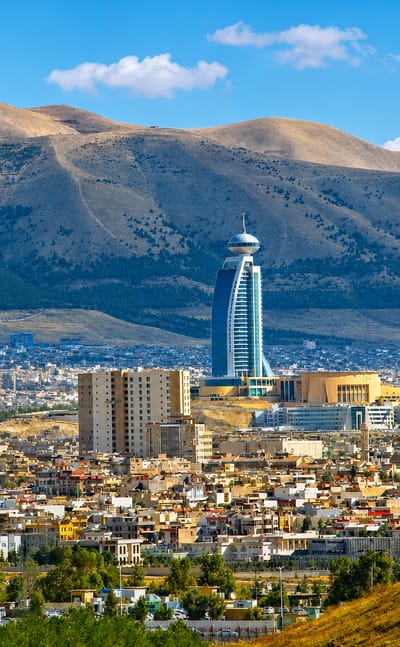
Sulaymaniyah
Mountains ring Sulaymaniyah, a city in the Kurdistan Region of Iraq founded in 1784, known as a cultural capital and home to the Sulaymaniyah Museum.Where to stay →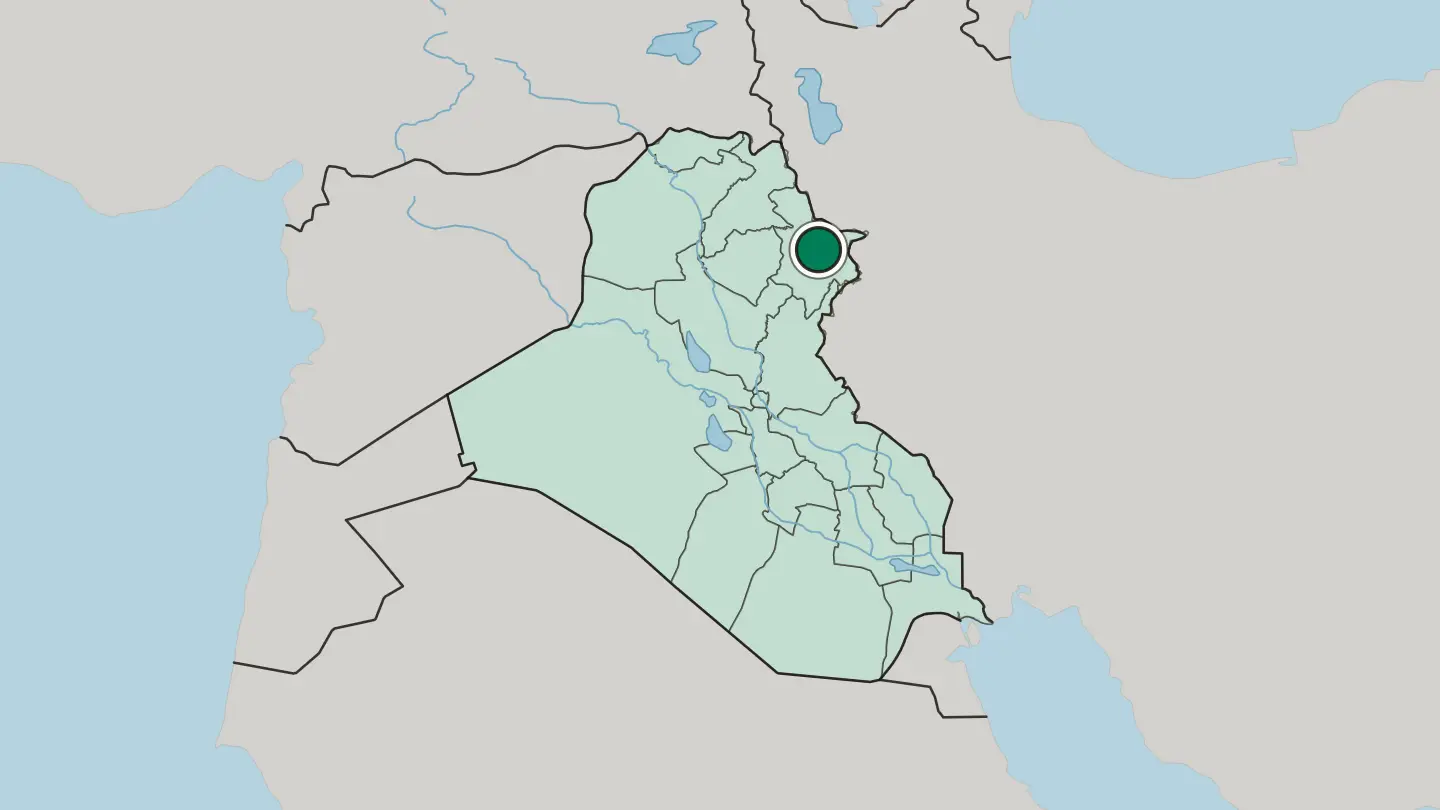
Hotel links are affiliate links: booking through them may earn us a commission, at no extra cost to you. It never affects how places are ranked. How this works
Regions of Iraq
Iraq
Al-Anbar Governorate
Al-Anbar is Iraq's largest governorate: a green Euphrates ribbon of Ramadi and Fallujah threading a vast desert west toward Syria and Jordan.Towns & cities →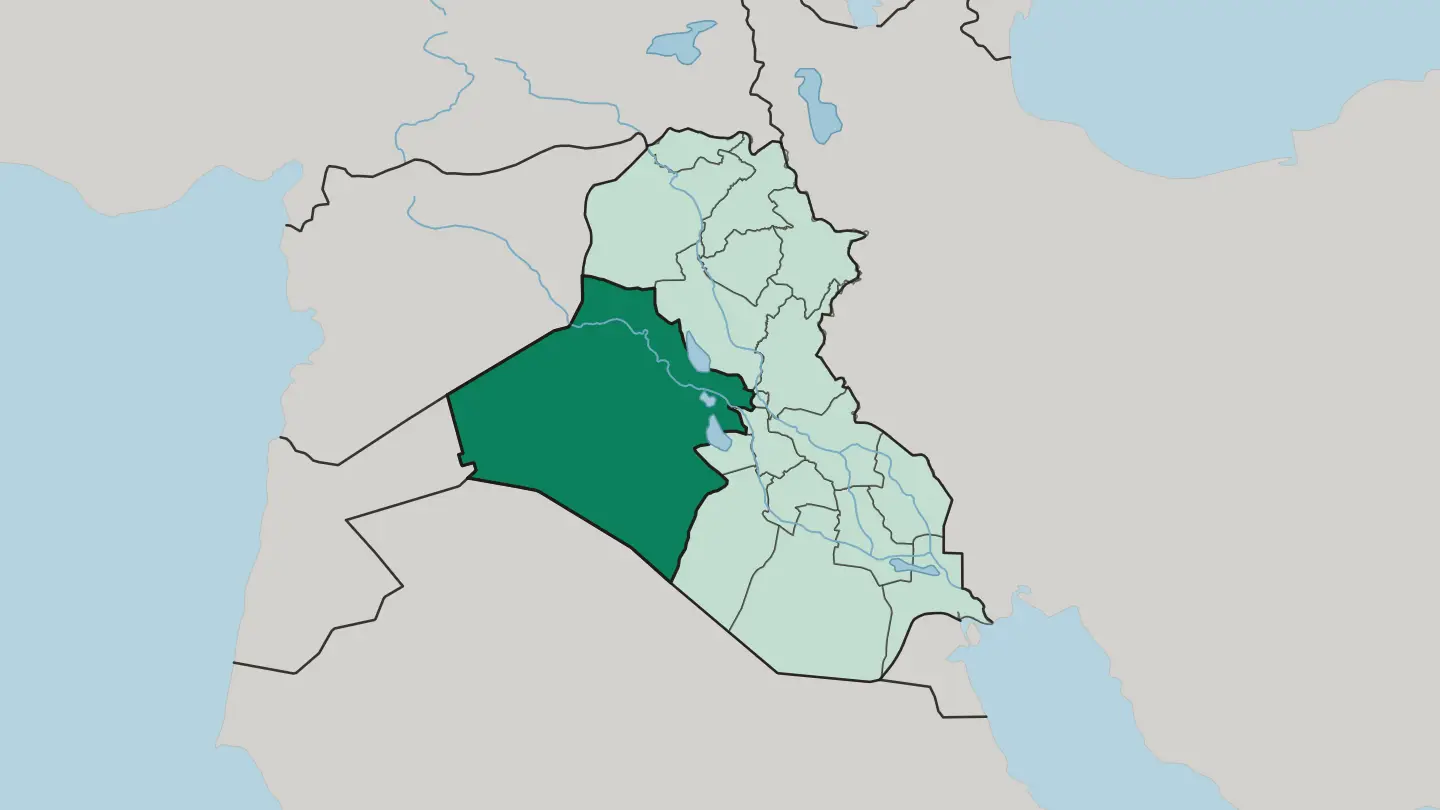 Iraq
Iraq
Al-Qadisiyah Governorate
Al-Qadisiyah is a fertile Euphrates province of south-central Iraq, holding ancient Nippur and the town of Al Diwaniyah.Towns & cities →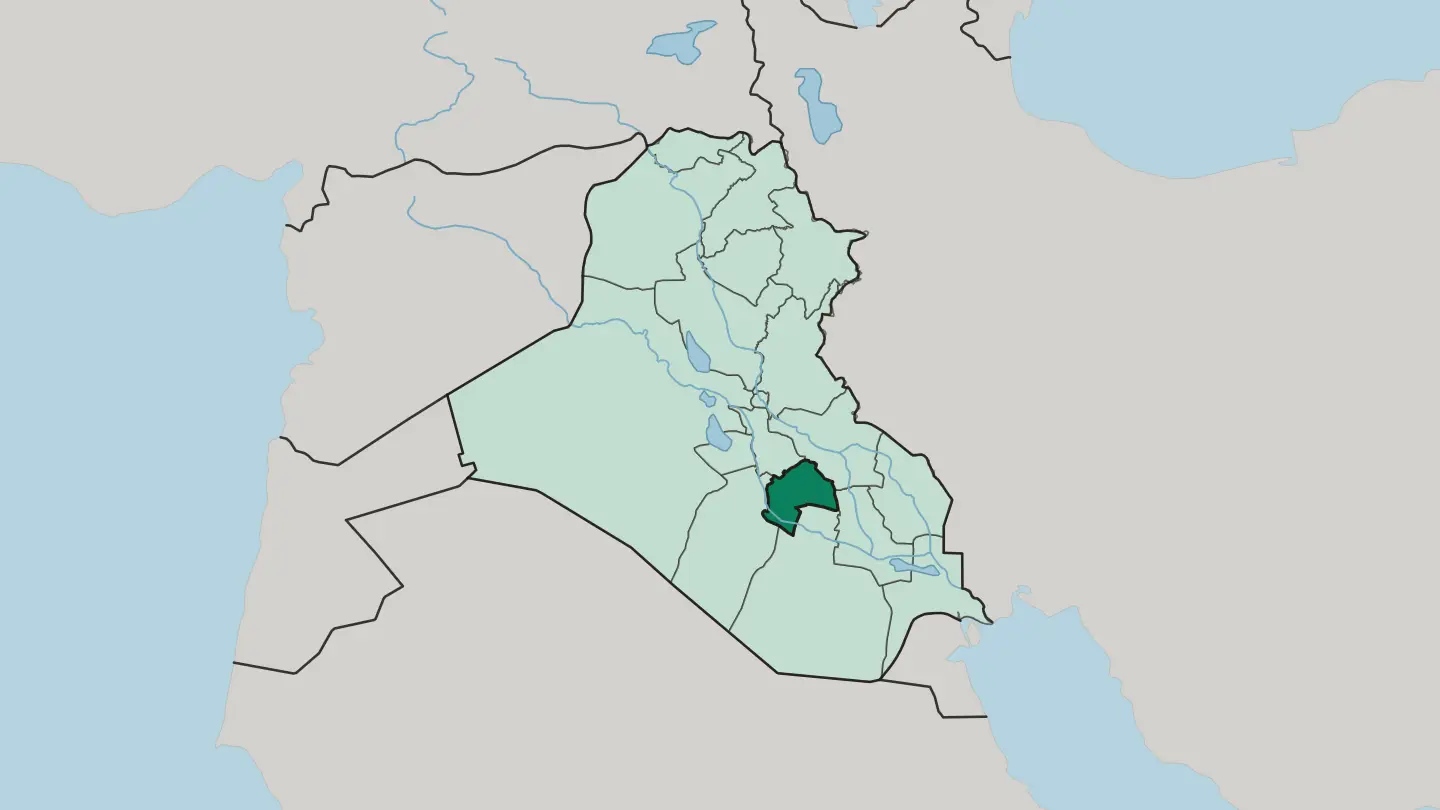
 Iraq
Iraq
An Najaf
An Najaf is a desert region of central Iraq built around the Imam Ali Shrine, one of the holiest cities in Shia Islam.Towns & cities →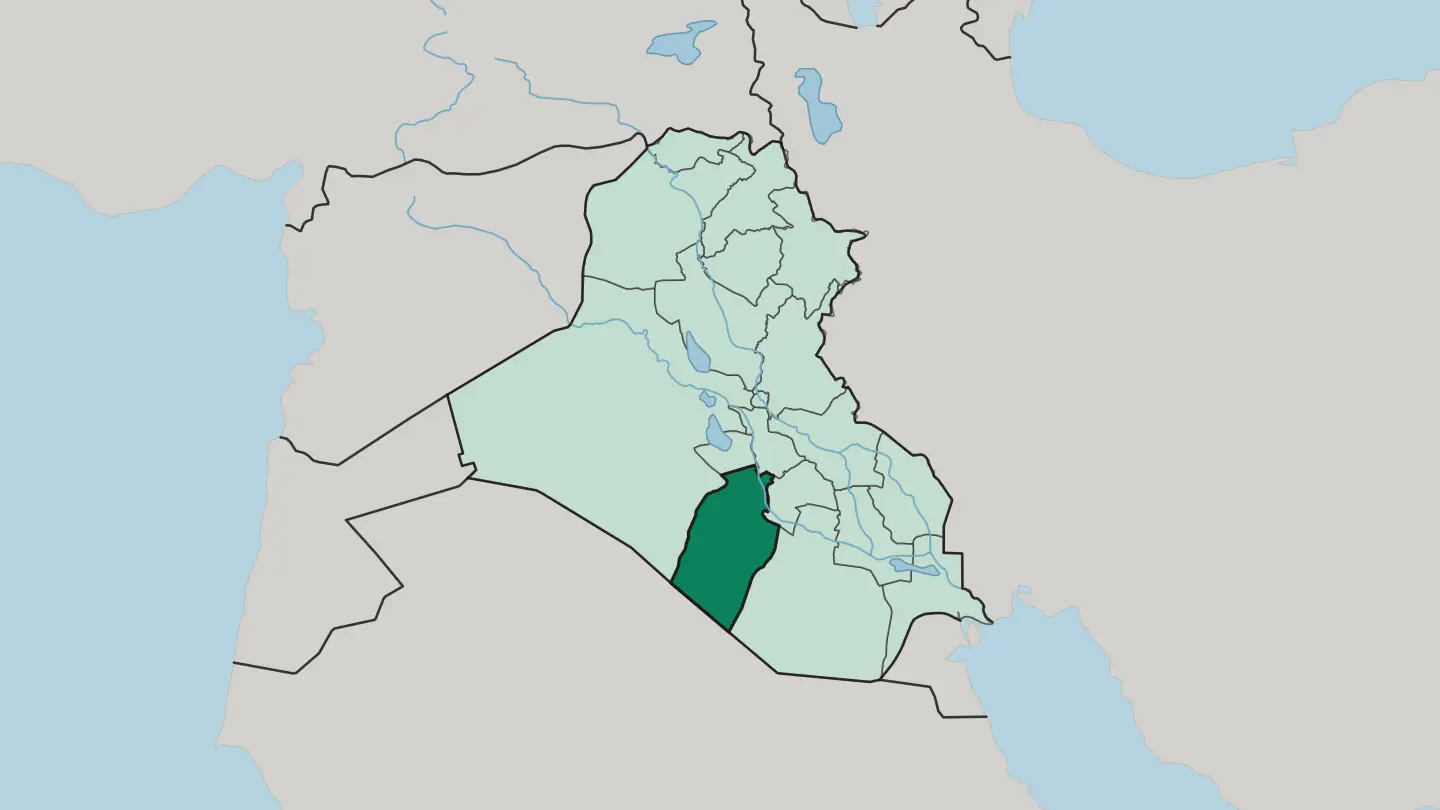 Iraq
Iraq
Babil Governorate
Babil Governorate holds the ruins of ancient Babylon on the Euphrates in central Iraq, with Hillah as its capital.Towns & cities →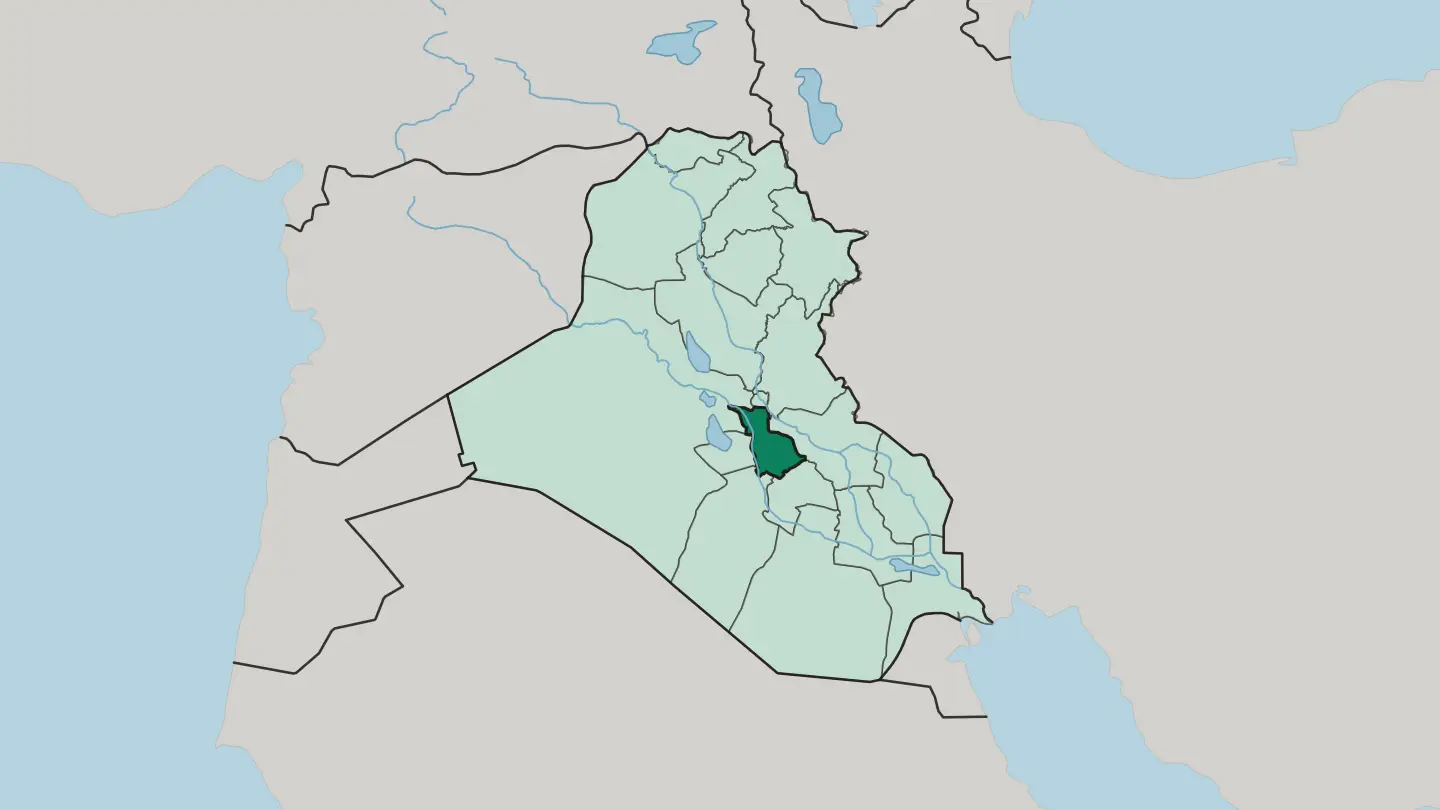 Iraq
Iraq
Baghdad Governorate
Baghdad Governorate is the capital governorate of Iraq, wrapped around the city of Baghdad and the metropolitan area that spreads out from it.Towns & cities →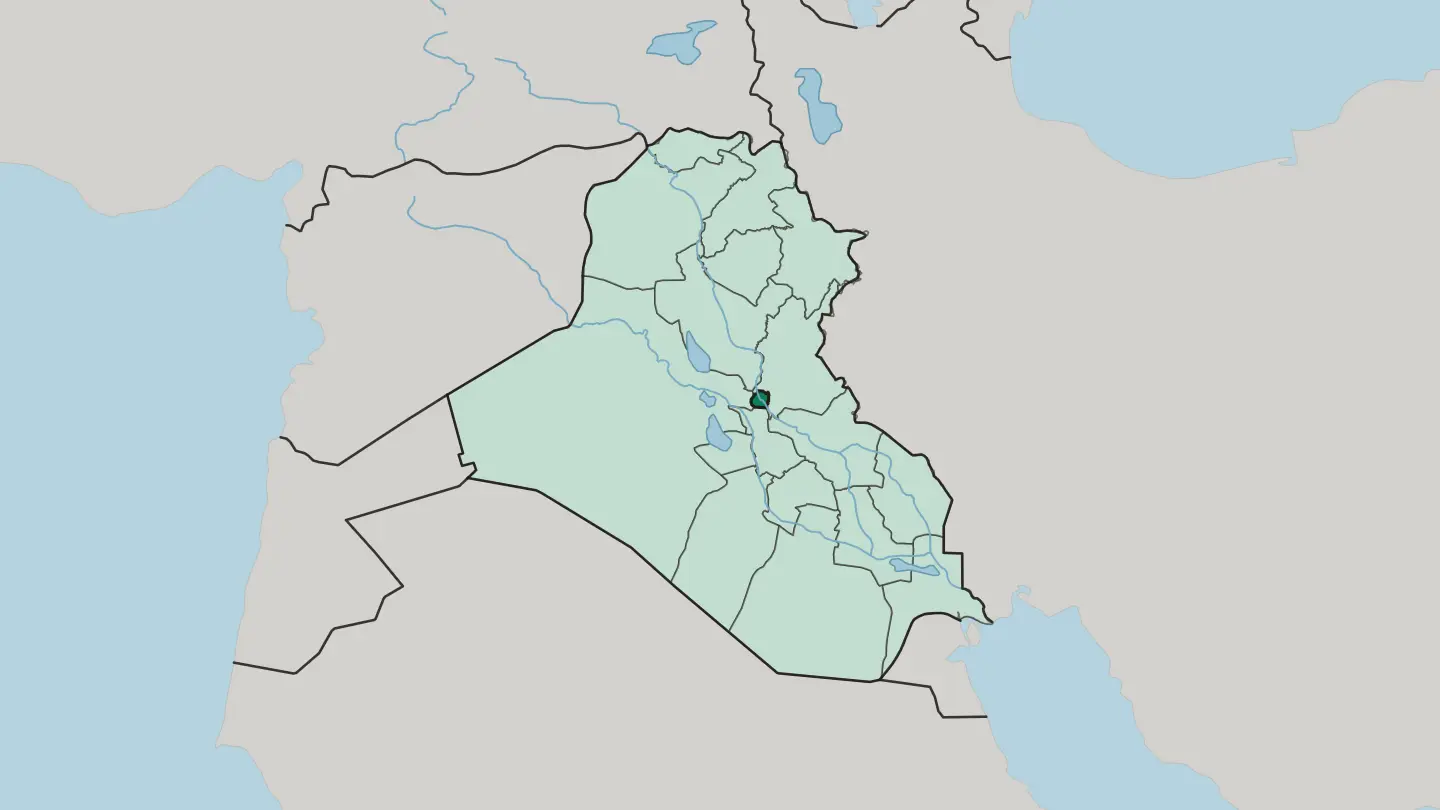 Iraq
Iraq
Basra Governorate
Basra Governorate is Iraq's only coastal region, where the Shatt al-Arab drifts past date groves to the Persian Gulf.Towns & cities →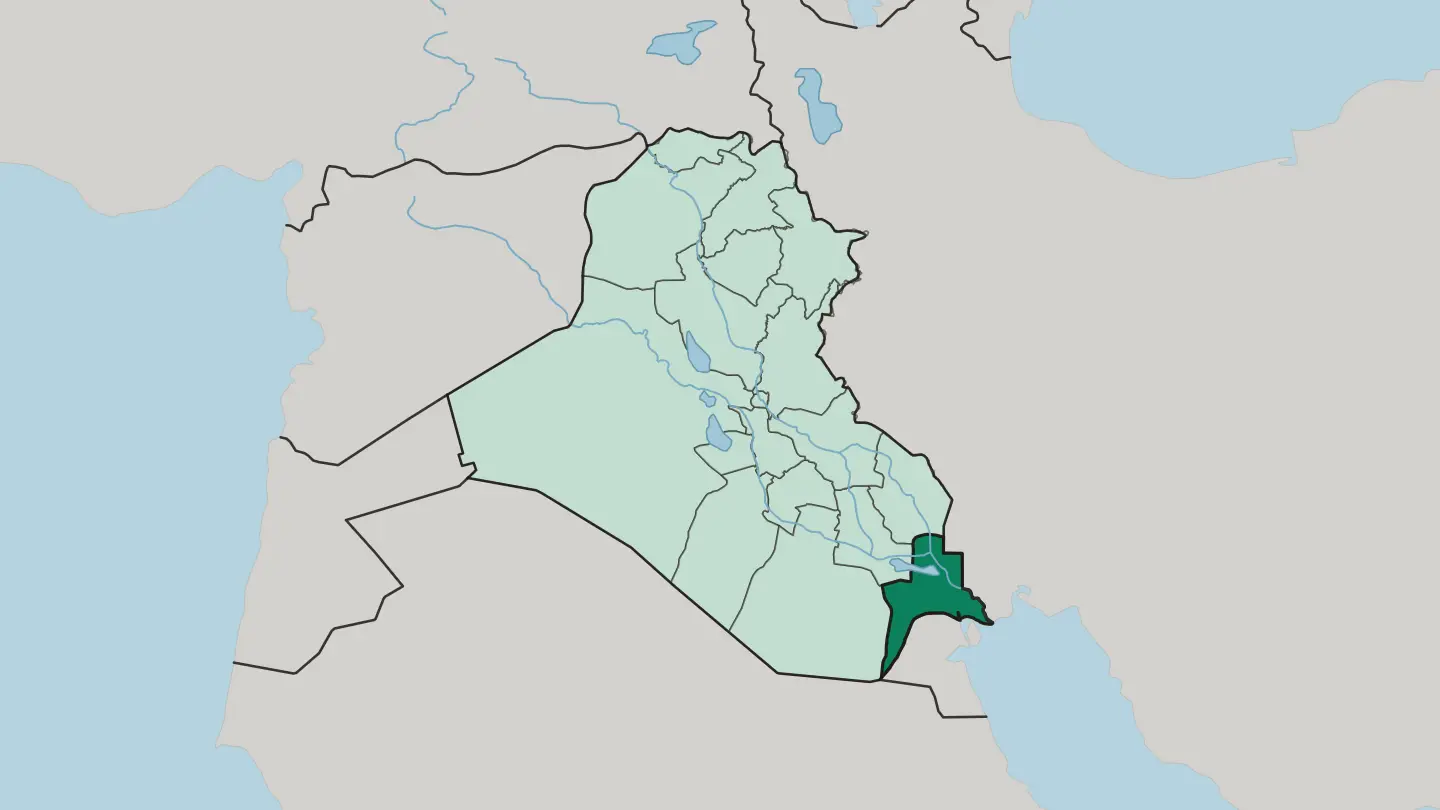
 Iraq
Iraq
Diyala Governorate
Diyala Governorate spreads across northeastern Iraq, from the orchards near Baghdad out to the Iranian border and the Hamrin ridge.Towns & cities →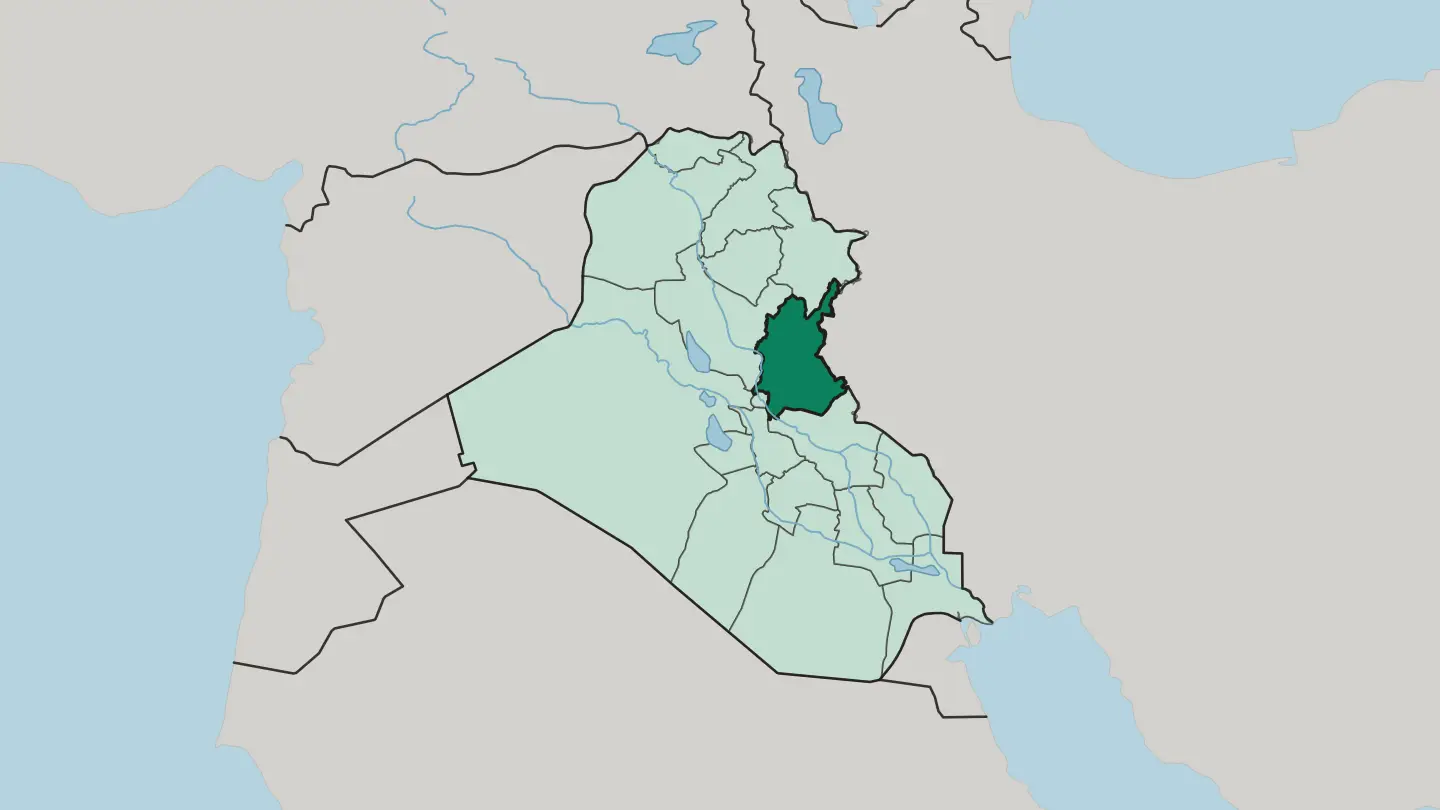
 Iraq
Iraq
Duhok Governorate
Duhok Governorate is the mountainous northwestern corner of Iraq, a Kurdistan Region province of valley towns, the Tigris, and the old Badinan emirate.Towns & cities →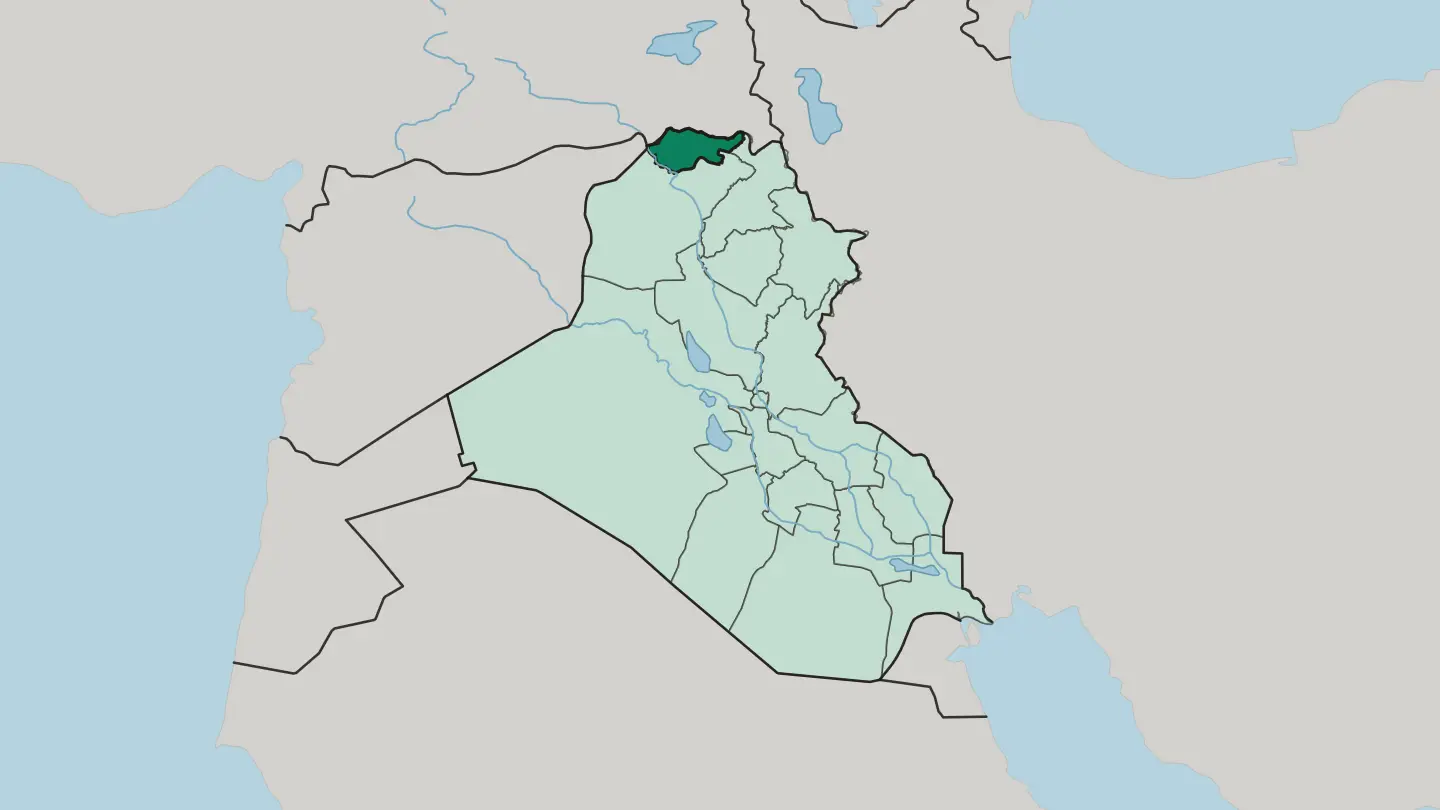 Iraq
Iraq
Erbil Governorate
Erbil Governorate is the heart of Iraq's Kurdistan Region, its ancient citadel city ringed by Zagros peaks.Towns & cities →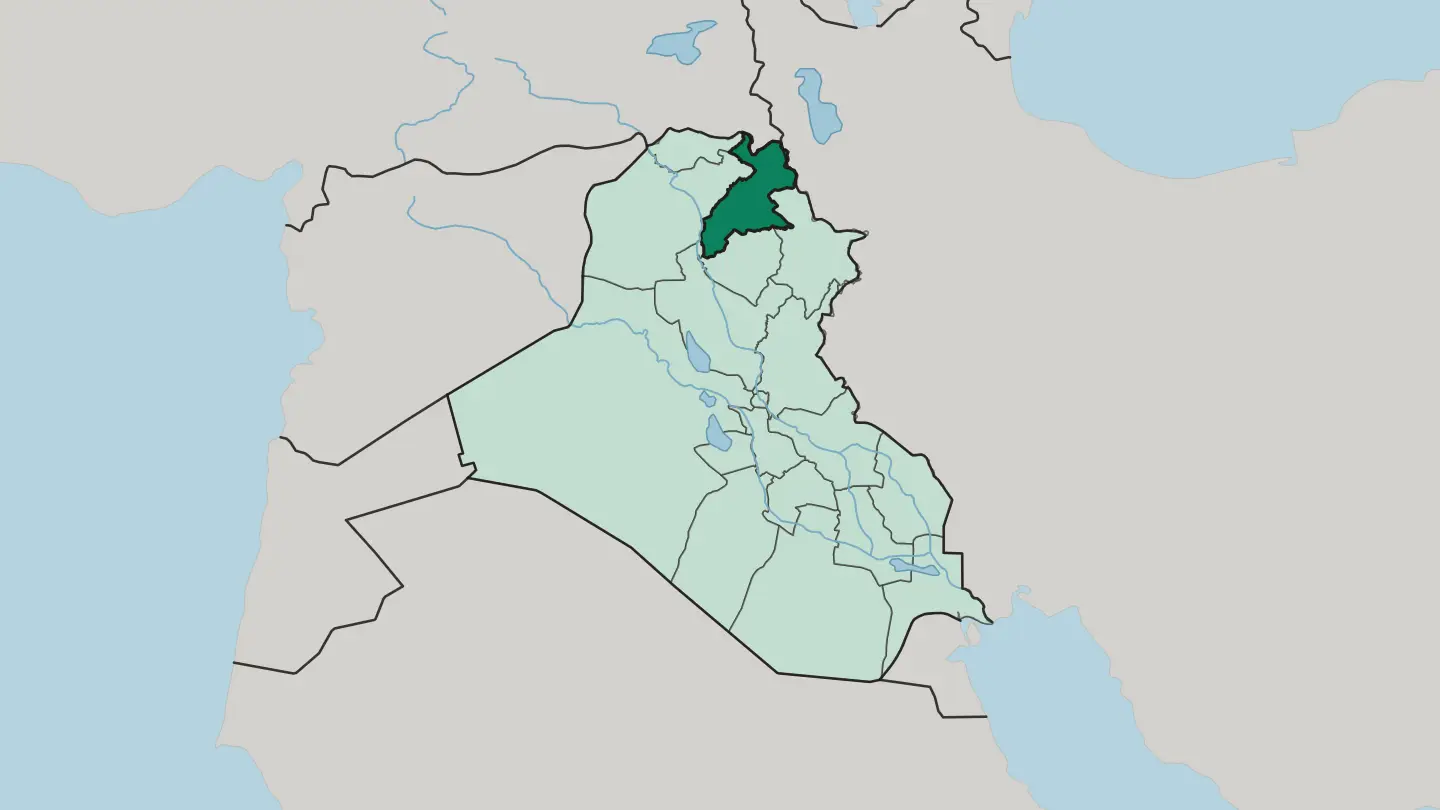
 Iraq
Iraq
Halabja Governorate
Halabja is the youngest and least populated governorate of Iraq's Kurdistan Region, ringed by the Hawraman mountains near the Iranian border.Towns & cities →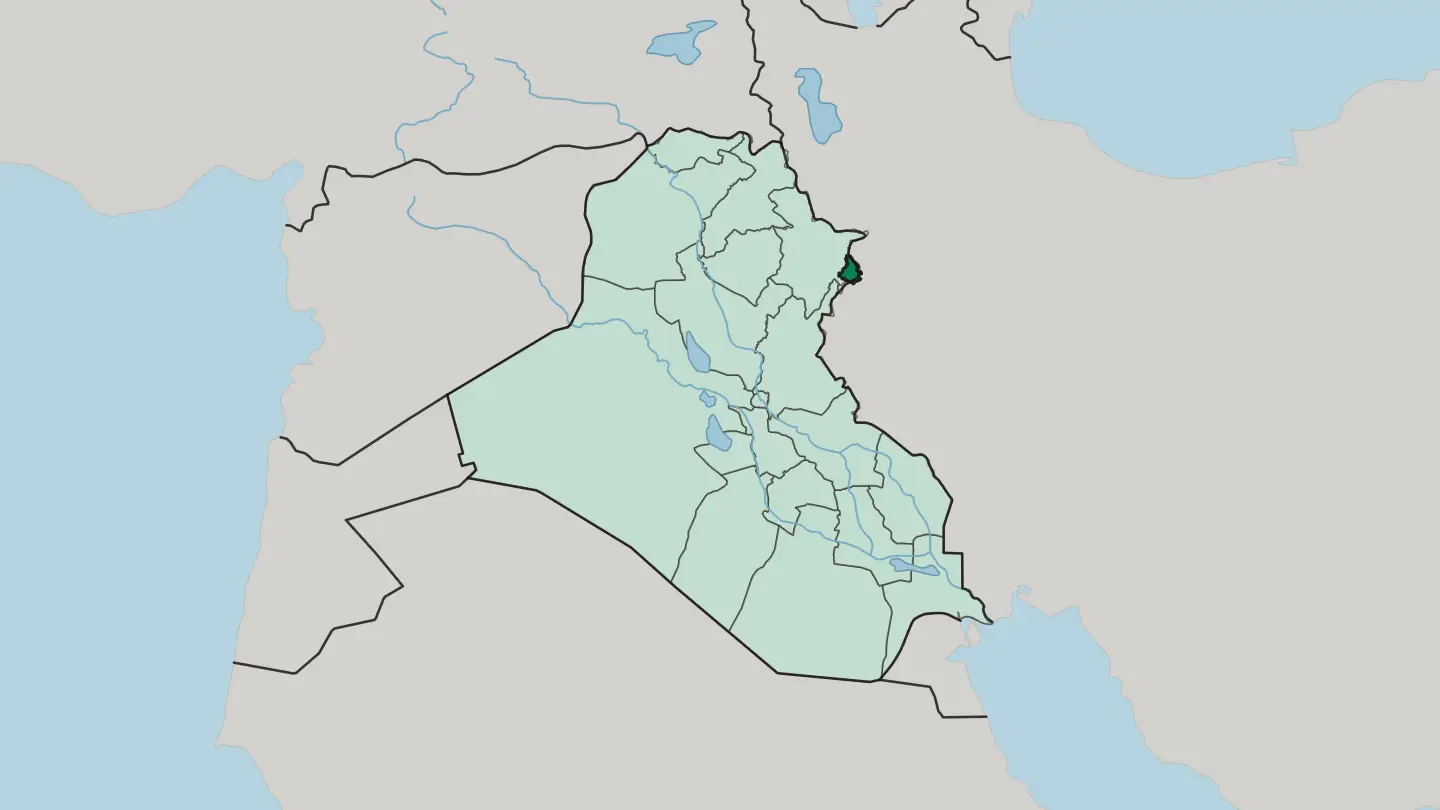 Iraq
Iraq
Karbala Governorate
Karbala Governorate holds one of Shia Islam's holiest cities, on the desert edge of central Iraq west of the Euphrates.Towns & cities →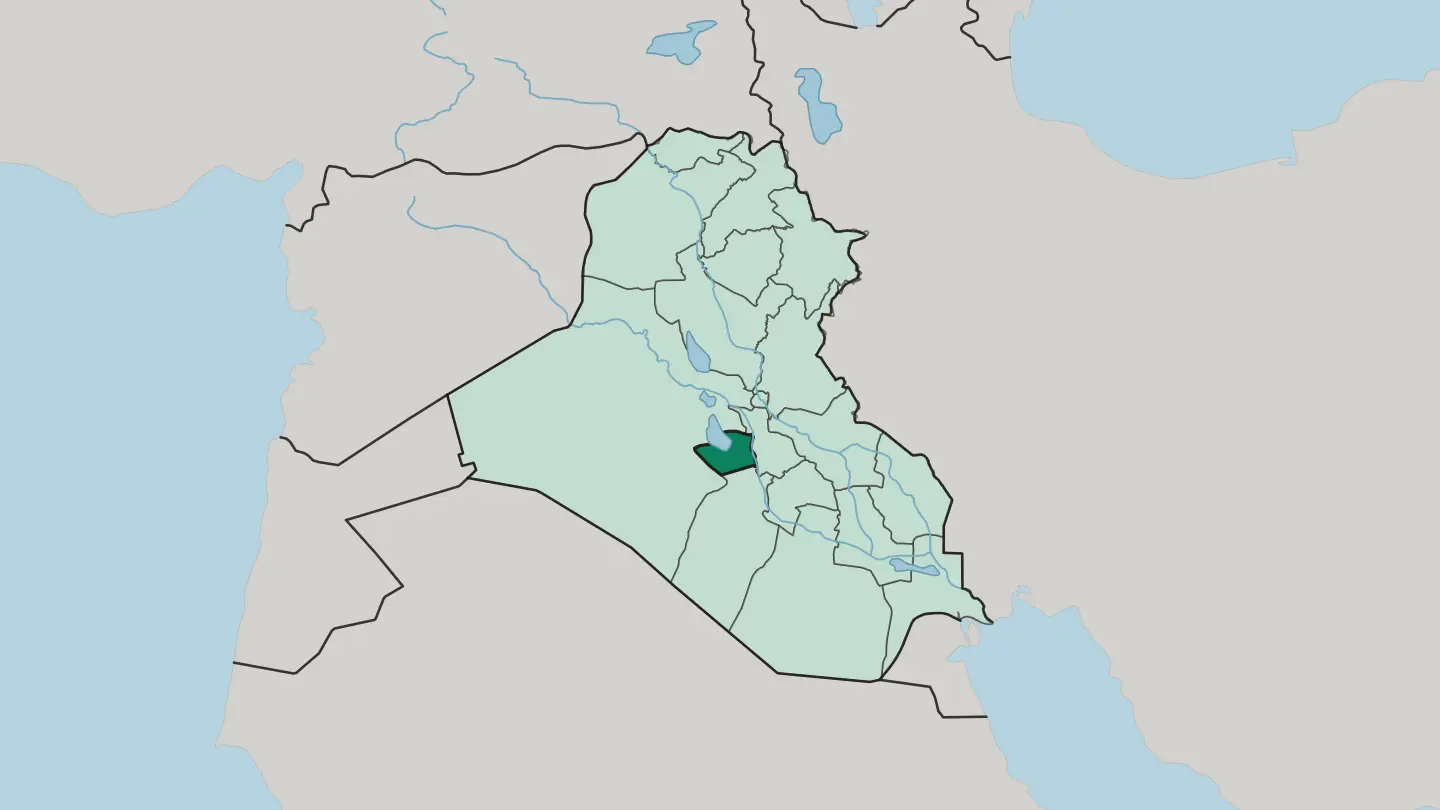 Iraq
Iraq
Kirkuk Governorate
Kirkuk Governorate spreads across northern Iraq, where the Zagros foothills meet oilfield plains and Baba Gurgur's flame still burns.Towns & cities →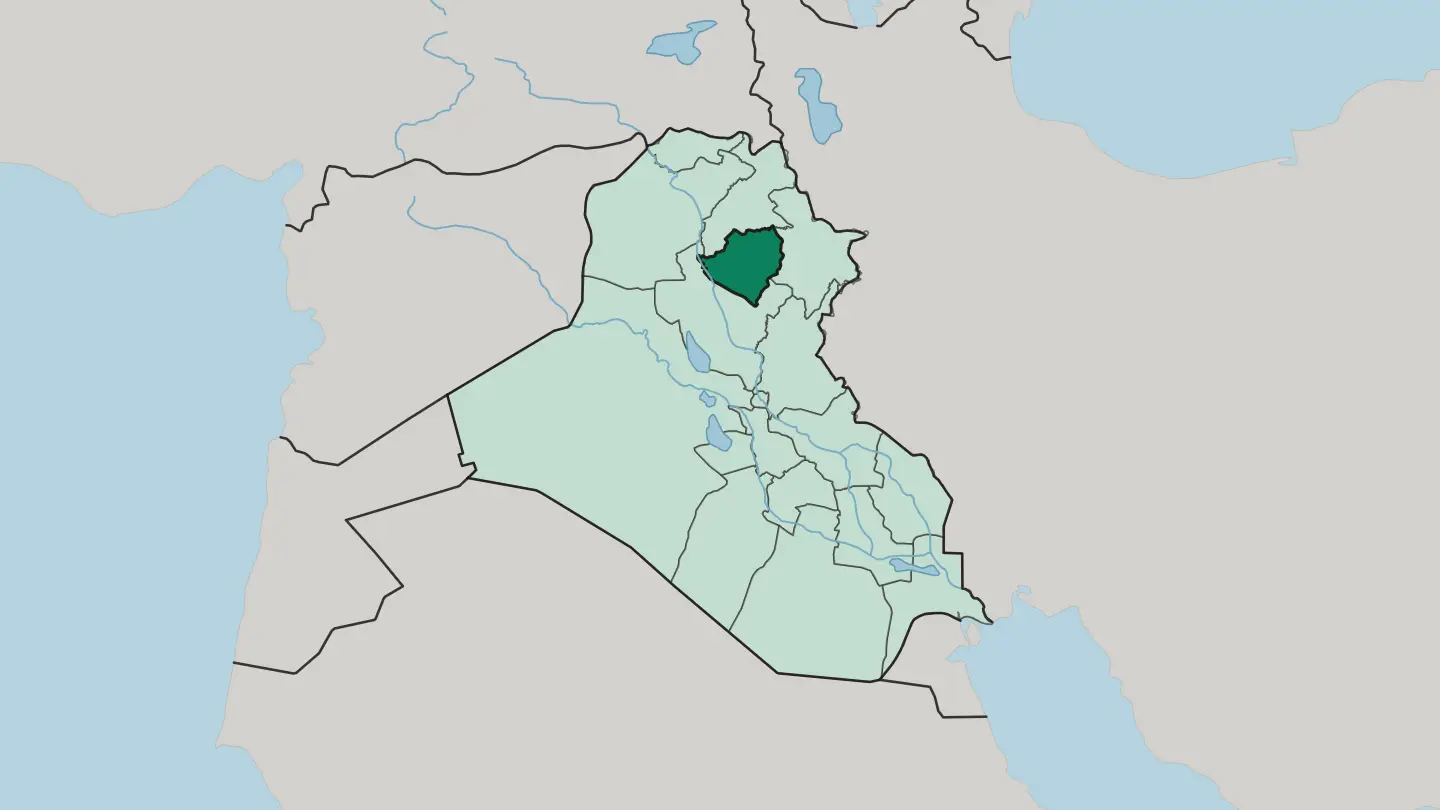 Iraq
Iraq
Maysan Governorate
Maysan is a wetland province of south-eastern Iraq, where the Tigris fans into marshes along the Iranian border and Amarah anchors the plain.Towns & cities →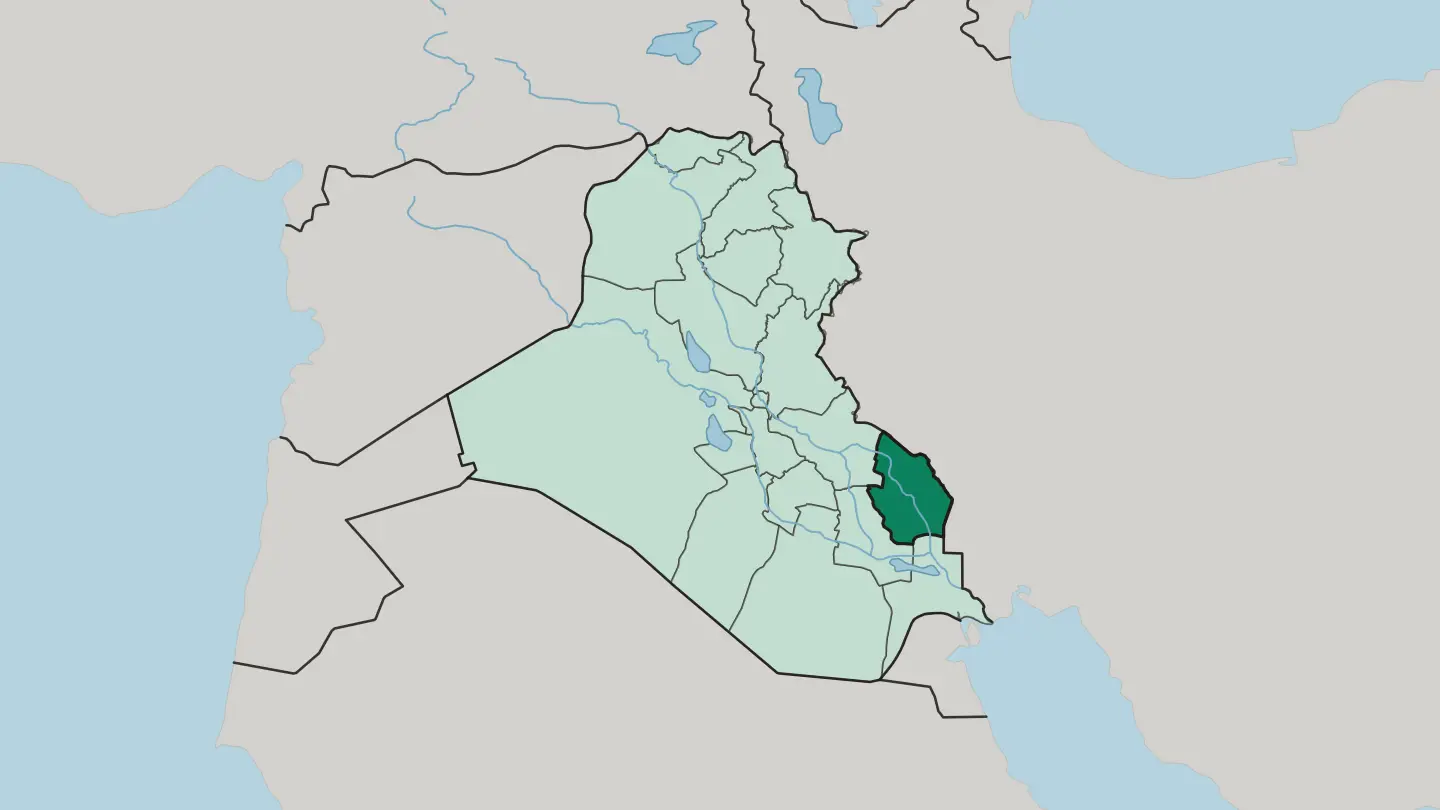
 Iraq
Iraq
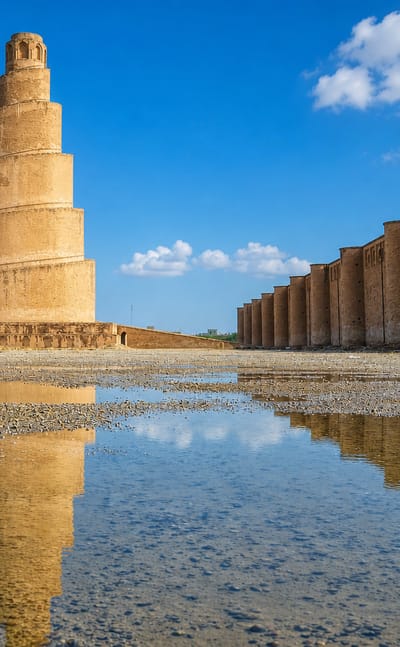
Muhafazat Salah ad Din
Salah ad Din is a governorate of north-central Iraq on the Tigris, holding Tikrit, Samarra's spiral minaret, and ancient Assur.Towns & cities →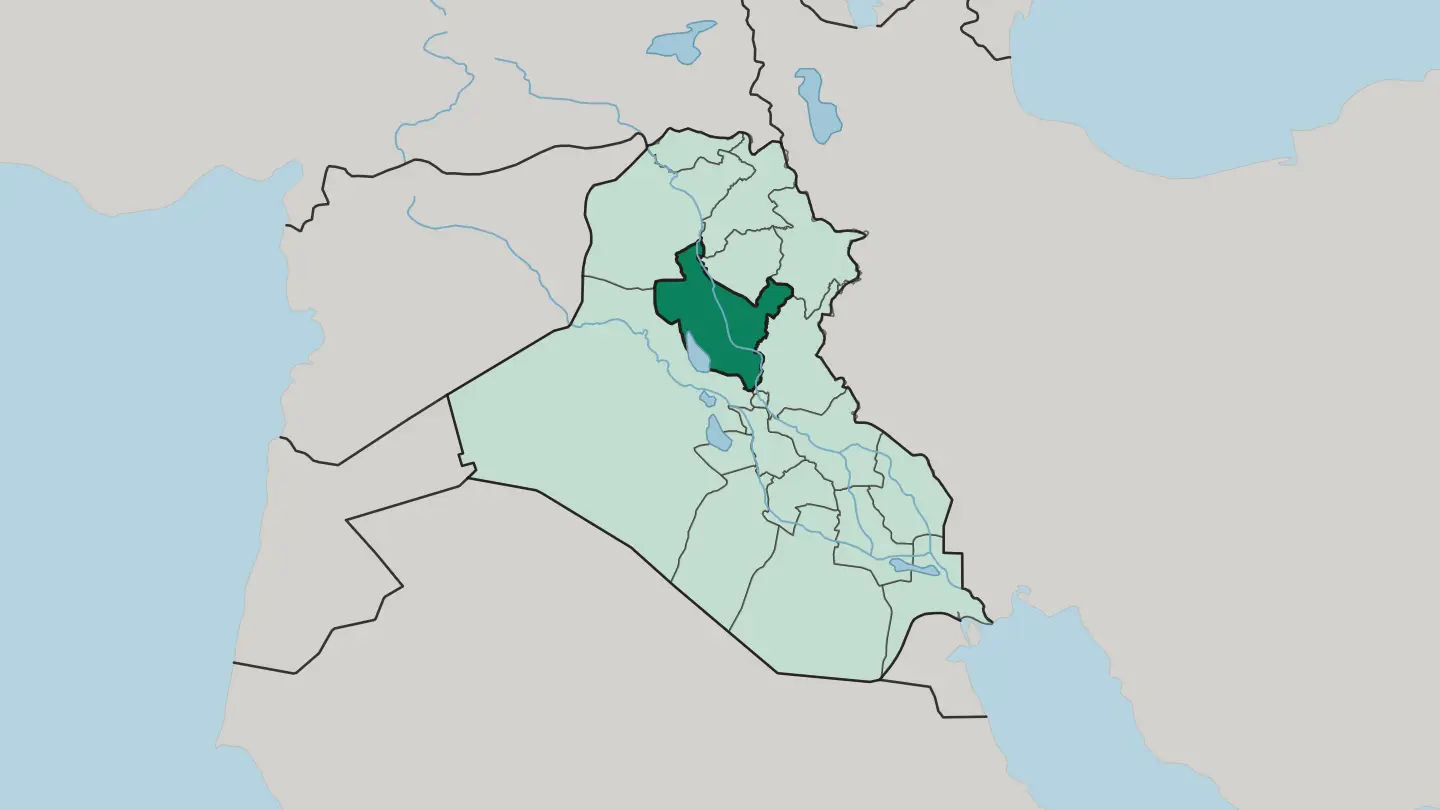 Iraq
Iraq
Muthanna Governorate
Muthanna is Iraq's desert south, where the Euphrates skirts the ruins of ancient Uruk on the road between Baghdad and Basra.Towns & cities →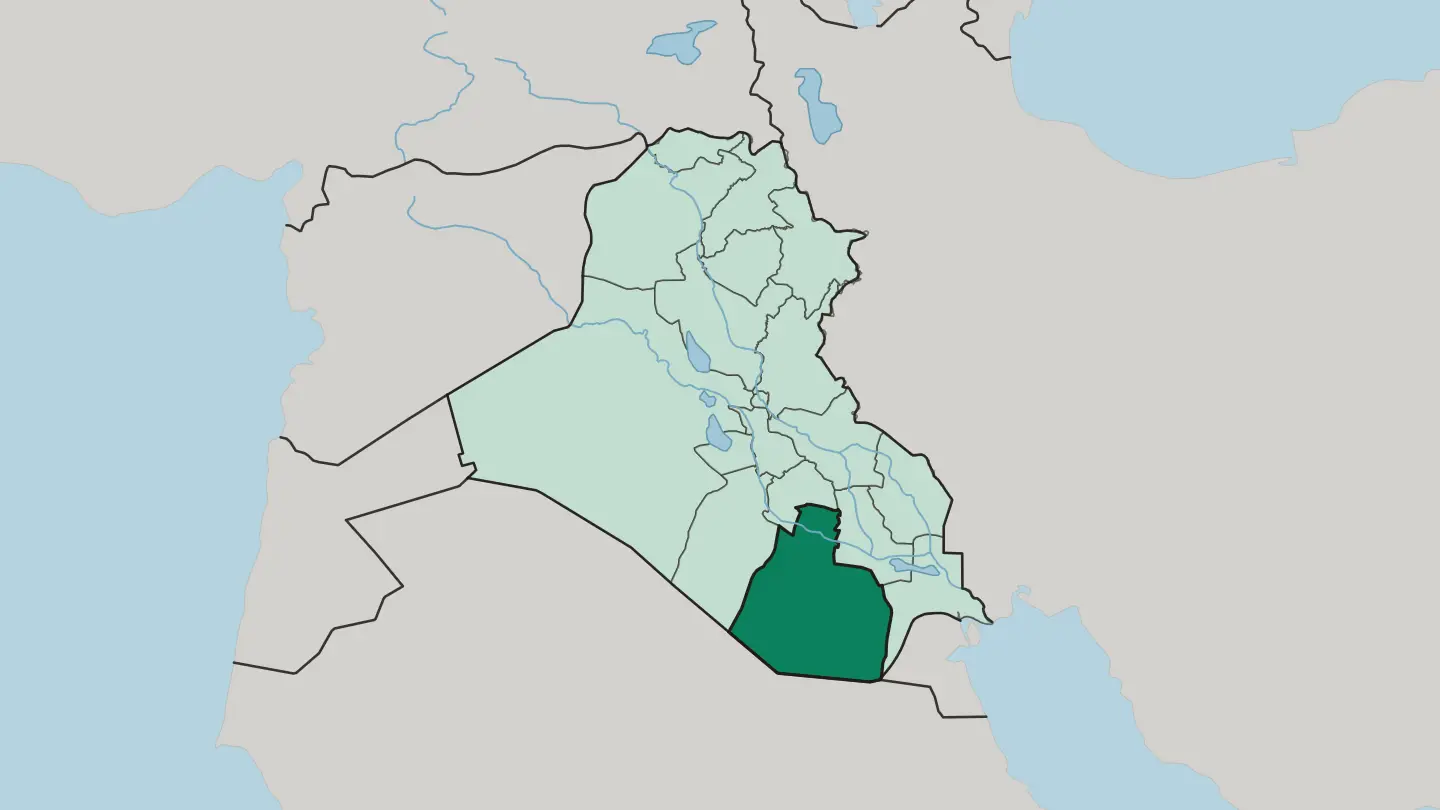 Iraq
Iraq
Muḩāfaz̧at Dhī Qār
Dhī Qār is the Sumerian heartland of southern Iraq, where the ruins of Ur and the Mesopotamian Marshes meet the lower Euphrates.Towns & cities →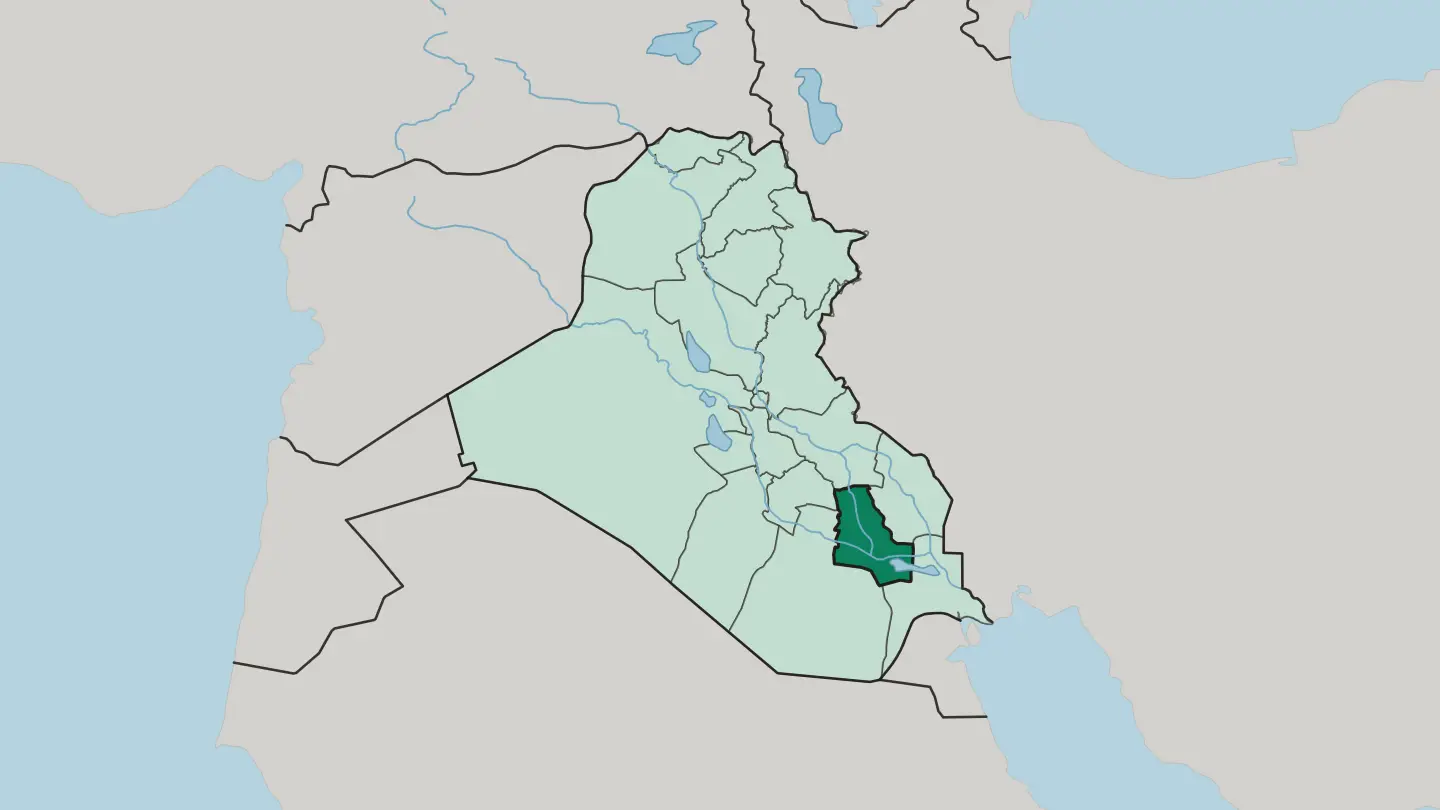 Iraq
Iraq
Nineveh Governorate
Nineveh Governorate spreads across northern Iraq around Mosul and the Tigris, where the ruins of ancient Nineveh still stand.Towns & cities →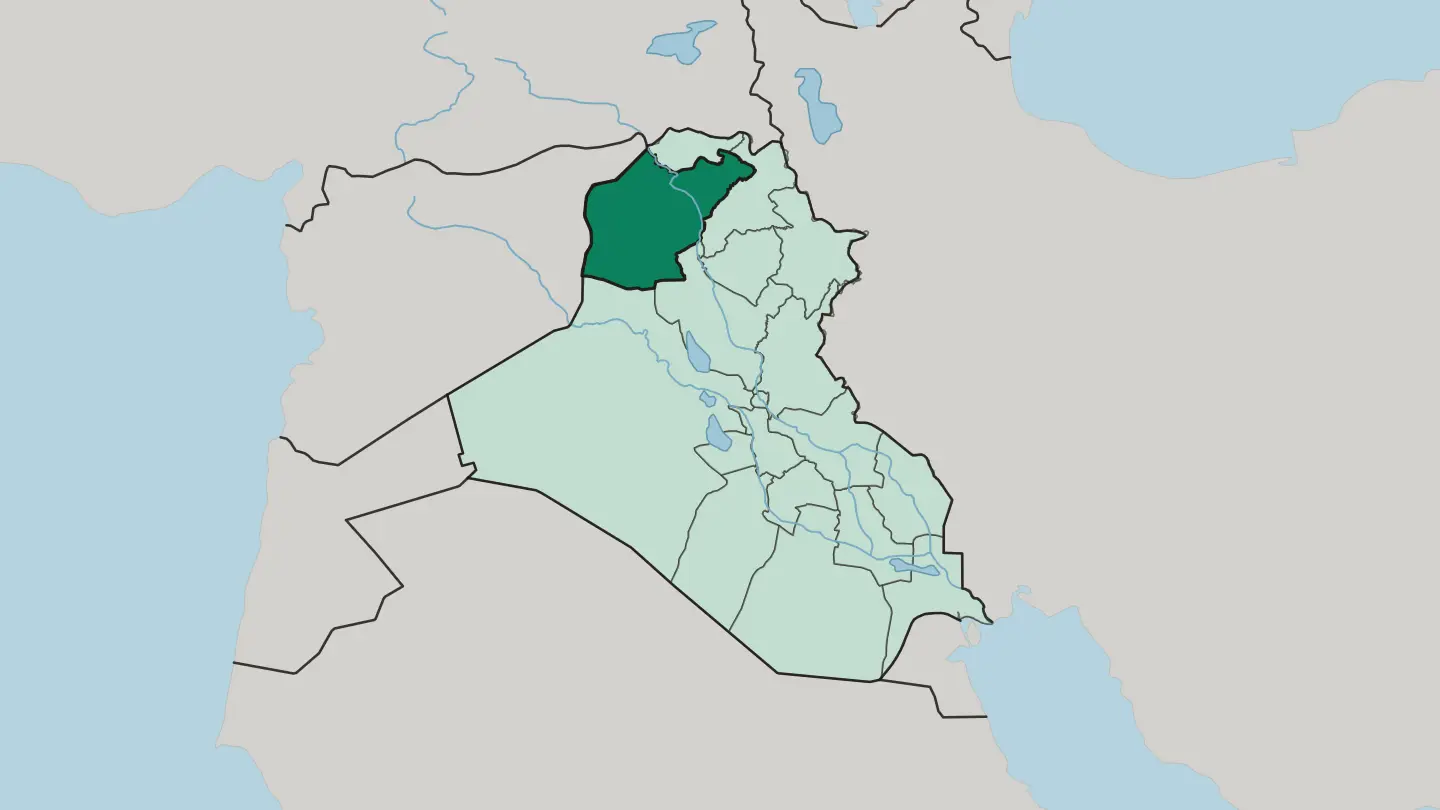 Iraq
Iraq
Sulaymaniyah Governorate
Sulaymaniyah Governorate is the mountainous eastern province of Iraqi Kurdistan, built around its poets' capital in the Zagros foothills.Towns & cities →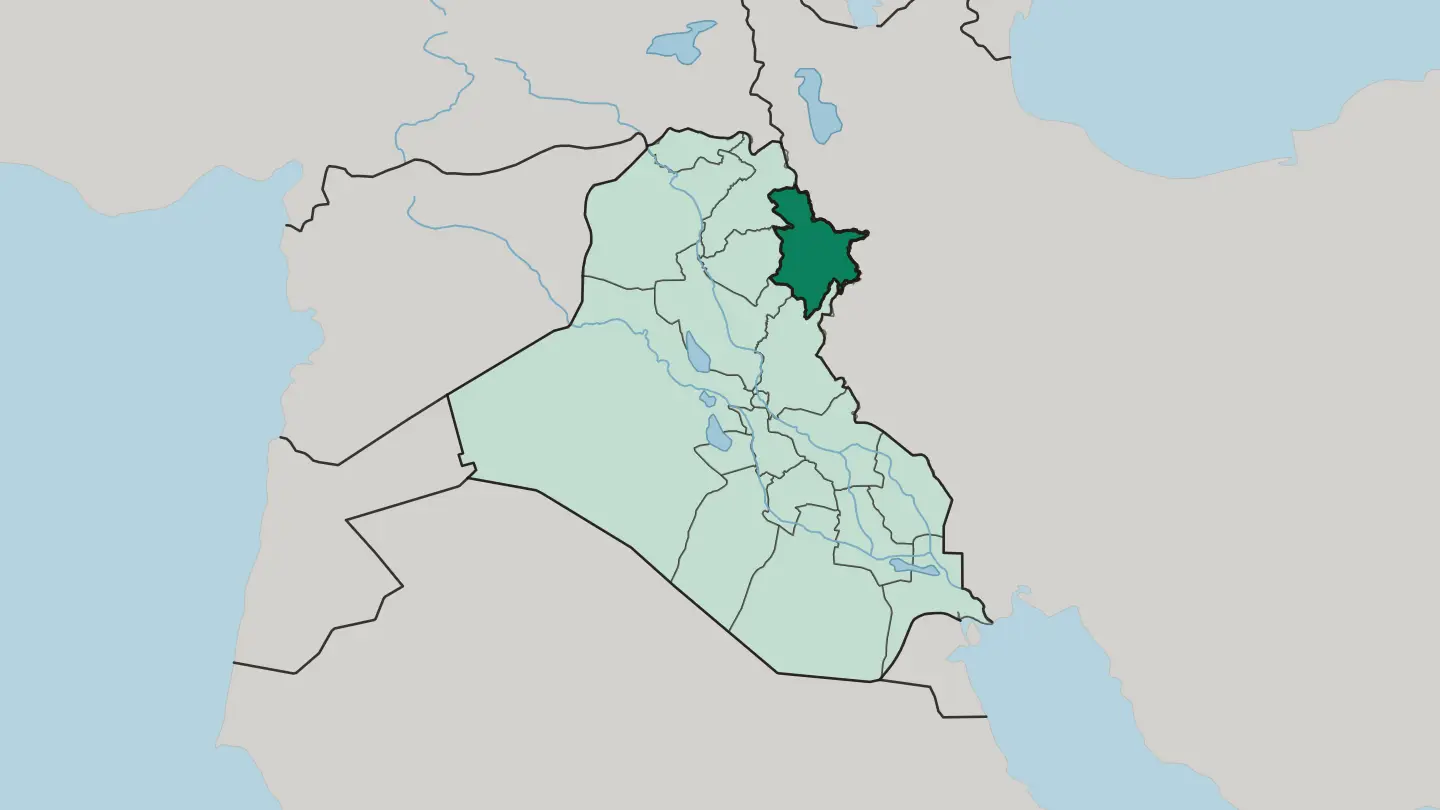 Iraq
Iraq
Wasit Governorate
Wasit is the governorate east of Baghdad where the Tigris bends past Kut toward the Iranian frontier.Towns & cities →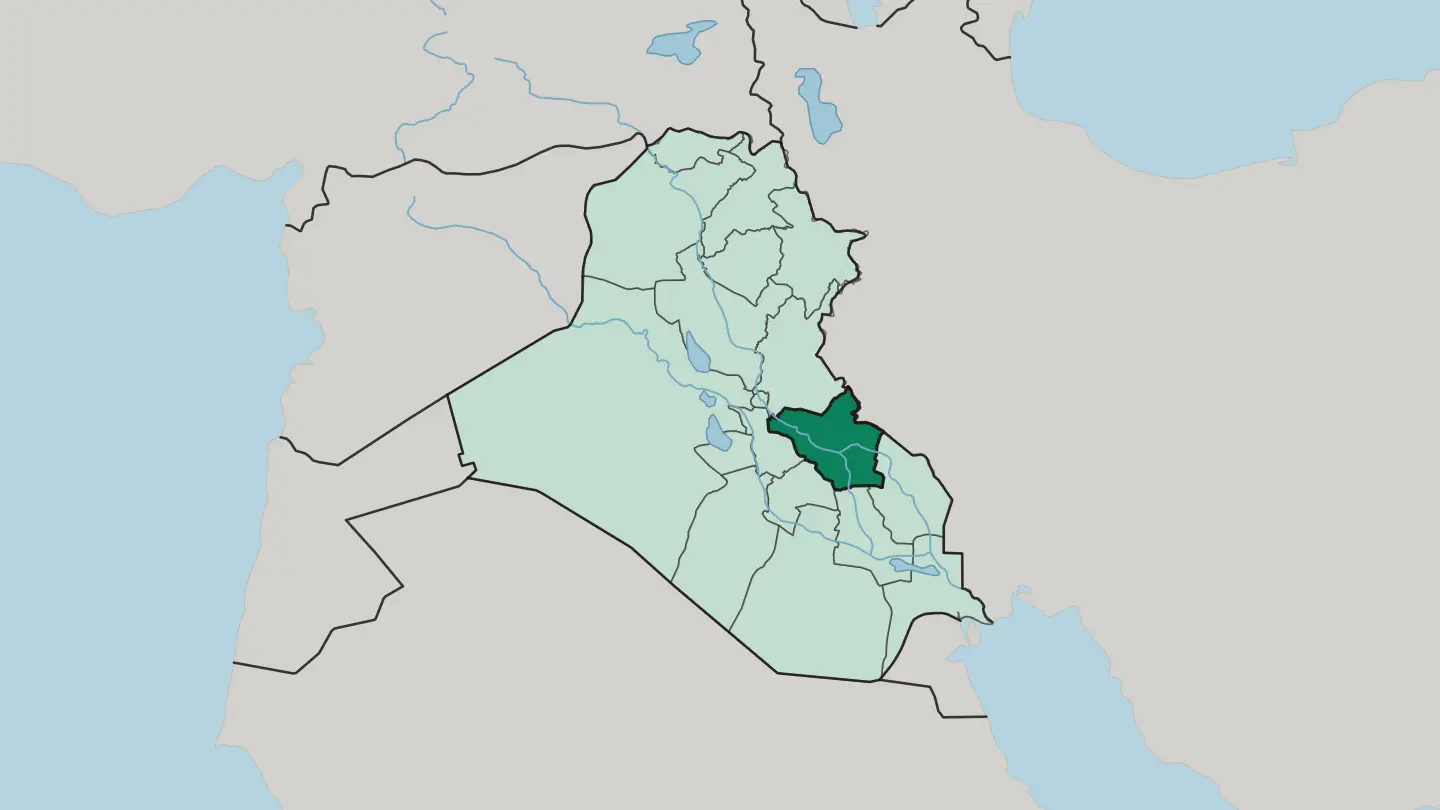
Explore by experience
Not sure which place? Start from how you want to travel.

About Iraq
Iraq is known as the land of ancient Mesopotamia.
What is Iraq known for?
The land between the rivers held one of the earliest civilisations, and after the rise of Islam, Baghdad grew into a centre of learning through the Islamic Golden Age. Few places carry so long a past. Its holy cities of Najaf and Karbala draw pilgrims from across the Middle East, and the name of Mesopotamia still marks Iraq as one of the oldest settled lands on earth.
Where is Iraq?
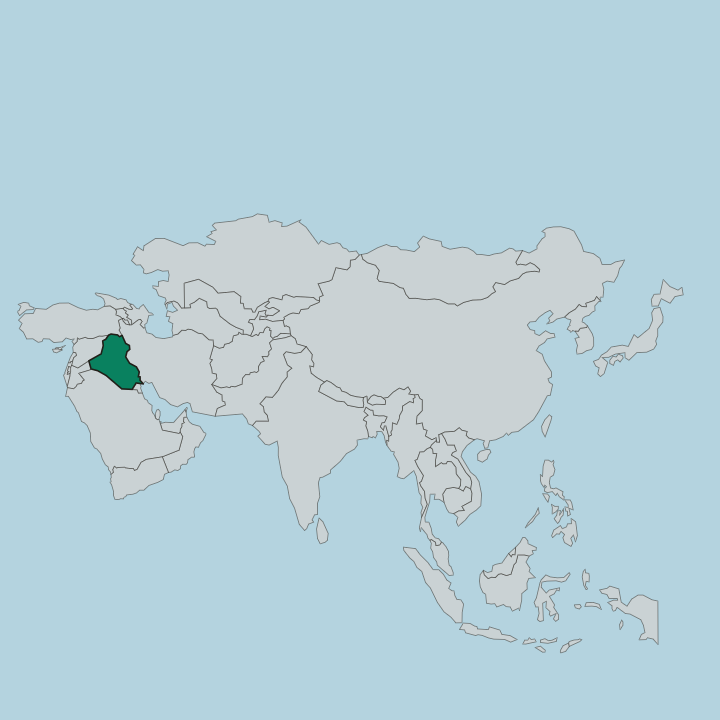
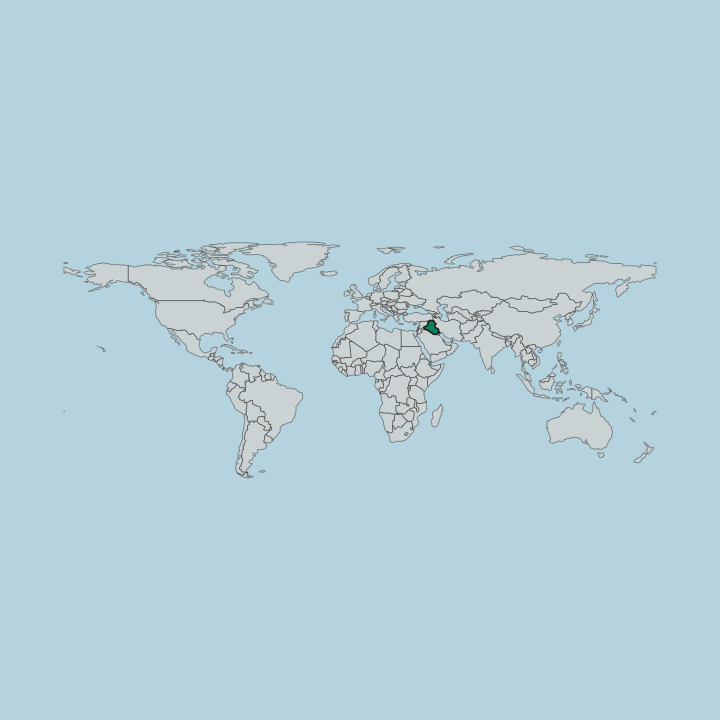
Iraq lies in West Asia, within the Middle East. The country is ringed by neighbours on almost every side, with Turkey to the north, Iran to the east, and Saudi Arabia to the south, while Syria closes it off to the west. Land borders define it.
Jordan meets Iraq to the southwest and Kuwait to the southeast, leaving only a short frontage on the Persian Gulf as the country's narrow window to the sea. Only a sliver meets the sea. The land itself is the old ground of Mesopotamia.
The name Mesopotamia means the land between the rivers, pointing to the valleys that cross Iraq and gave rise to one of the world's first settled landscapes at the heart of the Middle East. Water shaped this place. Baghdad stands near the middle of it all, set on the river country at the core of Iraq, roughly between the Gulf coast and the northern border with Turkey.
From the Persian Gulf shore inland to the borders with Iran and Syria, Iraq spreads across the ground that carried Mesopotamia, reaching toward Saudi Arabia and Jordan in the south.
What is the history of Iraq?
Iraq holds one of the oldest recorded pasts on earth. The land of Mesopotamia, between the rivers, saw some of the first cities, writing, and law, which later ages came to call a cradle of civilisation at the heart of the Middle East. Civilisation began early here.
Over thousands of years the river country passed through a long succession of peoples and empires, each leaving its mark on the ground that would become Iraq. The rise of Islam reshaped the land. Baghdad rose as a centre of learning, its scholars, libraries, and translators making the city a focus of the Islamic Golden Age across the Middle East.
Learning flourished in Baghdad. In the same centuries the cities of Najaf and Karbala took on deep religious meaning, becoming holy cities that would draw pilgrims from across the region for generations to come. The modern state took shape in 1932.
Built on the old ground of Mesopotamia, Iraq was established as a country in that year, taking its place on the map of West Asia in its own right. The old name endured. Through every age, from ancient Mesopotamia to the Republic of Iraq, the land between the rivers has held its place at the centre of the Middle East.
What is Iraq like?
Iraq carries the culture of the Arab and Islamic Middle East. Arabic is the everyday language across most of the country, and the rhythms of Islam shape the calendar, the arts, and daily life from Baghdad to the smaller towns of West Asia. Faith runs through it.
The holy cities of Najaf and Karbala stand among the most important places of pilgrimage in the region, drawing the faithful from far beyond Iraq's borders. Family and hospitality anchor daily life, with shared meals and long visits binding households across Iraq and the wider Middle East. Beneath the modern country lies the memory of Mesopotamia.
Poetry, music, and craft reach back through the Islamic Golden Age of Baghdad to the deep antiquity of a land often called a cradle of civilisation, giving Iraqi culture a long horizon few places can match. Baghdad remains a byword for books and learning. The past is always close.
In the markets, the mosques, and the shrines of Najaf and Karbala, the old identity of the land between the rivers still runs through the daily life of the Middle East.
What is the climate of Iraq?
Iraq has a hot, dry climate for most of the year. Long, very hot summers stretch across the country from the Persian Gulf inland, giving way to shorter, cooler winters, with more rain falling toward the borders with Turkey and Iran. The heat defines it.
Across the lands of Mesopotamia, summer runs long and fierce, while the brief winter brings the year's rain to the land between the rivers before the dry season returns.
How do you get to Iraq?
Most travellers reach Iraq through Baghdad. The capital is the country's main gateway, with land borders reaching Turkey, Iran, Syria, Jordan, Saudi Arabia, and Kuwait, and a short coast on the Persian Gulf to the southeast. Arrival takes some planning.
Because travel across Iraq can pose challenges, most visitors route through Baghdad or the pilgrimage cities of Najaf and Karbala rather than crossing the wider country of West Asia on their own.
Common questions
What is the best area to stay in Iraq?
Baghdad: the widest choice of city hotels in Iraq. Najaf and Karbala: pilgrims heading to Iraq's holy cities.
Good for
Updated September 2026