Iraq · Kirkuk Governorate
Where to Stay in Kirkuk, Kirkuk Governorate
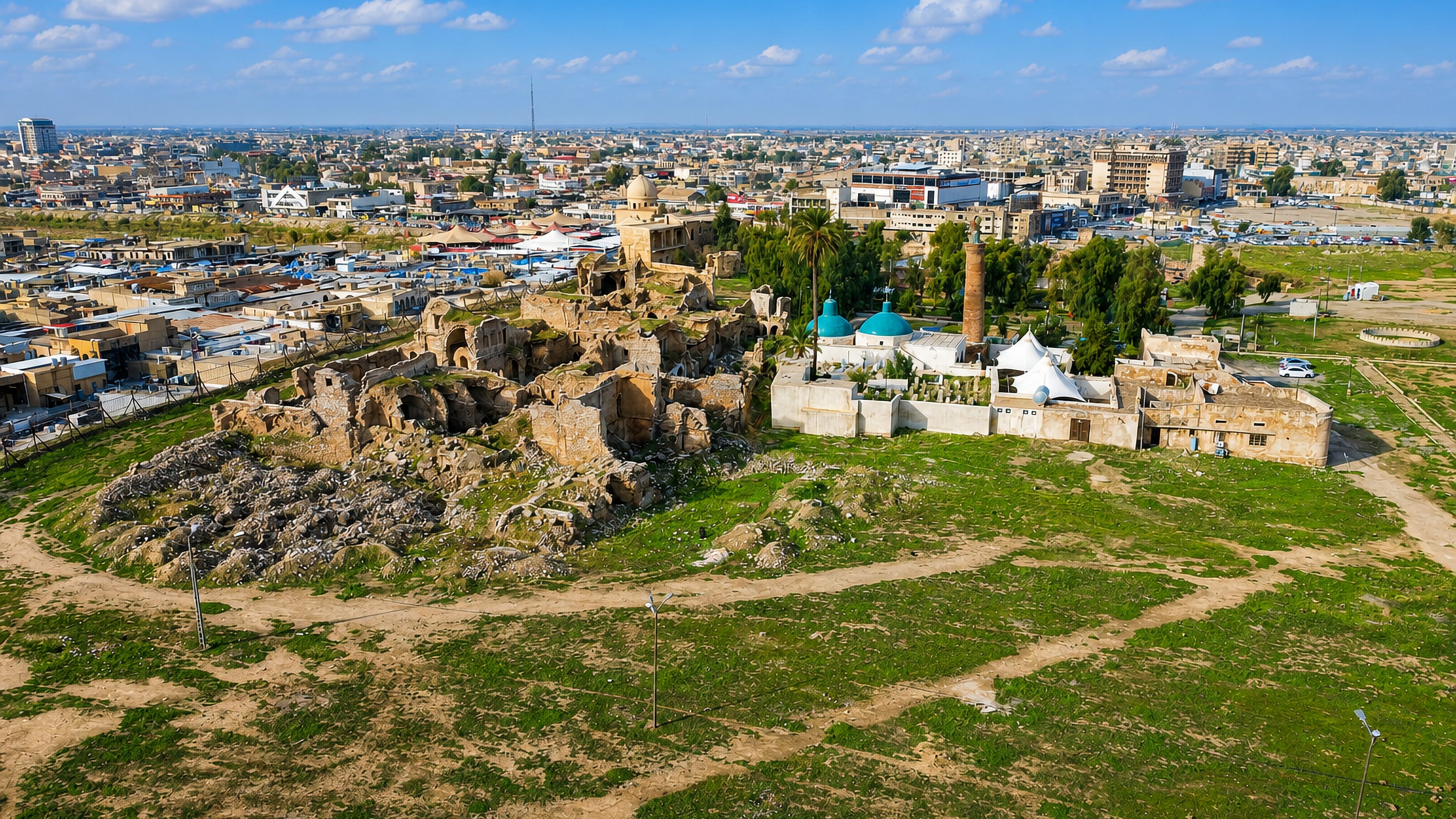
The Kirkuk Citadel stands on its ancient mound above the Khasa River in Kirkuk, a long-inhabited city in northern Iraq and the seat of Kirkuk Governorate.
Hotel links are affiliate links: booking through them may earn us a commission, at no extra cost to you. It never affects how places are ranked. How this works


Where to stay in Kirkuk
The practical side of choosing where to sleep.
Kirkuk arranges its lodging around the old core beneath the citadel, where the historic centre meets the modern city. Basing yourself near the Kirkuk Citadel and the streets along the Khasa River keeps the fortress mound, the bazaars, and the civic quarter within a short walk. This is the heart of the old town.
First-time visitors settle here to reach the citadel and the river without crossing the wider Kirkuk Governorate. Travellers interested in the deeper past look toward the ground near the citadel's own layers, which sit over the ancient city of Arrapha, and toward the low mound of Tell Matarrah on the plain beyond the built-up streets. Those wanting the market life of the diverse quarters base themselves in the busy centre, where Kurds, Iraqi Turkmens, and Arabs trade side by side.
Book ahead. Rooms nearest the citadel and the Khasa River fill first when business and pilgrim traffic passes through the governorate seat.
About Kirkuk
What is Kirkuk known for?
Kirkuk is known for its ancient citadel and its long-mixed population. The Kirkuk Citadel rises on a mound above the Khasa River, built over the ruins of the ancient city of Arrapha. Its people are diverse.
Kurds, Iraqi Turkmens, and Arabs have long lived together here, and that shared heritage shapes the streets below the old fortress in the Kirkuk Governorate.
What are the main landmarks in Kirkuk?
The Kirkuk Citadel is the city's defining landmark, a walled mound rising above the Khasa River on ground occupied for thousands of years. Beneath and around it lie the traces of Arrapha, the ancient city on whose ruins Kirkuk grew. Out on the plain sits Tell Matarrah, a low archaeological mound of great age.
Layers upon layers. Together they make Kirkuk one of the oldest continuously settled sites in the Kirkuk Governorate.
What is the history of Kirkuk?
Kirkuk grew on the ruins of Arrapha, an ancient city whose mound became the base of the Kirkuk Citadel that still crowns the skyline. The rise has been settled for thousands of years, one of the longest-inhabited places in northern Iraq. Peoples came and went.
Successive settlers raised walls, temples, and houses on the same ground by the Khasa River, and the citadel gathered all of it into one fortified hill. Over the long centuries the city became home to Kurds, Iraqi Turkmens, and Arabs, whose intertwined communities gave Kirkuk its mixed character within the Kirkuk Governorate. Tell Matarrah adds another layer.
This low mound out on the plain preserves evidence of very early settlement, and that deep continuity, from Arrapha through the citadel to the modern streets, makes Kirkuk a layered record of habitation.
Where is Kirkuk?
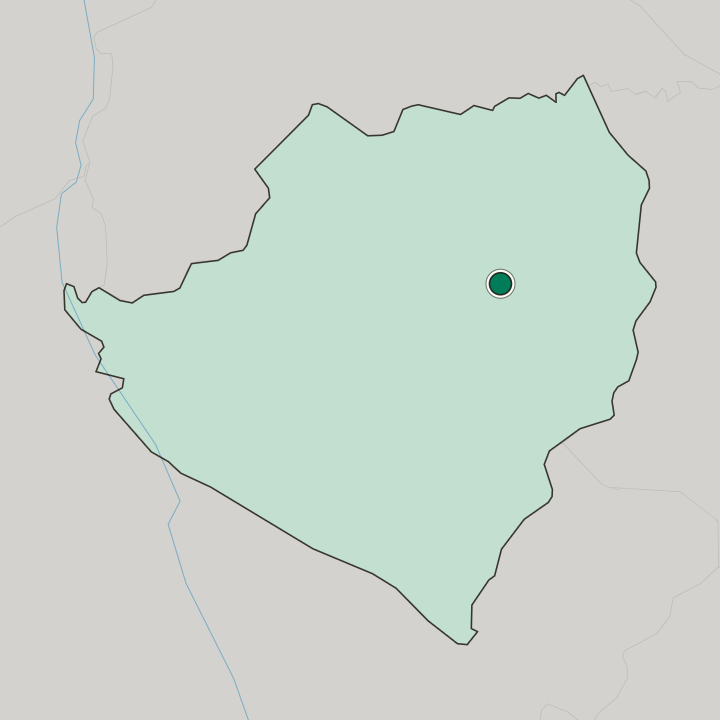
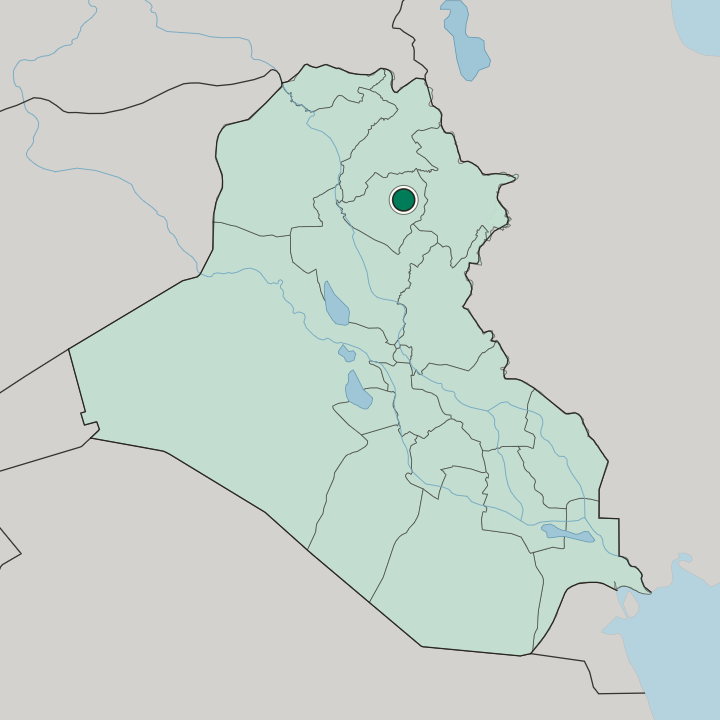
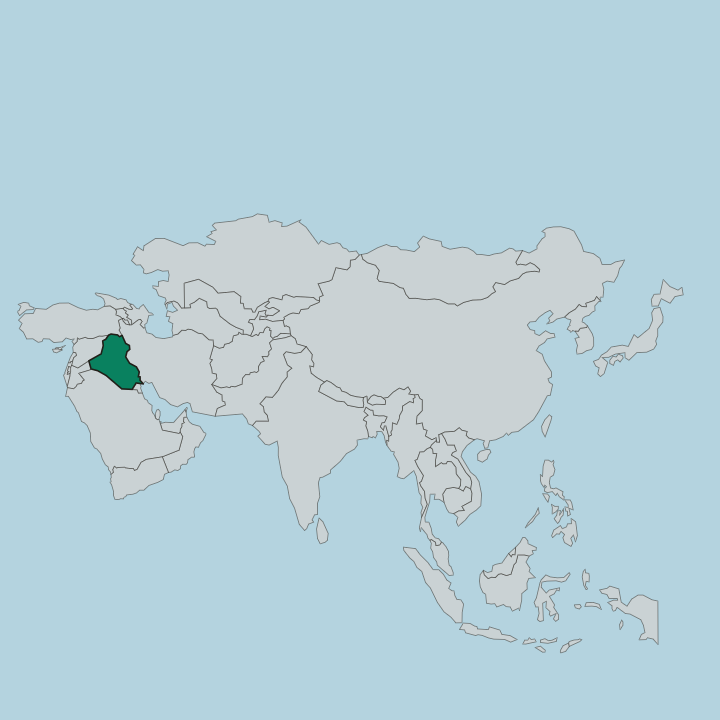
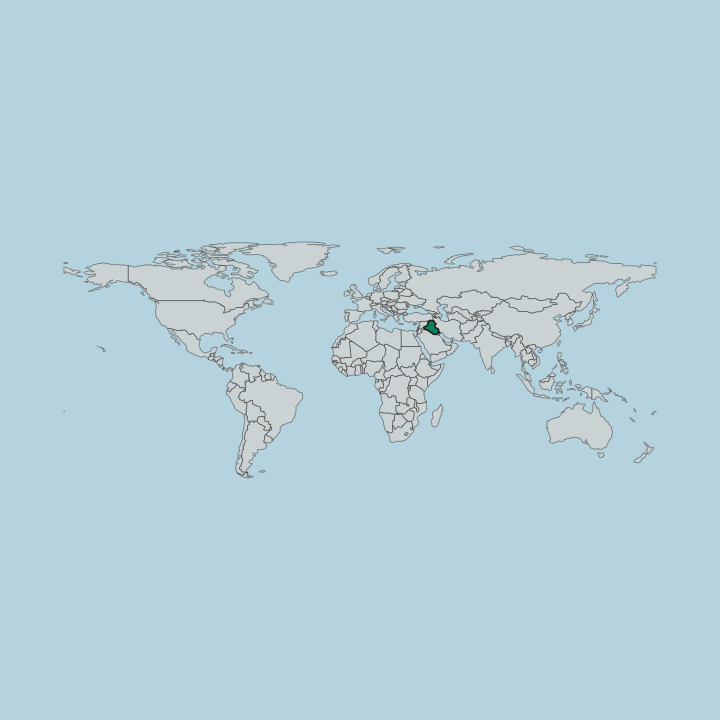
Kirkuk lies in northern Iraq, spread along the Khasa River that runs through the heart of the city. The citadel mound stands on the river's bank, rising above the streets. That river chose the ground.
The surrounding Kirkuk Governorate holds a broad plain that has drawn settlement to the Khasa River for millennia, the same ground on which the ancient city of Arrapha once stood.
What is the climate of Kirkuk?
Kirkuk has a hot semi-arid climate on the plains of northern Iraq. Summers are long, hot, and dry across the country around the Khasa River. Winters turn cool and wetter.
Most rain falls in the cooler months, greening the plain of the Kirkuk Governorate for a season before the long summer heat returns and the land dries out again.
How do you get to Kirkuk?
Kirkuk sits at a road junction on the plains of northern Iraq and is reached mainly overland. Highways link the city to other centres across the region and the wider country. A rail line also serves the area.
Most visitors arrive by road, following the routes that converge on the Kirkuk Governorate seat below the old citadel by the Khasa River.
Good for
Updated September 2026