Iran · Gilan Province
Where to Stay in Rasht, Gilan Province
Rasht is the capital of Gilan in northern Iran, the largest city of the Caspian coast, a rainy green town famed for its food.
Find your area →


Where to stay in Rasht
Not every neighbourhood fits every trip — here's what each one is good for.

 RashtIran
Ḩamīdīān
Ḩamīdīān is a neighbourhood of Rasht, filed under the name Safsar, inside the Central District of Rasht County in Gilan Province.Where to stay →RashtIranŢāleshān
Ţāleshān is a neighbourhood of Rasht, recorded earlier as a village of Lakan Rural District in Rasht County, Gilan Province.Where to stay →RashtIranShālkū
Shālkū is a village of Howmeh Rural District, inside the Central District of Rasht County in Gilan Province, Iran.Where to stay →Things to do in Rasht
Ranked by global recognition; descriptions from Wikidata (CC0).
Churches & Religious Sites
1- Saint Mesrop Church (Rasht) Heritage
Castles & Historic Sites
3- Mirza Kuchik Khan Mausoleum Heritage
- Mirza Kuchik Khan House Heritage
- Divani Mansions of Rasht
Landmarks & Notable Places
1- Montazeri House Heritage
worth knowingacross 3 categories in Rasht
About Rasht
Rasht is the rainy food city of the Caspian.
What is Rasht known for?
On the green humid plain of Gilan behind the Caspian shore, it is the wettest and greenest city of Iran, and it keeps a name across the land for its cooking and its dishes, a great old bazaar of rice and fish and herbs, a broad municipal square of fine old buildings, and the tea gardens and paddy fields of the coast around. The rain falls green on the plain. The forest climbs the hills behind.
What are the main landmarks in Rasht?
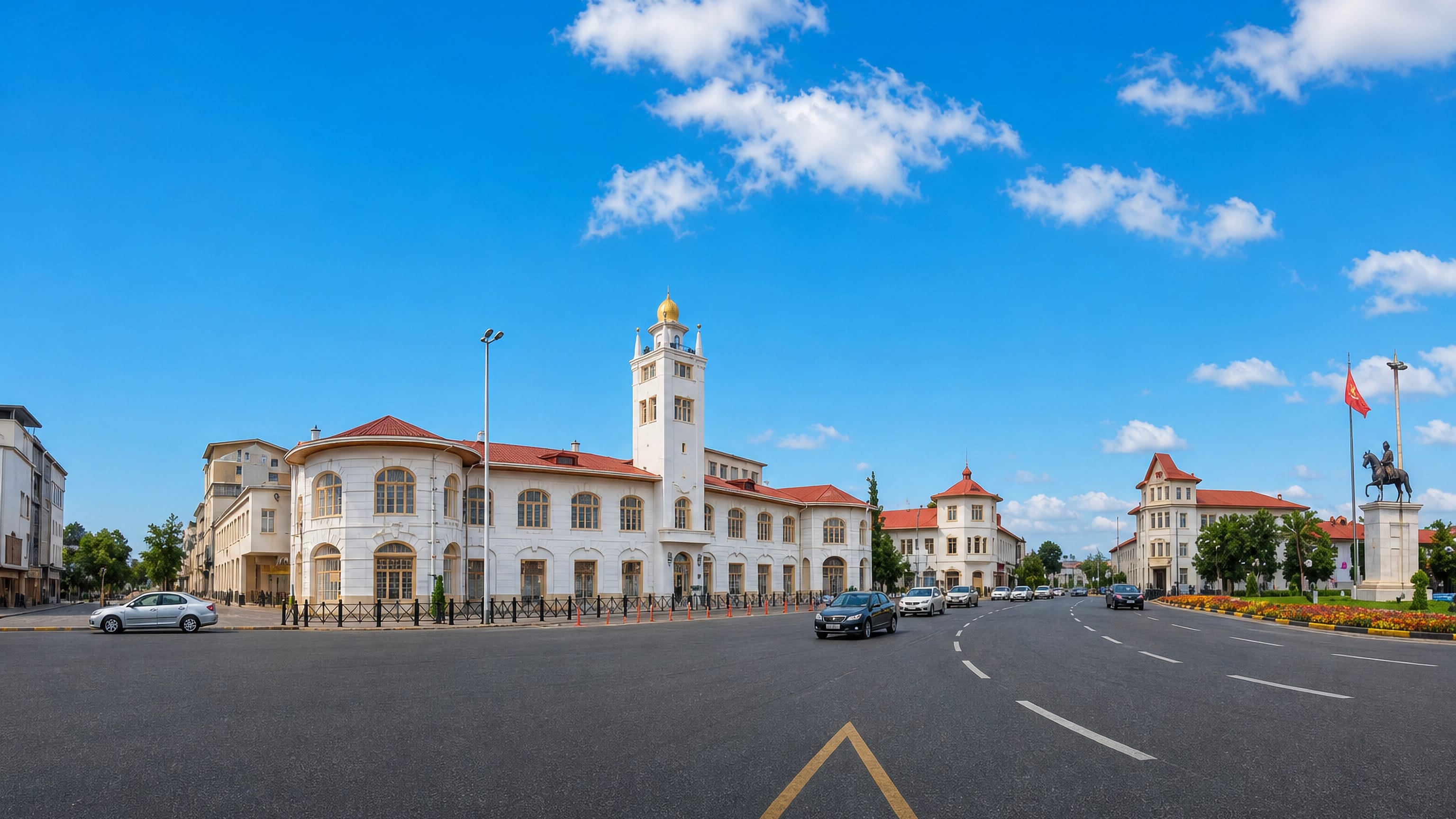
The great square is the heart of Rasht. The broad municipal square ringed with fine old buildings and a clock, where the city gathers under the rain, holds the centre of the town, the emblem of the city, in the middle. A covered bazaar lies nearby.
The old bazaar of rice, fish, and herbs fills the lanes with the smell of Gilan cooking, while the old mansions, the mausoleum of the forest leader, and the tea gardens mark the country around Rasht.
What is the history of Rasht?
Rasht grew as the port of the Caspian trade. On the road between the sea and the heart of Iran, it became the great market of Gilan, where the silk, rice, and fish of the coast were traded and carried inland. Russia and the sea shaped it.
For its trade with Russia across the Caspian, Rasht grew rich and worldly, gaining fine houses, a great square, and a taste for new ways from the north. The forests bred rebellion. In the troubled years of the last century a movement of forest fighters, the Jangalis under Mirza Kuchik Khan, rose in the woods of Gilan and held Rasht for a time against the powers of the day.
The rains kept the country green. Through it all the wet green land went on growing its rice and tea, and Rasht kept its bazaar, its square, and its famous kitchens as the market city of the Caspian coast. The rain still falls on the town.
Rasht keeps its food and its gardens on the Caspian plain.
Where is Rasht?
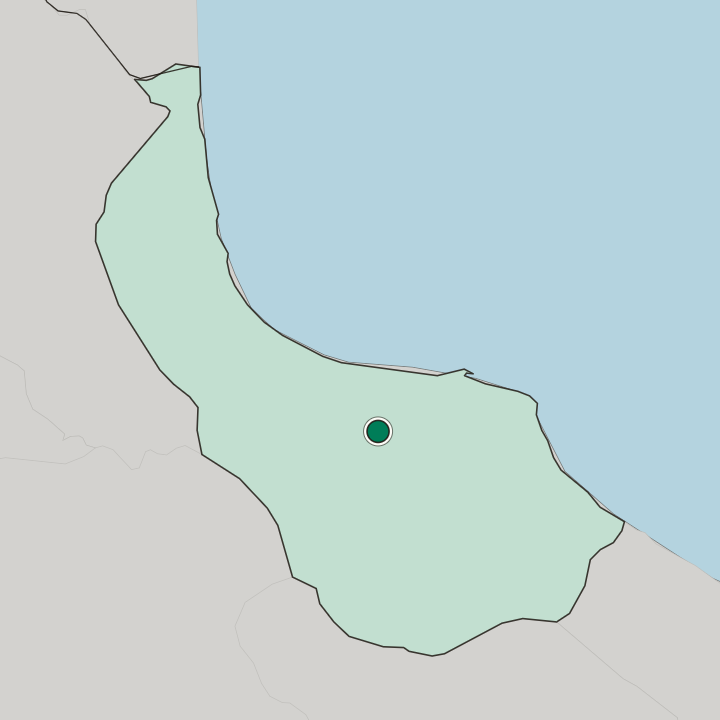
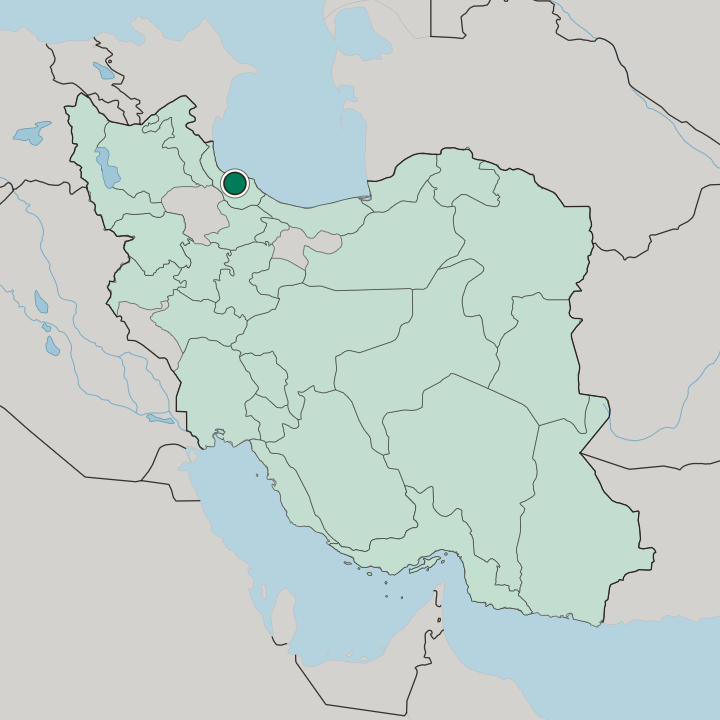
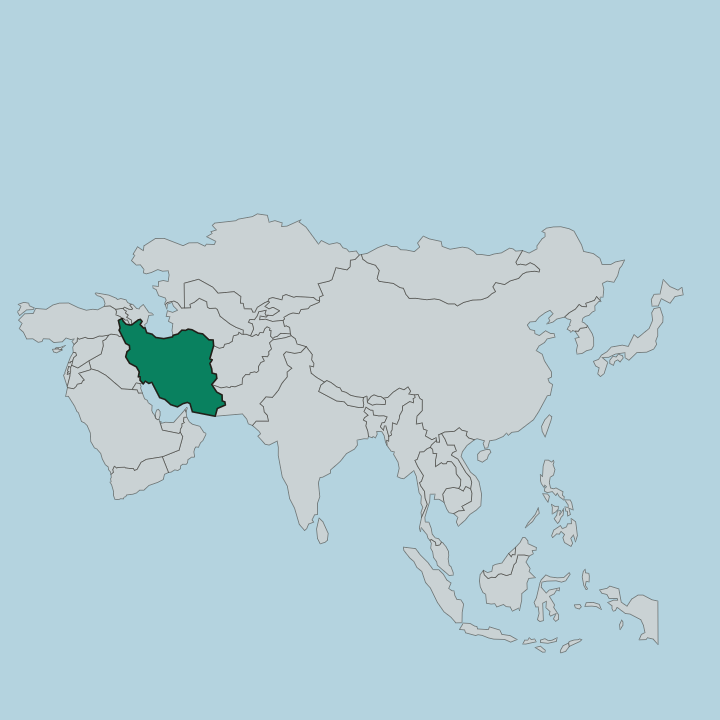
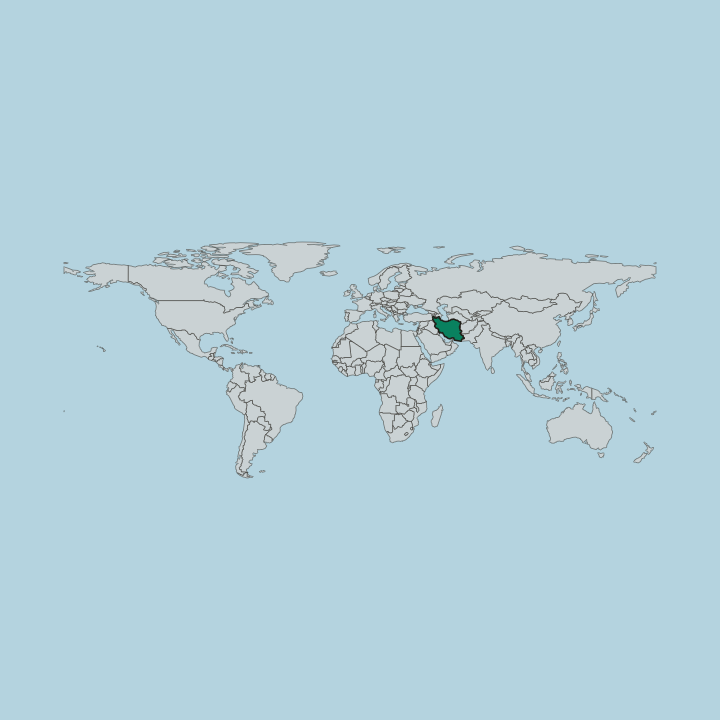
Rasht lies in the north of Iran, on the humid Caspian plain of Gilan below the Alborz mountains. The city sits on a flat green lowland a little back from the Caspian shore, where warm damp air off the sea keeps the country lush, with tea gardens, rice fields, and forest spreading around. Green paddy fills the plain.
Wooded hills rise to the south.
What is the climate of Rasht?
Rasht has a mild, wet subtropical climate. Warm damp weather holds much of the year on the coast, the rainiest in all Iran, with heavy rain in autumn and green mild winters. The rain keeps the plain green.
Mist hangs in the forest.
How do you get to Rasht?
Rasht lies on the Caspian plain of Gilan, on the road down from Tehran over the Alborz. Roads and buses run to it up from the capital through the mountains and along the coast, and a road runs out to the Caspian port. Lanes ring the great square.
Tehran lies south over the range.
Good for
More cities in Gilan Province
Updated September 2026