Iran · Golestan Province
Where to Stay in Gonbad-e Kāvūs, Golestan Province
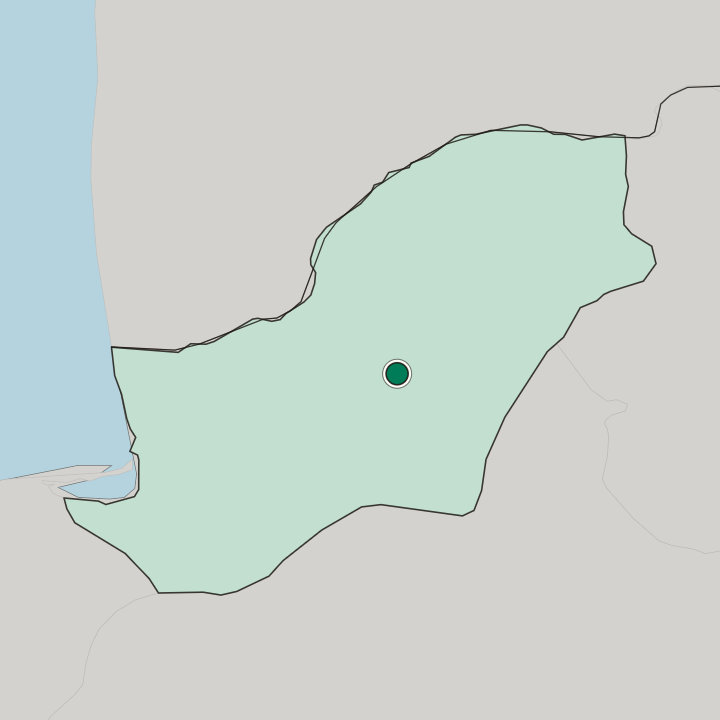
Gonbad-e Kāvūs is a city of Golestan province, Iran, county seat and namesake of the Gonbad-e Qabus monument.
Find your area →


Where to stay in Gonbad-e Kāvūs
Where the beds are, and what that means for the visit.
Rooms sort themselves by their distance from Gonbad-e Qabus. The monument is why most travellers are in Gonbad-e Kāvūs at all, and a bed within walking reach of it turns a stop into an evening and a morning at the same place, seen twice under different light. Plan for that.
Past its immediate circle, the city works as a county seat like others in Golestan province, with the offices of the Central District, the shops serving Gonbad-e Kavus County, and the traffic that both bring. The second consideration is the archaeology. Yarim Tepe, Gabri Castle, and the mound listed as تپه دباتا sit in the country around rather than on the city's streets, so a traveller working through them wants parking and an easy exit more than a view of the monument.
Distances run county-scale. Anyone hoping to add محوطه دلگشا to the same day should treat Gonbad-e Kāvūs as a base and accept some driving between sites, because the register spreads them across the district instead of gathering them into one quarter. Bed stock stays modest.
Booking the night before arriving is the sensible course, particularly when the county has business of its own and the few rooms near Gonbad-e Qabus fill with it.
About Gonbad-e Kāvūs
One monument carries the city.
What is Gonbad-e Kāvūs known for?
Gonbad-e Qabus stands at the head of everything written about Gonbad-e Kāvūs, and around it the record adds Yarim Tepe and Gabri Castle, sites that place the county's past well before its present streets. The name is shared. Whatever else the Central District of Gonbad-e Kavus County administers, travellers come with the monument in mind, and the other listed sites of Golestan province are read against it.
What are the main landmarks in Gonbad-e Kāvūs?
Gonbad-e Qabus comes first, and everything else in Gonbad-e Kavus County is measured against it, from the earthworks of Yarim Tepe to the walls recorded as Gabri Castle. Two further entries fill out the register. The sites logged as محوطه دلگشا and تپه دباتا carry no fame beyond the county, yet they mark the same ground that the monument presides over.
Together they make a short list. Gonbad-e Kāvūs asks for a day rather than a week.
What is the history of Gonbad-e Kāvūs?
The monument outranks the paperwork. No founding year is attached to Gonbad-e Kāvūs in the record, and the deepest evidence of settlement here is not a charter but a set of sites, Yarim Tepe and تپه دباتا among them, whose mounds were raised long before any county was drawn on a map. Ground like that accumulates.
Gabri Castle adds walls to the same story, and محوطه دلگشا adds a listed enclosure, so the country around the modern city reads as occupied ground rather than as new ground. Sources also spell the city Gonbad-e Kabus. Gonbad-e Qabus fixed the place in the wider account.
The monument that shares its name with the city is the entry every source leads with, and its presence is the reason Gonbad-e Kāvūs appears in registers that ignore towns of similar size across Golestan province. Governing this ground came afterwards. The city holds the seat of Gonbad-e Kavus County and, within it, the seat of the Central District, which is how an old site with a famous monument turned into the working centre of a modern district.
Nothing in the record marks a destruction or a refounding, and the pattern that emerges is one of continuity, with the monument standing through whatever the county's offices were called at the time.
Where is Gonbad-e Kāvūs?
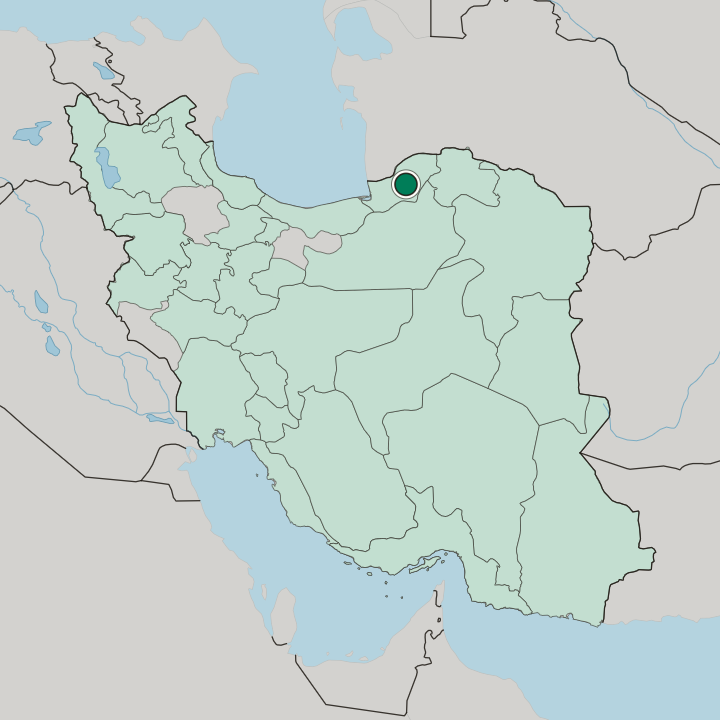
Golestan province supplies the frame, and Gonbad-e Kāvūs occupies the part of it that Gonbad-e Kavus County was drawn around, with the Central District taking the ground immediately about the city. Open country begins quickly. Yarim Tepe, Gabri Castle, and تپه دباتا all lie out in that country rather than within the built-up streets, which tells a visitor how quickly the city gives way.
The scale is a district, not a metropolis.
What is the climate of Gonbad-e Kāvūs?
Seasons decide the visit. Gonbad-e Kāvūs lies in the temperate band, so the year splits into a warm half and a cool one, and the difference matters far more out on the ground at Yarim Tepe than it does among the streets of the city. Midday is the constraint.
Walking the sites of Gonbad-e Kavus County in the warm months rewards an early start, while the cool months make the same ground easy and leave the light on Gonbad-e Qabus low and long.
How do you get to Gonbad-e Kāvūs?
Arrival comes over the Golestan plain by road, with no other way in. Gonbad-e Kāvūs is the seat of Gonbad-e Kavus County, so the routes that serve the villages of the Central District run into the city instead of around it, and a traveller crossing Golestan province will find it a natural halt. Gonbad-e Qabus is the aiming point.
Drivers heading on to Yarim Tepe or Gabri Castle leave the city again, since neither site sits on the way in.
More cities in Golestan Province
Updated September 2026