Iran
Golestan Province, Iran — Towns & Travel Guide
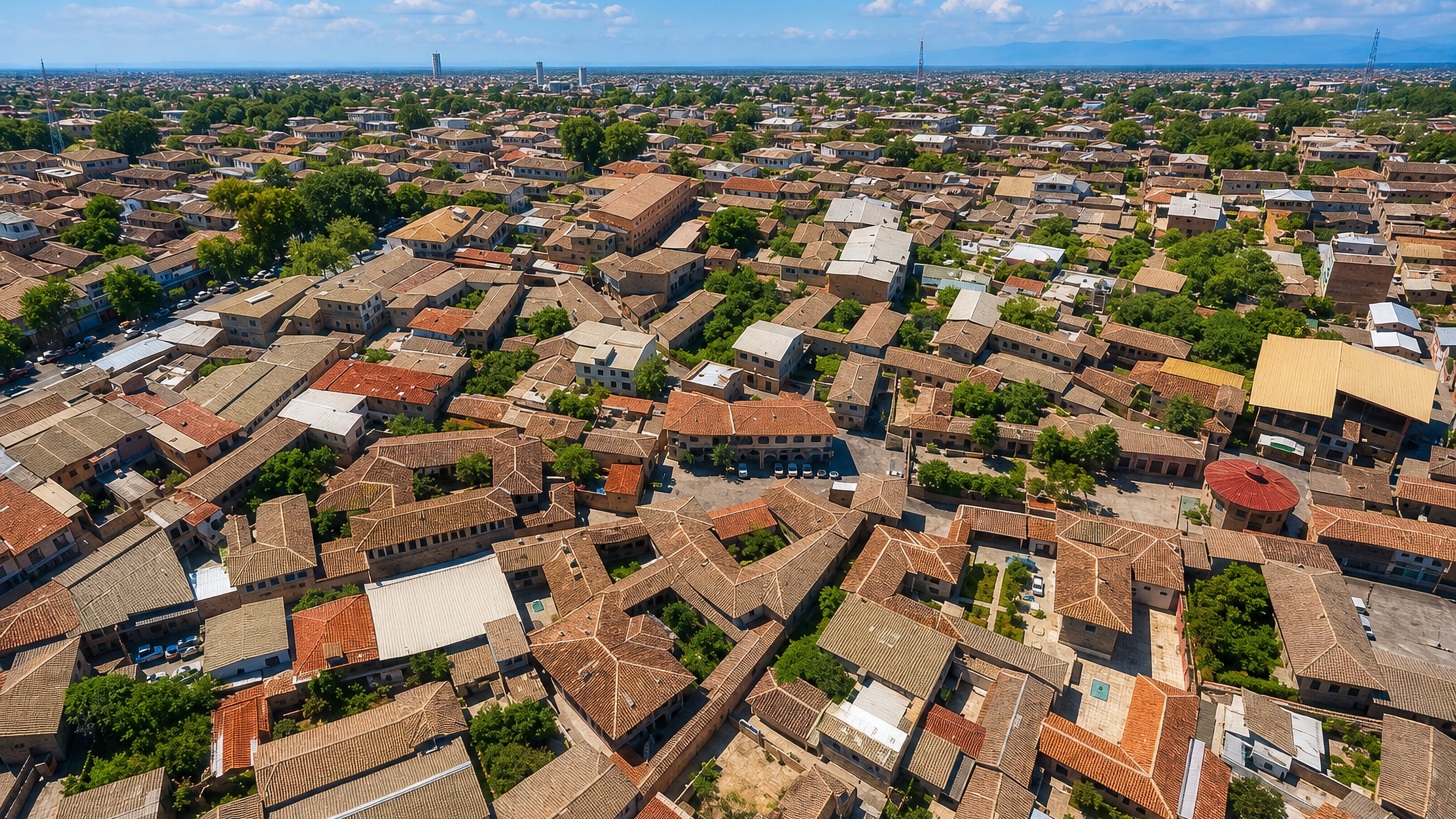
Golestan Province lines northeastern Iran between the Caspian Sea and the Turkmen plains, its capital Gorgan under the Hyrcanian forests.
Find your area →


Towns & cities in Golestan Province
Pick a town or city — each links to where to stay.

 Iran
Iran
Gorgān
Gorgān is the capital of Golestan province in northern Iran, an old town between the Caspian forests and the Turkmen steppe.Where to stay →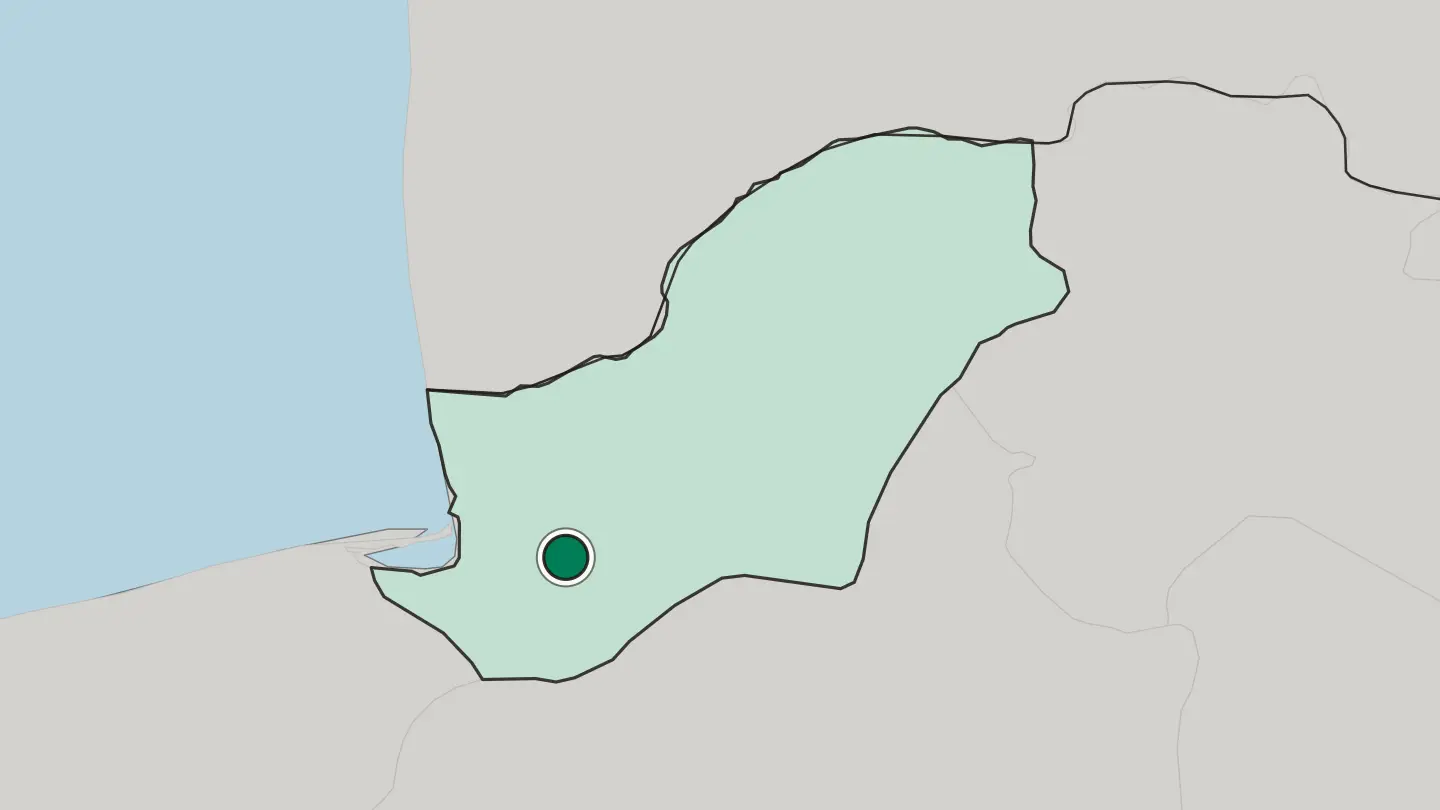 Iran
Iran
Gonbad-e Kāvūs
Gonbad-e Kāvūs is a city of Golestan province, Iran, county seat and namesake of the Gonbad-e Qabus monument.Where to stay →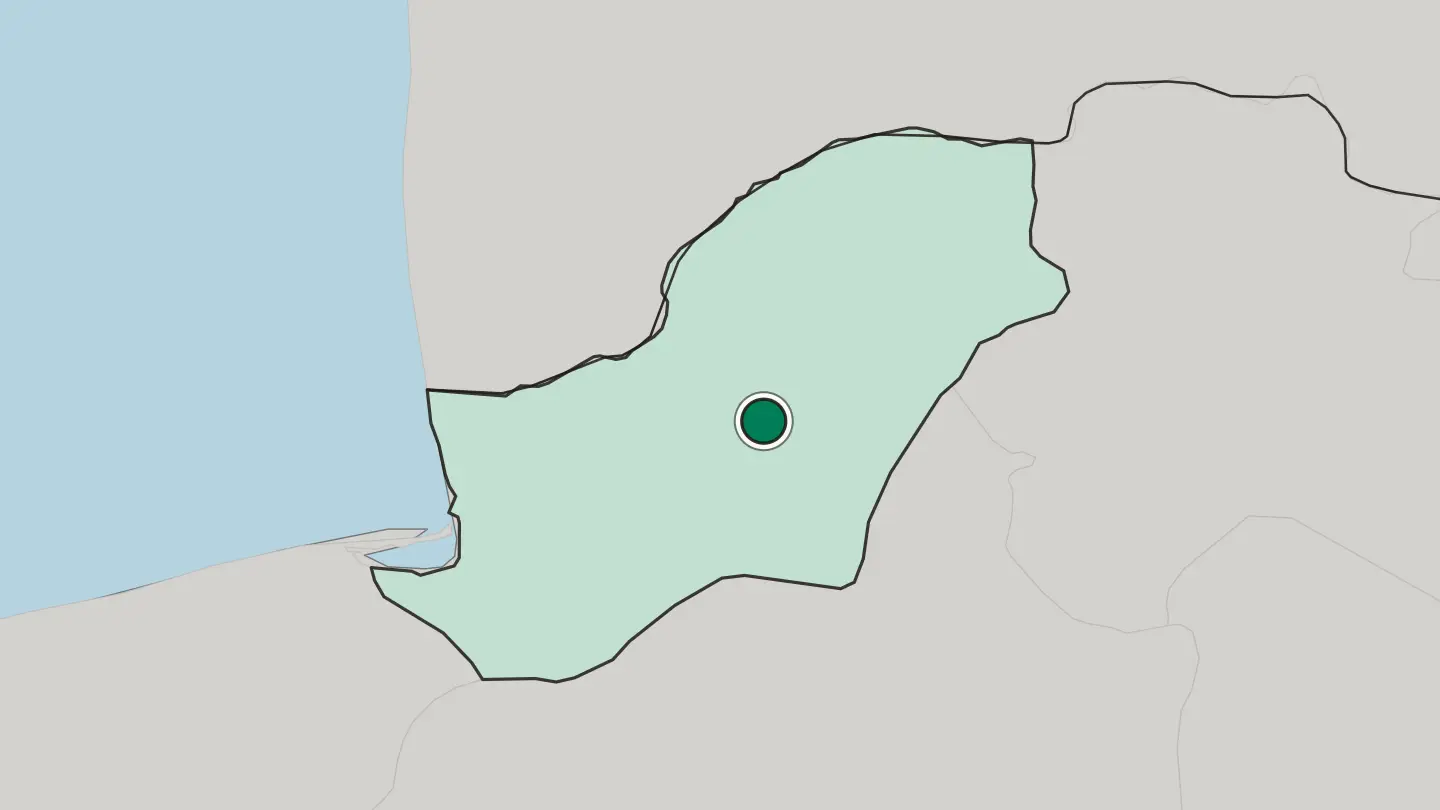
 Iran
Iran
Bandar-e Torkaman
Bandar-e Torkaman is a Caspian-shore town in Golestan province, Iran, and the seat of Torkaman County and its Central District.Where to stay →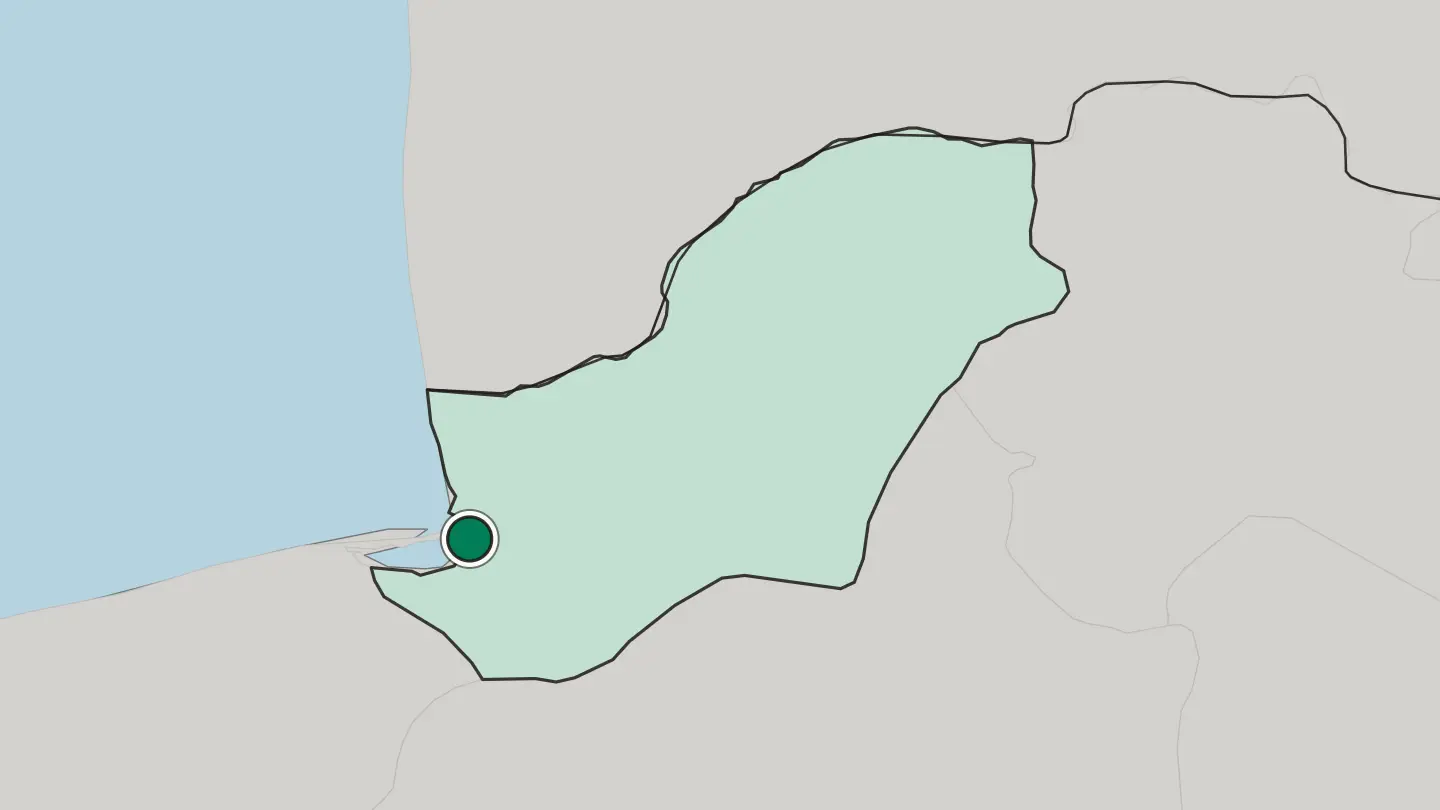 Iran
Iran
'Alī Ābād-e Katūl
'Alī Ābād-e Katūl sits on an Alborz Mountains hillside between Gorgan and Azad Shahr, county capital and nearest town to the Kaboud-val waterfall.Where to stay →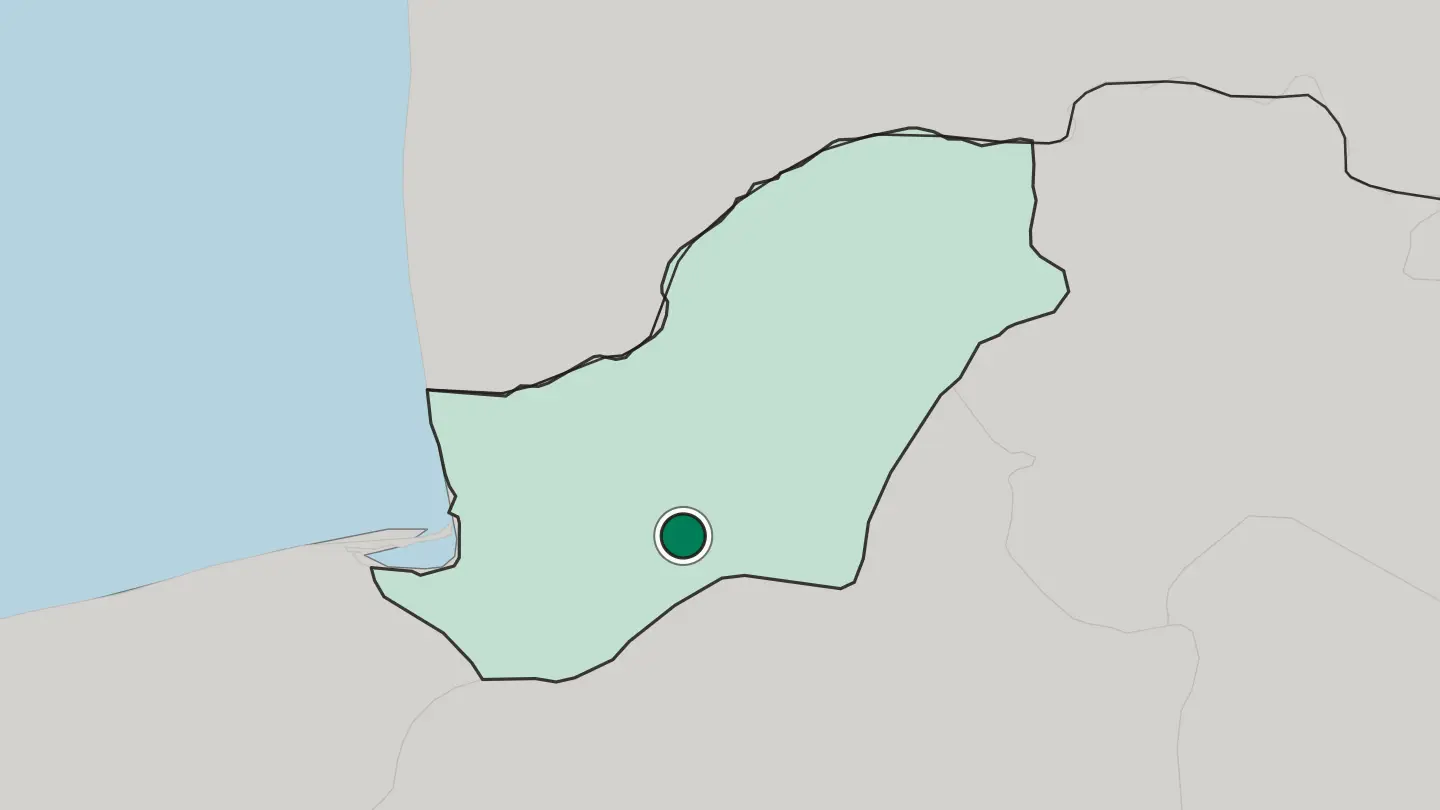
About Golestan Province
Two landscapes define the province.
What is Golestan Province known for?
Along the Caspian coast and the foothills, the Hyrcanian forests climb the northern face of the Alborz, an ancient broadleaf woodland that UNESCO added to its World Heritage List in 2019. North of them open the Turkmen plains, flat grazing country running to the Turkmenistan border. Gorgan, the capital, sits between the two.
Gonbad-e Kavus holds the tallest brick tower on earth, the millennium-old Gonbad-e Qabus. Green mountains, open steppe, and a Caspian shore, Golestan packs them into one province.
Where is Golestan Province?
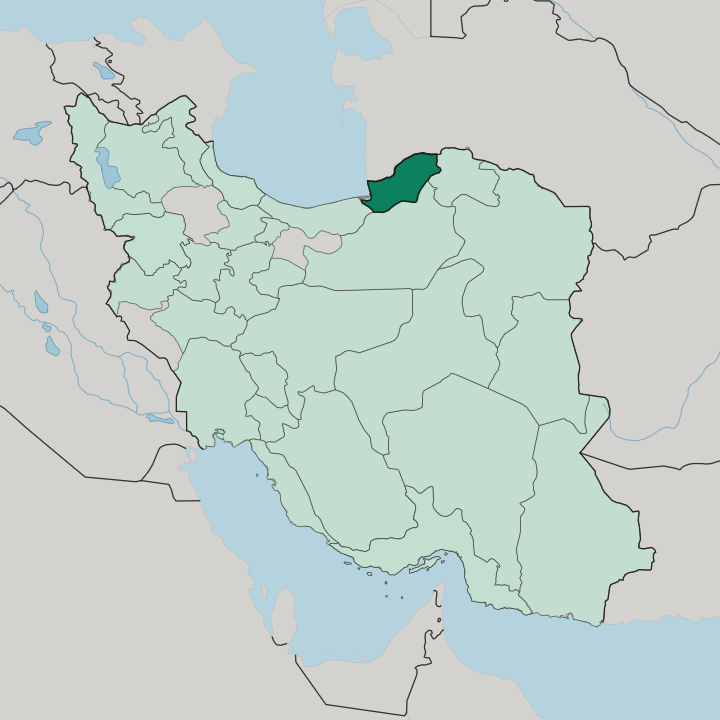
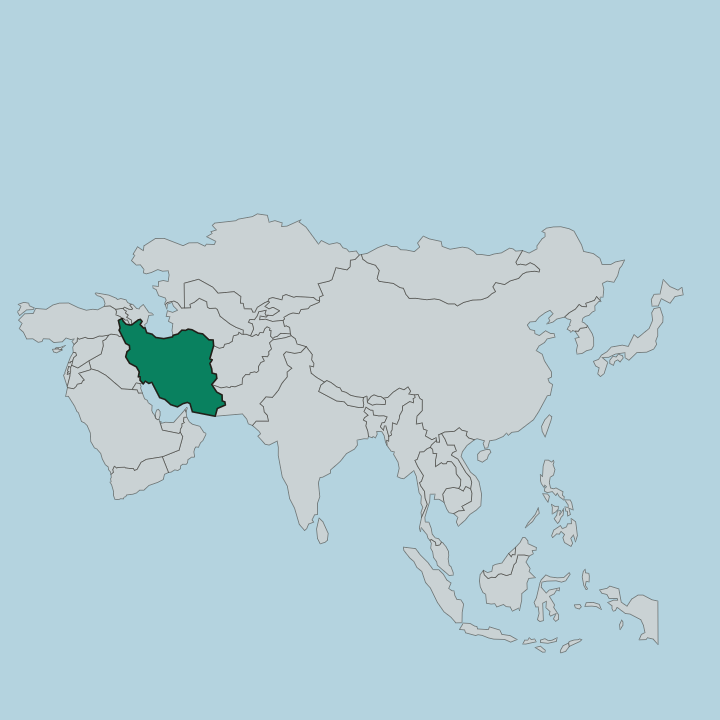
Golestan occupies the northeastern corner of Iran, wrapped around the southeastern shore of the Caspian Sea. The province is a small one. The province was carved out of Mazandaran in 1997, taking the land east of it as far as the Turkmenistan border in the north.
Two grains of country run side by side here: the wall of the Alborz mountains rising in the south, and the flat Turkmen plains, the Turkmen Sahra, spreading north from their foot toward the frontier. The highest ridges of that eastern Alborz climb toward the clouds before the range loses height and dies away eastward. Below those peaks, water does the shaping across Golestan.
The Gorganrud, the province's main river, gathers in the eastern hills and winds west across the plain to reach the Caspian. As the streams empty into the sea, the coast softens into the shallow lagoon of Gorgan Bay, screened from open water by a long sandy spit. Off that shore lies Ashuradeh, the only Iranian island in the Caspian.
Gorgan, the capital, stands inland at the seam of forest and steppe, a short drive from the water. From the beaches it is only a couple of hours up into snow.
What is Golestan Province like?
Golestan is one of Iran's most mixed provinces. Persians hold the forested south and the towns; the Turkmen, settled here since the fifteenth century, hold the northern plains, and pockets of Baloch, Sistani, and Kazakh families live among them. Persian is the shared language, but Turkmen is spoken across the Turkmen Sahra, and the two ways of life sit close together.
In Gonbad-e Kavus the Turkmen keep the old passions alive, breeding fine horses and racing them at the town track. Carpet-weaving is theirs too. Faith and craft leave marks on the land.
The brick tower of Gonbad-e Qabus, a burial monument raised in 1006, still dominates its skyline a thousand years on. Up in the northern hills near Kalaleh, the Khalid Nabi cemetery scatters hundreds of strange carved gravestones across bare grassland. Down in the towns, weekly Turkmen bazaars sell felt, silver, and the province's cotton and wheat.
The forested south keeps a different rhythm, its Ziyarat and Naharkhoran valleys full of teahouses and weekend walkers from Gorgan. Food leans on the Caspian, built from rice, herbs and smoked whitefish. It is a border culture, and it shows.
What is the history of Golestan Province?
This corner was ancient Hyrcania, the land of wolves, a frontier the Achaemenid, Parthian, and Sassanian empires all fought to hold. Its greatest relic is the Great Wall of Gorgan, a brick rampart of the fifth and sixth centuries that ran some 195 km across the plain, guarded by more than 30 forts against the Huns and Turks of the steppe. The capital carried the name Esterabad until 1937, when it became Gorgan.
Golestan itself is young. It split from Mazandaran to become a province in its own right in 1997.
What is the climate of Golestan Province?
The land sorts the weather. The Caspian coast and the Hyrcanian forests stay humid and green, wrung wet by moist sea air trapped against the Alborz, with warm sticky summers and mild winters. Move north onto the Turkmen Sahra and the rain thins fast; the open steppe is semi-arid, hotter in summer and colder in winter than the sheltered coast.
Gorgan, in the foothills, keeps a milder, wetter middle ground. Rain can arrive hard here, and the province has seen serious flash floods.
How do you get to Golestan Province?
Most travellers reach Golestan overland or by a short flight. Gorgan Airport links the capital to Tehran and Mashhad, a quick hop over the mountains. By road it is a long haul east from Tehran, climbing across the Alborz and dropping to the Caspian plain, or a shorter run east along the coast from Mazandaran.
Trains reach Gorgan and Bandar Torkaman too, and the line pushes on north to the Incheh Borun crossing into Turkmenistan. Once there, roads tie the towns together.
Common questions
What is the best area to stay in Golestan Province?
Gorgan: a green capital base below the Alborz. Gonbad-e Kavus: the Turkmen steppe and the Gonbad-e Qabus tower.
Good for
More regions in Iran
Updated September 2026