Iran · Golestan Province
Where to Stay in Gorgān, Golestan Province
Gorgān is the capital of Golestan province in northern Iran, an old town between the Caspian forests and the Turkmen steppe.
Find your area →


Where to stay in Gorgān
Where visitors usually base themselves, and why.
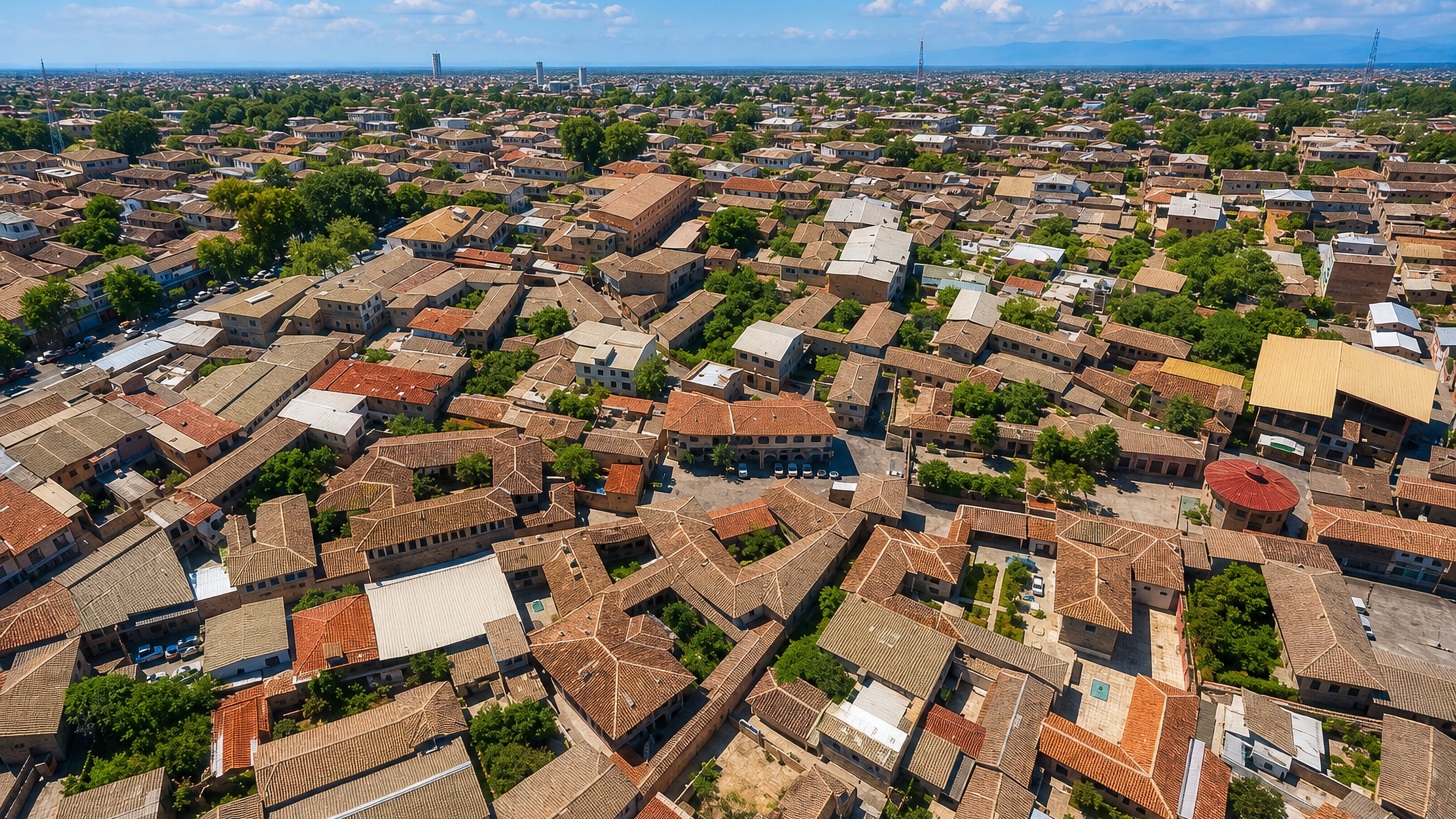
In Gorgān the choice of base falls between the heritage quarter and the wooded hills above. The lanes around the heritage quarter keep the mosques, the bazaar, and the old houses within a walk, and staying in the centre suits anyone here for the old city. The covered lanes stay cool.
Rooms sit near the bazaar. Out toward Naharkhoran and the hills, the town climbs into the forest. A room up the hill trades the old town for the woods, the tea houses, and the cool air of the slopes.
The green forest rises past the edge. If you want the bazaar and the houses, stay in the centre; if you want the woods, take a room on the hill. Both bases leave the heritage quarter a short trip away.
Things to do in Gorgān
Ranked by global recognition; descriptions from Wikidata (CC0).
Museums & Galleries
1- Gorgan Special Palace Heritage
Castles & Historic Sites
5- Agha Mohammad Khan Palace Heritage
- Bagheri House Heritage
- سردر ورودی پادگان Heritage
- Heritage district of Gorgan Heritage
- Fatemi House Heritage
Landmarks & Notable Places
7- خانه میرشهیدی Heritage
- خانه مفیدیان Heritage
- خانه شیرنگی Heritage
- خانه دارویی Heritage
- Handicrafts Museum of Gorgan Heritage
Show 2 more →
- خانه خراسانی Heritage
- خانه کبیر Heritage
worth knowingacross 3 categories in Gorgān
About Gorgān
Gorgān is the old town of the Caspian corner.
What is Gorgān known for?
Between the wooded Alborz and the Turkmen plains, it was the ancient Astarabad, and it keeps a heritage quarter of brick-and-timber houses and covered lanes below the green forest of Naharkhoran, while out on the plain the great ancient wall still marks the old frontier. The forests rise to the south. Old town and wall mark the city.
What are the main landmarks in Gorgān?
The old quarter is the heart of Gorgān. Its lanes of brick-and-timber houses, mosques, and old schools wind below the wooded hills, the emblem of the city, kept from the past. A great wall crosses the plain.
The ancient Gorgan Wall, the Red Snake, runs for miles north of the town, while the Naharkhoran forest and the old bazaar mark the country around Gorgān.
What is the history of Gorgān?
Gorgān is one of the old towns of the north. In ancient days this corner by the Caspian was Hyrcania, a rich land of forests and grain, and across its plain the Persians raised a great wall of brick, longer than any but the wall of China, to hold back the horsemen of the steppe. The wall still runs across the plain.
Its ruined line, the Red Snake, marks the old frontier of empire north of the town. Under later kings the town was Astarabad. It grew as a walled market of the Caspian country, trading in silk, grain, and timber, and for a time a shah of Persia rose from here to take the throne.
Its old quarter kept its ways. Behind high walls the houses of brick and wood, the mosques, and the covered lanes stayed much as they were for centuries. The heritage quarter still stands in the town.
Gorgān keeps its old town and its forests by the Caspian.
Where is Gorgān?
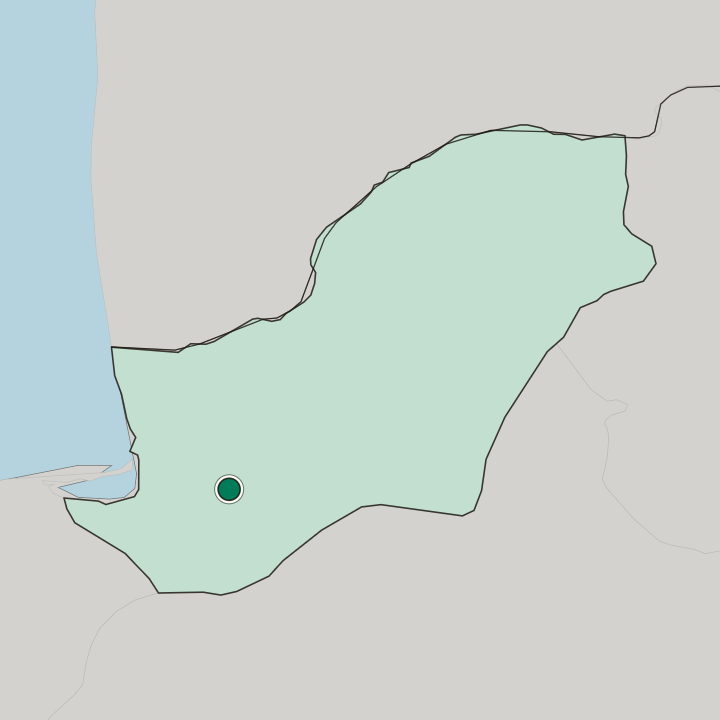
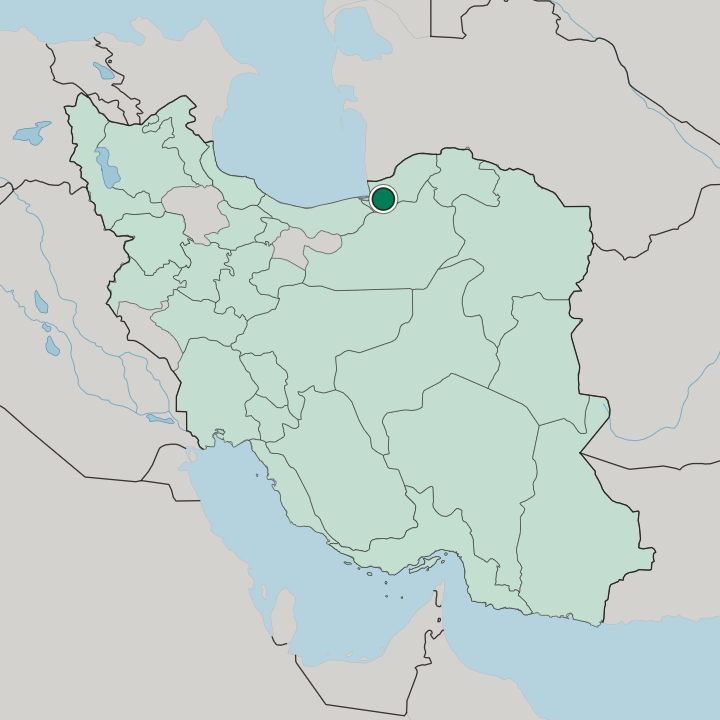
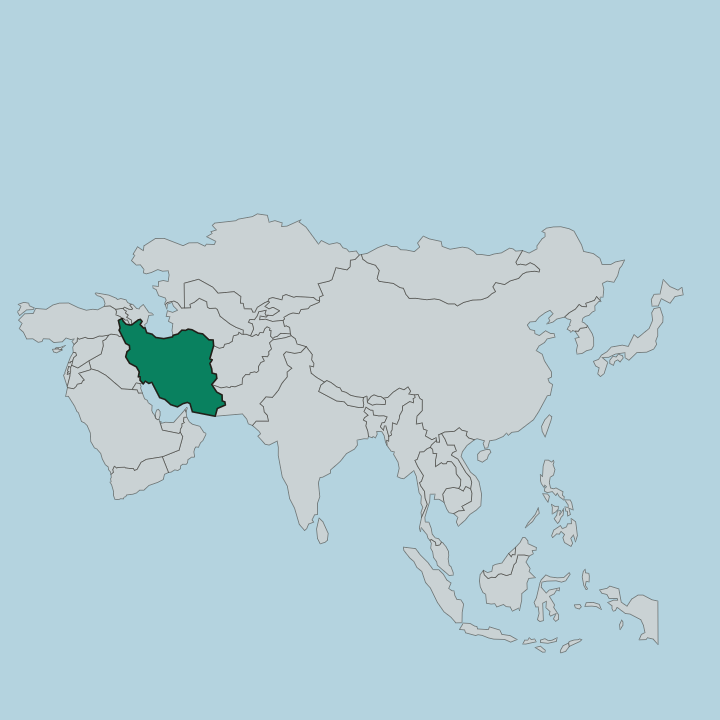
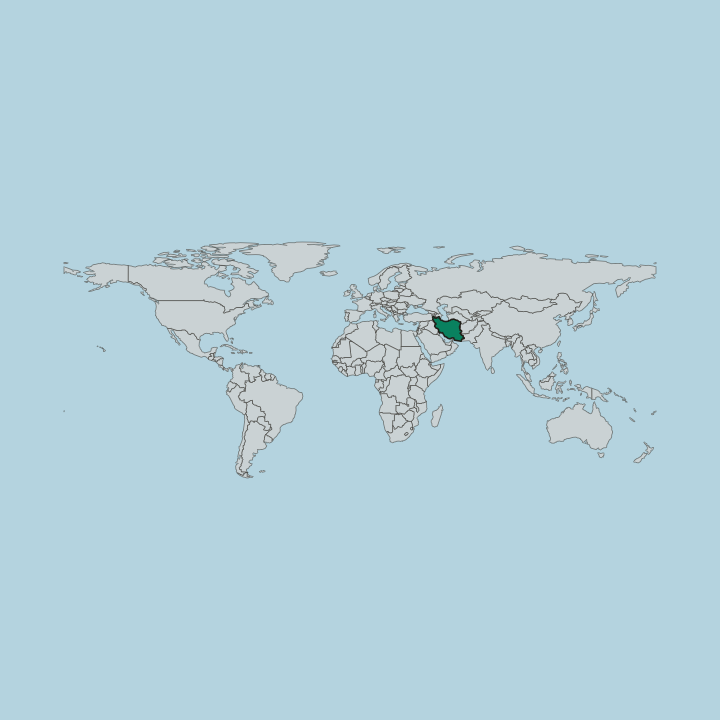
Gorgān lies at the foot of the Alborz mountains in northern Iran, near the Caspian Sea. The city sits where the wooded hills meet the plain, in a warm and humid corner of the land, south of the Turkmen steppe and east of the sea. Green forests climb to the south.
The plain runs north to the steppe.
What is the climate of Gorgān?
Gorgān has a warm, humid climate. Hot, muggy summers hang over the plain, and mild wet winters bring rain from the sea, so the hills stay green through much of the year, unlike the dry heart of the land. Mist clings to the forest in the morning.
The wooded slopes stay green in winter.
How do you get to Gorgān?
Gorgān lies in northern Iran, near the Caspian Sea and the Turkmen border. Roads and rail run to it from Tehran over the Alborz and along the Caspian shore, and roads reach north to the Turkmen steppe. Bus services run out to the towns of the Gorgān plain.
Most arrive by road from Tehran.
Good for
More cities in Golestan Province
Updated September 2026