Iran · Hamadan Province
Where to Stay in Hamadān, Hamadan Province
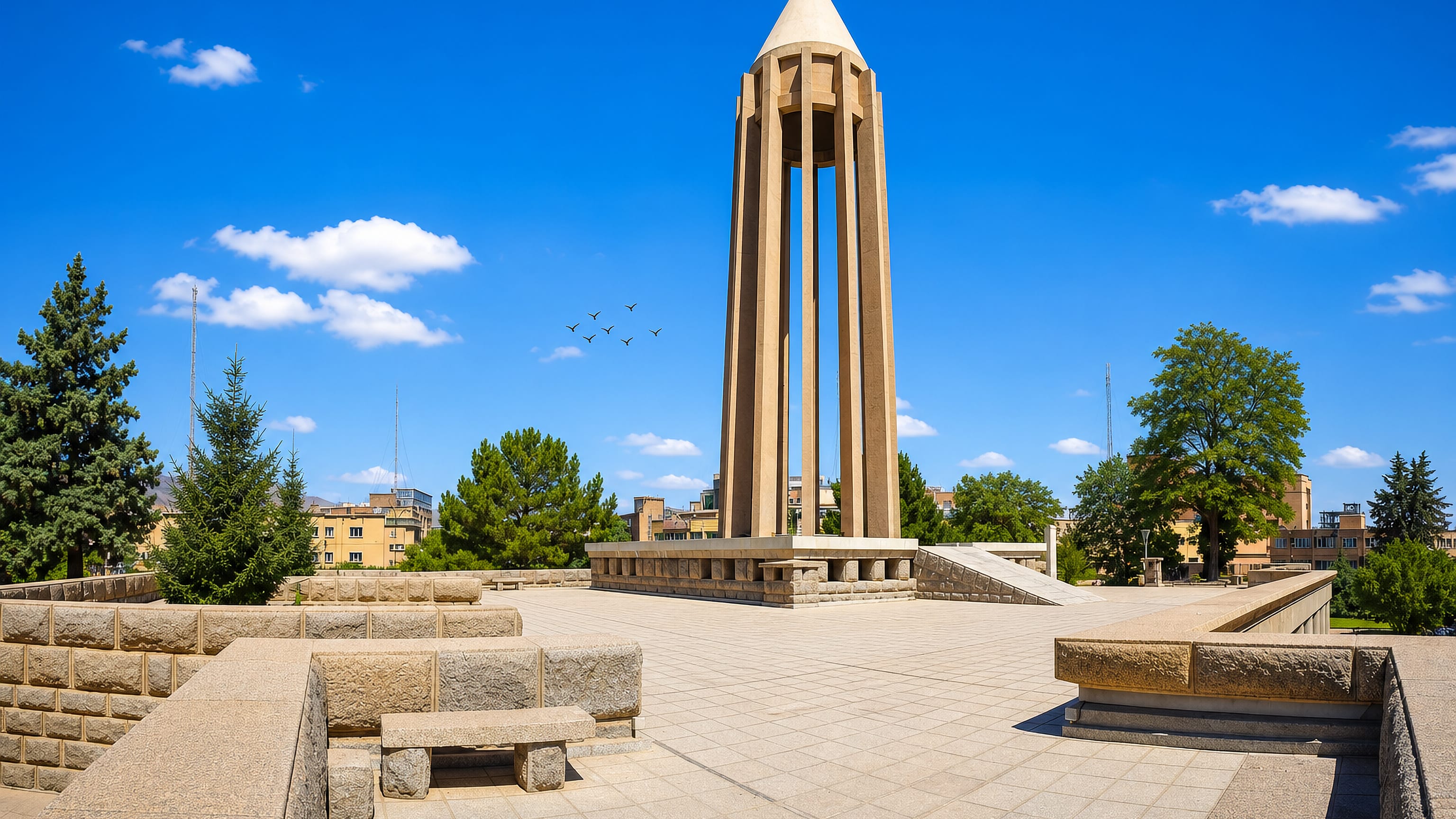
Stone terraces of ancient Ecbatana rise above Hamadān, a mountain city in western Iran and capital of Hamadan Province, known for the Avicenna Mausoleum.
Find your area →


Where to stay in Hamadān
Where visitors usually base themselves, and why.
Hamadān spreads outward from a broad central plaza, and the streets radiating from it hold most places to stay. The core around the Avicenna Mausoleum puts you within walking reach of the excavated Ecbatana mound and the Hegmataneh museum. Rooms here suit a first visit.
Farther out, the quarter below the Baba Taher Mausoleum sits on rising ground toward the Alvand slopes, quieter and greener than the centre, and better if you want an early start toward the mountain trails that ring the western edge of the city. The old bazaar district, near the Qorban Tower and the Saint Mary Church, keeps the tighter lanes and covered arcades of the merchant town. Staying there places you among the workshops and teahouses, a short walk from the Imamzadeh Hadi shrine.
It rewards travellers who want the working city rather than the monument circuit.
Things to do in Hamadān
Ranked by global recognition; descriptions from Wikidata (CC0).
Museums & Galleries
3- Hamedan Museum of Natural History
- Hegmataneh museum
- Holy Defense Museum (Hamadan)
Churches & Religious Sites
2- Saint Mary Church (Hamadan) Heritage
- Saint Stephen and Gregory the Illuminator Church (Hamadan) Heritage
Castles & Historic Sites
5- Ecbatana UNESCO
- Avicenna Mausoleum Heritage
- Baba Taher Mausoleum Heritage
- Qorban Tower Heritage
- Imamzadeh Hadi (Hamadan) Heritage
worth knowingacross 3 categories in Hamadān
About Hamadān
What is Hamadān known for?
Hamadān counts among the oldest continuously settled cities in Iran, built directly over the ancient Median capital of Ecbatana whose mound still shapes the ground beneath the modern grid. The Hegmataneh museum guards that excavation. Above the streets stand the Avicenna Mausoleum and the Baba Taher Mausoleum, two monuments to the physician and the poet tied to this place.
Its depth of settlement won Ecbatana a UNESCO listing. Few cities reach so far back.
What are the main landmarks in Hamadān?
Hamadān gathers its landmarks around Ecbatana, the excavated Median capital lying beneath the modern grid. The Avicenna Mausoleum rises nearby. A tall spindle-form tower over the physician-philosopher's tomb, it stands close to the Baba Taher Mausoleum, which marks the poet's resting place on the slope above the plaza.
The stone Qorban Tower and the brick Hegmataneh museum sit among them, while the Saint Mary Church anchors the old Armenian quarter of the city.
What is the history of Hamadān?
Hamadān grew from Ecbatana, the capital the Medes raised on this mountain plain and one of the oldest settled sites in Iran. It began as a citadel. The city served as a summer seat under the empires that followed, its terraced fortress commanding the routes through the western passes toward the interior.
Successive rulers built and rebuilt on the same ground. That long occupation buried older streets beneath the living town, the layers now traced at the Hegmataneh museum and across the Ecbatana excavation. The classical age left its most lasting marks in stone.
The Avicenna Mausoleum honours the physician whose work carried the name of this region across the medieval world, and the Baba Taher Mausoleum keeps the memory of a poet who wrote in the local dialect. Christian communities raised the Saint Mary Church and the church of Saint Stephen, giving the old quarters their distinct character. The listing of Ecbatana as a UNESCO World Heritage Site set that depth on the record.
The thread runs unbroken.
Where is Hamadān?
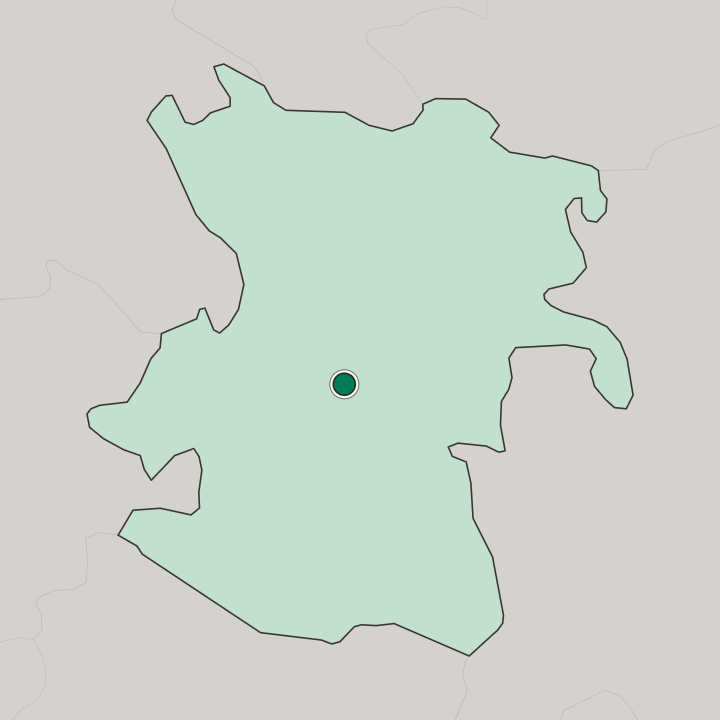
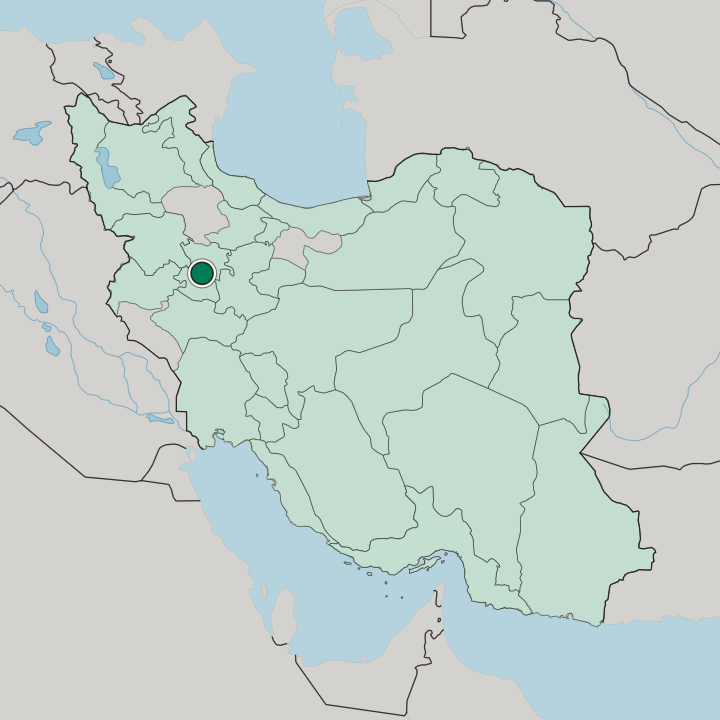
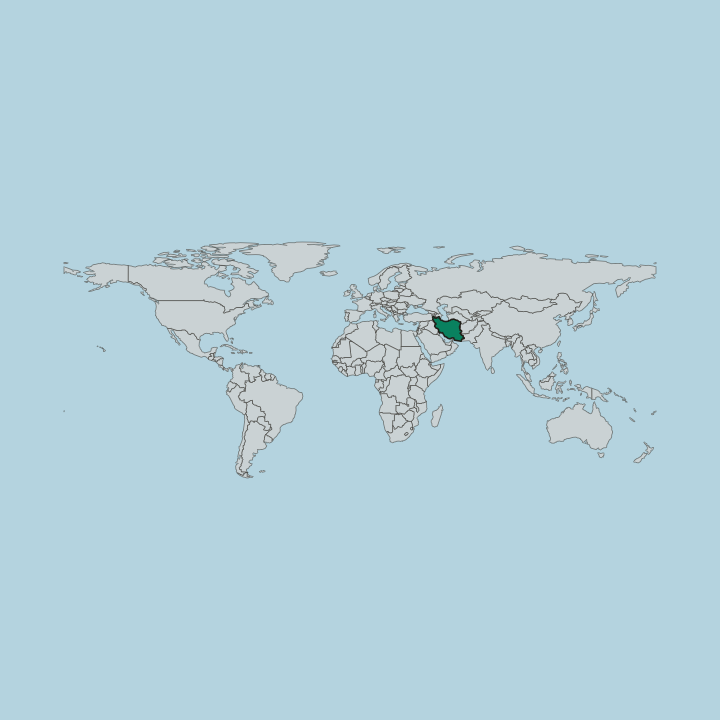
Hamadān sits on a high plain in western Iran, at the foot of the Alvand massif whose slopes rise sharply to the south. The city is the capital of Hamadan Province, set among the folded ranges of the Zagros where passes carry the old roads east toward the interior. Snowmelt from Alvand feeds the streams that cross the plain.
Its elevation gives the town cold, clear air well above the lowlands.
What is the climate of Hamadān?
Hamadān has a cold semi-arid mountain climate shaped by its height on the Alvand plain. Winters are long and severe, with heavy snow settling on the city and the surrounding Zagros ridges. Summers turn warm and dry.
Spring brings the meltwater and the brief green that follows it across the western plain before the dry season returns.
How do you get to Hamadān?
Hamadān is reached by the roads that thread the passes of western Iran, linking the city across the Zagros to the interior and the western border regions. A small airport serves the provincial capital with domestic flights. Bus lines run to the larger cities from the central terminal.
The mountain approaches can slow winter travel when snow closes the higher stretches toward Alvand.
Good for
More cities in Hamadan Province
Updated September 2026