Iran
Hamadan Province, Iran — Towns & Travel Guide
Hamadan Province spans the eastern Zagros of western Iran, built around Ecbatana, the ancient Median capital below Mount Alvand.
Find your area →


Towns & cities in Hamadan Province
Pick a town or city — each links to where to stay.
 Iran
Iran
Hamadān
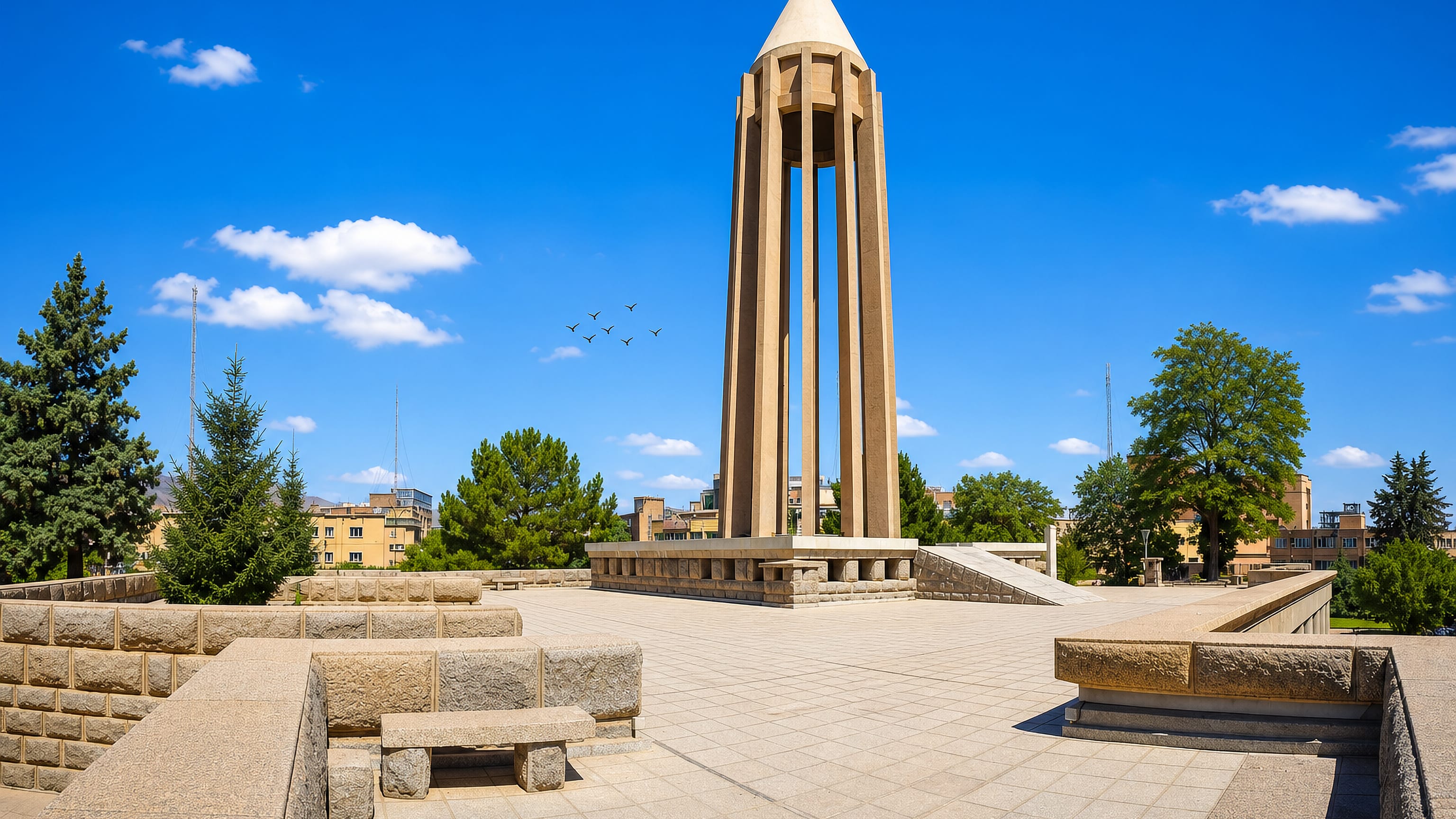
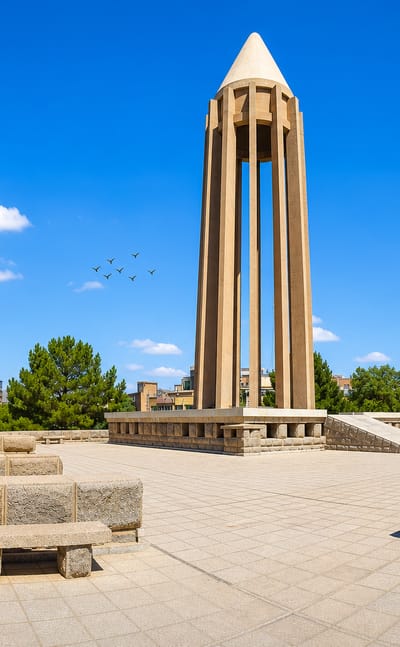
Stone terraces of ancient Ecbatana rise above Hamadān, a mountain city in western Iran and capital of Hamadan Province, known for the Avicenna Mausoleum.Where to stay →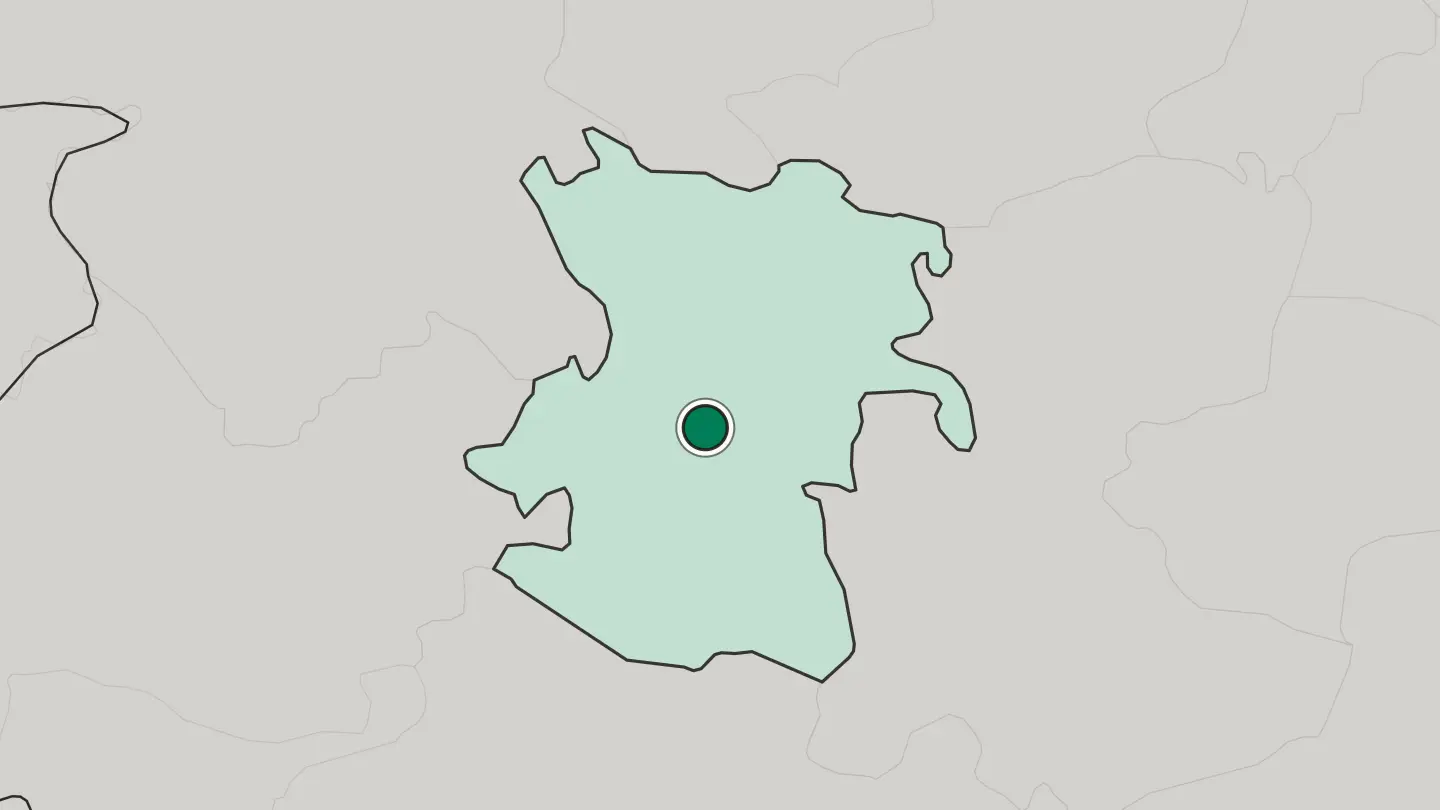 Iran
Iran
Malāyer
Malāyer heads Malayer County from the Central District of Hamadan province, with Noushijan Tappe and four listed mosques on its register.Where to stay →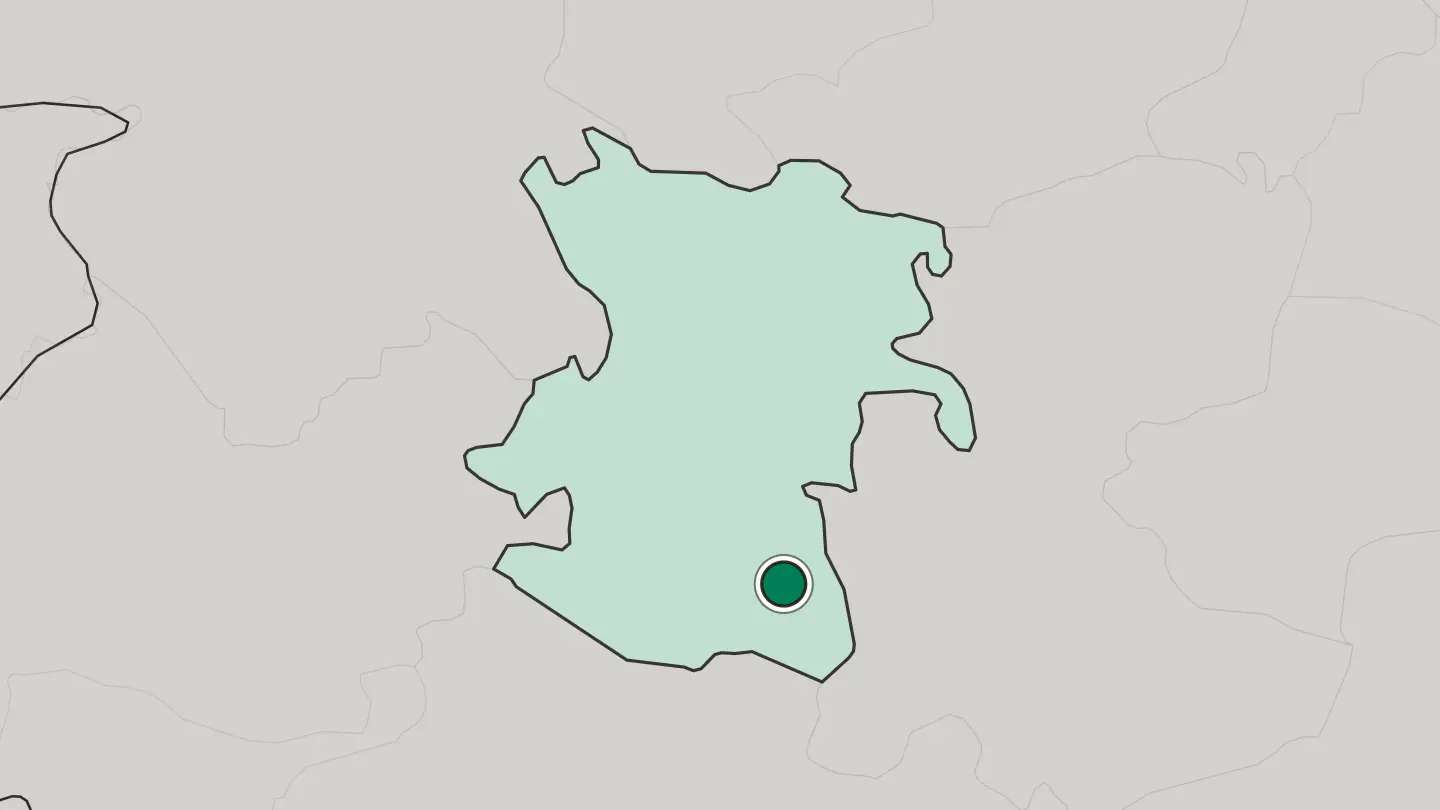 Iran
Iran
Nahāvand
Nahāvand runs Nahavand County south of the city of Hamadan and west of Malayer, with the Nahavand Friday Mosque at the head of its list.Where to stay →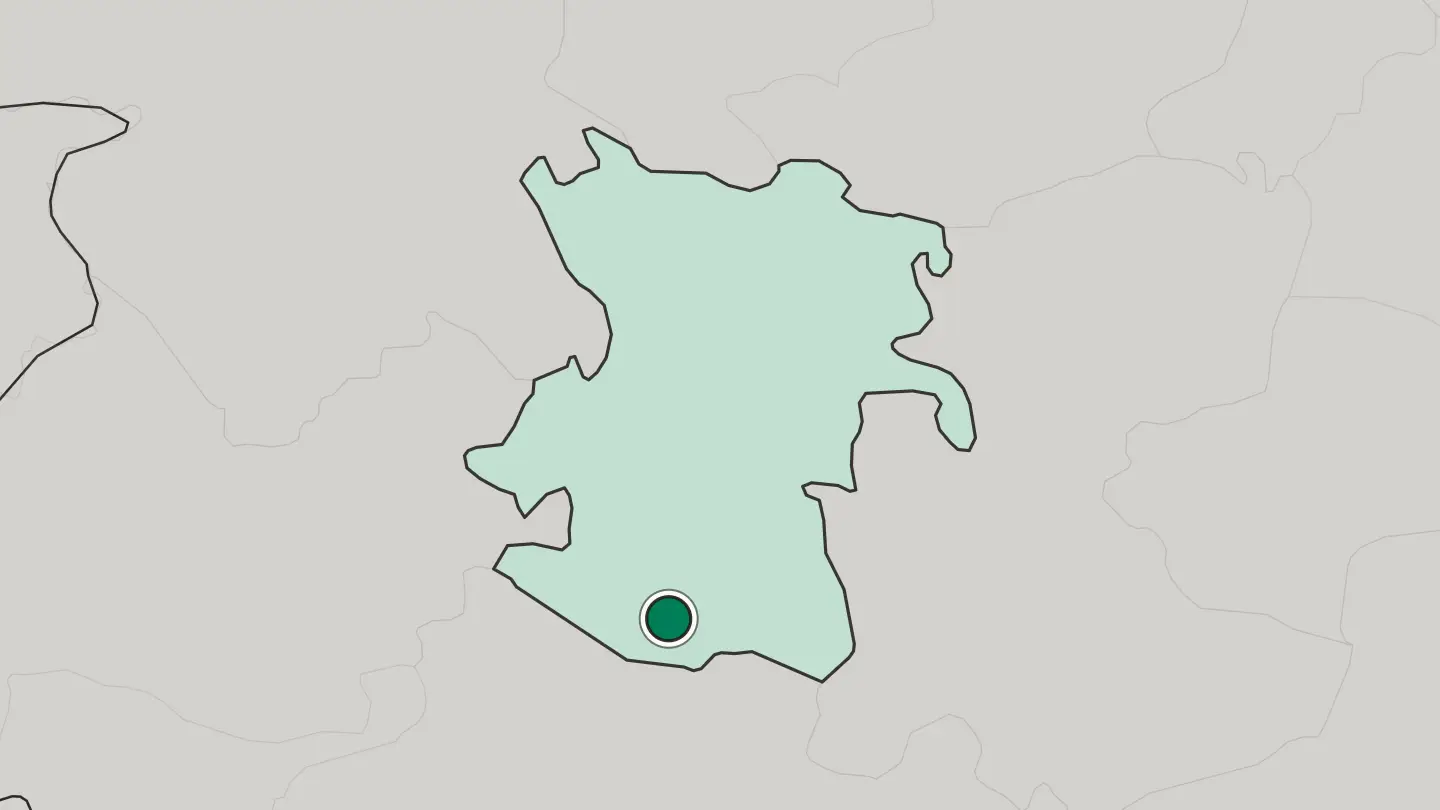 Iran
Iran
Tūyserkān
Tūyserkān runs Tuyserkan County from the Central District of Hamadan province, about 100 kilometres south of Hamadan in western Iran.Where to stay →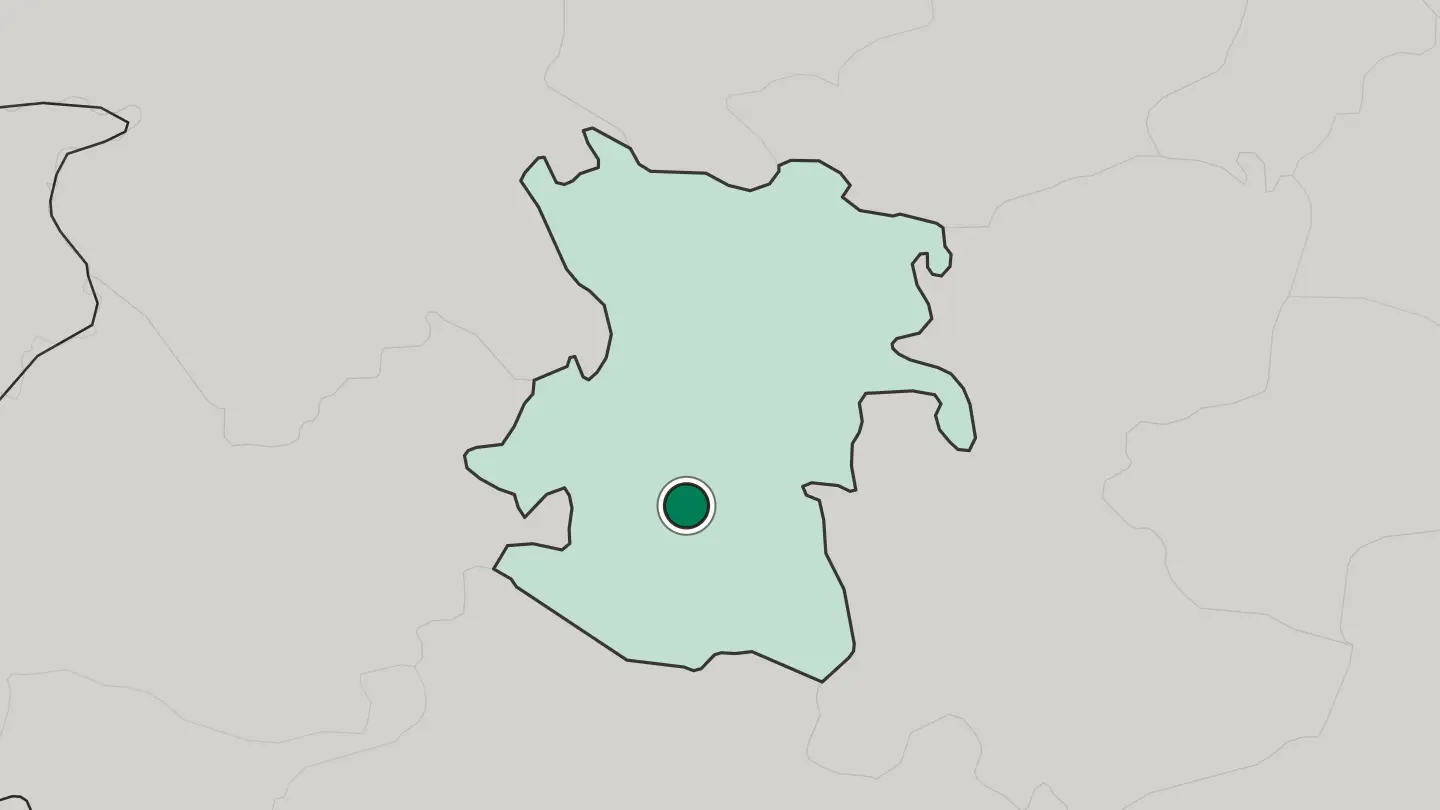
About Hamadan Province
Old civilisation defines this province.
What is Hamadan Province known for?
Its capital, Hamadan, rises on the ruins of Ecbatana, the seat of the Medes and the first capital in Iranian history, set below Mount Alvand. The philosopher Avicenna died in the city and lies buried under a tall spindle-shaped tower. Cut into Alvand's granite, the Ganjnameh inscriptions record the Achaemenid kings Darius and Xerxes.
Ali Sadr Cave hides underground lakes in the north.
Where is Hamadan Province?
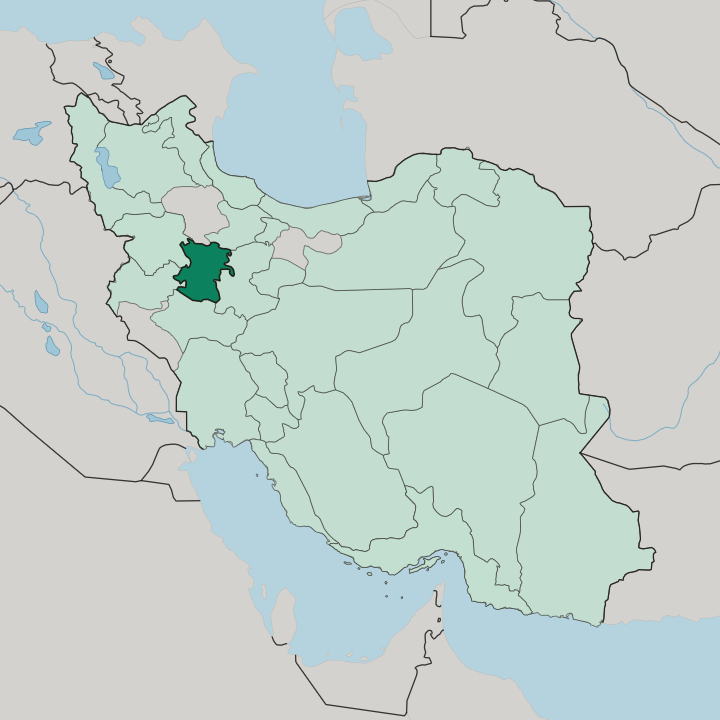
Hamadan Province lies in western Iran, on the eastern flank of the Zagros Mountains. The land is high and folded. Mount Alvand, a granite subrange of the Zagros, walls the province just south of the capital and forms its highest ground.
From its snowfields the rivers run outward in two directions. The Gamasiab rises in the south and drains toward the Karkheh basin and the lowlands of Khuzestan. In the north the drainage tilts the other way, feeding the Talvar and eventually the Sefid-Rud on its way to the Caspian.
Hamadan the city stands on a cool upland plain where the Qareh Su gathers, well above the surrounding valleys. Six provinces ring Hamadan. Kermanshah and Kurdistan press in from the west, Lorestan closes off the south, and Markazi meets it in the east. Zanjan and Qazvin lie along the northern edge.
No sea touches any of these borders; the province sits deep in the interior, west of Tehran and short of the Iraqi frontier. Ali Sadr Cave, one of the world's largest water caves, threads the limestone under the northern plain near Kabudarahang. Distance from the capital is measured in mountain passes, not shorelines.
What is Hamadan Province like?
Scholars and poets give the province its identity. Avicenna, the physician whose Canon of Medicine was taught for centuries across Europe and the Islamic world, spent his last years and died in Hamadan, and a tall modernist tower marks his grave. The eleventh-century mystic Baba Taher, who wrote plain quatrains in a local dialect, rests under a turquoise dome on a rise in the same city.
Both tombs draw pilgrims and students. Above the city, the Ganjnameh panels keep Old Persian cuneiform ordered by Darius and Xerxes, cut for travellers crossing the Alvand passes. Away from the shrines, the province is a working craft country as much as a museum of ruins.
In Lalejin, north of the capital, most households throw and glaze pottery, and the town carries a world craft designation for its ceramics. Language shifts across the province. Persian is spoken in Hamadan and Malayer, Azerbaijani Turkish across the northern districts around Kabudarahang, and Luri and Laki through the southern towns near Nahavand.
Kurdish is heard along the western border. That patchwork of tongues, wound around a single mountain, is the ordinary texture of daily life here.
What is the history of Hamadan Province?
The province's past begins at Ecbatana. The Medes made it their capital, the first in Iranian history, before the Achaemenids took it as a summer seat and the Parthians used it the same way. Near Nahavand in 642, Arab armies broke the last Sasanian field force and opened the plateau to Islam.
Hamadan later served as a Seljuk capital. Its fortunes turned in 1221, when a Mongol army under Subutai and Jebe sacked the city, a year after it had surrendered to them without a fight.
What is the climate of Hamadan Province?
In Hamadan Province, elevation shapes the climate. Because the province sits high on the Zagros, its winters run long and cold, and snow caps Mount Alvand for six to eight months. Spring arrives wet, feeding the meltwater rivers before a dry summer takes hold.
Summers on the Hamadan plateau stay mild rather than fierce, cooled by the elevation that would be scorching farther south in Iran. Frost is common well into spring.
How do you get to Hamadan Province?
Overland is the usual way in. Most travellers drive to Hamadan from Tehran, which lies to the north-east across the Zagros ridges that wall the plateau. Hamadan Airport runs only a thin schedule of domestic flights.
Rail reaches the province at more than one point: a line opened from Tehran to Hamadan in 2017, and Malayer keeps its own station. Buses and shared taxis link the towns. They climb the mountain passes that separate Nahavand, Malayer and the capital.
Common questions
What is the best area to stay in Hamadan Province?
Hamadan: a first visit centred on Ecbatana. Nahavand: the Gamasiab valley and the Luri south. Malayer: the vineyards and carved-furniture workshops.
Good for
More regions in Iran
Updated October 2026