Iran · Kurdistan Province
Where to Stay in Sanandaj, Kurdistan Province
Sanandaj is the capital of Kurdistan province in western Iran, the cultural heart of the Iranian Kurds.
Find your area →


Where to stay in Sanandaj
Where the beds are, and what that means for the visit.
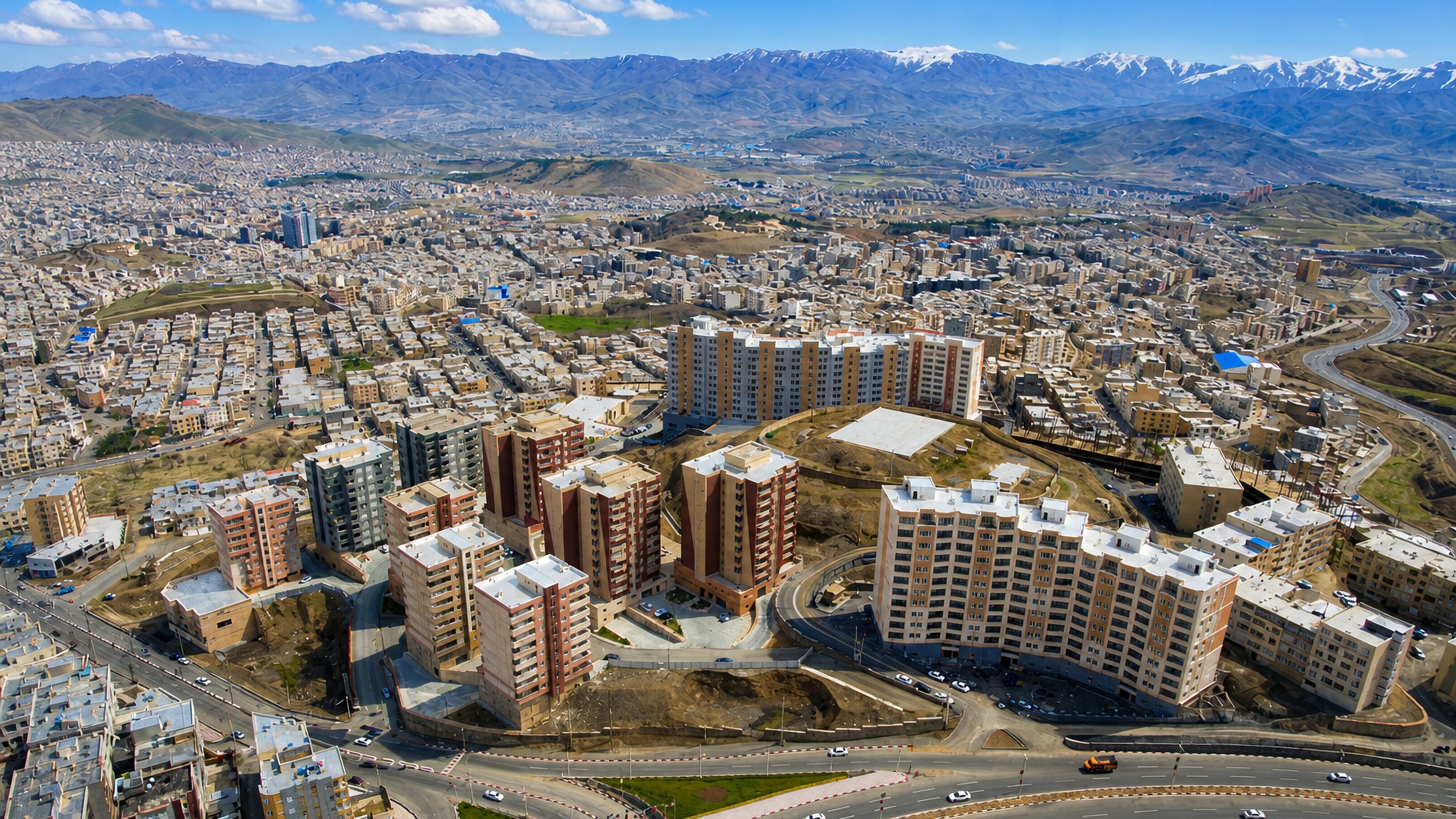
Sanandaj's beds sort into the old town and the slopes above it. The streets around the bazaar and the mansions keep the museums, the mosques, and the market within a walk, and staying downtown suits anyone here for the old city. The old houses hide their courtyards.
Rooms sit near the bazaar. Out toward Abidar and the hills, the town climbs the mountain slopes. A room up the hill trades the centre for cooler air, the park, and the views over the bowl.
The bare ridges rise past the edge. If you want the mansions and the bazaar, stay downtown; if you want the views, take a room on the hill. Both options leave the bazaar and the old mansions within reach.
Things to do in Sanandaj
Ranked by global recognition; descriptions from Wikidata (CC0).
Churches & Religious Sites
6- Sanandaj synagogue Heritage
- Mosque and Tomb of Pir Omar Heritage
- Quleh Mosque Heritage
- Seyed Ebrahim Mosque Heritage
- Sheikh Mohammad Baqer Mosque Heritage
Show 1 more →
- Baba-ye Naqshband Mosque Heritage
Castles & Historic Sites
8- Fahim Portal Heritage
- سردر خانه ساعد السلطان Heritage
- سردر عمارت بابان Heritage
- عمارت ملا لطفالله سنندجی Heritage
- منزل مصری Heritage
Show 3 more →
- Imamzadeh Taqeh Goreh Heritage
- Ashraf Portal Heritage
- منزل شهابی Heritage
Landmarks & Notable Places
8- خانه رحیم زاده سنندج Heritage
- Khorshid Leqa Khanom House (Sanandaj) Heritage
- خانه جواهری Heritage
- خانه امین الاسلام Heritage
- Amir Asefi House Heritage
Show 3 more →
- خانه نانوا باشی Heritage
- خانه سعادتمند و پیر مرادی Heritage
- خانه دکترموسی Heritage
worth knowingacross 3 categories in Sanandaj
About Sanandaj
Sanandaj is the Kurdish city of the Zagros.
What is Sanandaj known for?
In a mountain bowl it was the seat of the old Kurdish princes of Ardalan, and it keeps their grand old mansions of carved wood and brick, now museums, while the city is famous across the land for its Kurdish music, its daf drums, and its fine Senneh kilims. The mountains ring the town. Music and mansions mark the city.
What are the main landmarks in Sanandaj?
The old Kurdish mansions are the pride of Sanandaj. The grand houses of the Ardalan nobles, of brick and carved wood, stand around their courtyards, the mark of the town, in the old quarter. A bazaar winds below the citadel.
The covered market, the old mosques, and the Sufi khanqahs fill the streets, while the peak of Abidar rises green over the city of Sanandaj.
What is the history of Sanandaj?
Sanandaj rose as the seat of the Kurdish Ardalan. In the seventeenth century the Vali, the prince of the Ardalan Kurds, moved his capital to this mountain bowl, and the town grew as the heart of a Kurdish domain that held the frontier of Persia against the Ottomans. The princes built fine mansions.
Their nobles raised grand houses of brick and carved wood around courtyards and gardens, and a bazaar, mosques, and shrines filled the streets below the citadel. The city became a great centre of Kurdish art. Sanandaj grew famous for its music, above all the daf drum and the songs of the mystics, and for its Senneh kilims, the fine flat-woven rugs prized far beyond Kurdistan.
Learning and faith flourished too. The town kept its old schools, its khanqahs of the Sufi orders, and a Jewish quarter with its synagogue, a meeting of the peoples of the mountains. The old mansions still stand in the town.
Sanandaj keeps its music and its mansions in the Zagros.
Where is Sanandaj?
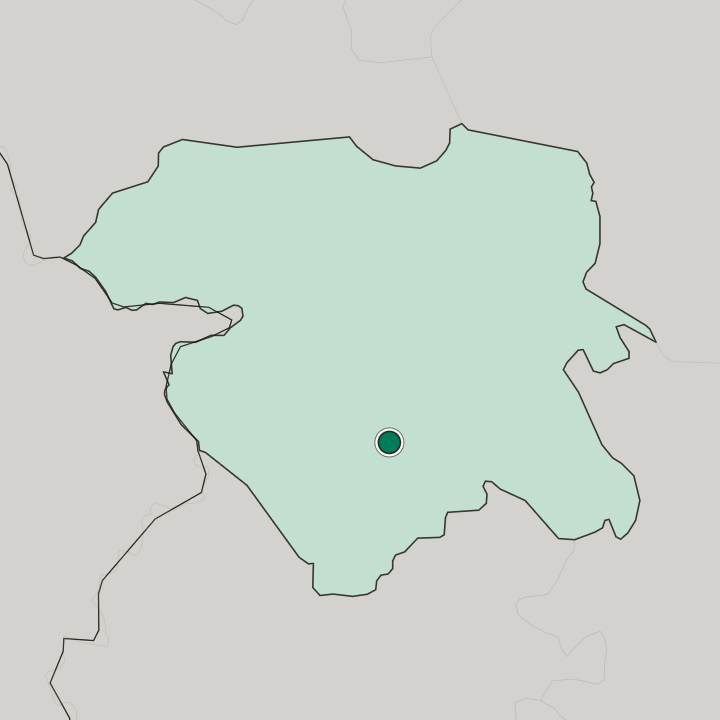
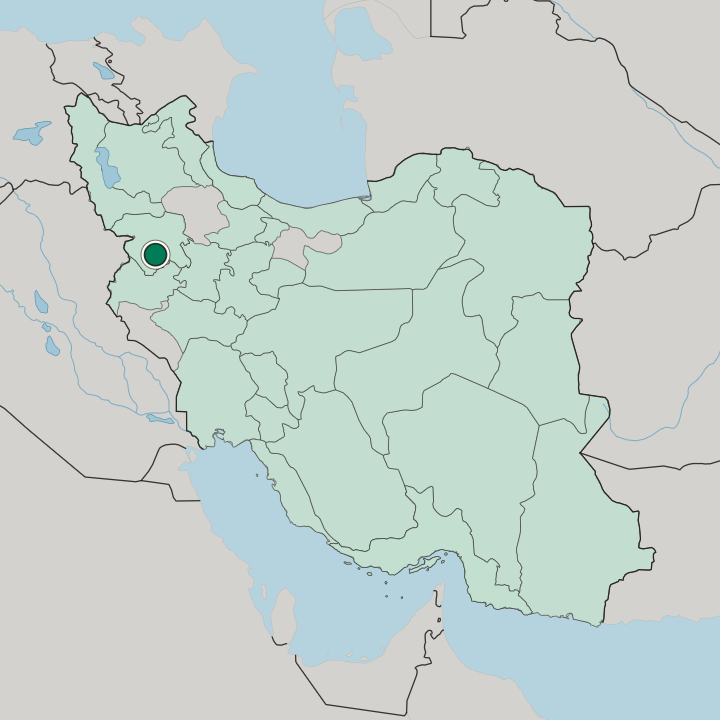
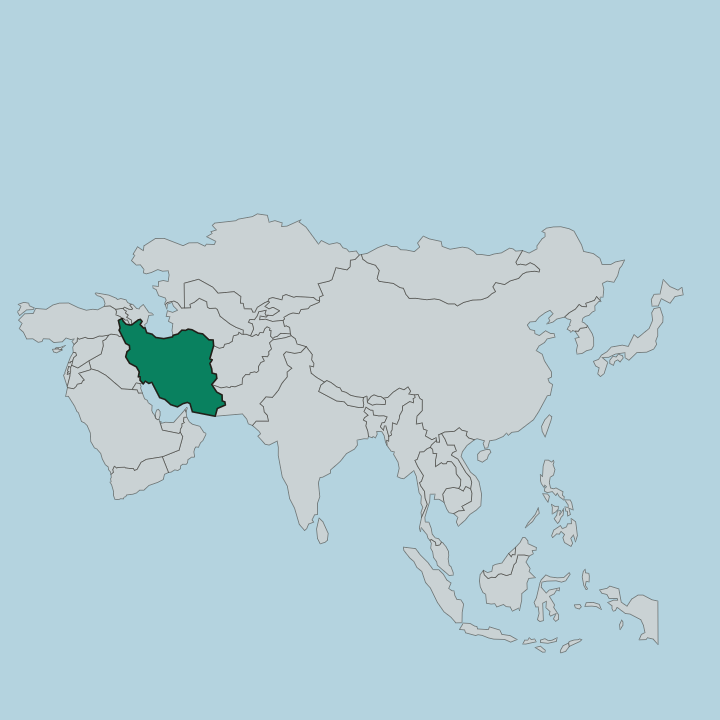
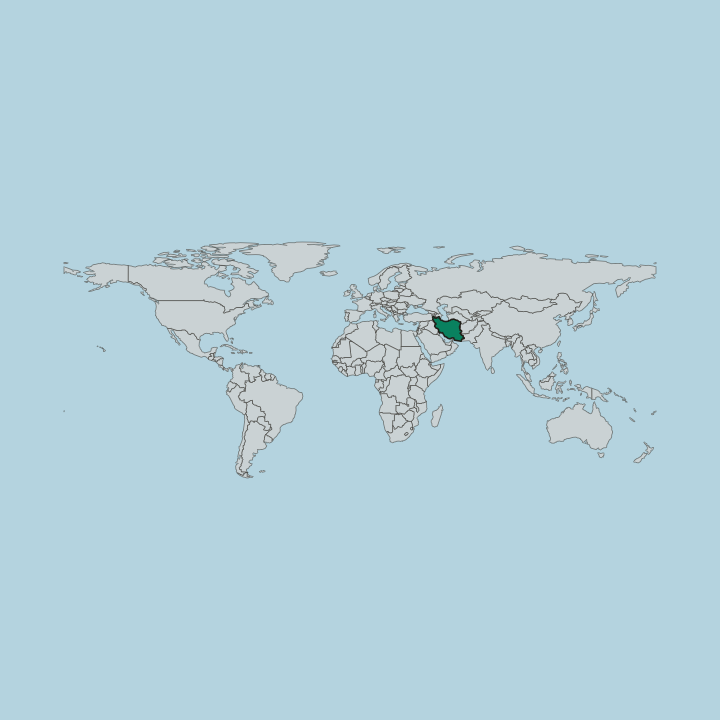
Sanandaj lies in a mountain valley of the Zagros in western Iran, near the Iraqi border. The city sits in a bowl among high ridges, below the peak of Abidar, on a river of the Kurdish highlands, in the heart of Iranian Kurdistan. Bare ridges rise all around.
The valley opens toward the plains.
What is the climate of Sanandaj?
Sanandaj has a cool mountain climate. Warm, dry summers cross the highland, and the winters turn cold with hard frost and heavy snow, sharper for the height of the land, with clear air much of the year. Snow lies deep on the ridges in winter.
The mountain air stays cool and dry.
How do you get to Sanandaj?
Sanandaj lies in the mountains of western Iran, near the Iraqi border. Roads climb to it over the Zagros from Hamadan and Kermanshah, and an airport links the city, while roads run west toward the Kurdish border towns. Buses head out from Sanandaj to the Kurdish towns up in the Zagros.
Most arrive by road from Hamadan.
Good for
More cities in Kurdistan Province
Updated September 2026