Iran
Kurdistan Province, Iran — Towns & Travel Guide
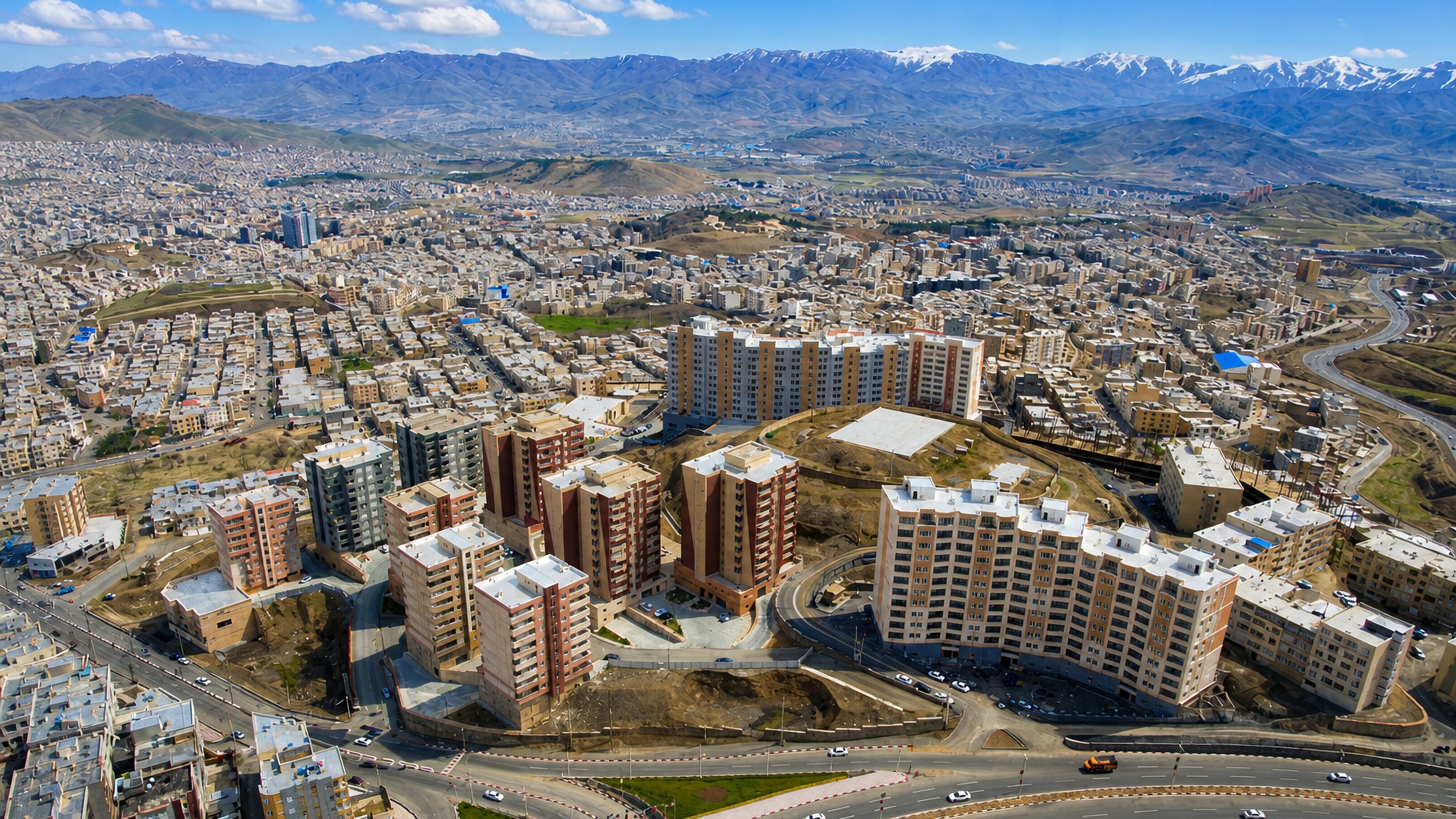
Kurdistan Province is Iran's Kurdish highland in the Zagros Mountains, ringed by terraced villages and centred on the music city of Sanandaj.
Find your area →


Towns & cities in Kurdistan Province
Pick a town or city — each links to where to stay.

 Iran
Iran
Sanandaj
Sanandaj is the capital of Kurdistan province in western Iran, the cultural heart of the Iranian Kurds.Where to stay →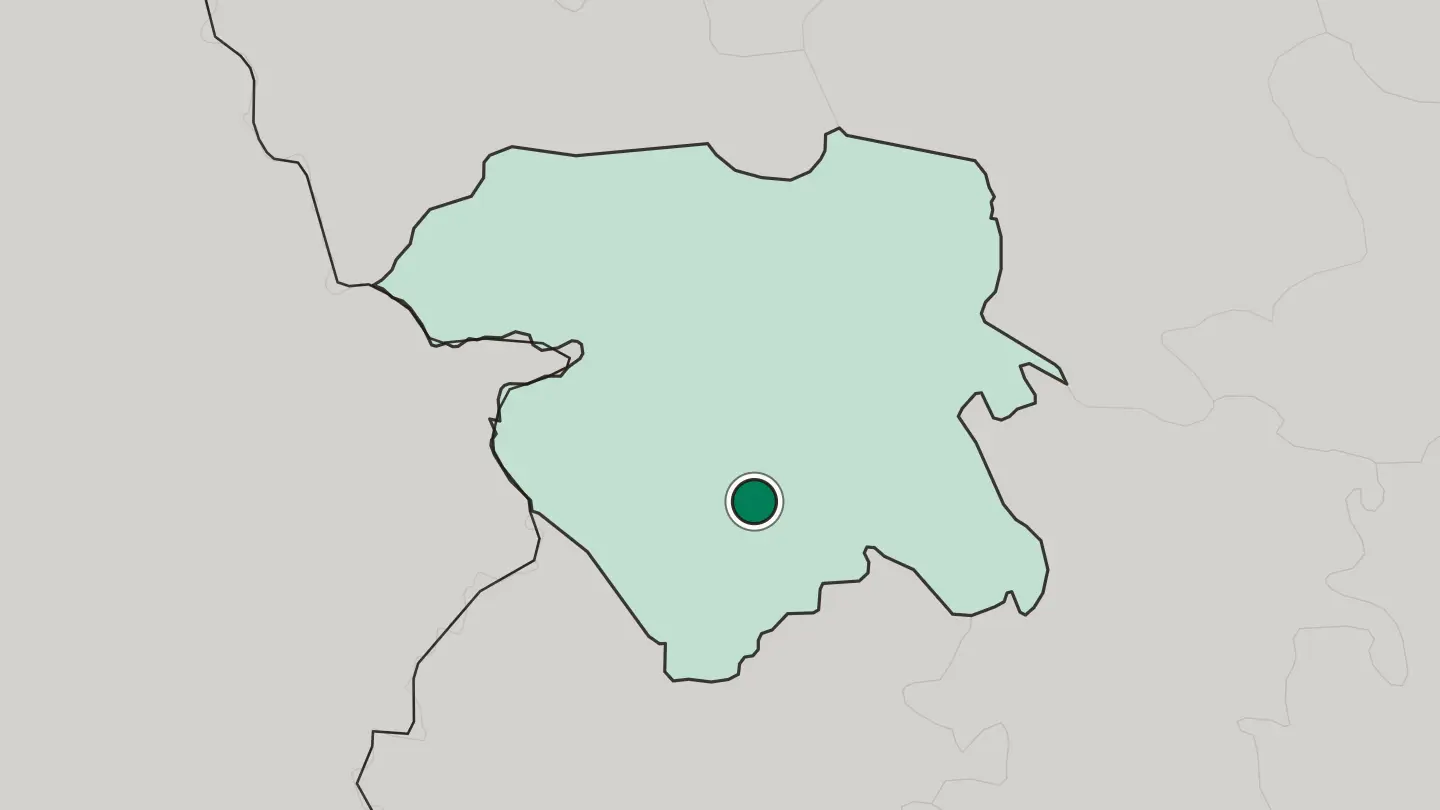
 Iran
Iran
Saqqez
Saqqez is the seat of Saqqez County in Kurdistan province, Iran, and the second city of the province after Sanandaj.Where to stay →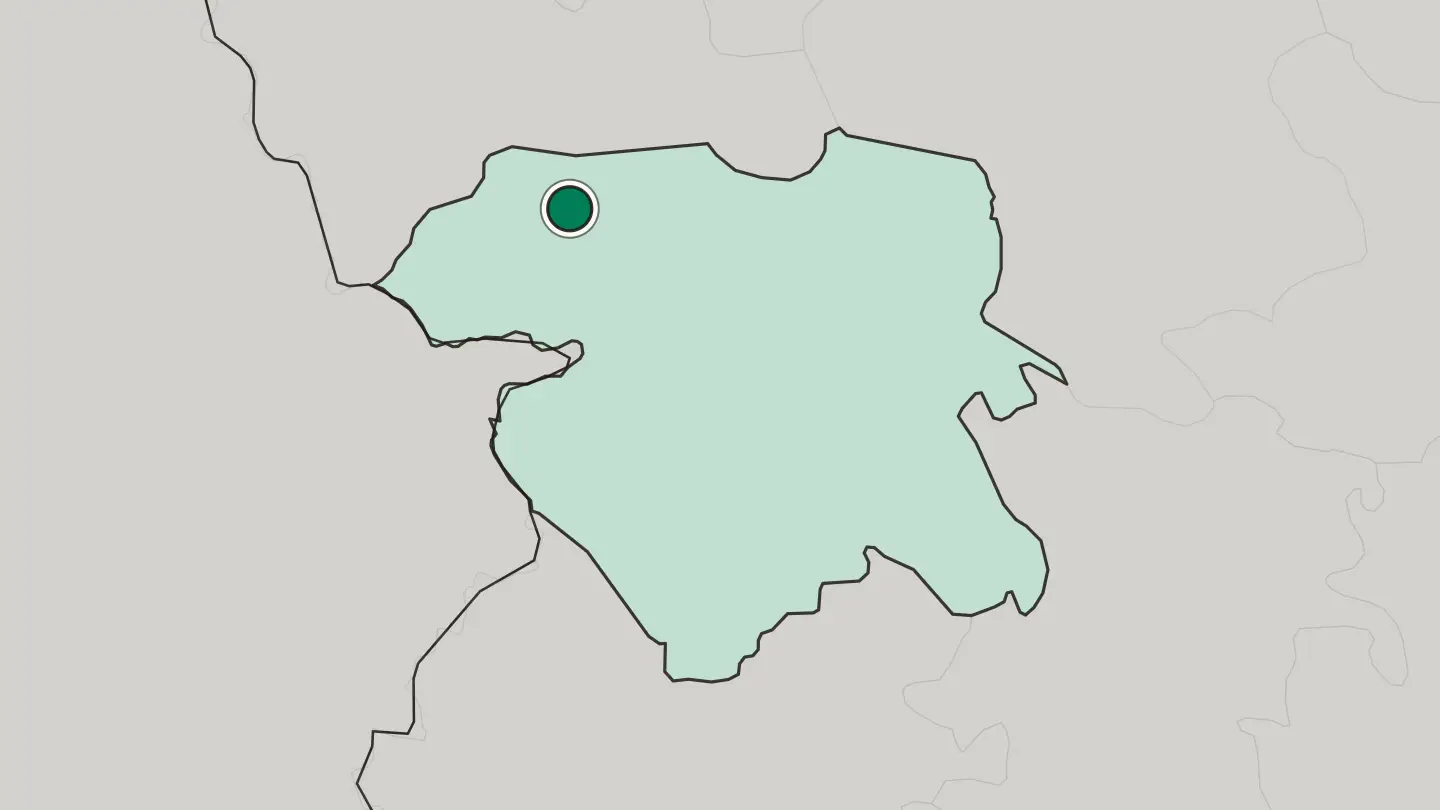 Iran
Iran
Marīvān
Marivan Castle and a scatter of ancient mounds mark Marīvān, capital of Marivan County in the Kurdistan province of Iran.Where to stay →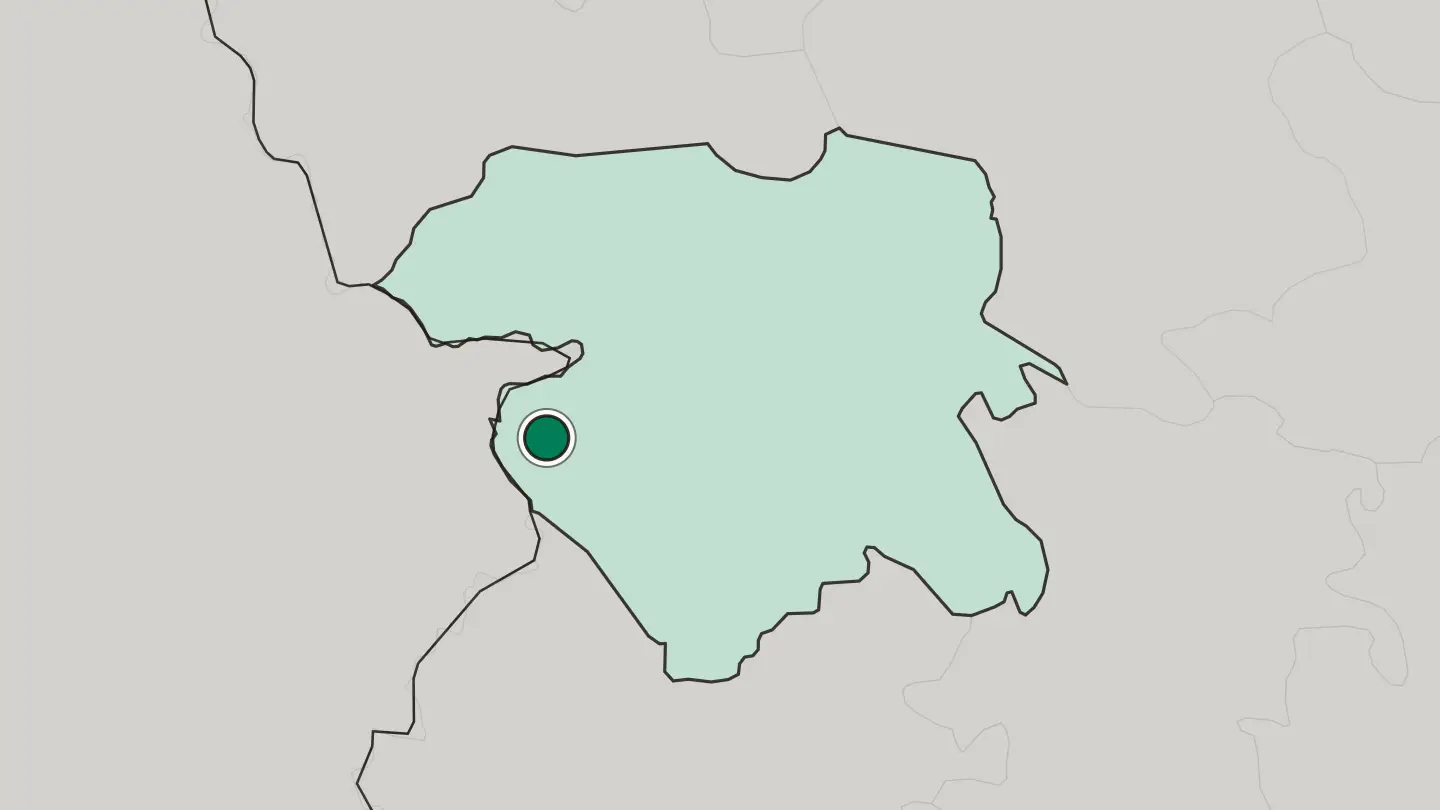
 Iran
Iran
Bāneh
Bāneh stands about 30 km from the Kurdistan Region in Iraq, capital of Baneh County in the Kurdistan province of Iran.Where to stay →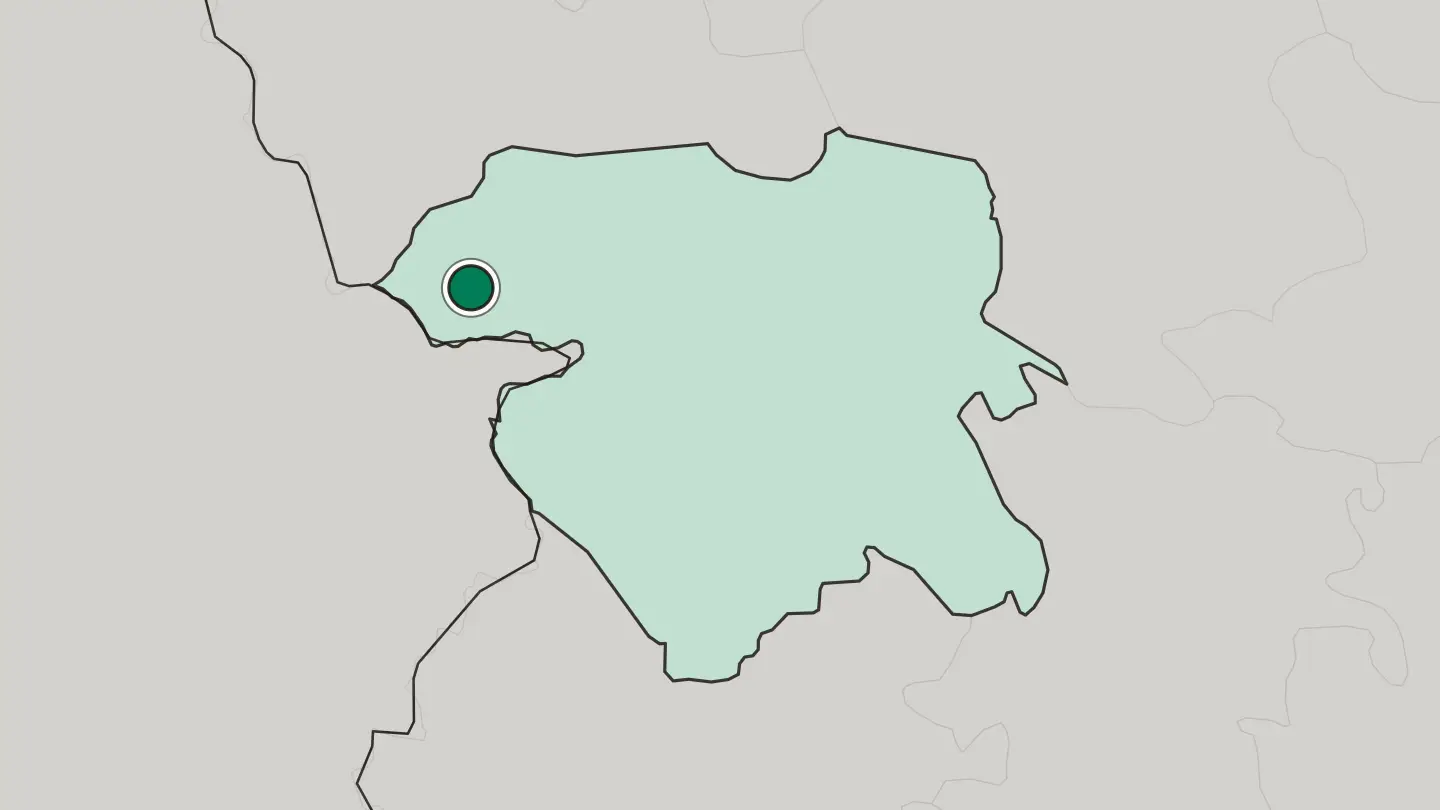
 Iran
Iran
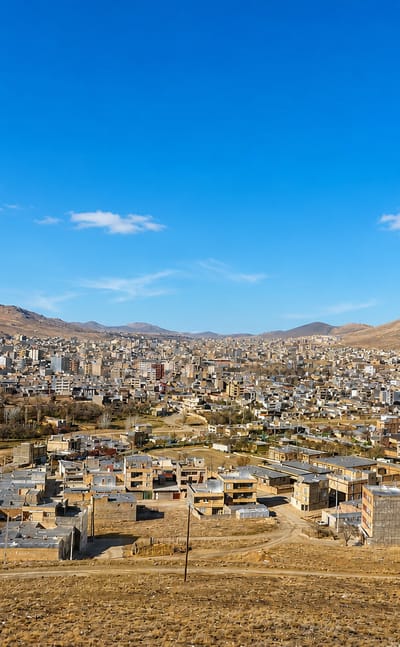
Qorveh
Qorveh is the seat of Qorveh County and of its Central District, a temperate city on the administrative map of Kurdistan province.Where to stay →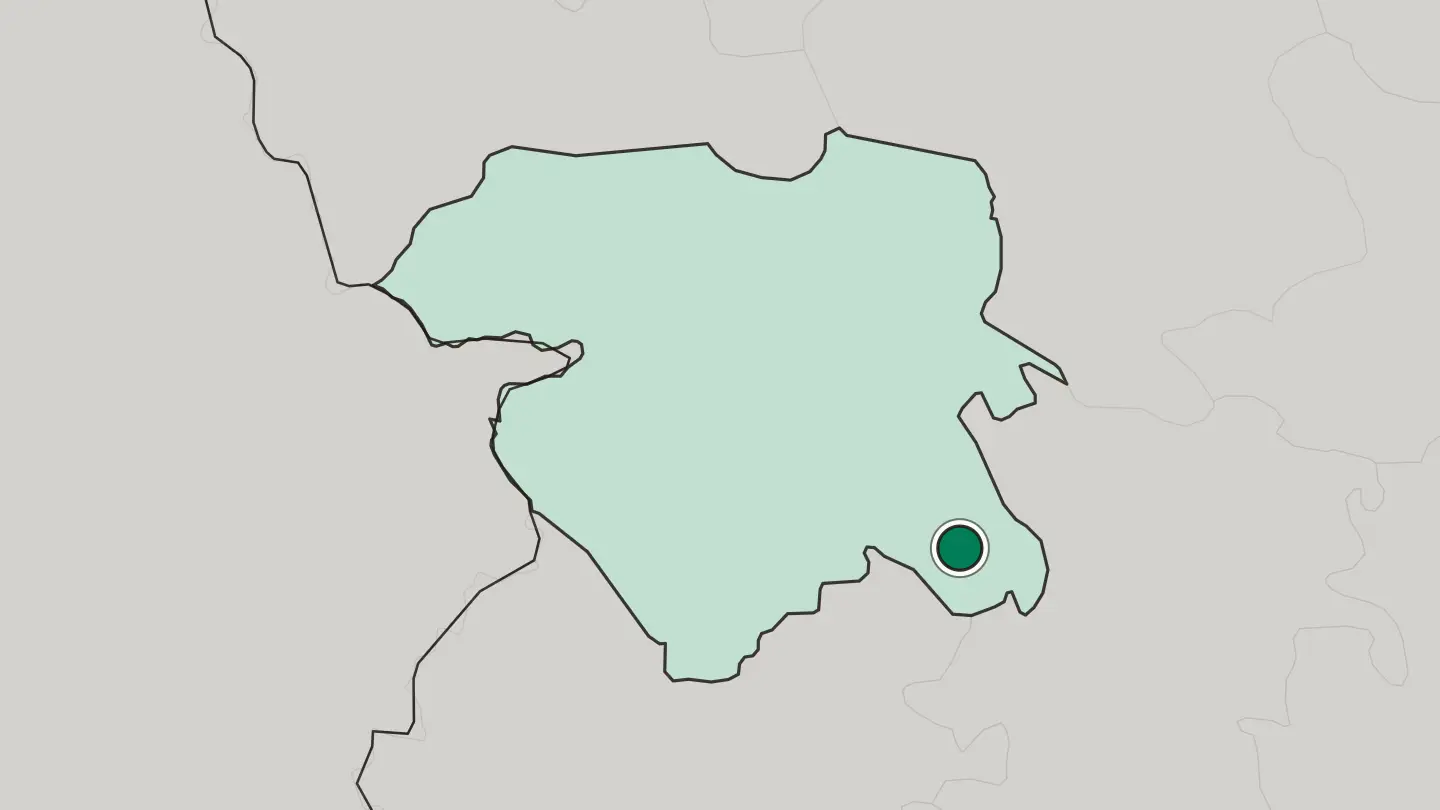
 Iran
Iran
Bījār
Bījār is the capital of Bijar County in Kurdistan province, Iran, a high Kurdish town called the Roof of Iran and famous for its carpets.Where to stay →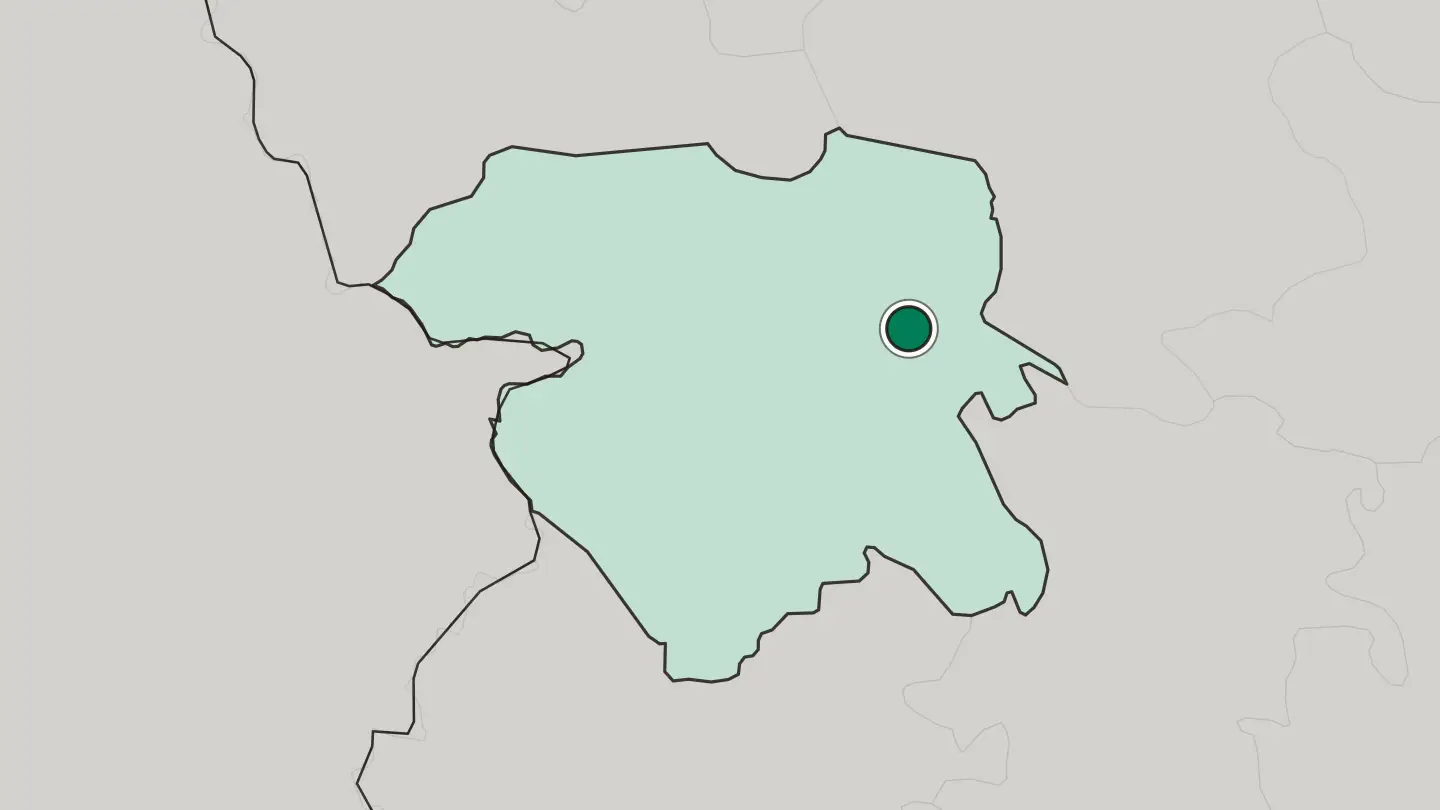
About Kurdistan Province
Iranian Kurdistan is mountain country.
What is Kurdistan Province known for?
Its capital, Sanandaj, is a UNESCO City of Music famed for the daf frame drum, and it anchors a province better known for landscapes than for cities. The terraced stone villages of the Hawraman/Uramanat valleys, where the flat roof of one house serves as the yard of the house above, earned a place on the UNESCO World Heritage List. West toward Marivan lies Zarivar Lake, a reed-fringed freshwater lake in the Zagros foothills.
Handwoven carpets, walnut orchards, and Kurdish song round out its reputation.
Where is Kurdistan Province?
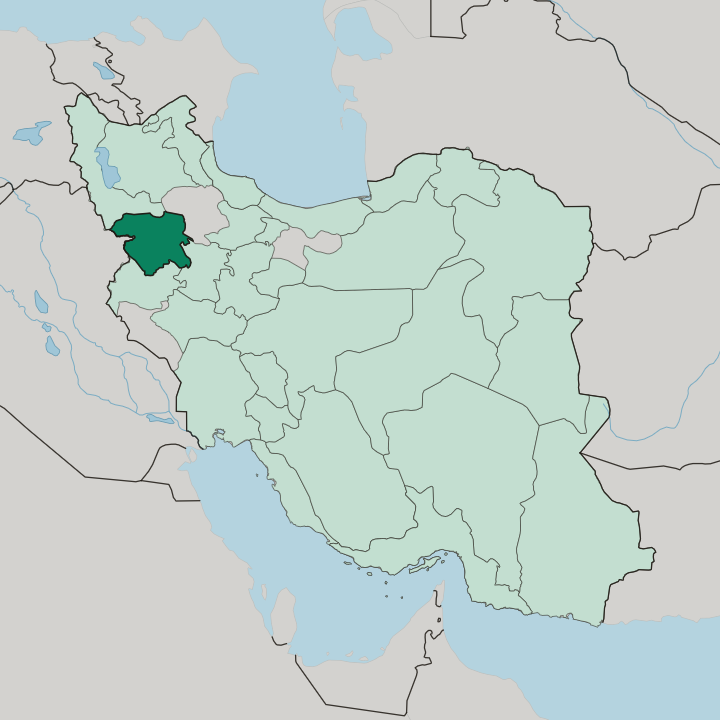
Kurdistan Province sits in western Iran, pressed against the border with the Kurdistan Region of Iraq. It is a highland. The land belongs to the Zagros Mountains, whose ridges run northwest to southeast and rise into bare rock along the frontier before easing east into a plateau of parallel ranges and lowland basins. West Azerbaijan Province lies to the north, Zanjan to the northeast, Hamadan to the east, and Kermanshah to the south.
Rivers cut through it. The Sirwan River drains the southern valleys of Hawraman toward the Diyala and the Mesopotamian plain, while the Qeshlaq winds past Sanandaj in a basin ringed by peaks. Water gathers here as much as it drains away.
Near Marivan, in the western foothills, Zarivar Lake fills a mountain hollow fed by springs at its own bed, one of the larger freshwater lakes of the Iranian plateau. The province holds ten counties, from Bijar on the dry eastern edge to Sarvabad deep in the Hawraman gorges. Sanandaj stands near the middle, the capital and largest city, wedged between the Zagros ridges and Abidar mountain.
Distances feel longer than the map suggests. Roads climb and switchback, and the mountains, not the borders, set the pace of any journey across Iranian Kurdistan.
What is Kurdistan Province like?
This is Kurdish country, and Kurdish life shapes everything. Most people here speak Sorani, the central Kurdish of the towns and valleys, alongside Persian. Music runs at the centre of it.
Sanandaj won a place on the UNESCO network of music cities for its living tradition of the daf, the large frame drum whose rattling rings carry through Sufi gatherings and wedding courtyards alike, and for the tanbur and Kurdish song that fill its concert halls. The city keeps old workshops for carpets and for the instruments themselves. Older rhythms survive up in the mountains.
In the terraced village of Uraman Takht, deep in Hawraman, the Pir Shalyar ceremony has been marked in the dead of winter for some nine centuries, its days of drumming, dance, and shared barley soup drawing crowds up the icy switchbacks. Kurdish dress still appears at these gatherings. Men wear baggy trousers with a sashed waist, women bright layered gowns worked with beads and coin.
Food leans on the land: walnuts, pomegranates from the valleys, thick herb soups, and dolma of stuffed vine leaves. Hospitality is the rule, not the exception.
What is the history of Kurdistan Province?
Long before the modern province, this was the seat of the Ardalan, the most enduring of the Kurdish principalities. From a fortress called Sena, the Ardalan rulers built Sanandaj in the 1630s and governed the region as a semi-autonomous emirate under Safavid and then Qajar overlords. Their rule held until Tehran dissolved the principality in 1867.
Older layers lie beneath. Near Saqqez, the buried Ziwiye hoard of worked gold points back to the Median world of the first millennium before our era.
What is the climate of Kurdistan Province?
In this Zagros province, elevation dictates the climate. Winters bite: snow piles on the Zagros passes above Sanandaj and can seal the Hawraman roads for weeks, while the high basins freeze hard and Zarivar Lake sometimes ices over near Marivan. Summers turn mild and dry in the uplands, warmer down in the eastern basins around Bijar and Qorveh.
Most of the rain and snow arrives on westerly winds off the Mediterranean, and Marivan, catching them first, is the wettest corner of the province. Spring melt fills the rivers.
How do you get to Kurdistan Province?
Sanandaj Airport connects the capital to Tehran by domestic flights, and Saqqez in the north reopened its own airstrip on the western route. Yet most people arrive overland. Buses and shared cars climb in from Tehran, Hamadan, Kermanshah, and, by way of Saqqez, from Tabriz to the north.
The overland routes carry the rest of the traffic. From the Kurdistan Region of Iraq, crossings near Marivan and Baneh feed the border markets. The mountain roads wind, so any journey takes longer than the distance implies.
Common questions
What is the best area to stay in Kurdistan Province?
Sanandaj: a first base in Iranian Kurdistan. Marivan: lakeside stays at Zarivar Lake. Saqqez: the northern Kurdistan uplands. Baneh: border-market shopping.
Good for
More regions in Iran
Updated September 2026