Iran · Lorestan Province
Where to Stay in Khorramabad, Lorestan Province
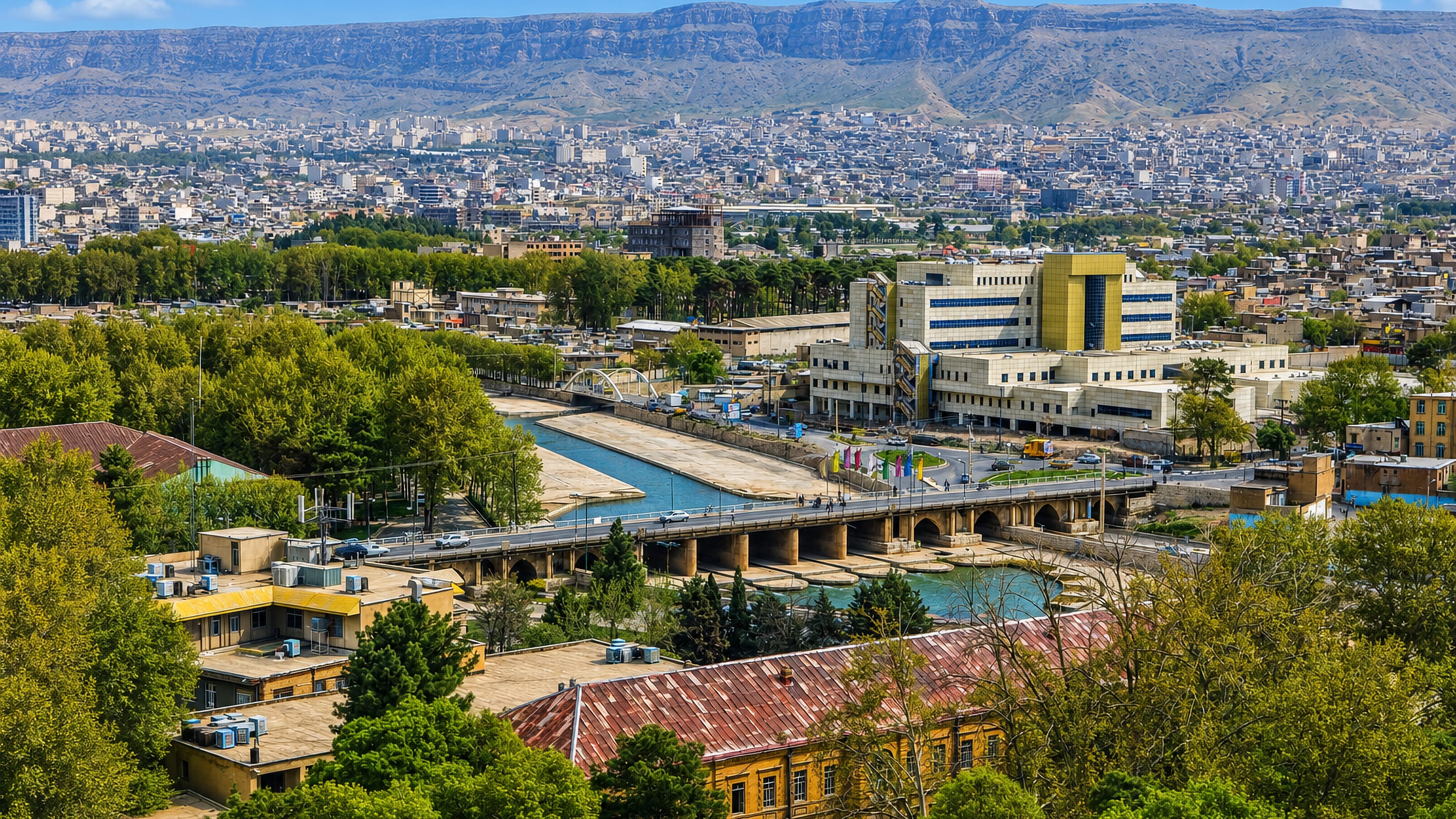
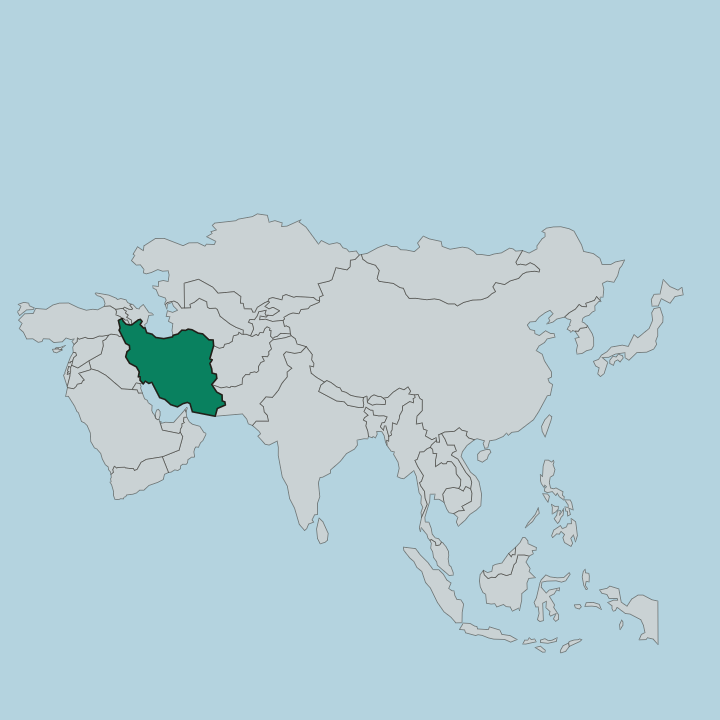
Khorramabad is the capital of Lorestan in western Iran, an old town of the Zagros crowned by the Falak-ol-Aflak citadel.
Find your area →


Where to stay in Khorramabad
Where visitors usually base themselves, and why.
Where you stay in Khorramabad turns on the citadel and the centre. The streets below the Falak-ol-Aflak keep the museum, the bazaar, and the old bridge within reach, and staying in the centre suits anyone here for the sights. The old lanes wind by the rock.
Rooms sit near the bazaar. Out toward the hills and the springs, the town gives way to oak woods and orchards. A room on the edge trades the centre for the woods, the streams, and the cool air of the ridges.
Oak-covered ridges begin where the last houses of Khorramabad stop. If you want the citadel and the bazaar, stay in the centre; if you want the woods, take a room by the hills. Either way, the citadel is close at hand.
Things to do in Khorramabad
Ranked by global recognition; descriptions from Wikidata (CC0).
Churches & Religious Sites
1- Tavasoli Mosque Heritage
Castles & Historic Sites
8- Falak-ol-Aflak Heritage
- Gap Hammam Heritage
- Gabri Watermill (Khorramabad) Heritage
- Siba Castle Heritage
- Inscription and Stone Architecture of Howz-e Musa Heritage
Show 3 more →
- بنای میرملاس Heritage
- گرمابه نویی (کتابخانه شهید مطهری) Heritage
- Tayeb Zurkhaneh (Upper Bath) Heritage
Nature & Outdoors
1- Ghamari Cave Heritage
Parks & Gardens
3- Felahat Garden (Agricultural Station) Heritage
- کوره آجرپزی قدیم باغ نو Heritage
- باشگاه افسران و باغ ارم Heritage
Landmarks & Notable Places
5- Akhund Abu House Heritage
- Pour Abolqasemi House Heritage
- ساختمان دانشگاه محوطه قلعه Heritage
- خانه کشفی Heritage
- ساختمان بانک تجارت Heritage
worth knowingacross 5 categories in Khorramabad
About Khorramabad
Khorramabad is the mountain city of the Lurs.
What is Khorramabad known for?
In a green valley of the Zagros among oak-clad hills, it is watched over by the great Falak-ol-Aflak citadel on its rock, and it holds the memory of the ancient Luristan bronzes, an old brick minaret and Safavid bridge, and the tribal life of the Lur people. The oak hills rise around. Citadel and mountains mark the city.
What are the main landmarks in Khorramabad?
The Falak-ol-Aflak citadel crowns the rock above Khorramabad. The great fortress of many towers, raised by the Sassanid kings on a hill in the heart of the valley, holds a museum of the Lur lands, the emblem of the city, over the town. Old stones lie below it.
A Safavid bridge, an ancient brick minaret, and a great old bathhouse stand in the town, while the Luristan bronzes and the oak hills mark the country around Khorramabad.
What is the history of Khorramabad?
Khorramabad has guarded its valley since ancient days. On a great rock in the middle of the vale rises the Falak-ol-Aflak, a mighty citadel whose walls and towers go back to the Sassanid kings, holding the road through the mountains. The hills held older secrets still.
From the tombs and caves of Lorestan came the famous Luristan bronzes, weapons and ornaments cast three thousand years ago by the horsemen of the Zagros. Through the ages the town belonged to the mountain tribes. Khorramabad was long a seat of the Lur tribes and their chiefs, who ruled the Zagros valleys and answered lightly to distant kings.
Bridges and baths mark the later town. A Safavid bridge, an old brick minaret, and grand old houses rose in the centuries of the shahs, and the citadel became a prison and then a museum. The old citadel still crowns its rock.
Khorramabad keeps its castle and its bronzes in the Zagros.
Where is Khorramabad?
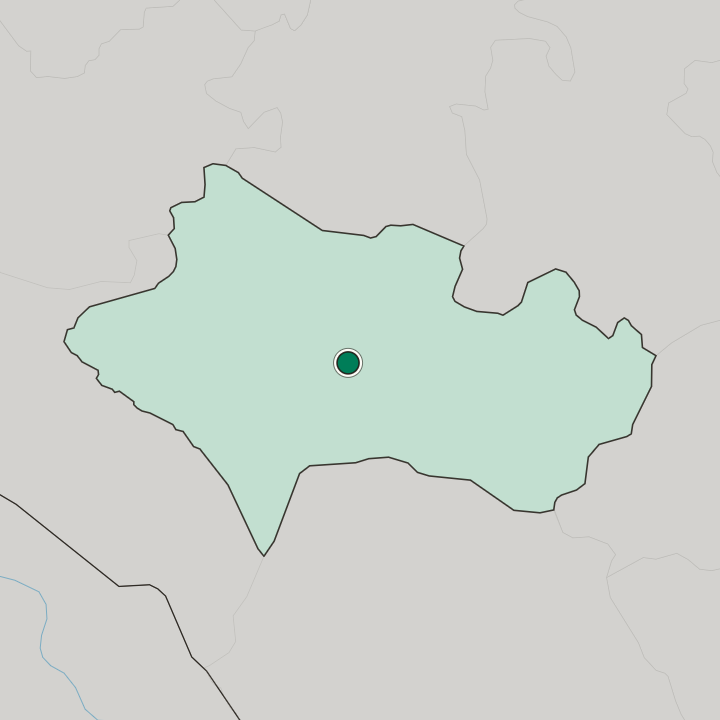
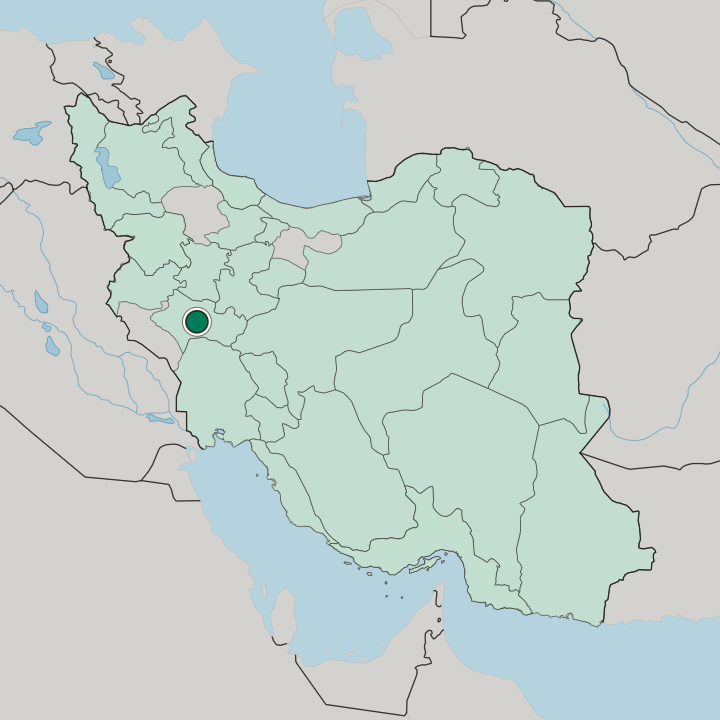
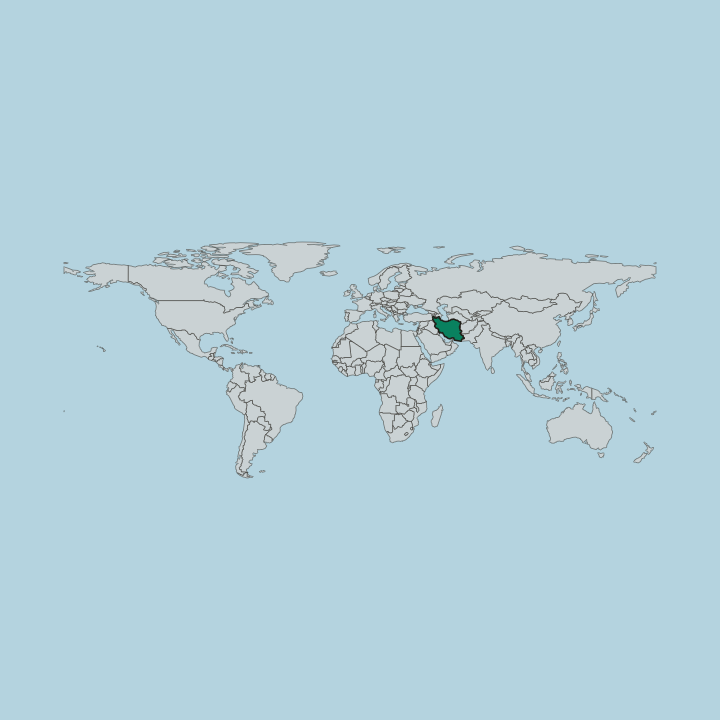
Khorramabad lies in a valley of the Zagros mountains in western Iran, in the land of Lorestan. The city sits in a green basin among oak-forested ridges, on a river of the same name, where springs and streams run down from the heights. Wooded mountains rise all around.
The valley opens south toward the plains.
What is the climate of Khorramabad?
Khorramabad has a mild mountain climate. Hot, dry summers fill the valley, and cool, wet winters bring rain and snow to the ridges, greener and softer than the plains below, with clear springs and autumns. Snow whitens the Zagros in winter.
The oak woods stay green much of the year.
How do you get to Khorramabad?
Khorramabad lies in the Zagros of western Iran, on the road from Tehran to the southwest. Roads and rail run to it over the mountains from Tehran and toward Ahvaz and the plains, and a line crosses the ranges here. Buses link Khorramabad with the smaller Zagros towns nearby.
Most arrive by road from Tehran.
Good for
More cities in Lorestan Province
Updated October 2026