Iran · Qazvin Province
Where to Stay in Tākestān, Qazvin Province
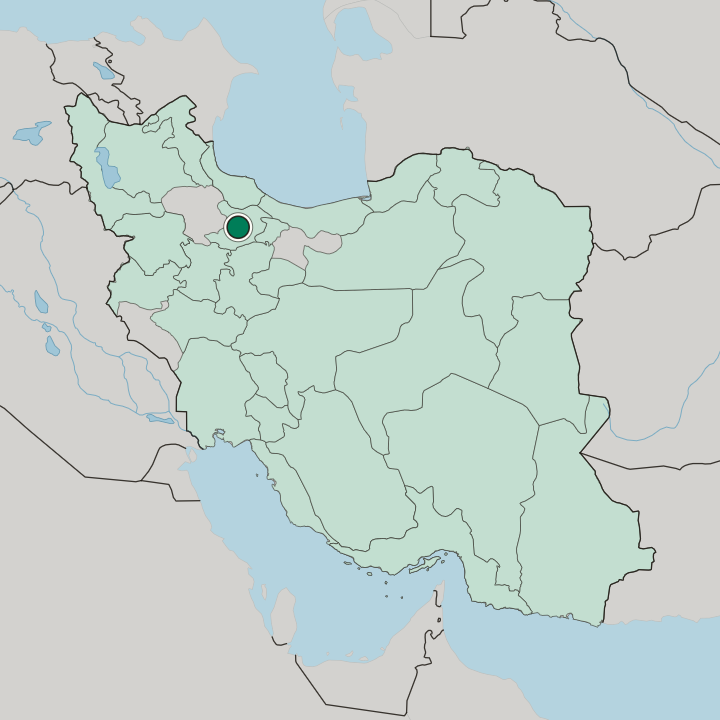
Tākestān, whose name means vineyard, is the capital of Tākestān County in Qazvin Province and a stop on the Teheran-Tabriz line.
Find your area →


Where to stay in Tākestān
The practical side of choosing where to sleep.
Tākestān is a rural county capital, and its beds sit where its business does. Rooms cluster in the streets around the county offices and بانک ملی تاکستان, the registered building that fixes the centre, and everything a short visit needs is inside that radius. The station changes the arithmetic.
Anyone arriving on the Teheran-Tabriz line will find a bed near the platform saves the awkward end of the journey, particularly for a stop measured in hours rather than nights. Vineyard country starts at the edge. Beyond the built-up streets the ground turns to the grapes, peaches and nectarines that gave Tākestān its name, and a room on that margin trades services for a view of the working landscape. تپه خله کوه is the other fixed point.
The site sits within reach of the town and gives a walk some purpose, which matters in a place whose register runs to two entries. Winter narrows the options. Tākestān is small enough that a visit built around the vineyards or the county offices is easier to arrange than one built around a choice of quarters.
About Tākestān
The name is the fact.
What is Tākestān known for?
Tākestān means vineyard, and the grapes, peaches and nectarines grown around the town are what the surrounding country actually produces, alongside hay, wheat and cucumbers. Its station keeps it connected. A place on the Teheran-Tabriz line is a rural county capital with a rail platform, which is a rarer combination than it sounds and shapes how visitors reach the farmland around it.
What are the main landmarks in Tākestān?
Tākestān's heritage list is a short one. تپه خله کوه and بانک ملی تاکستان are the only two entries recorded for Tākestān, which is a small inheritance for a county capital and sets expectations honestly for anyone planning a day here. The country compensates. Vineyards, peach and nectarine ground and the wheat fields of the surrounding district are what people come out to see, and they begin where the last street ends rather than at some distance from it.
What is the history of Tākestān?
Tākestān has not always been Tākestān. Under the reign of Rezā Shāh Pahlavi the town then called Syadehen took the name it carries now, a word meaning vineyard, chosen to describe what the surrounding land already produced. The older name is still on record.
Syadehen appears in the accounts that describe the change, which makes this one of the few things about the town's past documented with a clear before and after. The people of the district are largely Tats. That is the descriptive fact the sources give about who works the vineyards and orchards around Tākestān, along with the hay and wheat and cucumber ground of the same district.
Rail arrived and stayed. A station on the Teheran-Tabriz line put a small agricultural county capital on a main route, which is the single most consequential thing to have happened to the place in the documented period. Its offices follow the same pattern.
Tākestān holds the seat of both Tākestān County and its Central District within Qazvin Province, and the offices, the station and the registered buildings sit close enough together to be walked between in one visit.
Where is Tākestān?
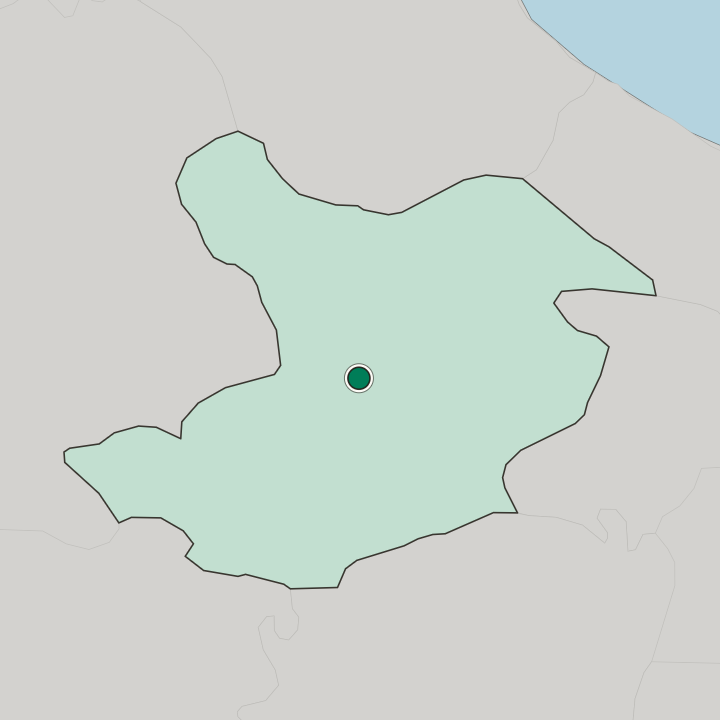
Tākestān sits in the temperate band of Qazvin Province, on farmland rather than in relief. The vineyards define the surface. Grape, peach and nectarine ground gives way to hay, wheat and cucumber fields, and the settlement pattern follows the cultivation rather than any river or ridge named in the sources.
The town sits among the fields. Its two registered sites, تپه خله کوه and بانک ملی تاکستان, stand in a landscape whose defining feature is what grows on it rather than what rises from it.
What is the climate of Tākestān?
The vines are the local instrument for reading the weather. Tākestān lies in the temperate band, where a hot growing season and a cold enough winter are exactly the combination grapes want, and the peaches and nectarines of the district depend on the same pattern. Summer is the working season.
Fieldwork across the district concentrates then, and the town's rhythm follows the harvest rather than a visitor calendar.
How do you get to Tākestān?
The Teheran-Tabriz line does the work. Tākestān has its own station on that route, which is the cleanest way in and the reason a rural county capital is easier to reach than its size implies. Road access covers the rest.
Qazvin Province's network brings cars and buses to the county offices, and onward travel into the surrounding vineyards and villages of the Central District starts from the town rather than from anywhere larger.
Another city in Qazvin Province
Updated September 2026