Iran
Qazvin Province, Iran — Towns & Travel Guide
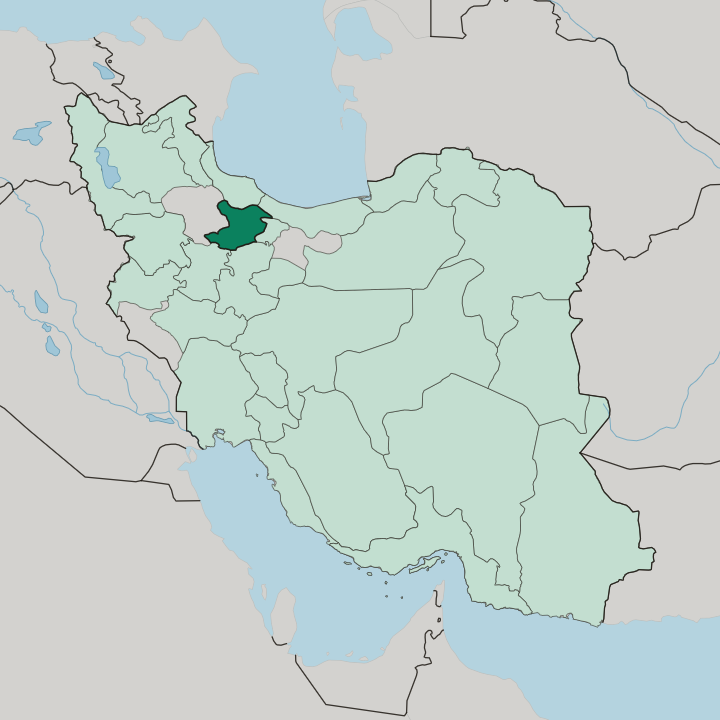
Qazvin Province spreads across north-western Iran, from the Alamut valley in the Alborz down to the dry plains around the old Safavid capital of Qazvin.
Find your area →


Towns & cities in Qazvin Province
Pick a town or city — each links to where to stay.



About Qazvin Province
Two names carry the province.
What is Qazvin Province known for?
The Alamut valley, folded into the Alborz northeast of Qazvin city, holds the cliff-top ruin of Alamut Castle, headquarters of the Nizari Ismaili state that medieval Crusader chroniclers called the Order of Assassins. The other is Qazvin itself, capital of the Safavid empire under Shah Tahmasp before the court moved to Isfahan. Persian carpets, saffron-laced flag baghlava, and the calligraphy for which Qazvin is known round out the picture.
Where is Qazvin Province?
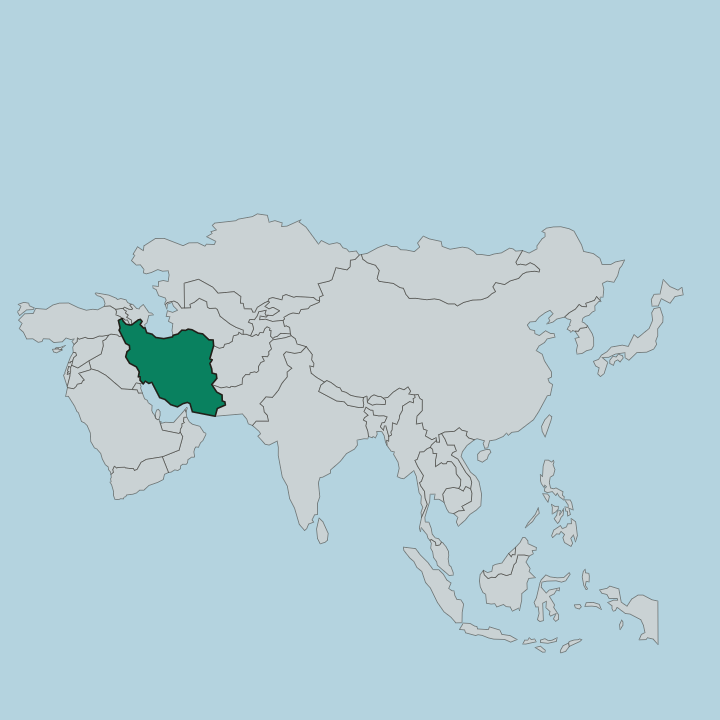
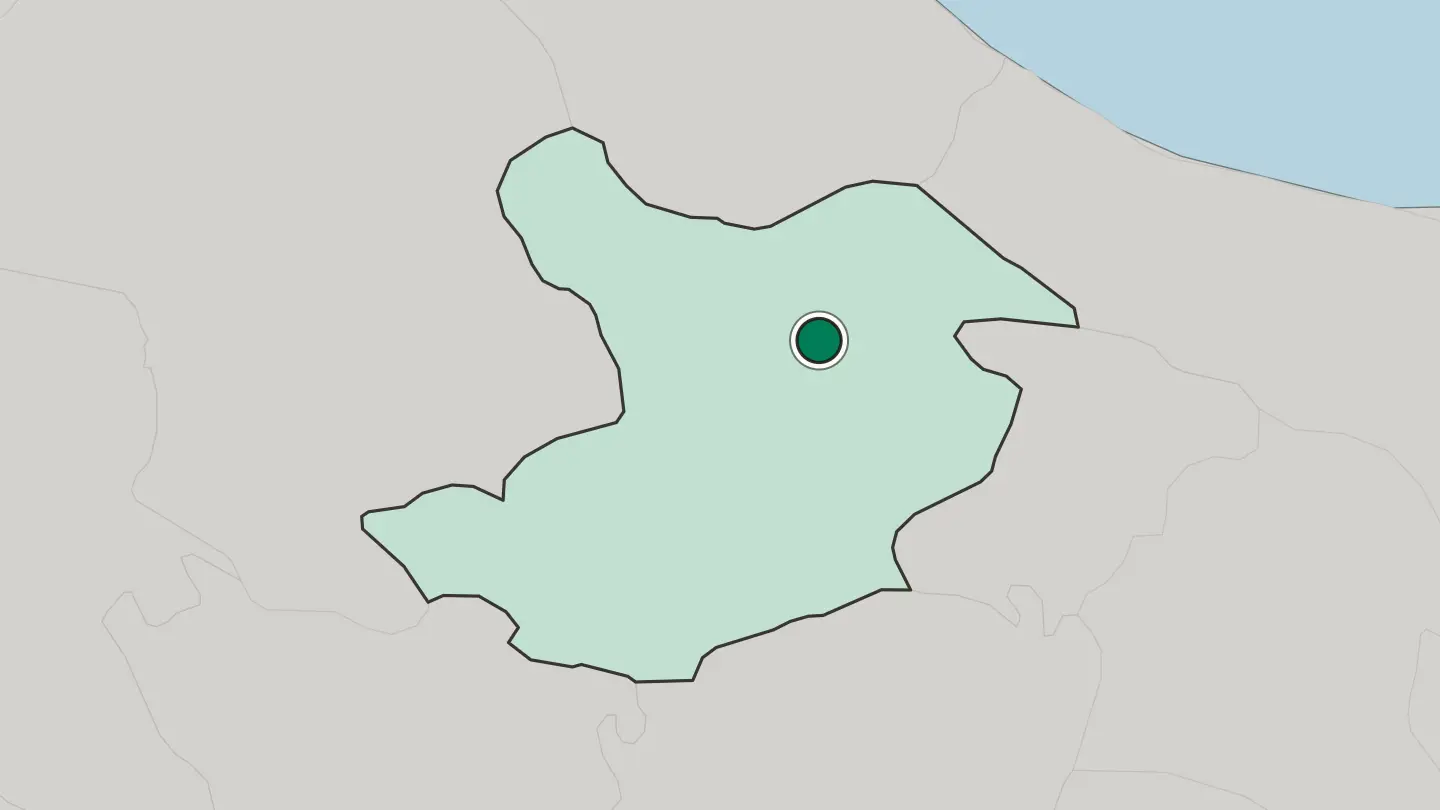
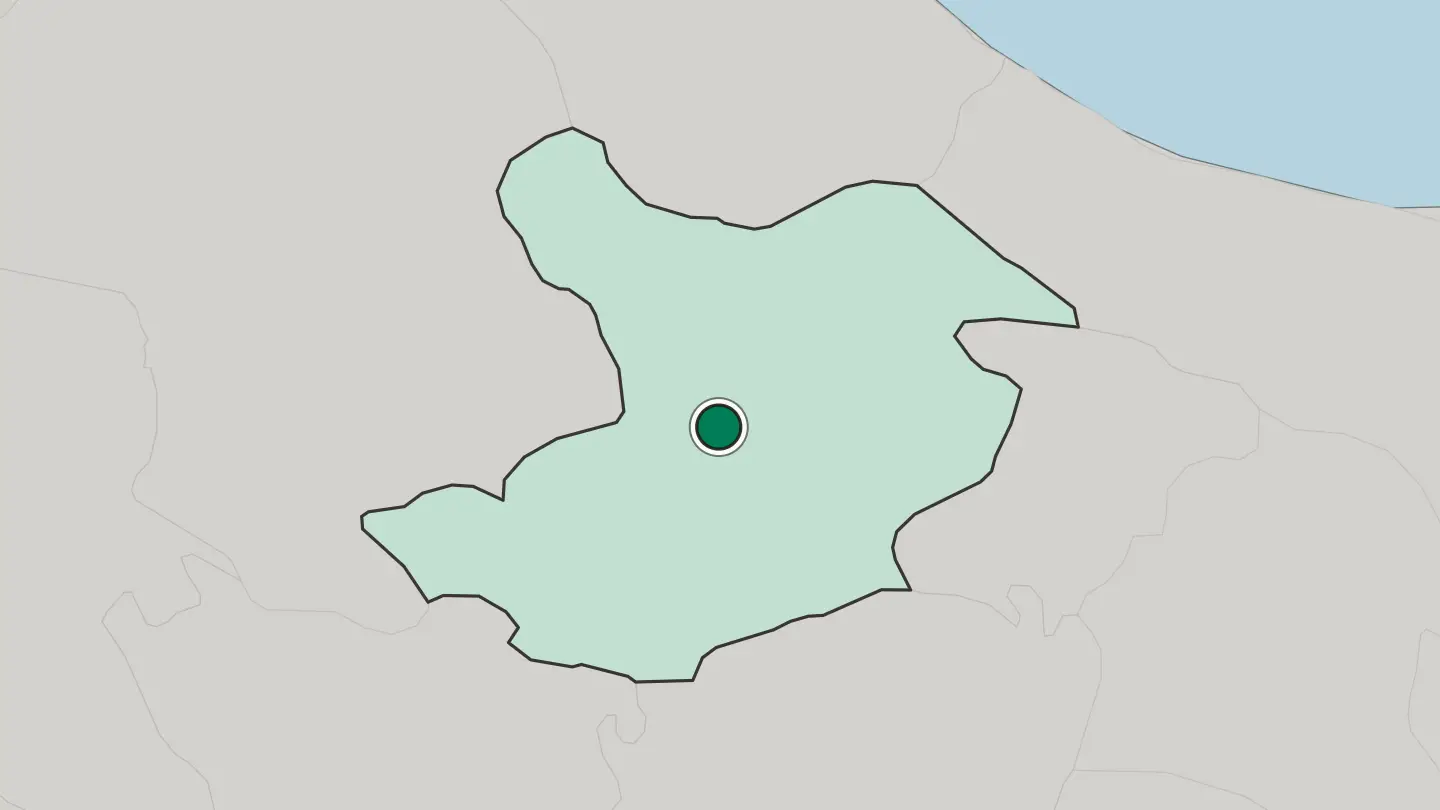
Qazvin Province sits in north-western Iran, on the high plains where the central plateau runs up against the Alborz mountains. Tehran lies about 150 kilometres to the southeast, close enough that the province works as the capital's back door to the northwest. Its shape is a study in contrasts. The south and centre are dry, gently rolling plains, the Qazvin plain, watered by qanats and a handful of streams.
Northward the ground climbs fast into the Alborz, where Sialan and Shah Alborz raise the province's highest ridges. Beyond that wall of rock, the land drops toward the Caspian Sea. The northeast holds Alamut, a deep valley on the inner edge of the Alborz, hemmed between the parched Qazvin plain to the south and the forested slopes of Mazandaran to the north.
Ovan Lake sits up among its orchards and terraced fields. The province borders Gilan and Mazandaran over the mountains to the north, Zanjan and Hamadan to the west, Markazi to the south, and Tehran Province to the east. That position made it a hinge.
Roads bound for Tabriz, the Caspian coast, and the passes toward Asia Minor have crossed this ground for centuries.
What is Qazvin Province like?
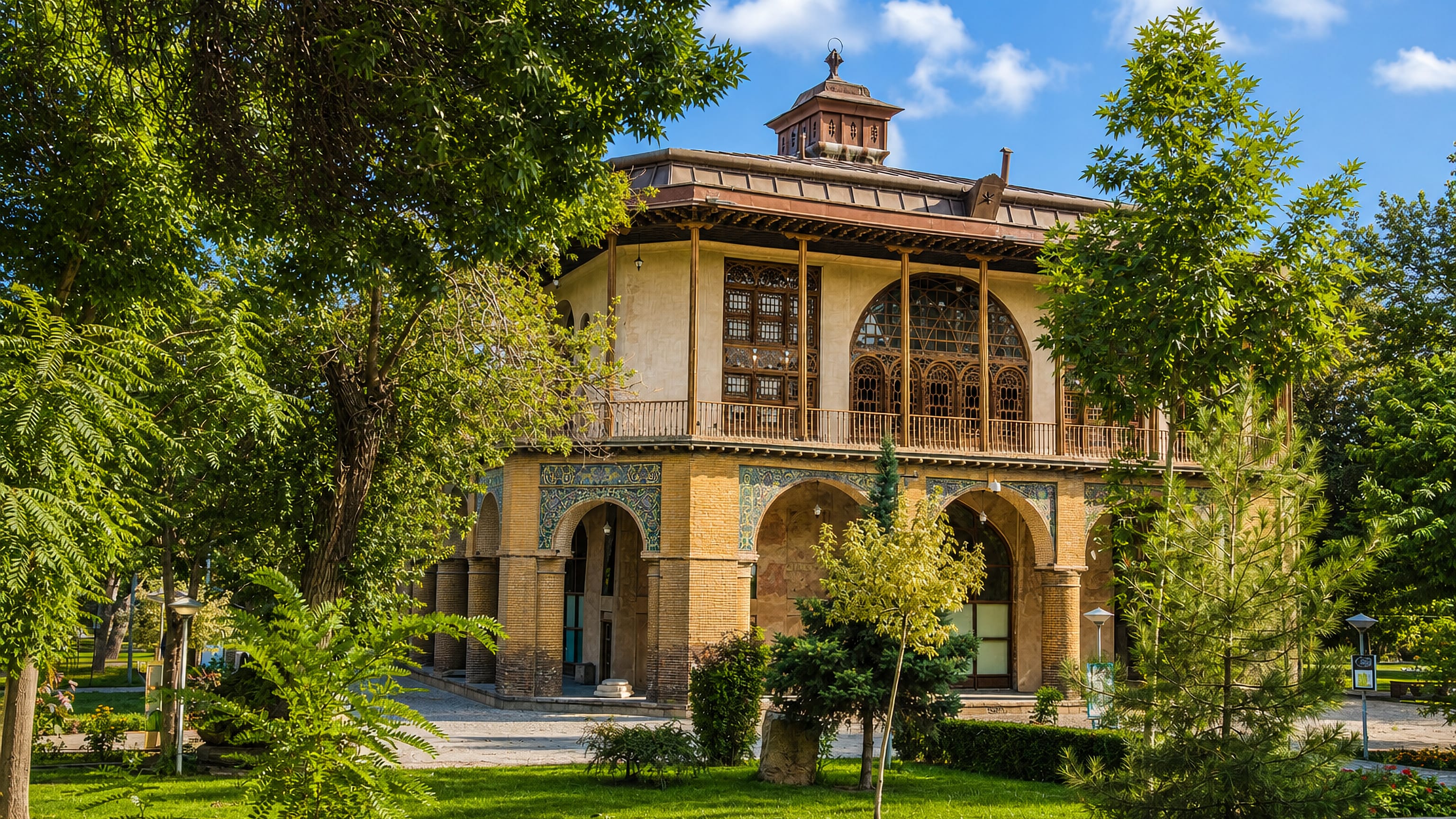
Calligraphy is the province's calling card. Qazvin trained generations of masters in the flowing nastaliq script, and the Chehel Sotoun pavilion, a Safavid garden mansion also called Kolah Farangi, keeps that legacy as a calligraphy museum. Faith and script meet in the built fabric.
The Jameh Mosque of Qazvin, one of the oldest mosques in Iran with an earliest core built in 807 on a former Sasanian fire-temple site, anchors the old town on Sepah Street, laid out on Shah Tahmasp's orders as one of Iran's first planned avenues. Persian is the everyday language, spoken here in a distinct Qazvini accent. The table tells its own story.
Qazvin's flag baghlava layers almond, pistachio, saffron, and rosewater into a three-coloured sweet, and qeymeh nesar, a jewelled rice studded with barberries and slivered nuts, is the dish brought out for weddings and guests. Craft runs alongside the cooking. Looms across the plain knot Persian carpets in patterns the province is known for, while the vineyards around Takestan give the area its grapes.
It is a culture of fine detail. Ink, thread, and pastry all reward a close look.
What is the history of Qazvin Province?
Qazvin's story starts with the Sasanians. Shapur I founded the city in the third century, when it grew into a caravan town linking the plateau to the Caspian. In the eleventh century Hasan-i Sabbah seized Alamut Castle and made the surrounding valleys the base of the Nizari Ismaili state, which held out until Hulagu Khan's Mongols stormed the fortresses in 1256.
Its highest moment came under the Safavids. Shah Tahmasp made Qazvin the imperial capital in 1555, until Abbas the Great moved the court to Isfahan in 1598. The modern province was later carved from Tehran and Zanjan.
What is the climate of Qazvin Province?
The plain runs cold and dry. Winters on the Qazvin plateau turn sharp, with frost and snow settling over the town before spring loosens its grip, while summers stay warm and rainless under a high, bright sky. Most of the year's moisture arrives as winter and spring snowmelt off the Alborz.
Up in Alamut the seasons bite harder. Snow buries the high valleys and lingers on Sialan long after the plain has dried, yet the short mountain summers stay green around Ovan Lake. Pack for both worlds.
How do you get to Qazvin Province?
Most travellers arrive overland from Tehran. The freeway west from the capital reaches Qazvin in a couple of hours, and the same corridor carries the main rail line on toward Zanjan and Tabriz. Trains also run north through the mountains to Rasht, a link opened in 2019 that ties the province to the Caspian.
The nearest large airports sit back in Tehran. Alamut is the hard part. Only a narrow, switchbacking road climbs from the plain into the valley, so the castle and its villages take a slow drive and then a walk on foot.
Common questions
What is the best area to stay in Qazvin Province?
Qazvin: touring the Safavid capital's monuments. Takestan: the wine-country plains.
Good for
More regions in Iran
Updated September 2026