Iran · Qazvin Province
Where to Stay in Qazvin, Qazvin Province
Qazvin is a historic city of northwestern Iran, a former royal capital set on the plain below the Alborz mountains.
Find your area →


Where to stay in Qazvin
The practical side of choosing where to sleep.
Where to sleep in Qazvin depends on how close you want the old city. The lanes around the bazaar and the Grand Mosque keep the mosques, the mansions, and the caravanserai within a walk, and staying in the centre suits anyone here for the old city. The bazaar quiets after dark.
Rooms sit in old houses near the mosque. Out toward the newer town and the highway, the streets run wider and plainer. A room away from the centre trades the old lanes for parking, space, and an easy road back to Tehran.
The dry plain opens past the edge. If you want the mosques and the bazaar, stay in the centre; if you want the road, take a room outside. Qazvin is compact enough that the old city stays near either way.
Things to do in Qazvin
Ranked by global recognition; descriptions from Wikidata (CC0).
Museums & Galleries
1- Qazvin Museum
Churches & Religious Sites
2- Saint Hripsime Church of Qazvin
- Saint Mary Chaldean Church (Qazvin)
Castles & Historic Sites
5- Aminiha Hussainiya Heritage
- Meimoon Ghal'eh Heritage
- Hamdallah Mustawfi Mausoleum Heritage
- Aref Qazvini House Heritage
- Jalil Arazi House Heritage
worth knowingacross 3 categories in Qazvin
About Qazvin
Qazvin was once the capital of Safavid Persia.
What is Qazvin known for?
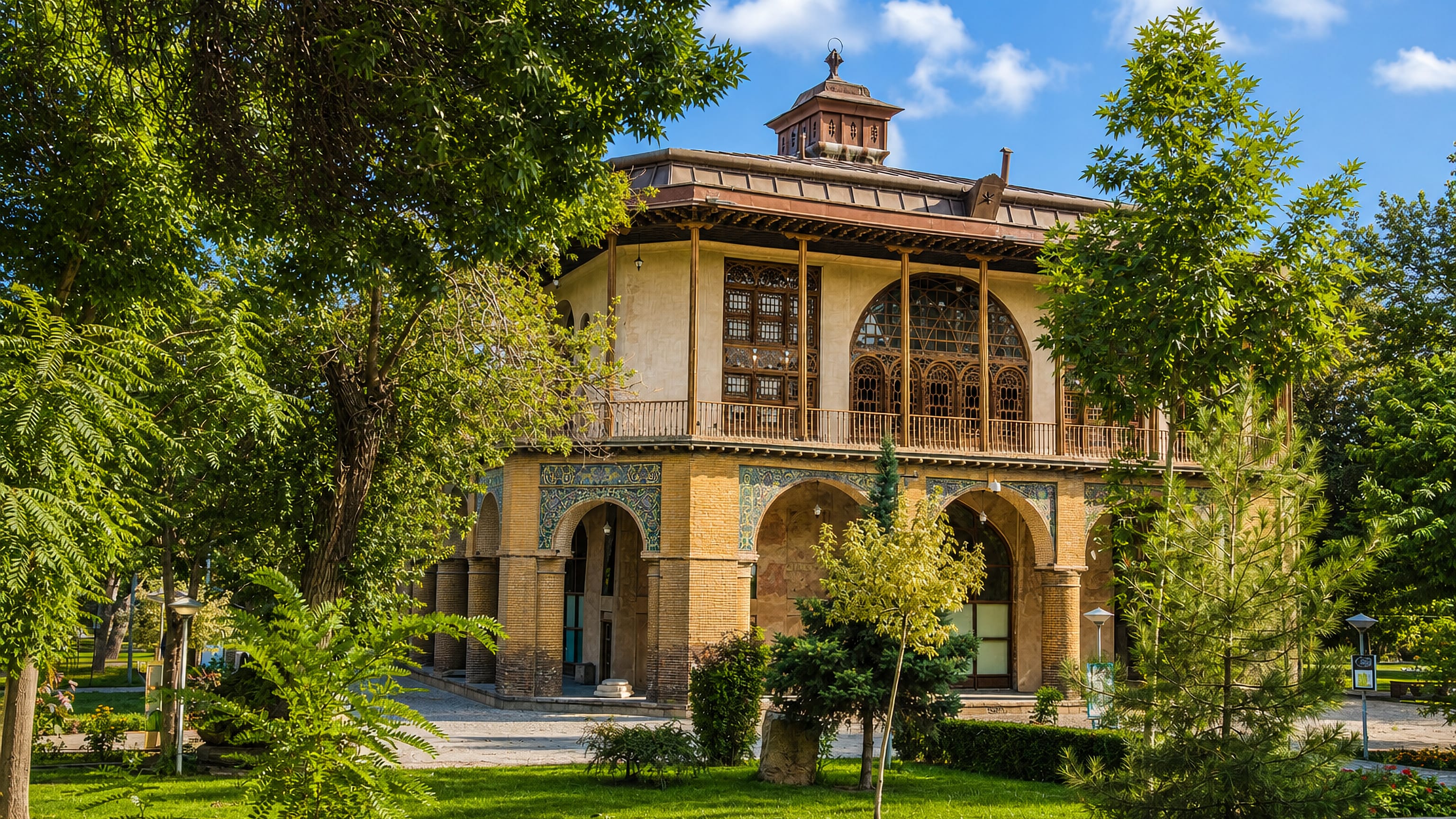
For a time the shahs ruled the empire from here, and the old city keeps their palace gate, a great covered caravanserai, ancient mosques, and the domed tomb of a famous historian. Old mansions hide behind its walls. Palaces and mosques mark the town.
What are the main landmarks in Qazvin?
The old Grand Mosque stands at the heart of Qazvin. The ancient Jameh Mosque, with its Seljuk domes, rises among the bazaars of the old town, one of the oldest in Iran, near the palace gate. Palaces and caravanserais fill the centre.
The Ali Qapu gate and the Chehel Sotoun pavilion recall the Safavid court, while the Sa'd al-Saltaneh Caravanserai and the tomb of Hamdollah Mostowfi mark the town.
What is the history of Qazvin?
Qazvin has guarded the road across the plateau since ancient times. Founded in the days of the Sasanian kings, the city grew as a stronghold on the route between the plateau and the Caspian, and its old Grand Mosque still holds work from the Seljuk age. Then the shahs made it their seat.
In the sixteenth century the Safavids moved their capital to Qazvin, and for half a century the city ruled Persia, gaining palaces, gardens, and a royal gate. The capital moved on to Isfahan. When the court left, Qazvin settled back into the life of a rich provincial town, its bazaars and caravanserais busy with the trade of the road.
Grand mansions rose in the Qajar age. Wealthy families built ornate houses and halls behind high walls, and the town laid out the first modern avenue in the country. The old mosques and palaces still stand.
Qazvin keeps its royal past on the plain below the mountains.
Where is Qazvin?
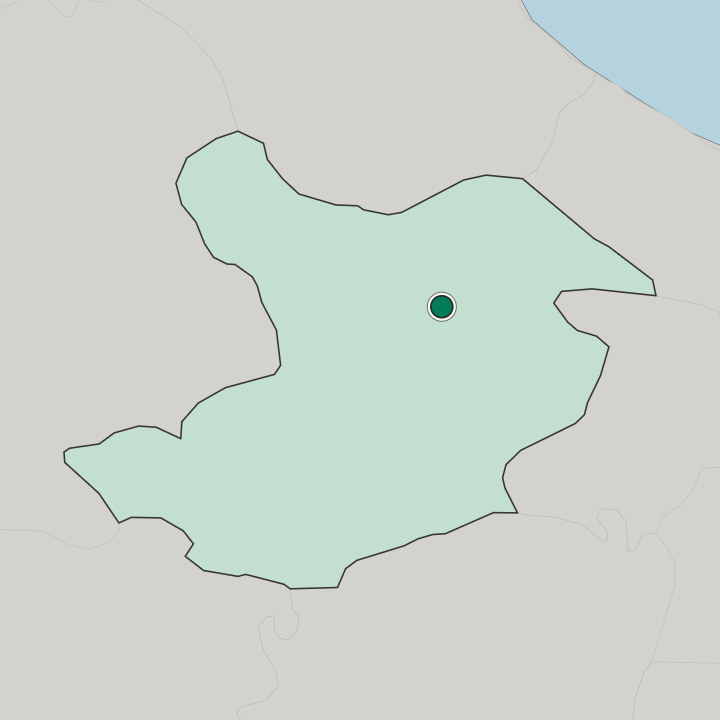
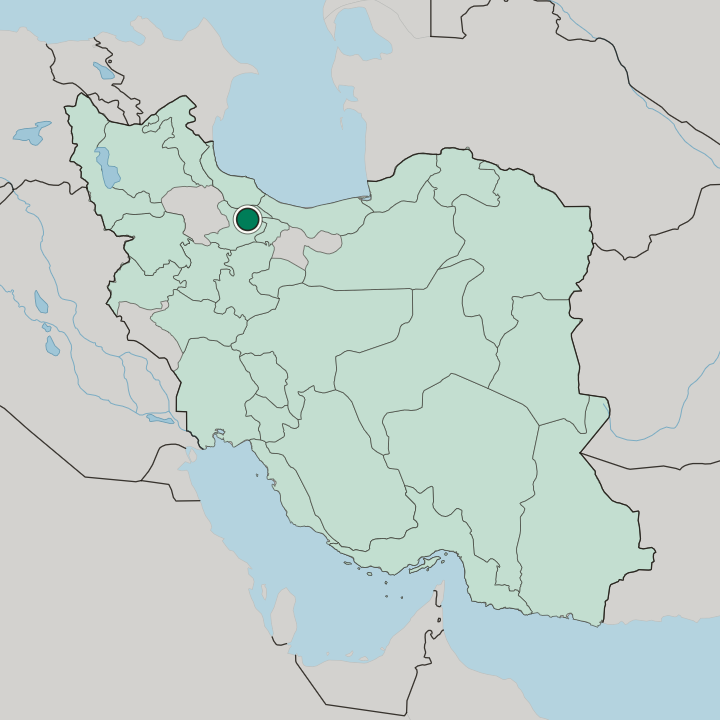
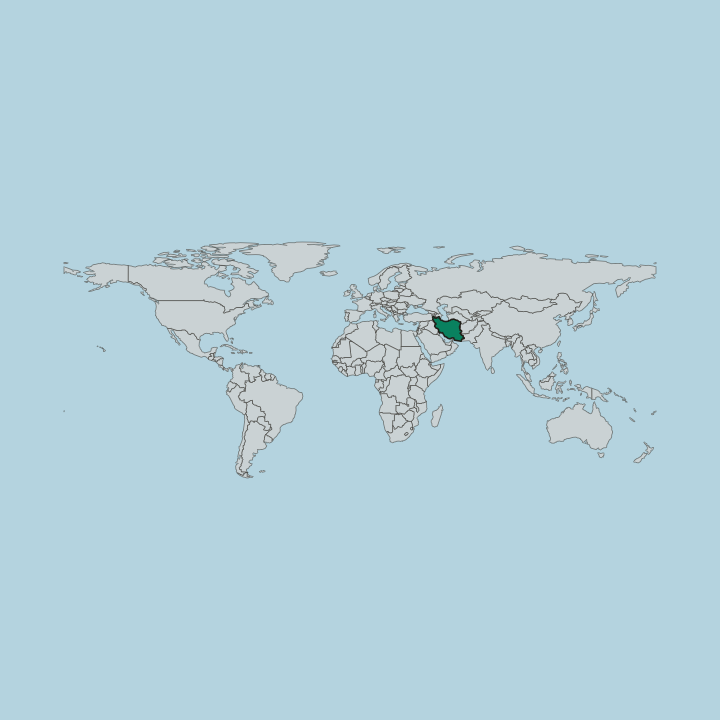
Qazvin lies on a high plain below the Alborz mountains of northern Iran. The city sits on a broad, dry plateau where the farmland gives way to bare hills, between the capital and the forests of the Caspian coast to the north. Bare ranges rise beyond the fields.
The dry plain stretches wide around.
What is the climate of Qazvin?
Qazvin has a cold, dry continental climate. Hot, dry summers bake the plateau, and the winters turn cold and snowy in the shadow of the Alborz, with most rain falling in the spring. Cold winds sweep down from the mountains.
The high plain stays dry through the year.
How do you get to Qazvin?
Qazvin lies on the plateau northwest of Tehran. The main highway and rail line run to it from the capital and on toward Tabriz in the northwest, and a mountain road drops to the Caspian coast. Buses reach the plateau towns around.
Most arrive by road from Tehran.
Good for
Another city in Qazvin Province
Updated September 2026