Iran · South Khorasan Province
Where to Stay in Bīrjand, South Khorasan Province
Birjand is a desert-edge city in eastern Iran, the capital of South Khorasan and the saffron capital of the country.
Find your area →


Where to stay in Bīrjand
How the choice of base plays out on the ground.
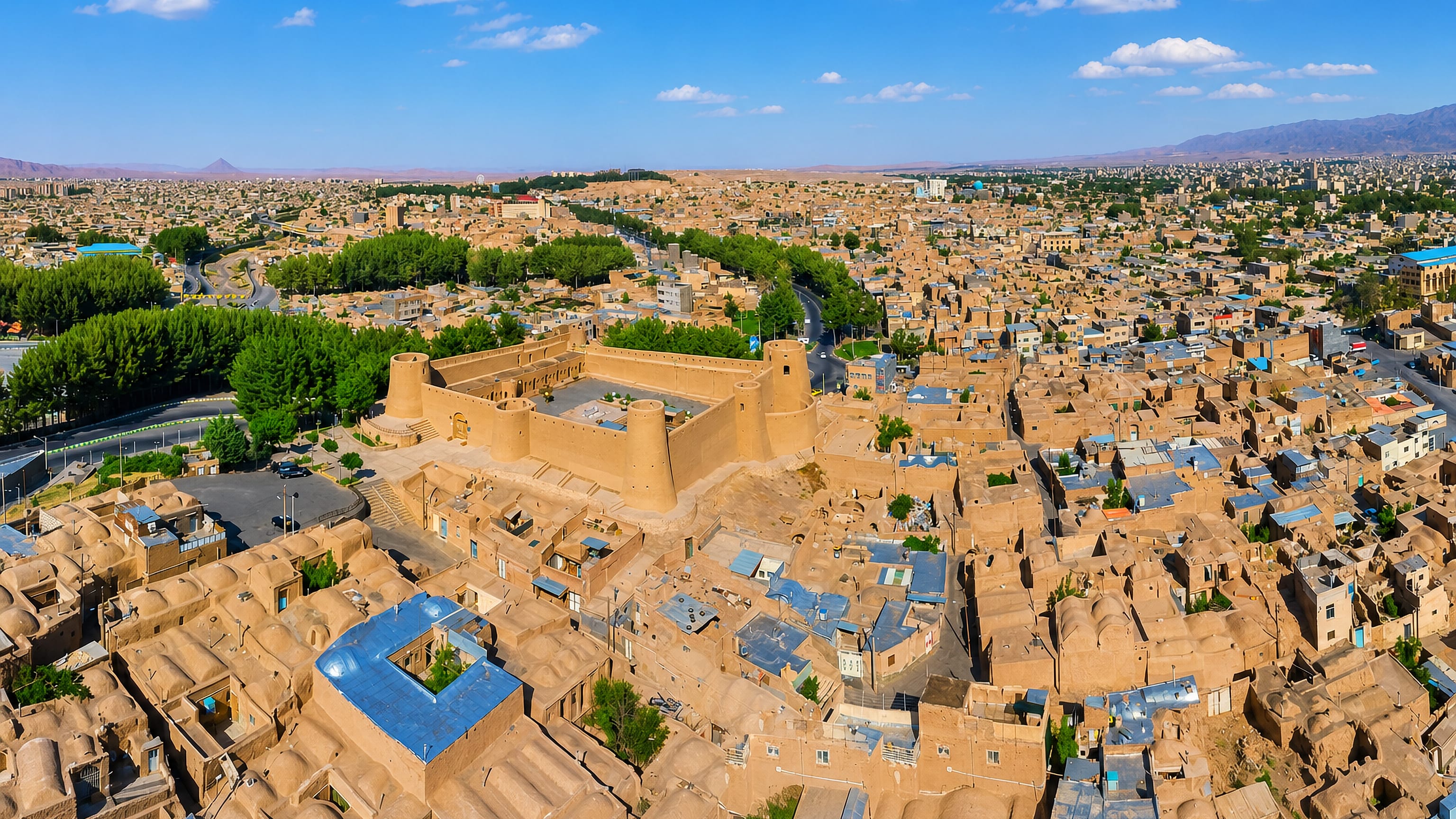
Where you stay in Birjand turns on the old town. The lanes around the citadel and the old gardens keep the houses, the reservoirs, and the bazaar within a walk, and staying in the centre suits anyone here for the old city. The lanes hush in the desert heat.
Rooms sit in the old courtyard houses near the citadel. Out toward the newer districts and the road, the town spreads into wider, plainer streets. A room away from the centre trades the old lanes for parking, space, and an easy road on to Mashhad.
The bare desert opens flat past the town. If you want the citadel and the gardens, stay in the centre; if you want the road, take a room outside. Birjand is compact, so the citadel and its old lanes never sit far off.
About Bīrjand
Birjand is the saffron city of Iran.
What is Bīrjand known for?
On the dry eastern edge of the country, its fields yield much of the nation's saffron and barberry, and an old citadel and shaded gardens rise among the desert streets, fed by ancient underground channels. Ab anbars store the precious water below ground. Saffron and water mark the town.
What are the main landmarks in Bīrjand?
The Birjand Citadel crowns the heart of the town. Its walls of mud brick rise over the desert city, the great mark of the old town, above the qanats that water the streets. Gardens and reservoirs mark the town.
The shaded Bahlgard Garden, the Asef Caravanserai, and the old Pordeli House keep the courtyard style, while great domed ab anbars store the precious water below the ground.
What is the history of Bīrjand?
Birjand grew as an oasis on the desert road. For centuries it stood on the long caravan route between Persia and India, a green town in the dry east where water was drawn from deep qanats beneath the plain. Water made life possible.
The people cut long underground channels to bring mountain water to the fields and the town, and they stored it in great domed reservoirs, the ab anbars, against the desert heat. Saffron and carpets made the town's name. In the dry fields around the city grew the saffron and barberry that Birjand still sends across Iran, and its weavers knotted fine carpets prized far away.
Rulers built in the desert style. A great citadel of mud brick rose over the town, and merchants raised shaded courtyard houses and gardens like the Bahlgard against the sun. The old town keeps its desert craft.
Birjand still guards its saffron and its water on the edge of the sands.
Where is Bīrjand?
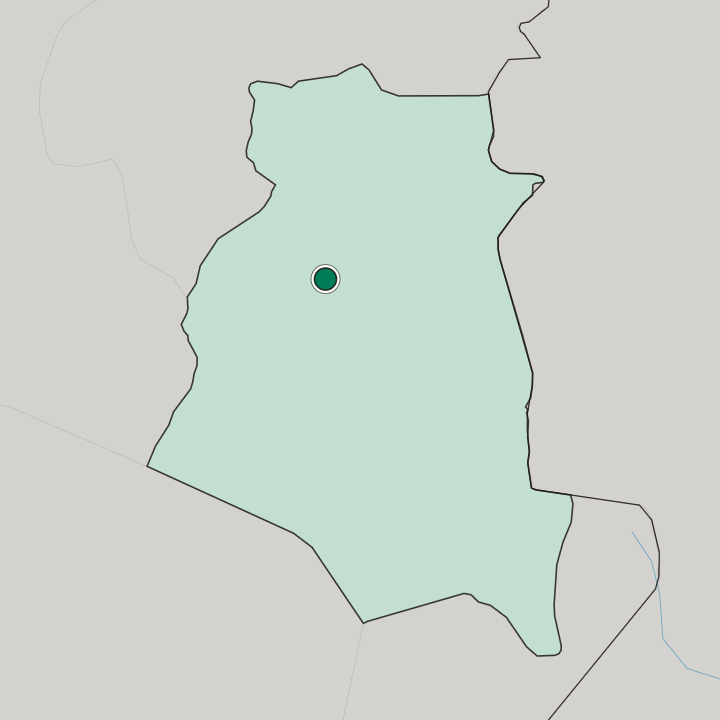
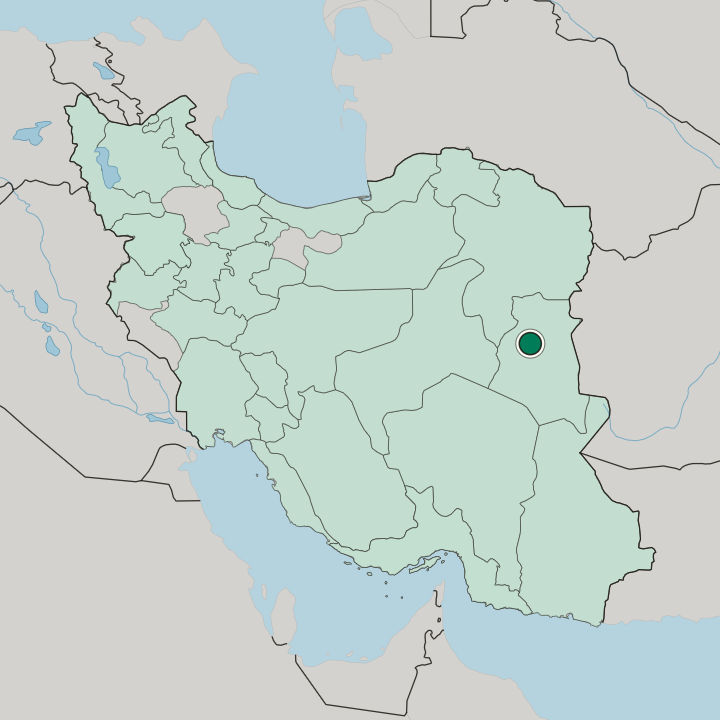
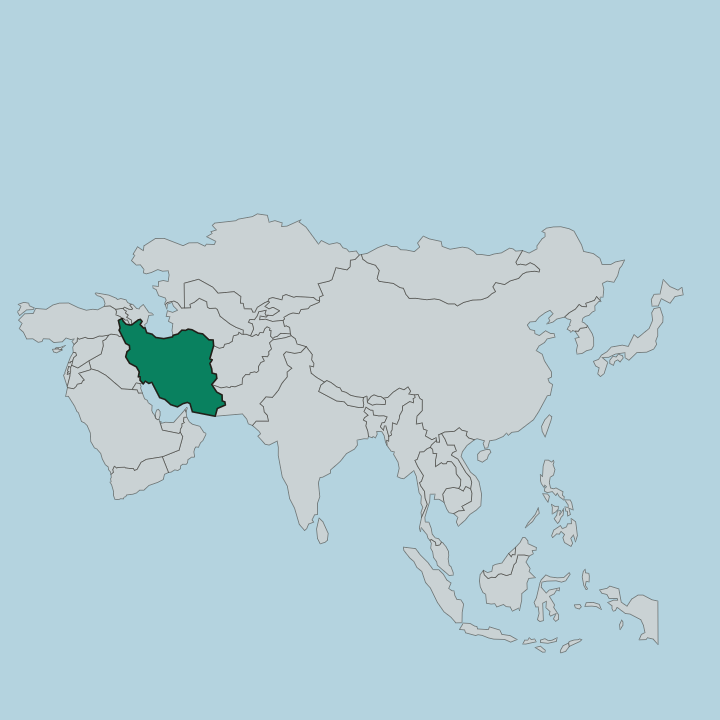
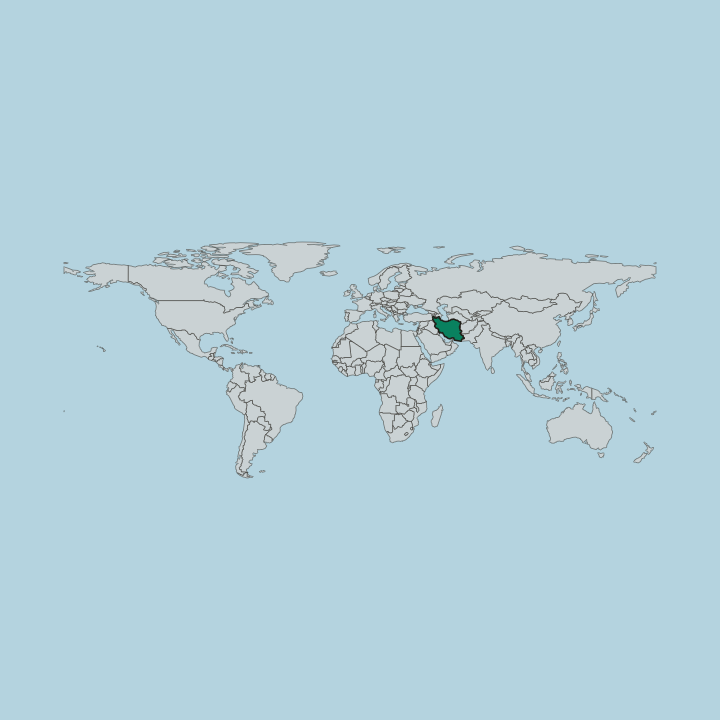
Birjand lies on the desert edge of eastern Iran. The city sits in a dry mountain valley of South Khorasan, where bare brown ranges rise from the plain near the great deserts and the Afghan border. Dust and rock stretch away around it.
The desert presses close on every side.
What is the climate of Bīrjand?
Birjand has a harsh desert climate. Hot, dry summers bake the valley, and the winters turn cold and windy on the high desert plain, with almost no rain in any season. Dust storms sweep the plain in spring.
The dry air swings hot and cold.
How do you get to Bīrjand?
Birjand lies far in the desert east of Iran. Roads run to it across the dry plains from Mashhad and toward the Afghan border, and the city's airport links it to the capital. Buses reach the oasis towns around.
Most arrive by road across the desert.
Good for
Updated September 2026