Jordan · Ajloun
Where to Stay in ‘Ajlūn, Ajloun
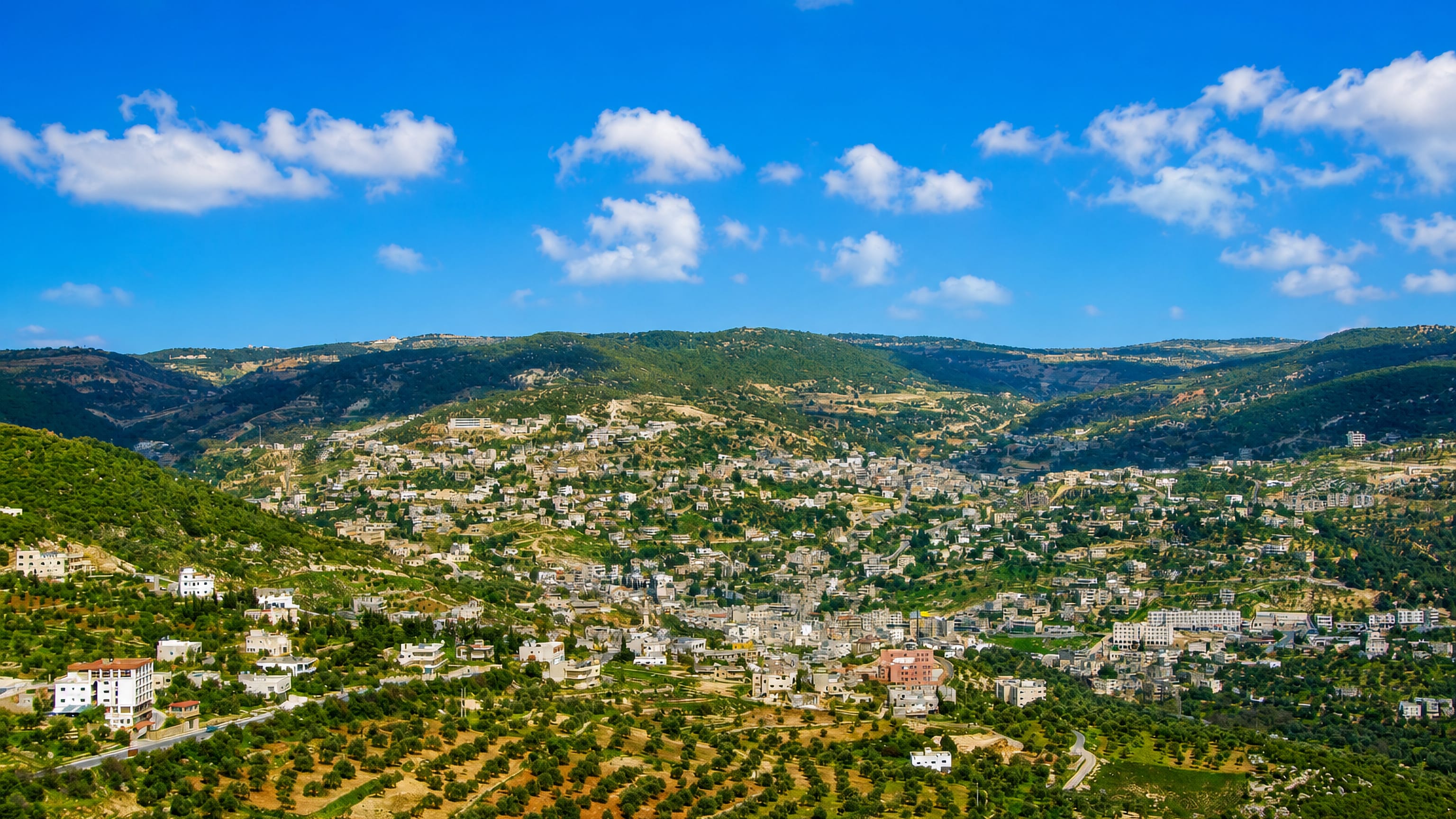
'Ajlūn is the hill-country capital of the Ajloun Governorate in Jordan, known for the ruined twelfth-century castle on the height above its streets.
Hotel links are affiliate links: booking through them may earn us a commission, at no extra cost to you. It never affects how places are ranked. How this works


Where to stay in ‘Ajlūn
Where visitors usually base themselves, and why.
Ajloun Castle sets the shape of a stay. Rooms in the town gather on the slopes under the fortress, close enough that the walk up to the walls is the first thing most guests do with a morning, and that proximity is the main thing you are paying for when you choose a bed in 'Ajlūn rather than in Amman. 'Ajlūn does not sprawl. Four square kilometres of hill streets do not hold a large hotel trade, and what exists leans toward guesthouses and family-run places rather than anything with a lobby.
Out toward Souf the ground opens. Beds on that side trade the town for quiet, put the old mosque at Souf within an easy drive, and still leave Ajloun Castle close enough for a second visit at the end of the day, which suits anyone who wants the hills more than the streets. Book before you come.
The Ajloun Governorate fills up when the weather is kind, and an unplanned arrival can end with a drive back down toward Amman for a room. Either address puts the Ajloun Archaeological Museum within reach, since the town centre holds it and nothing here is far from the town centre. Walking is realistic in 'Ajlūn.
Slopes make it work, so shoes matter more than a map, and a stay of two nights covers the castle, the museum, and a look at the ground around Tell el-Maqlub without any rush.
Find hotels in ‘Ajlūn
Direct booking searches for these neighbourhoods.
Under Ajloun Castle
Slope rooms below the castle keep the ruined walls and the Ajloun Archaeological Museum on foot from the door. Lodging is scarce in this area; reserve in advance.Find hotels in Under Ajloun CastleNights out toward the old mosque at Souf and the hill countryThe Souf side
Ground beyond the last streets toward Souf swaps town noise for hill quiet, with the castle a short drive back. Lodging is scarce in this area; reserve in advance.Find hotels in The Souf sideHotel links are affiliate links: booking through them may earn us a commission, at no extra cost to you. It never affects how places are ranked. How this works
About ‘Ajlūn
Ajloun Castle does the drawing.
What is ‘Ajlūn known for?
The ruined twelfth-century fortress on the height above the town is what brings most visitors up from Amman, while the Ajloun Archaeological Museum, the dug ground at Iraq ed-Dubb, and the mound of Tell el-Maqlub give anyone staying longer a second and a third reason to be here. Hills close in on every side. The old mosque at Souf belongs to the same governorate.
Maps write the name Ajloun or Ajlun alike.
What are the main landmarks in ‘Ajlūn?
One ruin outranks the rest. Ajloun Castle holds the ridge above the town, a twelfth-century fortress whose broken walls and towers are the single sight in this part of Jordan that needs no explaining to a first-time visitor, and the Ajloun Archaeological Museum in the streets below supplies what the stonework leaves out. Two older sites lie in the country around.
Iraq ed-Dubb and Tell el-Maqlub are archaeological ground rather than monuments, and the old mosque at Souf completes what the Ajloun Governorate names as its heritage.
What is the history of ‘Ajlūn?
Twelfth-century stone set the course of this town. Ajloun Castle was raised on the height in that century, and no other structure in the district has shaped the name of the place in the same way, so the ruin above the roofs is where any account of 'Ajlūn has to begin. Older ground lies close by.
Iraq ed-Dubb and Tell el-Maqlub carry occupation reaching well behind the castle, the kind of archaeological ground that is excavated rather than visited, and the mound at Tell el-Maqlub in particular reads as a heap of earth to anyone arriving without a guide. The museum keeps what the ground gives up. Material from the sites around the hills is held at the Ajloun Archaeological Museum in the town itself, which is where the long story of this country is set out, since the sites themselves explain very little to an untrained eye.
Souf holds an old mosque. Building of that kind went on in the villages of the Ajloun Governorate alongside the fortress work above, and the mosque at Souf is the example the record names. Administration sits here too. 'Ajlūn is the capital town of the Ajloun Governorate, which puts the seat of a district of Jordan in a small hill settlement rather than in anything resembling a large city, and the offices that come with the role stand among streets otherwise given over to ordinary local business.
Distance kept the town its own. Seventy-six kilometres of road separate 'Ajlūn from Amman, far enough that the place has never simply been a suburb of the larger city, and close enough that the castle has become a standard day out from it.
Where is ‘Ajlūn?
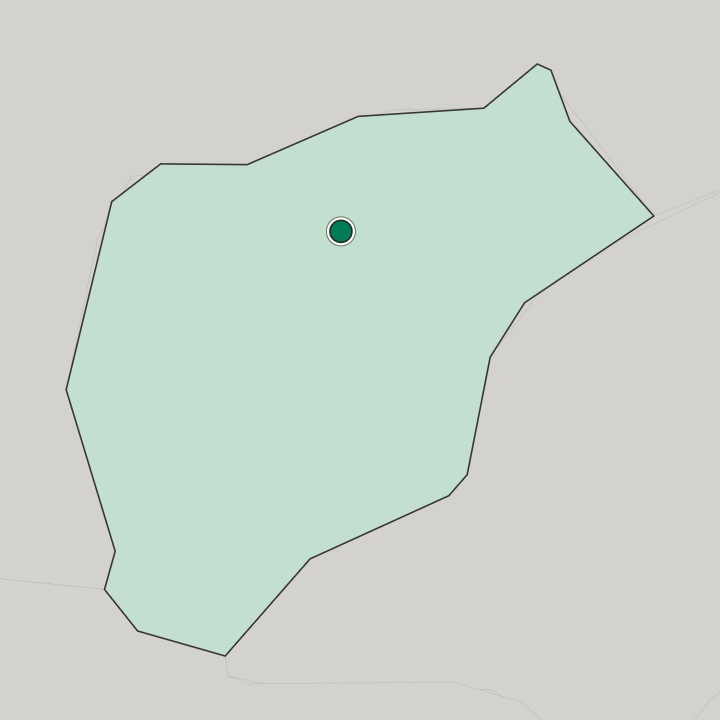
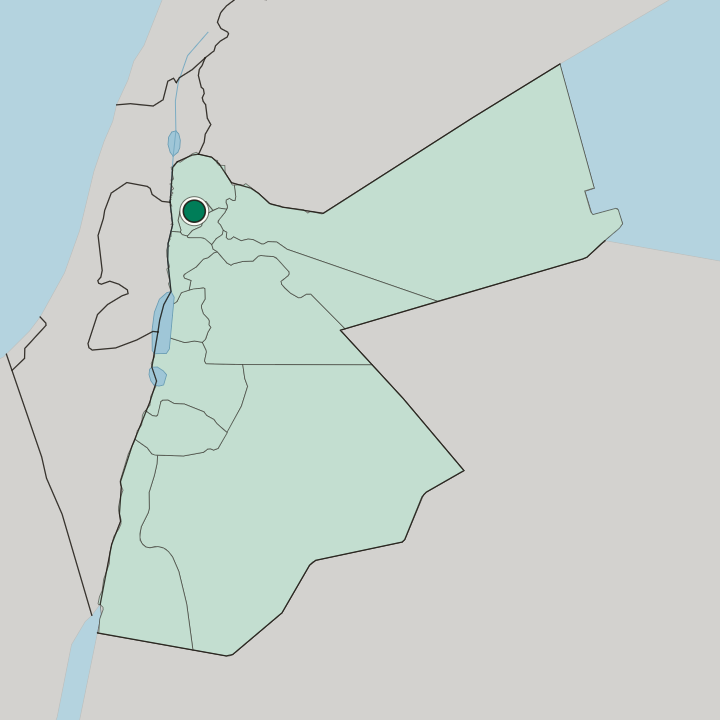
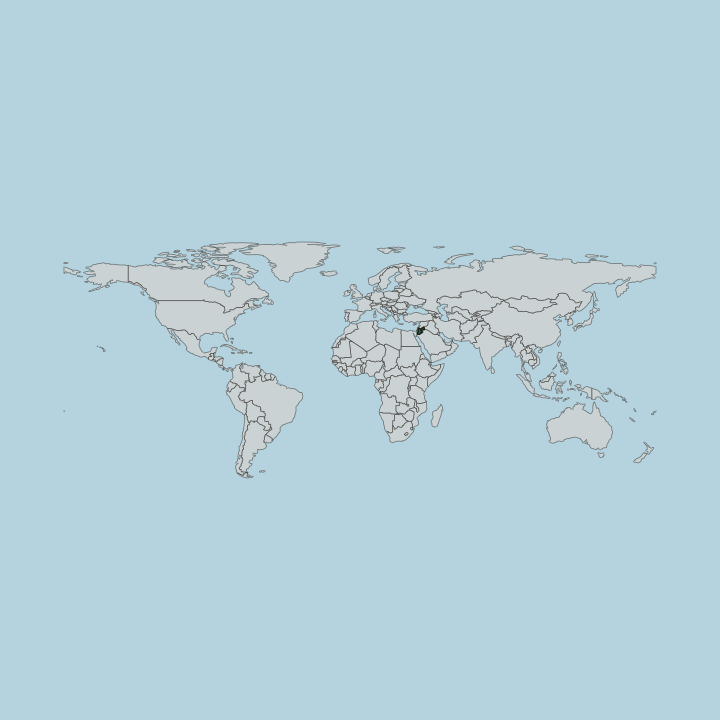
The town takes in about four square kilometres of hill ground in the Ajloun Governorate, its streets working up and down slopes instead of spreading across any plain, with the castle ridge above and lower country falling away past the last houses. Ajloun Castle holds the high point. Tell el-Maqlub and Iraq ed-Dubb lie out in the ground around, and Souf keeps its old mosque within the same hills.
Relief decides everything here.
What is the climate of ‘Ajlūn?
Height tempers the heat at 'Ajlūn. The hills of the Ajloun Governorate lift the town clear of the ground that bakes hardest inside the subtropical band, so a summer day here runs easier than the same day down at Amman, and the cool season carries what rain the year holds. Winter turns sharp on the ridge.
Wind finds the castle first.
How do you get to ‘Ajlūn?
Everything comes in by road. Seventy-six kilometres of driving separate 'Ajlūn from Amman, and the climb into the hills of the Ajloun Governorate is the standard approach, whether by hired car, by taxi, or on the services that run to the governorate seat. The last stretch climbs.
Most arrivals are day trips built around Ajloun Castle, up in the morning and back down the same road by evening.
Common questions
What is the best area to stay in ‘Ajlūn?
Under Ajloun Castle: Guests who want the twelfth-century fortress within a morning's climb. The Souf side: Nights out toward the old mosque at Souf and the hill country.
Good for
Updated October 2026