Jordan · Amman Governorate
Where to Stay in Amman, Amman Governorate
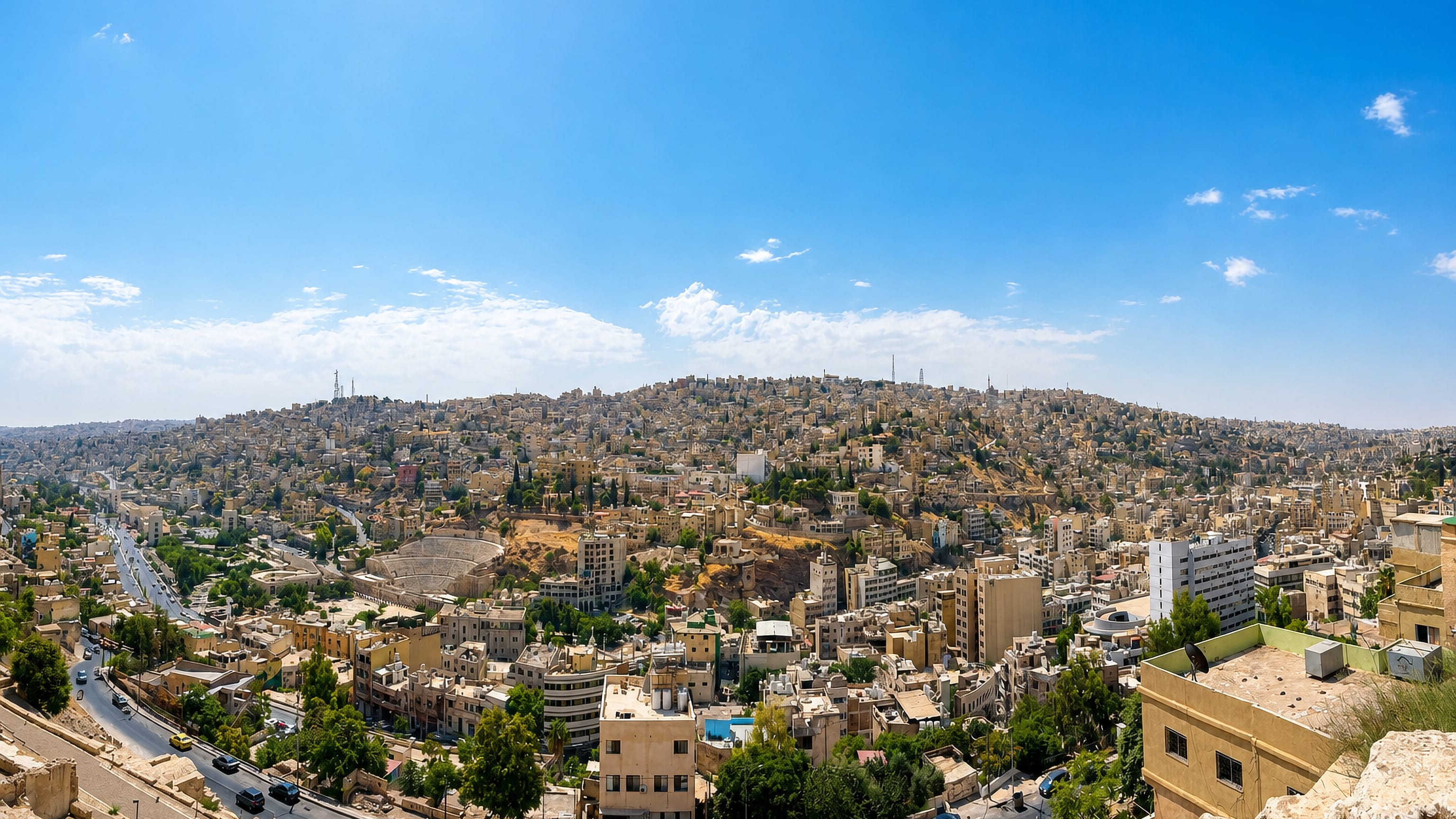
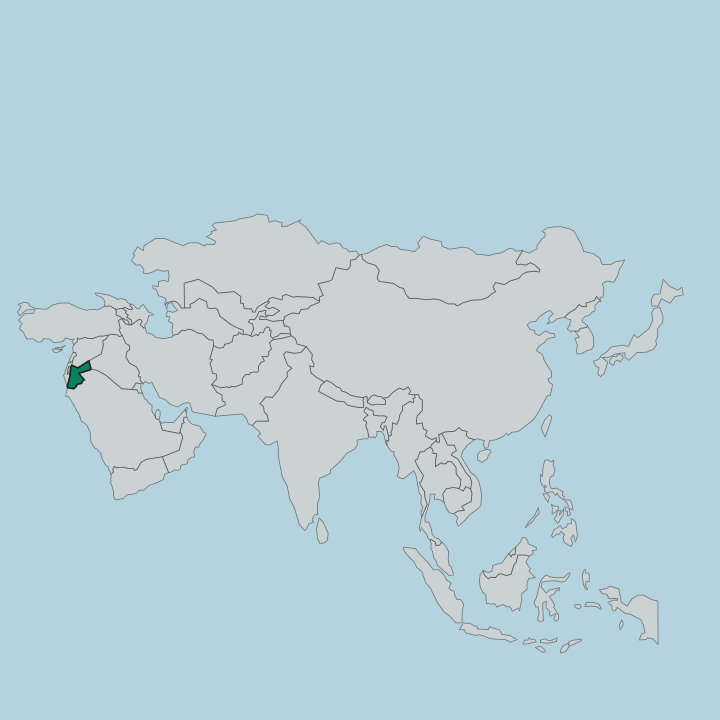
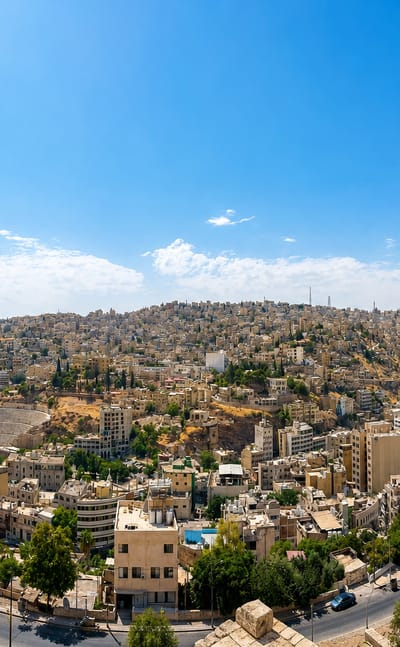
Amman is the capital and largest city of Jordan, where the Roman Theatre and the Amman Citadel rise at its heart.
Hotel links are affiliate links: booking through them may earn us a commission, at no extra cost to you. It never affects how places are ranked. How this works


Where to stay in Amman
Each area has its own feel; here's who each one suits.
 AmmanJordan
Ḩayy al Quwaysimah
Ḩayy al Quwaysimah is a large residential district of Amman, one of the busy southern quarters of the Greater Amman Municipality.Where to stay →AmmanJordanḨayy al Bunayyāt
Ḩayy al Bunayyāt is a residential quarter on the southern side of Amman, within the Greater Amman Municipality.Where to stay →AmmanJordanUmm al-ḥayrān
Umm al-ḥayrān is a residential district of Amman, the capital of Jordan.Where to stay →Hotel links are affiliate links: booking through them may earn us a commission, at no extra cost to you. It never affects how places are ranked. How this works
Find hotels in Amman
Direct booking searches for these neighbourhoods.
The downtown below the Citadel
The old valley town beneath the Amman Citadel, where the Roman Theatre, the Roman Baths, and The Duke's Diwan stand among the markets.Find hotels in The downtown below the Citadelmuseum-goers who want the modern cityThe museum quarter of Amman
The newer parts of Amman gathered around The Jordan Museum, the Jordan Archaeological Museum, and the Jordan National Gallery of Fine Arts.Find hotels in The museum quarter of AmmanHotel links are affiliate links: booking through them may earn us a commission, at no extra cost to you. It never affects how places are ranked. How this works
Things to do in Amman
Ranked by global recognition; descriptions from Wikidata (CC0).
Museums & Galleries
3- The Jordan Museum
- Jordan Archaeological Museum
- The Duke's Diwan
Churches & Religious Sites
2- Our Lady Church
- Our Lady of the Annunciation Church, Amman
Castles & Historic Sites
3- Amman Citadel
- Roman Theatre of Amman
- Roman Baths, Amman
Stadiums & Sports
1- Al-Yarmouk Hall
worth knowingacross 4 categories in Amman
About Amman
What is Amman known for?
Amman is the capital and largest city of Jordan, the political and cultural centre of the kingdom. Rome left its mark here. The Roman Theatre and the Roman Baths sit in the old downtown, while the Amman Citadel crowns the hill above, ruins of the ancient city once called Philadelphia.
Museums fill the modern city. The Jordan Museum and the Jordan Archaeological Museum hold its past, and Amman serves as the base from which travellers set out across Jordan.
What are the main landmarks in Amman?
Amman wears its history in stone. The Amman Citadel stands on the hill above the city, beside the Fortress of Amman, while the Roman Theatre and the Roman Baths mark the Roman town in the valley below. Rome is written across the centre.
Its museums hold the rest, in The Jordan Museum, the Jordan Archaeological Museum, and the Jordan National Gallery of Fine Arts. Faith and folk life have their places too, in Our Lady of the Annunciation Church, the Jordan Folklore Museum, and the halls of The Duke's Diwan and Al-Yarmouk Hall.
What is the history of Amman?
Amman is an ancient city. In antiquity it was known as Philadelphia, a name from its Greco-Roman age, and ruins of that era still stand in its centre. Rome built here in stone.
The Roman Theatre and the Roman Baths remain from the Roman city, while the Amman Citadel crowns the hill above, long the height at the heart of the settlement. That height came first. The old name endures in its stones, and people have held this ground through age after age.
The modern chapter made Amman a national capital. When the Hashemite Kingdom of Jordan took its modern form, Amman became its capital and grew into the largest city in the Levant, the political and cultural centre of the country. The capital rose fast.
As the largest city of Jordan, Amman gathers the life of the kingdom. The Museum of Parliamentary Life and The Duke's Diwan recall the newer civic story, while The Jordan Museum and the Jordan Archaeological Museum keep the deeper past of the city and the land. From Philadelphia to the capital of Jordan, Amman has carried a long thread through the Levant.
Where is Amman?
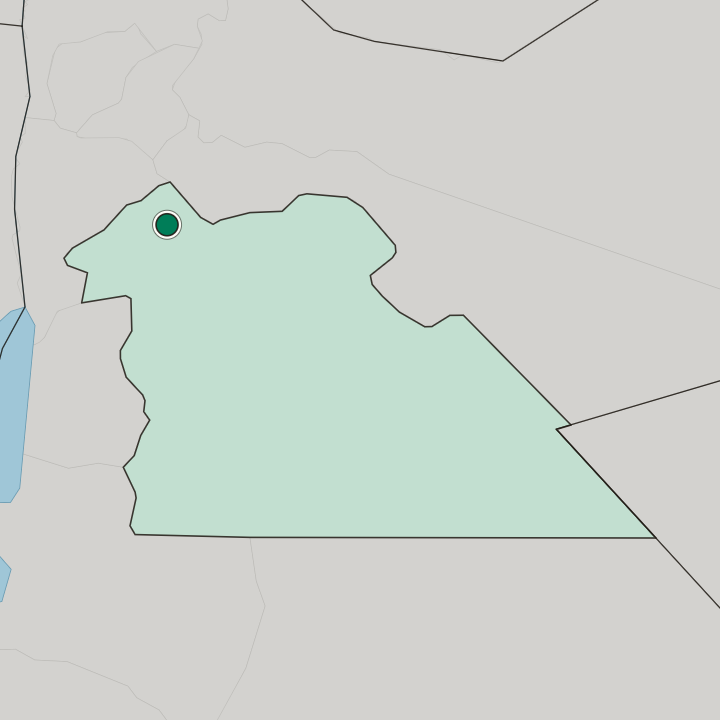
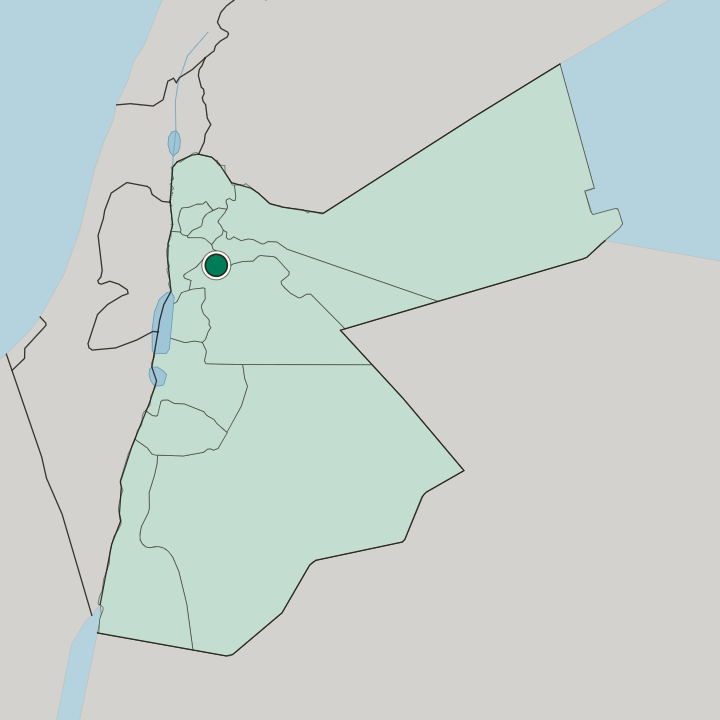
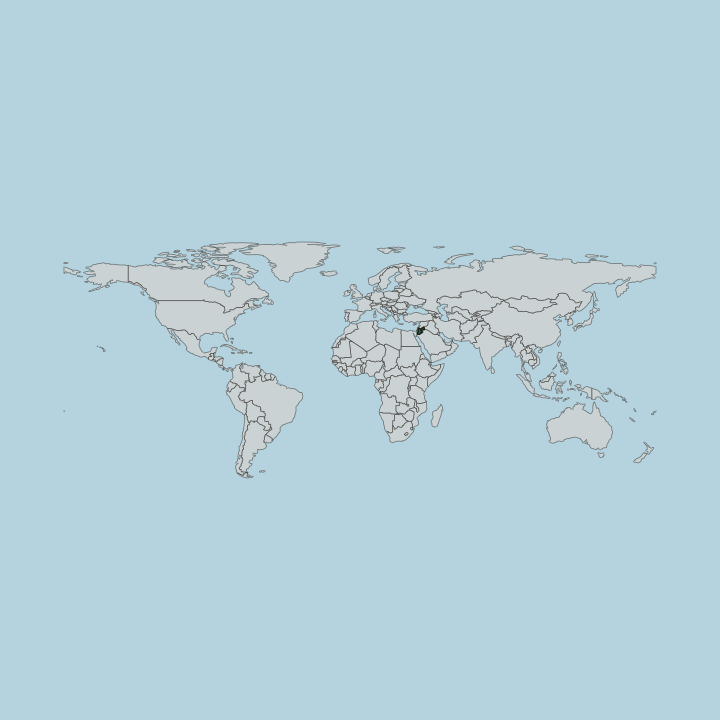
Amman is the capital of Jordan and the seat of Amman Governorate, set on the high ground of the country's interior. The city climbs its hills. The Amman Citadel stands on one height at the centre, with the old downtown in the valley below, and the modern city spreads over the rises around them.
Hills shape the streets. Within Jordan, Amman lies inland, away from the sea, the built heart of the governorate that carries its name.
What is the climate of Amman?
Amman has a subtropical climate, dry and warm, with a clear split between the seasons. The Amman summer runs long, hot and rainless. The heat settles over the hills of the city through the long summer, while the short winter turns cooler and brings rain to Amman and the high ground around it.
Here the seasons are sharp. Inland in Jordan, the city sees little of the sea's softening, only the dry warmth of the interior.
How do you get to Amman?
Amman is the main point of arrival in Jordan. As the capital and largest city, it draws the country's chief air links, and most journeys across Jordan begin or end here. Roads run out in every direction.
From Amman the highways reach north, south, east, and west across the kingdom, carrying travellers on to the rest of the country. The capital is the hub. Within Amman Governorate, the city ties the wider region to the routes of Jordan.
Common questions
What is the best area to stay in Amman?
The downtown below the Citadel: travellers who want the ancient core on foot. The museum quarter of Amman: museum-goers who want the modern city.
Good for
Updated September 2026