Jordan · Muḩāfaz̧at al ‘Aqabah
Where to Stay in Aqaba, Muḩāfaz̧at al ‘Aqabah
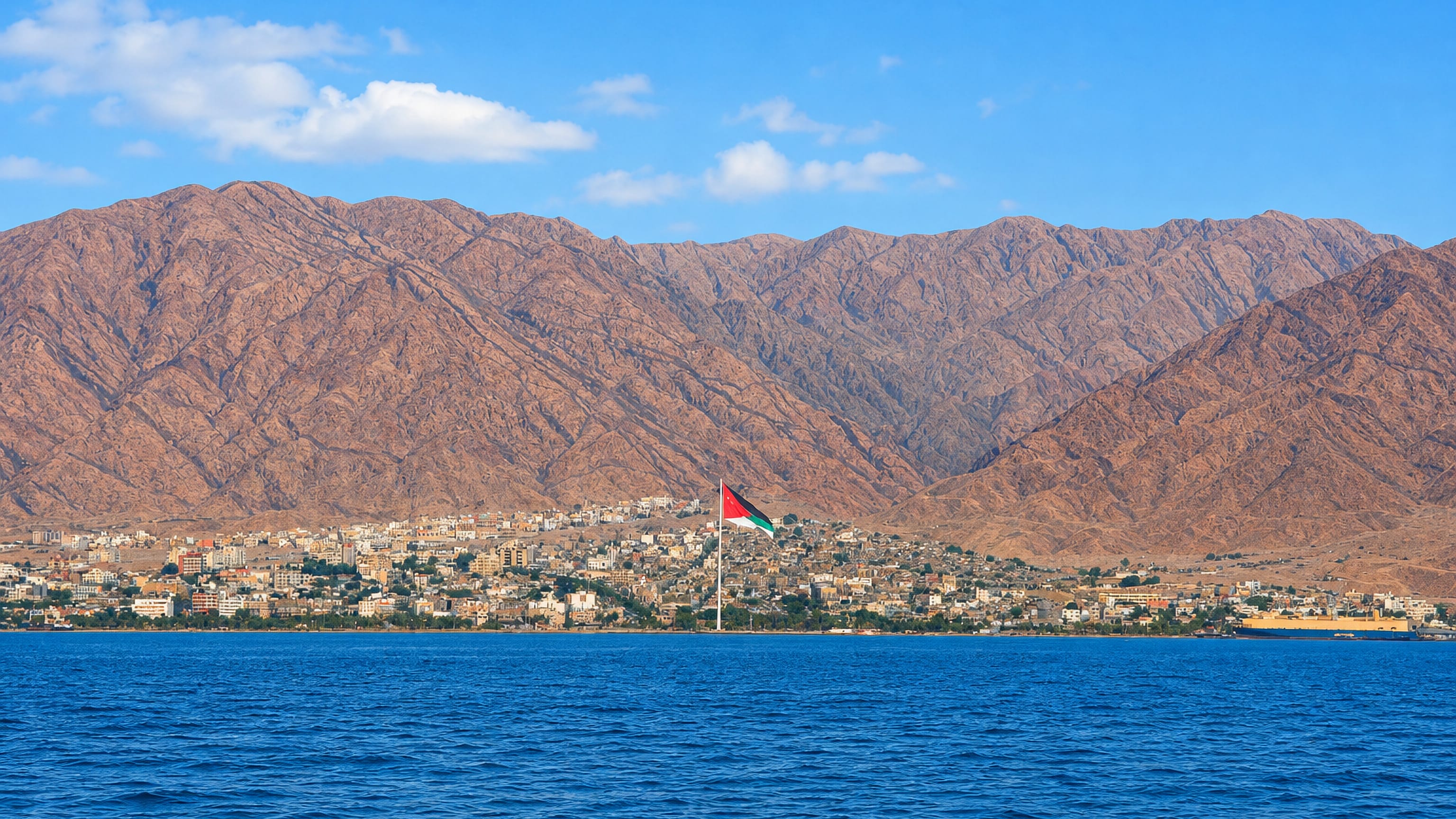
Warm reef water laps the quays of Aqaba, Jordan's only coastal city, set on the Gulf of Aqaba in the far south of the country.
Hotel links are affiliate links: booking through them may earn us a commission, at no extra cost to you. It never affects how places are ranked. How this works


Where to stay in Aqaba
Where the beds are, and what that means for the visit.
Aqaba lines the head of the gulf, and the choice of base follows the shore. The old town around the Aqaba Castle and the Aqaba Church puts you among the souqs and the working waterfront, close to the Aqaba Archaeological Museum and the ferry quays. That old-town setting makes a fine first base in Aqaba.
The lanes here run down to the beach and the fishing harbour, an easy walk from the market stalls that line the streets behind the Gulf of Aqaba shore. South of the centre, the coast road runs toward the reef beaches and the dive shore, quieter and set against the open water of the gulf. Staying there trades the market bustle for direct reef access and calmer nights by the sea.
It rewards divers and coral lovers. Inland from the shore, the newer districts spread toward the desert edge near the excavated mound of Tell el-Kheleifeh, better if you are driving on toward the interior of Jordan.
Find hotels in Aqaba
Direct booking searches for these neighbourhoods.
Old town waterfront
The lanes around the Aqaba Castle and Aqaba Church reach the Aqaba Archaeological Museum, the fishing harbour and the ferry quays on foot.Find hotels in Old town waterfrontDivers on the coral coastSouth reef shore
The coast road south of the centre runs to the reef beaches and dive shore along the open water of the Gulf of Aqaba.Find hotels in South reef shoreDrivers heading inland into JordanTell el-Kheleifeh edge
The newer districts spread toward the desert edge near the excavated mound of Tell el-Kheleifeh above the gulf.Find hotels in Tell el-Kheleifeh edgeHotel links are affiliate links: booking through them may earn us a commission, at no extra cost to you. It never affects how places are ranked. How this works
Things to do in Aqaba
Ranked by global recognition; descriptions from Wikidata (CC0).
Museums & Galleries
1- Aqaba Archaeological Museum
Churches & Religious Sites
1- Aqaba Church
Castles & Historic Sites
3- Aqaba Castle
- Tell el-Kheleifeh
- Tal Hujayrat Al-Ghuzlan
worth knowingacross 3 categories in Aqaba
About Aqaba
What is Aqaba known for?
Aqaba is known as Jordan's window on the sea, the country's single port and its warm-water resort on the Gulf of Aqaba. Ships call at the Port of Aqaba. Divers come for the coral reefs that line the gulf, while the old town keeps the Mamluk-era Aqaba Castle and the ruins of the early Aqaba Church, counted among the oldest purpose-built churches known.
The Aqaba Archaeological Museum gathers the finds of the coast.
What are the main landmarks in Aqaba?
Aqaba sets its landmarks between the sea and the desert. The Mamluk-era Aqaba Castle guards the old waterfront, while the excavated Aqaba Church stands among the oldest purpose-built churches known. Two ancient mounds frame the deeper past.
Tell el-Kheleifeh and Tal Hujayrat Al-Ghuzlan mark early settlement above the gulf, and the Aqaba Archaeological Museum holds the finds drawn from both.
What is the history of Aqaba?
Aqaba has held the head of the gulf for millennia, its position at the top of the Gulf of Aqaba making it a natural port between the desert and the sea. Two mounds tell the earliest story. Tell el-Kheleifeh and Tal Hujayrat Al-Ghuzlan preserve the traces of settlements that worked copper and traded along the coast long before the classical age, and the finds from both now rest in the Aqaba Archaeological Museum.
A town grew on the caravan routes that linked inland Jordan to the Red Sea trade. Later centuries left their marks on the shore. The Aqaba Church, an early purpose-built place of Christian worship, was raised in the town before the Islamic conquest reshaped the coast.
Under the Mamluks the Aqaba Castle rose to guard the harbour and the pilgrim road toward the holy cities. Its garrison held the port for generations. As Jordan's only outlet to the sea, Aqaba kept that maritime role into the modern age.
Desert meets water here.
Where is Aqaba?
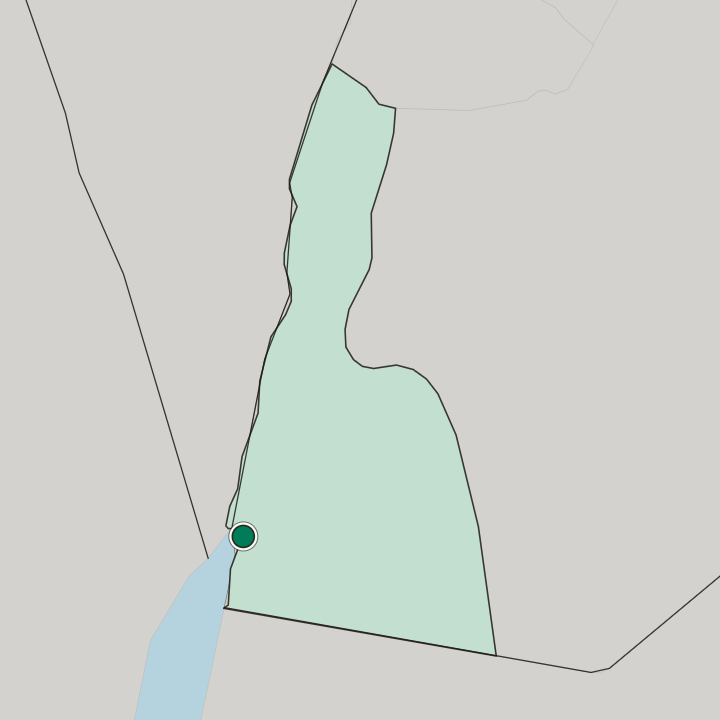
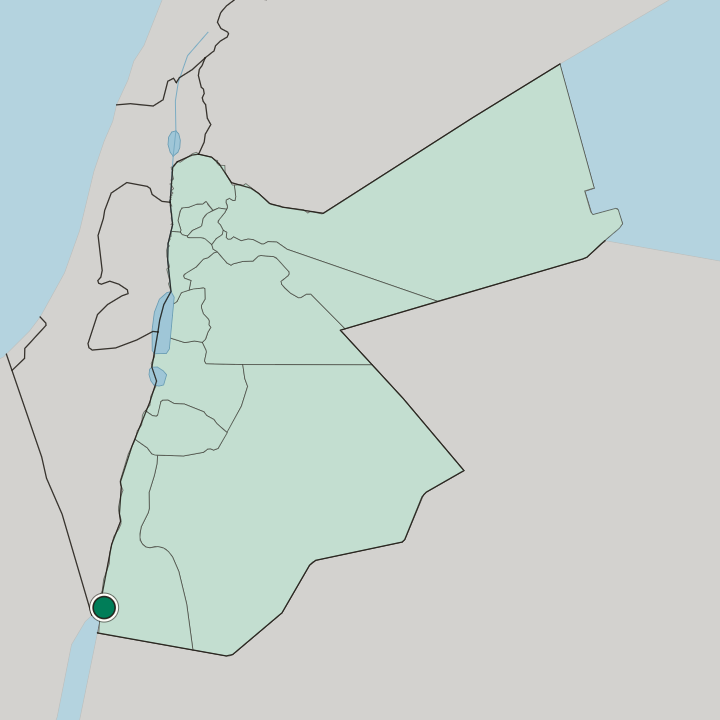
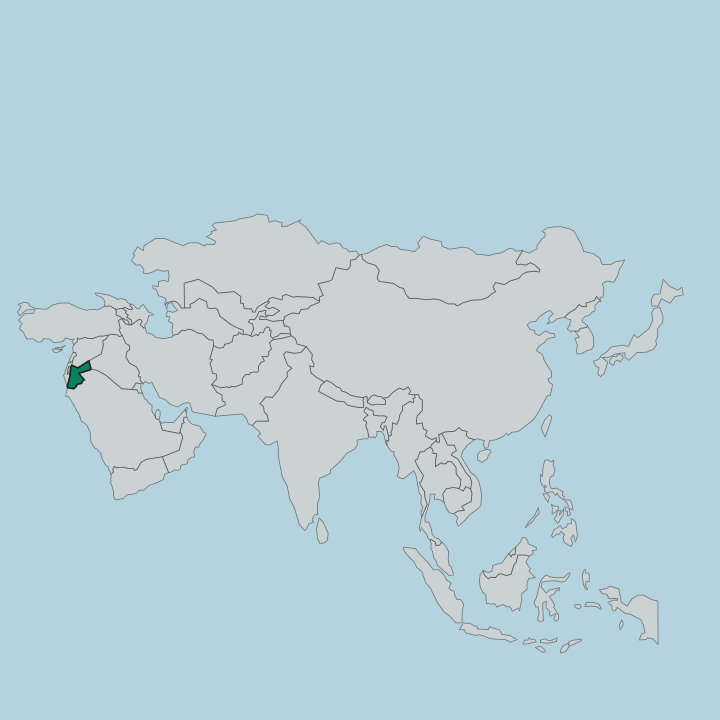
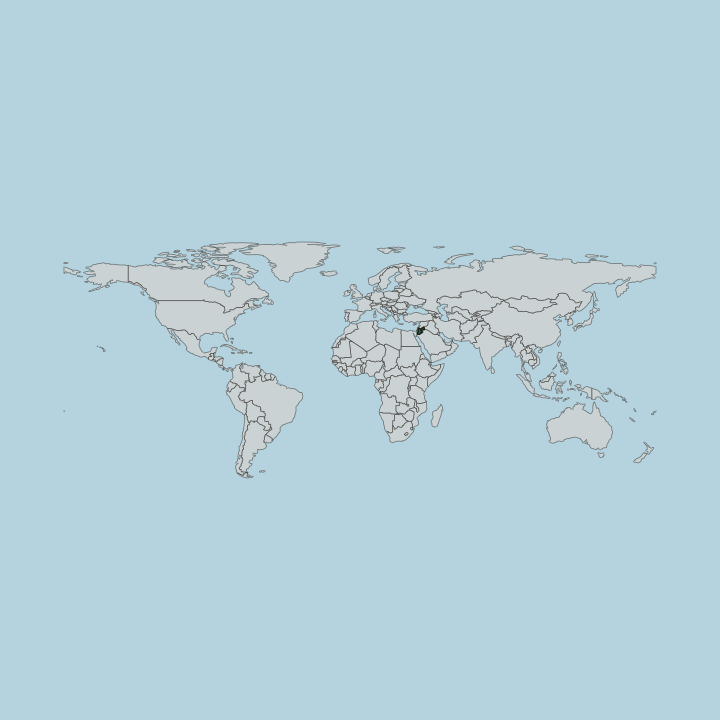
Aqaba sits at the northern head of the Gulf of Aqaba, in the far south of Jordan where the desert mountains drop to the Red Sea. It is the administrative centre of the Aqaba Governorate, hemmed between the dry ranges and the shore. Coral reefs fringe the warm water offshore.
The Israeli city of Eilat lies close along the same gulf head to the west.
What is the climate of Aqaba?
Aqaba has a hot desert climate warmed by its place at the head of the Gulf of Aqaba. Summers are long and very hot, dry under a near-cloudless sky. Winters stay mild and gentle by the sea.
Rain is scarce across the year, and the warm gulf water keeps the coast temperate through the cooler months when the desert interior of Jordan turns cold at night.
How do you get to Aqaba?
Aqaba is reached by the desert highway that runs south from inland Jordan to the head of the Gulf of Aqaba. An airport serves the coastal city, and the Port of Aqaba handles ferries across the gulf and cargo for the wider region. Buses run north to the interior from the terminal.
The sea and the desert ranges shape every approach to the town.
Common questions
What is the best area to stay in Aqaba?
Old town waterfront: First stays by the castle and souqs. South reef shore: Divers on the coral coast. Tell el-Kheleifeh edge: Drivers heading inland into Jordan.
Good for
Updated October 2026