Jordan
Muḩāfaz̧at al ‘Aqabah, Jordan — Towns & Travel Guide
Muḩāfaz̧at al 'Aqabah is Jordan's southern corner on the Gulf of Aqaba, home to the port city of Aqaba and to Wadi Rum.
Hotel links are affiliate links: booking through them may earn us a commission, at no extra cost to you. It never affects how places are ranked. How this works


Towns & cities in Muḩāfaz̧at al ‘Aqabah
One town here has its own guide — it links to where to stay.
 Jordan
Aqaba
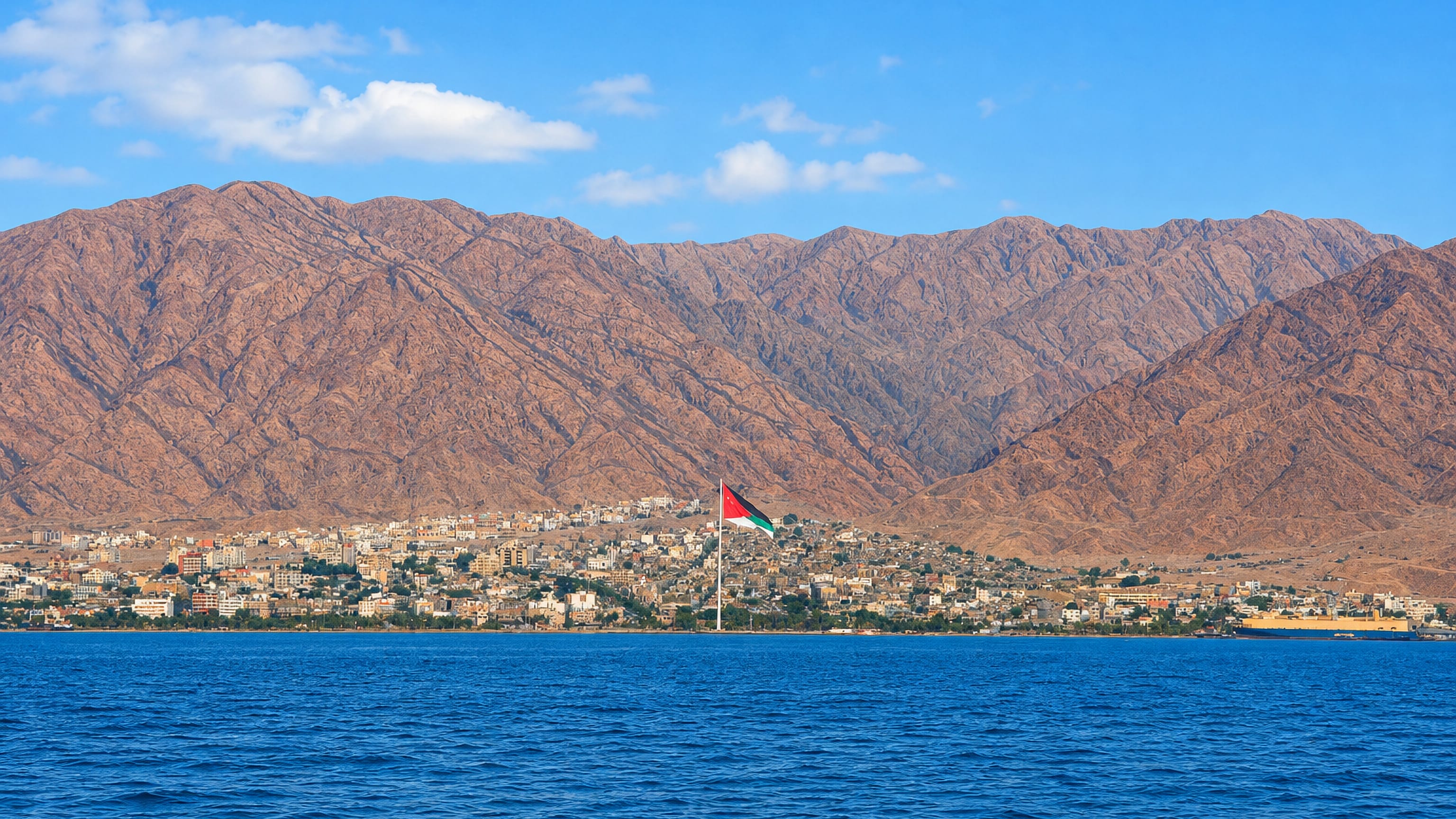
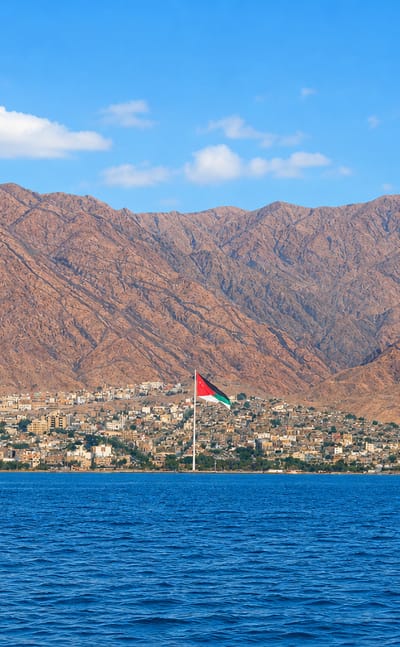
Warm reef water laps the quays of Aqaba, Jordan's only coastal city, set on the Gulf of Aqaba in the far south of the country.Where to stay →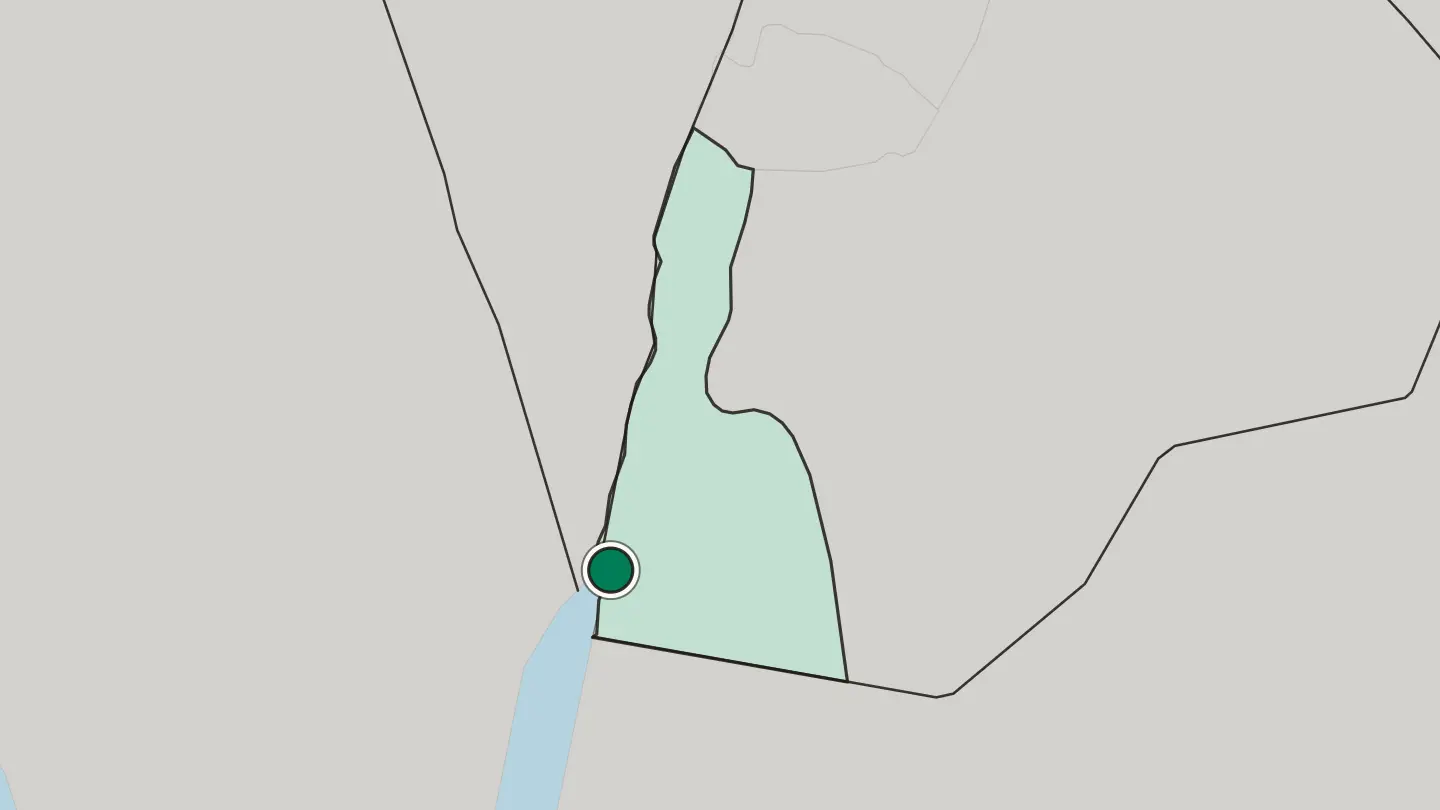
Hotel links are affiliate links: booking through them may earn us a commission, at no extra cost to you. It never affects how places are ranked. How this works
About Muḩāfaz̧at al ‘Aqabah
What is Muḩāfaz̧at al ‘Aqabah known for?
This is Jordan's window on the sea. Its port city, Aqaba, gives the landlocked kingdom its only shoreline, a short stretch of the Gulf of Aqaba at the head of the Red Sea. Divers come for the coral reefs that fringe that gulf.
Inland, the sandstone valley of Wadi Rum draws the other half of the crowd, and the two rank among the most visited places in the country. Coral below the water and desert above it define the region.
Where is Muḩāfaz̧at al ‘Aqabah?
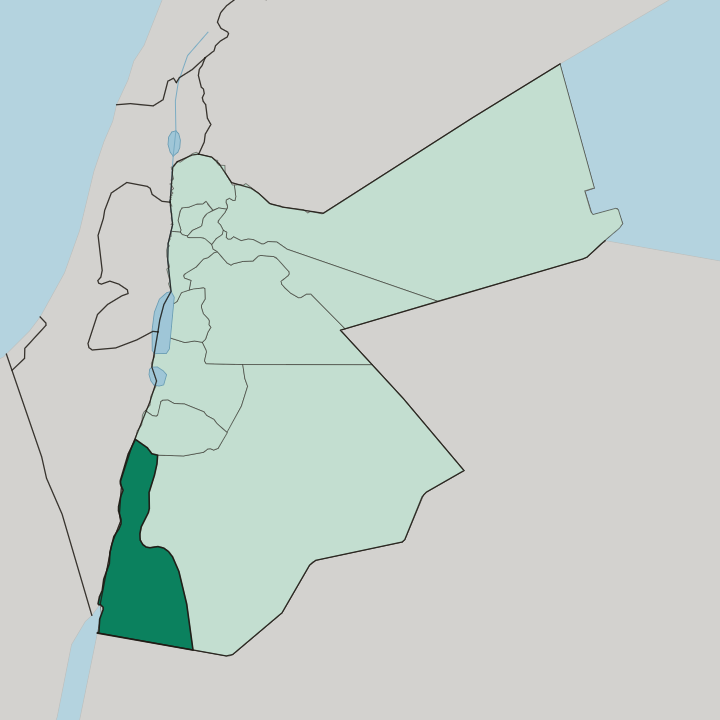
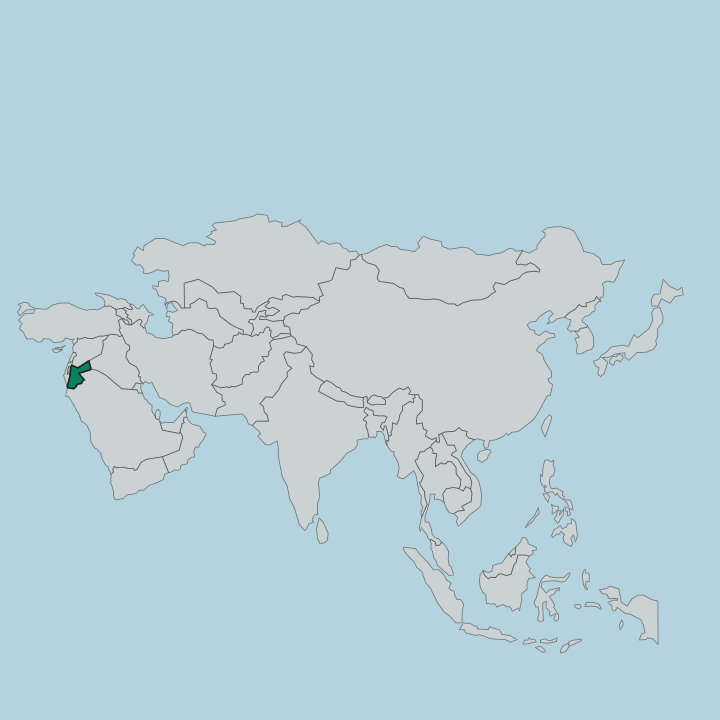
Muḩāfaz̧at al 'Aqabah fills the south-western tip of Jordan, the corner where the country runs out of land and meets the sea. The Gulf of Aqaba forms its south-western edge, a narrow arm of the Red Sea squeezed between the Sinai Peninsula and the Arabian mainland. That gulf gives Jordan its only coastline.
It is a short one. The shore reaches barely 26 kilometres from the Israeli line in the west to the Saudi line in the south, and every metre of it belongs to this region. Ma'an Governorate lies to the east and Tafilah to the north, both inland and dry. Saudi Arabia closes the region off to the south. Israel presses against it to the west, across the floor of the Wadi Araba, the deep trench of the Jordan Rift Valley that runs north from the head of the gulf.
Away from the water the land climbs into desert. The sandstone valley of Wadi Rum sits east of the port, its cliffs and dunes rising from the same rift-valley floor. Between the reefs of the gulf and the rock of Wadi Rum, the region packs sea and desert into a small space.
Little of it is anything but arid.
What is Muḩāfaz̧at al ‘Aqabah like?
Life in the region turns on two things: the sea and the desert. Aqaba is a working port and a resort town at once, and its culture leans toward the water. Fishing boats and cargo ships share the same gulf, and the reefs offshore have made diving as much a part of local life as trade.
In the old quarter the fish grills and small cafés still crowd the lanes back from the shore, and the markets keep the pace they held long before the resort hotels arrived. Arabic is the language spoken here, as across Jordan. Out in Wadi Rum the older rhythm survives.
Bedouin families run the desert camps and guide visitors among the rock formations, keeping a pastoral tradition alive on ground their ancestors crossed for centuries. Sweet tea, flatbread cooked in the sand, and herds of camels still mark the desert day. The sandstone of the valley carries their history in another form.
Inscriptions cut into the cliffs there record the alphabets of earlier desert peoples, some of the oldest writing found in this part of Arabia. Between the port town and the tents, the region holds two ways of living side by side. One faces the reef.
The other faces the sand, and the two rarely feel far apart in a place this small.
What is the history of Muḩāfaz̧at al ‘Aqabah?
The port has anchored this corner for millennia. In the seventh century the early Islamic town of Ayla rose beside the older harbour, a walled city of four gates that traded up and down the Red Sea for hundreds of years. Its ruins still stand near the shore.
The region's turning point came in 1917, when Arab and Bedouin forces of the Great Arab Revolt swept down through the desert and took Aqaba from its Ottoman garrison. That victory opened a supply line from the sea. Aqaba has been Jordan's door to the water ever since.
What is the climate of Muḩāfaz̧at al ‘Aqabah?
The region runs hot and dry. Aqaba sits in a hot desert climate, with very hot, rainless summers and winters that stay mild and often warm along the gulf. Rain barely falls here at all.
What little comes arrives in the cooler months, and the sun holds through most of the year over both the reef and the desert. Out in Wadi Rum the desert nights turn colder than the coast, the sandstone giving up its heat once the sun drops behind the cliffs.
How do you get to Muḩāfaz̧at al ‘Aqabah?
The main way in is by air. King Hussein International Airport, the small field just north of Aqaba, carries the region's flights from Amman and abroad. Others drive down the Desert Highway from the capital, a run of a few hours across the plateau to the coast.
The Red Sea offers a third route. A ferry crosses the Gulf of Aqaba from Egypt's Sinai Peninsula, and land crossings link the region to Israel in the west and Saudi Arabia in the south. From Aqaba the road to Wadi Rum turns off inland at Al-Qūaīrah.
Common questions
What is the best area to stay in Muḩāfaz̧at al ‘Aqabah?
Aqaba: the Red Sea reefs and the port. Wadi Rum: a night in the desert under open sky. Al-Qūaīrah: the turn-off for the Wadi Rum reserve.
Good for
More regions in Jordan
Updated September 2026