Jordan · Muḩāfaz̧at al Balqā’
Where to Stay in As Salţ, Muḩāfaz̧at al Balqā’
As Salt is a town of west-central Jordan above the Jordan Valley, a golden-stone Ottoman town famed for its old houses and its church-and-mosque harmony.
Hotel links are affiliate links: booking through them may earn us a commission, at no extra cost to you. It never affects how places are ranked. How this works



Where to stay in As Salţ
Where visitors usually base themselves, and why.
Where you stay in As Salt turns on the old town or the ridge. The stepped lanes around the souk keep the old houses, the churches, and the museum within a walk, and staying downtown suits anyone here for the heritage. Balconies hang over the lanes.
Stairs wind up the slopes. Out toward the ridges and the valley, the town gives way to the vineyards, the olive groves, and the road down to the Jordan Valley. A room on the edge trades the old streets for the hillside views, the green orchards, and the wide valley below.
The valley falls away to the west. Stay downtown for the old town, or out for the views. The golden houses tier up the hillsides.
Find hotels in As Salţ
Direct booking searches for these neighbourhoods.
The old town
Around the stepped lanesFind hotels in The old townStays wanting the hillside viewsThe ridges
Out toward the valleyFind hotels in The ridgesHotel links are affiliate links: booking through them may earn us a commission, at no extra cost to you. It never affects how places are ranked. How this works
Things to do in As Salţ
Ranked by global recognition; descriptions from Wikidata (CC0).
Museums & Galleries
2- Historic Old Salt Museum
- Salt Archaeological Museum
Churches & Religious Sites
3- Latin Church in As-Salt Heritage
- As-Salt Small Mosque Heritage
- Saint George Church
Castles & Historic Sites
1- Salt UNESCO
worth knowingacross 3 categories in As Salţ
About As Salţ
As Salt is the golden Ottoman town of Jordan.
What is As Salţ known for?
On three hills above the Jordan Valley near Amman, it grew as the trade town of the Ottoman days, and it keeps the yellow limestone mansions of its merchants, the winding souk and staircases of the old town, the churches and mosques that stand side by side, and the courtyards and coffee houses of the Saha. The stone town climbs the hills. Old houses tier up the slopes.
What are the main landmarks in As Salţ?
The old stone town is the pride of As Salt. The tiers of yellow limestone houses climbing the three hills, hung with balconies and arched windows, make the emblem of the town, downtown. A grand mansion holds a museum.
The old Abu Jaber house, richest of the merchant houses, keeps the town's museum on the square, while the old souk, the churches and mosques, and the hillside staircases mark the country around As Salt.
What is the history of As Salţ?
As Salt was the great town of the hills. In the Ottoman age it was the chief town of the region east of the Jordan, a rich trade center between the desert and Palestine, and merchants built fine mansions of golden stone on its hills. Christians and Muslims built together.
The town grew as a place of tolerance, where churches and mosques rose side by side and the faiths shared the same streets and feasts. Then Amman rose and took the lead. When the new kingdom made Amman its capital, As Salt slipped into a quiet country town, but its old stone houses and its ways were left unspoiled.
The old town kept its beauty. Its yellow mansions, its souk, and its staircases came down whole through the years, and the town was honored as a place of tolerance and welcome, so As Salt kept its Ottoman streets, its churches, and its mosques. The old souk still climbs the hill.
As Salt keeps its golden town above the Jordan Valley.
Where is As Salţ?
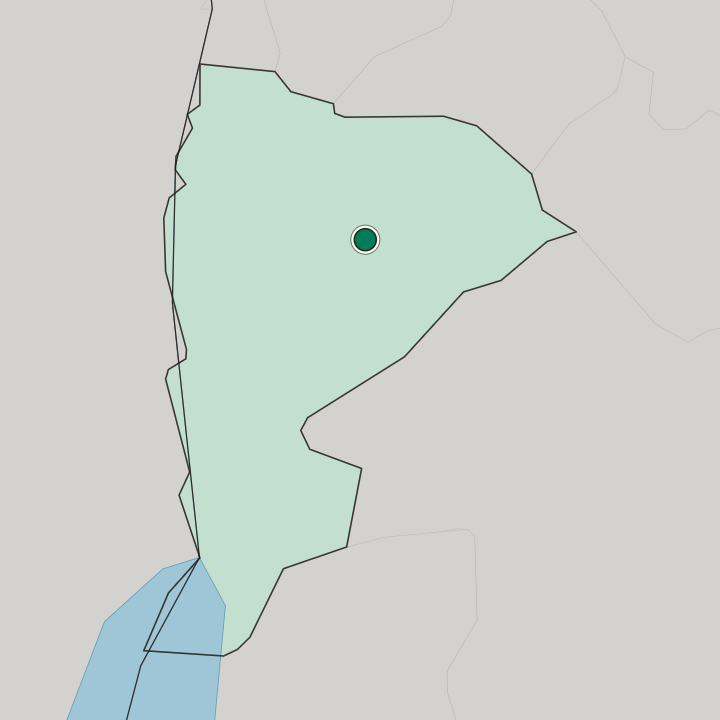
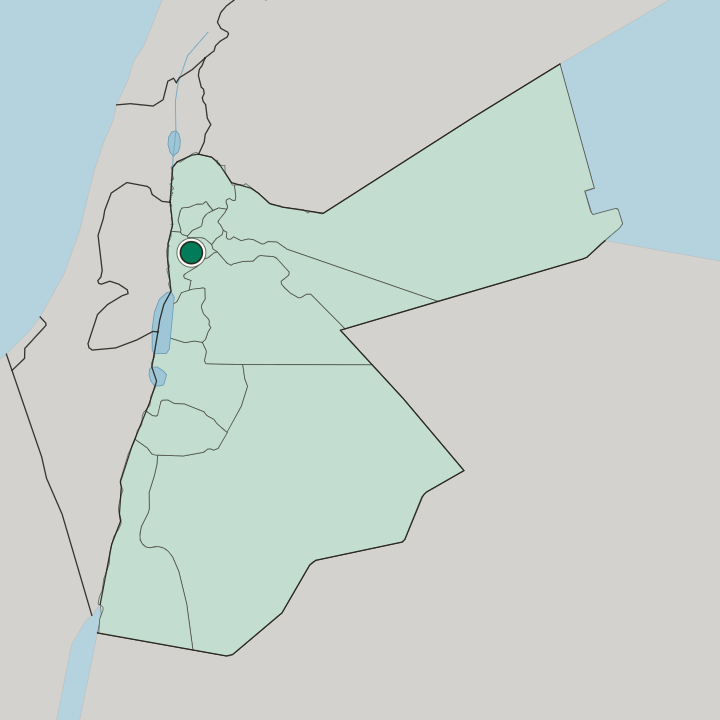
As Salt lies in the west of Jordan, in the hills above the Jordan Valley near Amman. The town sits on three steep limestone hills, cut by narrow valleys and stairs, in a green land of vineyards and olive groves, with the Jordan Valley dropping away to the west and the highlands rolling east to the capital. The stone houses climb the slopes.
Green hills fold around the town.
What is the climate of As Salţ?
As Salt has a mild, dry Mediterranean climate. Warm dry summers and cool wet winters cross the hills, with pleasant days in the high summer and rain and snow in the cold months. The summer stays warm and dry.
Winter brings rain to the hills.
How do you get to As Salţ?
As Salt lies in west-central Jordan, in the hills just northwest of Amman. The highway runs up to it from Amman over the ridges, and roads drop west to the Jordan Valley and the river. Steep lanes climb the slopes.
Amman lies southeast over the hills.
Common questions
What is the best area to stay in As Salţ?
The old town: Visitors here for the heritage and souk. The ridges: Stays wanting the hillside views.
Good for
Updated September 2026