Jordan
Muḩāfaz̧at al Balqā’, Jordan — Towns & Travel Guide
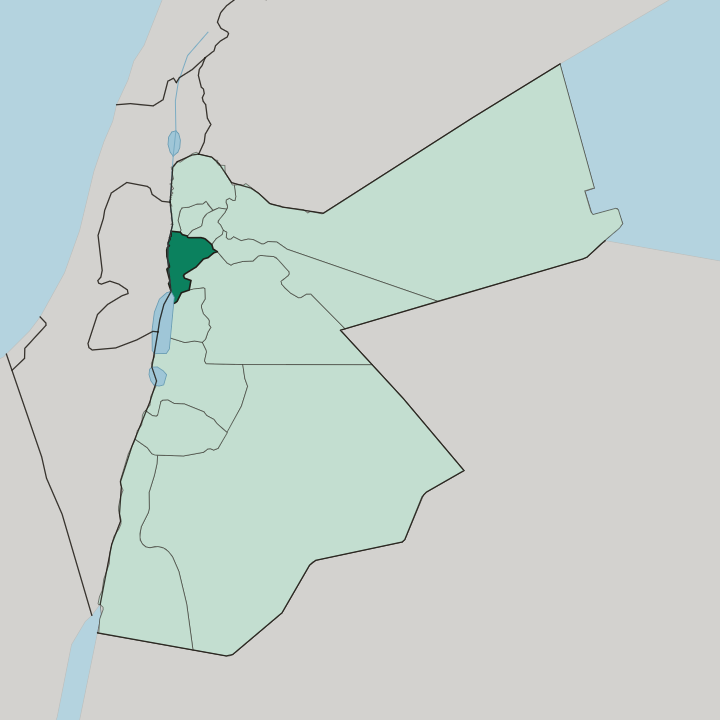
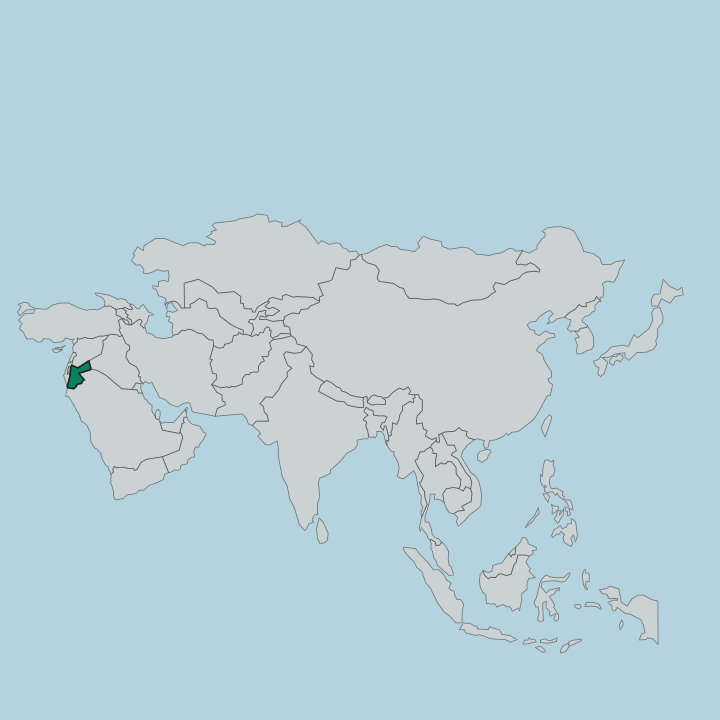
Balqa is the Jordanian governorate northwest of Amman, dropping from the As-Salt highlands to the Jordan River and the Dead Sea.
Hotel links are affiliate links: booking through them may earn us a commission, at no extra cost to you. It never affects how places are ranked. How this works


Towns & cities in Muḩāfaz̧at al Balqā’
One town here has its own guide — it links to where to stay.
 Jordan
As Salţ
As Salt is a town of west-central Jordan above the Jordan Valley, a golden-stone Ottoman town famed for its old houses and its church-and-mosque harmony.Where to stay →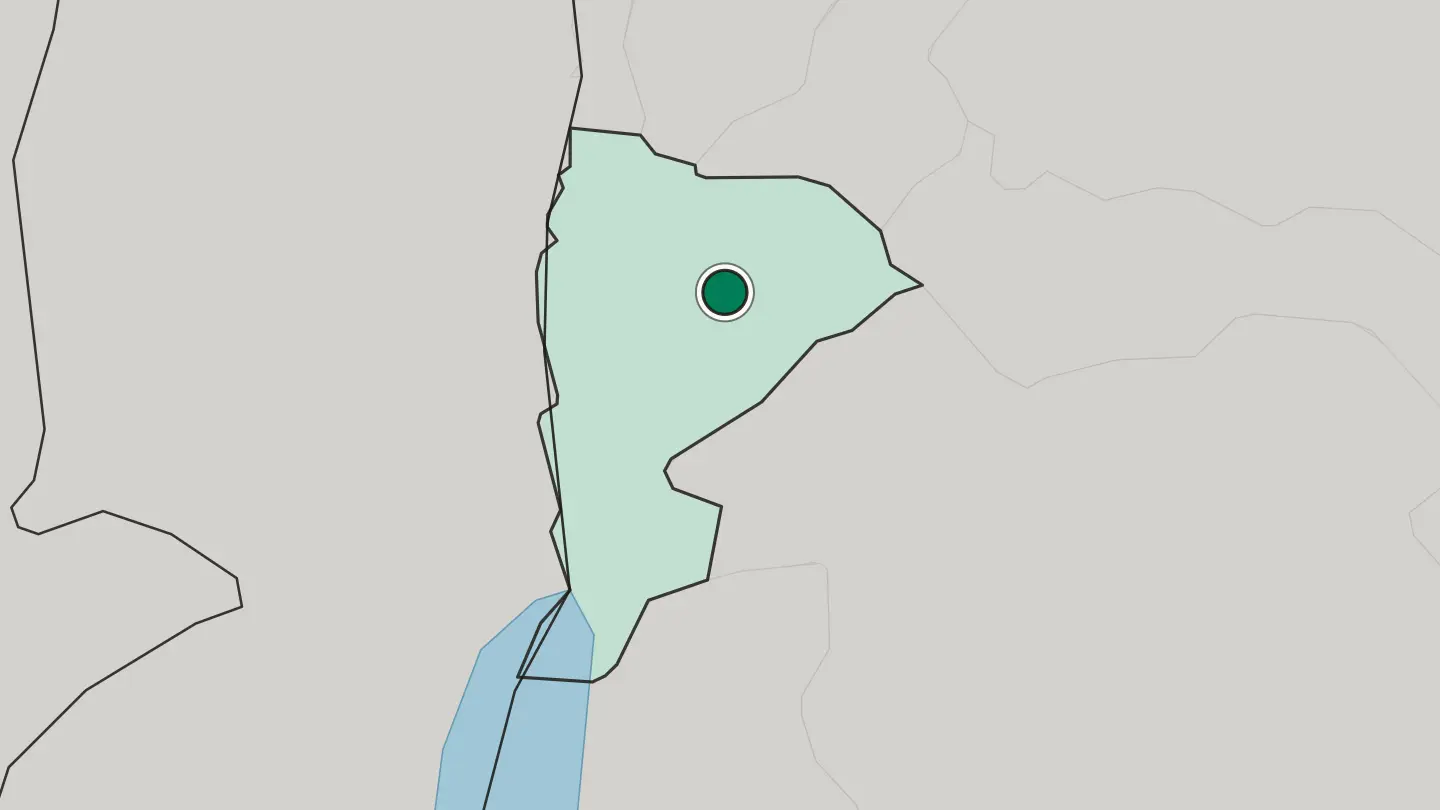
Hotel links are affiliate links: booking through them may earn us a commission, at no extra cost to you. It never affects how places are ranked. How this works
About Muḩāfaz̧at al Balqā’
One city defines Balqa.
What is Muḩāfaz̧at al Balqā’ known for?
As-Salt, its capital, was inscribed on the UNESCO World Heritage list in 2021 for its yellow-limestone Ottoman townscape and its long record of Muslim and Christian coexistence. The terrain is the other draw. Balqa falls from highlands near 1,130 metres all the way down to the shore of the Dead Sea, the lowest dry land on Earth, a drop of more than a kilometre.
Down in the Jordan Valley sits Deir Alla, an ancient mound where an inscription naming the seer Balaam was cut into plaster.
Where is Muḩāfaz̧at al Balqā’?
Balqa sits northwest of Amman, in west-central Jordan. Its western edge is a border of water and rift. The Jordan River and the Dead Sea run down that whole side, and the land there sinks below sea level into the Ghor, the floor of the Jordan Valley.
From that trench the governorate climbs sharply eastward into the Balqa highland, where As-Salt is built in the crook of three hills at roughly 790 to 1,100 metres. The vertical range is the thing that sets Balqa apart. Few places anywhere pack a drop of well over a kilometre into so short a distance, from the highland ridges down to the Dead Sea, the lowest exposed ground on the planet.
The borders read like a ring of neighbours. Irbid, Jerash, and Ajloun lie to the north, with the Zarqa River, the biblical Jabbok, marking part of that northern line. Amman and Zarqa press in from the east, and Madaba closes the south.
Only the western flank is open, and there the Jordan Valley carries the river down toward the Dead Sea. Across that water lies the West Bank.
What is Muḩāfaz̧at al Balqā’ like?
Coexistence is the local pride. As-Salt grew rich in the last decades of Ottoman rule, when merchants from Nablus, Syria, and Lebanon settled and made fortunes in trade, banking, and farming. That Golden Age, roughly the 1860s to the 1920s, built the town you walk through: some 650 heritage buildings in local yellow limestone, blending European Art Nouveau detailing with Levantine rural craft.
The town never split its quarters by religion. Muslim and Christian families lived along the same lanes, and the tradition shows in the madafas, the open guesthouses where hospitality was treated as a civic duty rather than a private courtesy. That mixed grain runs through the wider governorate.
Fuheis, tucked between As-Salt and Amman, is a Christian-majority town of Greek Orthodox and Catholic families, and its churches and small arts scene draw day-trippers up from the capital. Food and welcome sit at the centre of Balqa life. A guest is fed first and questioned later, an old highland manner that the UNESCO listing named outright when it called As-Salt a place of tolerance and urban hospitality.
What is the history of Muḩāfaz̧at al Balqā’?
The land is ancient. At Deir Alla, in the Jordan Valley, a settlement mound was lived on from about 1700 BC down to 350 BC, and on a temple wall there excavators found a plaster inscription telling of the seer Balaam son of Beor, dated to somewhere around 840 to 760 BC. Salt trade and the road between the eastern desert and the Jordan Valley gave As-Salt its living for centuries.
Its great flowering came late, in the closing 60 years of Ottoman rule, when incoming merchants turned a modest hill settlement into a stone-built town. That Ottoman townscape is what the UNESCO inscription of 2021 was written to protect.
What is the climate of Muḩāfaz̧at al Balqā’?
Altitude splits the weather in two. Up in As-Salt and the Balqa highland the pattern is Mediterranean: cold, wet winters that can turn to snow on the hilltops, and warm, dry summers that stay bearable at elevation. Drop into the Ghor along the Dead Sea and the Jordan River and everything flips.
Winters down there are mild and green, but the summer sun turns the valley floor brutally hot, far past what the hills ever feel. Rain falls almost entirely in the cool months, and the eastern edge toward Amman runs drier still.
How do you get to Muḩāfaz̧at al Balqā’?
Amman is the way in. The capital sits just east of the governorate, and its airport is where nearly every visitor lands before the short drive over. From Amman a fast road climbs west into the hills to reach As-Salt in well under an hour, while a separate descent drops southwest to the Dead Sea resorts at Sweimeh on the valley floor.
The Jordan River marks the western boundary, so there is no through route that way; you arrive from the Jordan side and travel down into the Ghor by road.
Good for
More regions in Jordan
Updated September 2026