Jordan · Muḩāfaz̧at az Zarqā’
Where to Stay in Zarqa, Muḩāfaz̧at az Zarqā’
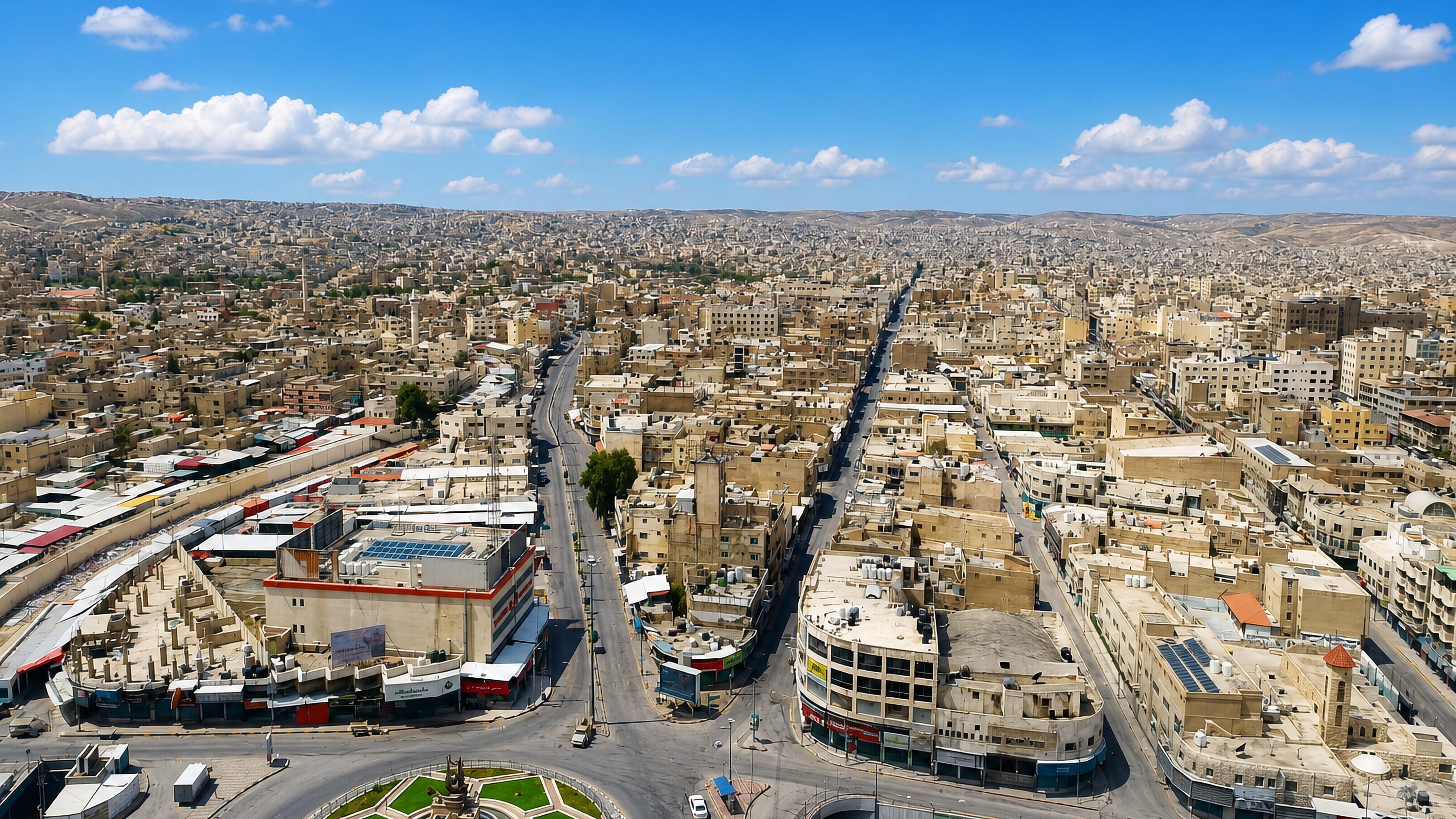
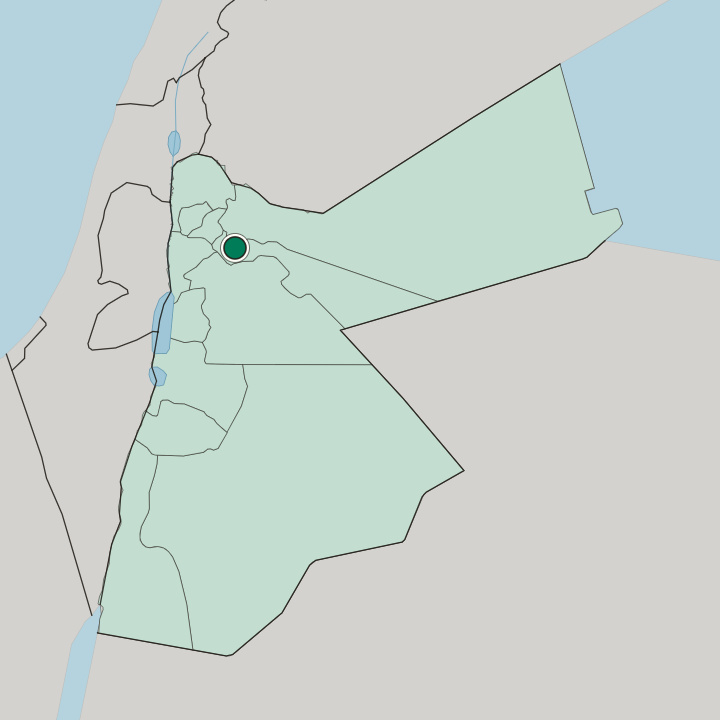
Zarqa is the capital of Zarqa Governorate and the second largest city in Jordan after Amman, its Arabic name الزرقاء meaning the blue one.
Hotel links are affiliate links: booking through them may earn us a commission, at no extra cost to you. It never affects how places are ranked. How this works


Where to stay in Zarqa
How the choice of base plays out on the ground.
Qasr Shabeeb marks the choice. Rooms in Zarqa sit in the working city rather than in any quarter laid out for visitors, so the real question is whether you want the fort and the crowded streets at the door or an address with a little more quiet around it. This is no resort town.
Beds here are the plain, practical kind that suit a night's stop or a stretch of business in Muḩāfaz̧at az Zarqā', and the second city of Jordan makes no pretence otherwise. Amman is the alternative worth naming. Travellers who want range in hotels tend to book there and come to Zarqa for the day, which leaves the city's own rooms to people with a reason to be close to Qasr Shabeeb, to the offices of the governorate, or to the ruin ground of Khirbet al-Batrawy.
Whichever side you pick, reserve early. Supply is not deep, and an unbooked arrival late in the evening is a poor bet in a city where the hotel trade answers to commerce rather than to tourism. Distances inside Zarqa are short enough that the choice costs little.
Taxis cross the built-up ground quickly, and the two named sites of the city can both be reached from any central address without much of a plan. Pick for quiet, not for the view.
Find hotels in Zarqa
Direct booking searches for these neighbourhoods.
Around Qasr Shabeeb
The fort holds the oldest part of the city, and the everyday market streets start at its walls. Rooms are few around here — worth securing early.Find hotels in Around Qasr ShabeebAnyone shaping a day around the ruin ground rather than the city centreThe Khirbet al-Batrawy side
Ground out toward Khirbet al-Batrawy trades the noise of central Zarqa for an earlier and quieter start. Beds are limited here, so book early.Find hotels in The Khirbet al-Batrawy sideHotel links are affiliate links: booking through them may earn us a commission, at no extra cost to you. It never affects how places are ranked. How this works
About Zarqa
Blue is in the name.
What is Zarqa known for?
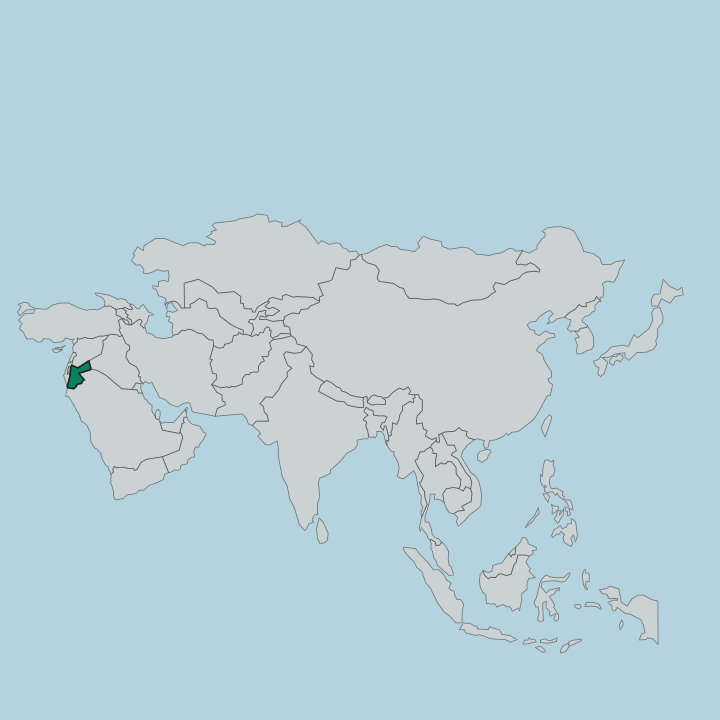
Zarqa took الزرقاء from the Arabic word for blue, and the town recorded as founded in 1902 grew into the seat of Muḩāfaz̧at az Zarqā' and the second largest city of the Kingdom of Jordan, ranking behind Amman alone. Two named sites hold its heritage: the fort of Qasr Shabeeb and the ruins of Khirbet al-Batrawy. Work, not sightseeing, sets the pace.
What are the main landmarks in Zarqa?
Two names carry the heritage of Zarqa. Qasr Shabeeb is the fort, its stone holding a place among the older streets, while Khirbet al-Batrawy is the ruin, reaching back past the founding of the modern town and marked on the maps of Muḩāfaz̧at az Zarqā' as an antiquity rather than an attraction. Zarqa's heritage list ends there.
Interest beyond those two lies in the ordinary working streets of a governorate capital, which is a different proposition from the museum circuit of Amman.
What is the history of Zarqa?
Zarqa is a young city on old ground. Its founding is recorded in 1902, which puts the town itself squarely in the modern era, while the ruins of Khirbet al-Batrawy on the same ground belong to a far older chapter than anything the modern record of Zarqa can account for. Two sites stand outside that short timeline.
Qasr Shabeeb and Khirbet al-Batrawy are the fort and the ruin the city inherited rather than built, and both carry names in use long before the streets closed in around them. The name travelled with the place. الزرقاء, the blue one, stayed attached to the settlement as it thickened from a small foundation of 1902 into a full city, and the Arabic word behind it still explains the name to any visitor who asks. The offices followed the population.
Zarqa became the capital of Muḩāfaz̧at az Zarqā', the governorate that carries the city's own name, so the offices of the district and the courts of the district sit inside it rather than somewhere further out. Weight came with size. Among the cities of the Kingdom of Jordan only Amman stands larger, which makes Zarqa the second by that measure and gives its ordinary streets a share of national life that no single monument here would suggest.
The ranking has held for decades. What the city keeps from before its own founding is narrow, held in the stones of Qasr Shabeeb and in the ruin field of Khirbet al-Batrawy, and what it has made since is the working fabric of a governorate capital.
Where is Zarqa?
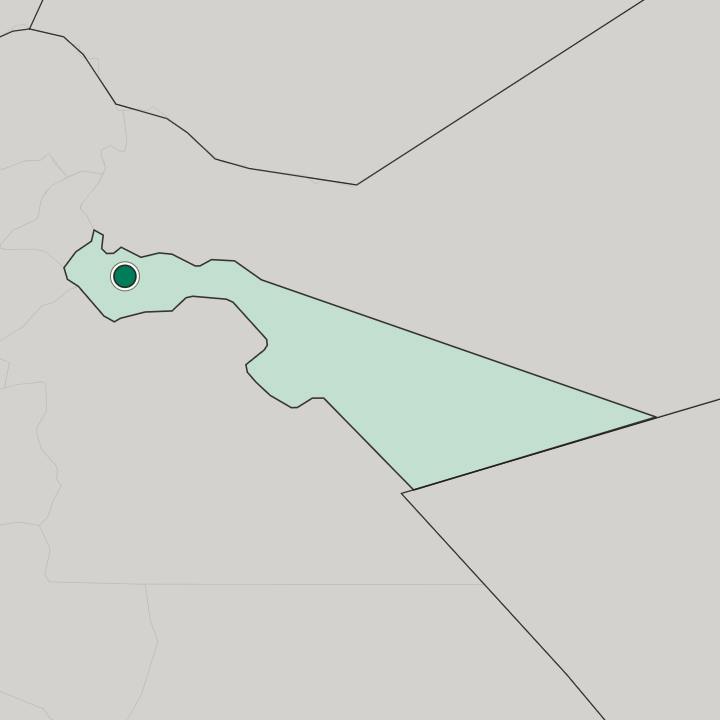
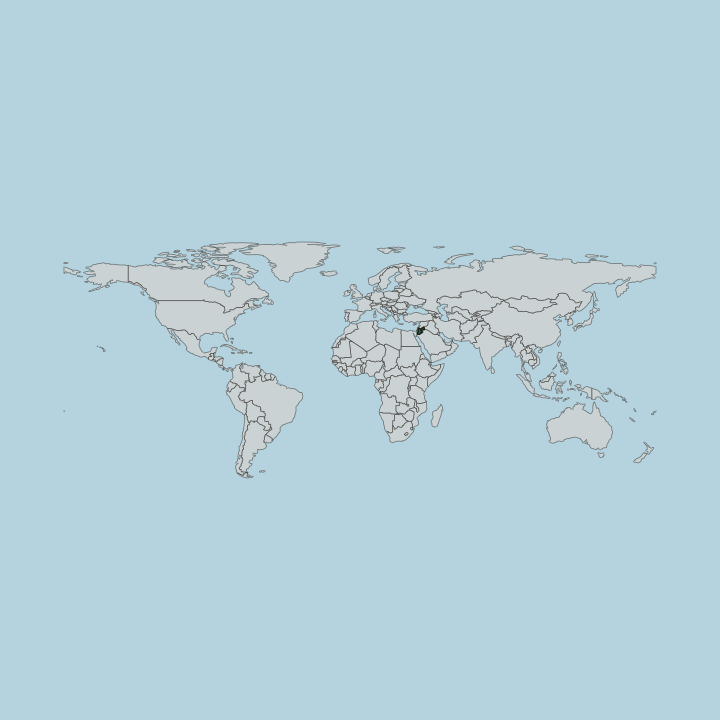
Dry ground, open sky. The built-up area of Zarqa covers some sixty square kilometres inside Muḩāfaz̧at az Zarqā', the governorate for which the city serves as capital, and its place in the subtropical band gives the country around it a bare, sun-worked look for much of the year. Qasr Shabeeb stands among the older streets.
Khirbet al-Batrawy shares the same ground.
What is the climate of Zarqa?
The subtropical band governs the year in Zarqa, which splits into a long spell of dry heat and a shorter cool season carrying what little rain reaches this part of the Kingdom of Jordan. You will want shade by midday. Evenings ease off once the sun drops, though the dryness keeps the middle of a summer day sharp enough that most errands in the older streets around Qasr Shabeeb get done early.
How do you get to Zarqa?
Zarqa is reached overland. The roads of Muḩāfaz̧at az Zarqā' carry the traffic in, and Zarqa sits inside the network that ties the governorate to Amman and to the rest of Jordan rather than at any far end of it. Most visitors come from Amman.
The older quarter around Qasr Shabeeb repays arriving with enough of the day left to walk it.
Common questions
What is the best area to stay in Zarqa?
Around Qasr Shabeeb: Travellers who want the old fort and the working streets of Zarqa on foot. The Khirbet al-Batrawy side: Anyone shaping a day around the ruin ground rather than the city centre.
Good for
Updated September 2026