Japan · Toyama-ken
Where to Stay in Himimachi, Toyama-ken
Himimachi is a commercial fishing city of Toyama Prefecture in Japan, with a cave dwelling site, a kofun and a shell mound inside one boundary.
Hotel links are affiliate links: booking through them may earn us a commission, at no extra cost to you. It never affects how places are ranked. How this works


Where to stay in Himimachi
Where the beds are, and what that means for the visit.
The water side is the obvious base. A commercial fishing city puts its working life on the shore, and a room on that side of Himi keeps the harbour, the morning and the catch within reach of a short walk. The Himi City Museum is the indoor anchor.
Anyone building a stay around the collections rather than the boats will want a base that treats the museum and the gallery listed as Himi City Shiokaze as the day's fixed points. Both bases work for a short trip. The archaeology argues for a car. Ōzakai Cave Dwelling Site, the Asahi Shell Mound and the Yanaidanu-no-Oyama Kofun are spread through a municipality of open country, and a bed without wheels turns each of them into a half-day of its own.
Abugashima is a further reach again. A stay long enough to take it in wants three nights rather than one, and that changes which side of the city is worth booking. Temperate weather makes the outdoor days work.
Himimachi rewards a plan made before arrival, because the museum, the shore and the prehistoric sites each pull the day in a different direction.
Find hotels in Himimachi
Direct booking searches for these neighbourhoods.
The harbour side
The commercial fishing waterfront is the reason for this side of HimiFind hotels in The harbour sideTrips built on the Himi City Museum and the Himi City Shiokaze galleryBy the Himi City Museum
The two indoor collections of the city set the pace hereFind hotels in By the Himi City MuseumDrivers taking in the Ōzakai Cave Dwelling Site and the Asahi Shell MoundOut among the prehistoric sites
Open country lies between the cave site, the kofun and the middenFind hotels in Out among the prehistoric sitesHotel links are affiliate links: booking through them may earn us a commission, at no extra cost to you. It never affects how places are ranked. How this works
About Himimachi
Fishing built the reputation.
What is Himimachi known for?
Commercial fishing is what Himi is known for first, and the prehistory around it, the Ōzakai Cave Dwelling Site, the Asahi Shell Mound and the Yanaidanu-no-Oyama Kofun, fills the other half of the record. The Himi City Museum holds both threads. A single city museum standing between a fishing economy and a cave site carries a wide brief, and the name Himi attaches to each of them.
What are the main landmarks in Himimachi?
Himi's roster runs to six names. Ōzakai Cave Dwelling Site, the Asahi Shell Mound and the Yanaidanu-no-Oyama Kofun cover the prehistoric end, while the Himi City Museum and the gallery listed as Himi City Shiokaze carry the indoor half. Abugashima is the odd one out. A named place on the roster rather than a building, it asks a different kind of visit from the museum rooms on the same list.
What is the history of Himimachi?
The record here starts underground. Ōzakai Cave Dwelling Site marks people living on this ground in prehistory, the Asahi Shell Mound leaves the refuse of a diet taken from the water, and the Yanaidanu-no-Oyama Kofun adds a burial mound to the same short list. Three sites, three different depths of time. A cave dwelling, a midden and a kofun in one municipality give the Himi City Museum a long span to account for.
Two dates matter in the modern record. The municipal register begins in 1889. City rank came much later, on the first of August in 1952, and the gap between those two dates is where a town on the water became a municipality with a museum and a civic list of its own.
Fishing runs through all of it. Commercial fishing is the industry Himi is known for first, and an economy of that kind explains both the shell mound at one end of the record and the working harbour at the other. Abugashima and the gallery listed as Himi City Shiokaze close the municipal roster.
The Himi City Museum ties the ends together.
Where is Himimachi?
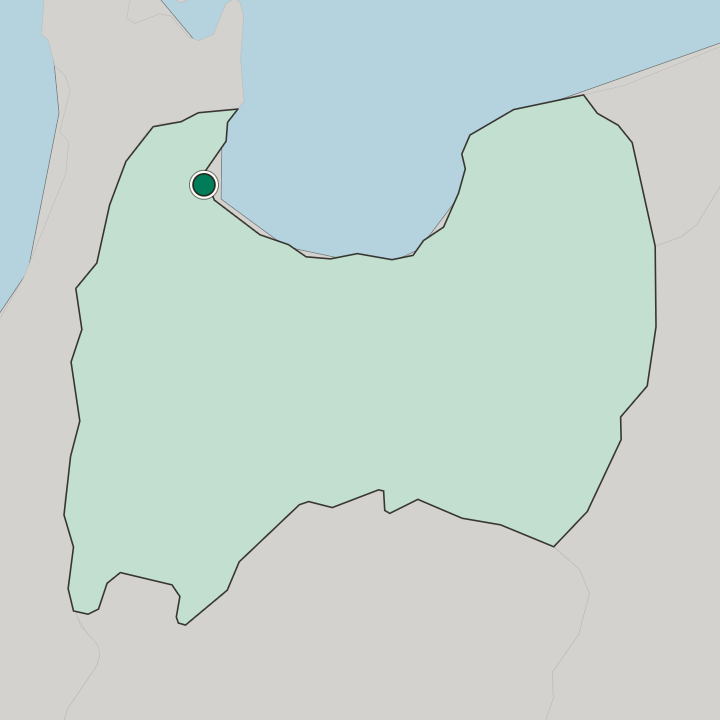
Water is the working edge. A commercial fishing industry needs a shore, and the boundary of Himimachi accordingly runs from the water inland across a municipal area that is more country than town for much of its extent. Abugashima carries a name of its own.
The temperate band, not the subtropical one, sets the seasons here.
What is the climate of Himimachi?
Seasons here are temperate, not subtropical. The water that supports the fishing fleet also moderates what the year does on land, and a temperate band along a coast like this gives four seasons a visitor can plan around rather than two. Outdoor sites reward the drier months.
The Ōzakai Cave Dwelling Site and the Asahi Shell Mound are open ground, and they read better on a clear day than under the weather a temperate coast can turn on.
How do you get to Himimachi?
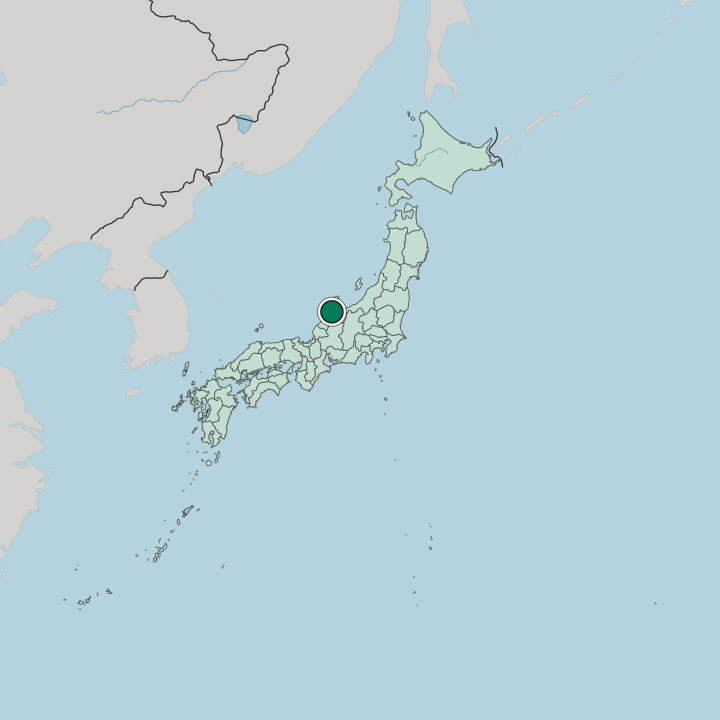
Toyama Prefecture is the frame for any approach. The city is written Himi in most records, and a traveller hunting for the longer form of the name may not find it on a sign or a timetable anywhere near the place. Not everything on the list is indoors.
Reaching the Ōzakai Cave Dwelling Site or Abugashima is a separate errand from walking into the Himi City Museum, and a day here works better with the order fixed in advance.
Common questions
What is the best area to stay in Himimachi?
The harbour side: Mornings timed to the working shore of a fishing city. By the Himi City Museum: Trips built on the Himi City Museum and the Himi City Shiokaze gallery. Out among the prehistoric sites: Drivers taking in the Ōzakai Cave Dwelling Site and the Asahi Shell Mound.
Good for
More cities in Toyama-ken
Updated September 2026