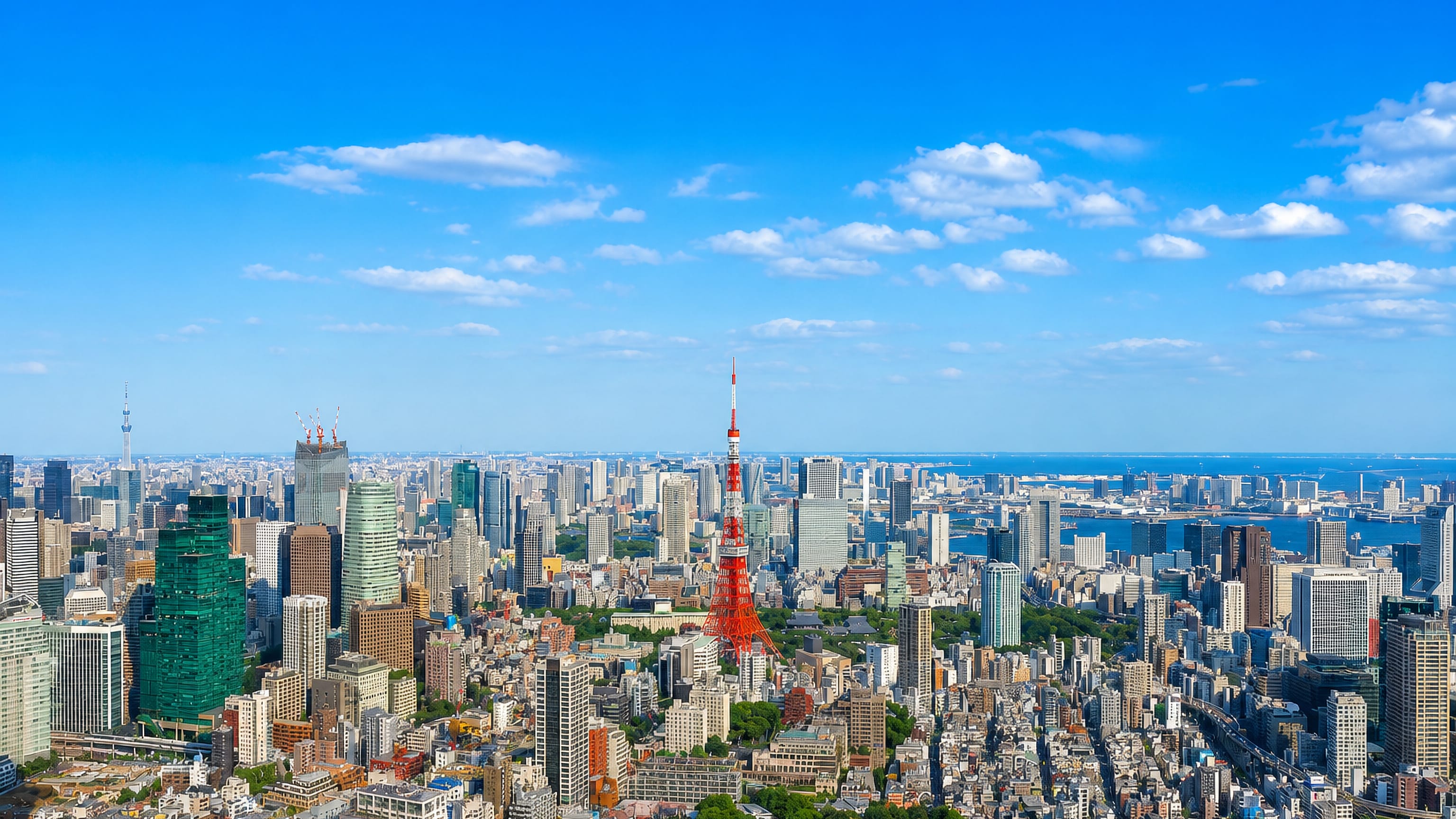
Japan: Regions, Cities & Travel Guide
Japan is an island country in East Asia, an archipelago in the Pacific Ocean off the Asian mainland, known for Tokyo and its forested mountains.
Hotel links are affiliate links: booking through them may earn us a commission, at no extra cost to you. It never affects how places are ranked. How this works


Top destinations in Japan
Cities to start from, then drill into areas and hotels.
 Japan
Japan
Tokyo
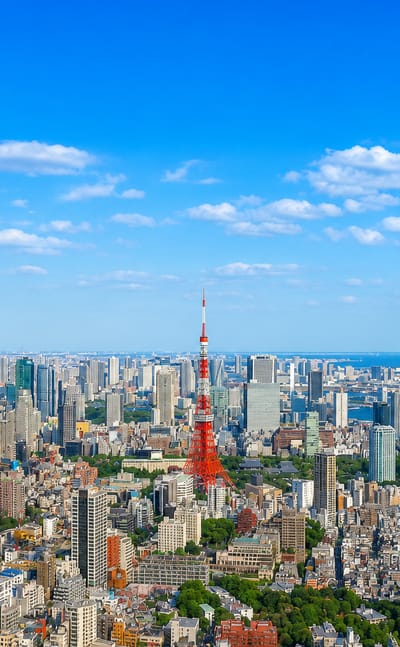
Skyscrapers and shrine forest stand side by side in Tokyo, the capital and main city of Japan, known for Meiji Jingū and the Shibuya scramble crossing.Where to stay →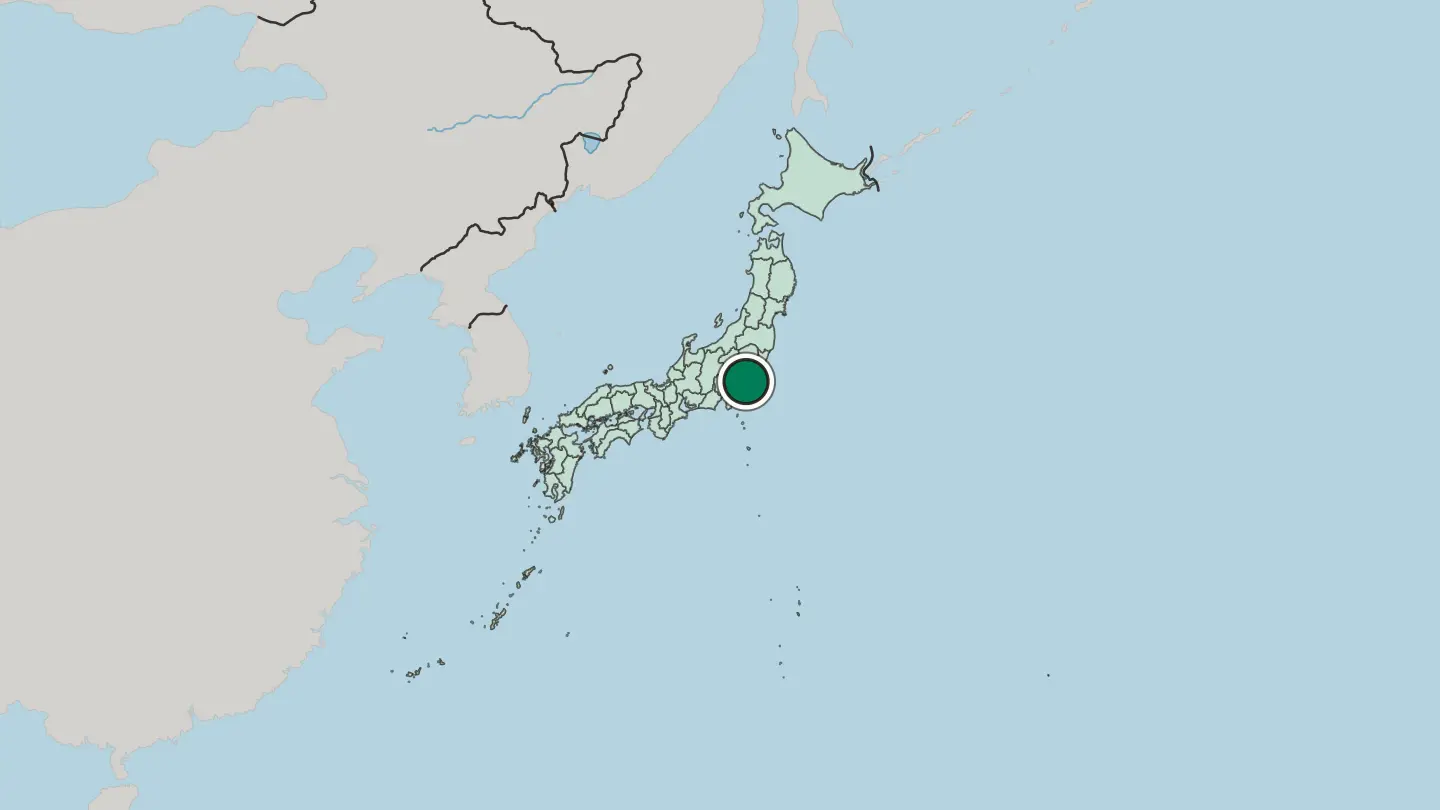
 Japan
Japan
Hiroshima
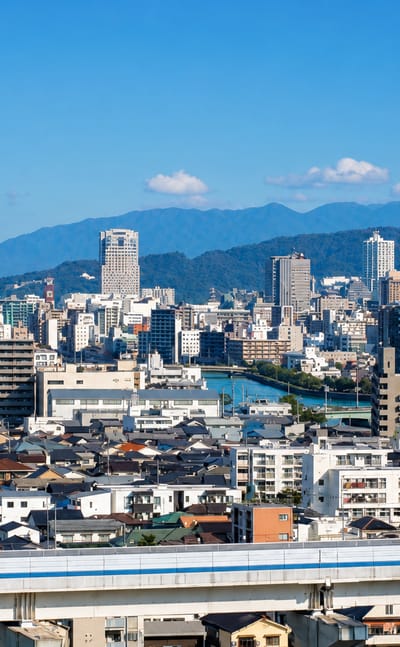
Boulevards cross the delta at Hiroshima, on the Seto Inland Sea in the Chugoku region of Honshu, with the Hiroshima Peace Memorial and Hiroshima Castle.Where to stay →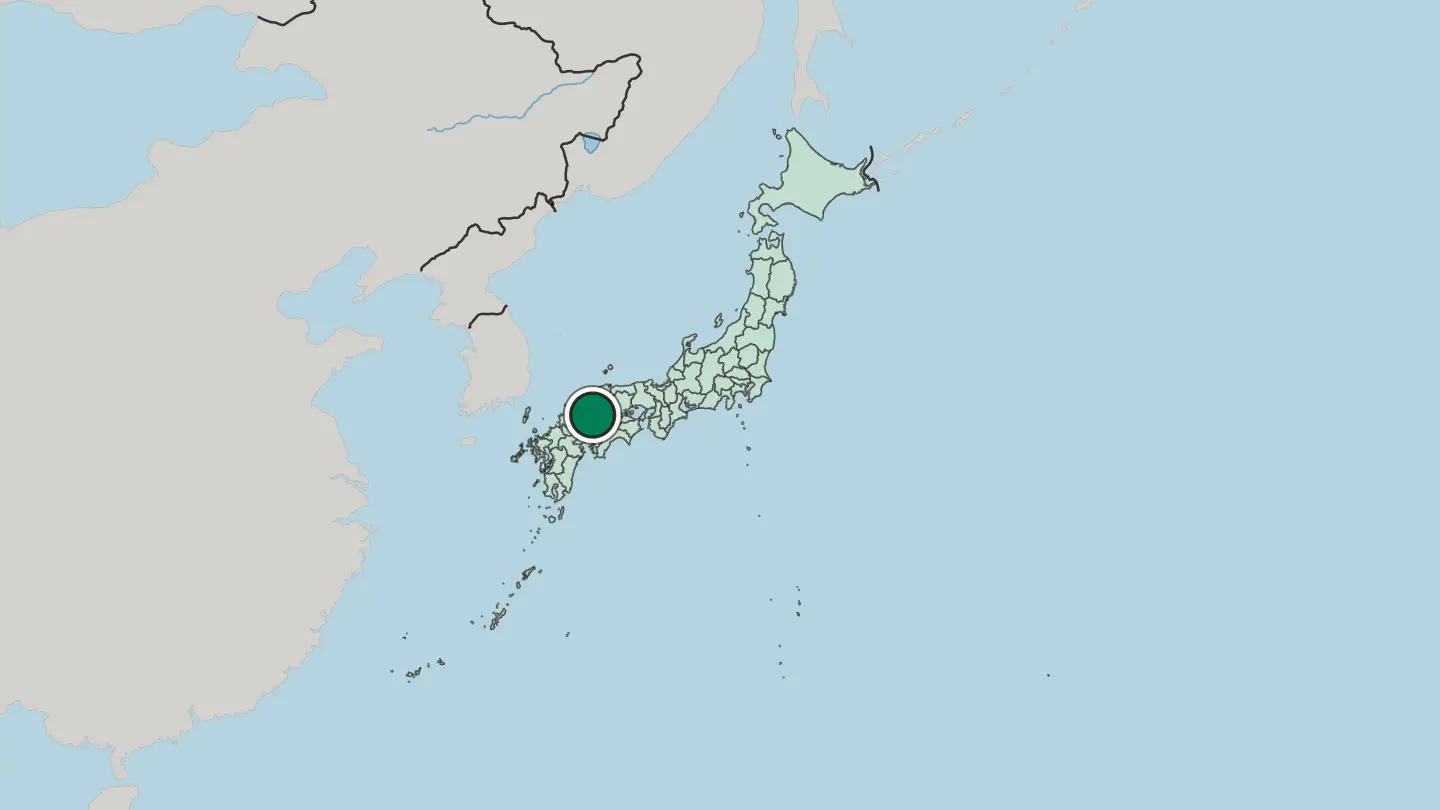
 Japan
Japan
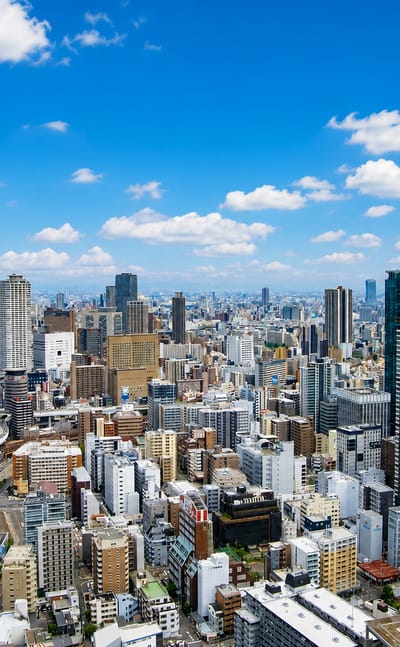
Osaka
Osaka is the commercial heart of the Kansai region on Honshu, capital of Osaka Prefecture and a designated city known for its food and museums.Where to stay →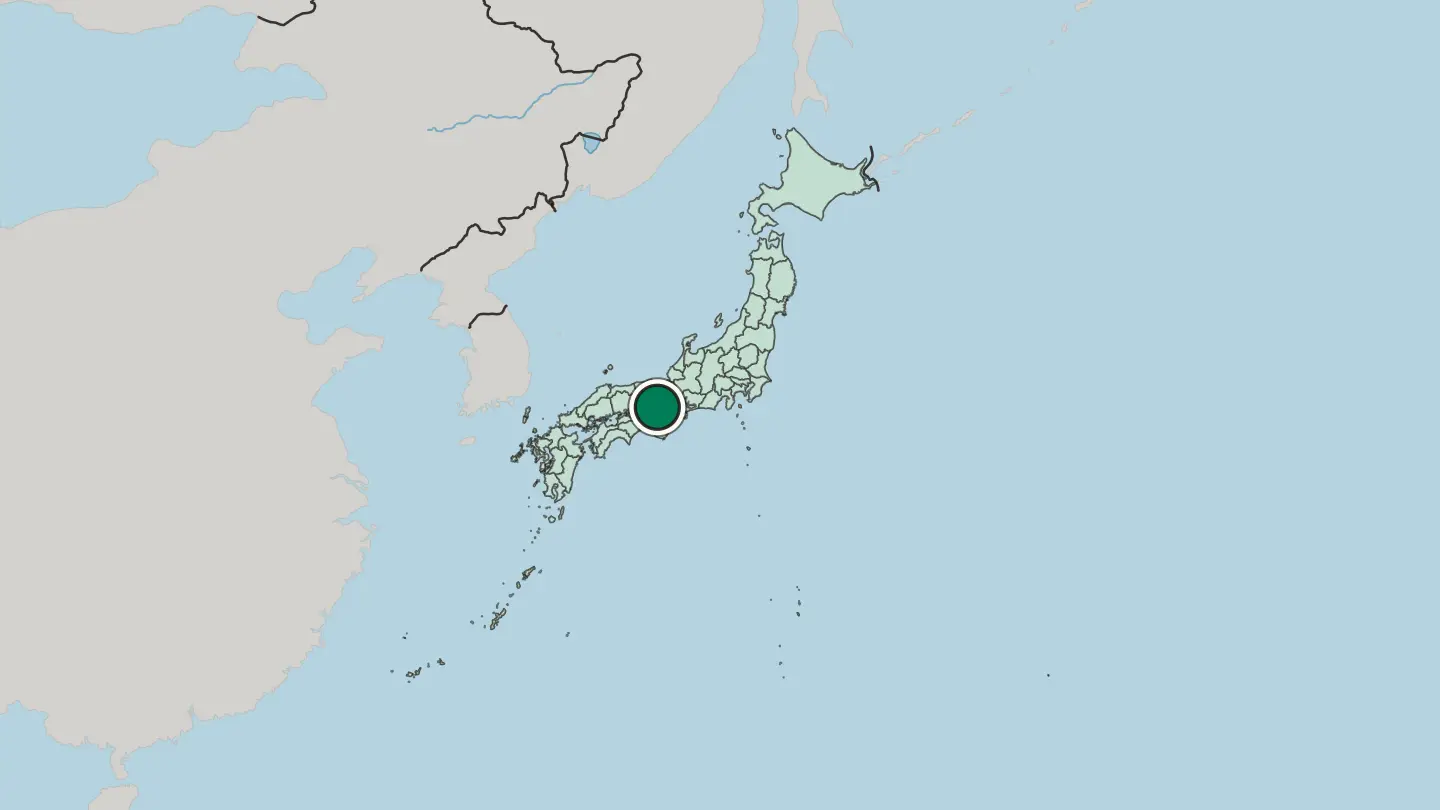
 Japan
Japan
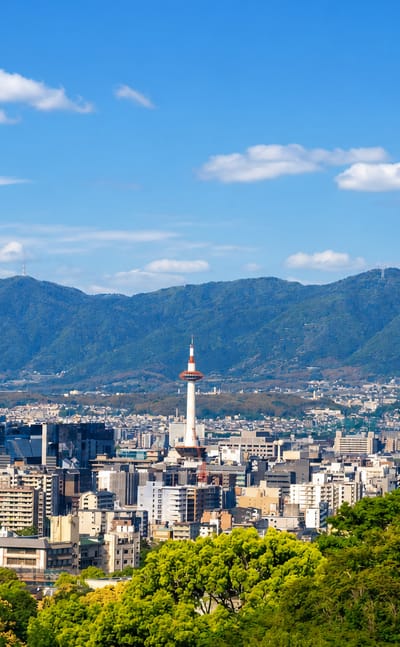
Kyoto
Temple roofs and tiled lanes fill Kyoto, the former imperial capital in the Kansai region of Honshu, known for Kiyomizu-dera and the glass Kyoto Station.Where to stay →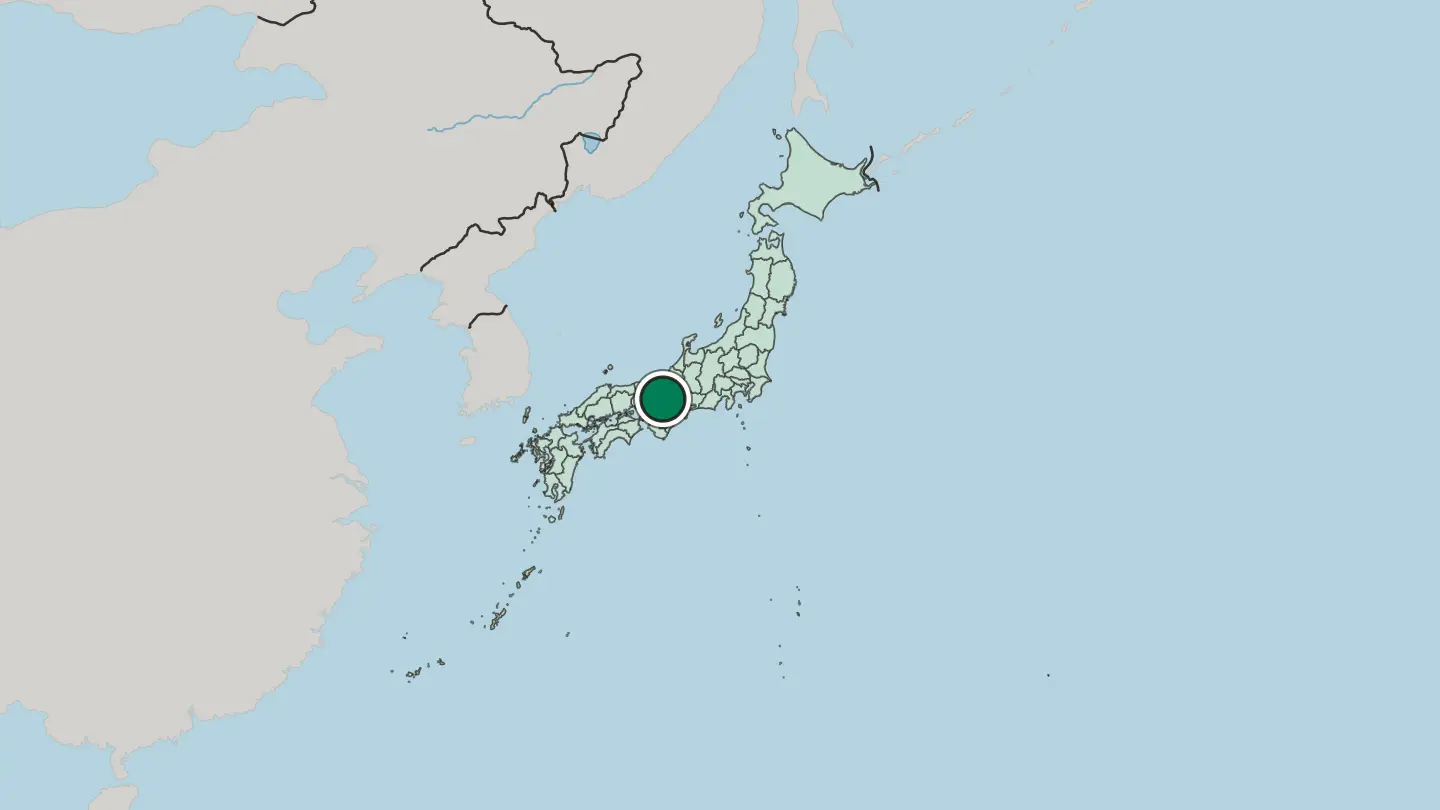
 Japan
Japan
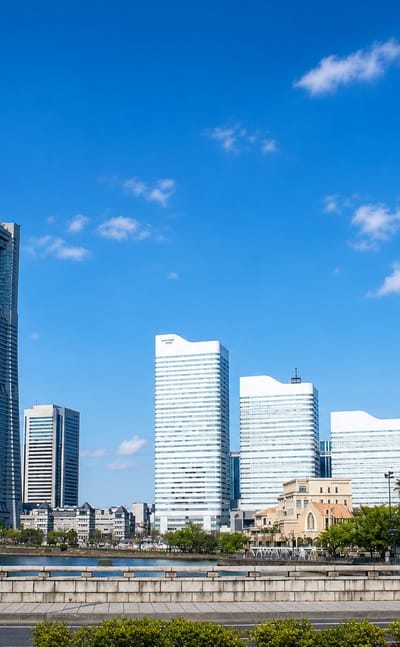
Yokohama
Yokohama is a major port on Tokyo Bay, capital of Kanagawa Prefecture and a harbour city in the Kantō region known for its Minatomirai waterfront.Where to stay →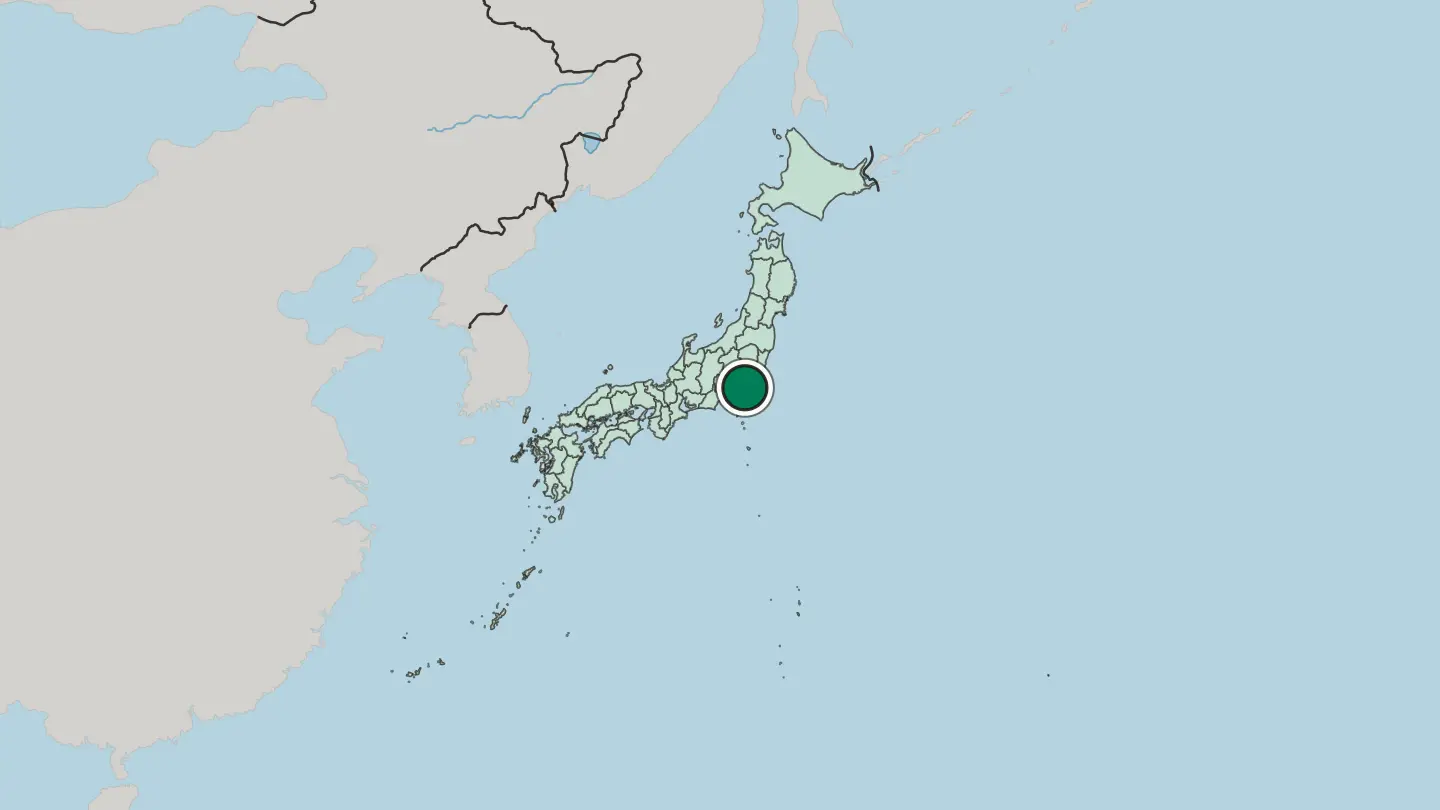
 Japan
Japan
Nagasaki
Nagasaki is the capital of Nagasaki Prefecture on the island of Kyushu, the port through which Europeans first entered Japan.Where to stay →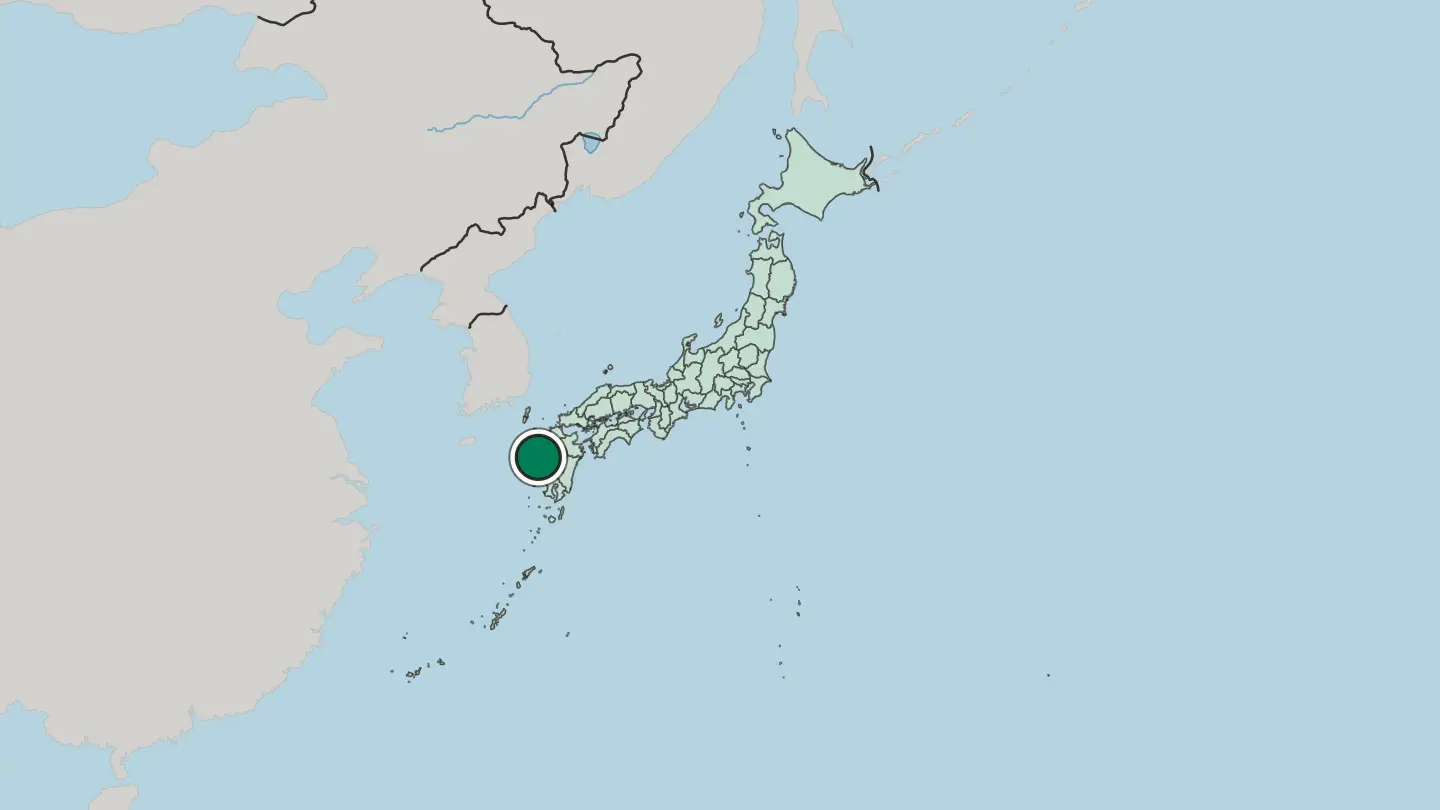
 Japan
Japan
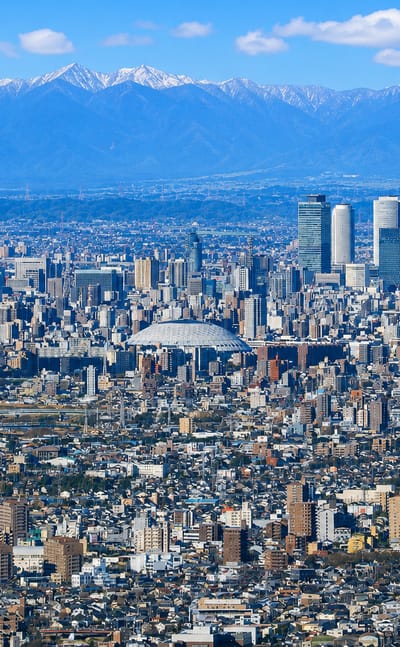
Nagoya
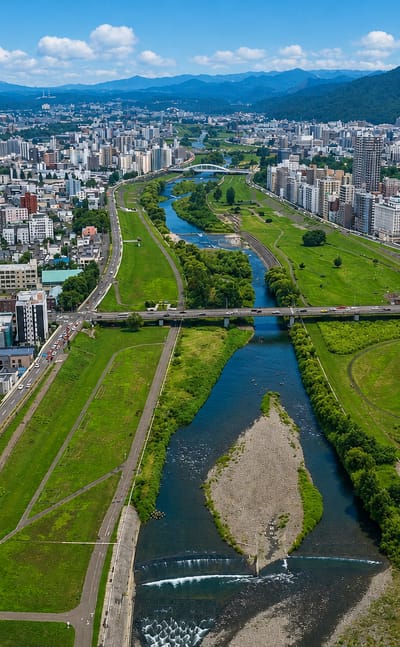
Cranes work the harbour at Nagoya, capital of Aichi Prefecture on the Pacific coast of central Honshu, known for Nagoya Castle and the Port of Nagoya.Where to stay →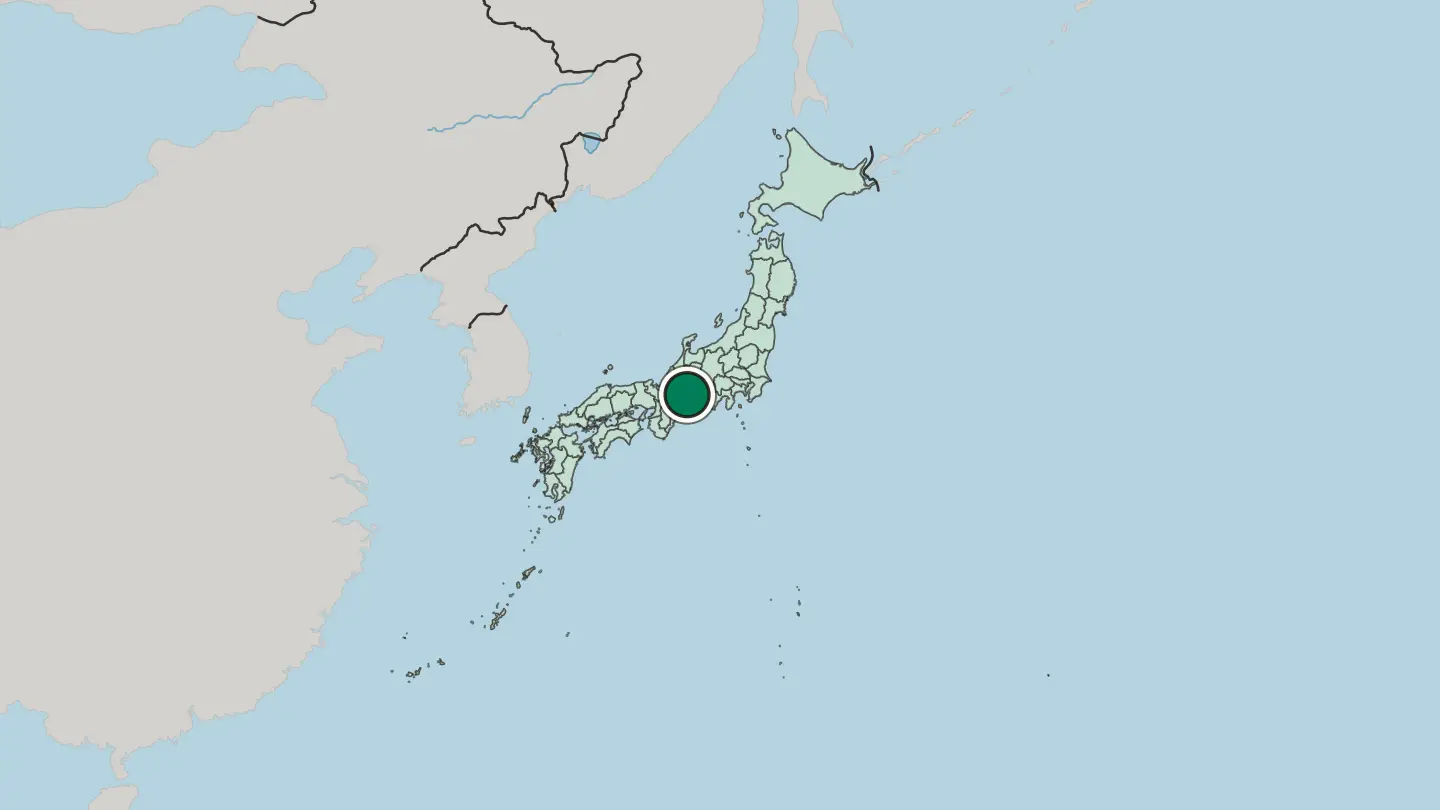
 Japan
Japan
Sapporo
Snow banks the boulevards of Sapporo, capital of Hokkaido on the fan of the Toyohira River, known for the Sapporo Clock Tower and the Sapporo Beer Museum.Where to stay →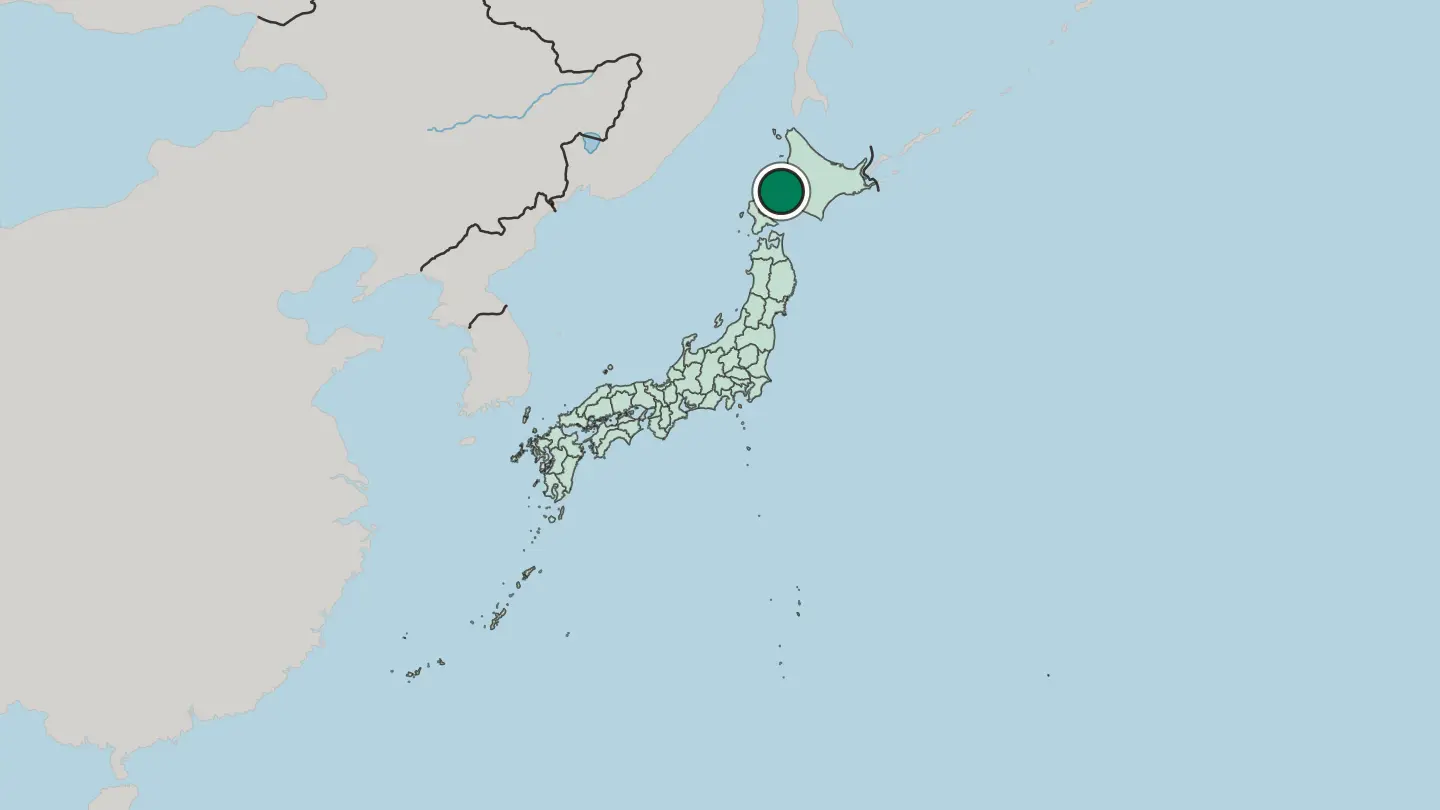
 Japan
Japan
Fukuoka
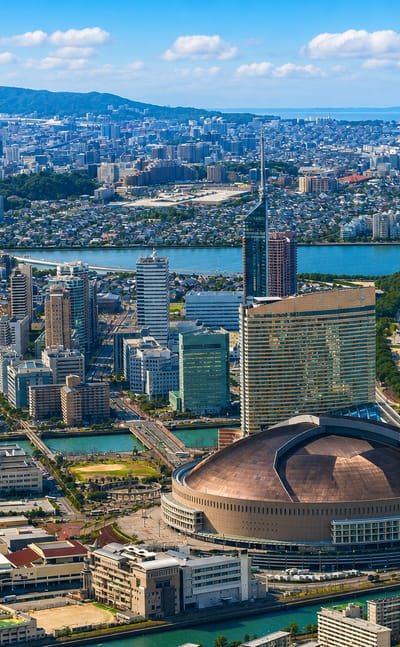
Ferries and container berths line Hakata Bay, the largest city on Kyushu, capital of Fukuoka Prefecture, known for the Hakata quarter and Kushida Shrine.Where to stay →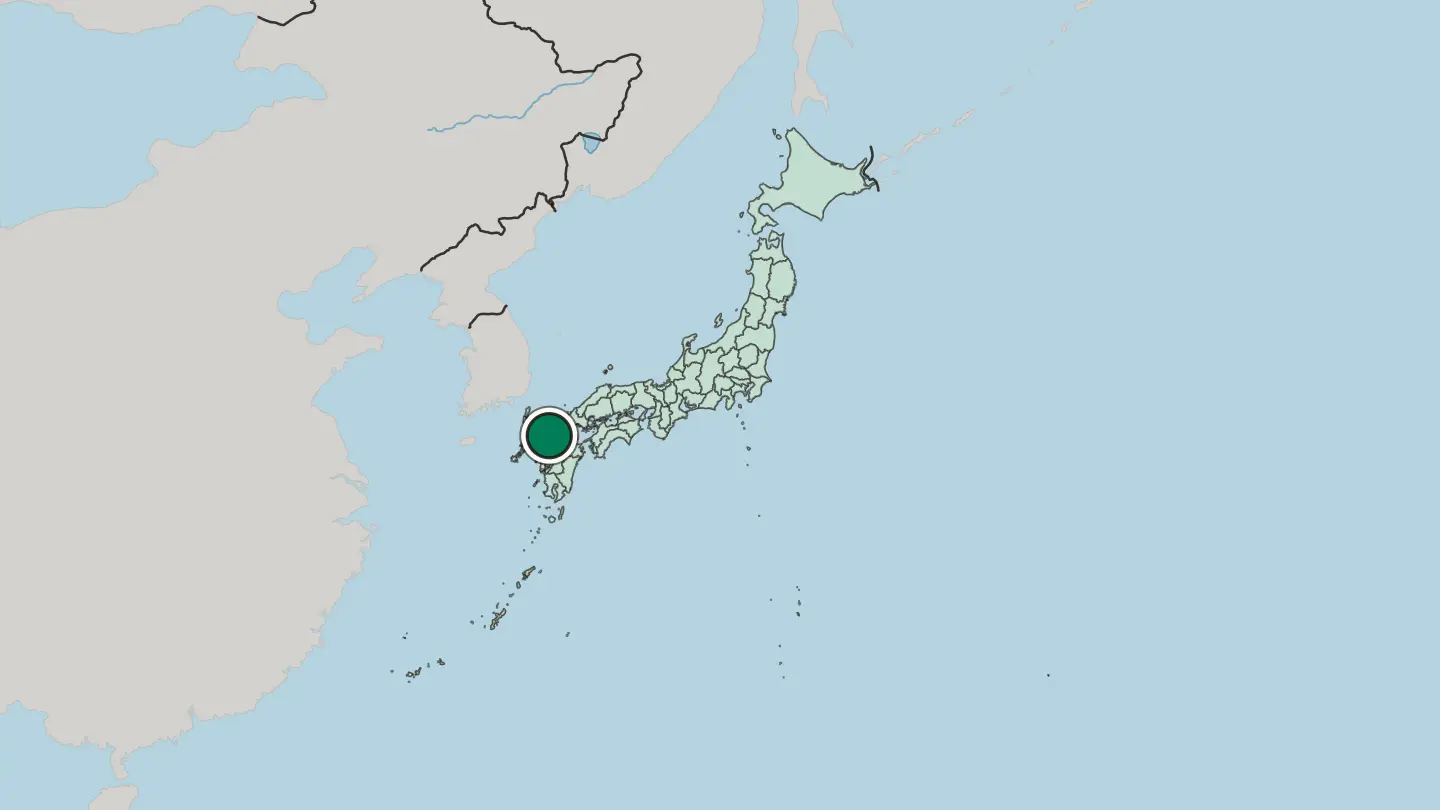
Hotel links are affiliate links: booking through them may earn us a commission, at no extra cost to you. It never affects how places are ranked. How this works
Regions of Japan
Japan
Aichi-ken
Aichi is a prefecture on the Pacific coast of central Japan, centred on Nagoya and the Nōbi Plain, cradle of the warlords who unified the country.Towns & cities →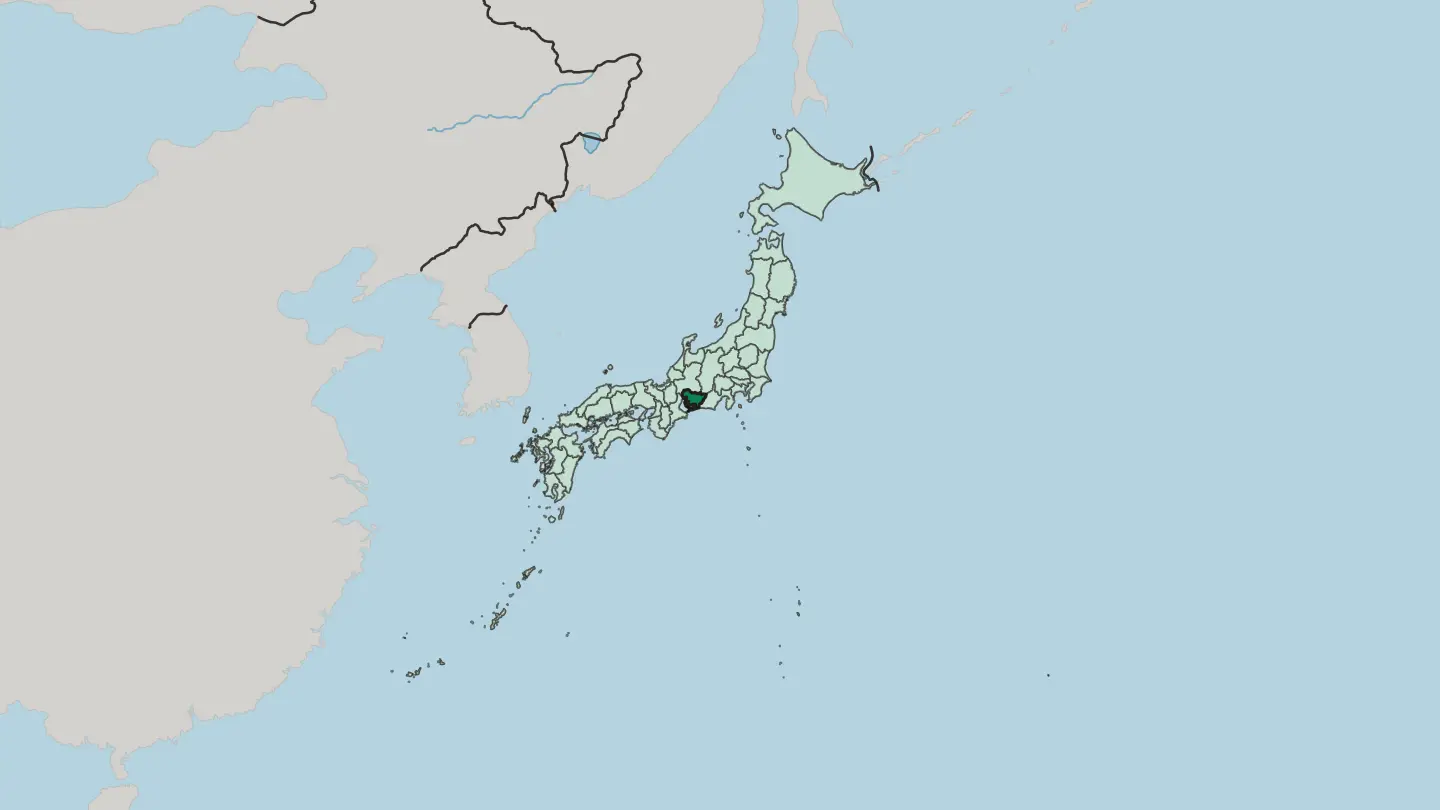
 Japan
Japan
Akita
Akita is a Sea of Japan prefecture in northern Honshu: snow country of caldera lakes, cedar forest, and the Namahage of the Oga Peninsula.Towns & cities →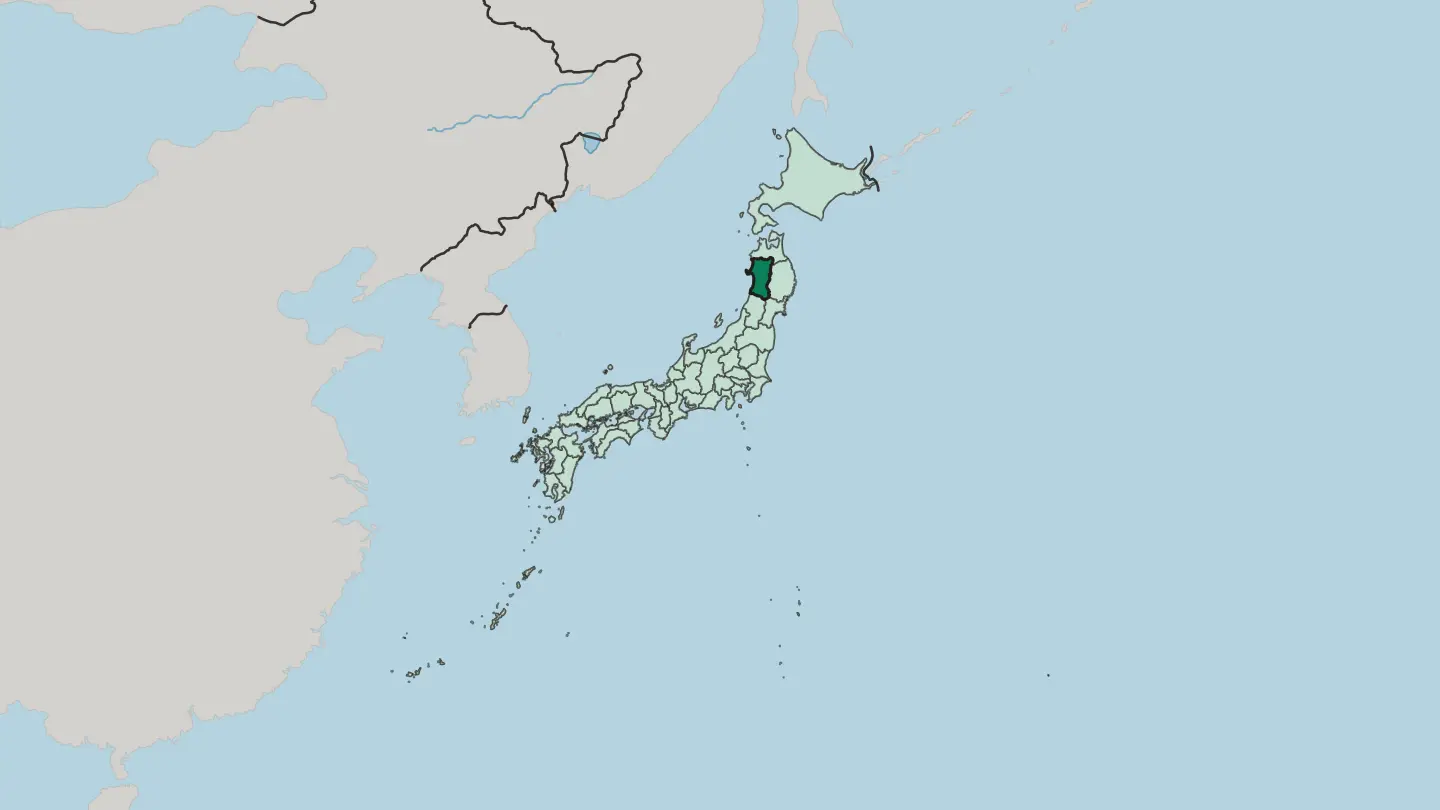
 Japan
Japan
Aomori-ken
Aomori-ken caps the northern tip of Honshu, an apple country of Nebuta lanterns, deep snow and two peninsulas cradling Mutsu Bay.Towns & cities →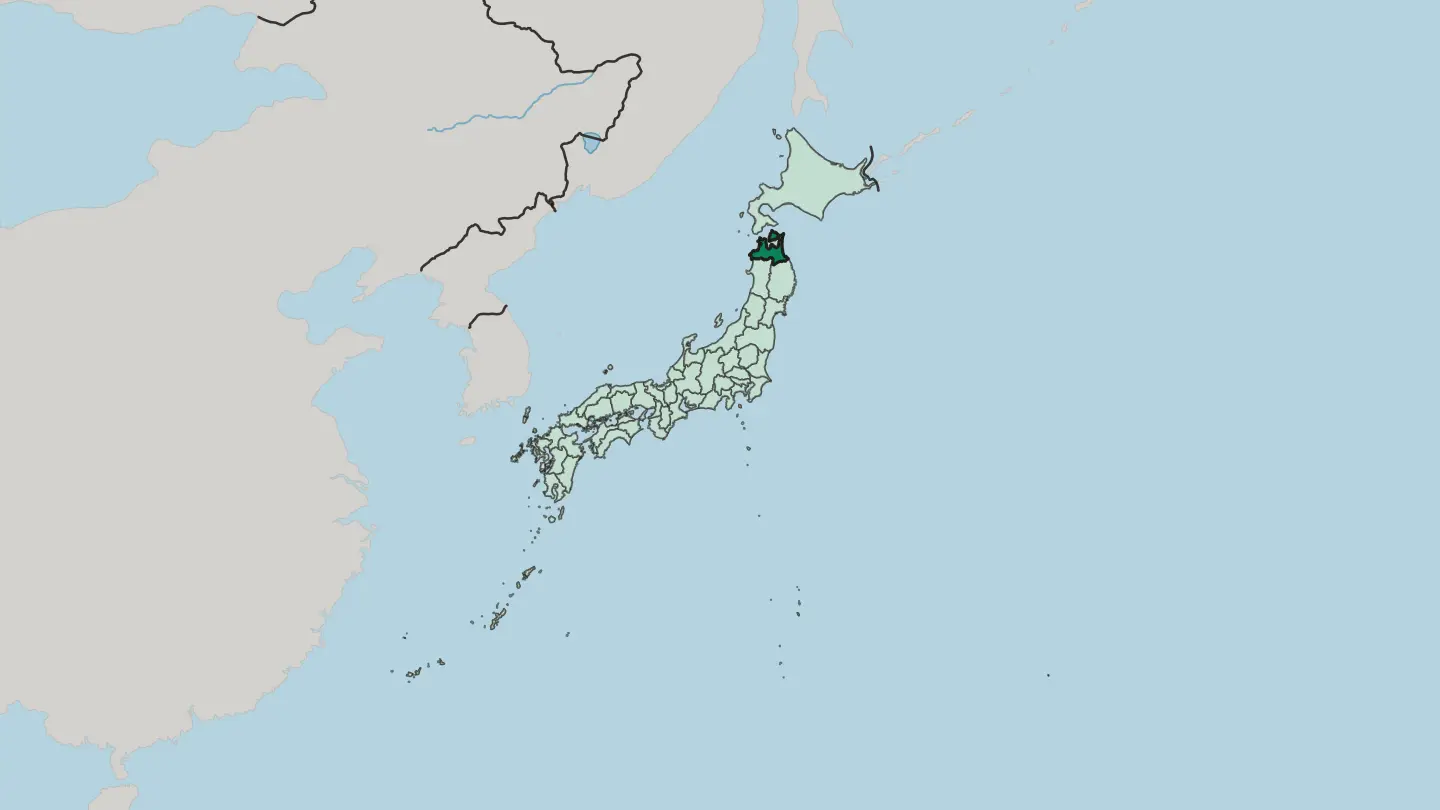
 Japan
Japan
Chiba-ken
Chiba Prefecture wraps the east side of Tokyo Bay on the Bōsō Peninsula, just east of Tokyo, holding Narita Airport and Tokyo Disney Resort.Towns & cities →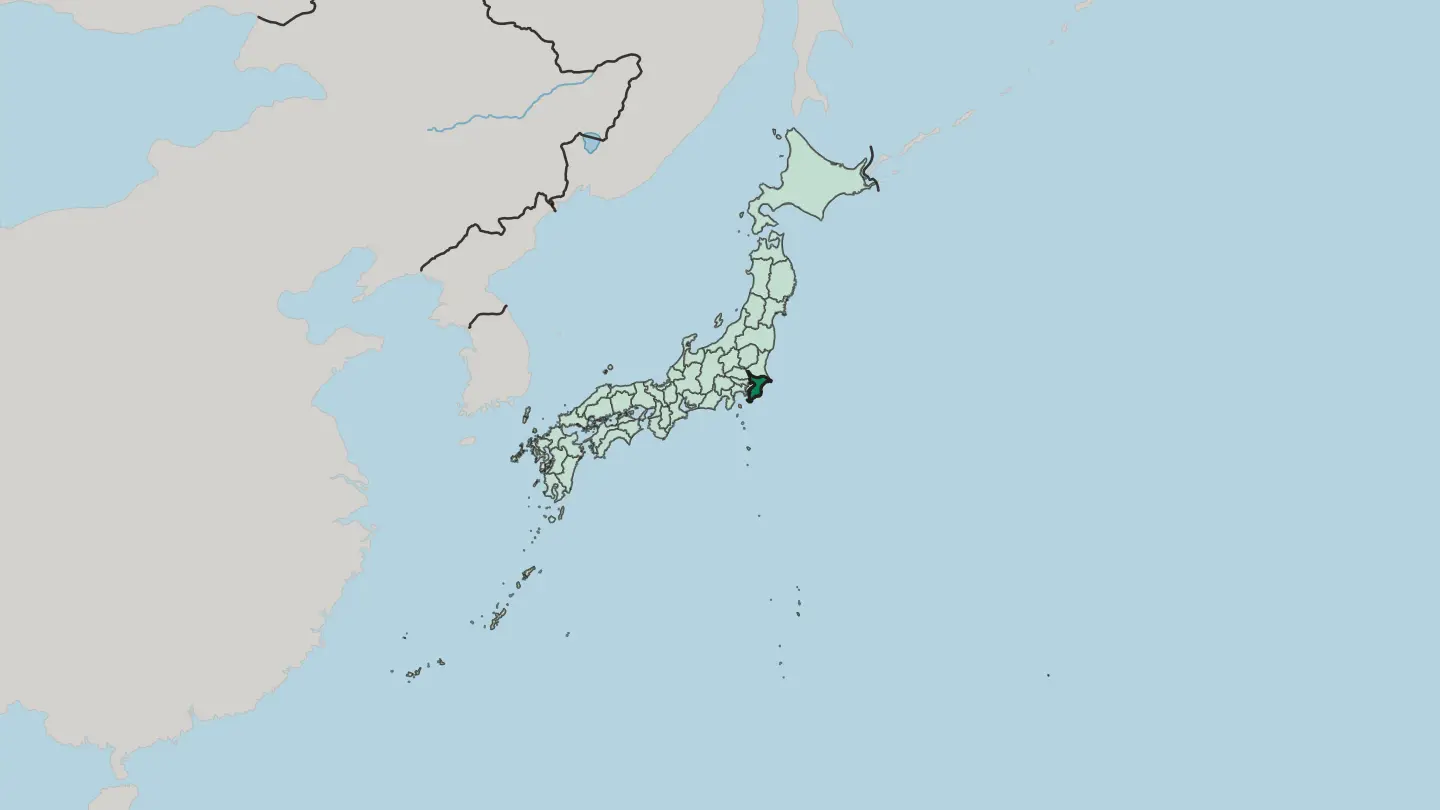
 Japan
Japan
Ehime
Ehime fills the western side of Shikoku, a coast of citrus groves, hot springs and island bridges facing the Seto Inland Sea.Towns & cities →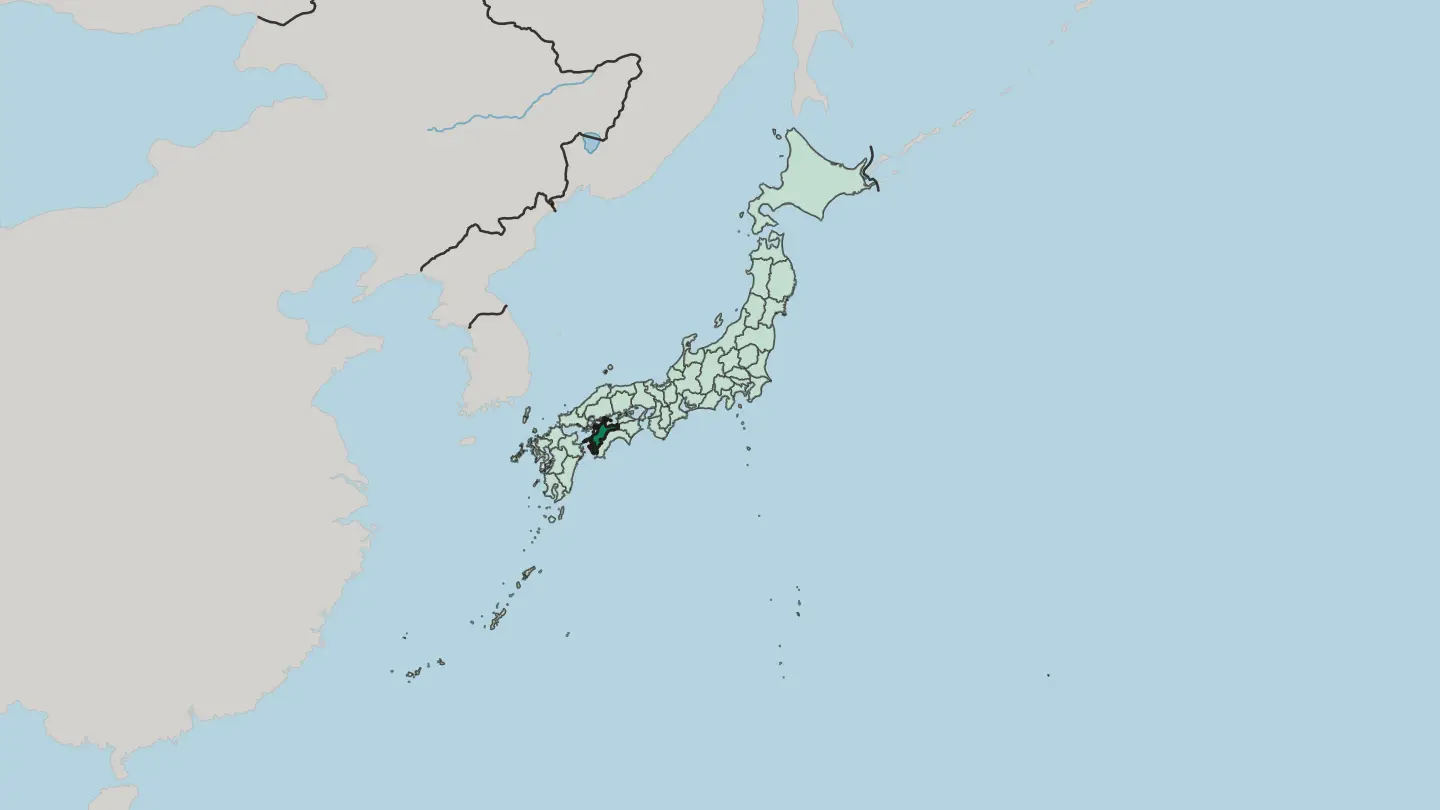
 Japan
Japan
Fukui
Fukui is a prefecture on Honshū's Sea of Japan coast, Japan's Hokuriku snow country, known for Zen, dinosaurs, and Echizen crab.Towns & cities →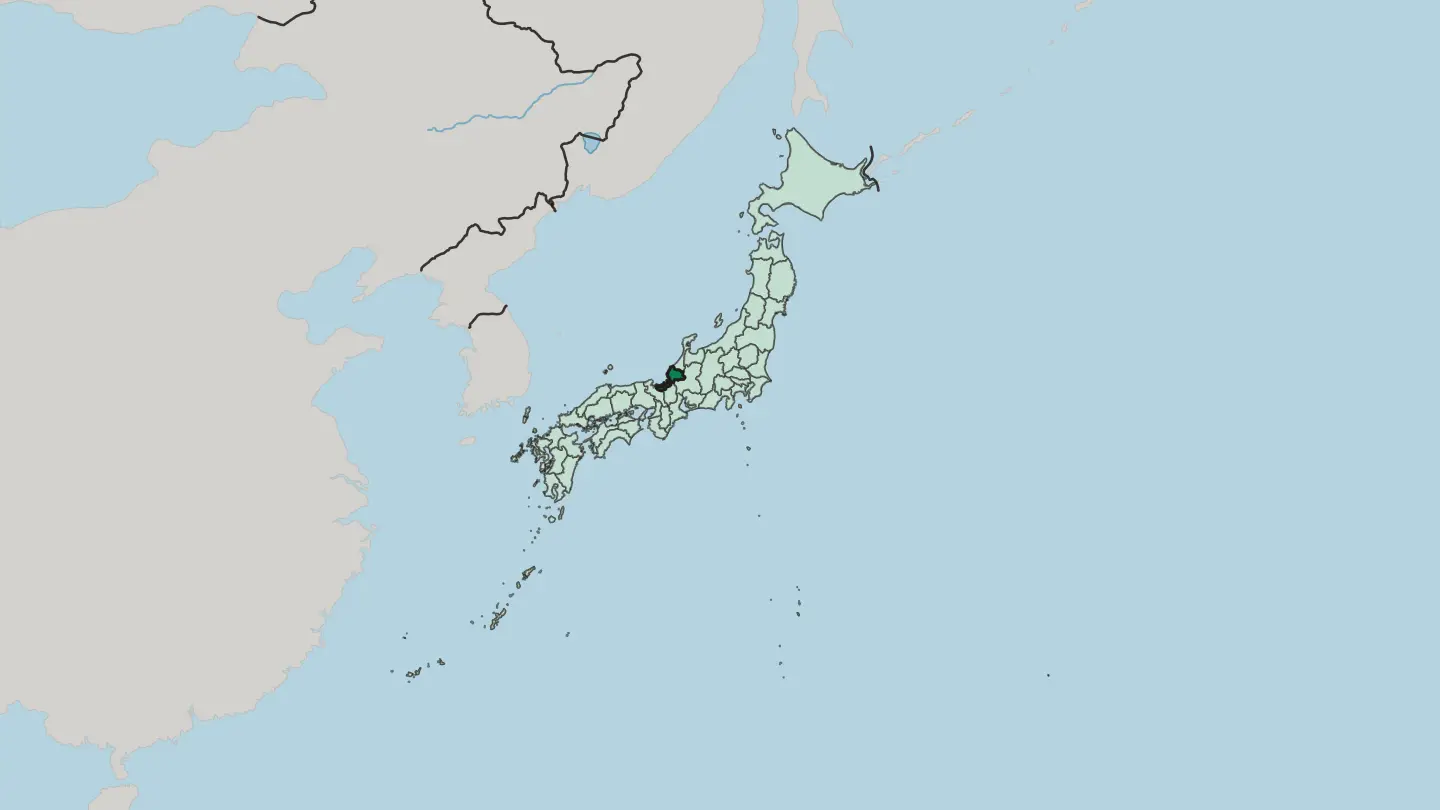 Japan
Japan
Fukuoka Prefecture
Fukuoka Prefecture anchors northern Kyushu, where the port city of Fukuoka faces the Asian mainland across the Genkai Sea.Towns & cities →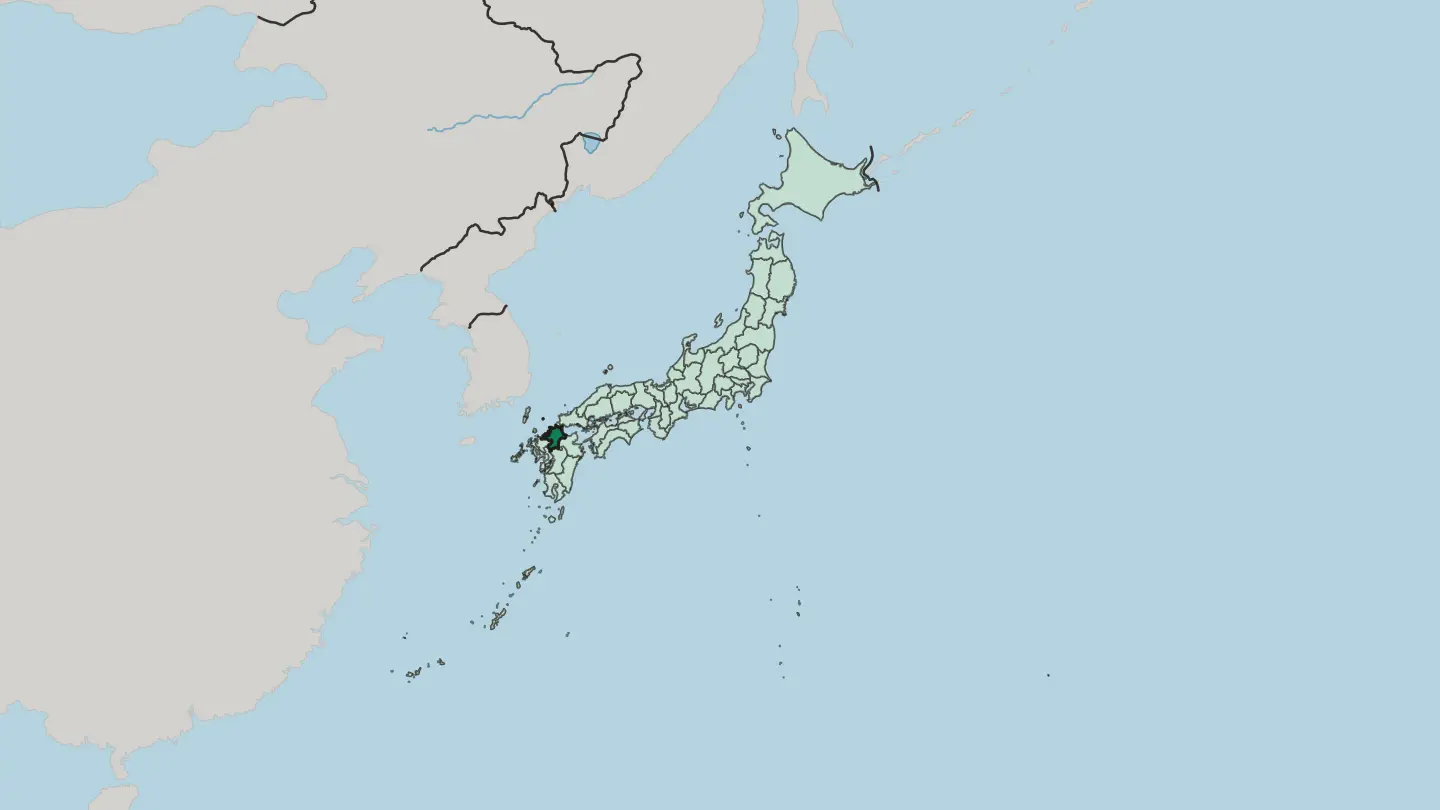
 Japan
Japan
Fukushima-ken
Fukushima is the southernmost prefecture of Japan's Tōhoku region, samurai castle towns, snow-country lakes, and a mild Pacific coast.Towns & cities →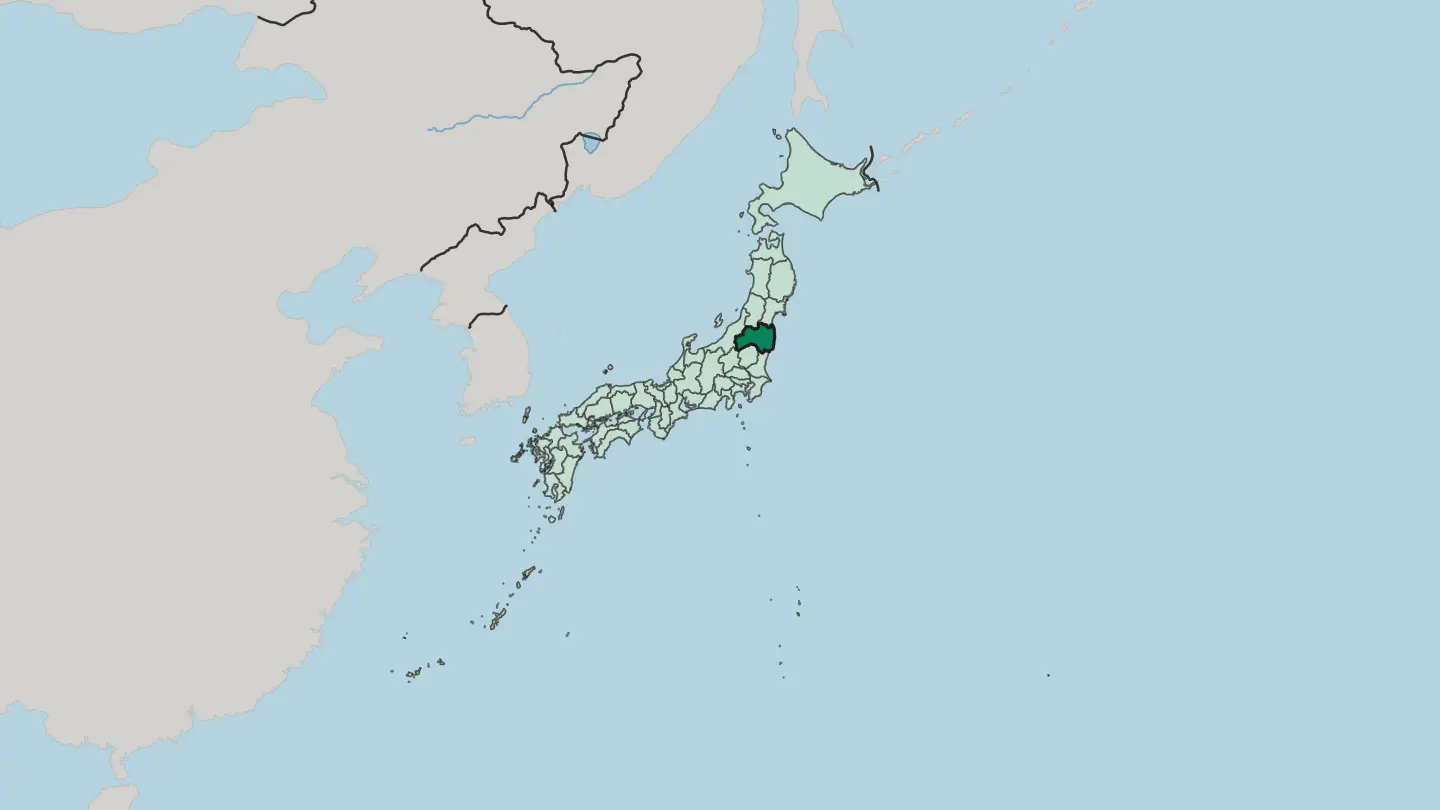
 Japan
Japan
Gifu
Gifu is a landlocked prefecture in the heart of Japan, split between the lowland Nōbi Plain and the high Hida mountains of the Japanese Alps.Towns & cities →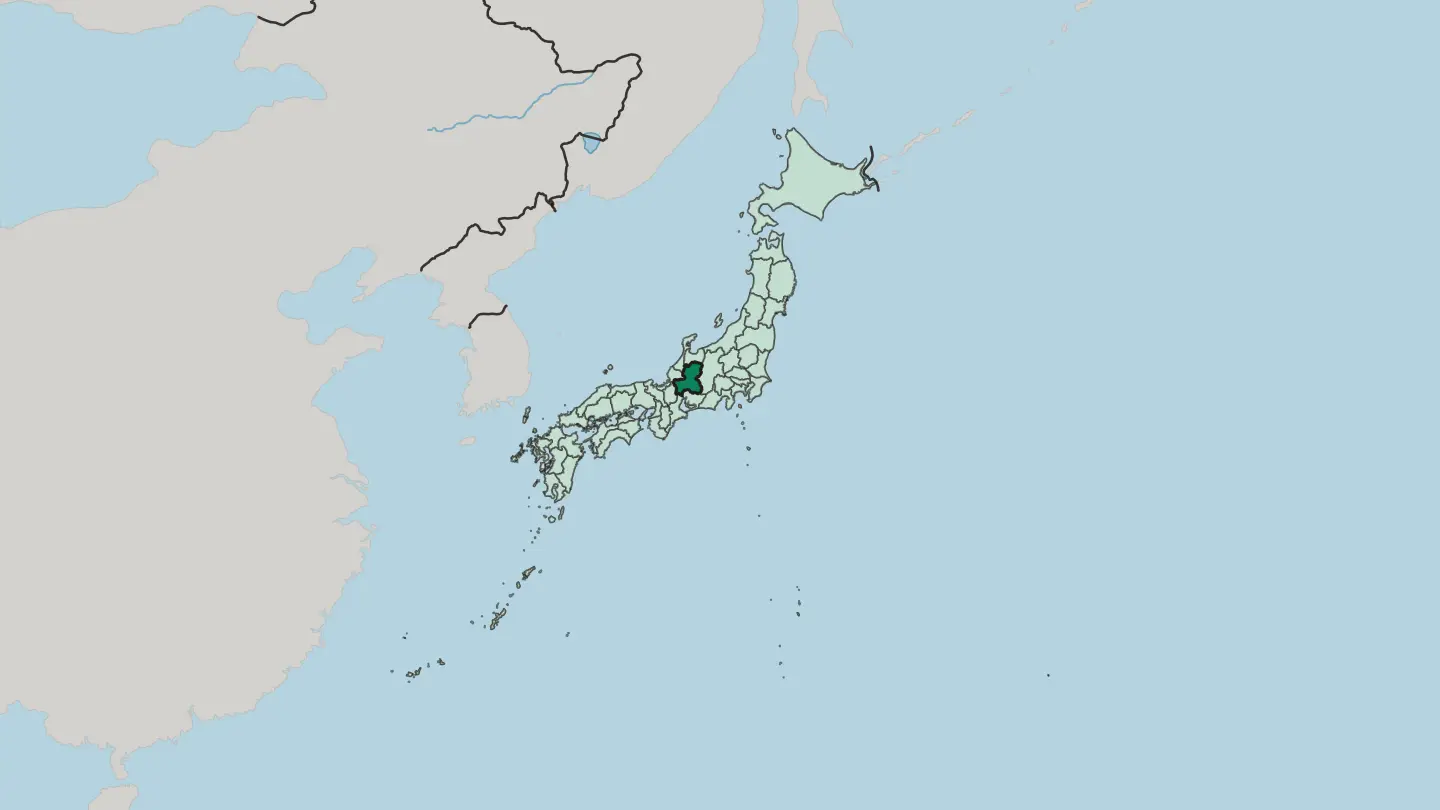
 Japan
Japan
Gunma-ken
Gunma is an inland prefecture in Japan's Kantō region, a mountainous land of hot springs, silk heritage, and the source of the Tone River.Towns & cities →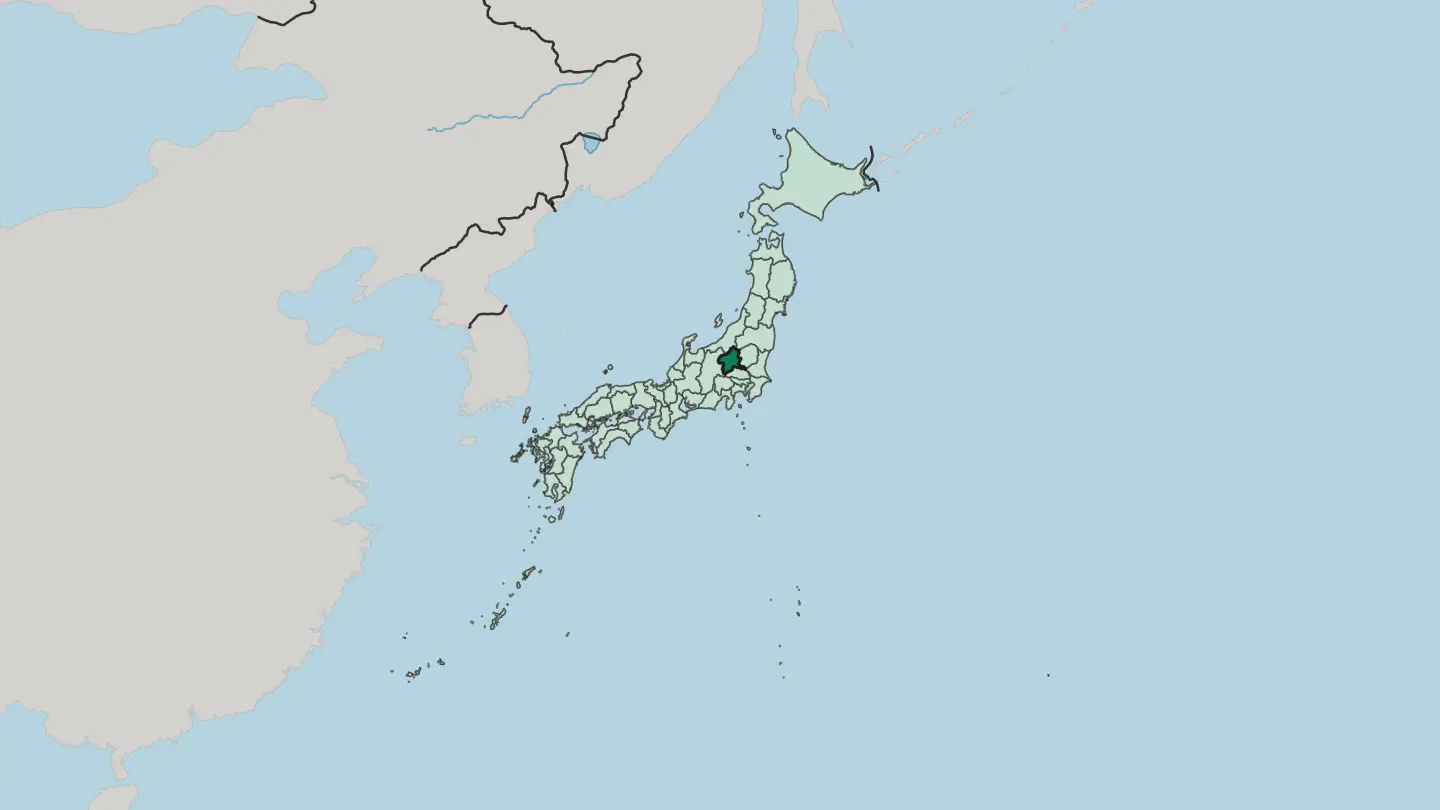 Japan
Japan
Hiroshima-ken
Hiroshima Prefecture faces the island-studded Seto Inland Sea in western Honshu, from the A-Bomb Dome to the floating torii of Miyajima.Towns & cities →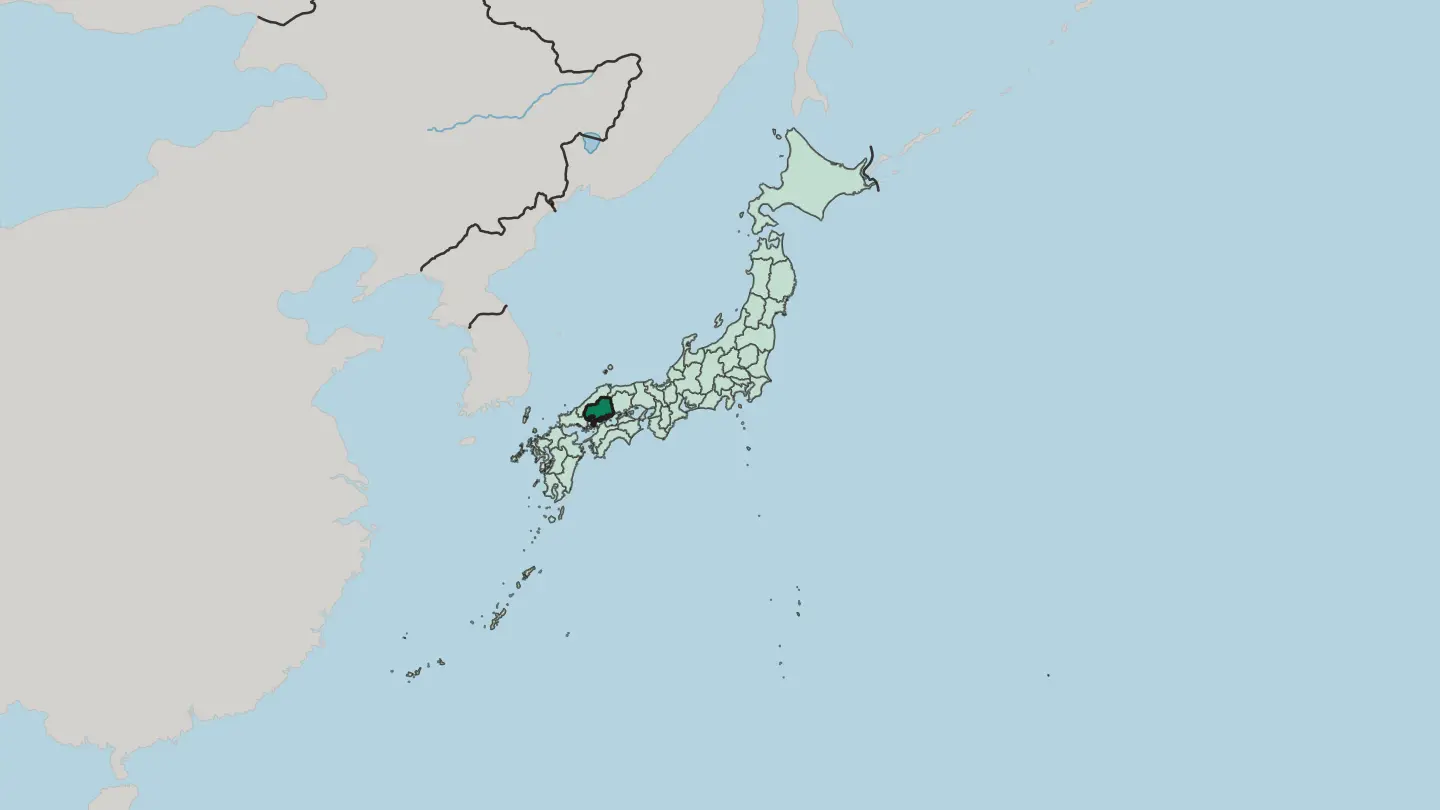 Japan
Japan
Hokkaido
Hokkaido is Japan's northernmost main island and largest prefecture, a wild frontier of volcanoes, powder snow, and Ainu heritage.Towns & cities →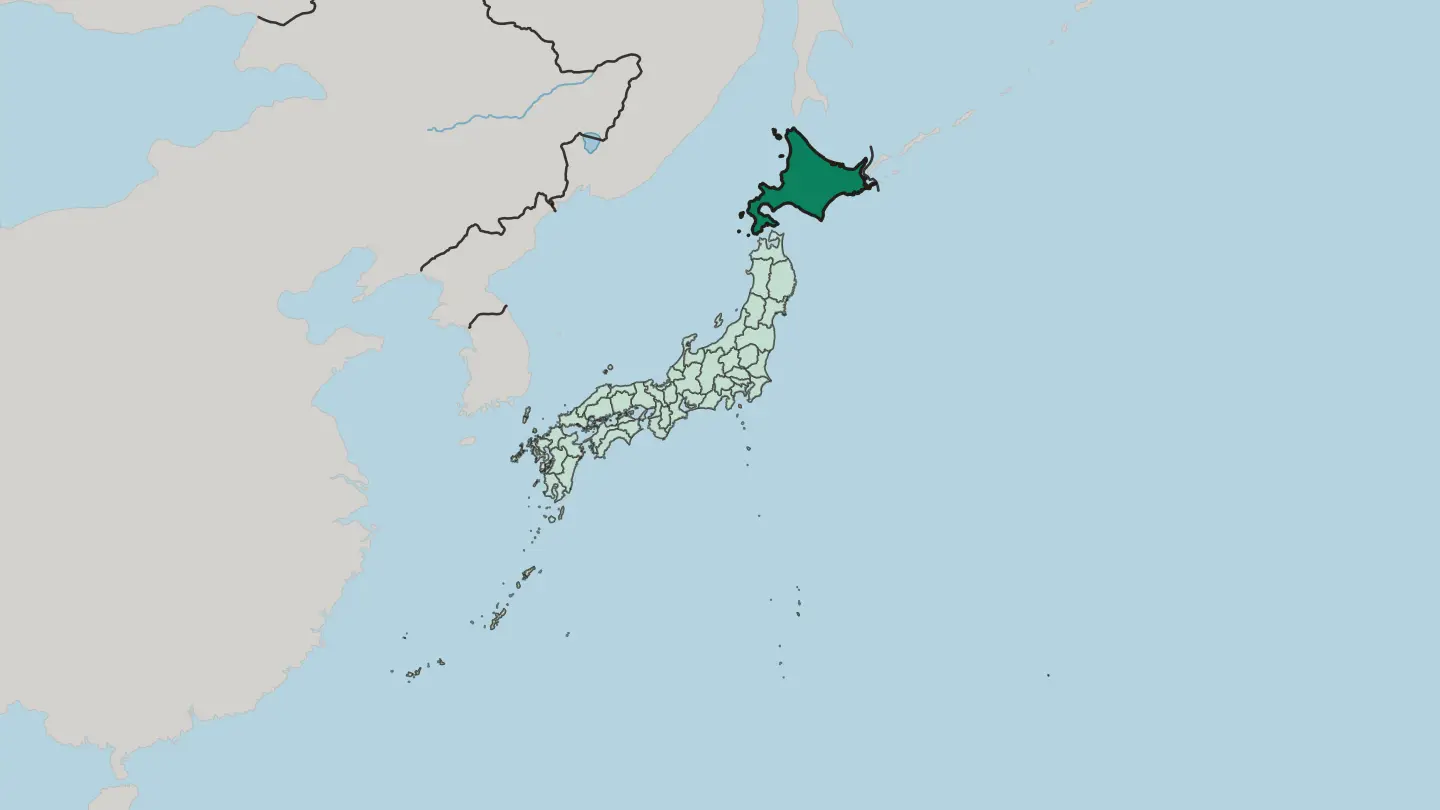
 Japan
Japan
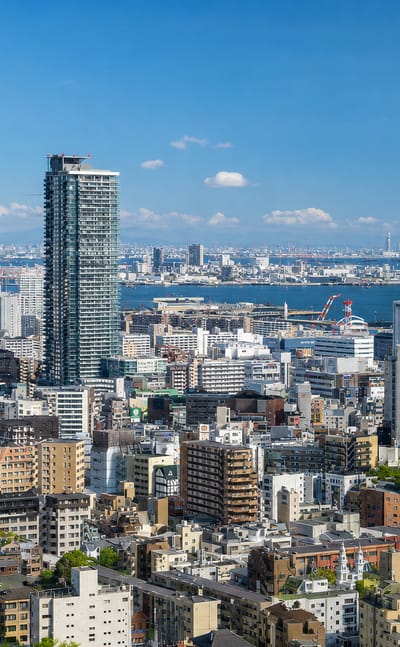
Hyōgo
Hyōgo reaches across Kansai from the Sea of Japan to the Seto Inland Sea, with the port of Kobe at its heart.Towns & cities →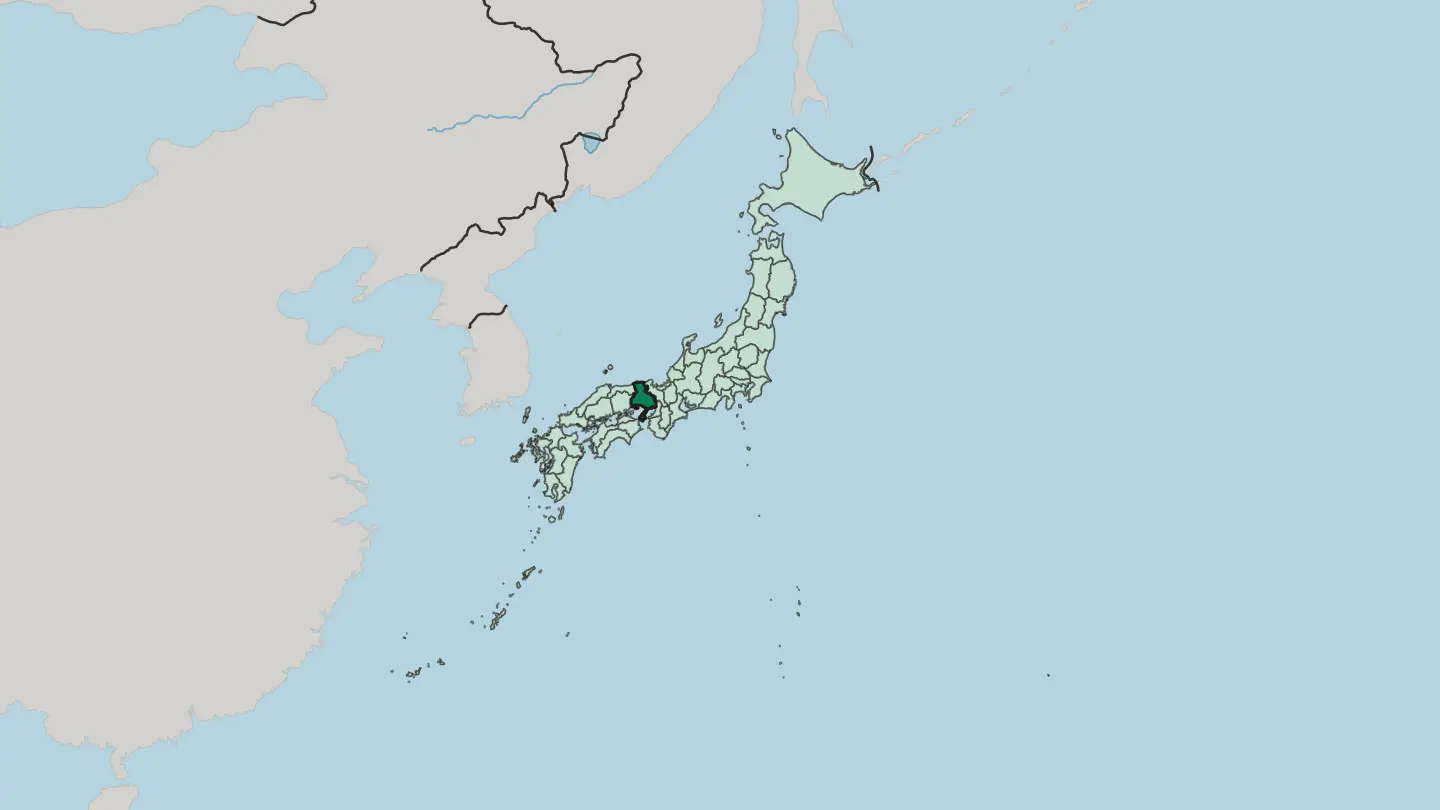
 Japan
Japan
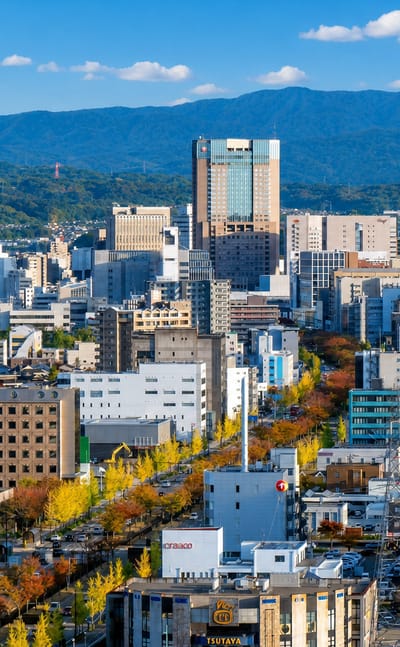
Ibaraki
Ibaraki fills the north-eastern Kantō region, a Pacific-facing prefecture of plains, the twin peaks of Mount Tsukuba, and Mito's plum gardens.Towns & cities →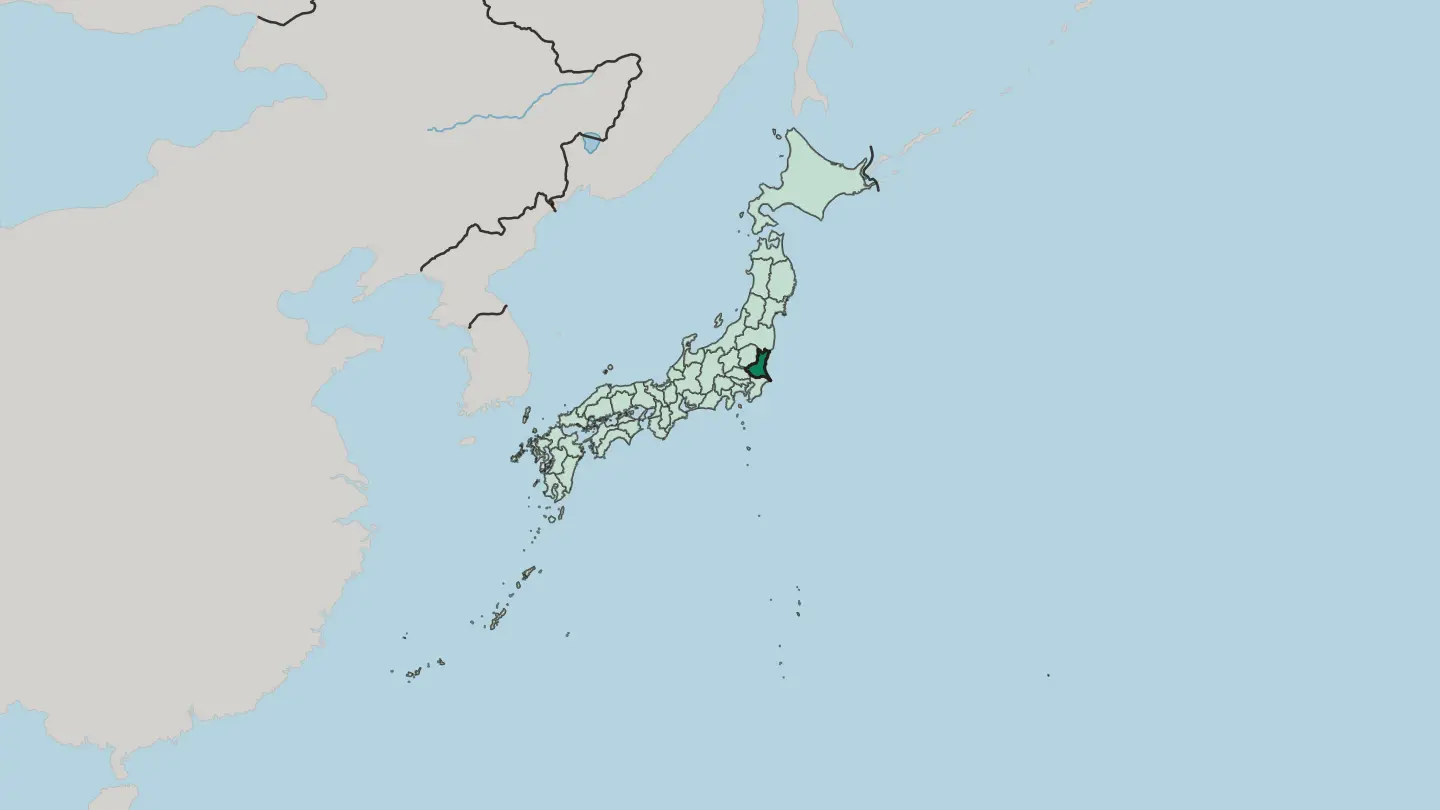
 Japan
Japan
Ishikawa-ken
Ishikawa faces the Sea of Japan in central Honshu, where the castle town of Kanazawa keeps Kenroku-en garden and the Noto Peninsula reaches north.Towns & cities →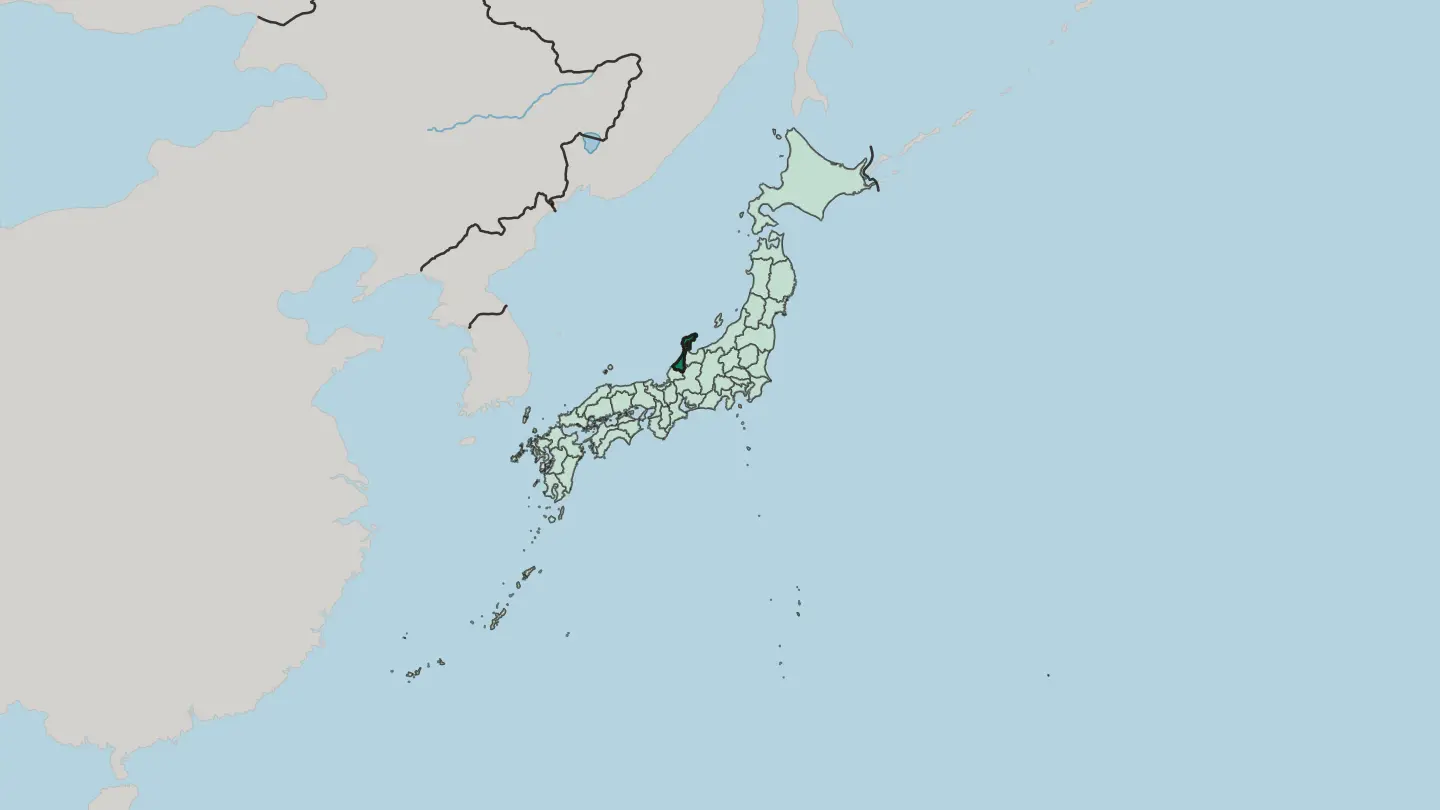
 Japan
Japan
Iwate
Iwate is the Pacific-facing north-east of Japan's Honshu, a mountainous Tōhoku prefecture of high peaks, a broad river basin, and a cliff-torn coast.Towns & cities →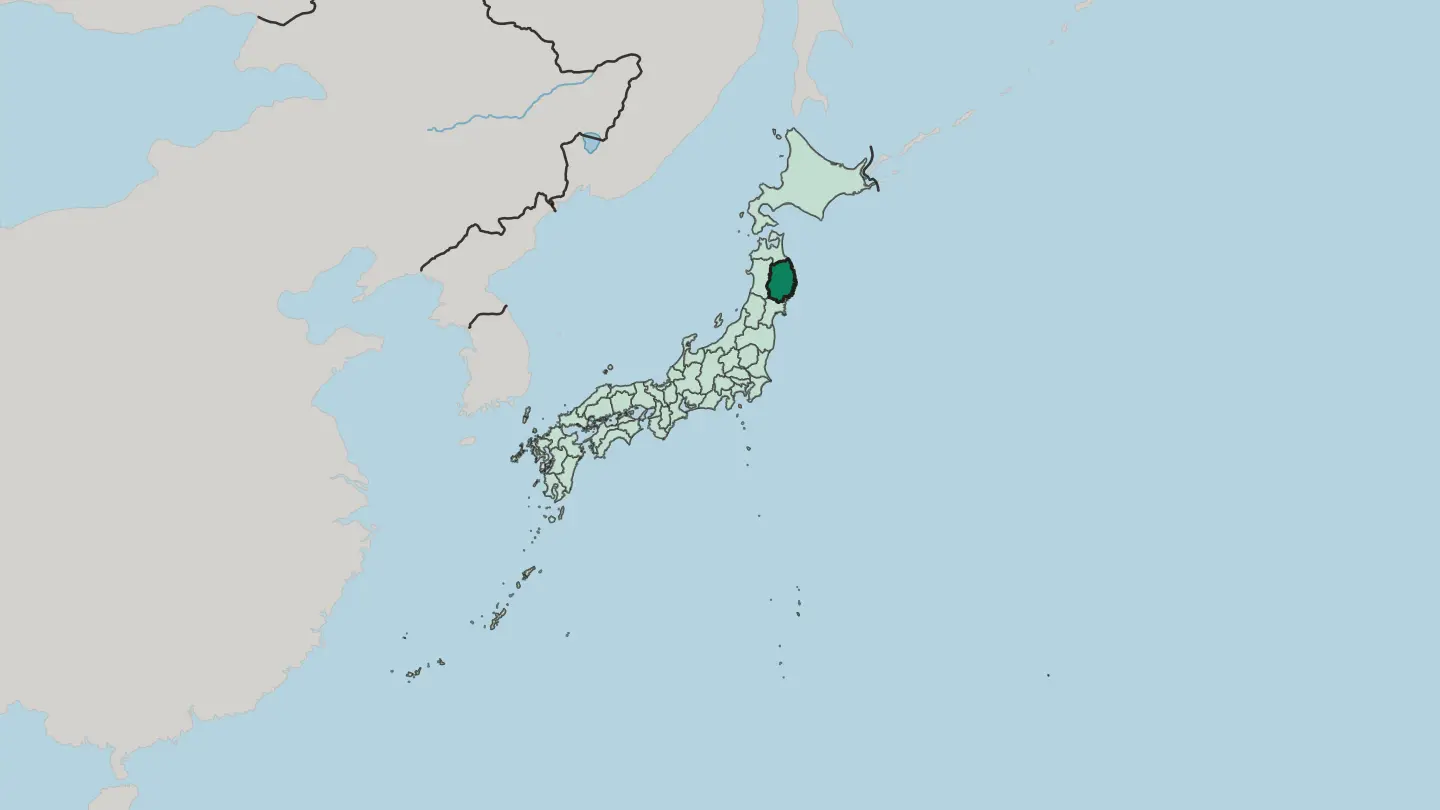
 Japan
Japan
Kagawa-ken
Kagawa is Japan's smallest prefecture, a crescent of coast and udon country on the north edge of Shikoku, facing the island-strewn Seto Inland Sea.Towns & cities →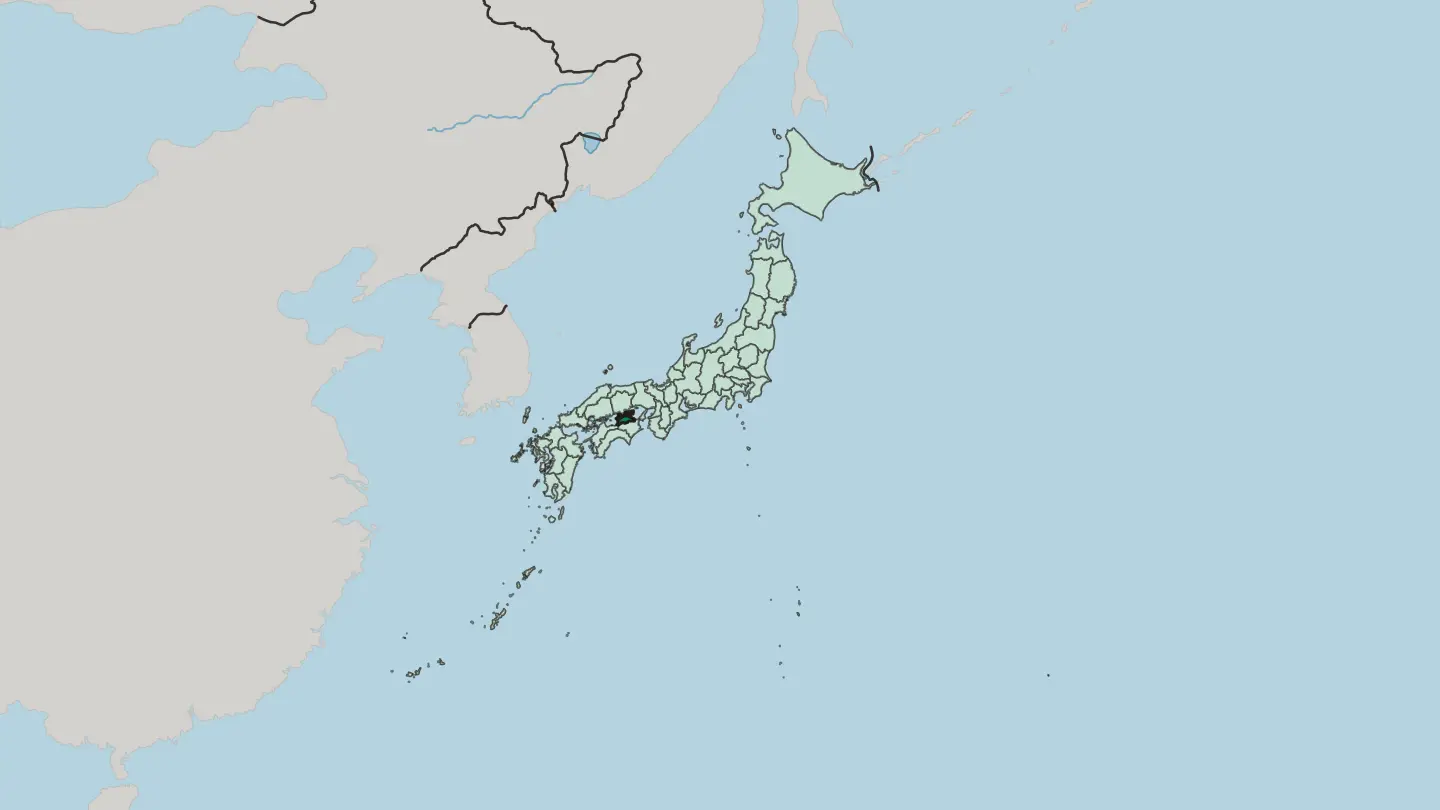
 Japan
Japan
Kagoshima-ken
Kagoshima Prefecture spans the southern tip of Kyushu, where the volcano Sakurajima smokes over the bay facing its capital.Towns & cities →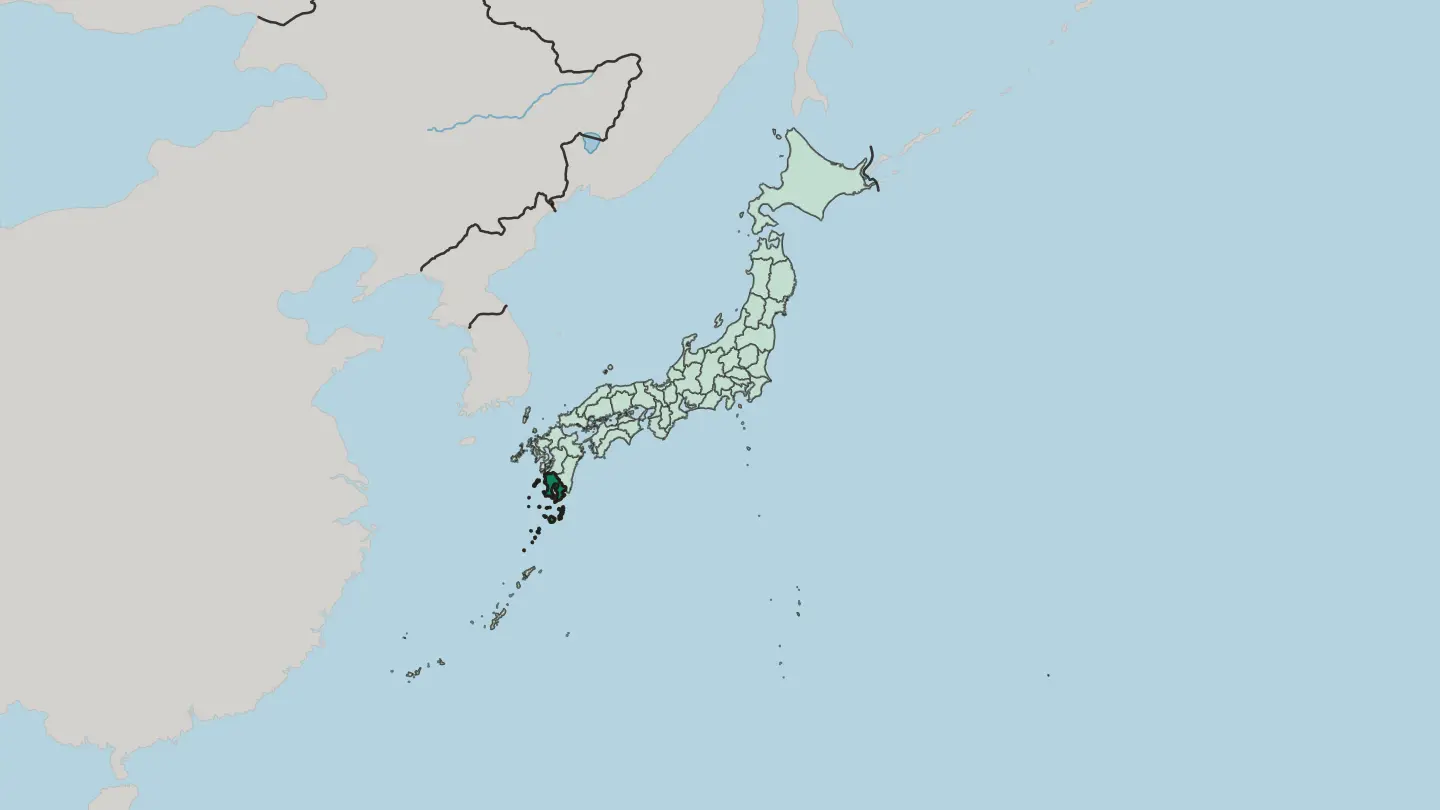 Japan
Japan
Kanagawa
Kanagawa is a prefecture of Japan in the Kantō region of Honshu, bordering Tokyo to the north and Shizuoka Prefecture to the west.Towns & cities →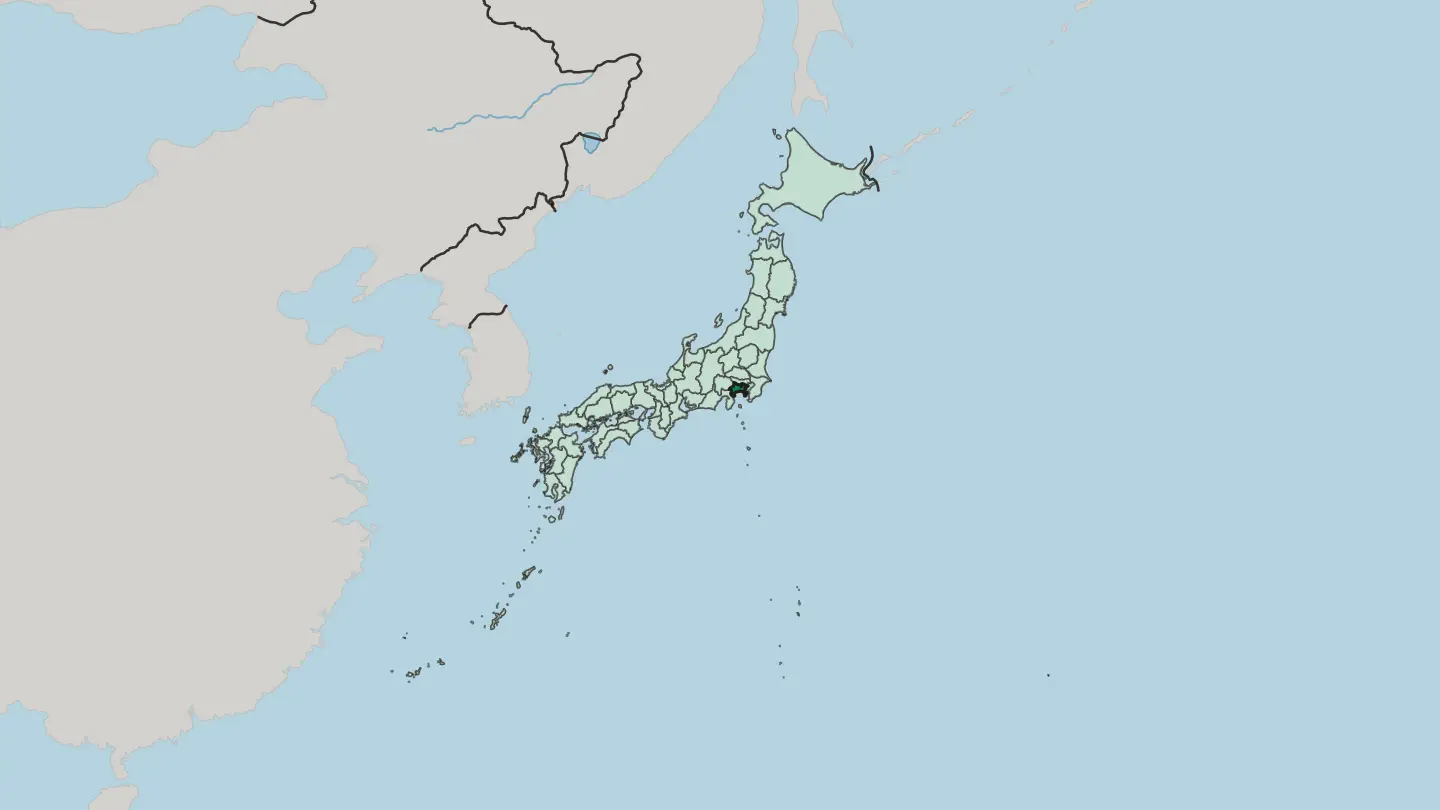
 Japan
Japan
Kochi Prefecture
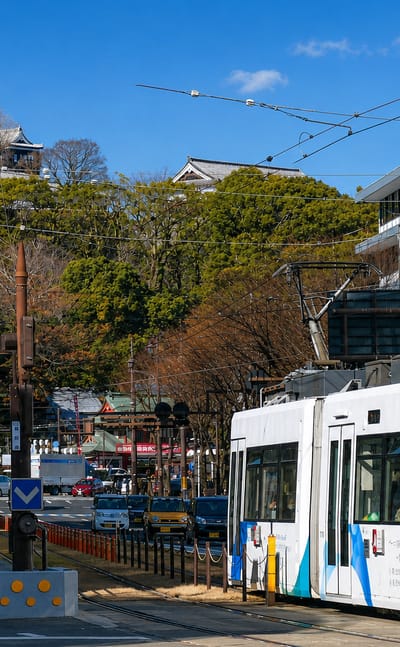
Kōchi Prefecture wraps the Pacific coast of southern Shikoku around Tosa Bay, with more of its land in mountains than any other prefecture in Japan.Towns & cities →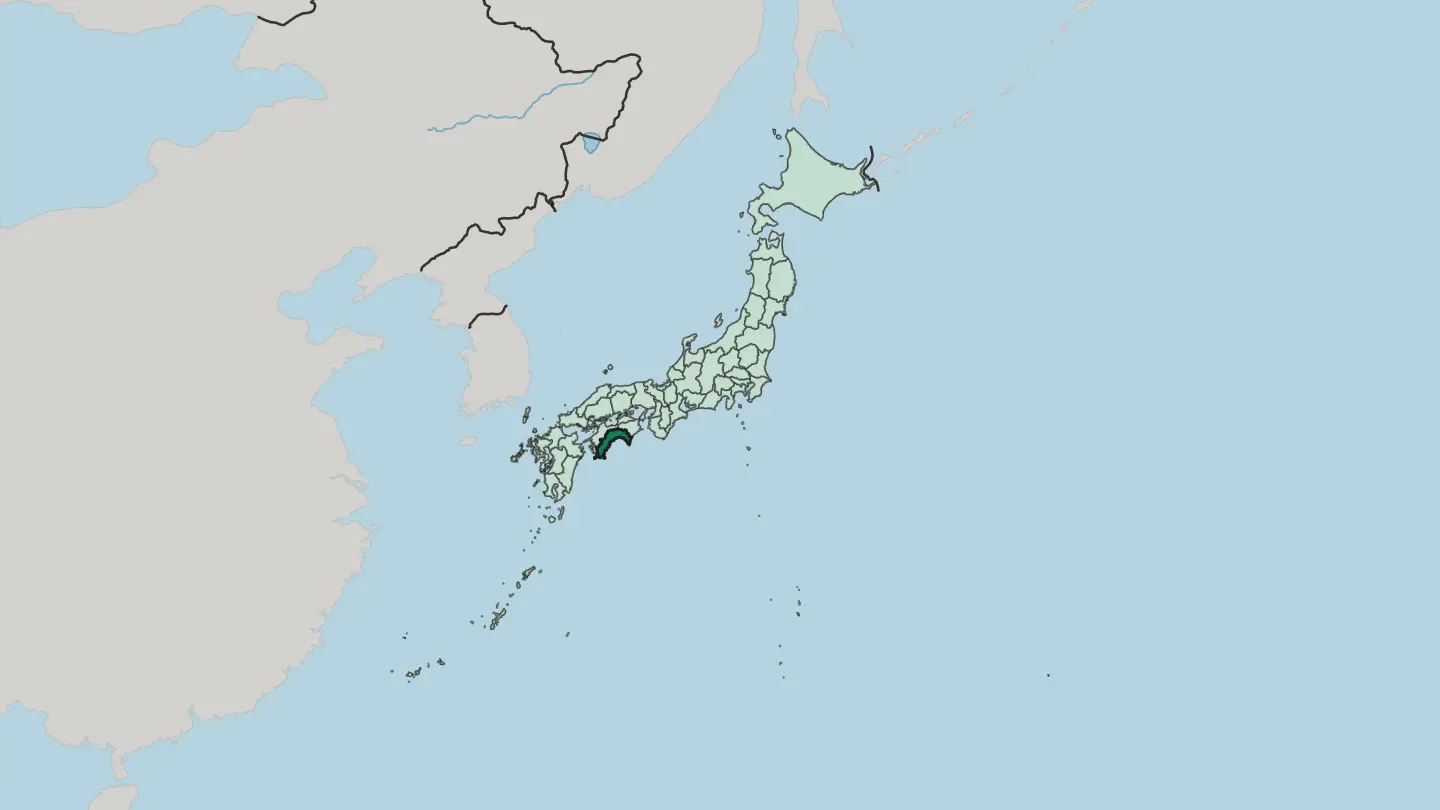
 Japan
Japan
Kumamoto
A prefecture of central Kyushu, Japan, shaped by the Mount Aso caldera and the old castle city of Kumamoto.Towns & cities →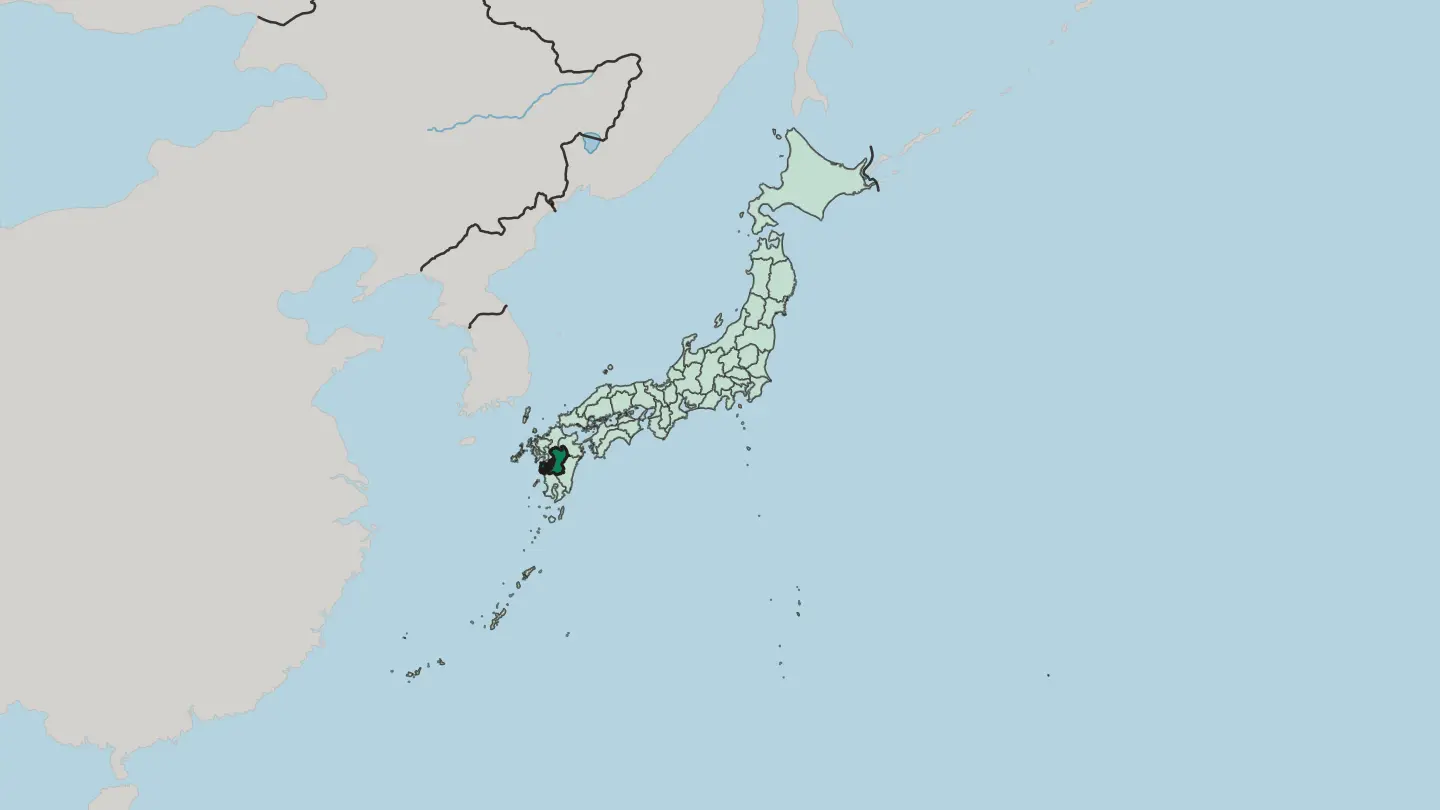 Japan
Japan
Kyoto Prefecture
Kyoto Prefecture runs from Japan's old imperial capital in the south up to the Sea of Japan coast, in the Kansai region of Honshu.Towns & cities →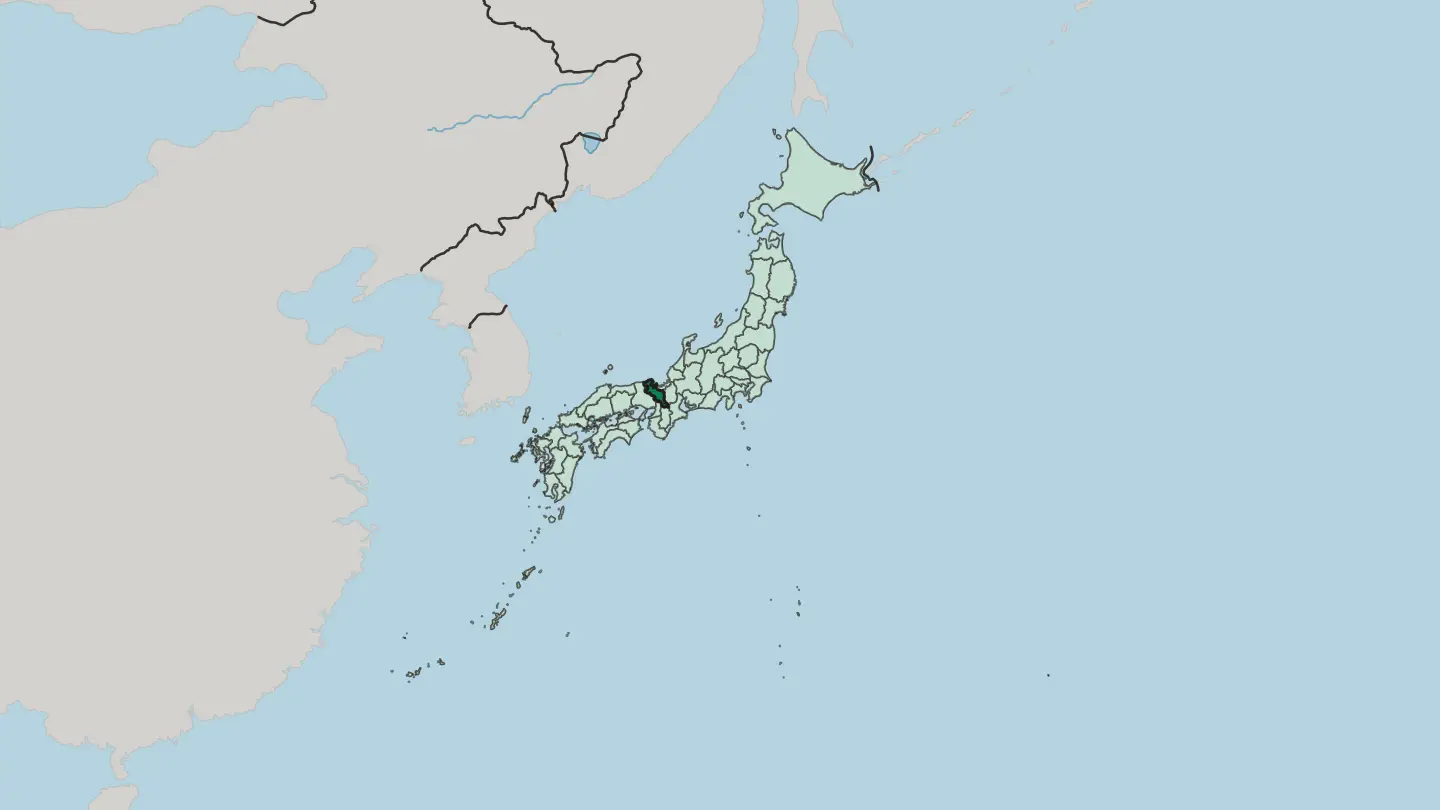
 Japan
Japan
Mie-ken
Mie Prefecture runs down the eastern Kii Peninsula, seat of Ise Jingū and the pearl bays of Ise-Shima on Japan's Pacific coast.Towns & cities →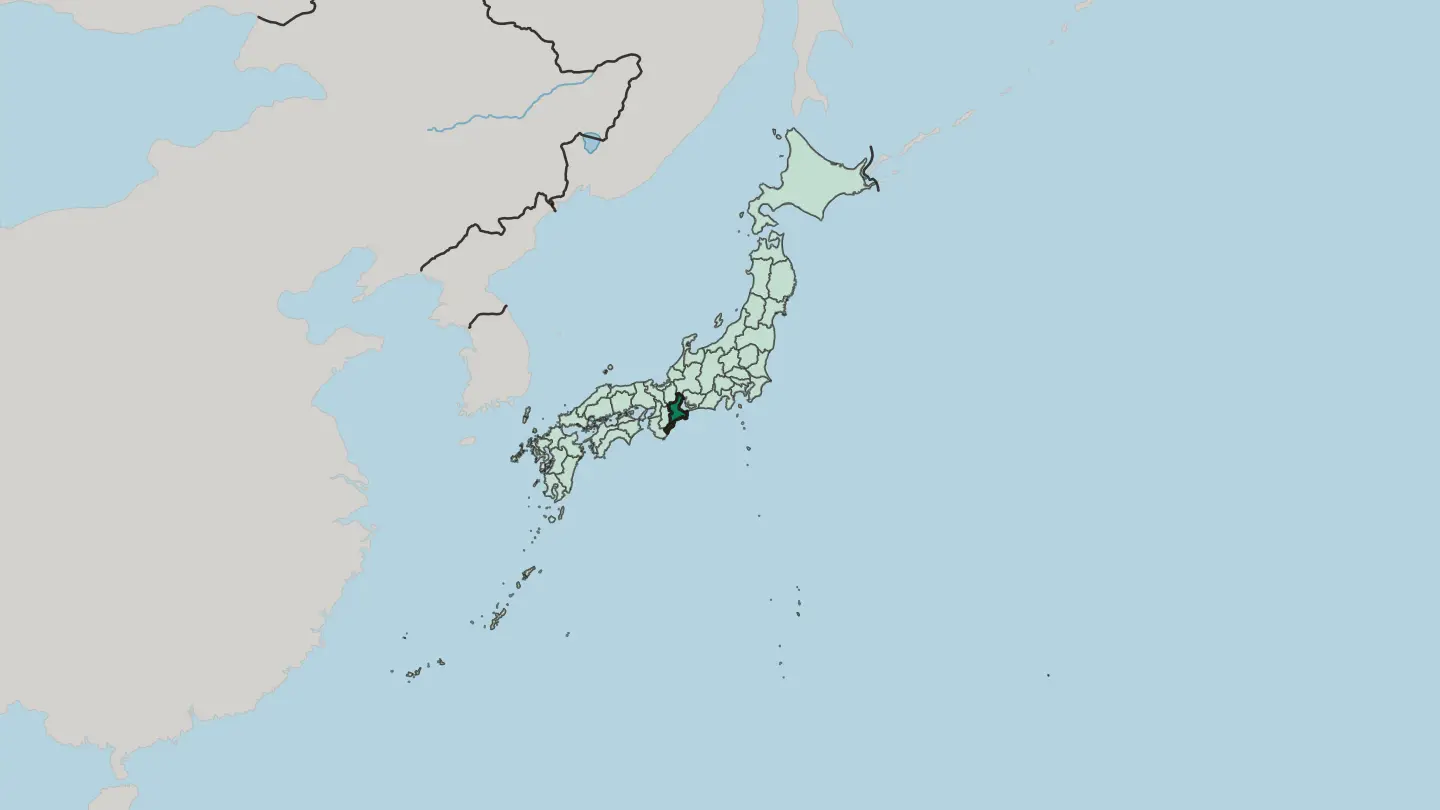
 Japan
Japan
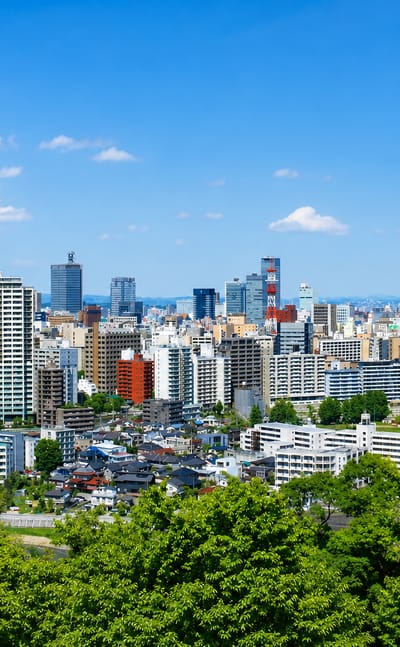
Miyagi-ken
Miyagi is the Pacific-coast heart of Japan's Tōhoku region, from the Sendai plain to the pine islands of Matsushima Bay.Towns & cities →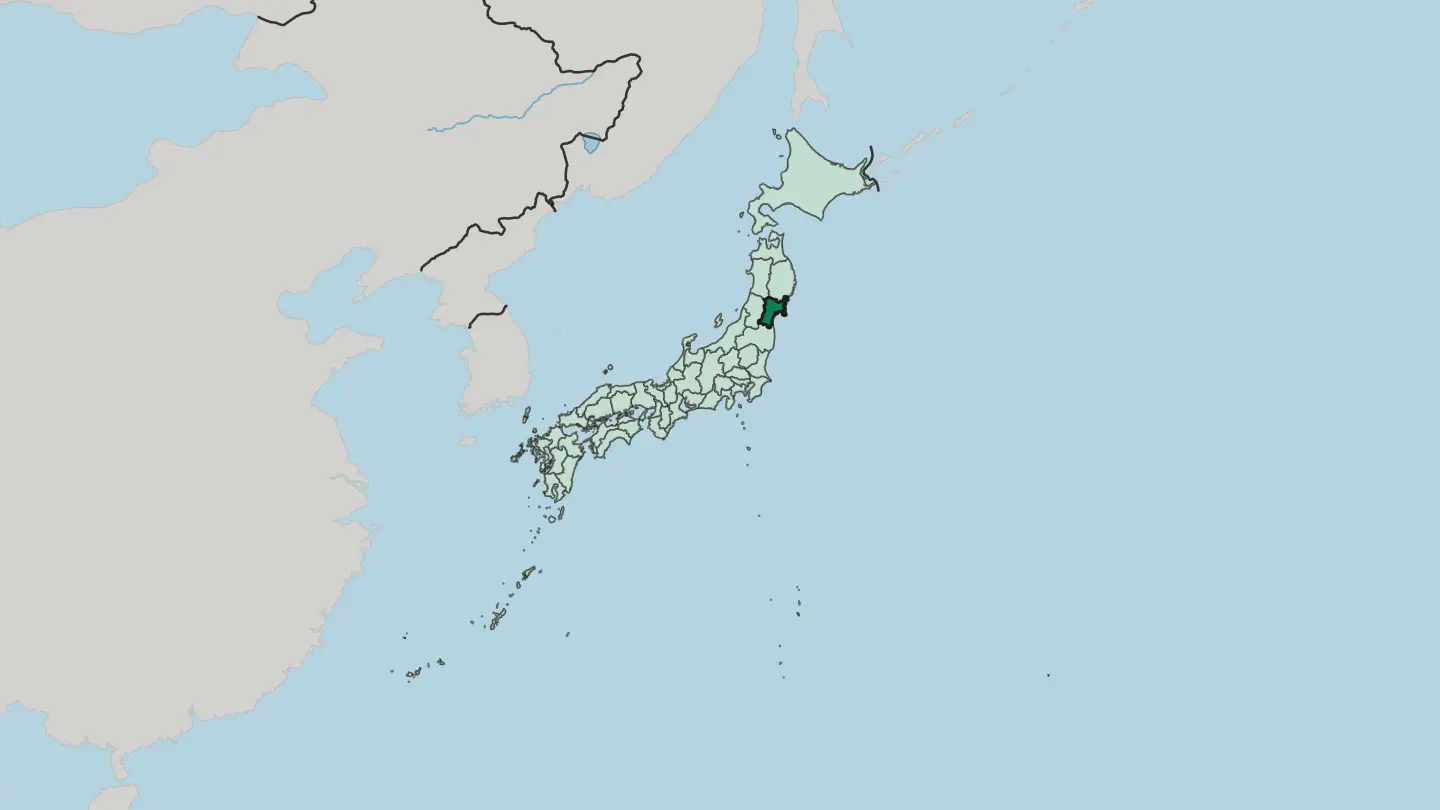
 Japan
Japan
Miyazaki
Miyazaki fills the sunny eastern coast of Kyushu, a Pacific-facing prefecture of Japanese myth, surf beaches and celebrated mango orchards.Towns & cities →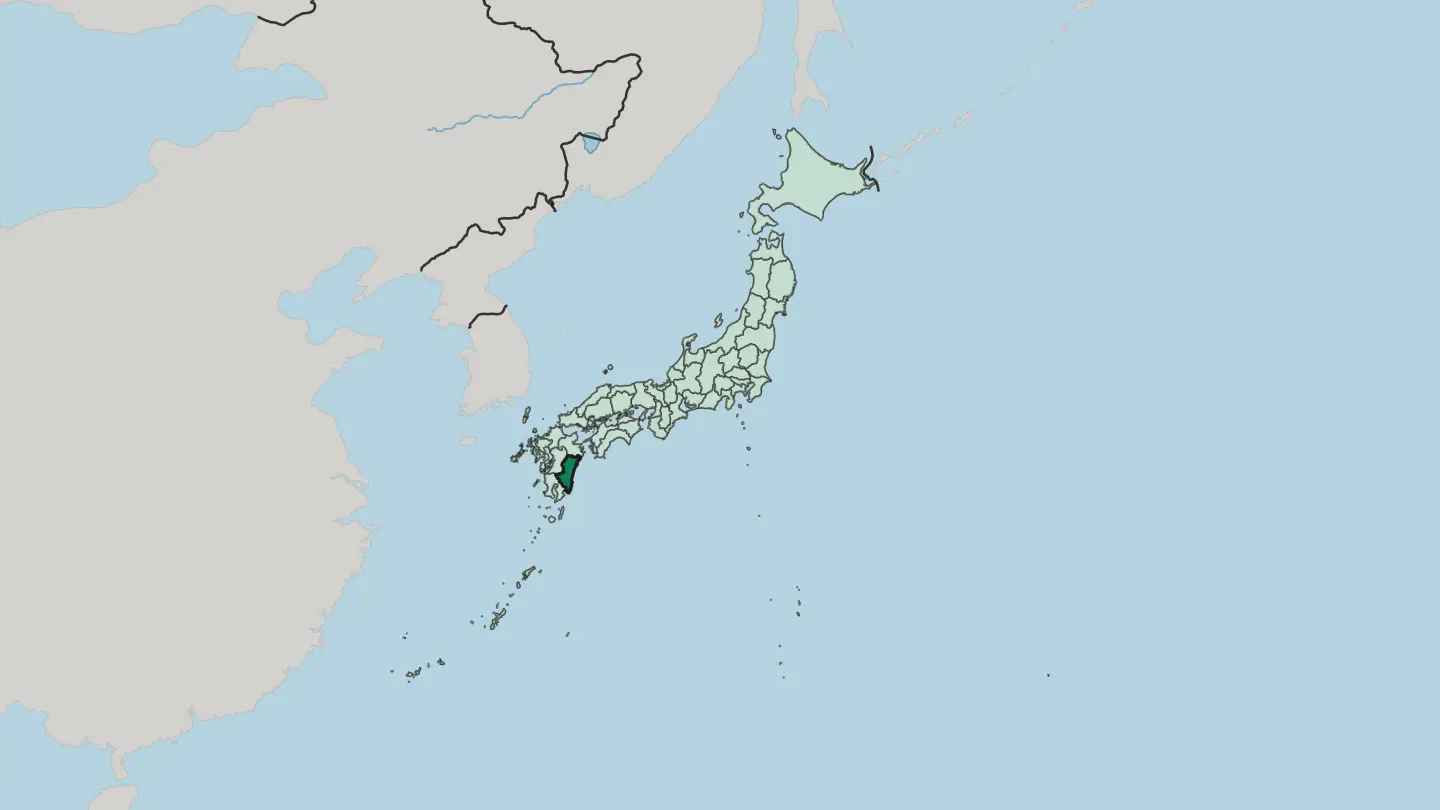
 Japan
Japan
Nagano-ken
Nagano-ken is a landlocked prefecture in central Honshū, walled by the Japanese Alps and dotted with hot-spring towns.Towns & cities →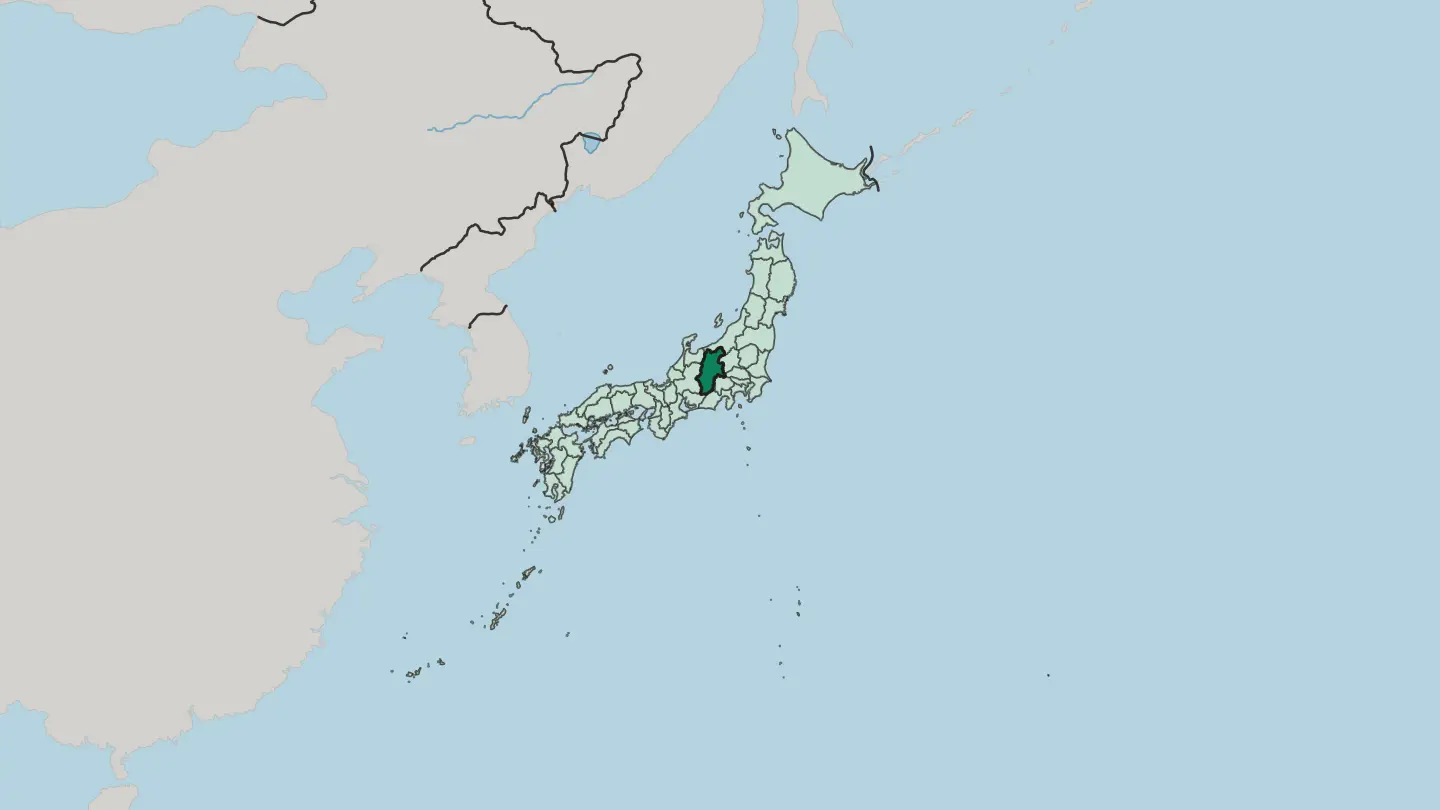 Japan
Japan
Nagasaki Prefecture
Nagasaki Prefecture is Japan's far-western edge, its harbour peninsulas and islands scattered across the Korea Strait and the East China Sea.Towns & cities →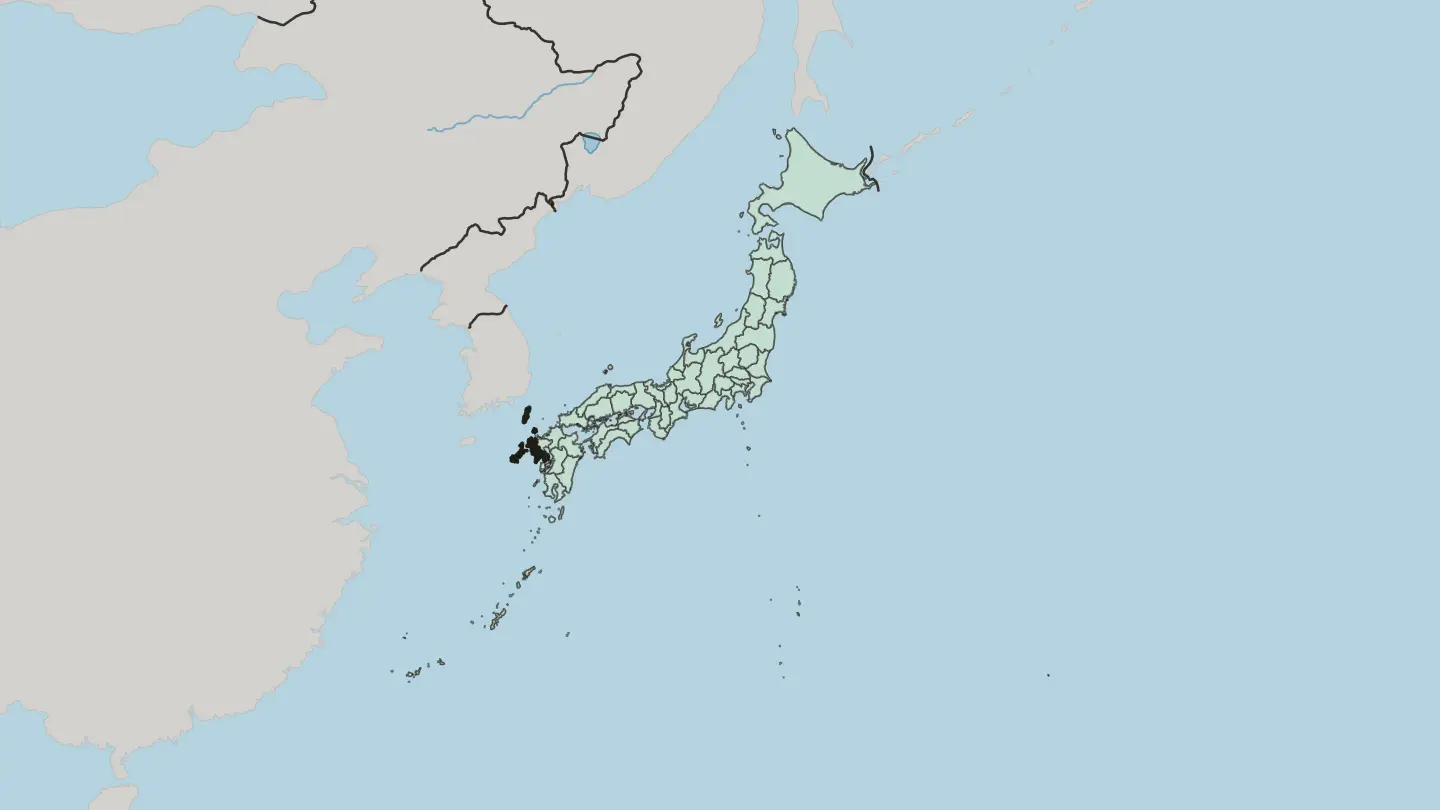
 Japan
Japan
Nara-ken
Nara Prefecture is Japan's ancient heartland: a landlocked stretch of Honshu holding the earliest capitals, the Great Buddha, and Mount Yoshino.Towns & cities →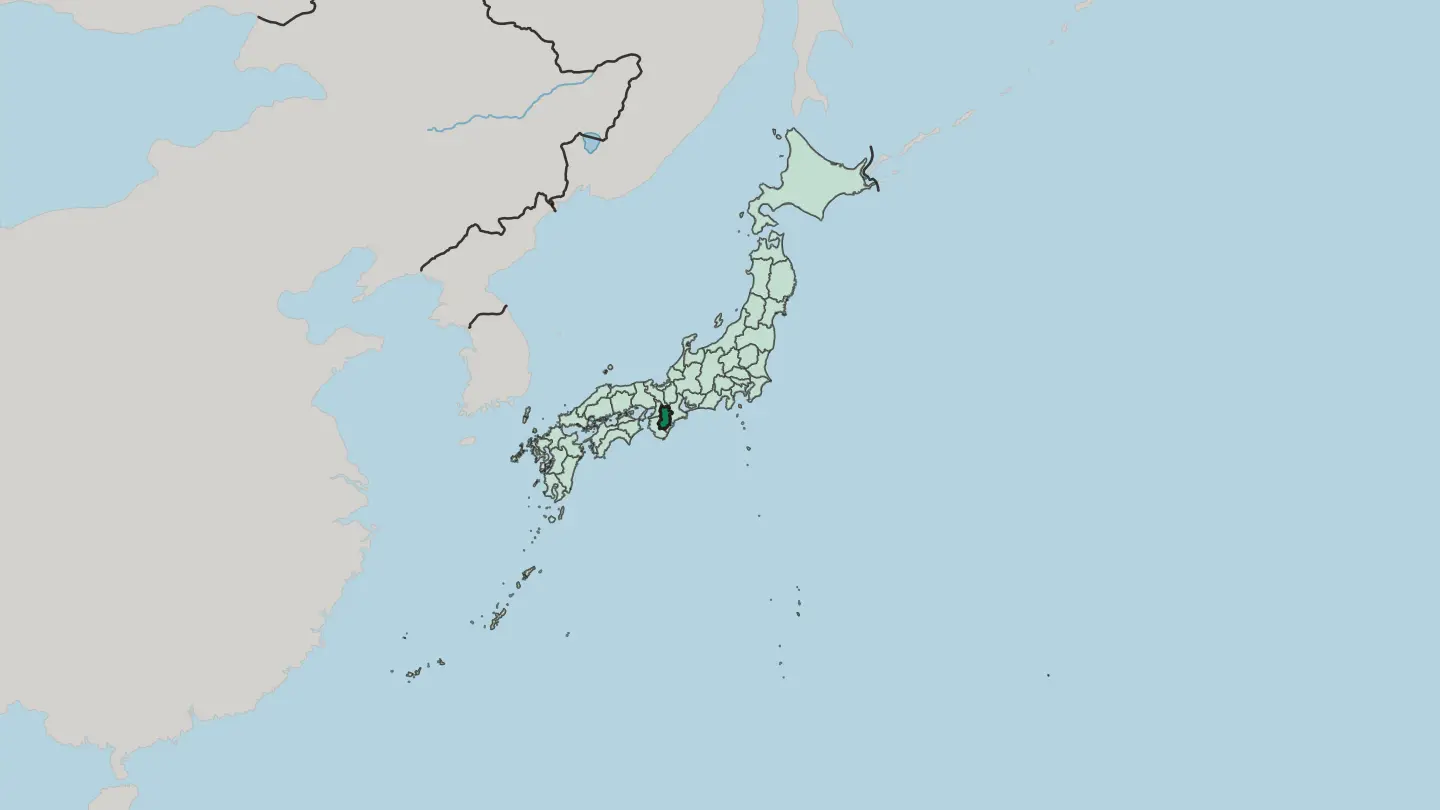
 Japan
Japan
Niigata-ken
Niigata is Japan's snow country on the Sea of Japan, famed for deep winters, the nation's leading rice harvest, and high-quality sake.Towns & cities →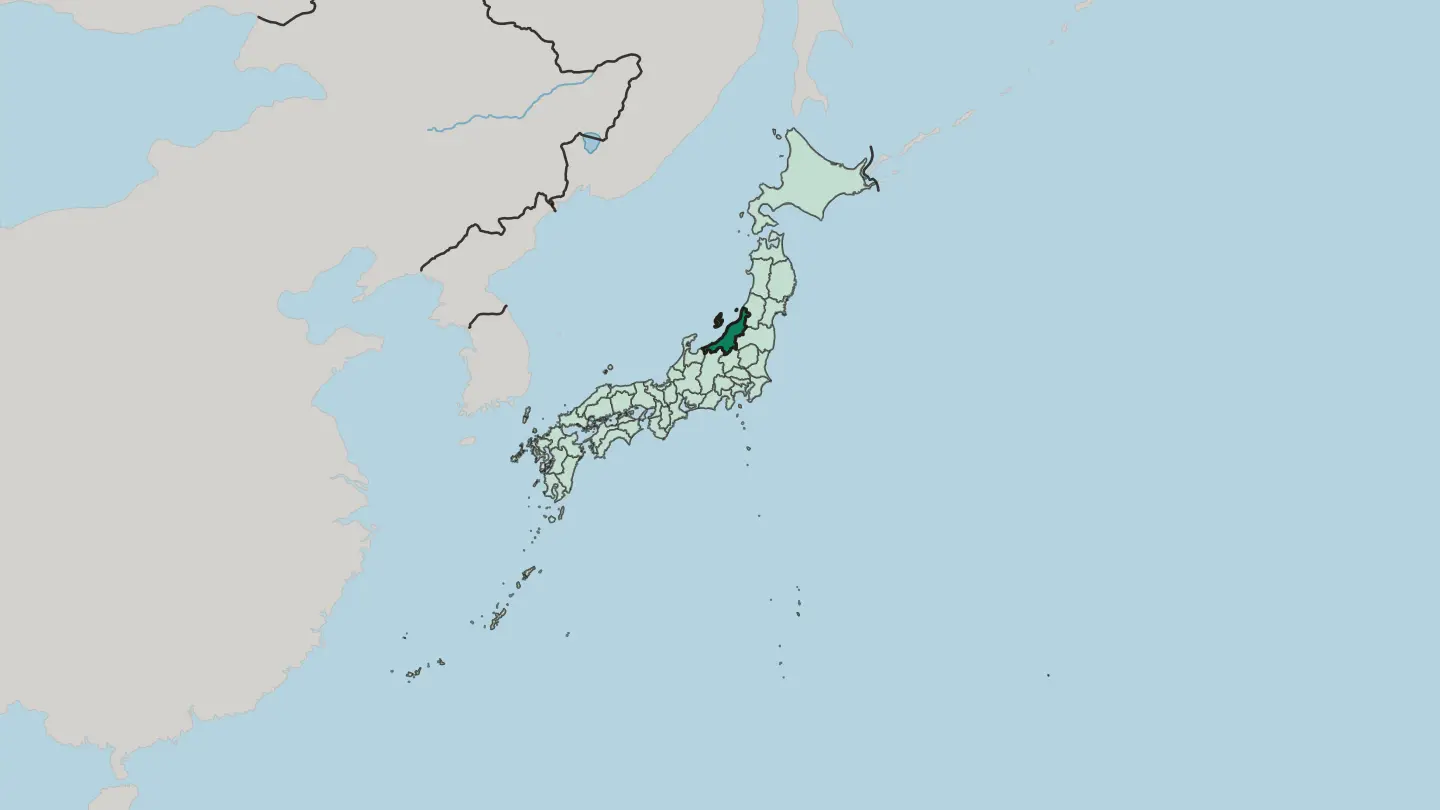
 Japan
Japan
Oita Prefecture
Oita Prefecture fills the northeast of Kyushu, Japan's onsen country, where Beppu and Yufuin yield more hot-spring water than any other prefecture.Towns & cities →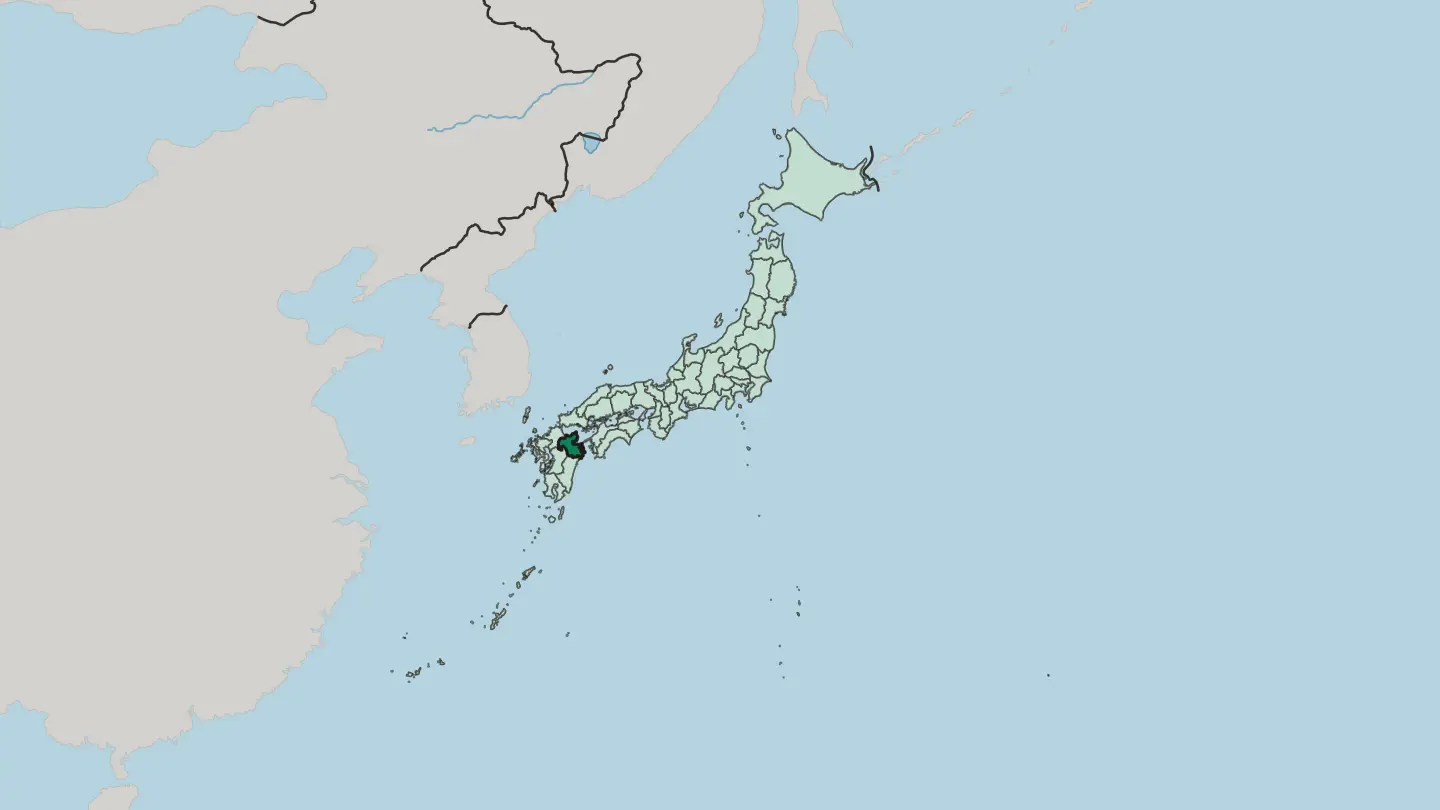
 Japan
Japan
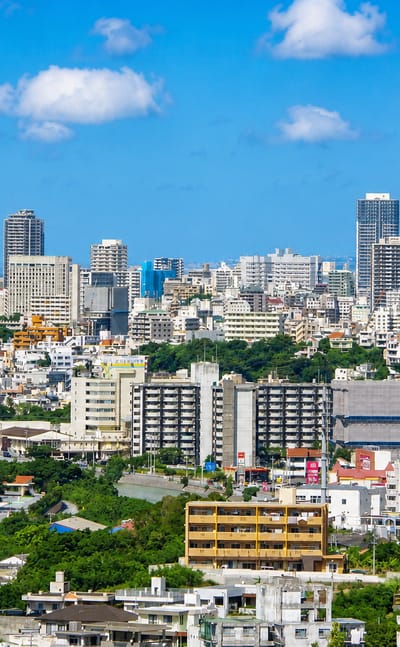
Okayama-ken
Okayama-ken is a sun-blessed prefecture of western Japan, facing the Seto Inland Sea from the Chūgoku region of Honshu.Towns & cities →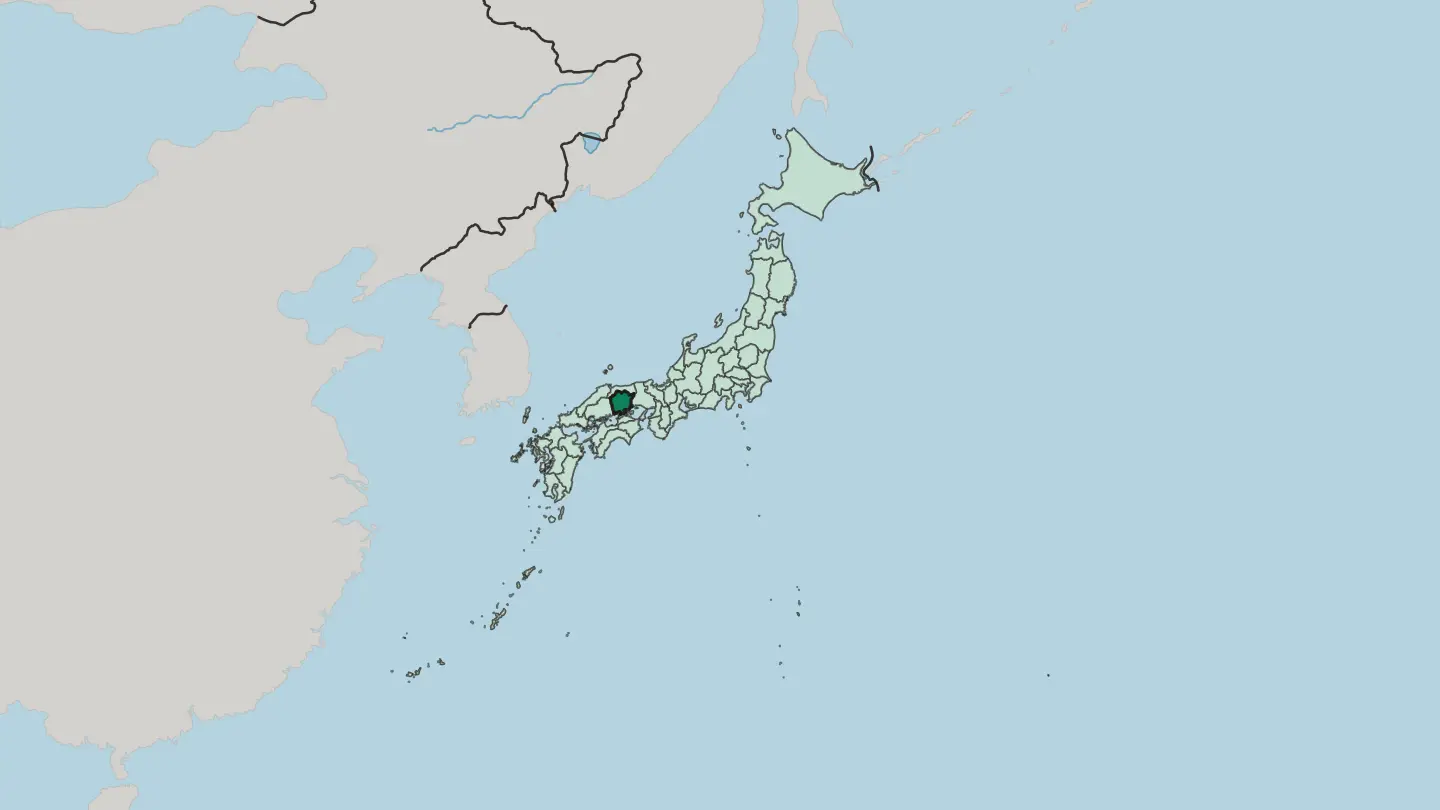
 Japan
Japan
Okinawa
Okinawa is Japan's southernmost prefecture, a subtropical chain of coral islands strung between Kyushu and Taiwan across the East China Sea.Towns & cities →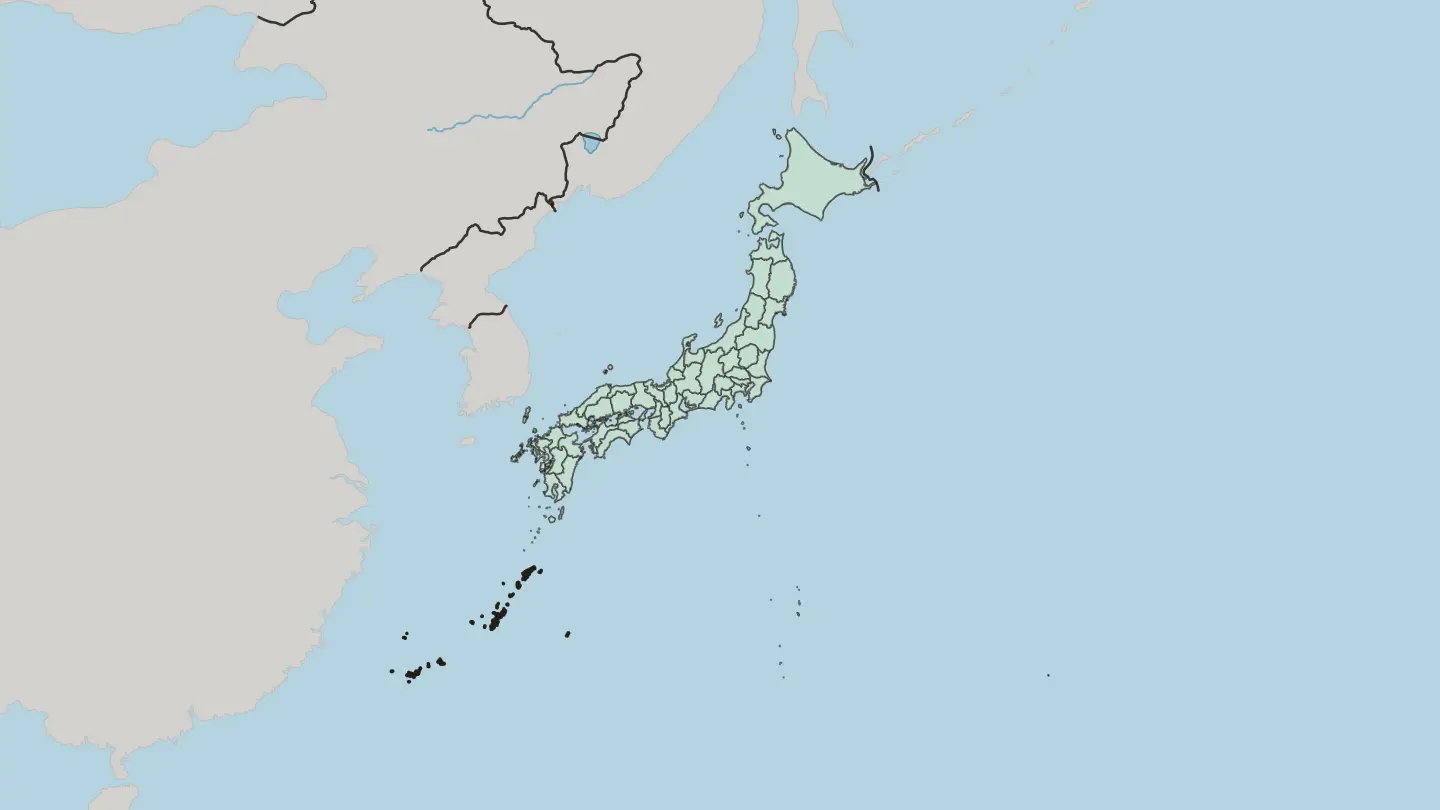
 Japan
Japan
Saga-ken
Saga is Kyushu's smallest prefecture, a slim band of land between two seas that fired Japan's first porcelain at Arita.Towns & cities →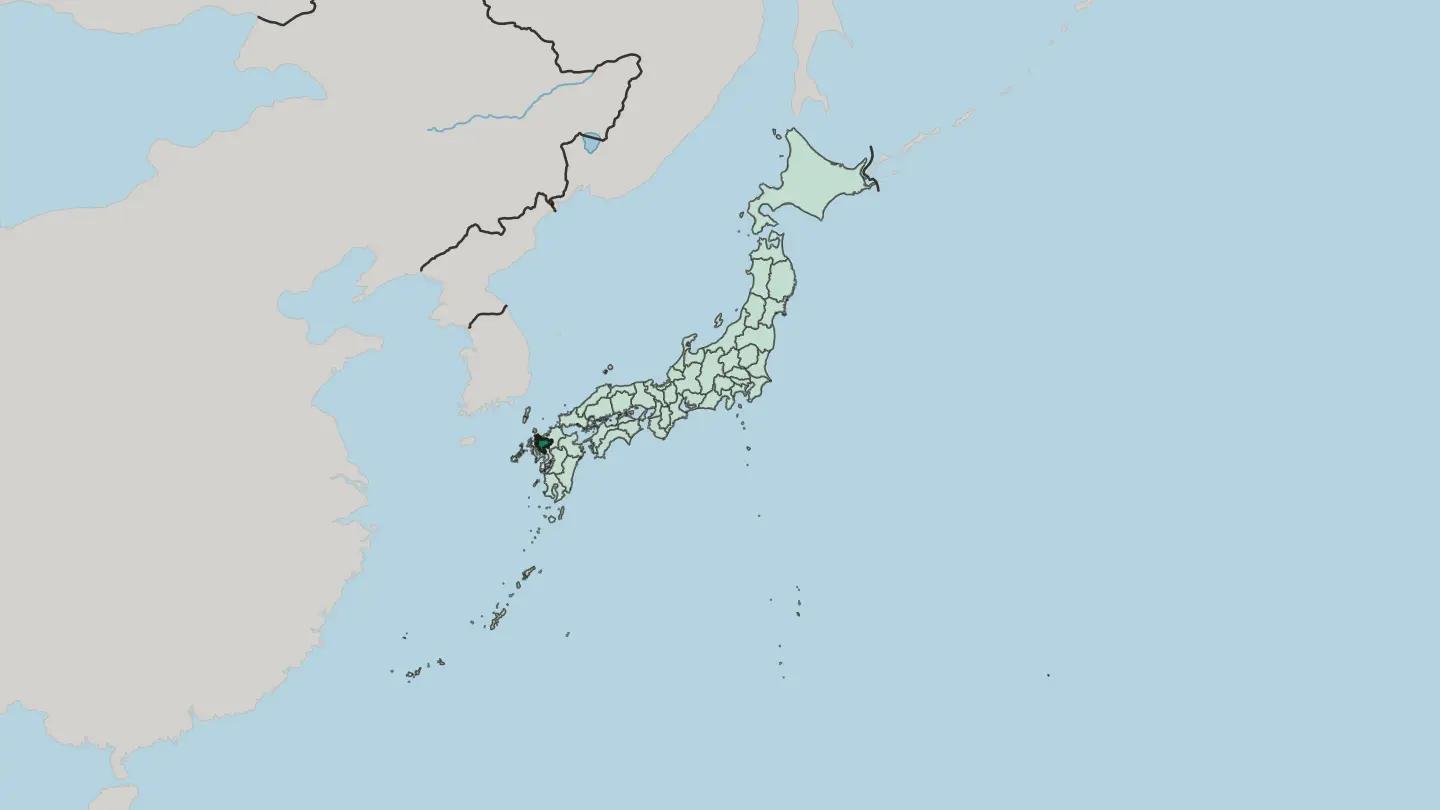
 Japan
Japan
Saitama-ken
Saitama is an inland prefecture just north of Tokyo, commuter cities on the Kantō plain, forested Chichibu Mountains behind.Towns & cities →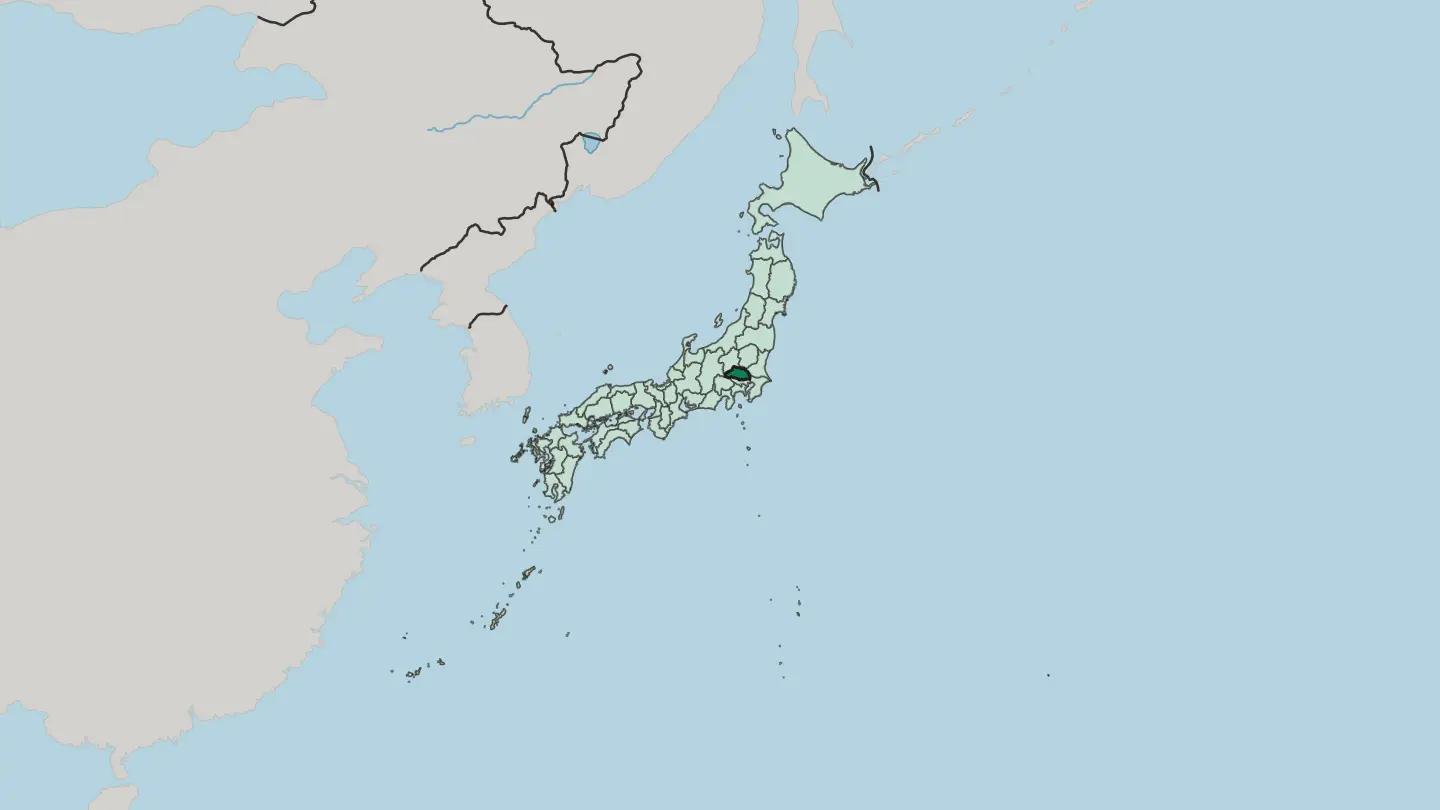
 Japan
Japan
Shiga
Shiga is an inland prefecture in Japan's Kansai region, wrapped around Lake Biwa, the country's largest freshwater lake, east of Kyoto.Towns & cities →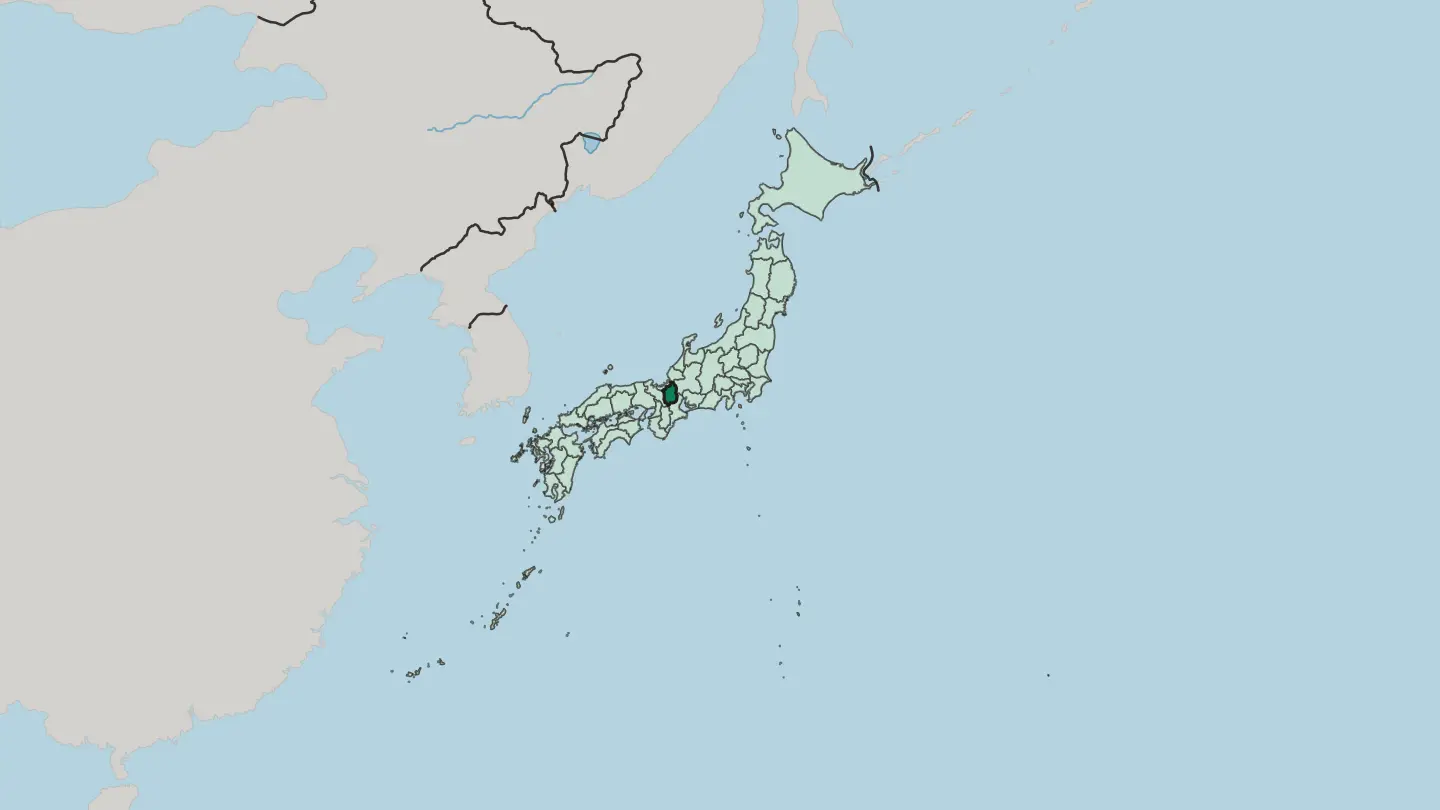
 Japan
Japan
Shimane-ken
Shimane Prefecture traces the Sea of Japan coast of Honshu, the Land of the Gods, where Izumo Taisha and the Iwami Ginzan silver mine draw pilgrims.Towns & cities →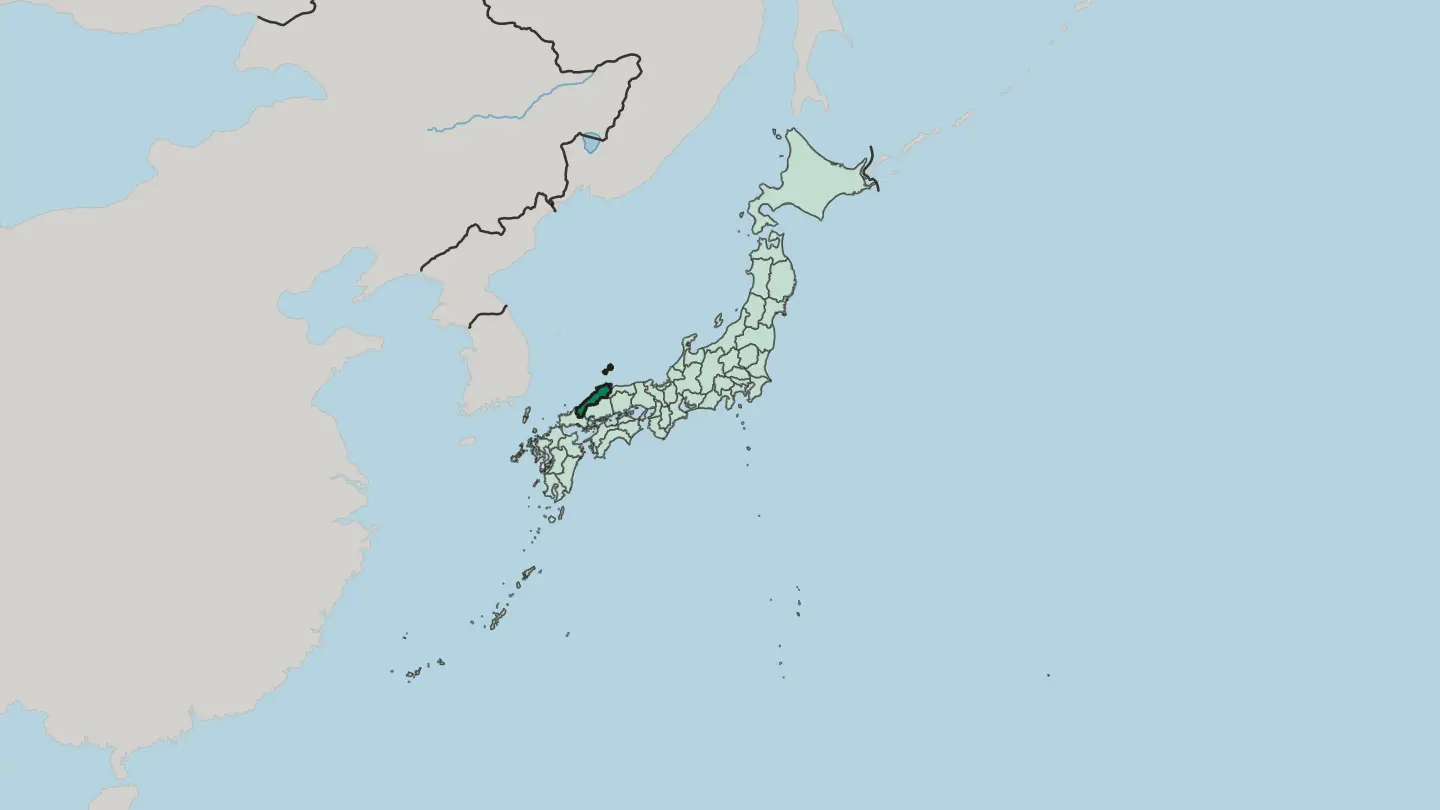
 Japan
Japan
Shizuoka
Shizuoka is the Pacific-coast prefecture that carries Mount Fuji's southern slopes, on the historic Tōkaidō route between Tokyo and Kyoto.Towns & cities →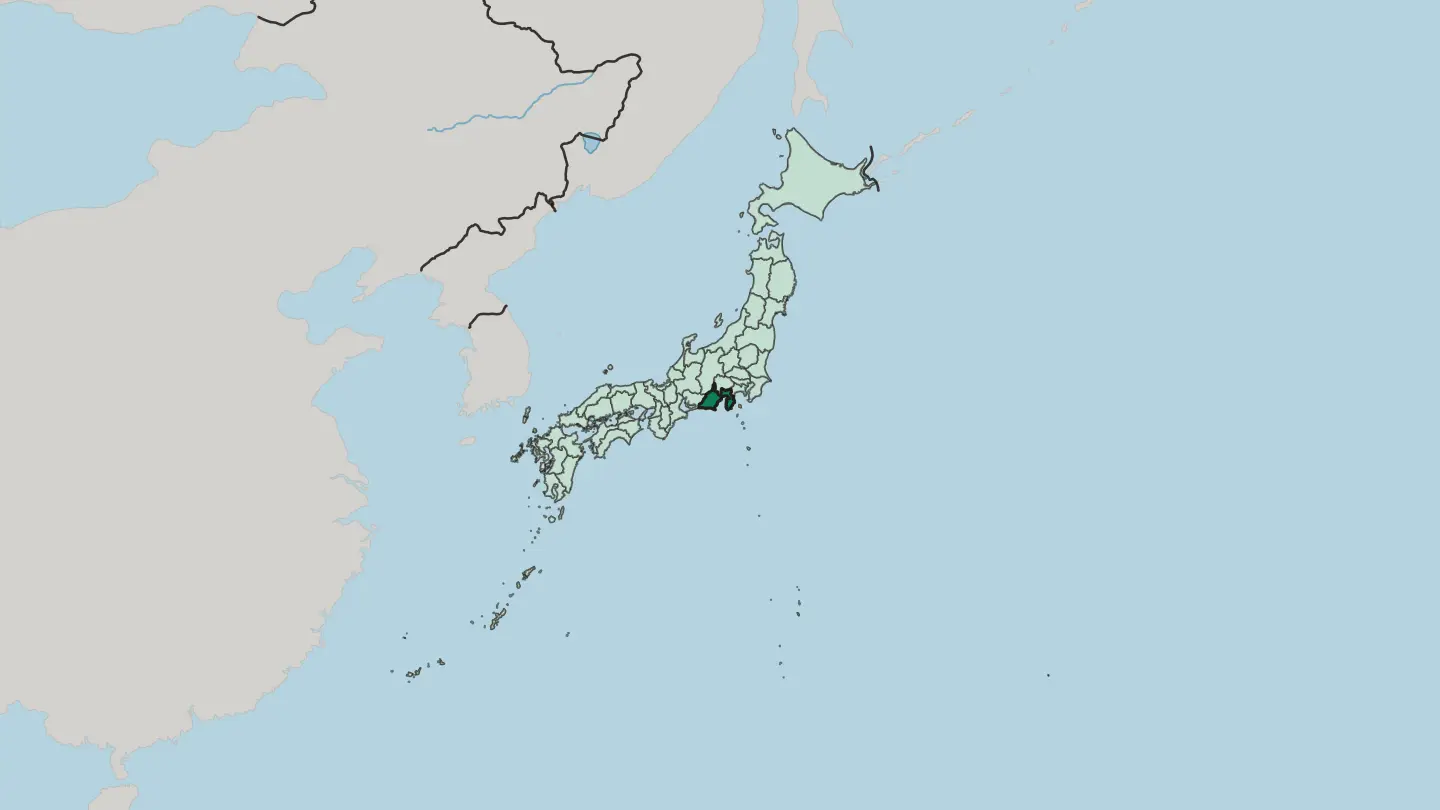
 Japan
Japan
Tochigi
Tochigi is an inland prefecture of Japan in northern Kantō, holding the Nikkō shrines, hot-spring towns and the plain north of Tokyo.Towns & cities →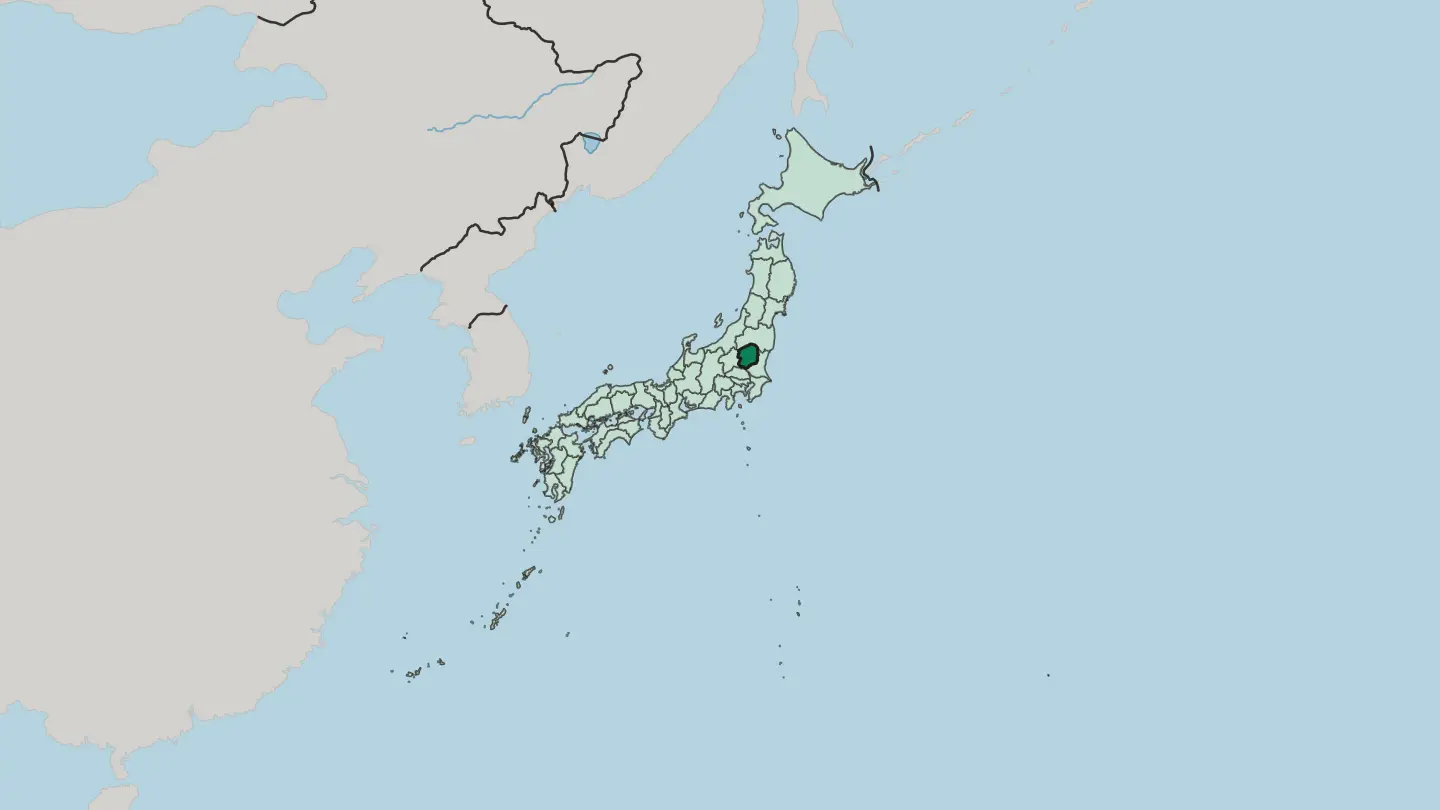
 Japan
Japan
Tokushima-ken
Tokushima Prefecture fills the eastern end of Shikoku, from the Naruto Strait whirlpools to the gorges of the Yoshino River.Towns & cities →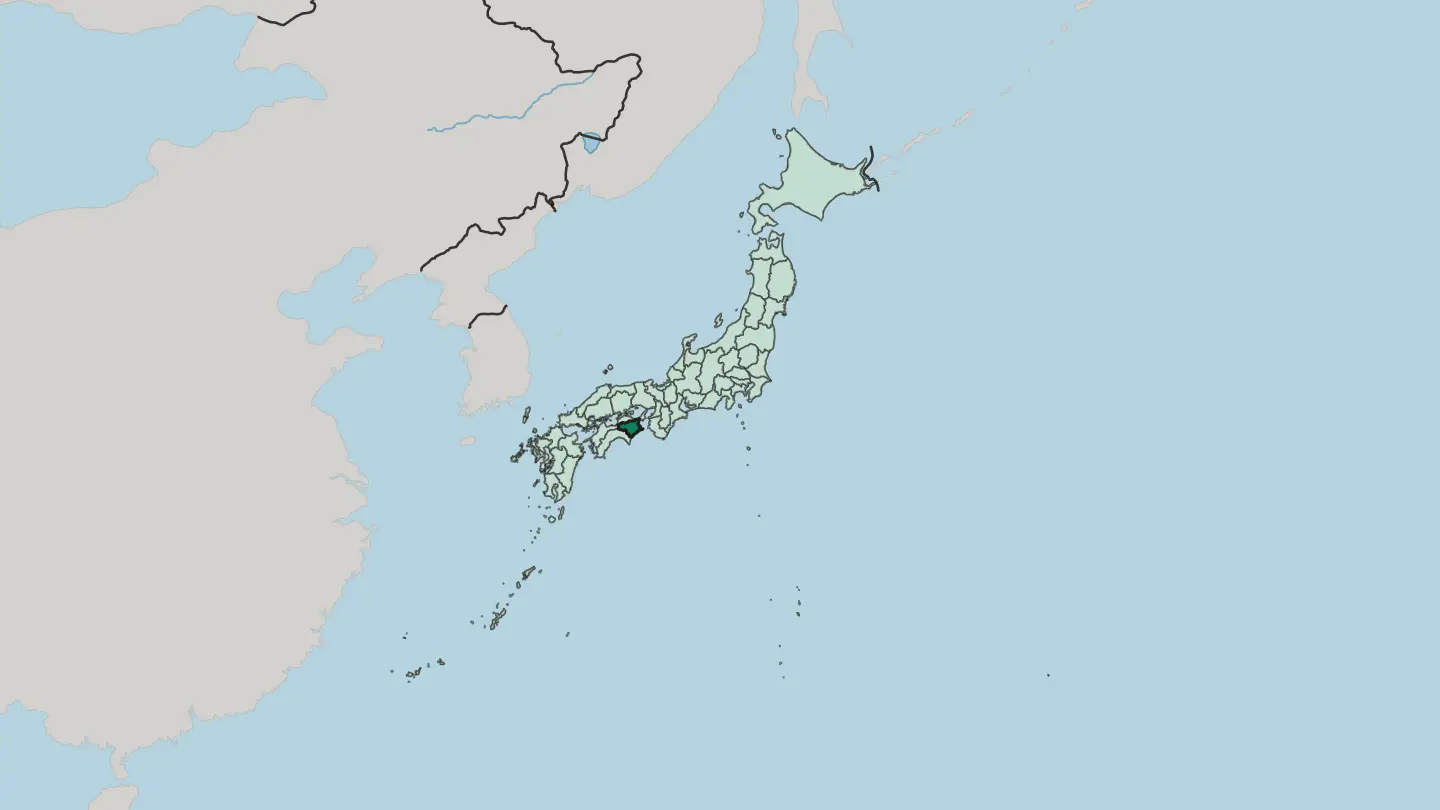 Japan
Japan
Tokyo Prefecture
Tokyo Prefecture, the Tokyo Metropolis (Tokyo-to), is Japan's capital region, taking in the city of Tokyo, the plain of Kantō, and southern islands.Towns & cities →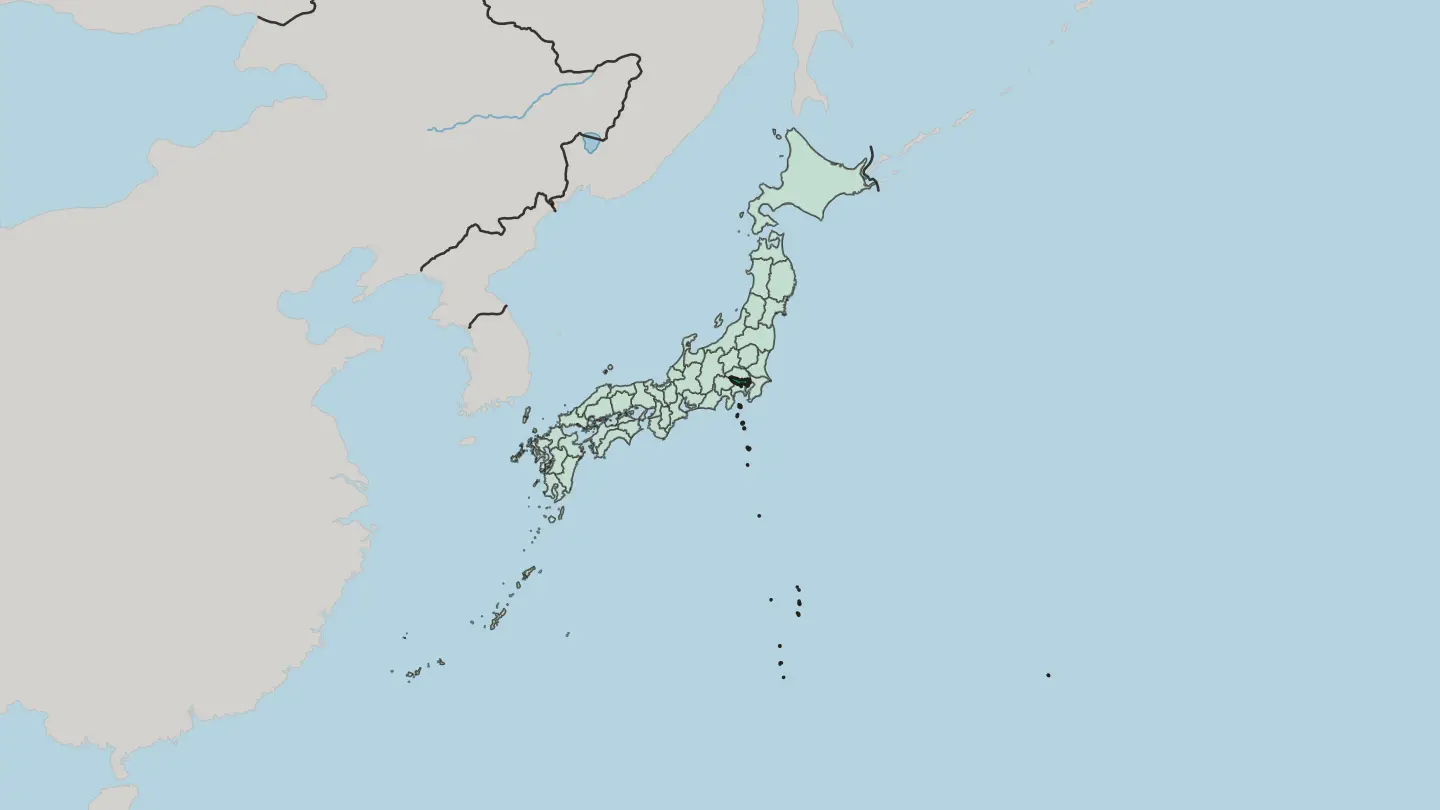
 Japan
Japan
Tottori
Tottori is a prefecture on the Sea of Japan coast of western Japan, known for the largest sand dunes open to visitors in the country.Towns & cities →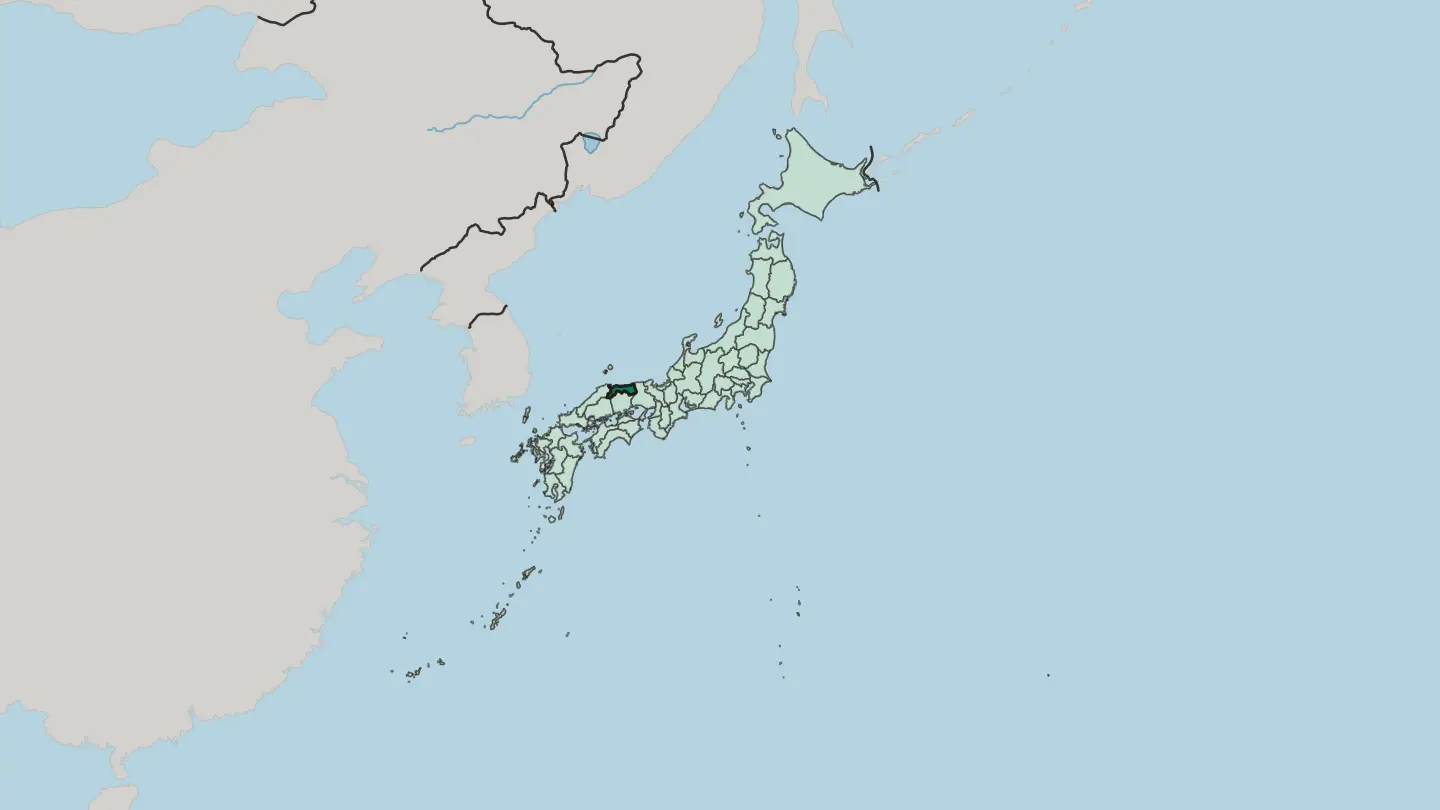
 Japan
Japan
Toyama-ken
Toyama Prefecture meets the Sea of Japan below the Tateyama wall, a land of deep-snow peaks, a plunging bay, and old thatched villages.Towns & cities →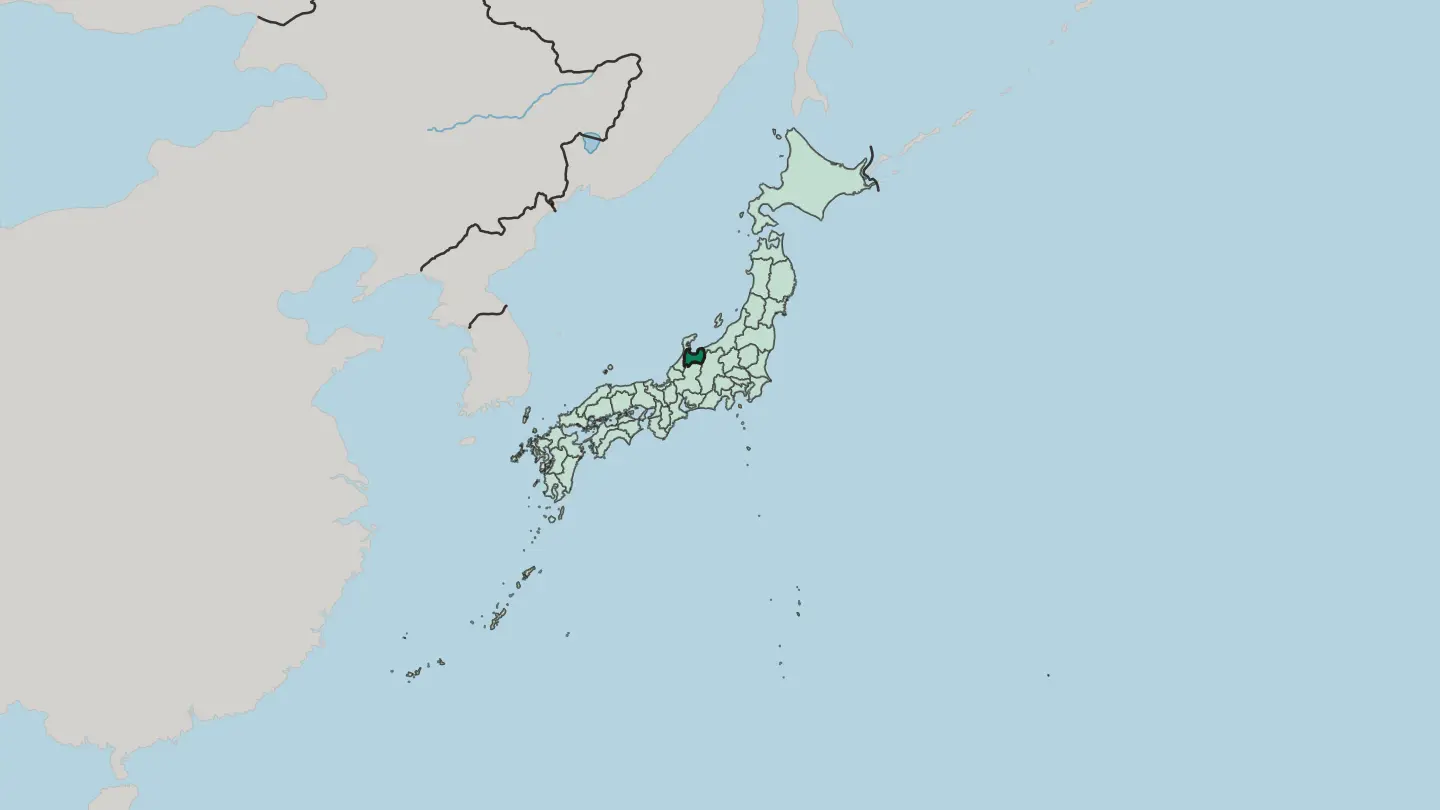
 Japan
Japan
Wakayama
Wakayama covers the forested southern tip of Japan's Kii Peninsula, from the temples of Mount Kōya to the Kumano trails and the Pacific coast.Towns & cities →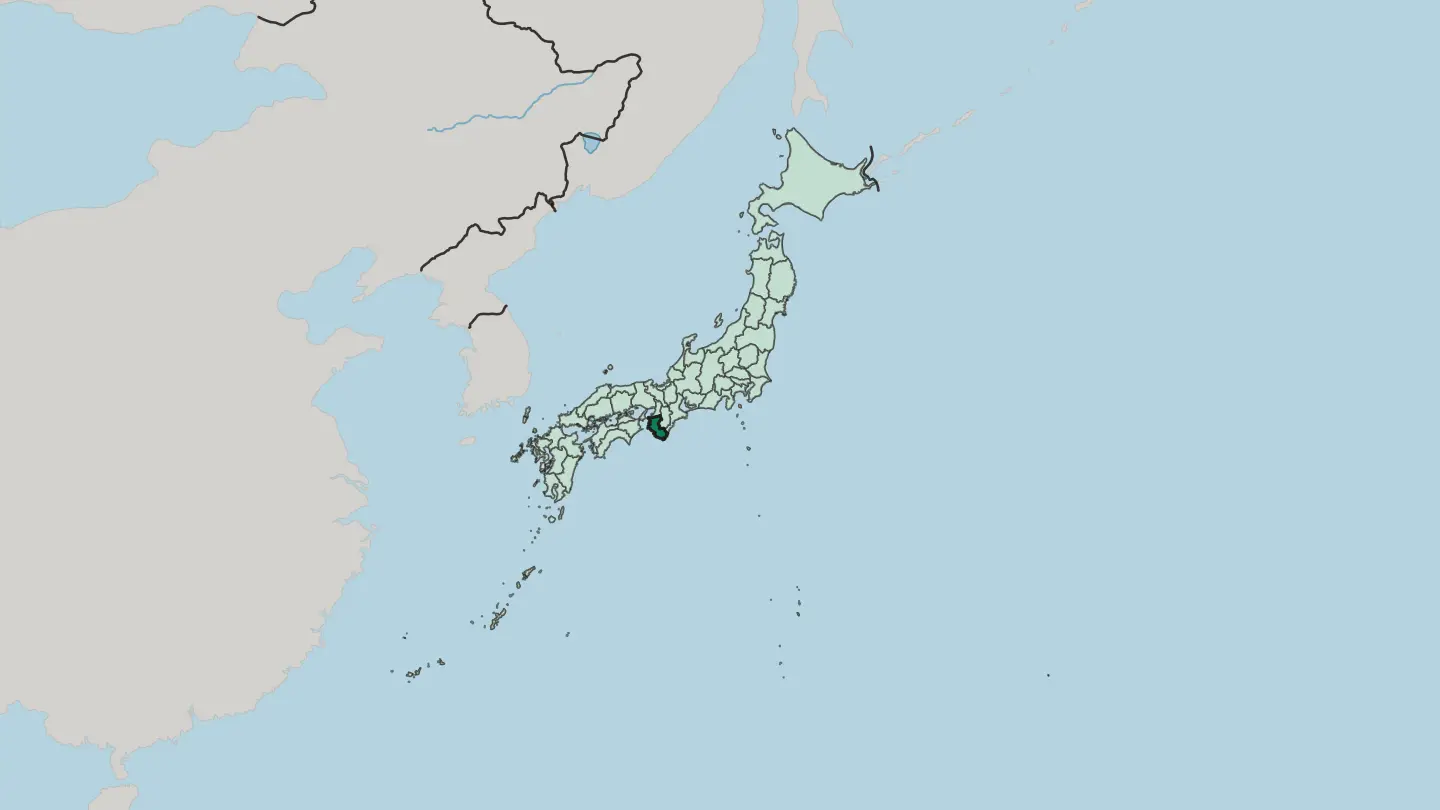
 Japan
Japan
Yamagata-ken
Yamagata-ken is a mountainous prefecture on the Sea of Japan coast of northern Honshū, drained by the Mogami River and ringed by pilgrimage peaks.Towns & cities →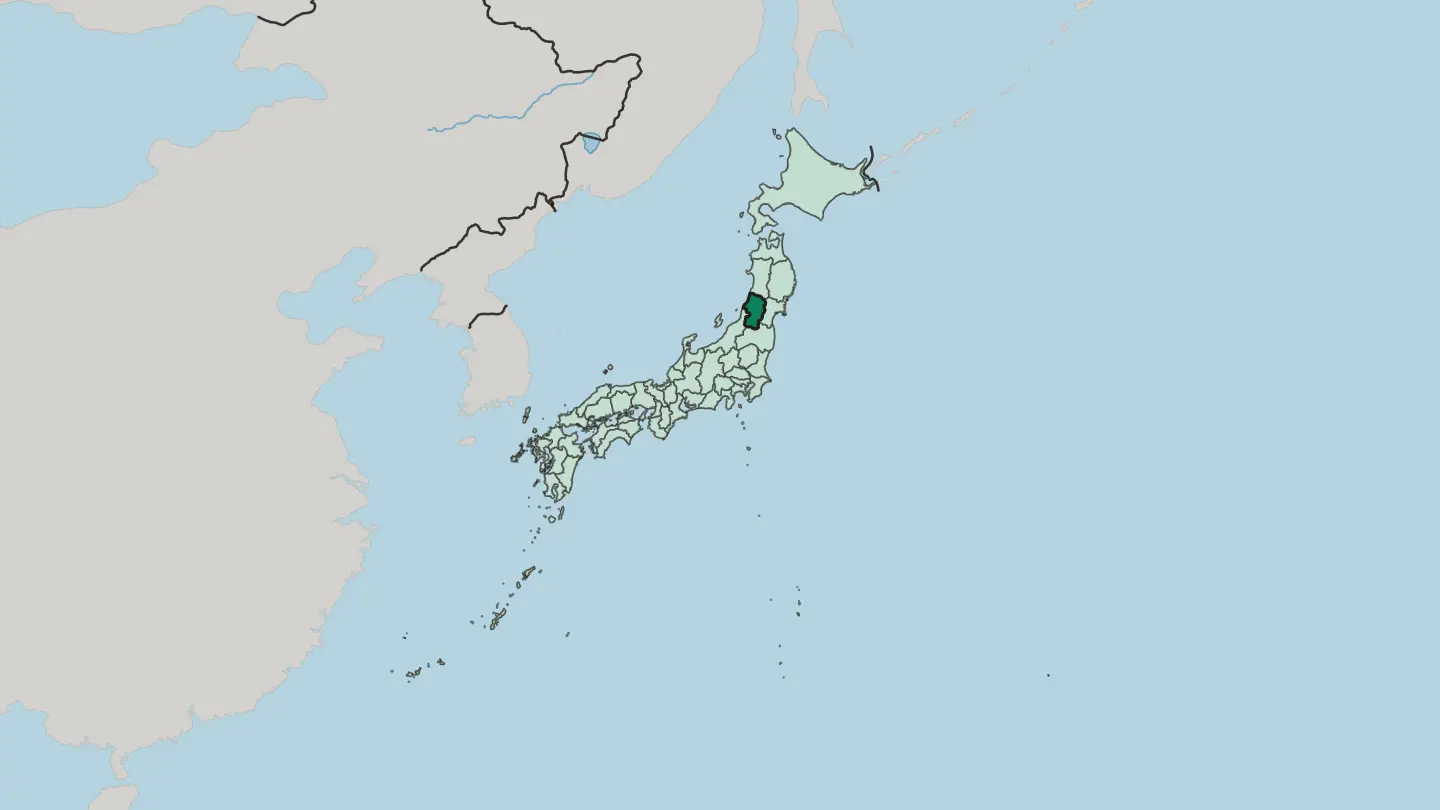
 Japan
Japan
Yamaguchi
Yamaguchi Prefecture caps the western tip of Honshu, framed by the Seto Inland Sea, the Sea of Japan, and the narrow strait to Kyushu.Towns & cities →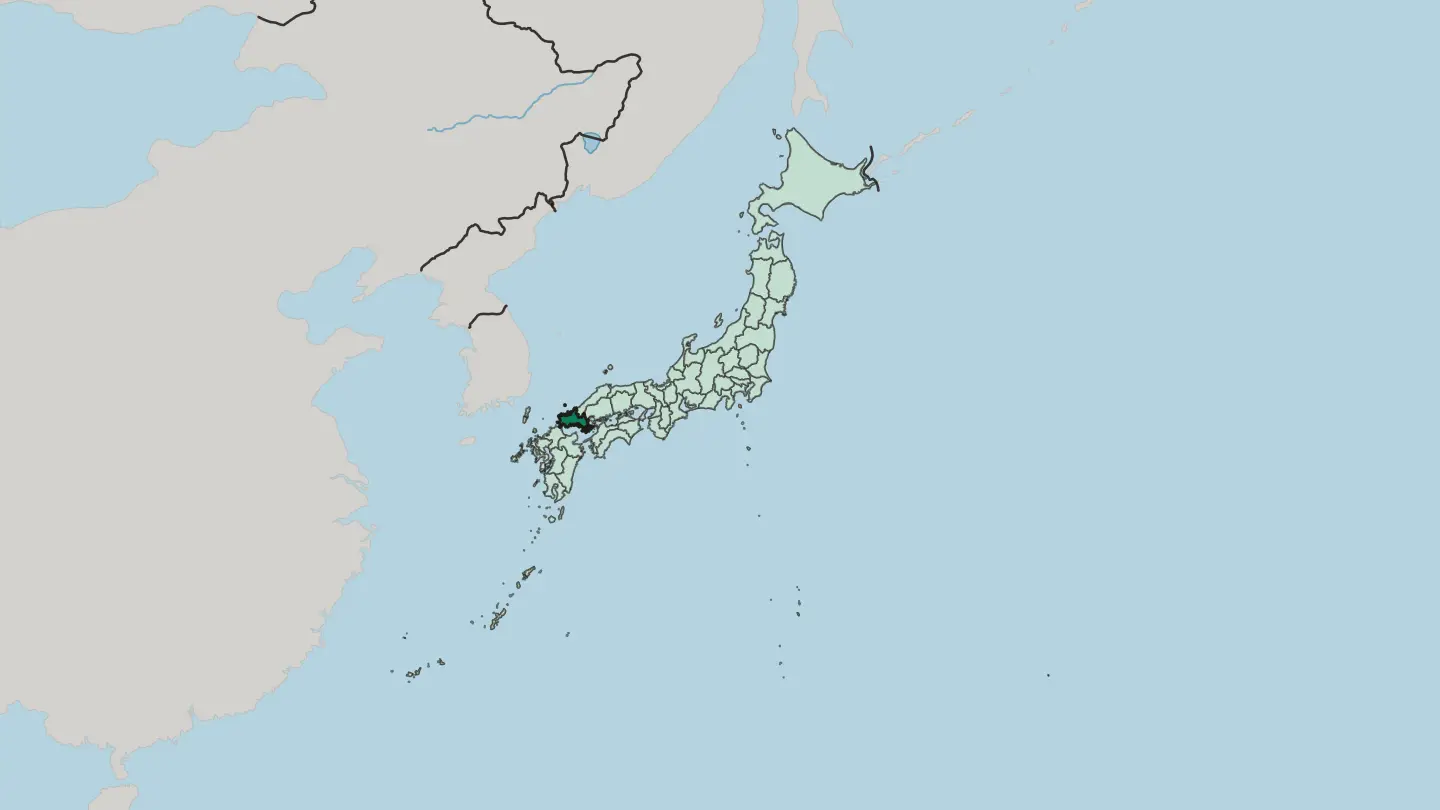
 Japan
Japan
Yamanashi
Yamanashi is a landlocked prefecture west of Tokyo, filling the mountains between Mount Fuji and Japan's Southern Alps.Towns & cities →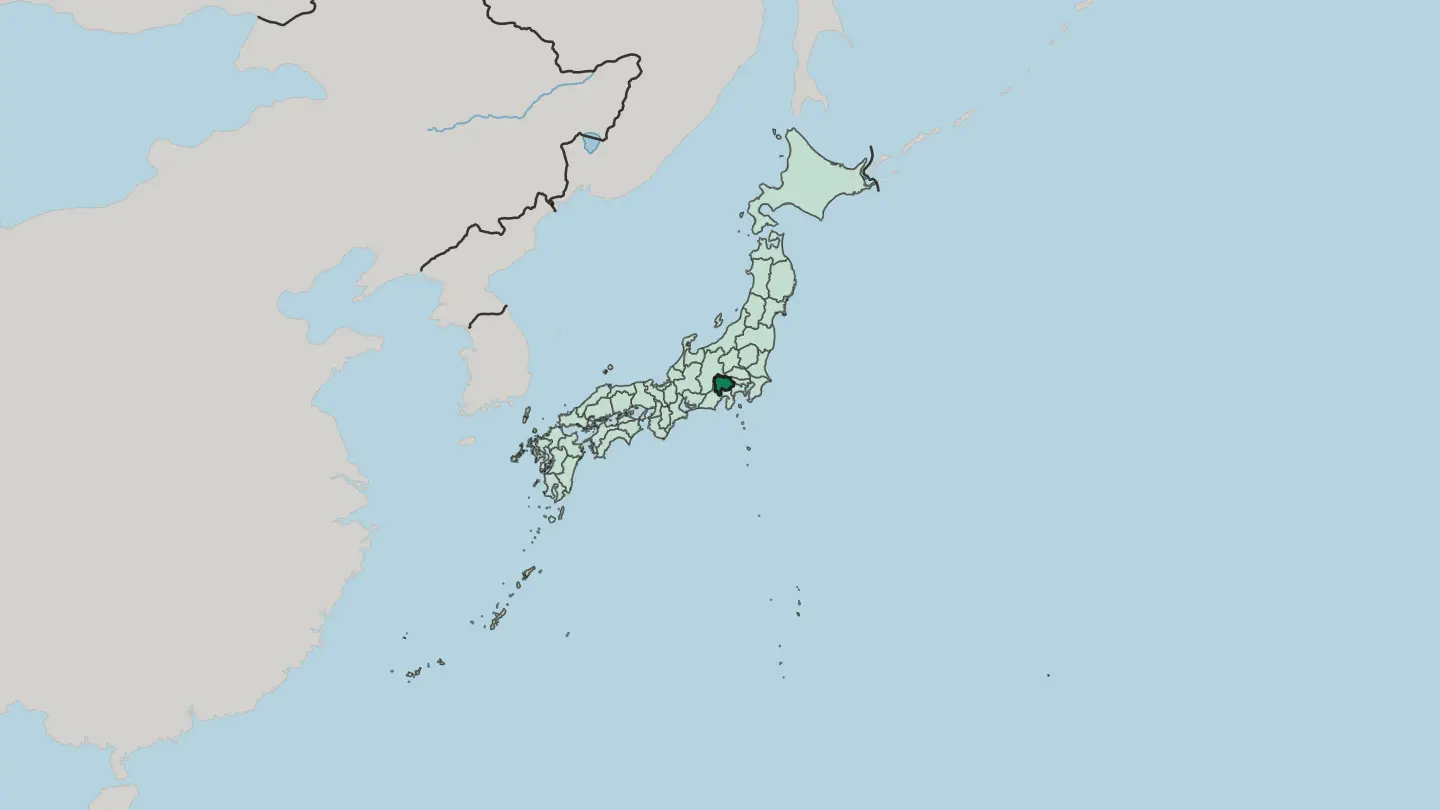 Japan
Japan
Ōsaka-fu
Ōsaka-fu, or Osaka Prefecture, is a prefecture of Japan in the Kansai region of Honshu, built around the city of Osaka.Towns & cities →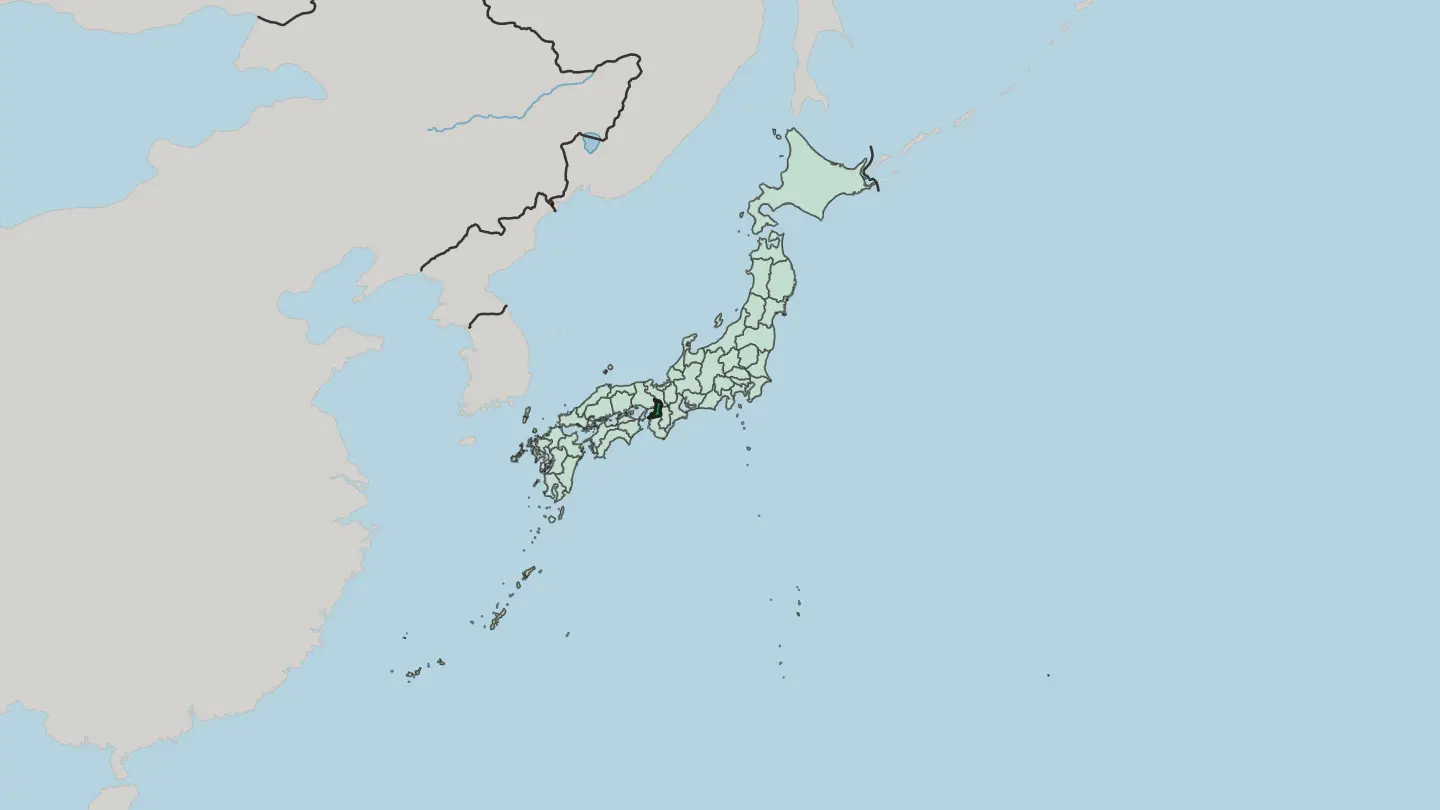
Explore by experience
Not sure which place? Start from how you want to travel.
About Japan
What is Japan known for?
Japan is known for a distinct island culture shaped by centuries of relative isolation on the Japanese archipelago. Four major islands and thousands of smaller ones rise from the Pacific Ocean and the Sea of Japan, their interior mountainous and heavily forested. The country pairs ancient ties to China and the wider East Asian world with its own traditions of inner balance and natural beauty.
Tokyo anchors its urban life. Most people live on the eastern coastal plains, while the highlands stay green and steep.
Where is Japan?
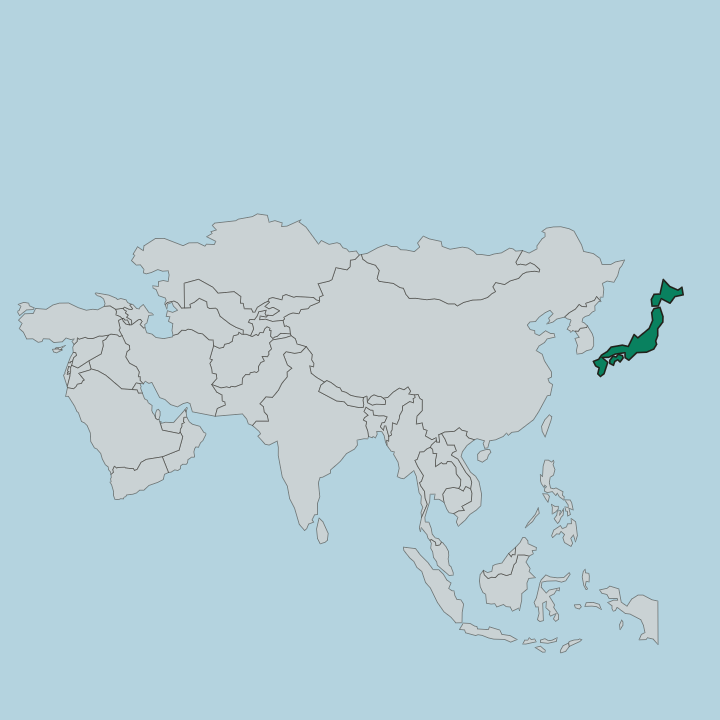
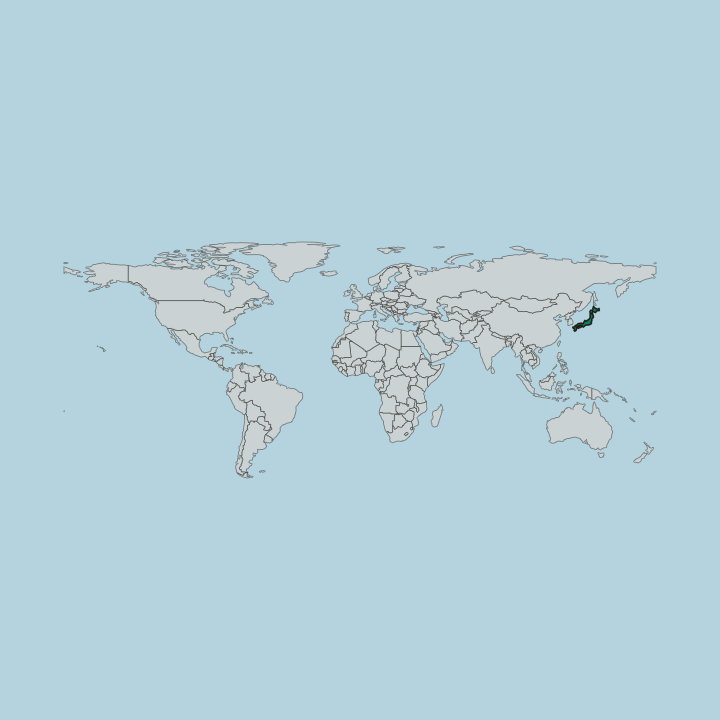
Japan sits off the northeast coast of the Asian mainland, an island country strung across the western Pacific Ocean. The Sea of Japan lies along its western side. Its long chain reaches from the Sea of Okhotsk in the north to the East China Sea in the south, so the archipelago spans a broad stretch of ocean.
Four major islands carry most of the land, joined by thousands of smaller islands that trail into the surrounding seas. In Japan, the sea is always close at hand. Every coast opens onto a different sea, the Pacific Ocean to the east and the Sea of Japan to the west, with the Sea of Okhotsk closing the northern end.
Inland, the country climbs. Much of the terrain is mountainous and heavily forested, leaving the flat, workable ground to the eastern coastal plains that face the Pacific Ocean. There the cities and farmland concentrate, hemmed between the mountains and the sea.
Eight traditional regions and forty-seven prefectures divide the whole, from the northern reaches near the Sea of Okhotsk to the southern islands by the East China Sea. Tokyo, the capital, stands on the eastern plains at the Pacific edge of the archipelago.
What is the history of Japan?
Japan's history turns on its islands. The Sea of Japan set the archipelago apart from the Asian mainland, and over many centuries it developed a distinct and intricate culture, shaped as much by the surrounding sea as by the neighbours across it. Contact with the ancient cultures of East Asia, and with China in particular, carried writing, belief, and craft eastward, leaving an influence that endured long after.
Yet distance let those borrowings be reworked into something local. The result was a civilisation at once connected and apart. Both currents still shape it.
The land itself steered where people settled. Because the interior stayed mountainous and forested, life gathered on the eastern coastal plains facing the Pacific Ocean, and it is there that the great centres grew. Tokyo rose among them to become the capital and the largest city.
Japan's past was not always calm; it was for long stretches a nation at war, its islands contested from within. Through it all ran a steady emphasis on inner balance, tranquility, and the natural beauty of the archipelago, values carried forward as part of the country's identity.
What is Japan like?
Japan carries a culture built in relative isolation on its islands. The Japanese language runs through it, and the country calls itself Nihon or Nippon, written Nihon, the source of its name abroad. Long contact with China and the older cultures of East Asia seeded scripts, faiths, and crafts, which the archipelago absorbed and remade in its own image.
Isolation did not mean poverty of form. The islands turned inward and refined their own traditions, and a lasting care for natural beauty settled into ordinary life. What emerged is intricate and particular.
Even everyday things carry it. At the centre of that identity sits a lasting emphasis on inner balance, tranquility, and natural beauty. Mountains, forest, and the surrounding sea are not backdrops but part of how the country sees itself.
Against that calm runs a famous work ethic, and in the great cities of the eastern coastal plains, above all Tokyo, daily life can be fast and crowded. The two hold in tension. Quiet and intensity, old value and modern pace, are lived side by side across the Japanese archipelago.
What is the climate of Japan?
Japan has a broadly temperate climate, stretched across an archipelago long enough to hold real contrasts. The north, near the Sea of Okhotsk, runs colder, with hard winters. Toward the south and the East China Sea the air turns milder and wetter.
Mountains and heavy forest shape conditions inland, wringing rain and snow from the passing weather, while the eastern coastal plains along the Pacific Ocean stay more moderate. Seasons are marked.
How do you get to Japan?
Japan is reached across water. As an island country off the Asian mainland, arrival comes by air or by sea, with no land border to cross. Tokyo carries most of it.
The capital and largest city stands on the eastern coastal plains facing the Pacific Ocean, the main point of entry. From there the four major islands connect onward by rail, road, and coastal ferry across the straits of the Japanese archipelago.
Good for
Updated September 2026