Kyrgyzstan · Jalal-Abad oblast
Where to Stay in Manas, Jalal-Abad oblast
Manas, called Jalal-Abad until 2025, is the centre of Jalal-Abad Region, sitting along the Kögart valley below the Babash Ata mountains.
Hotel links are affiliate links: booking through them may earn us a commission, at no extra cost to you. It never affects how places are ranked. How this works


Where to stay in Manas
Where visitors usually base themselves, and why.
Beds here follow business, not tourism. Manas is the administrative and economic centre of Jalal-Abad Region, so its rooms were built for people arriving on regional errands, and a traveller passing through the Fergana Valley uses the same stock. Central rooms make the most sense.
The Jalal-Abad Historical Museum is the one fixed sight in the city, and staying within reach of it keeps a short visit from turning into a series of rides across a town spread over a good deal of ground. One night usually does it. The valley pulls in two directions.
Upstream the Kögart river valley climbs into the foothills of the Babash Ata mountains, and rooms in that direction trade the museum and the offices for quiet ground above the town. The border with Uzbekistan is not far off. Manas stands near it, at the north-eastern end of the Fergana Valley, which matters mostly to travellers timing a crossing rather than to anyone choosing between one street and another.
Regional traffic sets the rhythm. Offices, the museum and the road out along the Kögart river valley account for most of the movement through the middle of Manas, and a visitor is fitting into that rather than the other way round.
Find hotels in Manas
Direct booking searches for these neighbourhoods.
The museum end of Manas
Walking reach of the Jalal-Abad Historical Museum and the regional offices beside itFind hotels in The museum end of ManasQuiet nights under the Babash Ata foothillsUp the Kögart river valley
Above Manas on the Kögart river valley road, out of the administrative centre. Rooms are few around here — worth securing early.Find hotels in Up the Kögart river valleyTravellers timing a crossing at the border with UzbekistanThe Uzbekistan border side
The Fergana Valley edge of Manas, nearest the Uzbekistan crossing. Rooms are few around here — worth securing early.Find hotels in The Uzbekistan border sideHotel links are affiliate links: booking through them may earn us a commission, at no extra cost to you. It never affects how places are ranked. How this works
About Manas
Two names attach to one place.
What is Manas known for?
Manas carried Jalal-Abad until 2025, and the Jalal-Abad Historical Museum still holds the older form, which is as good a summary of the city as any visitor is likely to get in an afternoon. It is the administrative and economic centre of Jalal-Abad Region. Valley work fills the rest.
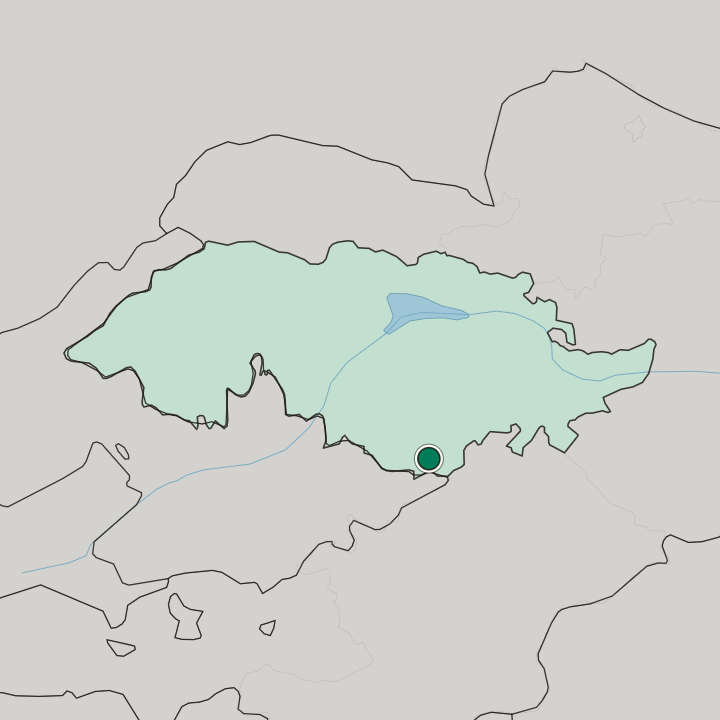
The city stands at the north-eastern end of the Fergana Valley, with the Kögart river valley running behind it and the Babash Ata mountains over both.
What are the main landmarks in Manas?
The list is one museum long. The Jalal-Abad Historical Museum carries the name the city itself used until 2025, and it is the sight a visitor with a spare morning in Manas is pointed toward. Everything else is landscape.
The Kögart river valley, the foothills of the Babash Ata mountains and the north-eastern end of the Fergana Valley account for what people actually come out to look at.
What is the history of Manas?
The name changed in 2025. Manas replaced Jalal-Abad, and the older form survives in the Jalal-Abad Historical Museum, in the name of Jalal-Abad Region around the city, and in the Cyrillic Джалал-Абад. When the settlement began is not recorded.
What is recorded is the position: the Kögart river valley, the north-eastern end of the Fergana Valley, the foothills of the Babash Ata mountains, and the border with Uzbekistan close by. Both names remain in circulation. Administration is the constant.
Manas is the administrative and economic centre of Jalal-Abad Region, and that role, rather than any single building or event, is what has kept the city on maps under both of its names. The museum holds the rest. The Jalal-Abad Historical Museum gathers what has survived from the valley, and it kept the older name when the city let it go, which makes it the plainest record of the change.
Names shift; the ground does not. The Kögart river valley still reaches the north-eastern end of the Fergana Valley below the Babash Ata mountains, and the border with Uzbekistan lies where it lay before the change of name.
Where is Manas?
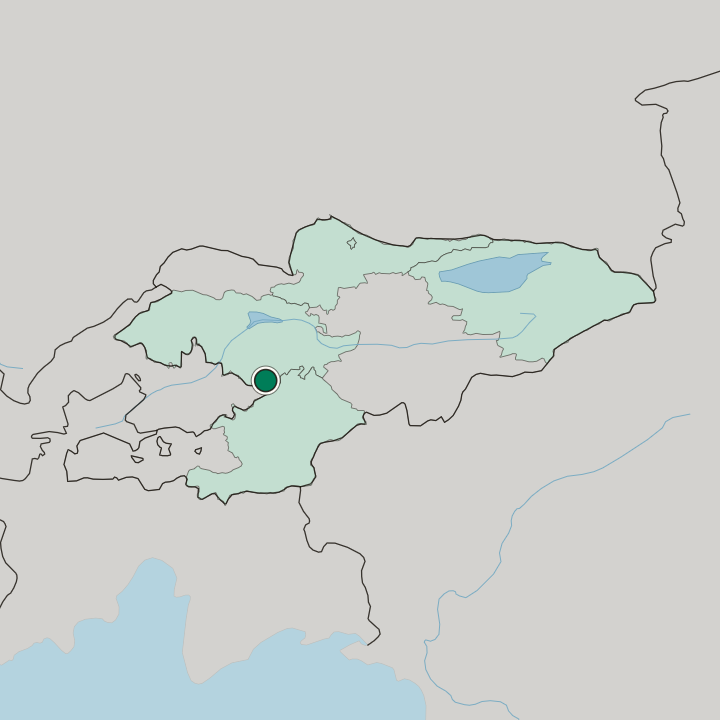
The Kögart river valley carries the city. Manas lies along it at the north-eastern end of the Fergana Valley, with the foothills of the Babash Ata mountains behind the town and the border with Uzbekistan close by. Jalal-Abad Region surrounds it.
Between the mountains and the valley floor the city has room to spread, which is why Manas covers more ground than the walk between its centre and the Jalal-Abad Historical Museum suggests.
What is the climate of Manas?
The Babash Ata mountains frame the year. Manas sits in the temperate band of the northern hemisphere at the north-eastern end of the Fergana Valley, and the Babash Ata mountains stand between the city and everything on the other side of them. Height decides more than distance.
A day on the Kögart river valley floor and a day up in the foothills are not the same day, and a visitor planning around the weather in Manas should treat the two as separate.
How do you get to Manas?
Roads follow the valley. Manas is reached from along the Fergana Valley or down the Kögart river valley, and between them those two lines account for almost every approach to the city. The border with Uzbekistan is close.
Traffic over that line moves through Jalal-Abad Region, whose administrative and economic centre is Manas, and most of it has no interest in the Jalal-Abad Historical Museum or the foothills of the Babash Ata mountains.
Common questions
What is the best area to stay in Manas?
The museum end of Manas: Short stays built round the Jalal-Abad Historical Museum. Up the Kögart river valley: Quiet nights under the Babash Ata foothills. The Uzbekistan border side: Travellers timing a crossing at the border with Uzbekistan.
Good for
Updated September 2026