
Cambodia · Phnom Penh
Where to Stay in Phnom Penh
Phnom Penh rises where the Mekong meets the Tonlé Sap in Cambodia, the capital city known for Wat Phnom and the Royal Palace.
Hotel links are affiliate links: booking through them may earn us a commission, at no extra cost to you. It never affects how places are ranked. How this works


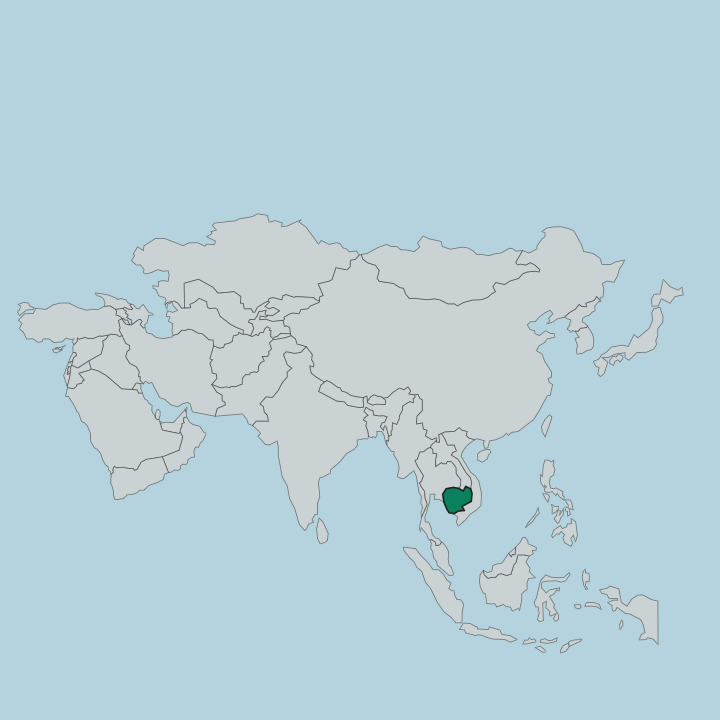
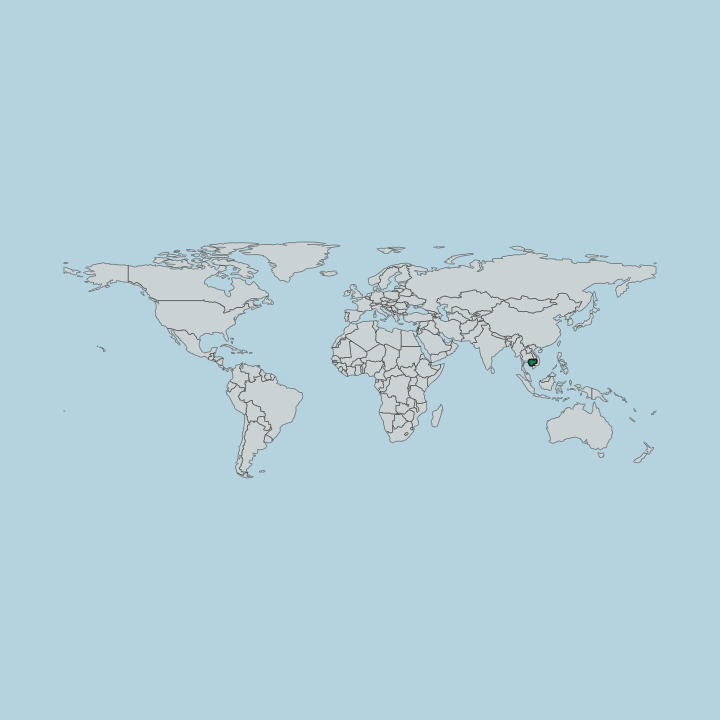
Where to stay in Phnom Penh
The practical side of choosing where to sleep.
Phnom Penh keeps most of its lodging along the riverfront where the Mekong and the Tonlé Sap meet. Most rooms gather along that riverfront strip. The strip facing the water carries the Royal Palace, the National Museum of Cambodia, and the promenade that runs above the point where the Bassac River begins, and it puts a traveller within a short walk of the oldest heart of the capital.
This is the first choice for most visitors. Away from the water the city opens toward its civic core. The blocks around the Independence Monument hold the wide boulevards laid out under the monarchy, a quieter and more spread-out base than the crowded quays.
Here you sit near the Vann Molyvann House and the modernist landmarks of the mid-century capital, a short ride from the riverfront but set back from its bustle of boats and markets. Both districts of Phnom Penh anchor on named features of Cambodia's capital, and travellers pick between the working river edge and the monumental centre by how close to the water they want to wake.
Find hotels in Phnom Penh
Direct booking searches for these neighbourhoods.
Riverfront
the quays facing the Mekong and Tonlé Sap gather the Royal Palace, the National Museum of Cambodia, and the promenade above the start of the Bassac River, the oldest heart of Phnom PenhFind hotels in Riverfrontthe monumental boulevards of the mid-century capitalIndependence Monument district
the wide streets around the Independence Monument and the Vann Molyvann House hold the modernist civic core of Phnom Penh, quieter and set back from the river marketsFind hotels in Independence Monument districtHotel links are affiliate links: booking through them may earn us a commission, at no extra cost to you. It never affects how places are ranked. How this works
Things to do in Phnom Penh
Ranked by global recognition; descriptions from Wikidata (CC0).
Museums & Galleries
2- National Museum of Cambodia
- Preah Srey Içanavarman Museum of Economy and Money
Churches & Religious Sites
1- Roman Catholic Church of Phnom Penh
Castles & Historic Sites
2- Independence Monument, Phnom Penh
- Cambodia–Vietnam Friendship Monument
Stadiums & Sports
1- National Sports Complex Indoor Hall
Landmarks & Notable Places
1- Vann Molyvann House
worth knowingacross 5 categories in Phnom Penh
About Phnom Penh
What is Phnom Penh known for?
Phnom Penh is known as the capital of Cambodia and the seat of its monarchy at the Royal Palace. The city sits at the confluence of the Mekong and the Tonlé Sap, where the Bassac River begins. Its name carries a founding tale.
It comes from Wat Phnom, the hilltop Buddhist temple, and from Lady Penh, remembered as the founder of the settlement that grew into the nation's primate city.
What are the main landmarks in Phnom Penh?
Phnom Penh gathers its landmarks between the riverfront and the civic core. The Royal Palace and the National Museum of Cambodia stand near the water, while Wat Phnom crowns the low hill that gave the city its name. Monuments mark the boulevards inland.
The Independence Monument rises at a central junction, the Cambodia-Vietnam Friendship Monument stands nearby, and the Vann Molyvann House survives as a work of the capital's best-known modern architect.
What is the history of Phnom Penh?
Phnom Penh traces its founding to 1372, to the hill and temple of Wat Phnom raised, by tradition, at the direction of Lady Penh. Trade drew the settlement together at the meeting of the Mekong and the Tonlé Sap, a river junction that carried goods deep into the interior of Cambodia and out toward the sea. Its early centuries were unsettled.
The seat of power shifted more than once before the city finally took hold as the enduring centre of the kingdom. In 1865 it became the national capital, and the monarchy fixed its seat here at what grew into the Royal Palace. Boulevards followed.
The wide civic streets of that era gave the riverside capital its lasting shape, and a darker chapter came in the late 1970s, when the city was emptied under the Khmer Rouge and its people driven out. The capital was reclaimed after that period, and Phnom Penh returned as the political and cultural centre of Cambodia, the primate city at the confluence where the Bassac River begins.
Where is Phnom Penh?
Phnom Penh sits at the confluence of the Mekong and the Tonlé Sap in Cambodia, on low ground barely above the rivers. The Bassac River branches away from the junction here, so three channels frame the capital where they meet. Wat Phnom rises on the only real hill.
The land around lies flat and tropical, a lowland floodplain that shapes the riverfront, the harbours, and the seasonal rhythm of high and low water across the city.
What is the climate of Phnom Penh?
Phnom Penh has a tropical climate marked by a wet and a dry season rather than by cold. Heat holds year round. The monsoon brings heavy rain to the confluence of the Mekong and the Tonlé Sap through the middle of the year, swelling the rivers and lifting the water along the Bassac River, before the dry months return warm, bright, and low-water across the lowland capital of Cambodia.
How do you get to Phnom Penh?
Phnom Penh is the main gateway into Cambodia and the hub of its road and river routes. Flights land at the city's international airport, the busiest air link in the country. Rivers reach it too.
Boats work the Mekong and the Tonlé Sap to the confluence at the capital, and highways fan out from Phnom Penh across the lowland interior, so most travellers arrive by air and continue overland or by water from the riverside centre.
Common questions
What is the best area to stay in Phnom Penh?
Riverfront: waking above the Mekong confluence beside the Royal Palace. Independence Monument district: the monumental boulevards of the mid-century capital.
Good for
Updated September 2026