Comoros · Grande Comore
Where to Stay in Moroni, Grande Comore
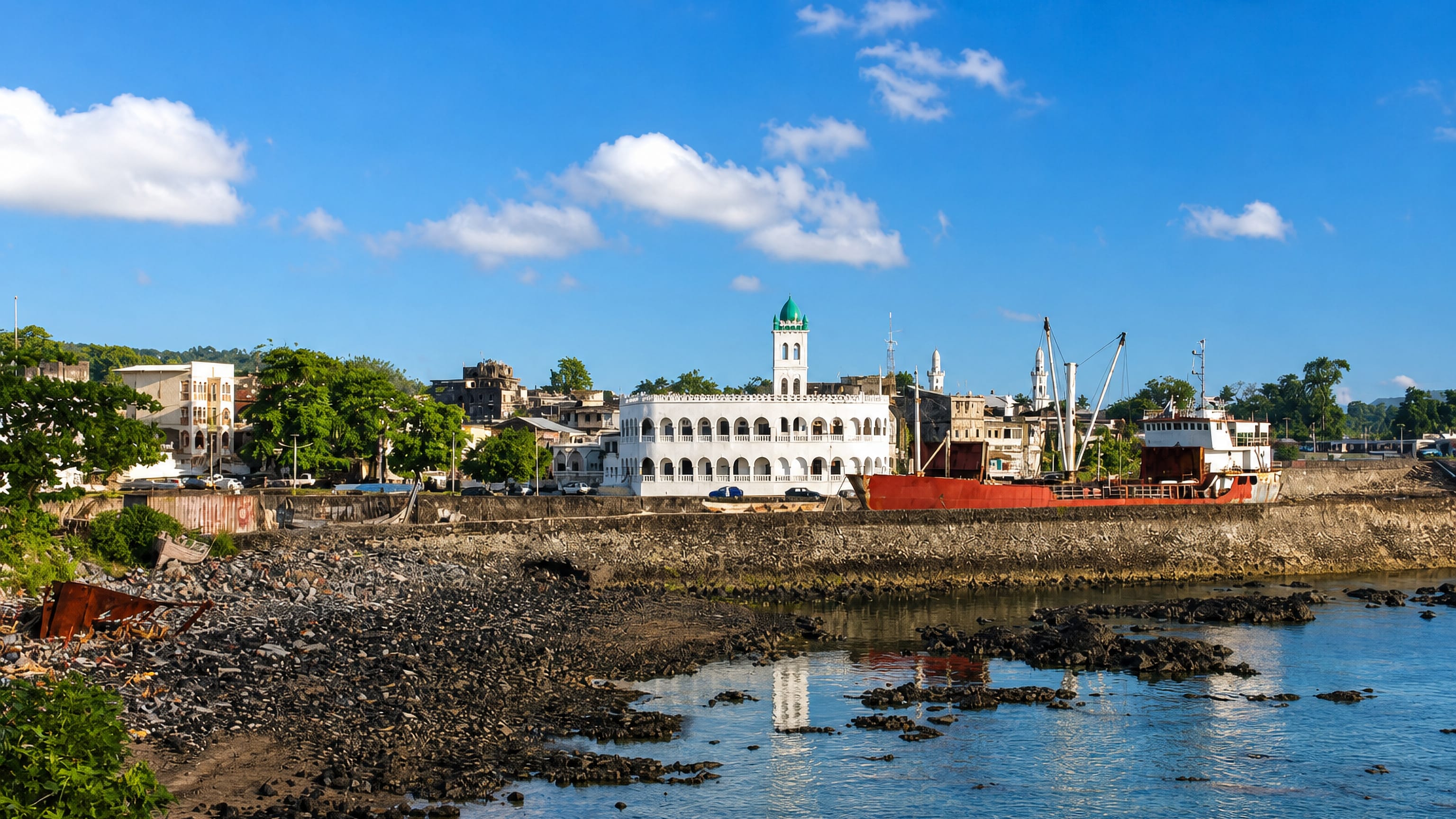
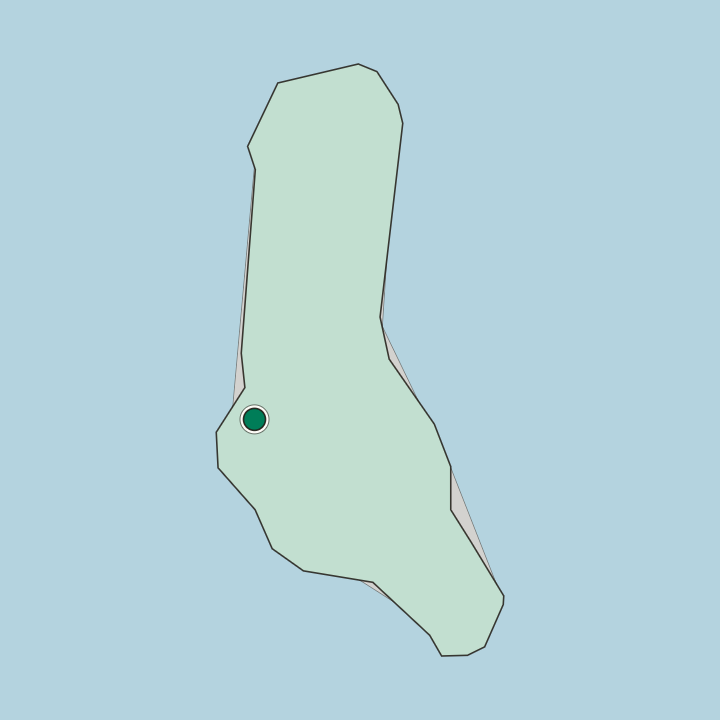
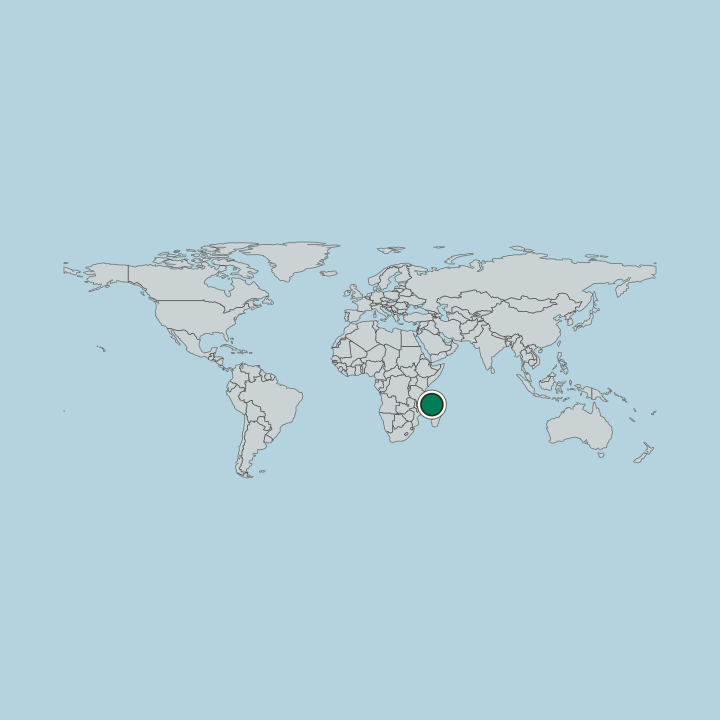
Moroni, capital of the Comoros, is a port on the Indian Ocean coast of Ngazidja, the largest of the archipelago's three main islands.
Hotel links are affiliate links: booking through them may earn us a commission, at no extra cost to you. It never affects how places are ranked. How this works


Where to stay in Moroni
Where visitors usually base themselves, and why.
Moroni fits inside an easy walk. Stays near the port put the Badjanani Mosque, the National Museum of Comoros, and the boats within a few minutes of the door, and that stretch of seafront is where most of the city's named buildings stand. The mosques are the marker.
Travellers who want the seafront quarter, with the Badjanani Mosque at its centre, take rooms on the water side of the city. Ngazidja is the island the capital sits on, and the republic keeps its offices, its museum, and its port in this one town. Route Nationale 1 runs through Moroni and out along the coast of Ngazidja, so a stay on that road trades the seafront for an easier start on any trip around the island.
That suits anyone hiring a car. The city's travel agencies make Moroni the base for excursions across the island, and a room near the main road shortens the morning departure by a useful margin. Beds by the port suit you if the museum, the mosques, and the harbour are the reason for the trip; the Route Nationale 1 side suits island days.
Both quarters lie minutes apart.
Find hotels in Moroni
Direct booking searches for these neighbourhoods.
The seafront by the Badjanani Mosque
The mosque, the port, and the National Museum of Comoros stand within a few minutes of each other on the water side of the capital.Find hotels in The seafront by the Badjanani MosqueEarly starts on trips around NgazidjaAlong Route Nationale 1
The road that carries traffic around Ngazidja passes straight through, which shortens any departure out of Moroni.Find hotels in Along Route Nationale 1Museum mornings in the middle of the capitalBy the National Museum of Comoros
The republic's national collections sit within reach of the mosques and the seafront on foot.Find hotels in By the National Museum of ComorosHotel links are affiliate links: booking through them may earn us a commission, at no extra cost to you. It never affects how places are ranked. How this works
About Moroni
What is Moroni known for?
Moroni is known as the capital and largest city of the Comoros, the seat of a country of islands set in the Indian Ocean. Its name means "at the river". The Badjanani Mosque is the best known of its mosques, the National Museum of Comoros keeps the collections of the republic, and the port anchors the seafront below the town.
Travel agencies here arrange trips around Ngazidja.
What are the main landmarks in Moroni?
The Badjanani Mosque is the building most visitors look for in Moroni, and the National Museum of Comoros holds the republic's collections in the same capital. Mosques mark the rest. Moroni counts several of them, and the port below the city, working the Indian Ocean traffic that reaches Ngazidja, is as much a fixture of the place as any of its buildings.
What is the history of Moroni?
The name says where the city began. Moroni means "at the river", a name that fixes the capital to its own ground on the coast of Ngazidja. A founding date was never set down.
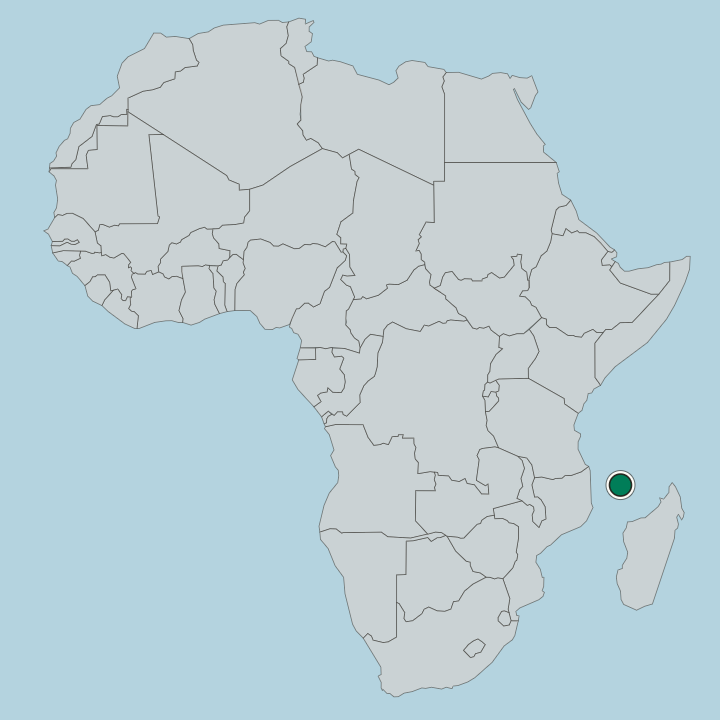
What the record keeps instead is the fabric: mosques such as the Badjanani Mosque, a port on the Indian Ocean, and a national museum holding what the republic has gathered of its past. Comoros is an archipelago in the Indian Ocean, and its capital is a coastal town rather than an inland one. Island politics gave the city two roles.
Moroni is the capital of Ngazidja, the largest of the three main islands and a semi-autonomous part of the country, and it is also the seat of the Union of the Comoros, so the national government and the island administration sit in the same streets. Both draw on the same port. Route Nationale 1 now runs through the city and out along the coast, and the National Museum of Comoros gives the archipelago a place to keep its record.
The sea still sets the terms.
Where is Moroni?
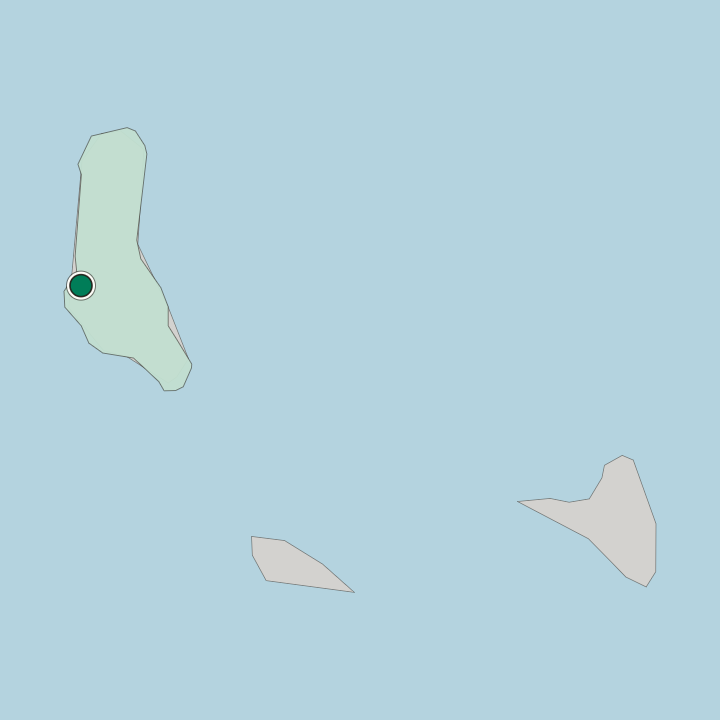
Moroni stands on the coast of Ngazidja, the largest of the three main islands of the Comoros, with the Indian Ocean at its front. The city sits south of the equator in the tropics. Route Nationale 1 threads the built-up ground and continues around the island, and the port marks the city's edge on the sea.
Three islands make the republic.
What is the climate of Moroni?
The Indian Ocean keeps Moroni's air even. The city lies in the tropics south of the equator, where the sea moderates the heat and the seasons turn on rain rather than temperature, so the difference between months is felt in the sky more than on the thermometer. Sea air reaches every street.
Walking between the port and the Badjanani Mosque is easiest in the early hours.
How do you get to Moroni?
Everything on Ngazidja runs through Moroni. Route Nationale 1 passes through the capital and carries traffic around the island, while the port takes the sea traffic that links the Comoros across the Indian Ocean. The city's travel agencies fill the gaps.
Visitors who base themselves here can arrange trips out to the rest of the island without leaving the capital to organise them.
Common questions
What is the best area to stay in Moroni?
The seafront by the Badjanani Mosque: Old Moroni between the Badjanani Mosque and the harbour. Along Route Nationale 1: Early starts on trips around Ngazidja. By the National Museum of Comoros: Museum mornings in the middle of the capital.
Good for
Updated September 2026