Comoros
Grande Comore, Comoros — Towns & Travel Guide
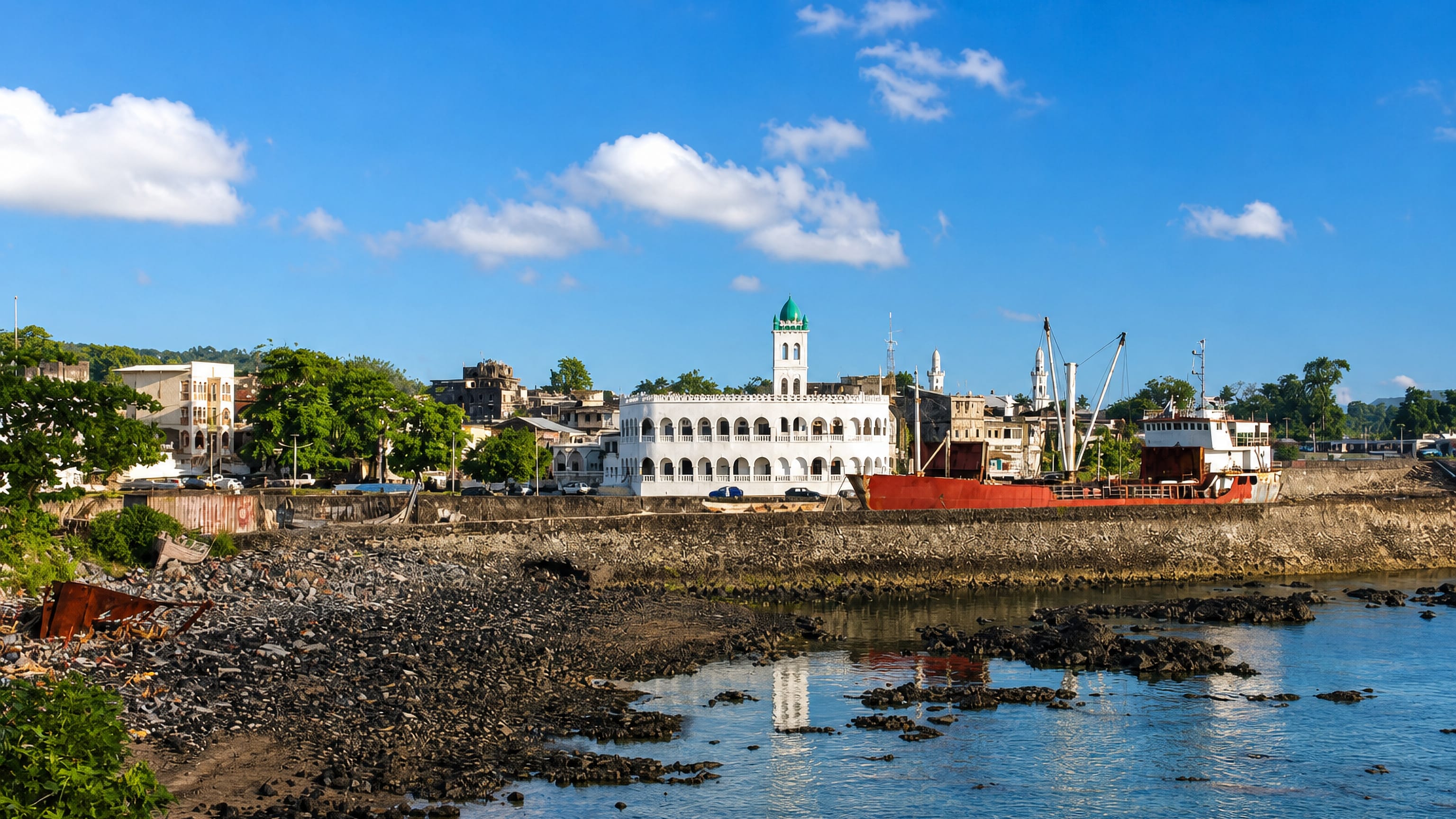
Ngazidja, Grande Comore in French, is the largest island of the Comoros, built by two shield volcanoes and holding Moroni, the national capital.
Hotel links are affiliate links: booking through them may earn us a commission, at no extra cost to you. It never affects how places are ranked. How this works


Towns & cities in Grande Comore
One town here has its own guide — it links to where to stay.

 Comoros
Moroni
Moroni, capital of the Comoros, is a port on the Indian Ocean coast of Ngazidja, the largest of the archipelago's three main islands.Where to stay →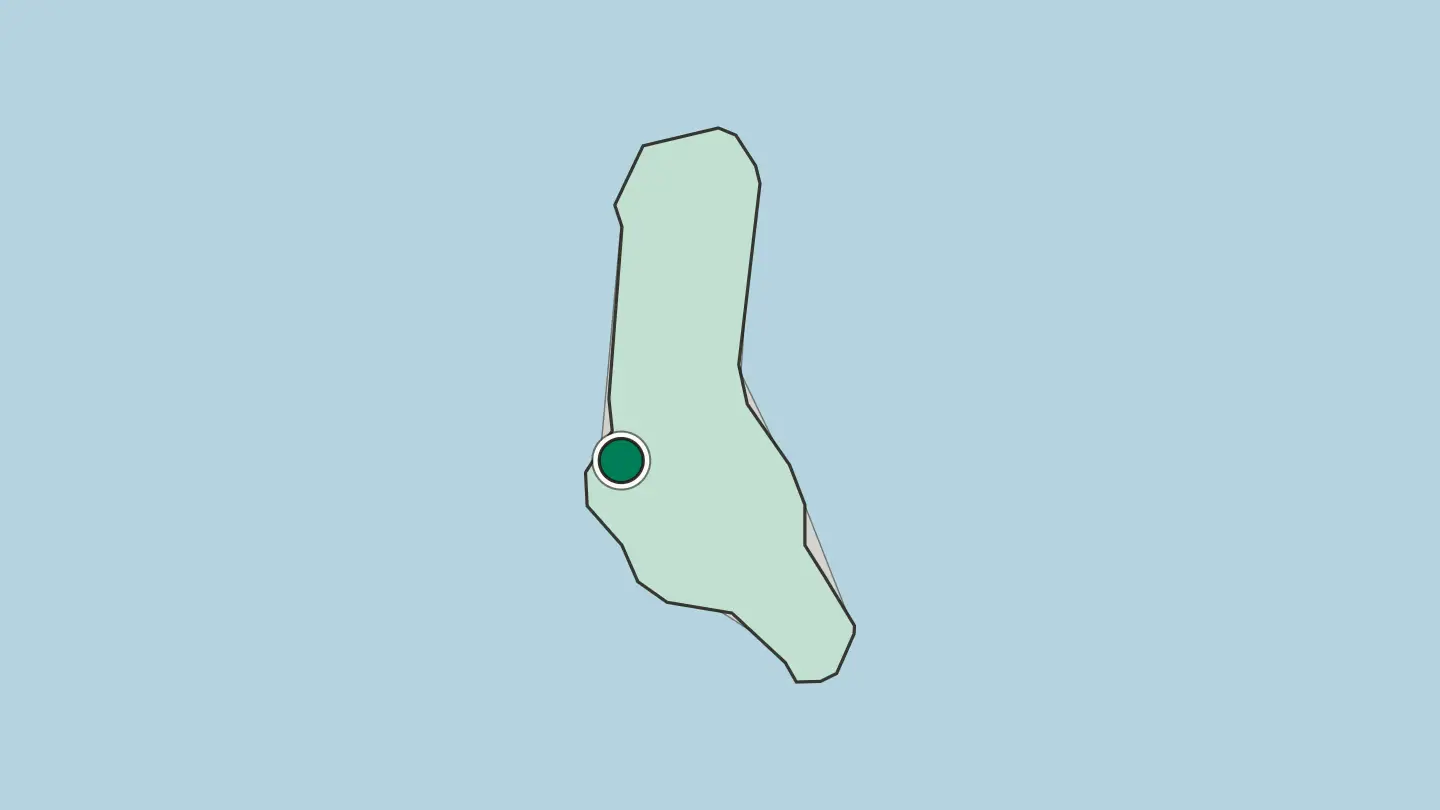
Hotel links are affiliate links: booking through them may earn us a commission, at no extra cost to you. It never affects how places are ranked. How this works
About Grande Comore
Mount Karthala rules the skyline.
What is Grande Comore known for?
One of the two shield volcanoes that built Ngazidja, it carries the highest ground anywhere in the Comoros, and its bulk reads as the fixed point against which the rest of the island is described. Moroni sits below it. The town is at once the island's capital and the capital of the whole nation, a doubling that gives Grande Comore a standing in Comorian affairs no other island in the group holds.
Where is Grande Comore?
Ngazidja is volcanic ground, and its outline follows directly from that. Two shield volcanoes make up the island, building it out of broad, gently inclined slopes rather than the steep cone the word volcano usually calls to mind, and the ground between them runs as a spine. Mount Karthala is the larger.
Its summit is the highest point in the Comoros, and the whole island can be read as the apron of land that the two volcanoes have spread toward the sea. Everything else is measured against that height. Grande Comore, the French name that English once rendered as Comoro, is the largest island of the Comoros, and the national capital at Moroni stands on it, so the country's centre of gravity rests on this landmass rather than offshore.
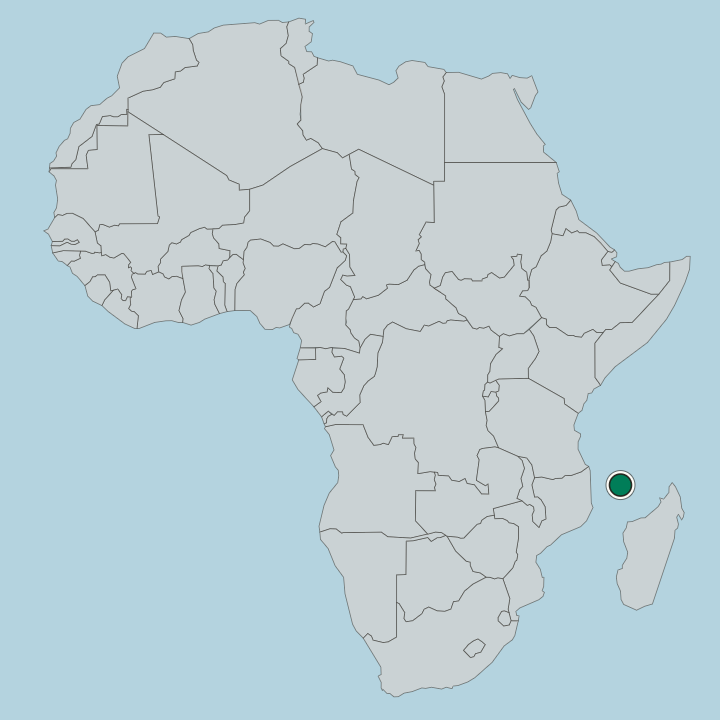
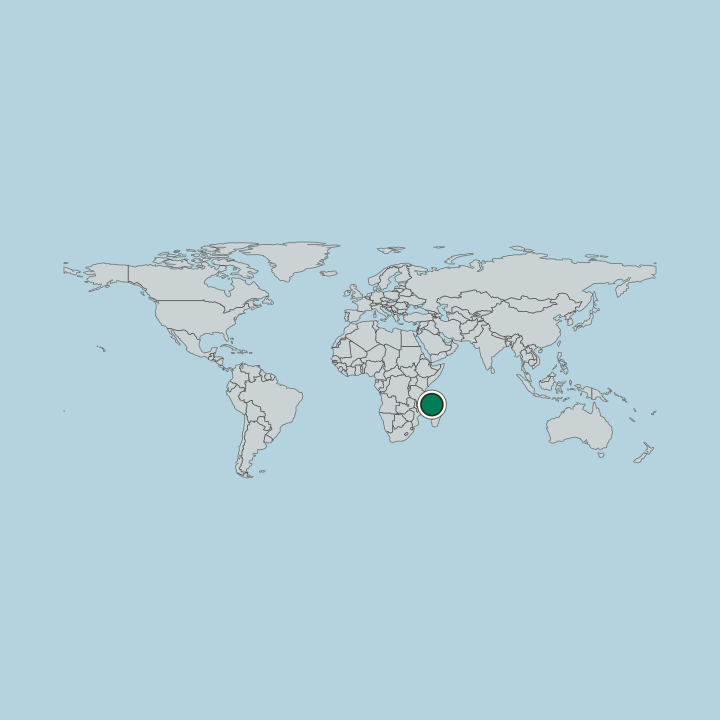
The coast wraps the whole island. Ngazidja lies off the coast of Africa, within the East African island nation that the Comoros form, and the sea is never far from any point on it. Scale works in a traveller's favour.
The island covers a little over a thousand square kilometres, which puts the shore and the flanks of Mount Karthala within easy reach of one another and makes it possible to see coastal ground and volcanic upland in a single day. Nothing on Ngazidja lies far from anything else.
What is Grande Comore like?
The island answers to three names. Ngazidja is the form the Comorian language gives it, Grande Comore is the French version that most outside maps print, and Comoro is the older English rendering that has largely dropped out of use. That layering is not incidental.
Most people on the island belong to the Comorian ethnic group, while French carries the administrative register, so a single place routinely travels under more than one name. Moroni concentrates the public side of this. As capital of Ngazidja and of the Comoros at once, the town carries offices, institutions and arrivals that no other settlement on the island matches, and the two roles are not always easy to tell apart from the street.
Governors matter as well. Each island of the group elects its own, so island identity has a formal channel and Ngazidja's affairs are not simply folded into national ones. Mount Karthala stands over all of it.
The highest ground in the Comoros rises from this island, and a mountain of that standing becomes a fixed reference in ordinary speech, with places described as lying above it, below it, or on one flank or the other. French holds the formal register. Comorian, meanwhile, remains the language the island's own name comes from, which is why Ngazidja and Grande Comore are both correct and neither is a translation of the other in any simple sense.
What is the history of Grande Comore?
Constitutional change is the clearest marker. The Comoros revised its constitution of 2002 in 2009, and under that revision each island, Ngazidja included, is run by an elected governor while the federal government holds far less power than it once did. Grande Comore keeps the capital.
Moroni serves as the seat of national government as well as the island's own, so two administrations work out of the same town.
What is the climate of Grande Comore?
Mount Karthala sets the pattern. Ngazidja sits in the tropical band south of the equator, and the volcano's height means conditions on the upper slopes part company with the warm, humid air that hangs along the coast. Height is the variable.
A day that is hot at Moroni can be markedly cooler on the flanks of the mountain, and the change arrives quickly because the ground climbs from the shore over such a short distance.
How do you get to Grande Comore?
Arrivals come through Moroni. Ngazidja is an island, so every approach is made by sea or by air, and the national capital is where those connections gather before anyone moves on across the rest of Grande Comore. The island is small enough to cross.
From Moroni the ground rises toward Mount Karthala within a short run, and the coast of the Comoros is never far off, so journeys on the island itself stay brief.
Common questions
What is the best area to stay in Grande Comore?
Moroni: Ngazidja arrivals who want the Comoros' national capital as their base. The Mount Karthala slopes: Walkers set on the shield volcano that built Ngazidja.
Good for
Updated September 2026