North Korea · Chagang-do
Where to Stay in Kanggye, Chagang-do
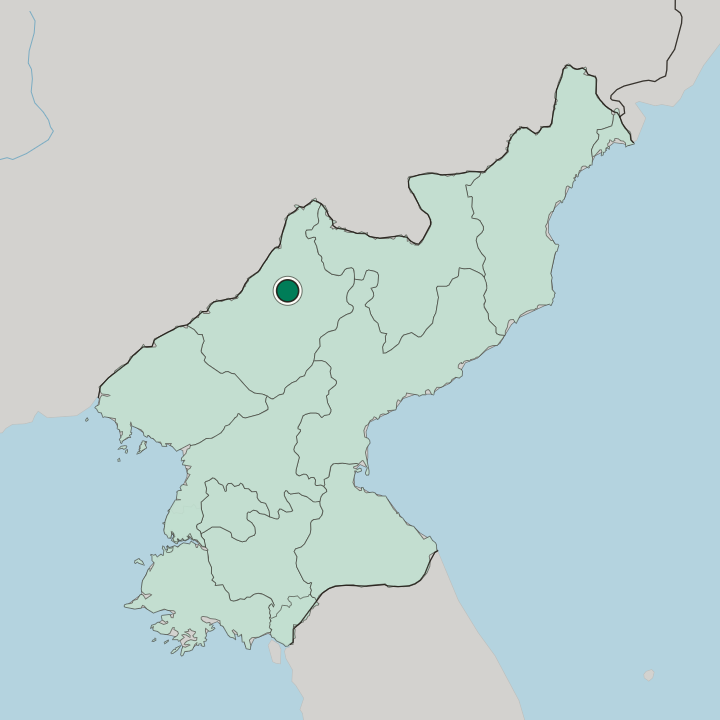
Kanggye is the provincial capital of Chagang-do in North Korea, a seat whose terrain has drawn military interest since the Joseon Dynasty.
Find your area →


Where to stay in Kanggye
Where visitors usually base themselves, and why.
Kanggye gives a traveller little to sort beds by. No quarter, street or square is set down under the name in the record, so the usual business of weighing one district against another has nothing to weigh here. The province is the unit that counts. Chagang-do is administered from this town, and that administrative role, rather than any quarter of the place, is what would put a visitor within reach of it at all.
Kanggye holds the seat for the whole of Chagang. Nothing in the file names a hotel district, a market street or a station quarter, and without those the honest order of business is to settle the journey first and the room second. Logistics outrank taste here.
If you have come on provincial business, the administrative seat is where the errand ends, and the question of which part of the town to sleep in does not really arise. The rest is terrain. What the record singles out under the name Kanggye, in Chagang-do, is ground rather than address, and ground does not divide a town into places to stay.
About Kanggye
What is Kanggye known for?
What Kanggye is known for is not a monument but a position: the ground around it made the place matter, and its military value was recognised long before the town became the administrative seat of Chagang-do. Terrain did the work. Beyond the provincial role, the register in Chagang holds no cathedral, museum or park under this name, which leaves the surrounding country rather than any single building as the thing worth describing.
What are the main landmarks in Kanggye?
No landmark is filed under Kanggye. The record attaches no temple, museum or monument to the name, which leaves a visitor with the streets of the provincial seat and the country around it rather than a set piece to photograph. Terrain is the sight.
What the sources single out is the lie of the ground, the feature that made the place worth holding, and that is not something a guidebook can pin to an address.
What is the history of Kanggye?
The ground came before the town. Kanggye entered the written record as a place of military interest, and the reason set down for that interest is not a dynasty's favour or a trade route but the shape of the country it sits in. That interest runs deep in Korean history.
The Joseon Dynasty, which held Korea from 1392 to 1910, is the period from which the town's strategic standing is dated, and five centuries of that attention leaves a mark on how a place is understood. Little else about those centuries is written down. Provincial administration came later.
Kanggye is the capital of Chagang-do, and the seat of a province is a different kind of importance from military standing, resting on offices and records rather than on the difficulty of the ground. Chagang-do keeps its administration in this town, which is the plainest statement the record makes about Kanggye and the one that bears most on why anyone arrives. No founding year is recorded.
Nothing in the file fixes a charter, a first settlement or a date of incorporation for Kanggye, so what survives as history is the long military interest and the administrative role it holds in a province the sources call Chagang.
Where is Kanggye?
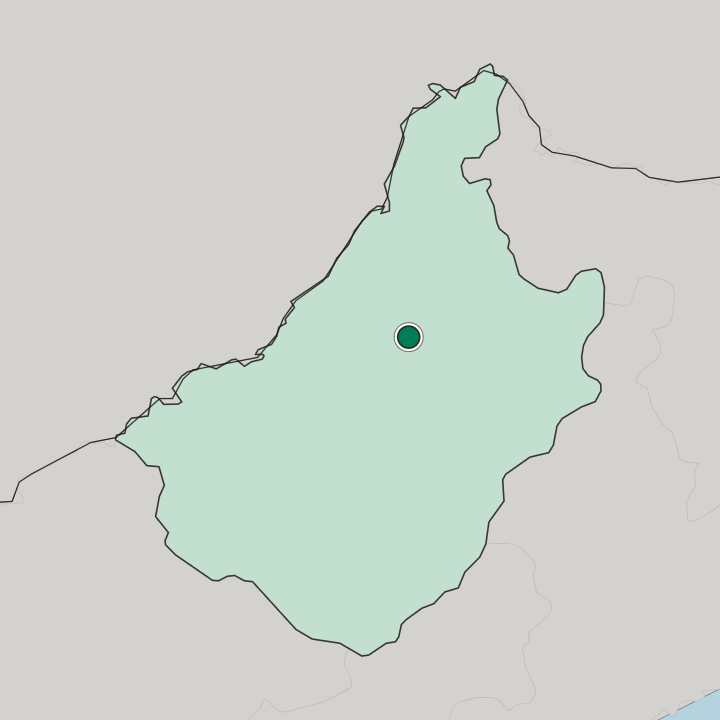
Ground is the whole story here. The record explains Kanggye's importance by its topography, which is an unusual thing for a file to say about a town and a plain signal that the country around it is difficult rather than open. Chagang-do encloses it.
What the sources do not give is a river, a range or a pass by name, so the terrain that made the place matter has to be described as terrain and left there, without the landmarks that would normally fix it.
What is the climate of Kanggye?
The file carries no climate reading for Kanggye. No band, no season and no rainfall figure is attached to the name, so anything printed here about months and averages would be invention rather than record. Chagang-do is the frame instead.
A provincial capital set in country whose difficulty is the one thing the sources insist on will share that country's weather, and the ground, not a table of averages, is what a traveller should plan against.
How do you get to Kanggye?
Nothing in the file names a road, a rail line or an airfield here. Access is the itinerary's problem. What the record does establish is that Kanggye holds the administrative seat of Chagang-do, and a provincial seat is the sort of place a province's routes tend to serve, though the file itself does not say so.
The file stops there.
Updated September 2026