
North Korea: Regions, Cities & Travel Guide
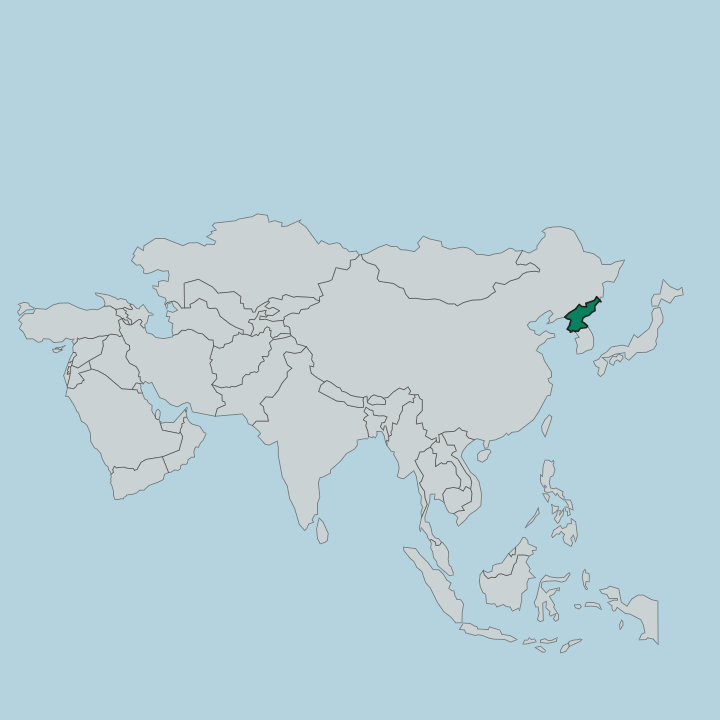
The Korean Peninsula reaches north to the Yalu and Tumen rivers in North Korea, a country in East Asia with its capital at Pyongyang.
Top destinations →

Top destinations in North Korea
Cities to start from, then drill into areas and hotels.

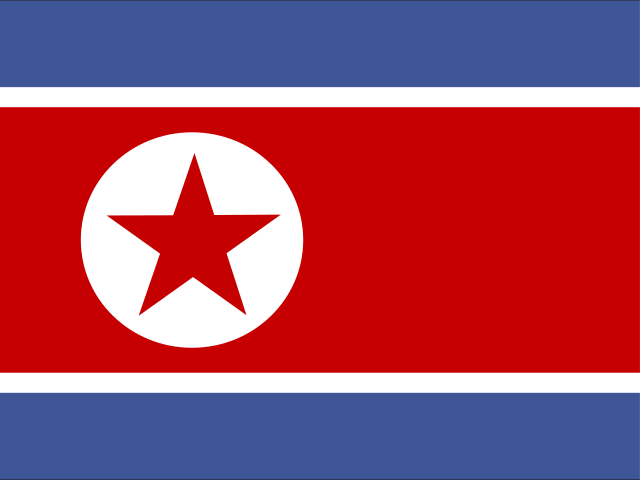 North Korea
Pyongyang
Pavilions and museums line the Taedong River in Pyongyang, the capital and largest city of North Korea, with the Korean Central History Museum among them.Where to stay →
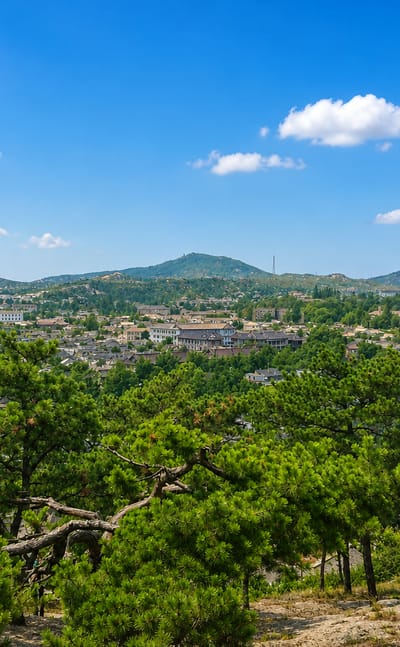 North Korea
Kaesŏng
Old palace stones ring the valley at Kaesŏng, a historic city in the southern part of North Korea, known for its Goryeo-era heritage and Korean ginseng.Where to stay →
 North Korea
Wŏnsan
Wŏnsan is a port city on the Donghae Coast of North Korea, the capital of Kangwŏn-do on the Sea of Japan shore of the Korean Peninsula.Where to stay →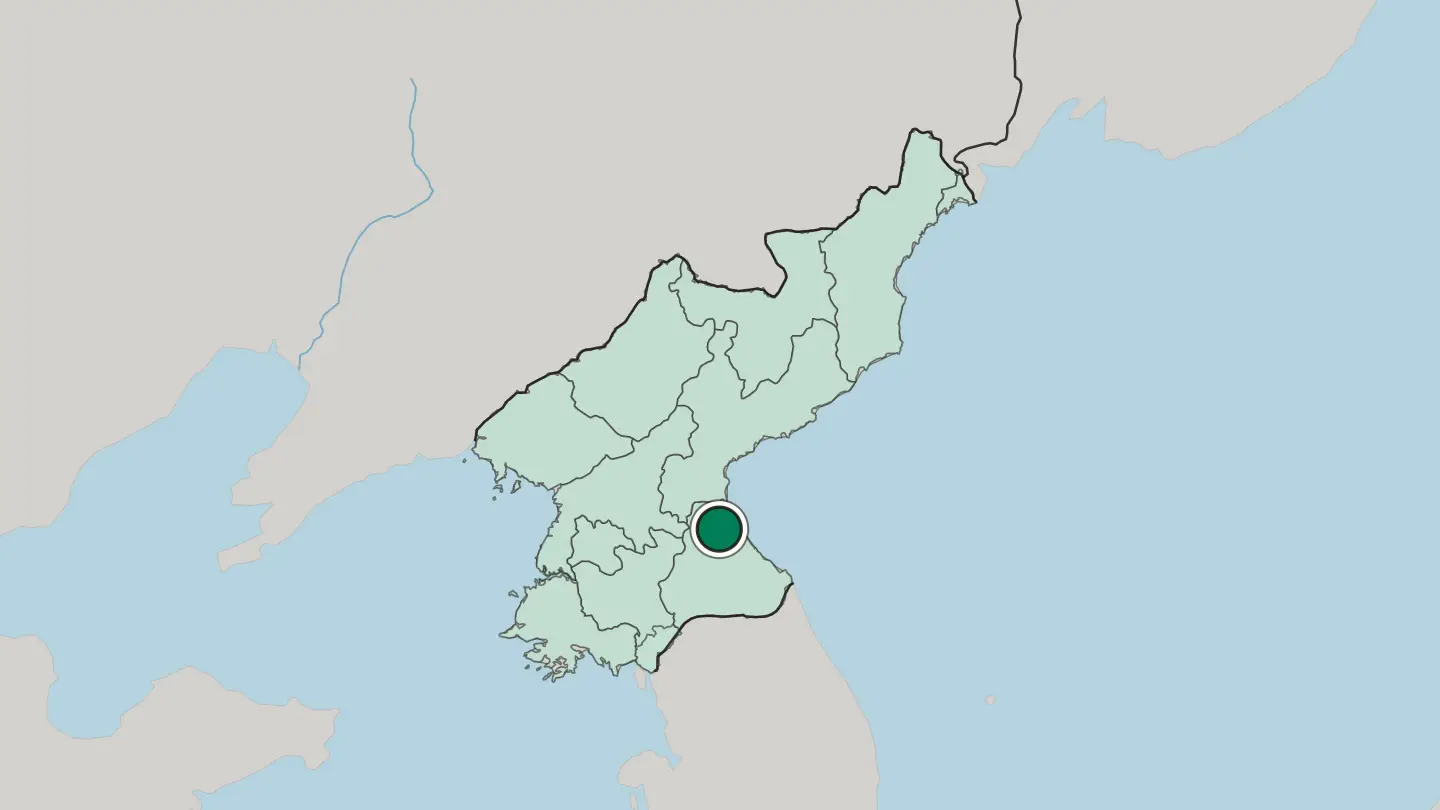
 North Korea
Chongjin
Chongjin, capital of North Hamgyong Province, is a port on the Donghae Coast that grew from a fishing village into one of North Korea's largest cities.Where to stay →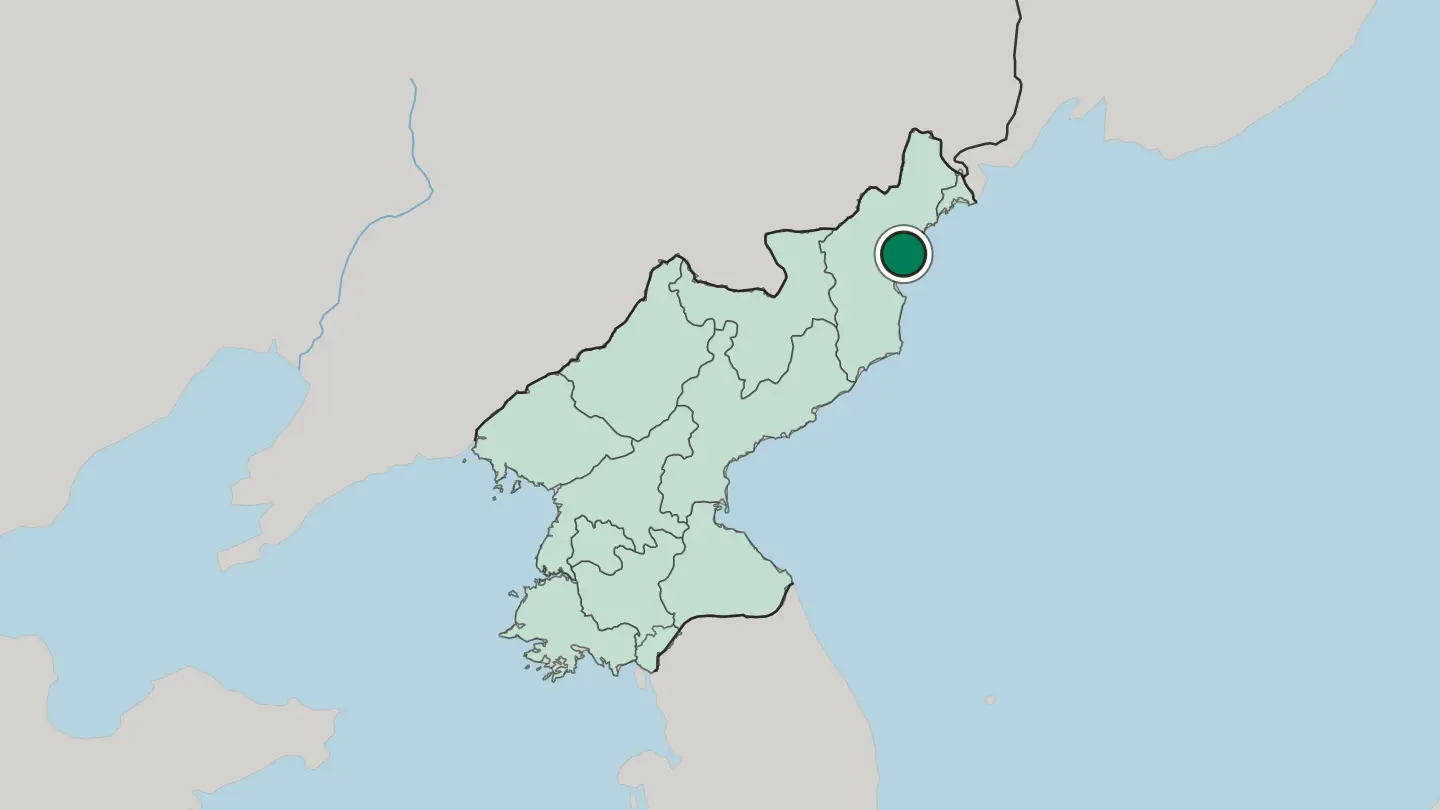
 North Korea
Hamhŭng
Hamhŭng is North Korea's second-largest city, a port and industrial centre on the Donghae Coast and the capital of South Hamgyŏng Province.Where to stay →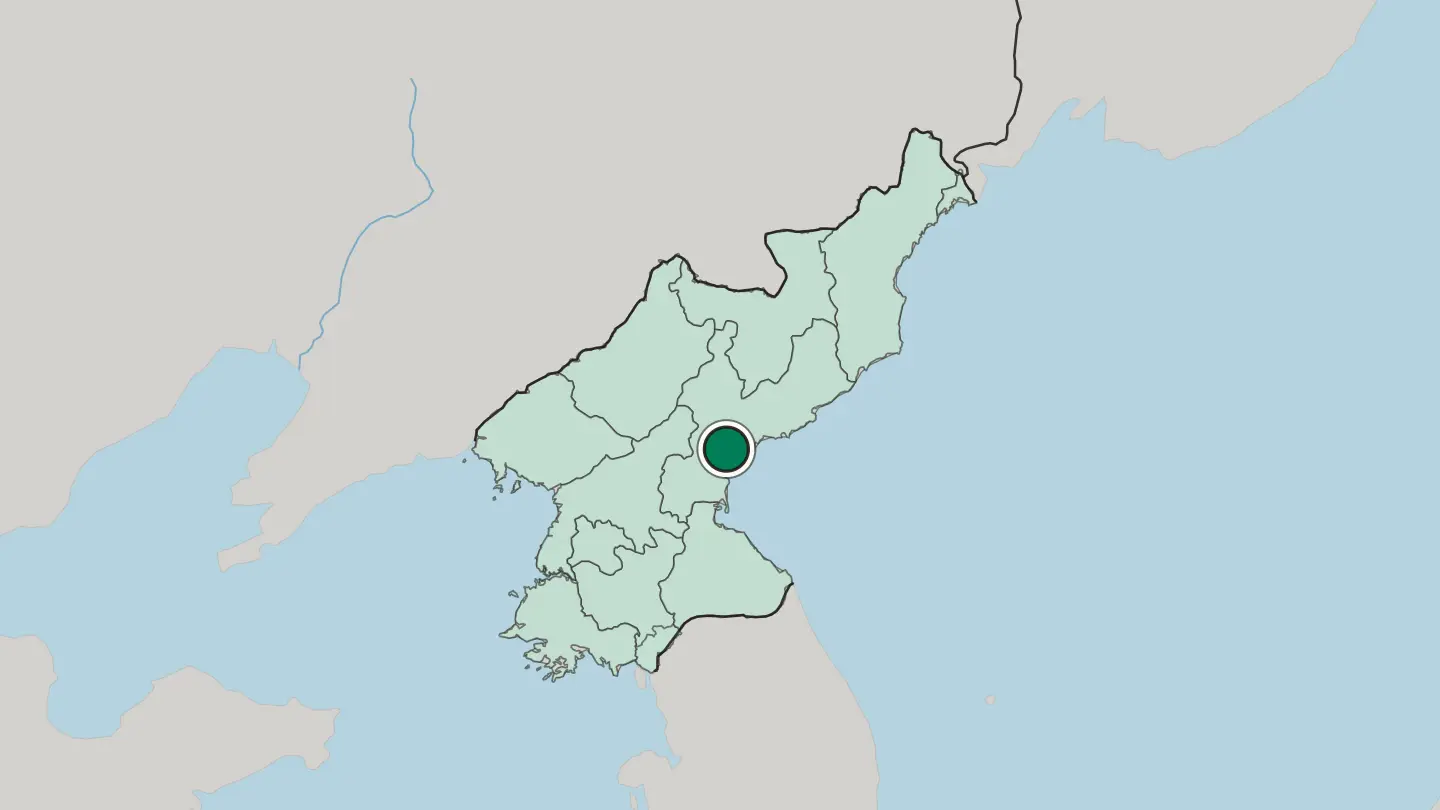
 North Korea
Sinŭiju
Sinŭiju faces Dandong across the Yalu River, the capital of North P'yŏngan province at North Korea's border with China.Where to stay →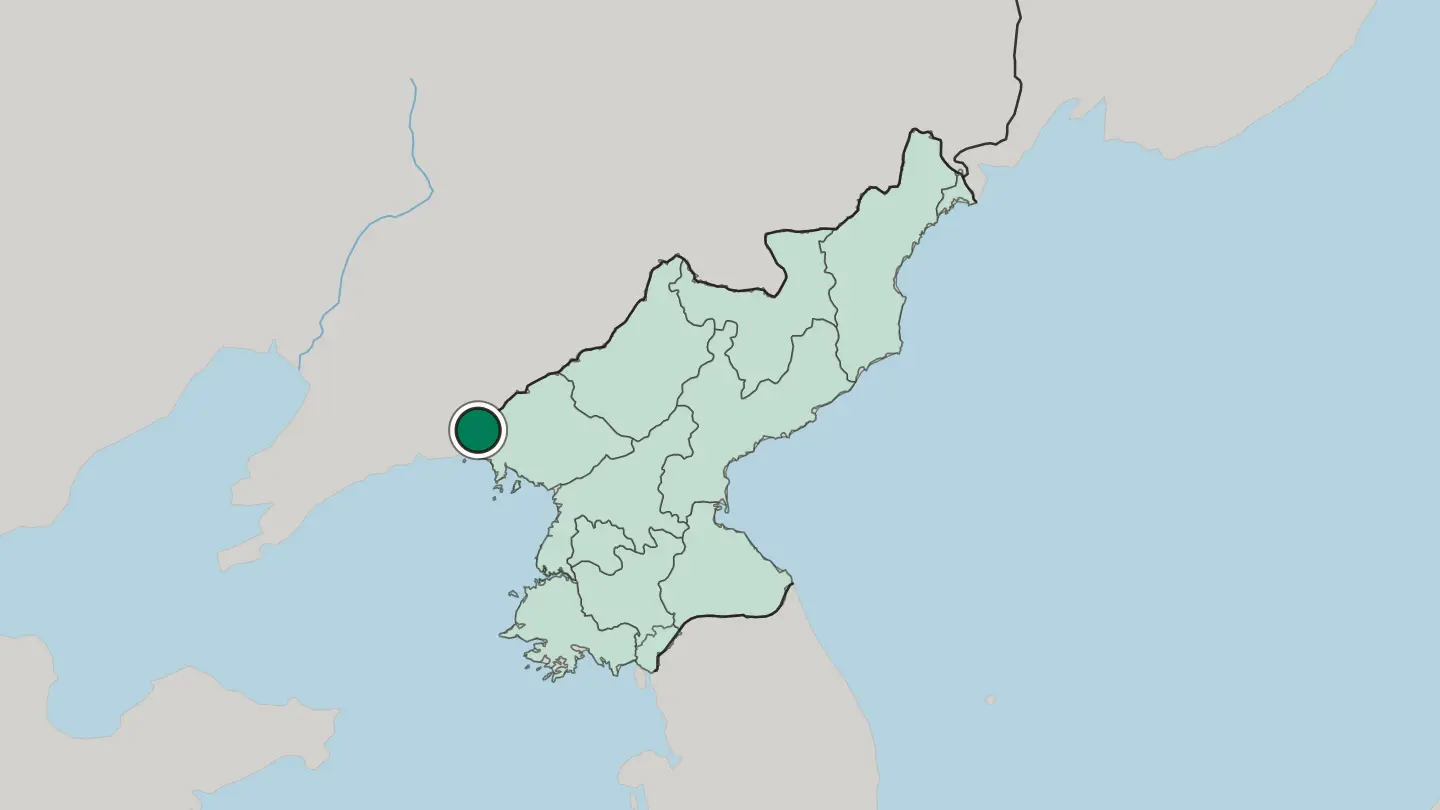
 North Korea
Namp’o
Namp'o is a seaport of North Korea on the Taedong River estuary, a Special City of quays and industry lying downstream from Pyongyang.Where to stay →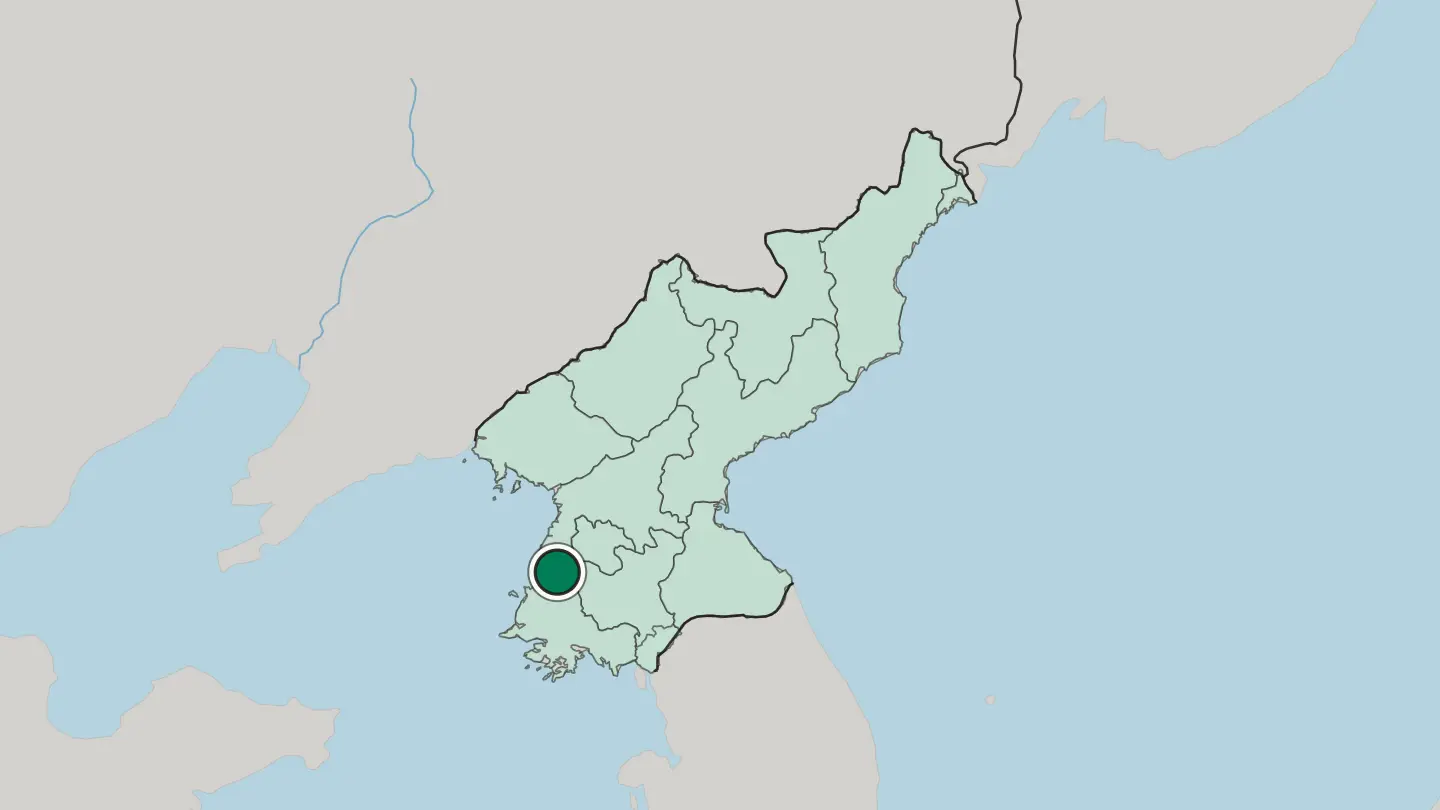
 North Korea
Hyesan
Hyesan is the seat of Ryanggang Province in North Korea, a river-transport hub whose quays and depots move goods across the province.Where to stay →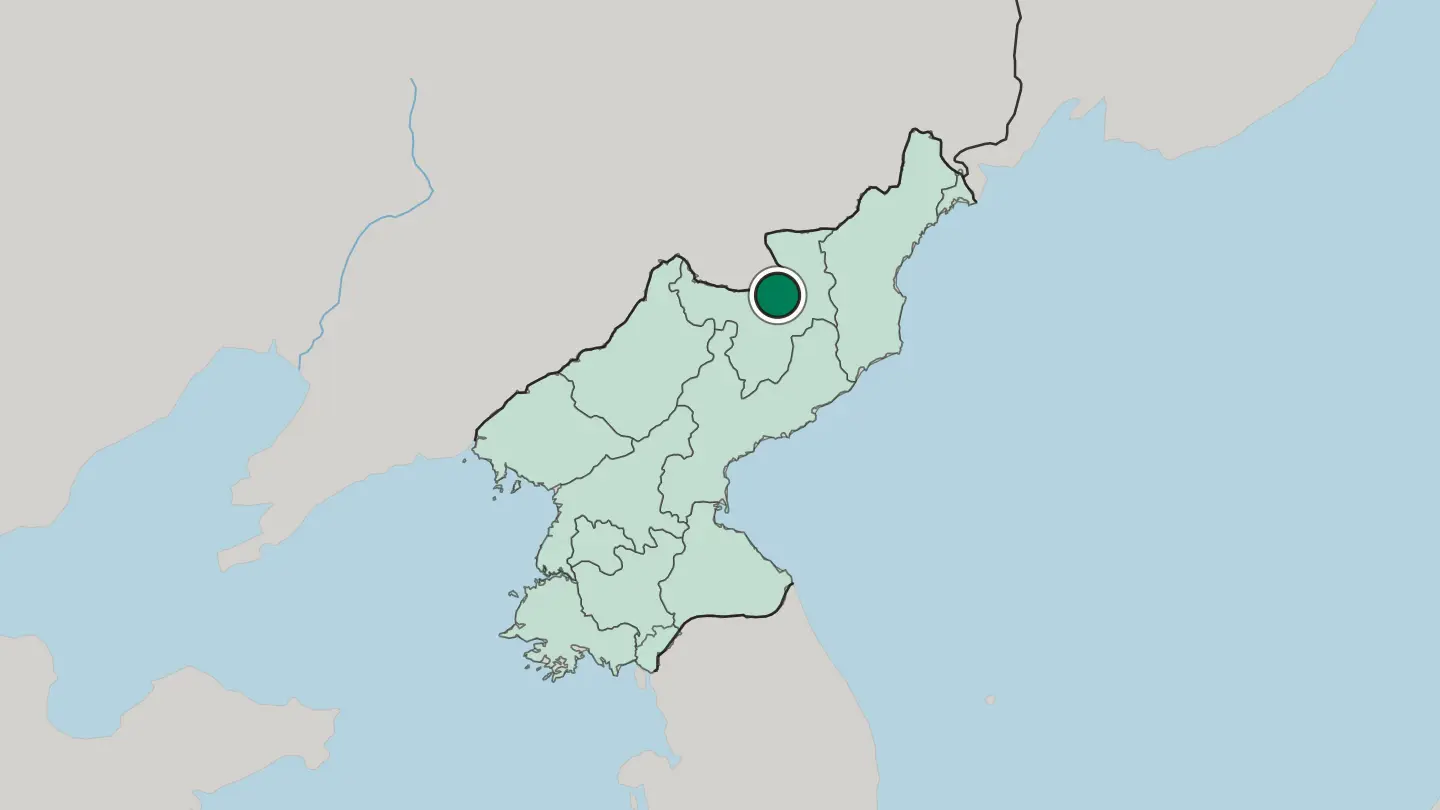
 North Korea
Man’gyŏngdae-ri
Man'gyŏngdae-ri is a neighbourhood of Mangyongdae-guyŏk in Pyongyang, tied to the childhood of Kim Il Sung and lying close to Chilgol.Where to stay →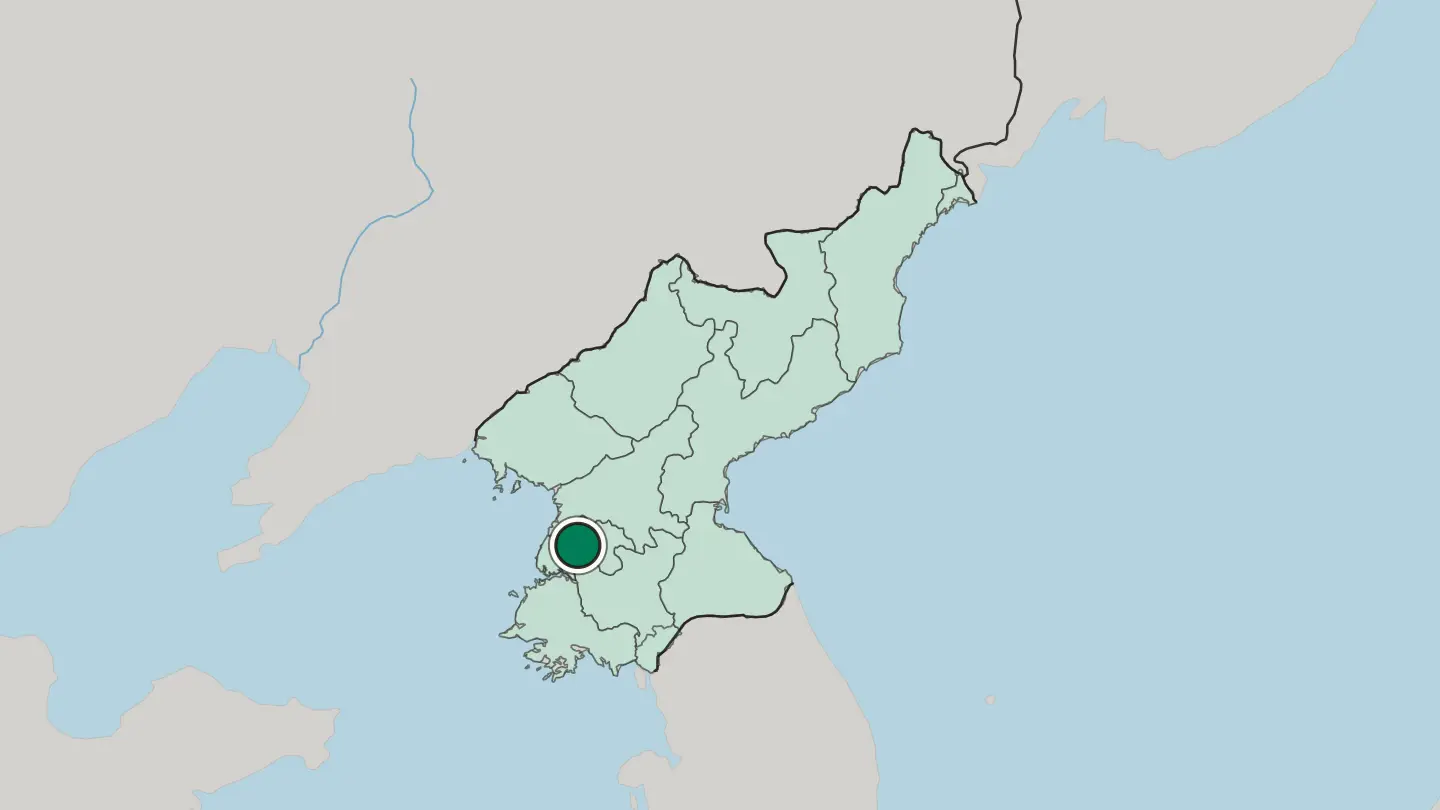
Regions of North Korea
North Korea
Chagang-do
Chagang-do is North Korea's most mountainous province, a rugged interior on the Yalu River border with China.Towns & cities →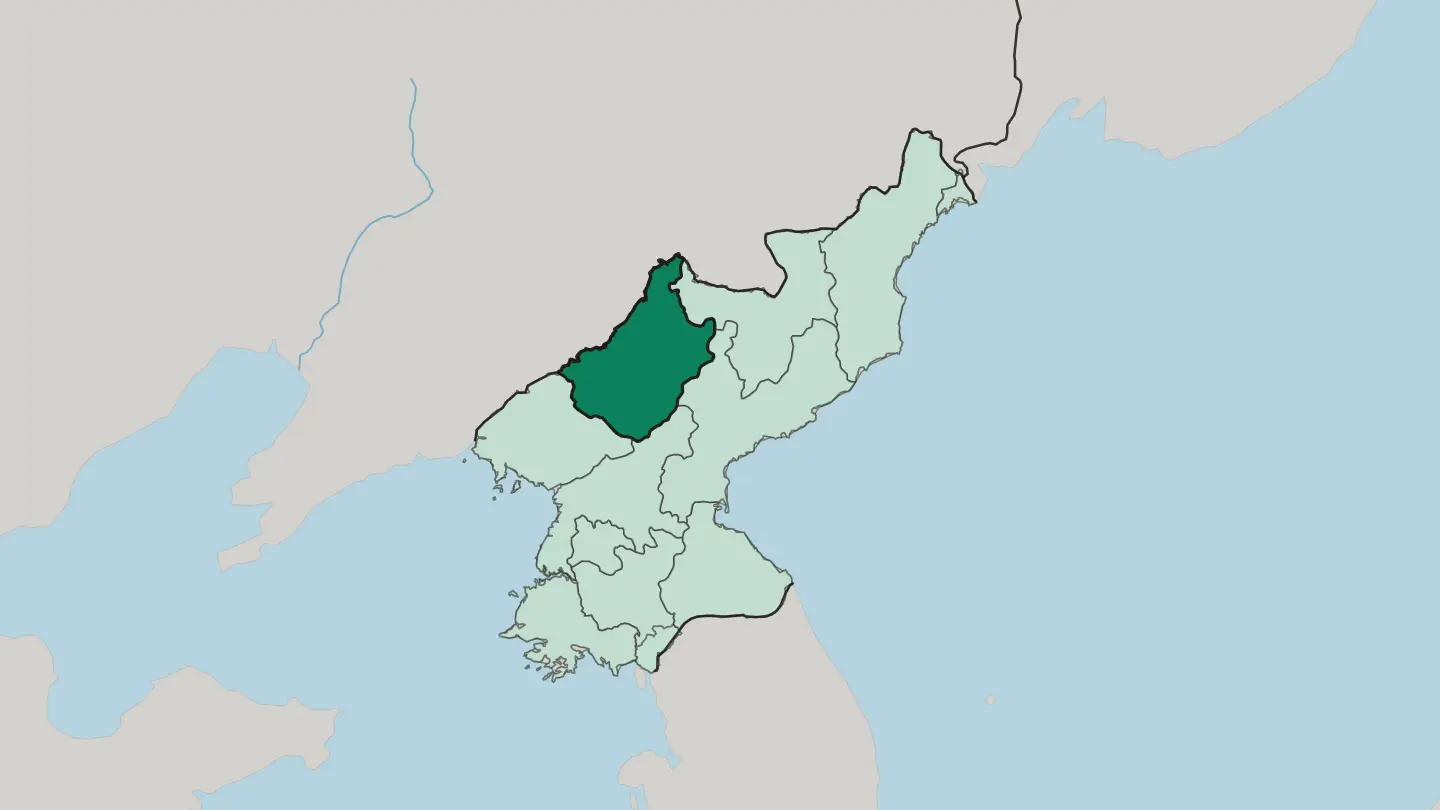 North Korea
Hwanghae-bukto
Hwanghae-bukto is North Korea's inland breadbasket, the rolling farm country and old Koryŏ heartland spread south of Pyongyang toward the Yellow Sea.Towns & cities →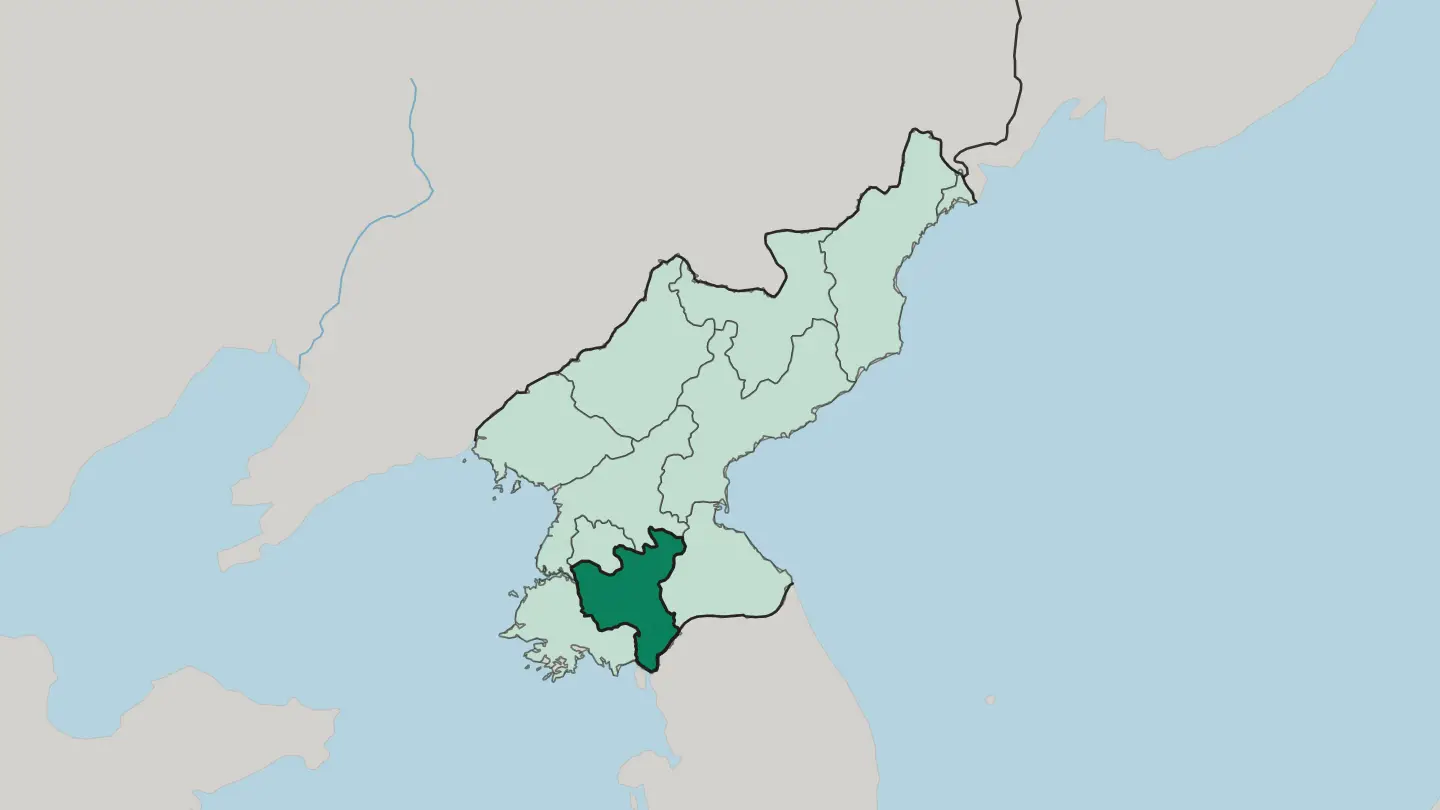
 North Korea
Hwanghae-namdo
Hwanghae-namdo is North Korea's western granary, a low farming province on the Yellow Sea with Haeju as its port capital.Towns & cities →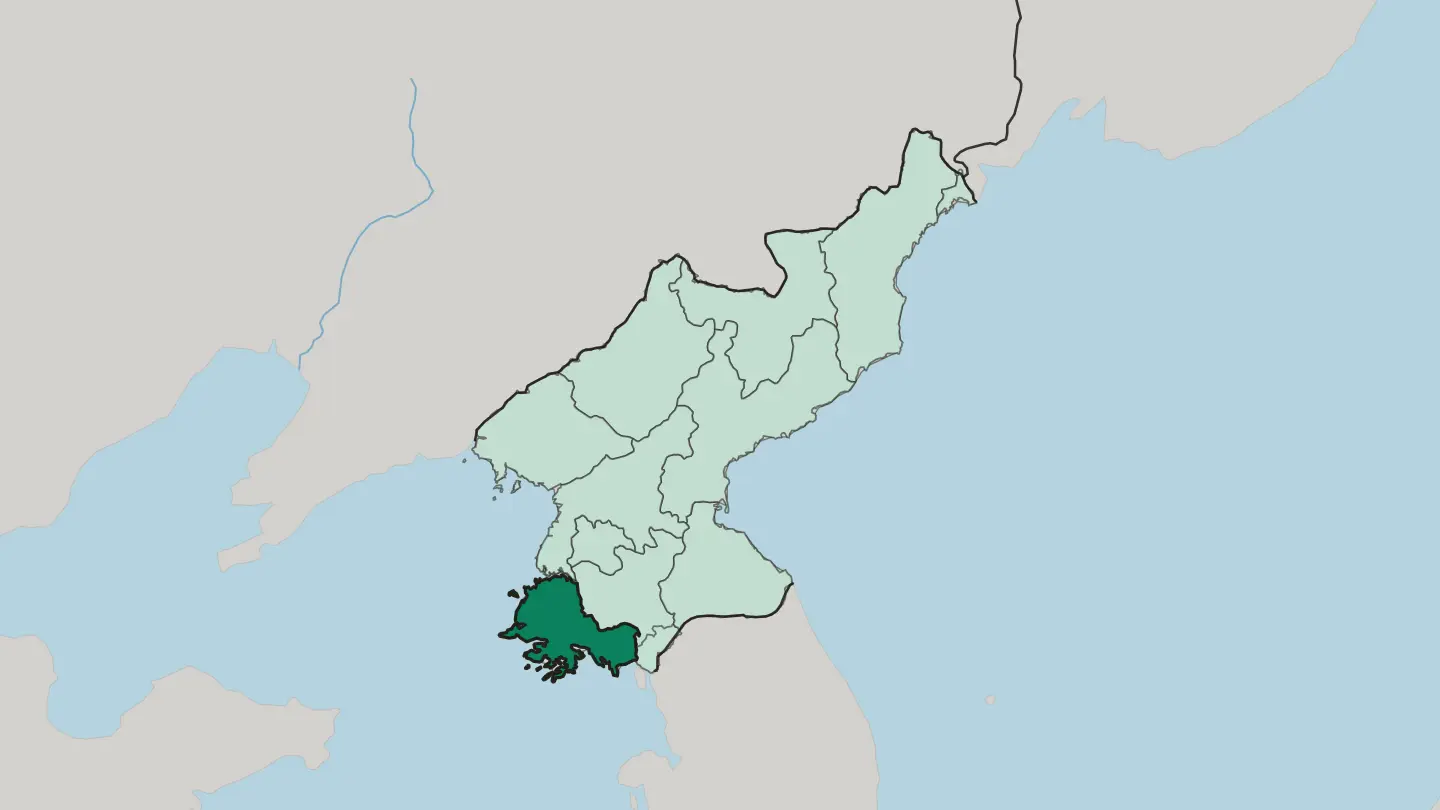 North Korea
Kaesong
Kaesong is North Korea's old southern capital, seat of the Goryeo kings, standing 8 km from the DMZ with the South.Towns & cities →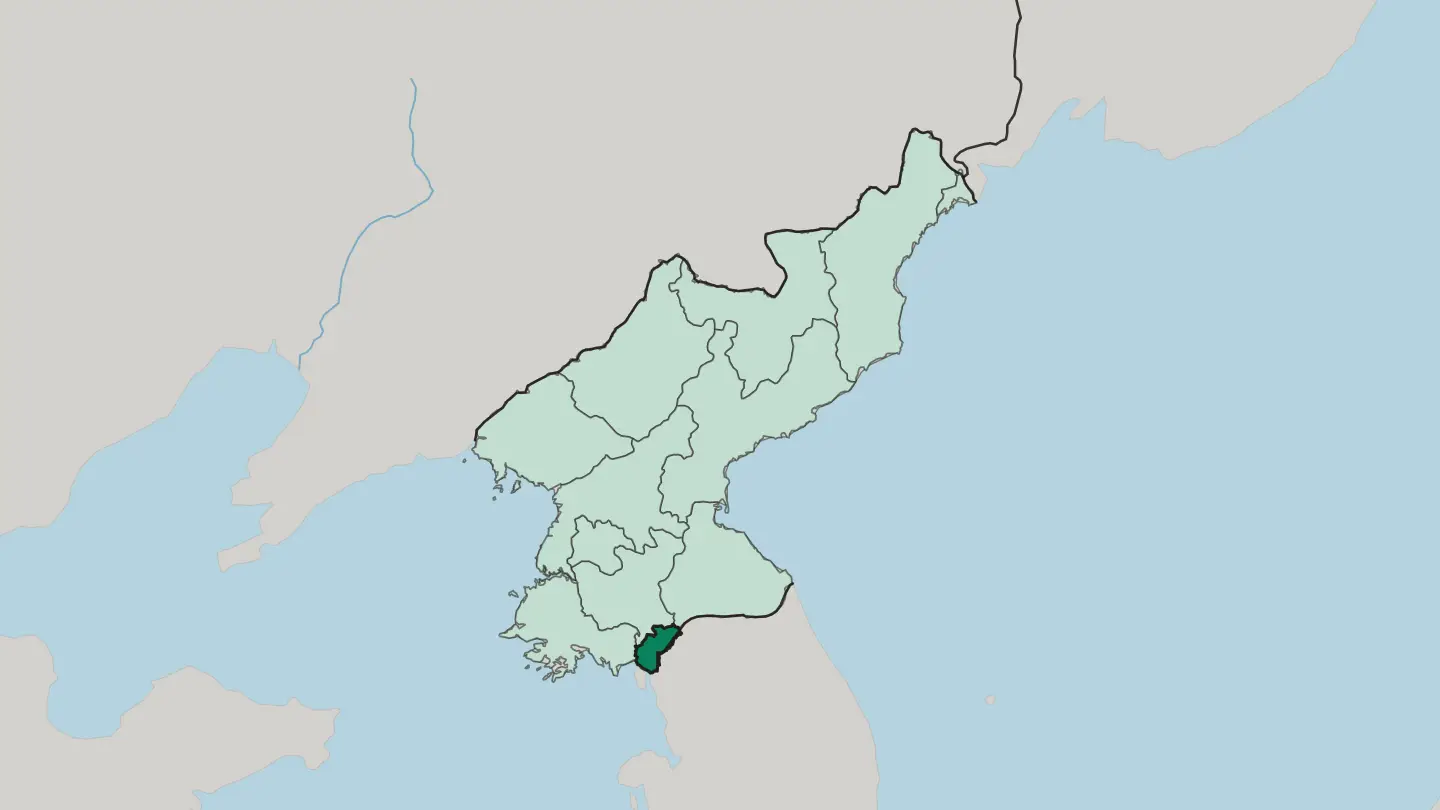 North Korea
Kangwŏn-do
Kangwŏn-do is North Korea's mountainous east-coast province: the Diamond Mountain and the port of Wŏnsan on the Sea of Japan.Towns & cities →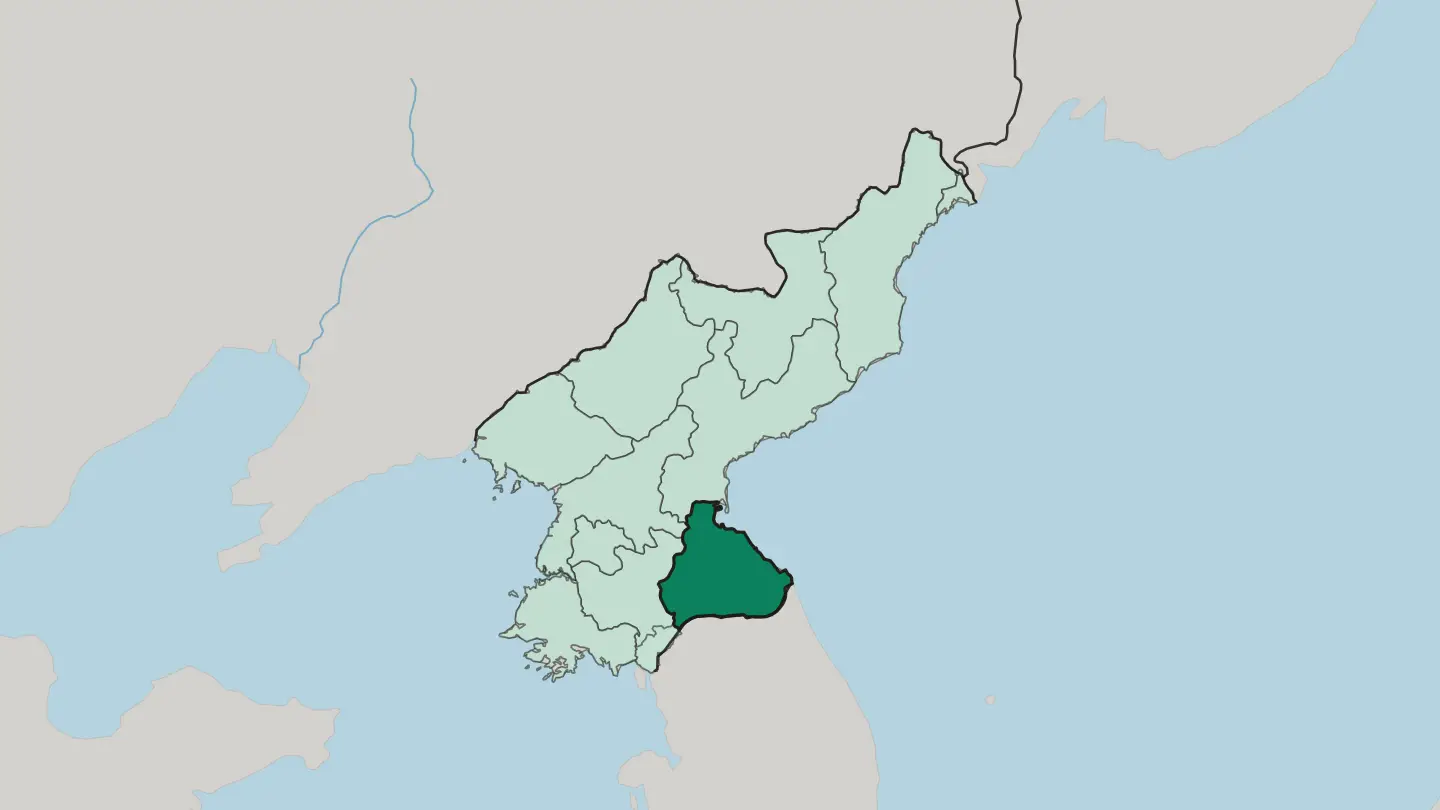 North Korea
Nampo
Nampo is North Korea's main west-coast port, sitting where the Taedong River widens into Korea Bay, southwest of Pyongyang.Towns & cities →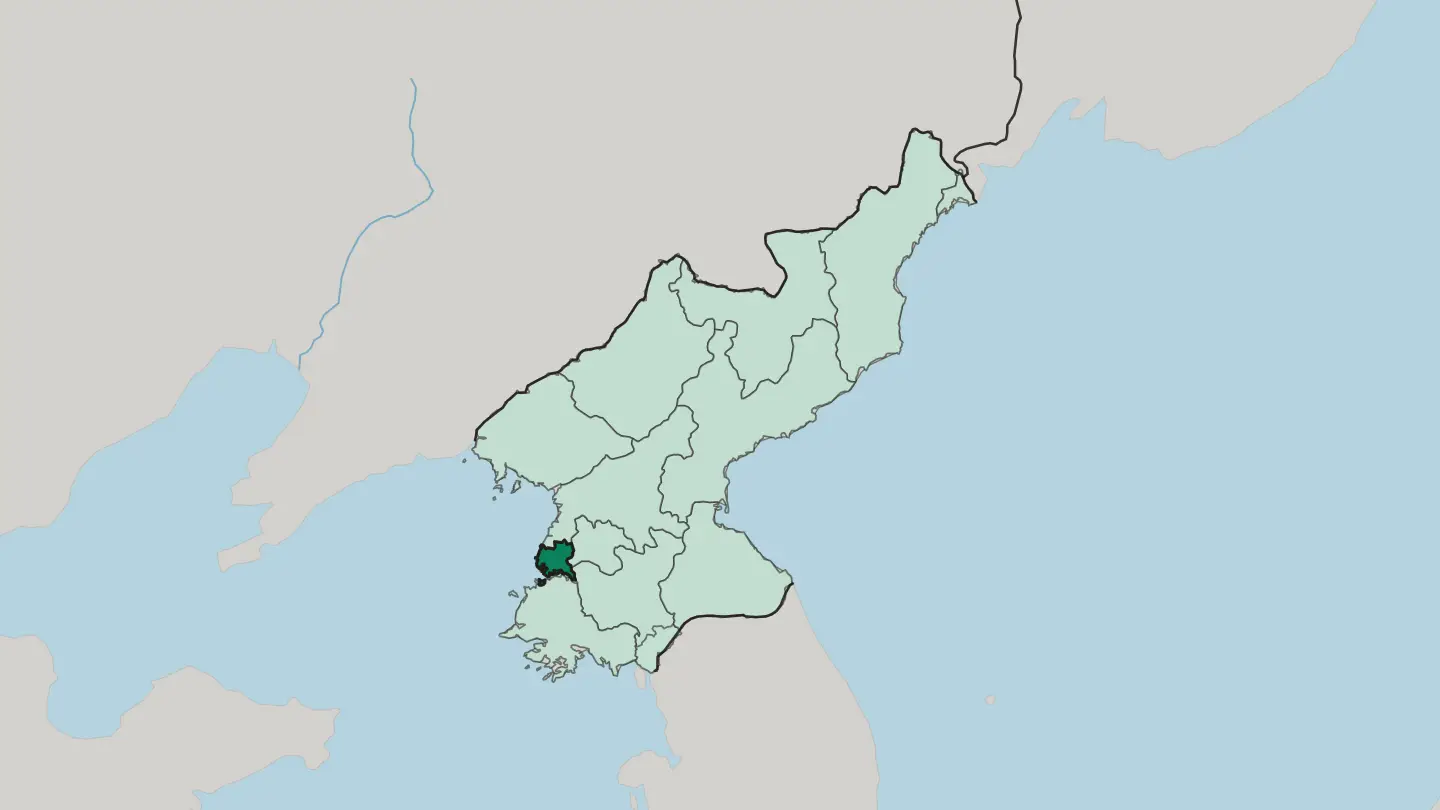 North Korea
North Hamgyong Province
North Hamgyong is North Korea's northernmost province, wedged against China and Russia where the Tumen River meets the Sea of Japan.Towns & cities →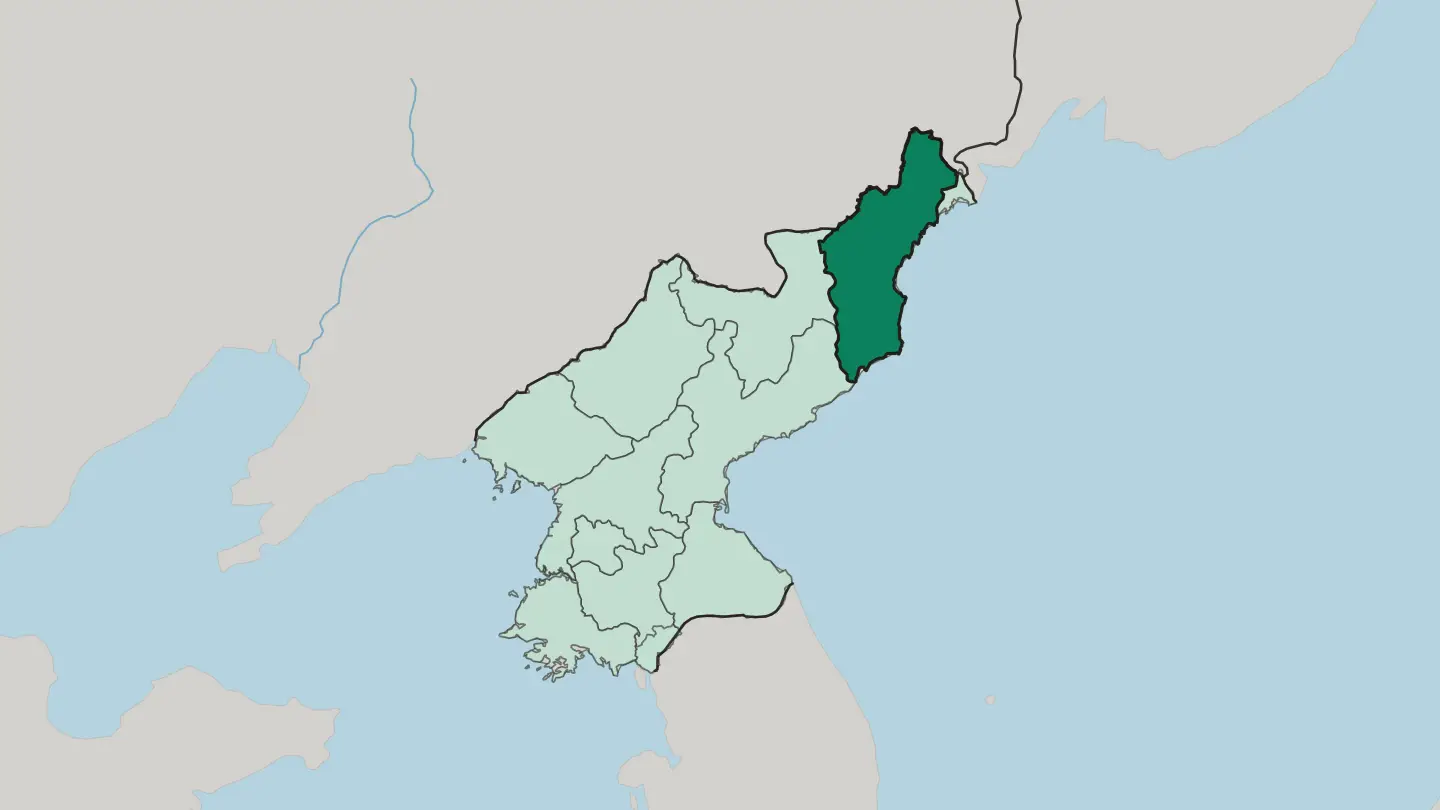 North Korea
North Pyongan
North Pyongan is North Korea's north-western province, edging the Yalu River across from China, with Sinŭiju at its border.Towns & cities →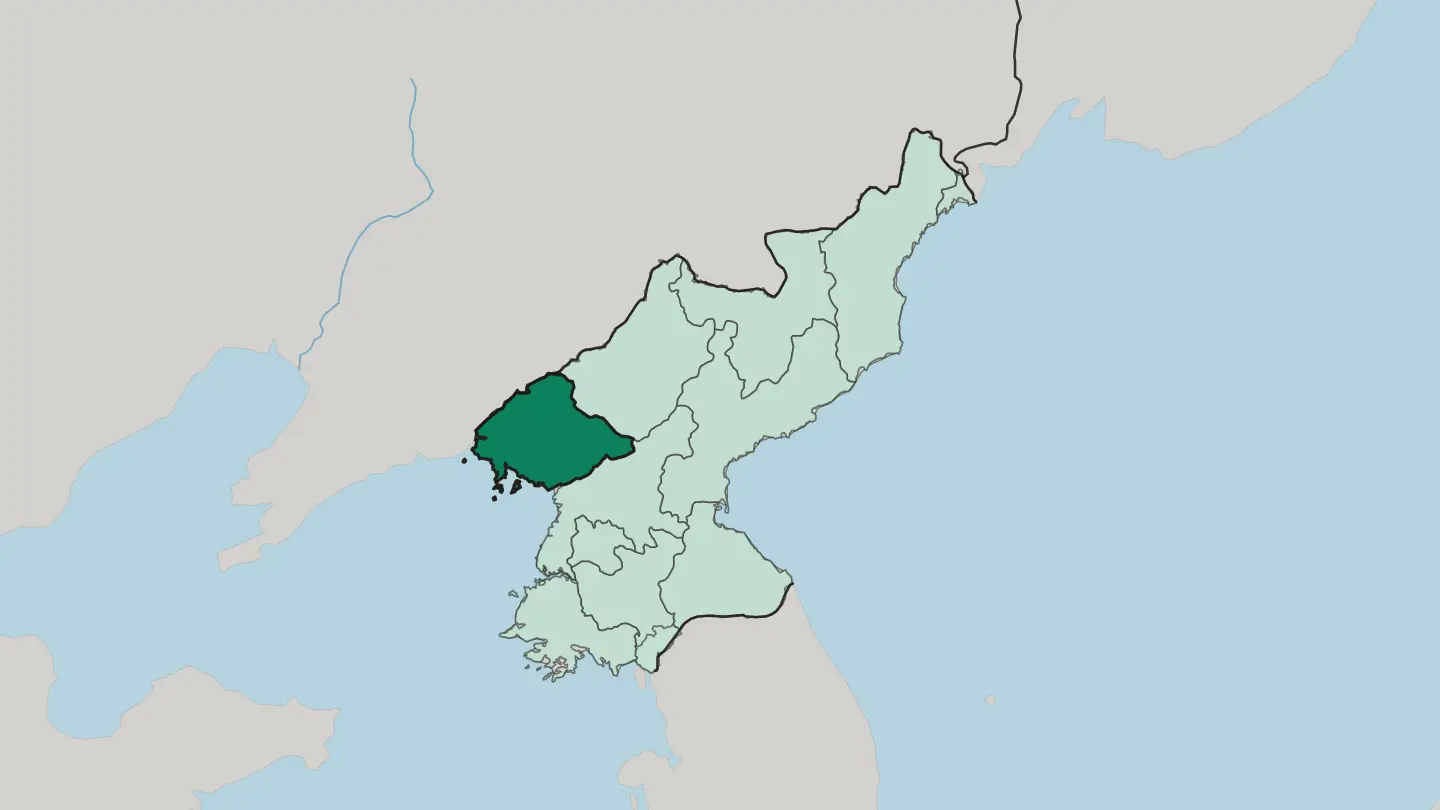 North Korea
Pyongyang
The Taedong River runs through Pyongyang, the directly administered capital city of North Korea and the country's largest city.Towns & cities →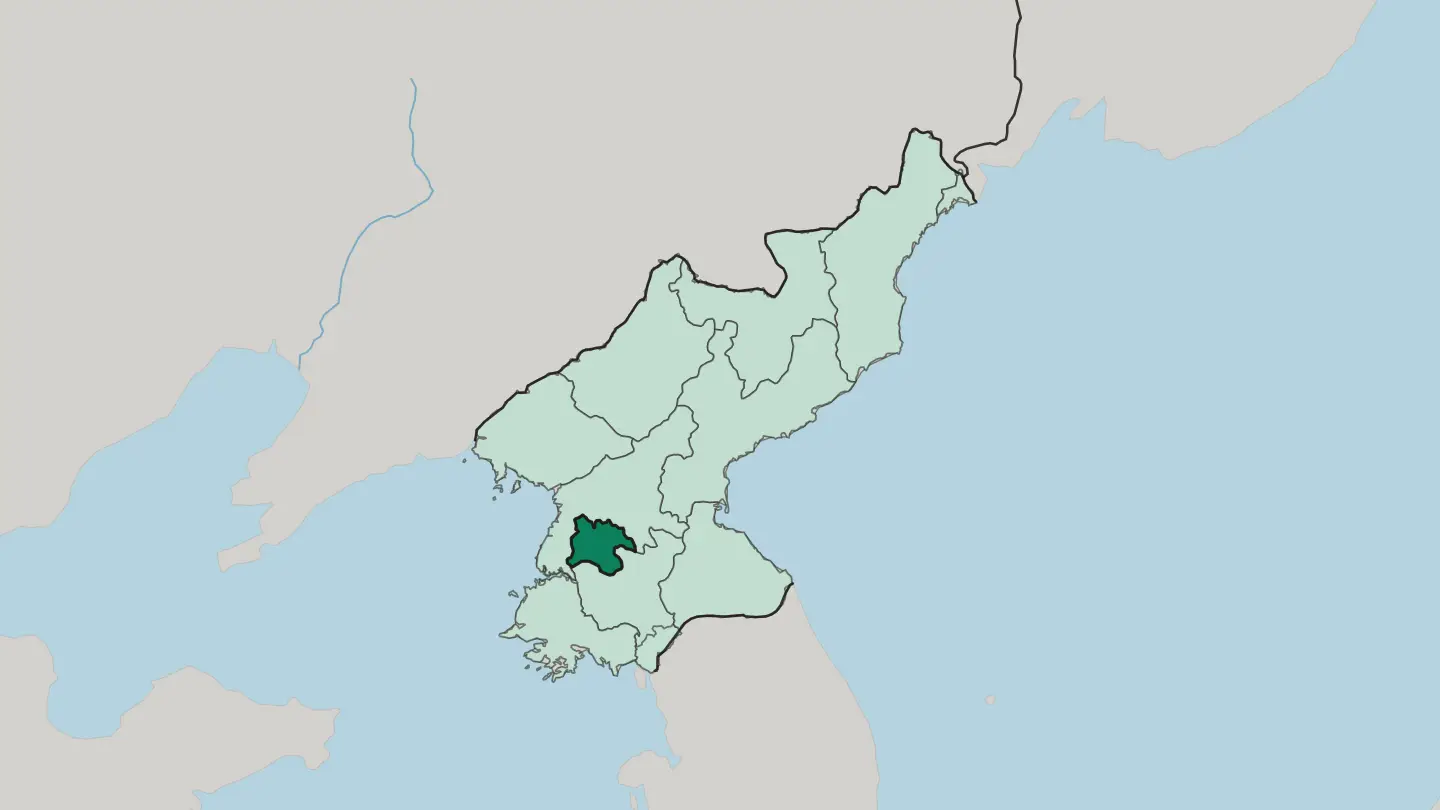 North Korea
Rason
Rason is North Korea's ice-free port city on the Sea of Japan, wedged into the corner where the country meets China and Russia.Towns & cities →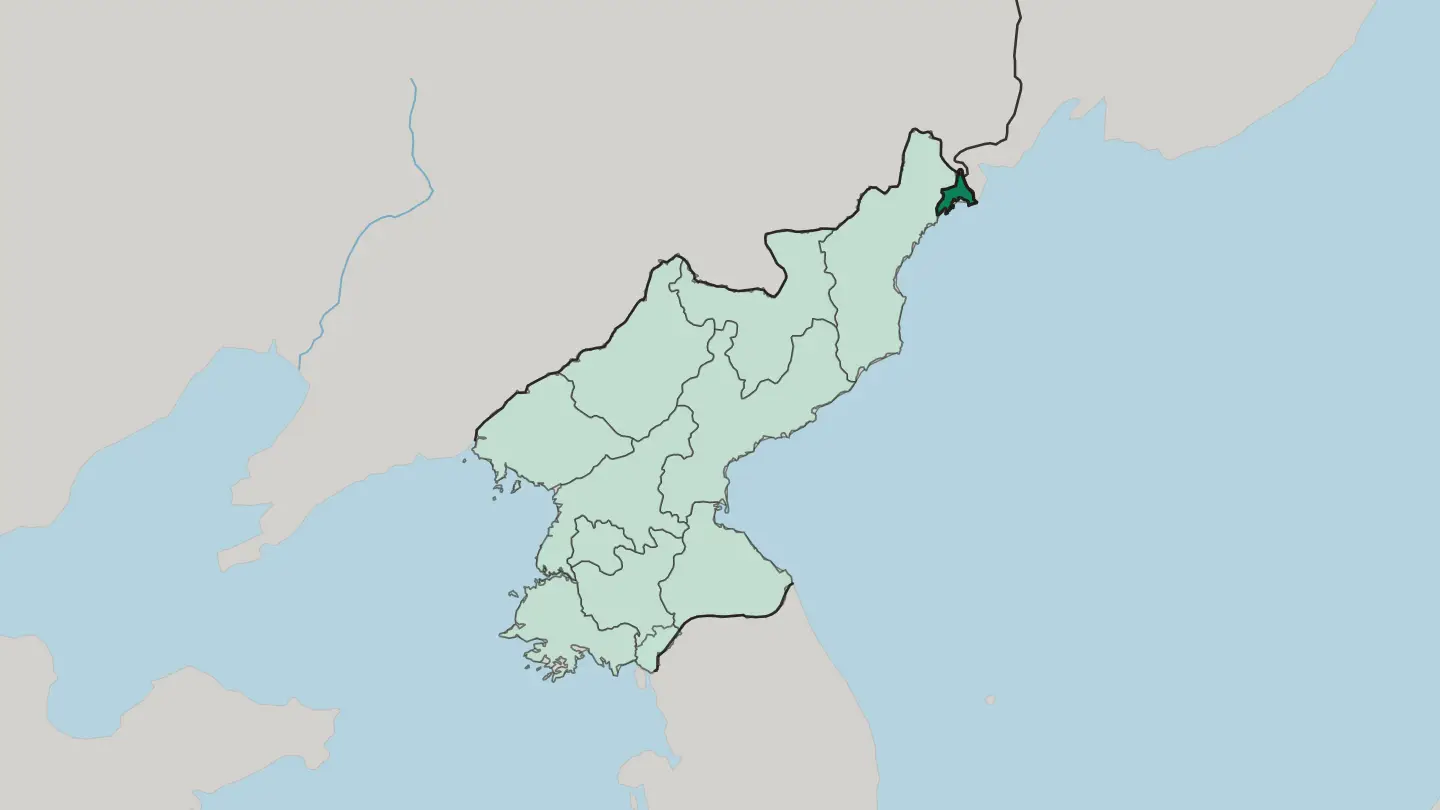 North Korea
Ryanggang
Ryanggang is North Korea's highest, coldest province, a border highland under Mount Paektu where the Yalu River divides Korea from China.Towns & cities →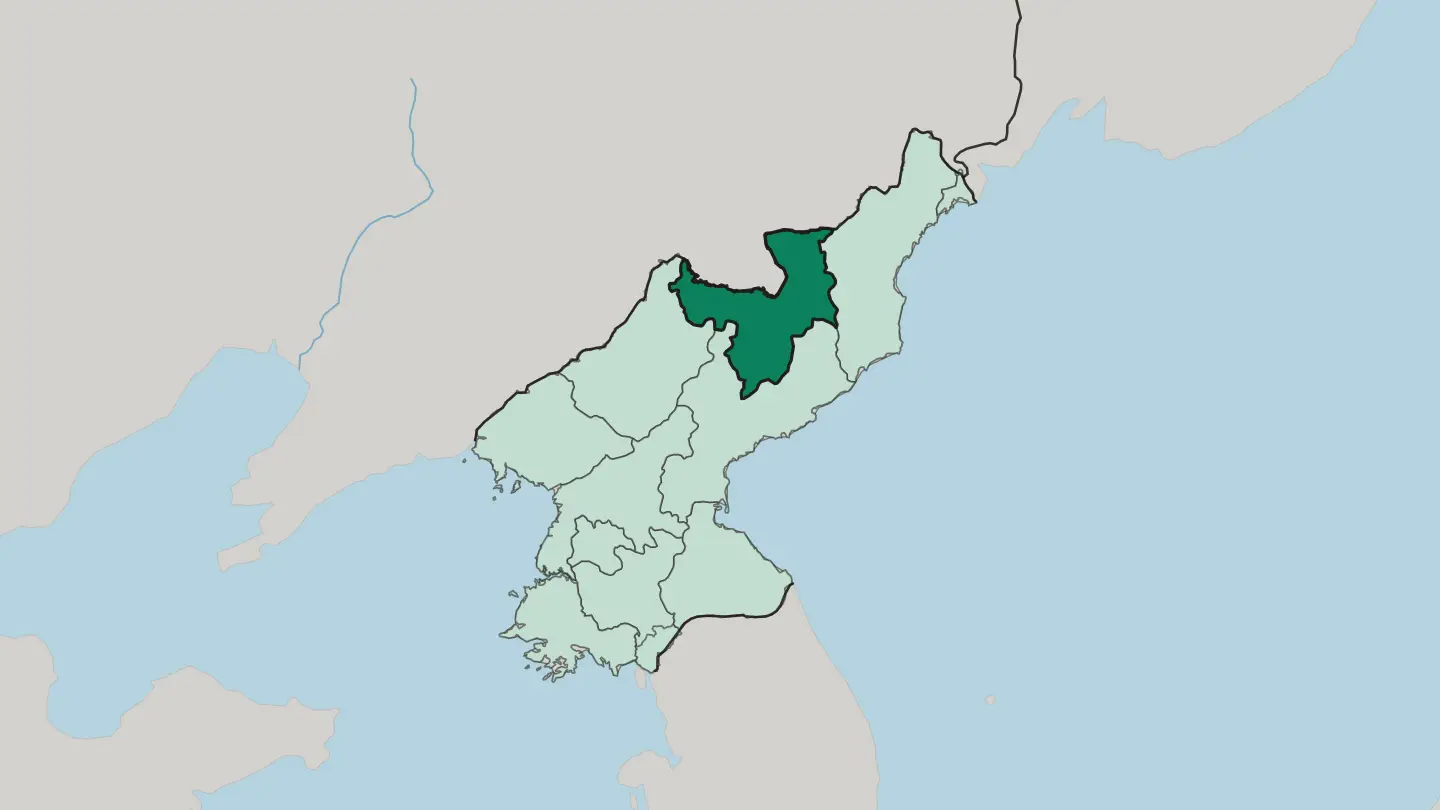 North Korea
South Hamgyong
South Hamgyong runs down North Korea's east coast, its mountains dropping to the Sea of Japan around the port capital of Hamhung.Towns & cities →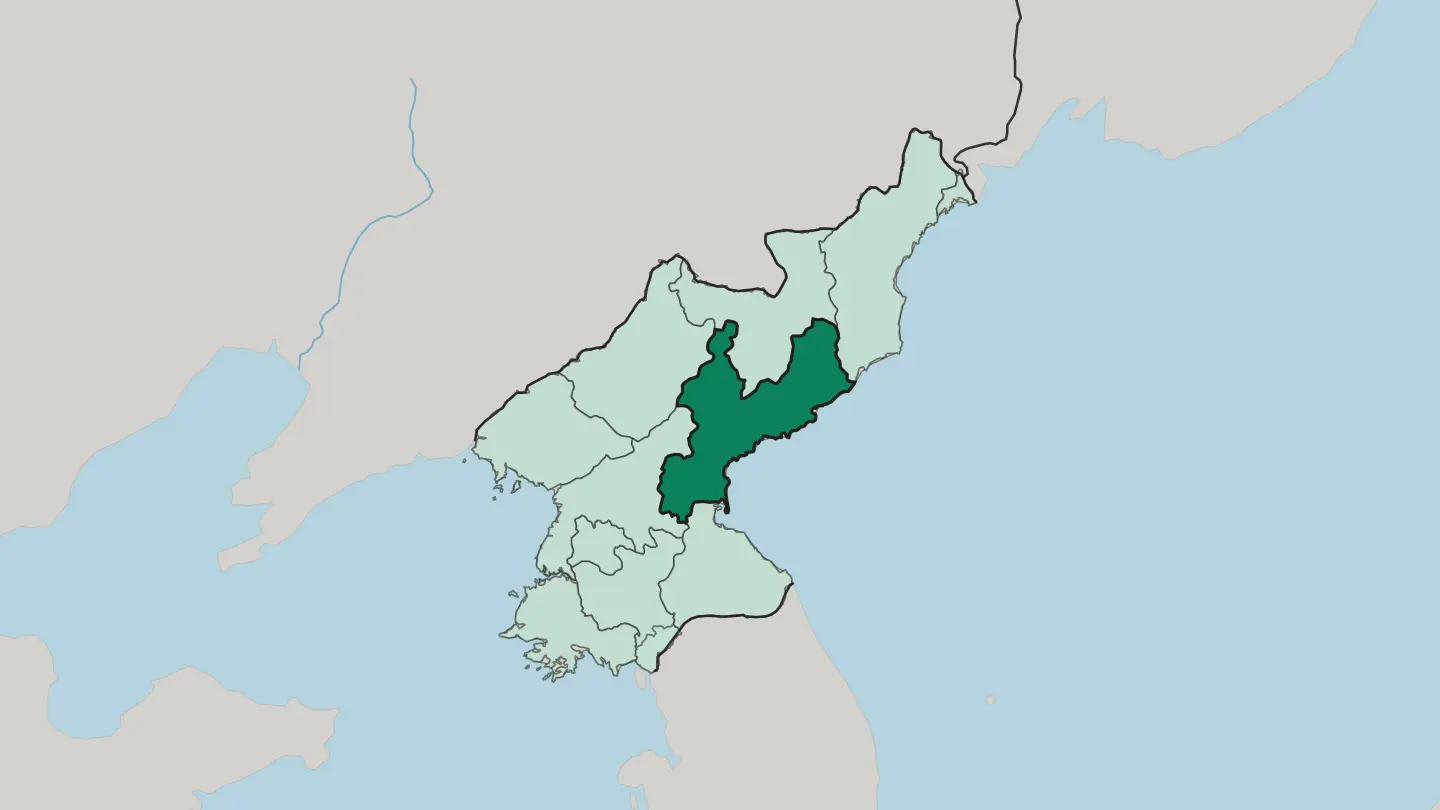 North Korea
South Pyongan
South Pyongan is North Korea's western heartland province, where the Taedong River threads past Pyongsong toward Korea Bay.Towns & cities →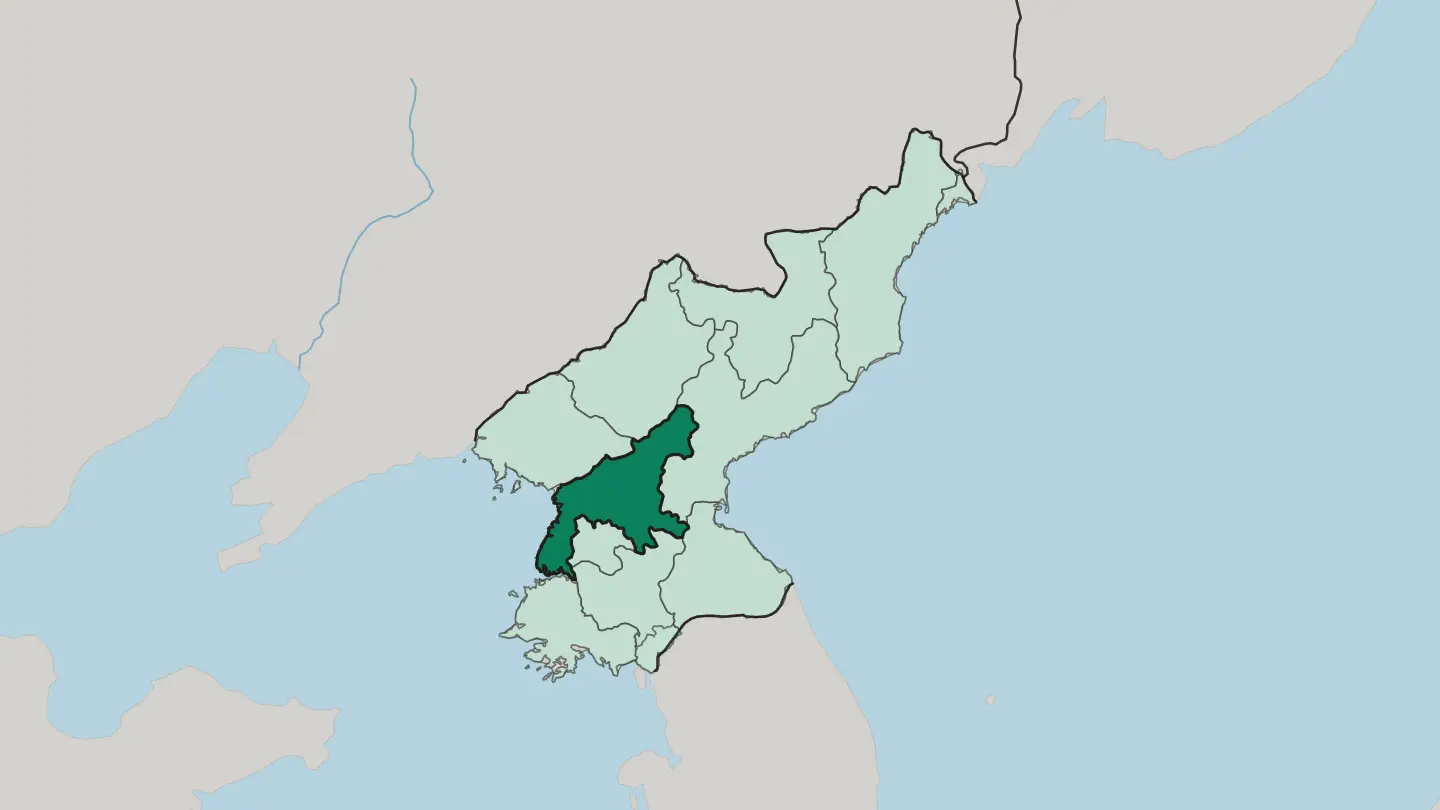
Explore by experience
Not sure which place? Start from how you want to travel.

About North Korea
What is North Korea known for?
North Korea, officially the Democratic People's Republic of Korea, forms the northern half of the Korean Peninsula in East Asia. Its borders are its frame. China and Russia lie across the Yalu and Tumen rivers to the north, South Korea across the Korean Demilitarized Zone to the south, with the Yellow Sea to the west and the Sea of Japan to the east.
Where is North Korea?
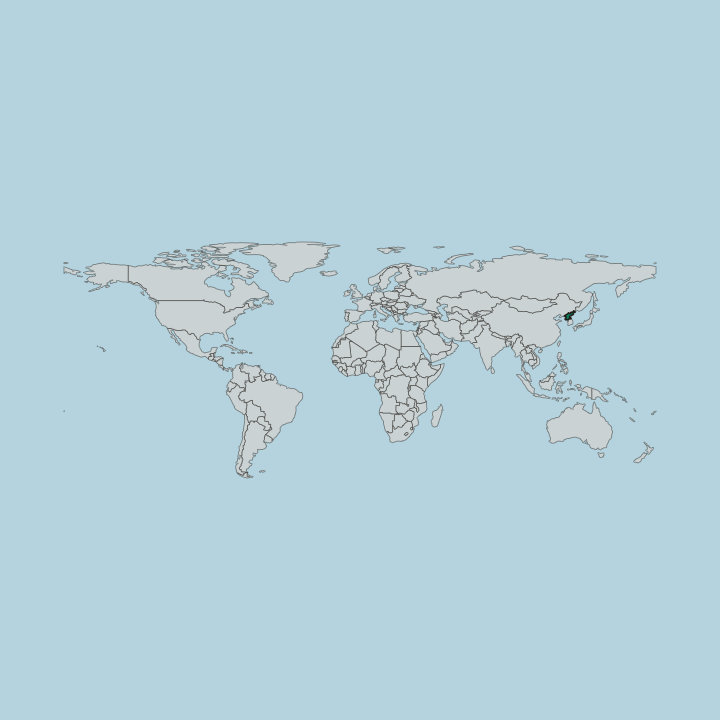
North Korea occupies the northern half of the Korean Peninsula in East Asia. Water frames three of its sides. The Yellow Sea washes the western border while the Sea of Japan defines the east, and to the north the Yalu, also called the Amnok, and the Tumen rivers trace the line toward China and Russia.
One peninsula shapes it all. To the south the country reaches the Korean Demilitarized Zone, the belt that has divided the peninsula since the 1950s. That zone marks the border with South Korea.
Between the seas the ground rises inland from the coasts, so North Korea runs from the tidal flats of the Yellow Sea across the peninsula to the deeper waters of the Sea of Japan. Pyongyang stands within this frame, the capital set on the western side of the country.
What is the history of North Korea?
North Korea was established in 1948 on the northern half of the Korean Peninsula. The date set its course. After the peninsula was split following the wider conflicts of the 1940s, the northern state took form in 1948 as the Democratic People's Republic of Korea, with Pyongyang as its capital.
The line held in the north. Division followed close behind. The Korean Demilitarized Zone came to mark the border with South Korea, and the peninsula has stood divided along that belt since the 1950s.
History drew the map here. From its founding in 1948 the country has faced south across the zone and north across the Yalu and Tumen rivers toward China and Russia, the borders that still frame North Korea.
What is North Korea like?
North Korea shares the Korean language and the long heritage of the Korean Peninsula in East Asia. Language binds the country. Korean is spoken across the north as it is across the whole peninsula, the common tongue that carries the traditions of a land settled for many centuries.
The peninsula holds a shared past. That heritage runs deep in the region. North Korea sits within the wider Korean world of East Asia, its culture rooted in the same peninsula that reaches from the Yellow Sea to the Sea of Japan.
Old customs endure here. The Korean language, the seasons of the temperate north, and the long settlement of the peninsula shape daily life, from the coasts to the river borders at the Yalu and Tumen that mark the line with China and Russia.
What is the climate of North Korea?
North Korea lies in a temperate band north of the equator, its seasons swinging between cold winters and warm summers. The north runs cold. Winters bite across the Korean Peninsula, drawn down from the mainland of East Asia, while summers turn warm and wet along the coasts of the Yellow Sea and the Sea of Japan.
How do you get to North Korea?
North Korea is reached mainly through Pyongyang, the capital and the country's main gateway on the Korean Peninsula. The borders are tightly drawn. Overland routes cross the Yalu and Tumen rivers from China and Russia in the north, while the Korean Demilitarized Zone closes the southern line with South Korea, so most arrivals come by air into Pyongyang.
Updated September 2026