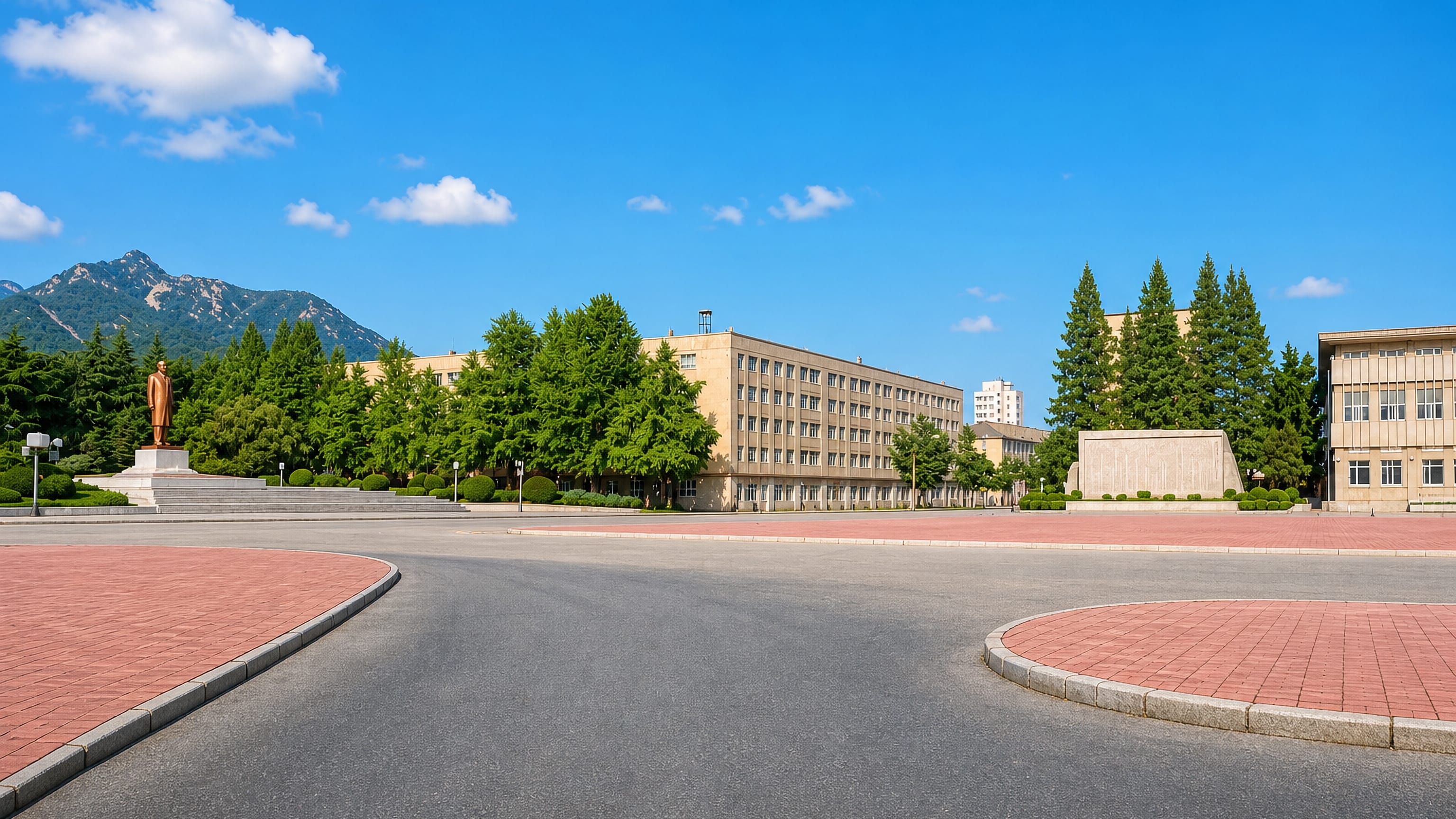
North Korea · Hwanghae-namdo
Where to Stay in Haeju, Hwanghae-namdo
Haeju is the administrative centre of South Hwanghae Province, a North Korean port city near Haeju Bay with chemical works and a cement factory.
Find your area →


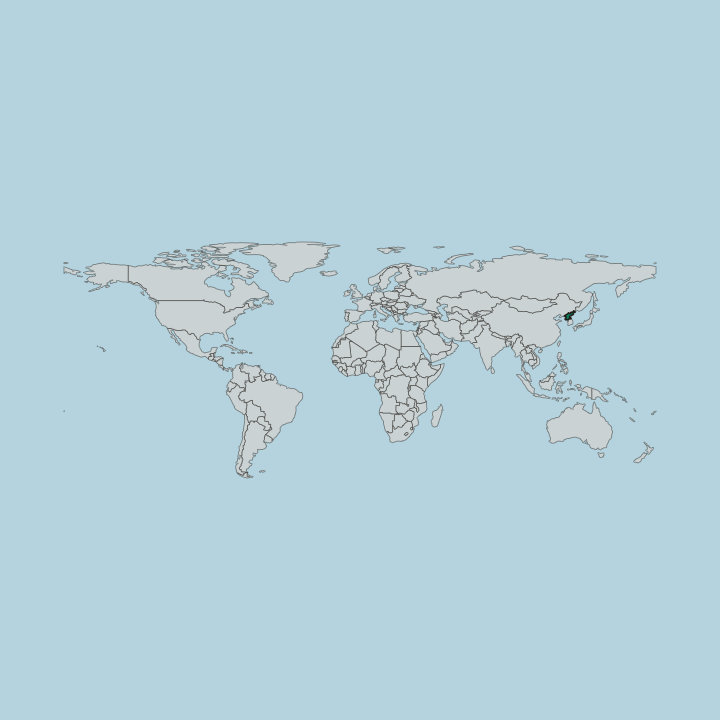
Where to stay in Haeju
Where the beds are, and what that means for the visit.
The harbour side and the provincial offices pull in different directions. Haeju works as a port and as the administrative centre of South Hwanghae Province at once, and a stay here tends to be organised around whichever of those two the visit is actually for. Rooms are scarce whichever side you choose.
Nothing in the record points to a visitor quarter, so the choice comes down to proximity to Haeju Bay or proximity to the offices that run the province. Haeju Bay anchors the first option. Ground near the water carries the harbour, the chemical-related enterprises and the cement factory, so it suits anyone whose reason for coming is the working port rather than the province, and it puts the bay in view from the start of the day.
The provincial core is the second. Administrative Haeju sits back from the quays, and if you are here on South Hwanghae business that is the practical side of the city to be on. Hwanghae spreads inland from both.
Haeju is the point from which the rest of Hwanghae-namdo is reached, so a base in the city works for days that run outward into the province and come back by evening. Korean is spoken throughout.
About Haeju
Port and province come together at Haeju.
What is Haeju known for?
The city serves as the administrative centre of South Hwanghae Province, and it took on a strategic role in Sino-Korean trade at the beginning of the 20th century, which set the pattern for much of what followed. Industry stayed. Chemical-related enterprises and a cement factory work here, an industrial base that the harbour position near Haeju Bay did much to make possible.
What are the main landmarks in Haeju?
Haeju Bay is the fixed point. No monument list attaches to the city in the record, so what orients a visit is the water itself, the harbour that grew out of Sino-Korean trade, and the industrial plant that arrived with it. The cement factory is visible work.
Chemical-related enterprises occupy the rest of that ground, and between them they describe a place whose landmarks are functional rather than ceremonial.
What is the history of Haeju?
Trade made Haeju what it is. At the beginning of the 20th century the city became a strategic port in Sino-Korean trade, and that role, a harbour near Haeju Bay handling traffic between Korea and China, is the single fact around which its record turns. Before that, less is documented.
The sources carried here begin with the port, which leaves the earlier centuries of Hwanghae outside what can be stated with any confidence. Administration came to sit here as well. South Hwanghae Province is run from Haeju, and the provincial function has held alongside the port rather than replacing it, so the city carries two roles that do not depend on one another.
Hwanghae-namdo is the Korean form. Haeju City is the city's own official name, and both turn up in records describing the same place on the same bay. Industry arrived with the port and stayed.
Chemical-related enterprises and a cement factory make up the productive side of Haeju, and their presence is the clearest continuity between the strategic harbour of the early 20th century and the working city that grew around it.
Where is Haeju?
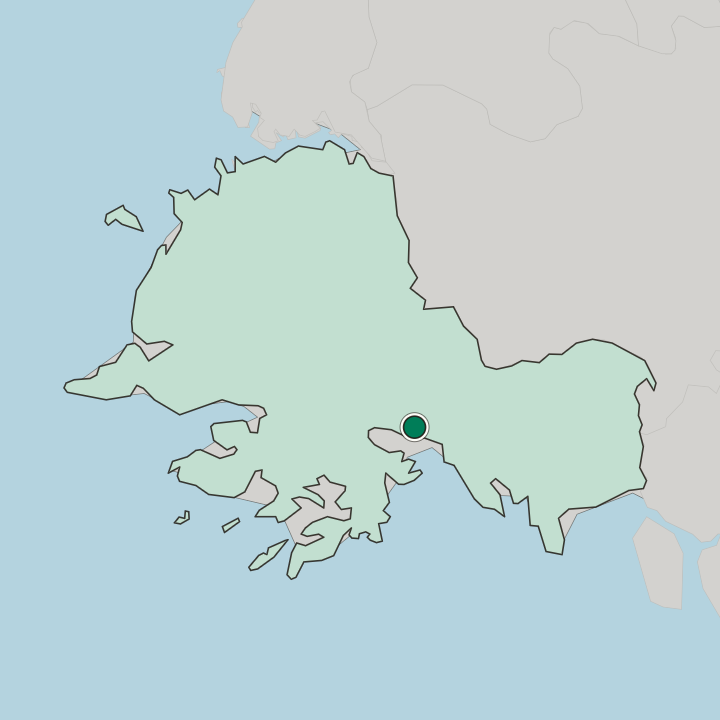
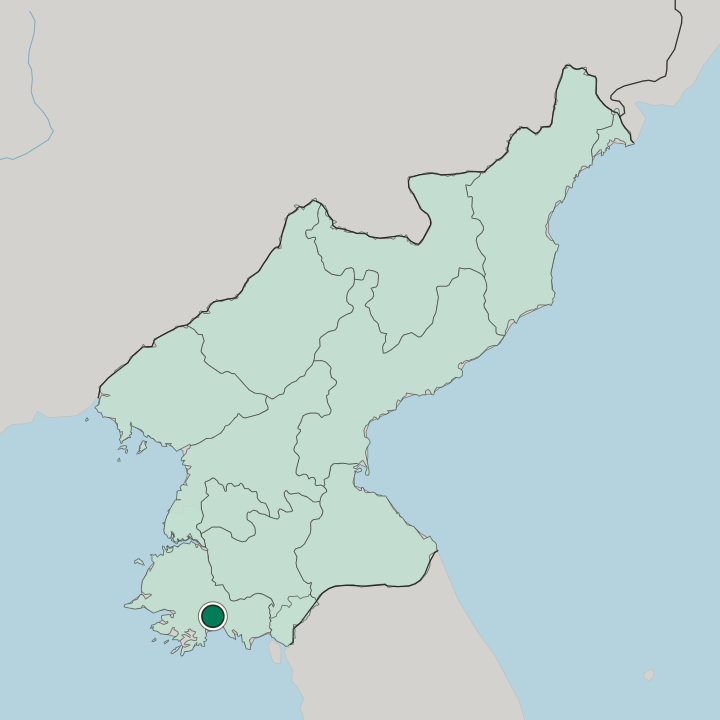
Haeju stands near Haeju Bay. The city covers rather more than two hundred square kilometres of South Hwanghae Province, with the bay providing the harbour its trading role required and the province supplying the ground behind it. Coast decides the layout.
Hwanghae is the older regional name, and Haeju's place within it puts the city at the coastal edge of the province rather than in its interior.
What is the climate of Haeju?
Haeju Bay moderates the year. Coastal water beside a temperate city takes the sharp edges off both halves of the season, so cold does not settle as hard here as it does on ground lying well back from the sea. Summer air comes off the water.
That keeps the warm months damp rather than dry, and the harbour, the chemical-related enterprises and the cement factory carry on through both extremes because none of them waits on the weather.
How do you get to Haeju?
The port is the historical way in. Haeju became a strategic harbour in Sino-Korean trade at the start of the 20th century, and approach by water is what shaped the city rather than any overland route. Land routes run through the province.
South Hwanghae Province is administered from Haeju, so provincial connections converge on the city, and movement within Hwanghae-namdo passes through it sooner or later.
Updated September 2026