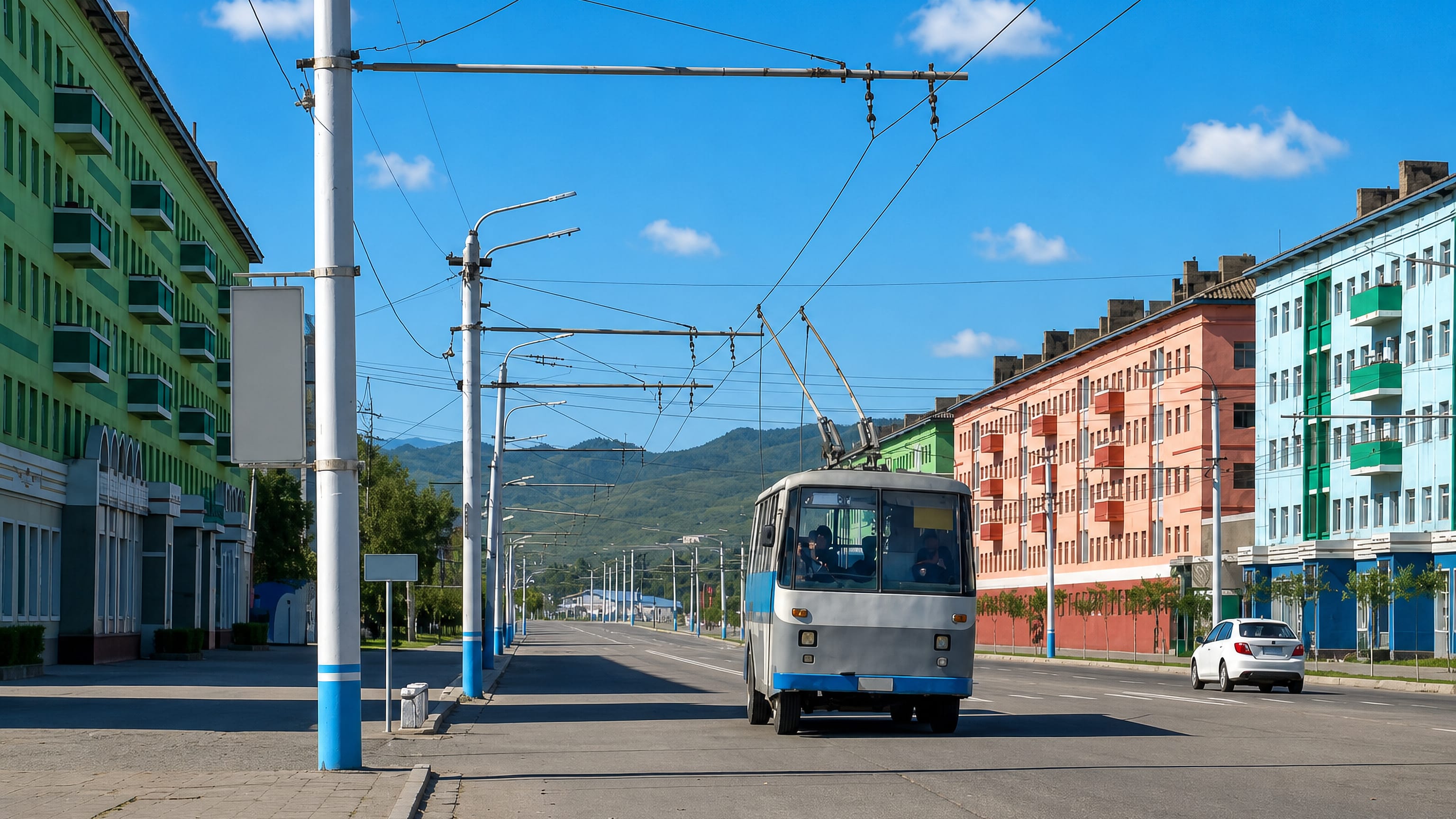
North Korea · North Hamgyong Province
Where to Stay in Chongjin, North Hamgyong Province
Chongjin, capital of North Hamgyong Province, is a port on the Donghae Coast that grew from a fishing village into one of North Korea's largest cities.
Find your area →


Where to stay in Chongjin
The practical side of choosing where to sleep.
Two quarters divide the choice. The waterfront of the Donghae Coast is the reason most arrivals come at all, and rooms on that side put the cranes, the quays and the sea air of a port city within sight of the window. Industry sets the soundtrack there.
Anyone whose errand is cargo, fish or the harbour itself gains nothing by sleeping further inland, since the working day on the water begins long before the offices open. Inland, Chongjin is a provincial capital first. The blocks that hold the administration of North Hamgyong Province make the practical base for meetings, permits and anything that ends at a desk rather than at a berth, and they sit back from the wind that comes off the coast.
Beds are few and plainly kept. Neither side is far from the other in a city of some 269 square kilometres, so the difference is one of atmosphere and errand rather than of travel time, and a night in either will still be a night in an industrial port on the Donghae Coast. Choose by what brought the trip.
A harbour visit argues for the water; provincial business argues for the streets behind it, where North Hamgyong keeps its offices.
About Chongjin
What is Chongjin known for?
The harbour explains Chongjin, whose position on the Donghae Coast turned a fishing village into an industrial city and then into the capital of North Hamgyong Province. Industry and shipping still frame it. Among the largest cities of North Korea, it keeps a working waterfront rather than a holiday one, and the streets behind the quays carry the administration of the whole province.
Korean is the language of every notice.
What are the main landmarks in Chongjin?
No single monument carries Chongjin. The record lists no signature landmark for the city, so what stands out is structural: the port works along the Donghae Coast, the industrial frontage that followed them, and the provincial buildings of North Hamgyong Province. That is an unusual profile for a city of this size.
The harbour does the work a cathedral or a castle does elsewhere.
What is the history of Chongjin?
Fishing boats came before factories. Chongjin began as a small fishing village on the Donghae Coast, a settlement of no particular weight, and nothing in its early record suggests the scale it would later reach. Industry changed the arithmetic.
Under Japanese rule the village was built up as an industrial and shipping centre, harbour works and plant arriving together, and the shape of the modern city dates from that period rather than from any older charter. The second transformation came later. Development continued under the North Korean government, which extended the industrial base and made the city the capital of North Hamgyong Province, so administration was added to manufacturing and the port trade already there.
The city carries no founding date. What the record keeps instead is a sequence of roles, from fishing village to industrial port to provincial capital, each one laid over the last without erasing it. Korean has been the language throughout.
The city ranks among the largest in North Korea, spread over some 269 square kilometres of coast and hinterland, and its story is legible mainly in what stands along the water rather than in monuments set aside for it.
Where is Chongjin?
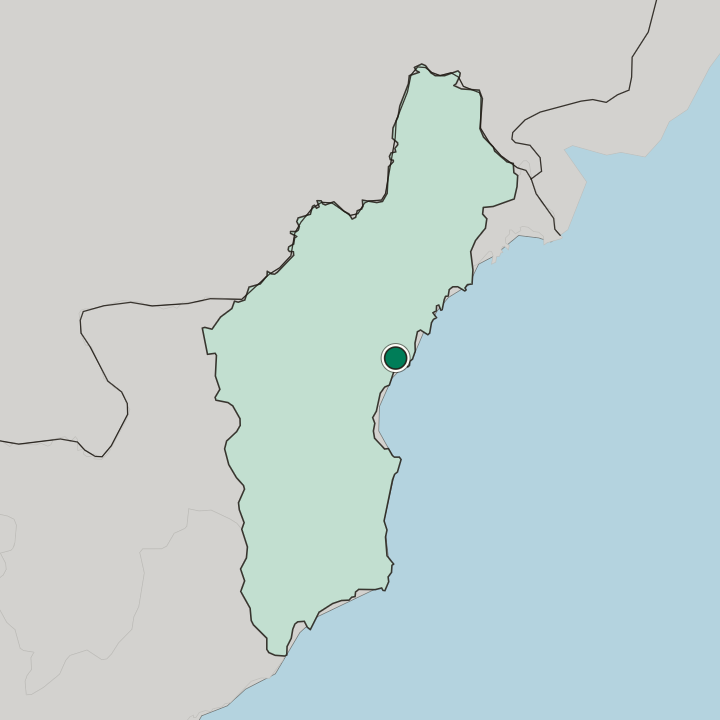
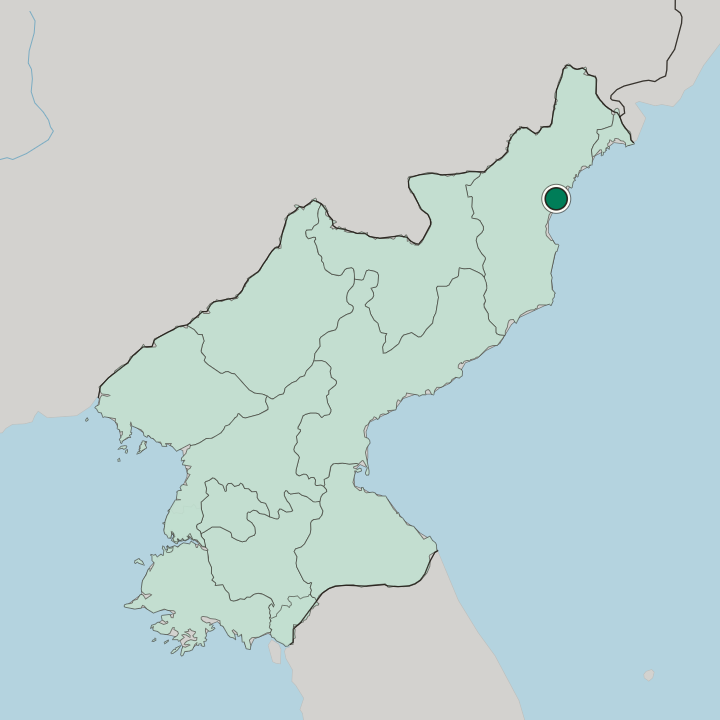
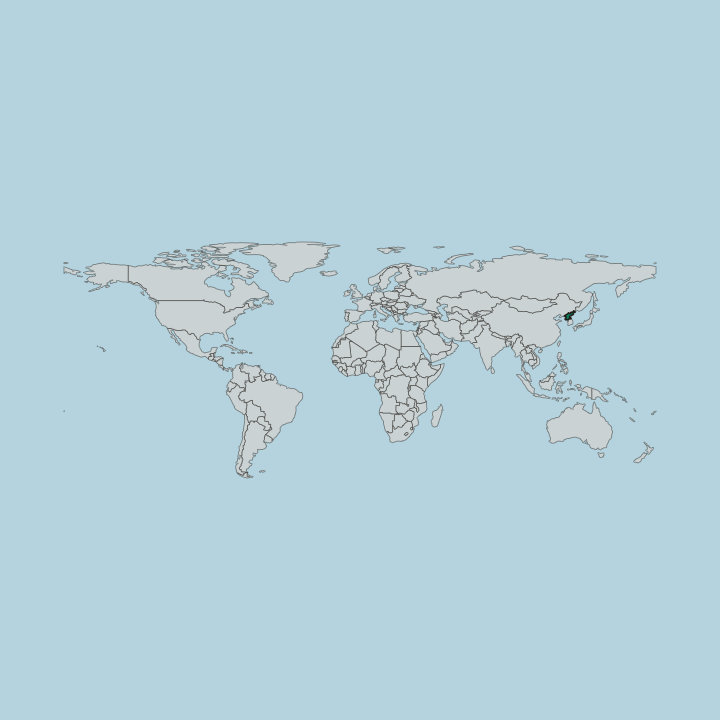
Chongjin holds some 269 square kilometres where the land of North Hamgyong Province meets the sea, with the built-up ground pressed against the shore and the province opening out behind it. The coast does the organising. Its frontage on the Donghae Coast gives the city its harbour, its industry and its weather all at once.
Everything else follows that line.
What is the climate of Chongjin?
Chongjin takes its weather from the sea. Water along the Donghae Coast tempers the swing between the seasons of a temperate northern year, so the warm stretch gathers around midsummer and the cold one at either end, with the harbour of Chongjin exposed to whatever the open water sends. Wind off the sea is the constant.
Inland North Hamgyong Province feels the same year in a drier register.
How do you get to Chongjin?
Ships got here first. As an important port city, Chongjin has always been reached most directly from the water, and the sea lanes of the Donghae Coast remain the route that shaped everything built ashore. Roads link it to the rest of North Hamgyong Province.
Whatever the means of arrival, the destination is a provincial capital rather than a stop on the way to somewhere else, which is worth knowing before planning onward movement.
Updated September 2026