North Korea · North Pyongan
Where to Stay in Sinŭiju, North Pyongan
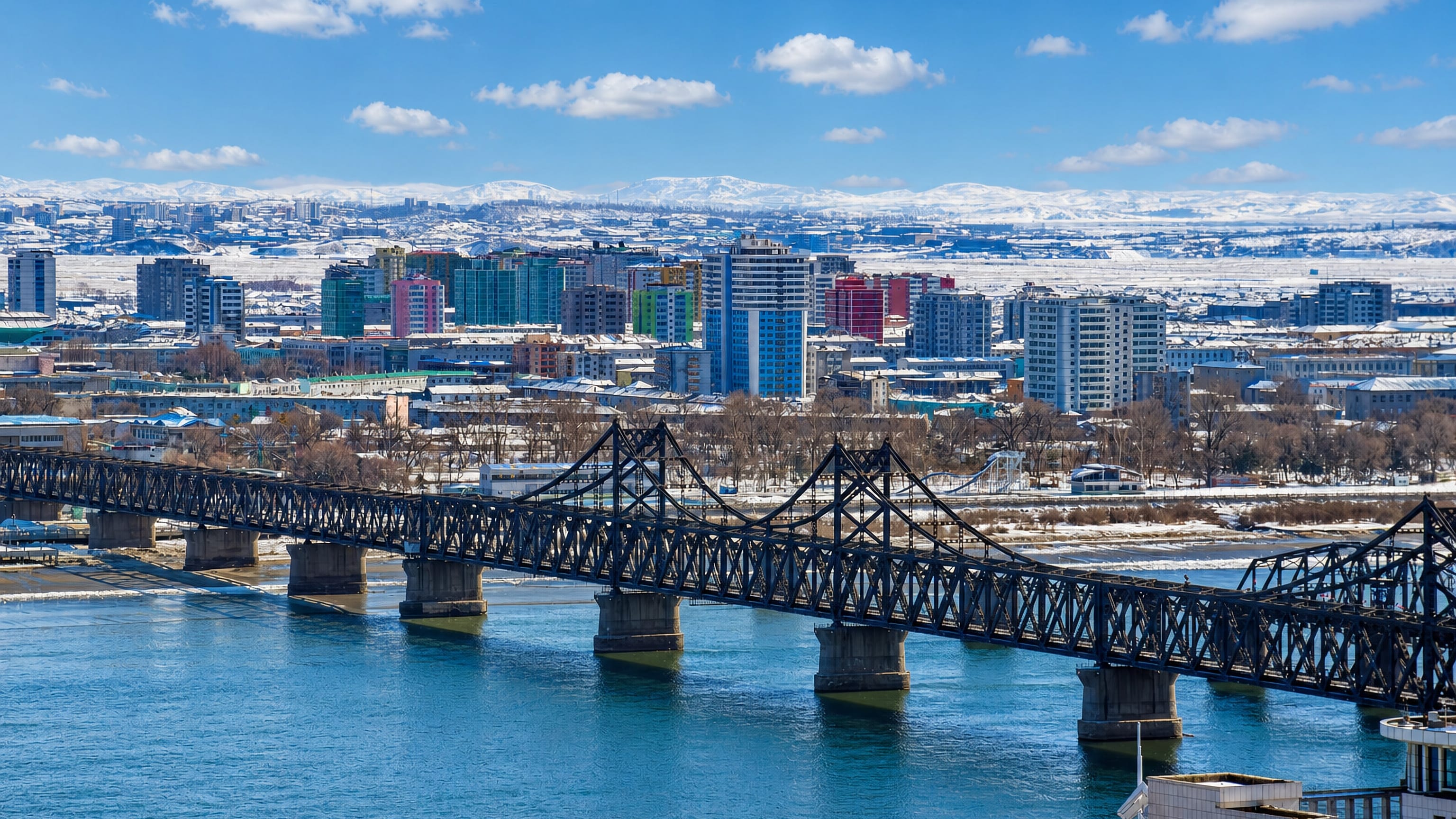
Sinŭiju faces Dandong across the Yalu River, the capital of North P'yŏngan province at North Korea's border with China.
Find your area →


Where to stay in Sinŭiju
Where the beds are, and what that means for the visit.
The Yalu River sets the sides of Sinŭiju. Ground close to the water looks straight across to Dandong in Liaoning, and the border itself is what most travellers come to see, so a bed on that side keeps China in view through the day. North Korea's boundary runs down the middle of the water.
Offices and the provincial administration sit back from the bank. Travellers who want the streets of the provincial capital rather than the water stay in the middle of the city, where North P'yŏngan is administered. Part of the city belongs to the Sinŭiju Special Administrative Region, proclaimed in 2002, and that ground was set aside for trade rather than for sightseeing.
Beds there sit near the business end. Almost every arrival crosses from China, so the practical question is how far a stay sits from the Yalu River and how much of the day goes on the road in from it. The riverside suits you if the border and the view to Dandong are the reason for the trip; the central streets suit a stay built around the city itself.
Neither choice is far from the Yalu.
About Sinŭiju
What is Sinŭiju known for?
Sinŭiju is known for its position on the Yalu River, facing the Chinese city of Dandong across an international border. Liaoning begins on the far bank. The city is the capital of North P'yŏngan province, and part of it falls inside the Sinŭiju Special Administrative Region, proclaimed in 2002 to experiment with a market economy.
Tourism from China has added to the traffic.
What are the main landmarks in Sinŭiju?
Sinŭiju has no catalogue of monuments to work through. The Yalu River is the feature that matters, an international border carrying the line between North Korea and China, with Dandong and the wider province of Liaoning on the opposite bank. Water does the work of a landmark here.
What remains is the city's own fabric, the streets of a provincial capital and the ground of the Sinŭiju Special Administrative Region drawn across part of it in 2002.
What is the history of Sinŭiju?
The river came first in Sinŭiju's account. The Yalu River carries the international border, and a city on its bank has the traffic of two countries to handle, with Dandong in Liaoning directly opposite and the Chinese interior beyond it. Its Korean name is Sinuiju City.
North P'yŏngan province came to be administered from here, which gave the city the offices and the standing of a provincial capital alongside whatever the border brought. Sources also give the province simply as P'yŏngan. The water has never stopped being the boundary between the two countries, and everything the city does still answers to that fact.
One date stands out in the record. In 2002 the Sinŭiju Special Administrative Region was proclaimed over part of the city, a planned area intended to experiment with introducing a market economy, and the name has stayed attached to the place ever since. The plan was drawn for this ground alone.
Traffic from China has become a larger part of what crosses the Yalu River here, and tourism out of Dandong has added to the movement over the border. North Korea keeps the province seated in the city. Little else in the public record fixes a date to its growth.
Where is Sinŭiju?
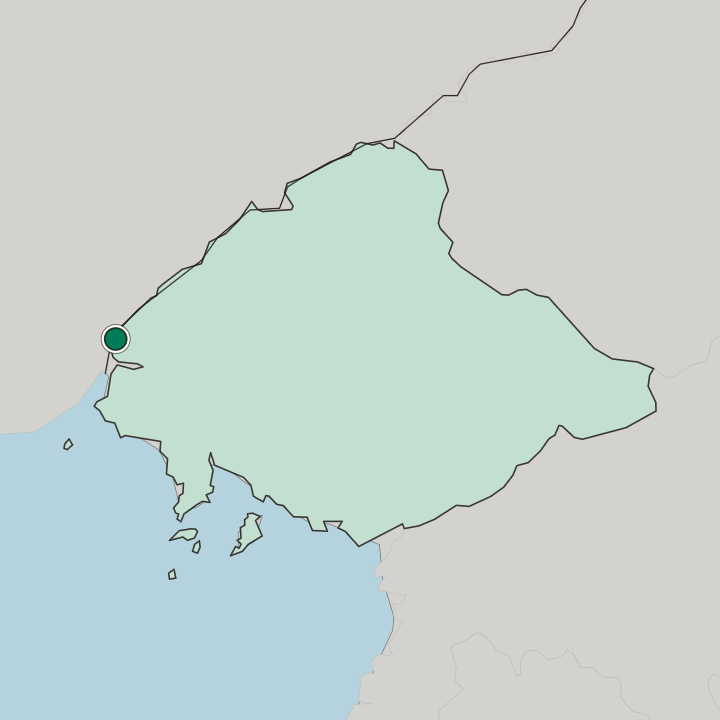
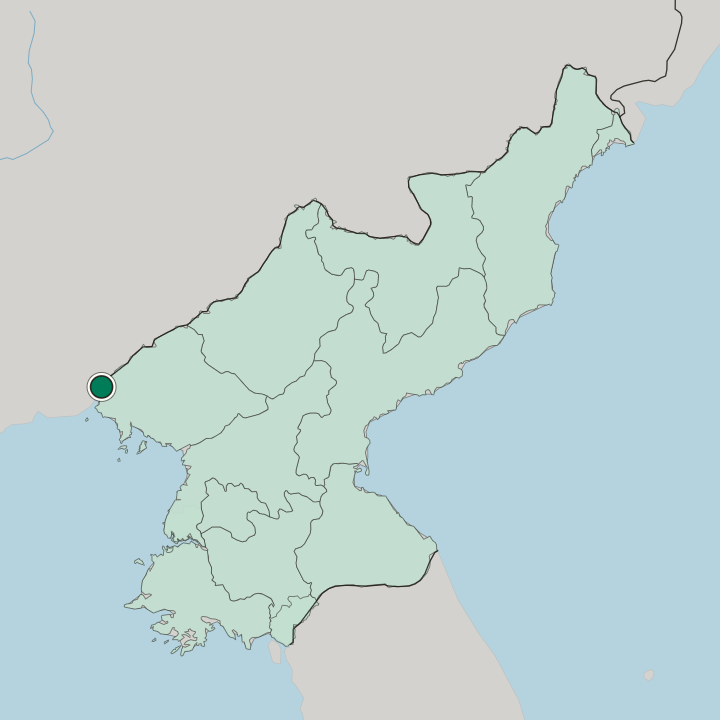
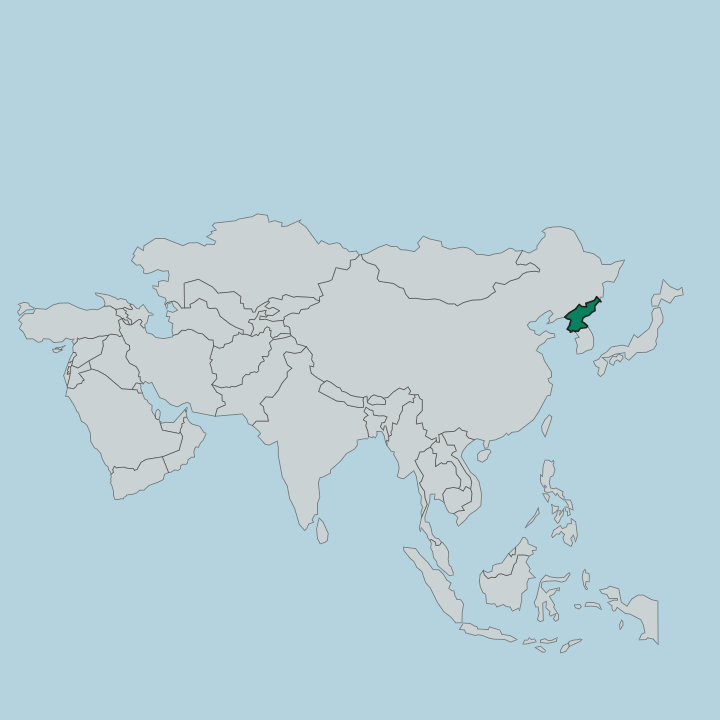
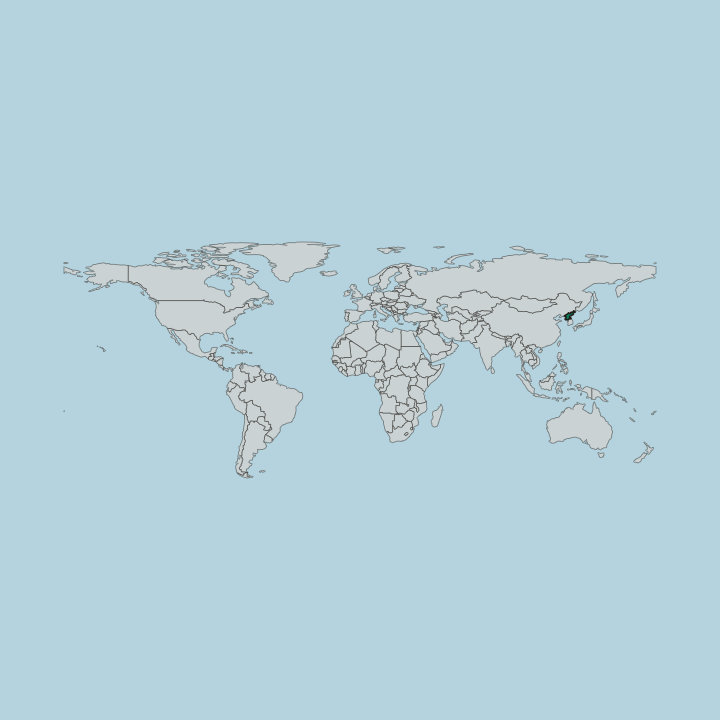
Sinŭiju sits on the Yalu River, on the North Korean side of the border with China. Dandong lies straight across the water in Liaoning. The land here is temperate rather than tropical, well north of the equator, and the river's course is the line that fixes both the city's edge and the limit of North P'yŏngan province.
Part of that ground carries the Sinŭiju Special Administrative Region.
What is the climate of Sinŭiju?
Temperate weather governs the year at Sinŭiju. The city sits well north of the equator, outside the tropics, so the seasons separate clearly and the gap between the coldest and the warmest months is a real one rather than a nominal difference. The Yalu River runs through all of them.
Travellers crossing from Dandong meet the same weather on both banks.
How do you get to Sinŭiju?
Sinŭiju stands at a border. The Yalu River separates it from Dandong in Liaoning, and arrivals from the Chinese side account for much of the movement into the city, tourism from China included. Within the country, the city serves as the seat of North P'yŏngan province, so provincial business converges on it.
The Sinŭiju Special Administrative Region covers part of the same ground.
Updated September 2026