North Korea · Pyongyang
Where to Stay in Man’gyŏngdae-ri, Pyongyang
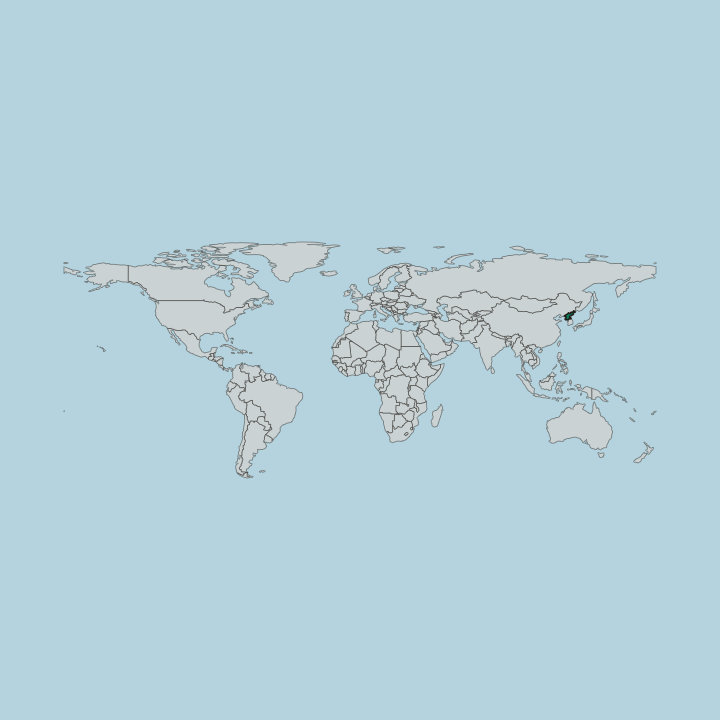
Man'gyŏngdae-ri is a neighbourhood of Mangyongdae-guyŏk in Pyongyang, tied to the childhood of Kim Il Sung and lying close to Chilgol.
Find your area →


Where to stay in Man’gyŏngdae-ri
Where visitors usually base themselves, and why.
Beds belong to Pyongyang, not to the neighbourhood. Man'gyŏngdae-ri sits inside Mangyongdae-guyŏk, and visitors sleep in the capital's own accommodation and travel out to the sites rather than finding rooms on the spot. That shapes the day.
A base in central Pyongyang puts the Mansu Hill Grand Monument, the Korean Revolution Museum and the Korean Central History Museum on the same circuit as Mangyongdae itself, which is how most itineraries end up arranged. The ceremonial core is one option. Mansu Hill and the Monument to the Victorious Fatherland Liberation War stand near the institutions that most visits are built around, and staying close to them shortens the first and last movement of each day.
Park ground is the other. The Rungna People's Pleasure Ground, the Munsu Water Park and the Kaeson Youth Park lie away from the museum cluster, so a base near them trades collections for open space. Chilgol is worth factoring in.
Chilgol Church stands there, and the neighbourhood carries the competing account of where Kim Il Sung was born, so a plan that takes in Mangyongdae usually takes in Chilgol on the same run and benefits from a base that reaches both without a long transfer.
Things to do in Man’gyŏngdae-ri
Ranked by global recognition; descriptions from Wikidata (CC0).
Museums & Galleries
3- Victorious Fatherland Liberation War Museum
- Korean Revolution Museum
- Korean Central History Museum
Churches & Religious Sites
3- Changchung Cathedral
- Chilgol Church
- Pongsu Church
Castles & Historic Sites
3- Mansu Hill Grand Monument
- Monument to the Victorious Fatherland Liberation War
- Ryongwang Pavilion
Stadiums & Sports
2- Ryugyong Chung Ju-yung Gymnasium
- Pyongyang Ice Rink
Parks & Gardens
2- Kaeson Youth Park
- Rungna People's Pleasure Ground
worth knowingacross 5 categories in Man’gyŏngdae-ri
About Man’gyŏngdae-ri
Mangyongdae is known through one association.
What is Man’gyŏngdae-ri known for?
North Korean accounts present it as the birthplace of Kim Il Sung, while his own memoirs place his birth in the neighbouring Chilgol, and the two versions have circulated alongside each other ever since. His father's family belonged here. Kim Hyong-jik came from Mangyongdae, and the childhood years his son spent in the district are the thread that museums across Pyongyang later picked up.
What are the main landmarks in Man’gyŏngdae-ri?
Most of the sights sit in wider Pyongyang. The Korean Revolution Museum, the Korean Central History Museum and the Korean Art Gallery hold the main collections, while the Mansu Hill Grand Monument and the Monument to the Victorious Fatherland Liberation War anchor the ceremonial ground. Chilgol Church stands nearby.
Changchung Cathedral and Pongsu Church make up the rest of the religious set, and lighter stops run from the Munsu Water Park to the Pyongyang Metro Museum and the Korea Stamp Museum.
What is the history of Man’gyŏngdae-ri?
The district's record turns on one family. Kim Hyong-jik came from Mangyongdae, and his son Kim Il Sung spent his childhood in the neighbourhood, which is the part of the account that holds regardless of what else is asserted around it. The birthplace itself is disputed.
North Korean accounts name Mangyongdae; Kim Il Sung's memoirs name Chilgol, the neighbouring settlement, and both versions have been in print long enough that neither has displaced the other. Commemoration followed the association. Institutions across Pyongyang take up the same period, among them the Korean Revolution Museum and the Party Foundation Museum, while the Kimilsungia and Kimjongilia Exhibition Hall carries the theme into horticulture.
Wartime memory has separate buildings. The Victorious Fatherland Liberation War Museum and the Monument to the Victorious Fatherland Liberation War address that conflict, and the Friendship Tower belongs to the same group of memorials. Older Korean building forms survive among them.
The Ulmil Pavilion and the Ryongwang Pavilion are pavilions rather than exhibition halls, and the Korean Central History Museum and the Korean Folklore Museum carry a longer national record than the twentieth-century institutions around them. Mangyongdae-guyŏk supplies the administrative name.
Where is Man’gyŏngdae-ri?
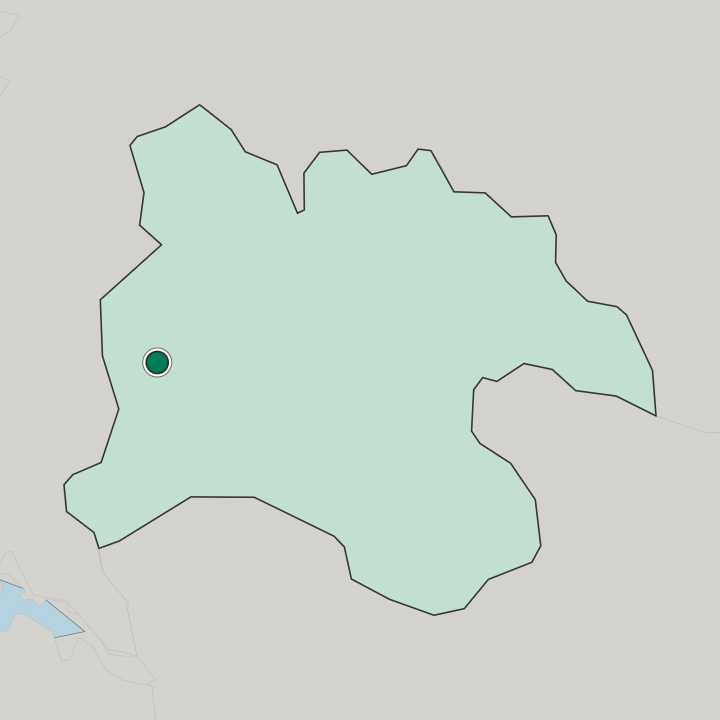
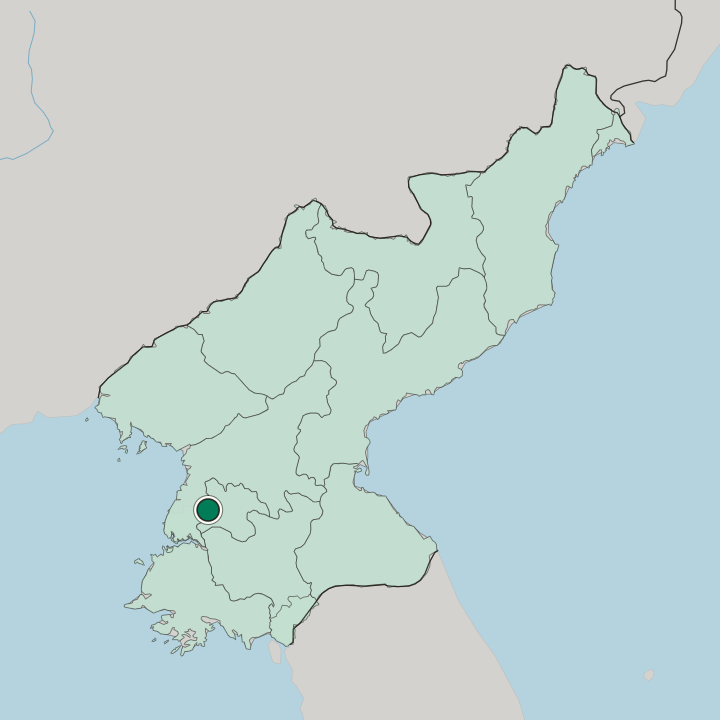
Mangyongdae sits inside Pyongyang. The neighbourhood belongs to Mangyongdae-guyŏk, one of the districts that make up the capital, and its ground runs into the surrounding built area rather than standing apart from it. Chilgol lies close by.
The two neighbourhoods are near enough that the disagreement over which of them saw Kim Il Sung born is a disagreement about a short distance rather than a long one.
What is the climate of Man’gyŏngdae-ri?
The temperate band sets the year here. Warm months send Pyongyang outdoors to the Munsu Water Park, the Kaeson Youth Park and the Rungna People's Pleasure Ground, while the cold half of the year moves the same crowds indoors. Pyongyang Ice Rink takes over.
Museums do the remaining work through winter, and the Korean Art Gallery and the Korean Central History Museum serve as cold-weather refuges as much as collections.
How do you get to Man’gyŏngdae-ri?
Access runs through Pyongyang. Man'gyŏngdae-ri is a neighbourhood of the capital rather than a town in its own right, so any approach means reaching Pyongyang first and then crossing to Mangyongdae-guyŏk on the city's own network. Rails carry much of that movement.
The Pyongyang Metro Museum and the Pyongyang Railway Museum record the systems involved, and Chilgol sits near enough that the two neighbourhoods are usually seen on one trip.
Good for
Another city in Pyongyang
Updated September 2026