
North Korea
Pyongyang, North Korea — Towns & Travel Guide
The Taedong River runs through Pyongyang, the directly administered capital city of North Korea and the country's largest city.
Find your area →


Towns & cities in Pyongyang
Pick a town or city — each links to where to stay.

 North Korea
Pyongyang
Pavilions and museums line the Taedong River in Pyongyang, the capital and largest city of North Korea, with the Korean Central History Museum among them.Where to stay →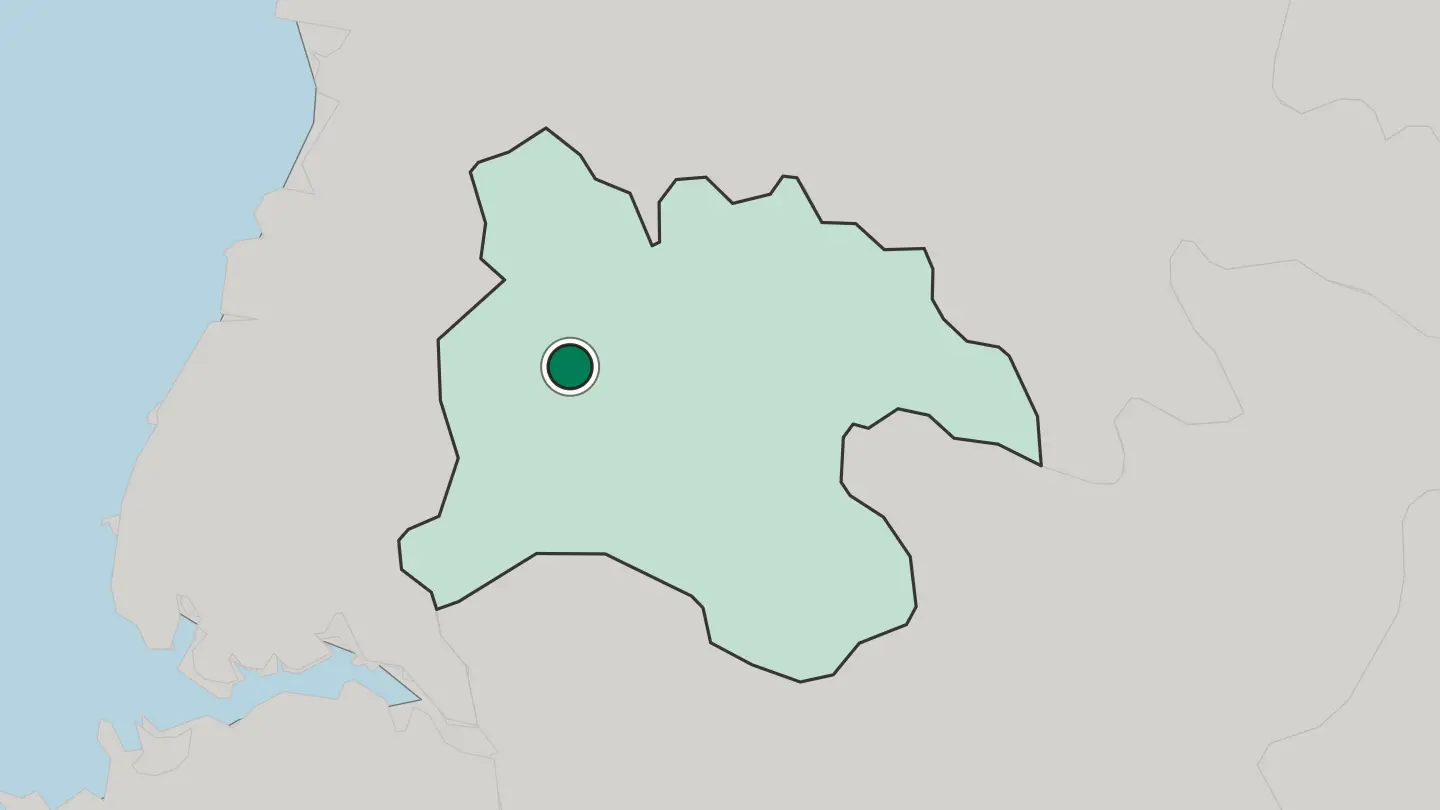
 North Korea
Man’gyŏngdae-ri
Man'gyŏngdae-ri is a neighbourhood of Mangyongdae-guyŏk in Pyongyang, tied to the childhood of Kim Il Sung and lying close to Chilgol.Where to stay →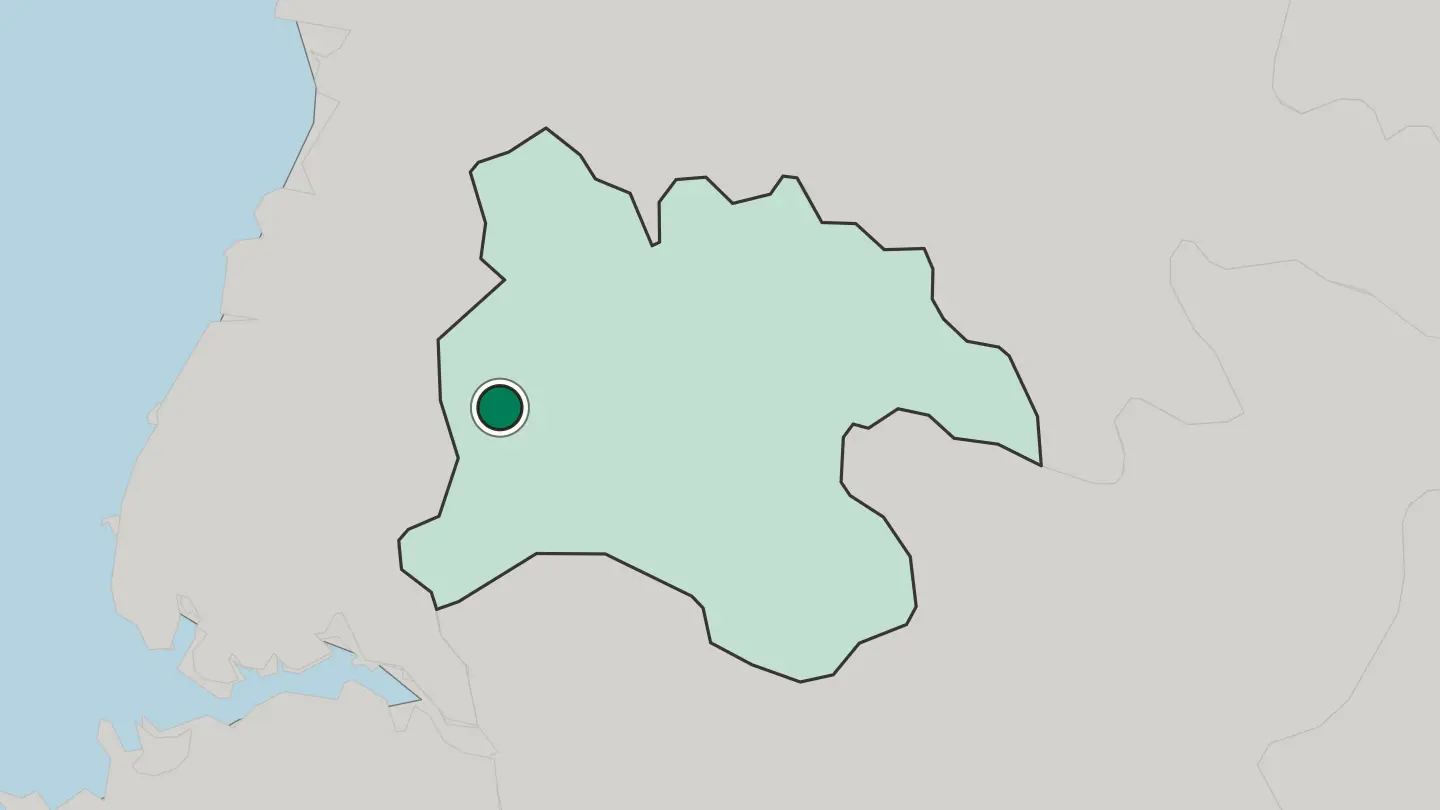
About Pyongyang
What is Pyongyang known for?
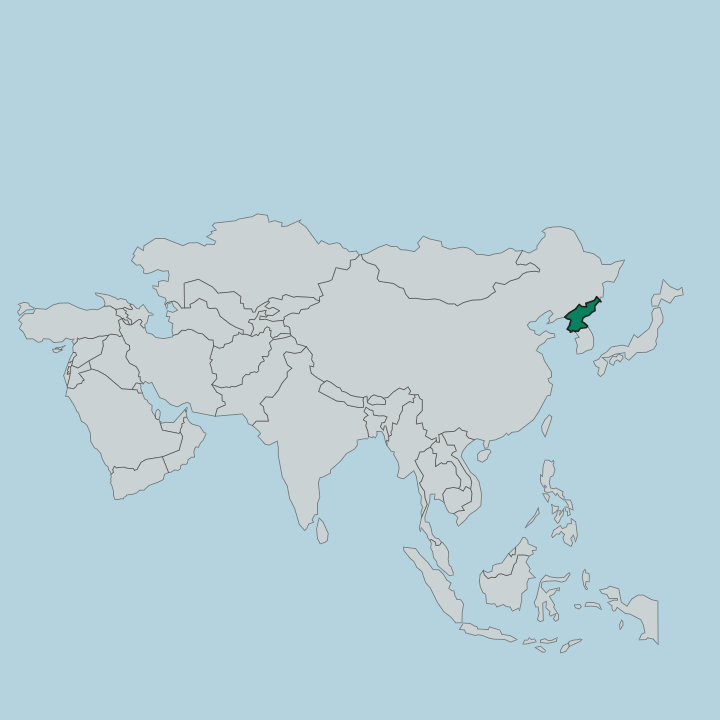
Pyongyang is known as the capital and largest city of North Korea, a directly administered city set on the Taedong River. The Taedong gives Pyongyang its shape. The Taedong runs down through the city toward its mouth on the Yellow Sea, and Pyongyang stands as the seat of the country on the Korean Peninsula in East Asia.
Where is Pyongyang?
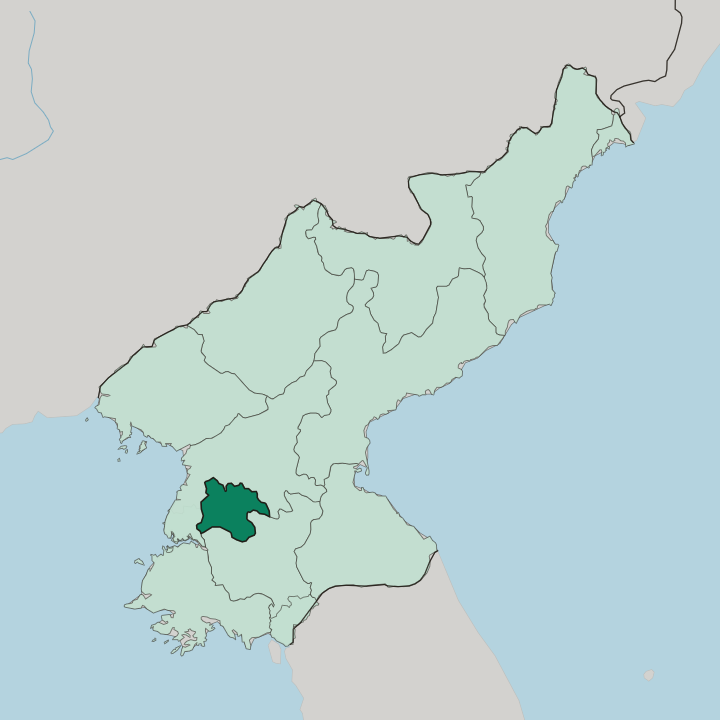
Pyongyang lies in the southwest of North Korea, set on the Taedong River. The river runs through the heart of it. The Taedong flows down across the region toward its mouth on the Yellow Sea, and the capital spreads along both banks where the water bends through the city.
Its course shapes the ground. The region sits well inland of the open sea. From Pyongyang the Taedong River runs the last stretch to the Yellow Sea, the western water of the Korean Peninsula, while the far eastern coast of North Korea meets the Sea of Japan.
To the south lies the Korean Demilitarized Zone with South Korea beyond it. Around the capital the directly administered city fills the valley of the Taedong in the southwest of the country, a compact region on the river within East Asia.
What is Pyongyang like?
Pyongyang shares the Korean language of North Korea, its culture centred on the capital by the Taedong River. Korean is spoken here. The city on the Taedong River has long stood as the seat of the country, gathering the institutions and life of North Korea onto the banks of the river.
The river runs through it all. That role gives the region its character. As the capital of North Korea, Pyongyang carries the weight of the country's public life along the Taedong River.
Custom follows the water. The Korean language, the temperate seasons of the north, and the long life along the Taedong valley shape the days of the city on the Korean Peninsula in East Asia.
What is the history of Pyongyang?
Pyongyang grew as the capital of North Korea, set on the Taedong River. The river carried its rise. As the seat of the country, the city on the Taedong River became a directly administered city with the standing of a province, drawing the institutions of North Korea to its banks.
That role still holds on the river.
What is the climate of Pyongyang?
Pyongyang holds a temperate climate on the Taedong River, sharp between its seasons. Winters run cold here. Frost grips the Taedong River through the cold months, while summers turn warm and wet across the capital of North Korea, the weather of the temperate north on the Korean Peninsula.
How do you get to Pyongyang?
Pyongyang is the main gateway into North Korea, the capital set on the Taedong River. The city draws the traffic. Most arrivals reach Pyongyang by air, since the country's borders are tightly controlled, and the capital on the Taedong River serves as the point of entry for the region and North Korea alike.
More regions in North Korea
Updated September 2026