North Korea · South Hamgyong
Where to Stay in Hamhŭng, South Hamgyong
Hamhŭng is North Korea's second-largest city, a port and industrial centre on the Donghae Coast and the capital of South Hamgyŏng Province.
Find your area →


Where to stay in Hamhŭng
Where visitors usually base themselves, and why.
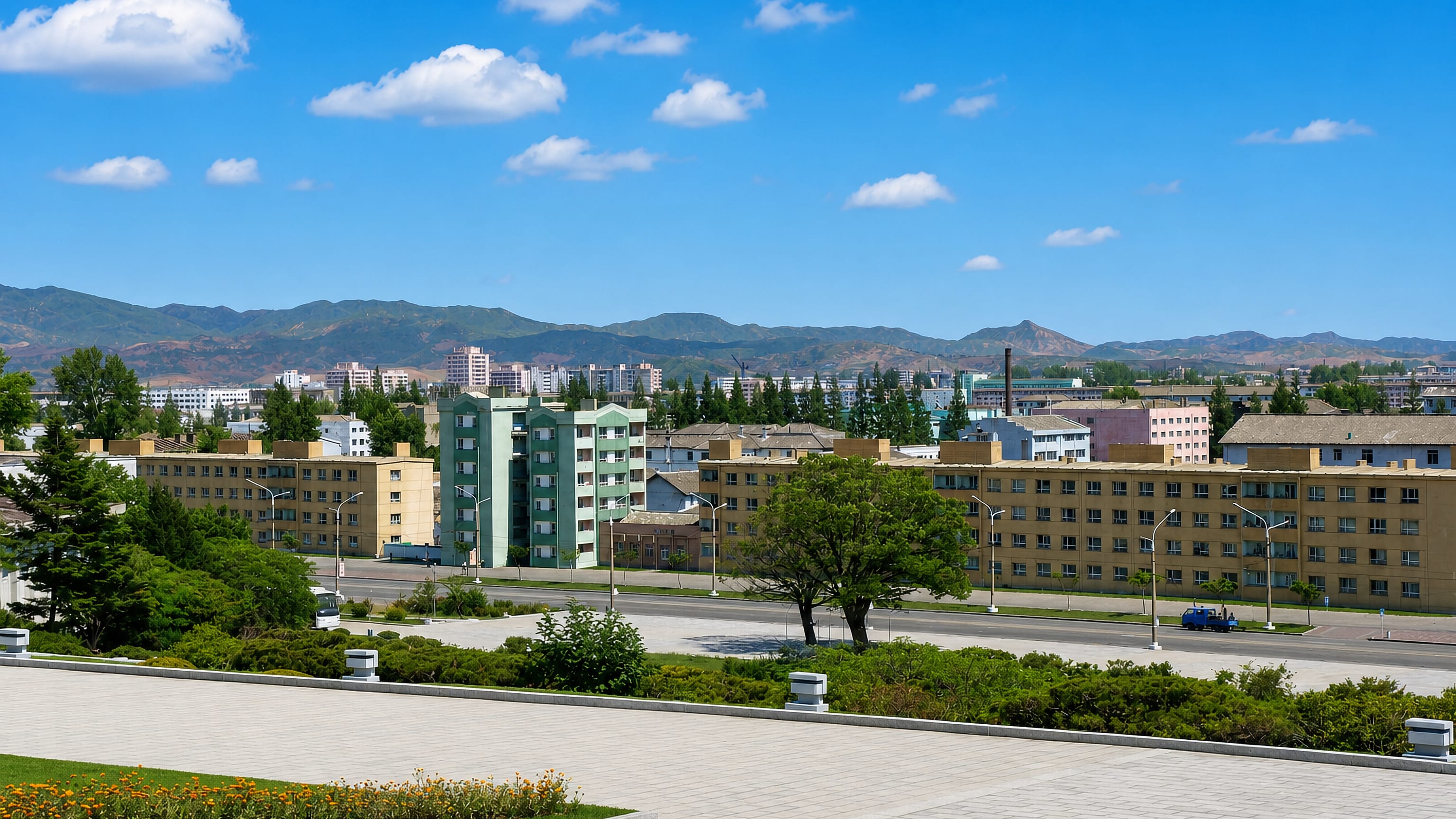
Hamhŭng is laid out to a plan. The centre was built as one piece by the North Korean Government, so its blocks read as a single design rather than as an old town that filled in over centuries, and a stay in the middle puts the provincial offices and the main avenues at the door. Distances are wide but regular.
Travellers who want the working city around them take rooms in that planned core, where South Hamgyŏng Province conducts its business. Hamgyŏng is the province name, and the city sits at its southern end. The other side of the choice is the water.
Hamhŭng stands in the Donghae Coast region, and its port gives the city a second character, so a stay nearer the harbour trades the ordered avenues for the traffic of a working sea front. Industry sits along the same ground. The planned centre suits you if the province's offices and the city's avenues are the reason for the visit, while the port side suits a trip built around the Donghae Coast itself.
Both belong to the same metropolitan area. Nothing here is far from the plan that made it.
About Hamhŭng
Hamhŭng is known as a working city.
What is Hamhŭng known for?
The port and the industry behind it account for most of what the record says, and the scale is unusual, since only one city in North Korea is larger and the place ranks 16th on the Korean Peninsula. South Hamgyŏng Province is run from here. Its centre was planned rather than grown, laid out and built by the North Korean Government, which gives the streets a deliberate order.
What are the main landmarks in Hamhŭng?
No monument is listed at Hamhŭng. The city itself is the object of interest, a planned centre laid out by the North Korean Government on a scale that matches its rank as the second-largest place in the country. The port is the other fixture.
Industry, the harbour of the Donghae Coast, and the offices of South Hamgyŏng Province make up the list where a cathedral or a castle would stand in an older town.
What is the history of Hamhŭng?
Hamhŭng has no founding year in the record. What it has instead is a plan, since the city as it stands was laid out and built centrally by the North Korean Government, which makes its modern form the part of its past documented most clearly. Its Korean name is written Hamhung-si.
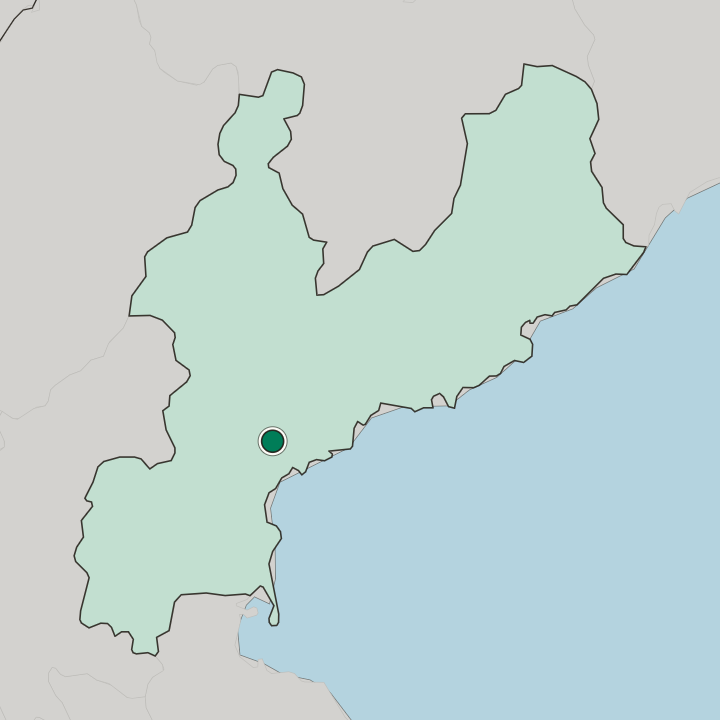
The province around it carries the Hamgyŏng name, and Hamhŭng sits in the southern part of South Hamgyŏng Province, which is administered from the city. The Donghae Coast region gave the place its outlook long before the plan drew its streets. Work explains the rest.
A port on the Donghae Coast and the industry that grew with it gave the city its weight, and that weight is what put it second in size within North Korea and 16th on the Korean Peninsula. The metropolitan area is the province's largest. The main urban area of the province is here, which keeps the administrative and the industrial roles in one place rather than splitting them between two towns.
Ranking aside, the character of the city comes from the harbour and the works behind it, not from any monument or founding legend. Hamhŭng holds both.
Where is Hamhŭng?
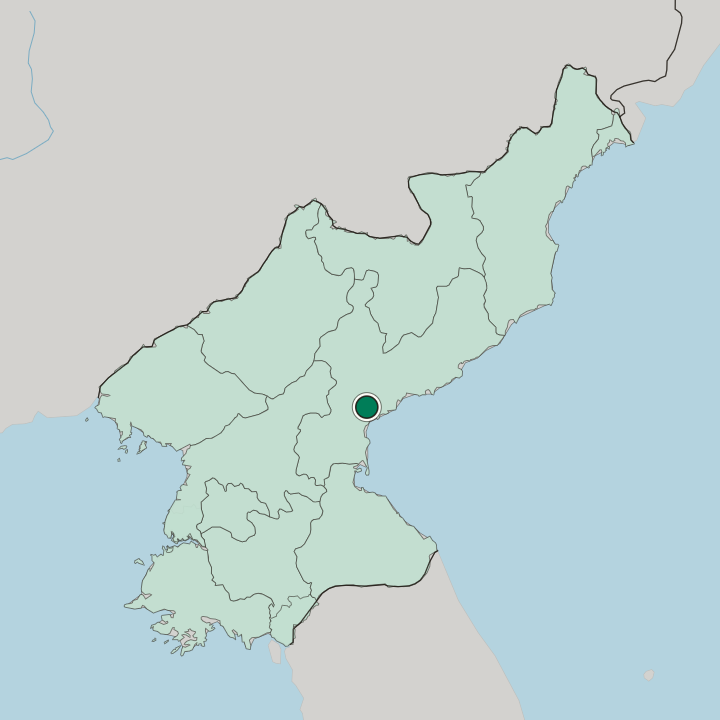
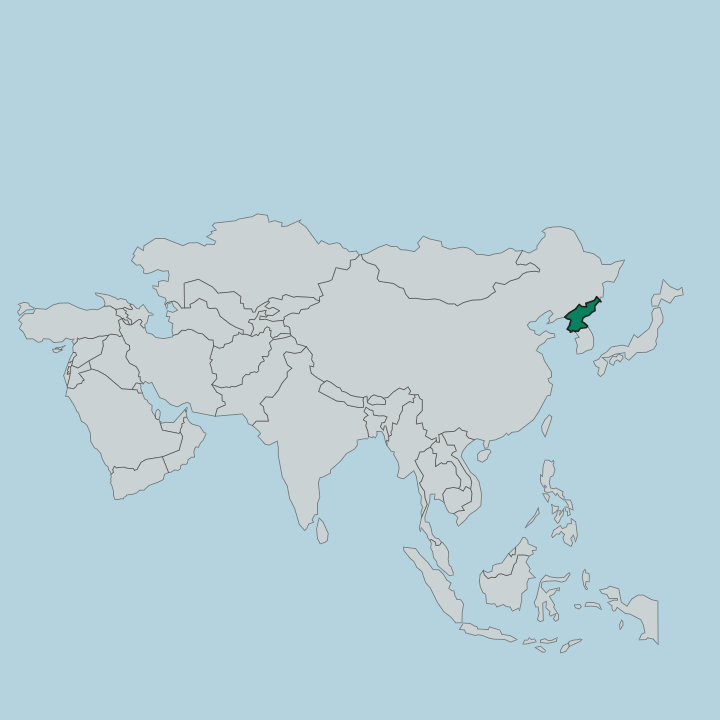
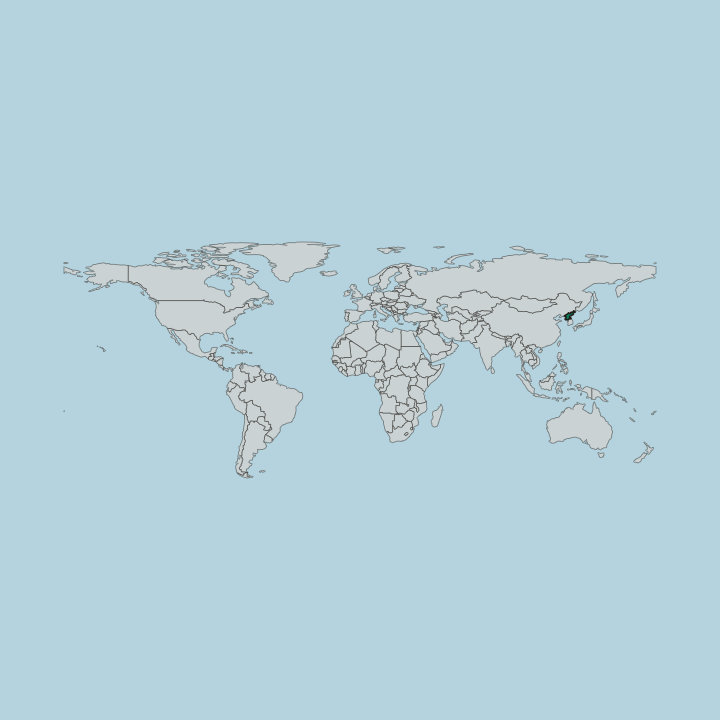
Hamhŭng lies in the southern part of South Hamgyŏng Province, in the Donghae Coast region of North Korea. The ground is temperate, north of the equator, and the city covers a broad stretch of it, which is part of why the metropolitan area is the largest one in the province. Its ground on the eastern side of the Korean Peninsula faces the sea.
The port marks the seaward edge.
What is the climate of Hamhŭng?
The sea off the Donghae Coast tempers Hamhŭng. Standing in the temperate band well north of the equator, the city takes cold winters and warm summers, though the water on the eastern side of the Korean Peninsula keeps the extremes a little shorter than they run further inland. Seasons here are distinct.
Anyone crossing the planned avenues in January feels the difference from a summer visit.
How do you get to Hamhŭng?
Routes in South Hamgyŏng Province lead to Hamhŭng. The city is the provincial capital and the largest urban area within the province, so its traffic converges here rather than dispersing among smaller towns. The port adds the sea route.
Ships working the Donghae Coast reach the harbour, and the industry behind it keeps freight moving through a city that North Korea planned as a centre in the first place.
Good for
Updated September 2026