
South Korea · Incheon
Where to Stay in Incheon
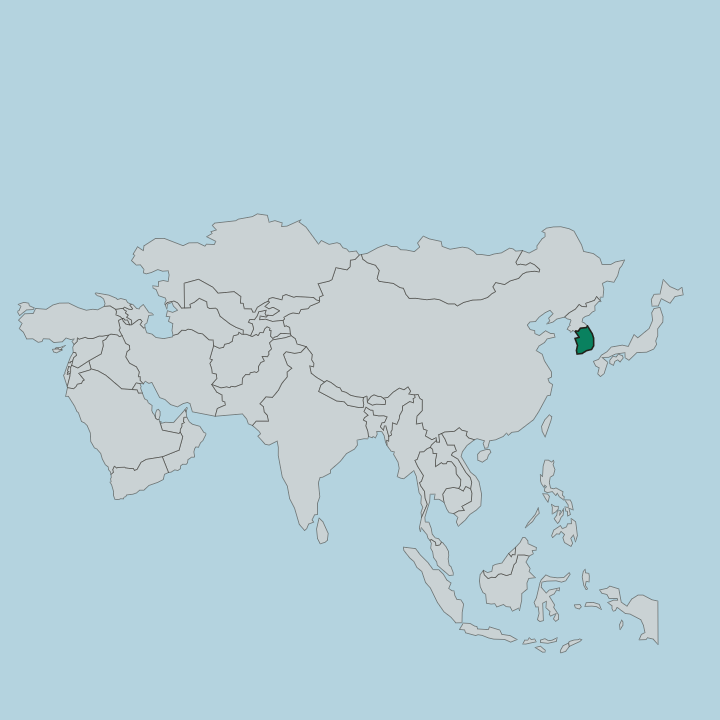
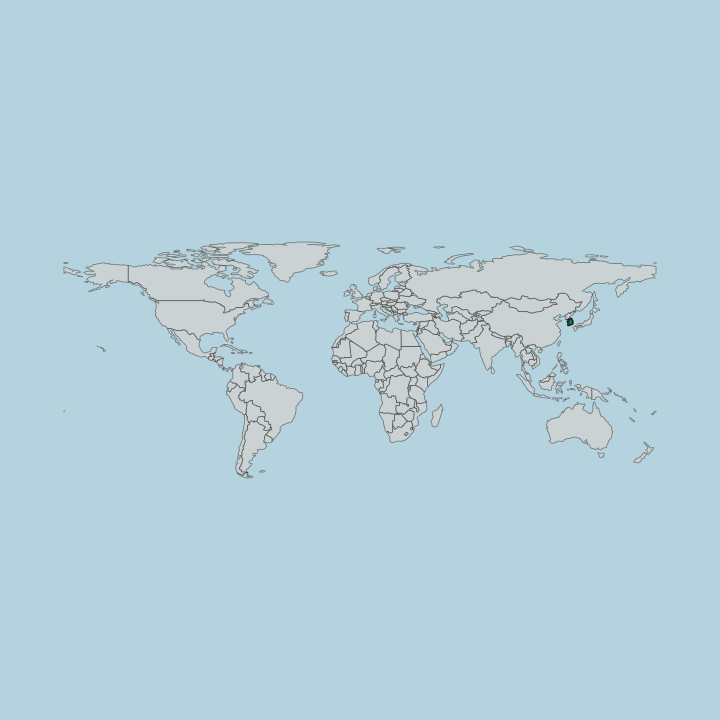
Incheon is a port city on the coast of northwestern South Korea, just west of Seoul and the birthplace of jajangmyeon.
Hotel links are affiliate links: booking through them may earn us a commission, at no extra cost to you. It never affects how places are ranked. How this works


Where to stay in Incheon
Where visitors usually base themselves, and why.
Most visitors base themselves near the old open-port quarter, where the Chinatown lanes around Gonghwachun, the Jajangmyeon Museum, and the painted alleys of the Songwol-dong Fairy Tale Village sit within one walkable stretch by the water. The harbour waits at the door. Along the old streets the shops and noodle houses fill by day, and the pace holds into the evening near the Songwol-dong Fairy Tale Village.
Rooms here fill during the summer. For a sense of the old mission town, travellers choose the ground near Dapdong Cathedral and the Naedong Anglican Church, whose spires still rise above the port district. Beach-minded visitors head instead for the islands, where Yeongjong Island and Ganghwa Island offer sand and quiet away from the centre.
Families often prefer the calmer lanes near the Fairy Tale Village. If you arrive by air, the resorts of Yeongjong Island sit closest to the terminals, and the old quarter is a short ride inland.
Find hotels in Incheon
Direct booking searches for these neighbourhoods.
The old open-port quarter around Gonghwachun
The lanes around Gonghwachun and the Jajangmyeon Museum sit within one walkable stretch of the old open-port waterfront.Find hotels in The old open-port quarter around GonghwachunFamilies wanting the painted alleys near the waterAround the Songwol-dong Fairy Tale Village
The painted lanes of the Songwol-dong Fairy Tale Village keep an easy pace of murals and small shops beside the old port.Find hotels in Around the Songwol-dong Fairy Tale VillageTravellers drawn to the old mission-town streetsNear Dapdong Cathedral and the Naedong Anglican Church
The spires of Dapdong Cathedral and the Naedong Anglican Church still rise over the streets of the early open-port district.Find hotels in Near Dapdong Cathedral and the Naedong Anglican ChurchAir travellers and beach-goers near the terminalsOn Yeongjong Island
The beaches and resorts of Yeongjong Island sit closest to the airport, a short crossing from the mainland quarter.Find hotels in On Yeongjong IslandQuieter stays among the offshore islandsToward Ganghwa Island
The shores of Ganghwa Island offer sand and open ground well away from the busy port centre.Find hotels in Toward Ganghwa IslandHotel links are affiliate links: booking through them may earn us a commission, at no extra cost to you. It never affects how places are ranked. How this works
Things to do in Incheon
Ranked by global recognition; descriptions from Wikidata (CC0).
Museums & Galleries
2- Gonghwachun Heritage
- 수도국산달동네박물관
Churches & Religious Sites
2- Dapdong Cathedral Heritage
- Naedong Anglican Church Heritage
Parks & Gardens
1- Songwol-dong Fairy Tale Village
worth knowingacross 3 categories in Incheon
About Incheon
What is Incheon known for?
Incheon is known as South Korea's great western gateway port. It was here, at Gonghwachun in the old Chinatown, that the noodle dish jajangmyeon was born, a story the Jajangmyeon Museum keeps in full. Offshore lie the islands.
Yeongjong Island and Ganghwa Island sit within the city limits, and the painted lanes of the Songwol-dong Fairy Tale Village draw families to the old quarter near the water.
What are the main landmarks in Incheon?
Incheon keeps its landmarks by the old port. Gonghwachun stands in the Chinatown lanes as the birthplace of jajangmyeon, and the Jajangmyeon Museum tells that story nearby, while the murals of the Songwol-dong Fairy Tale Village brighten the alleys above. Spires mark the skyline too.
Dapdong Cathedral and the Naedong Anglican Church rise from the early open-port district, and offshore lie Yeongjong Island and Ganghwa Island within the city limits.
What is the history of Incheon?
Incheon has been settled since the Neolithic, when the first villages rose on the coast west of what is now Seoul. It began as a small fishing settlement. Everything changed in 1883, when the harbour opened as an international port and traders, missionaries, and settlers arrived from across the sea, raising the churches, consulates, and warehouses that still mark the old quarter.
The port drew a wider world. In the Chinatown that grew beside the docks, the restaurant Gonghwachun served the first bowl of jajangmyeon, a dish now kept in the Jajangmyeon Museum, while Dapdong Cathedral and the Naedong Anglican Church rose from the mission years. The open port reshaped the town.
From that small treaty harbour Incheon spread along the coast and out to Yeongjong Island and Ganghwa Island, growing into one of South Korea's largest cities and its main window on the western sea.
Where is Incheon?
Incheon sits on the coast of northwestern South Korea, on the broad tidal flats of the Yellow Sea just west of Seoul. Low hills back the shore, and the city limits reach out across the water to take in Yeongjong Island and Ganghwa Island among the scatter of the coast. The tide runs far here.
Beyond the built-up ground lie Gyeonggi Province and, to the east, the sprawl of Seoul.
What is the climate of Incheon?
Incheon has a temperate climate shaped by the sea. Cold, dry winds cross the Yellow Sea in winter, while summer turns hot and wet as the monsoon rains sweep the coast of northwestern South Korea. The sea softens the edges.
Spring and autumn bring the mildest weather to the port and the islands, and crowds head out to Yeongjong Island in the gentler months.
How do you get to Incheon?
Incheon is easy to reach and easy to cross. The main international airport sits on Yeongjong Island, joined to the mainland by a long bridge, and a subway line and rail link run straight into Seoul to the east. The centre is walkable too.
Ferries also cross from the port out to Ganghwa Island and the other islands within the city limits.
Common questions
What is the best area to stay in Incheon?
The old open-port quarter around Gonghwachun: First-time visitors wanting Chinatown and the noodle story on foot. Around the Songwol-dong Fairy Tale Village: Families wanting the painted alleys near the water. Near Dapdong Cathedral and the Naedong Anglican Church: Travellers drawn to the old mission-town streets. On Yeongjong Island: Air travellers and beach-goers near the terminals. Toward Ganghwa Island: Quieter stays among the offshore islands.
Good for
Updated September 2026