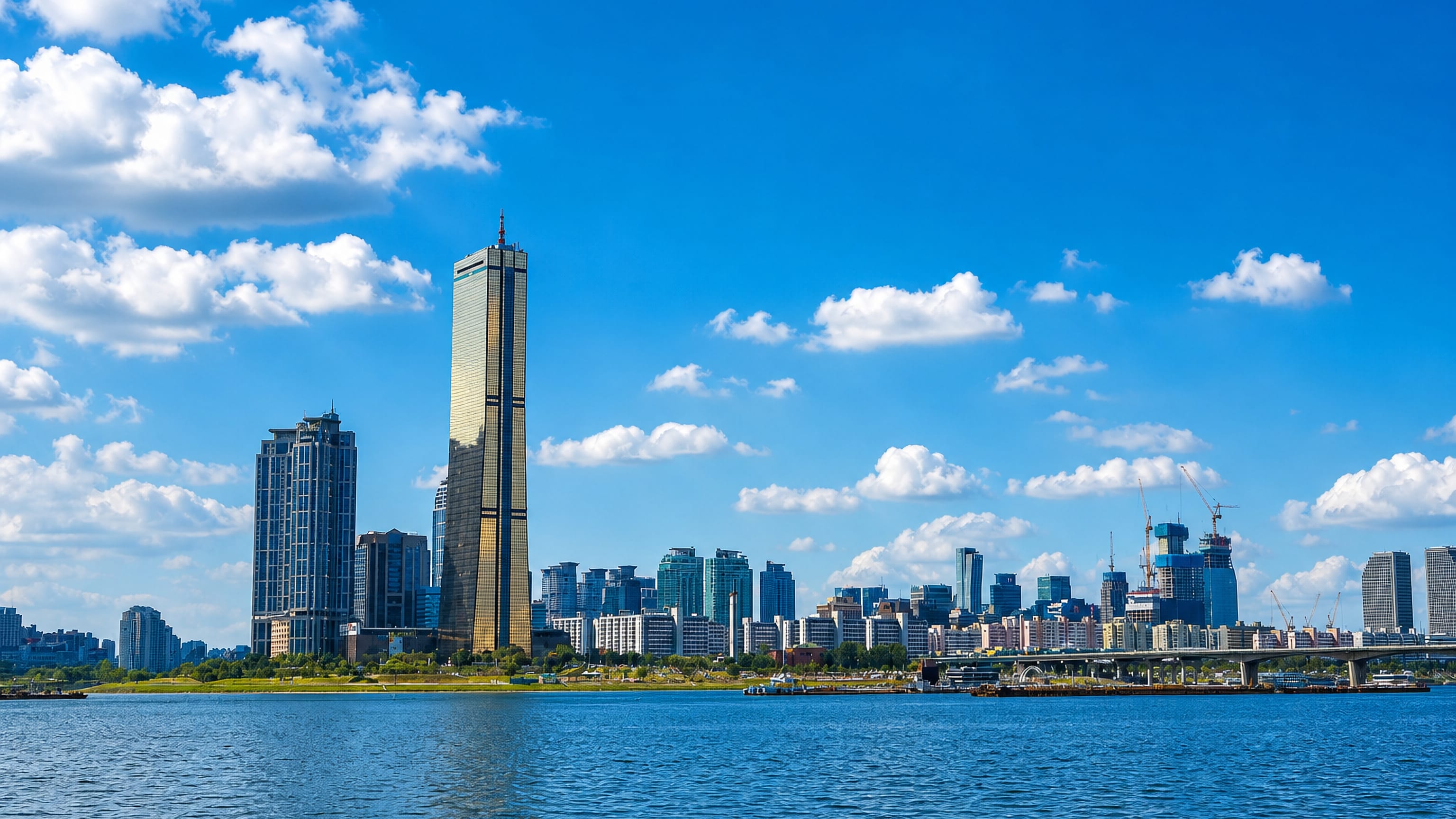
South Korea: Regions, Cities & Travel Guide
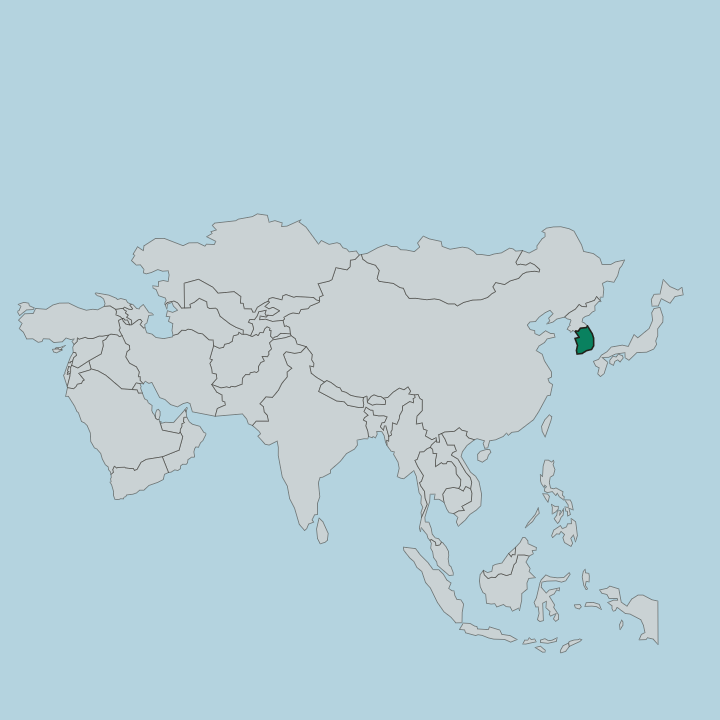
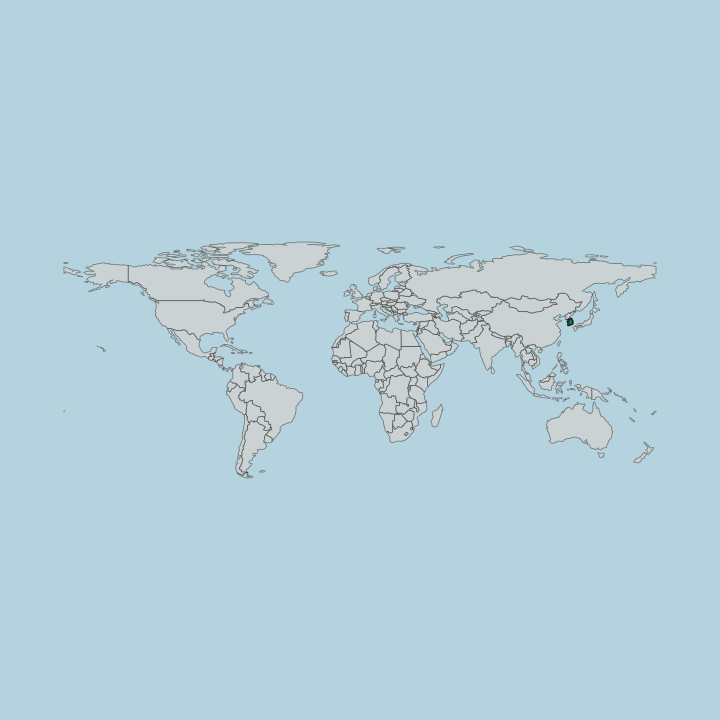
South Korea fills the southern half of the Korean Peninsula in East Asia, between the Yellow Sea and the Sea of Japan, with Seoul as its capital.
Hotel links are affiliate links: booking through them may earn us a commission, at no extra cost to you. It never affects how places are ranked. How this works


Top destinations in South Korea
Cities to start from, then drill into areas and hotels.
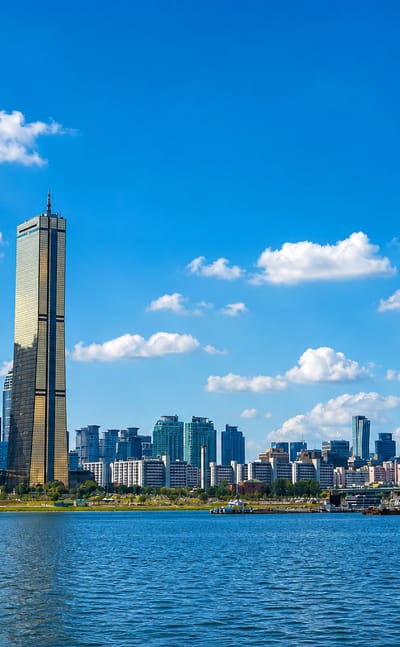
 South Korea
Seoul
Seoul rises around the palace of Gyeongbokgung beneath Namsan Seoul Tower, the old royal capital and heart of South Korea.Where to stay →
 South Korea
Busan
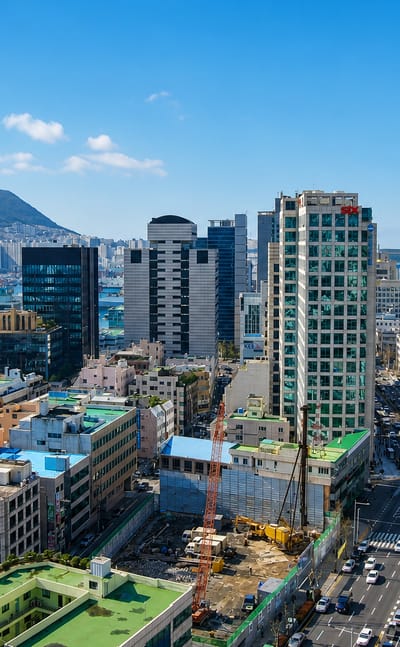
Ships crowd the harbour at Busan, a port city and South Korea's second-largest, known for its beaches, seafood, and the mountains ringing Suyeong.Where to stay →
 South Korea
Incheon
Incheon is a port city on the coast of northwestern South Korea, just west of Seoul and the birthplace of jajangmyeon.Where to stay →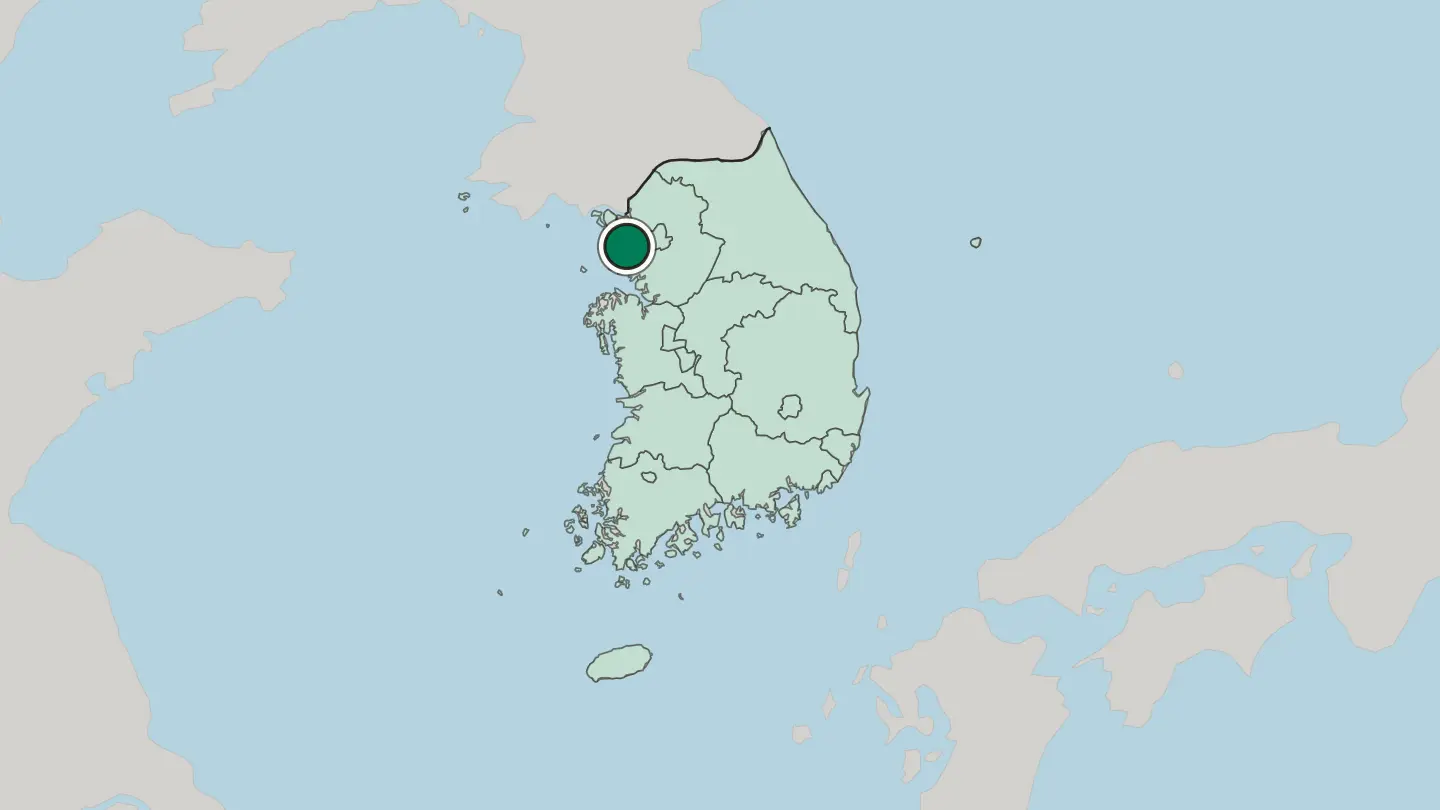
 South Korea
Daegu
Daegu sits in a mountain basin on the Geumho River in southeastern Korea, a metropolitan city known for Yangnyeongsi, Seomun Market and Palgongsan.Where to stay →
 South Korea
Gwangju
Gwangju is an arts-minded metropolitan city of South Jeolla in southwestern South Korea, home to the Asian Culture Center.Where to stay →
 South Korea
Daejeon
Daejeon fills a valley between the Sobaek Mountains and the Geum River, a research city of central Korea known for Daedeok Innopolis and Hanbit Tower.Where to stay →
 South Korea
Sejong
Sejong is South Korea's administrative capital, established in 2012 as a planned city in the centre of Chungcheong Province.Where to stay →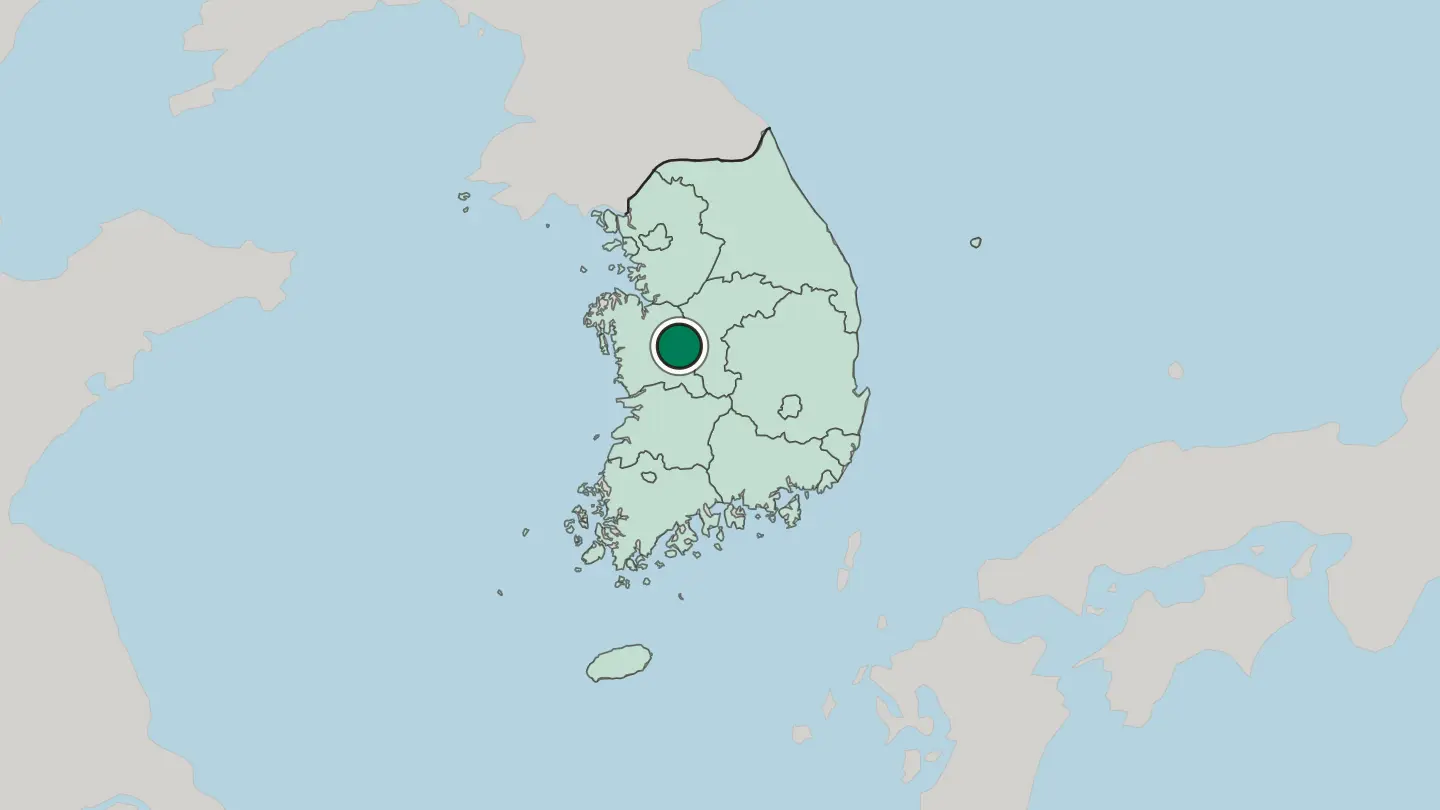
 South Korea
Ulsan
Ulsan is a metropolitan city of South Korea neighbouring Busan and facing Gyeongju, known for the Bangudae Petroglyphs and the Yeongnam Alps inland.Where to stay →
 South Korea
Suwon
Suwon is a city in Gyeonggi Province, South Korea, ringed by the great walls of the Hwaseong Fortress.Where to stay →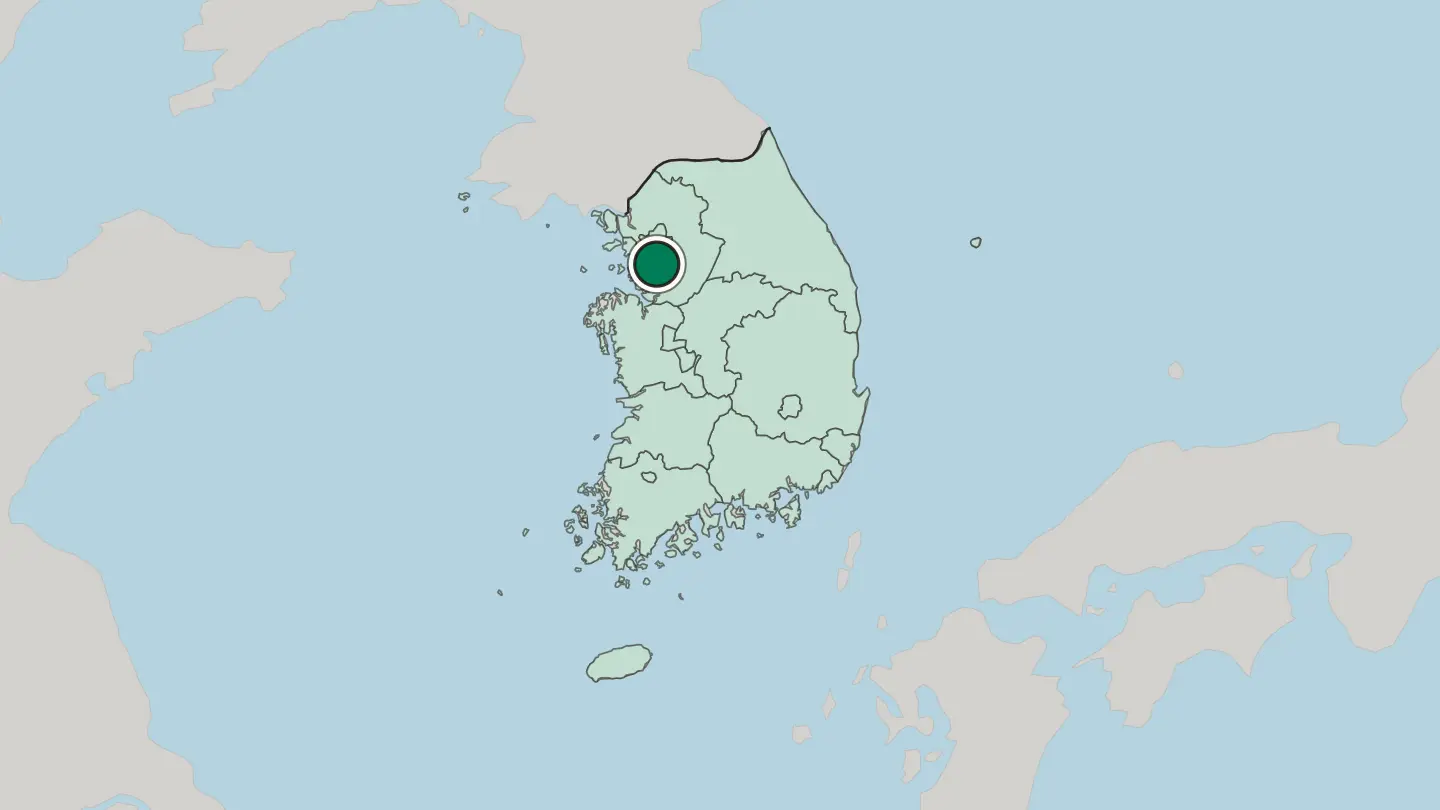
Hotel links are affiliate links: booking through them may earn us a commission, at no extra cost to you. It never affects how places are ranked. How this works
Regions of South Korea
South Korea
Busan
Busan is South Korea's second city and its great southern port, where mountains crowd the sea and beaches ring the harbour.Towns & cities →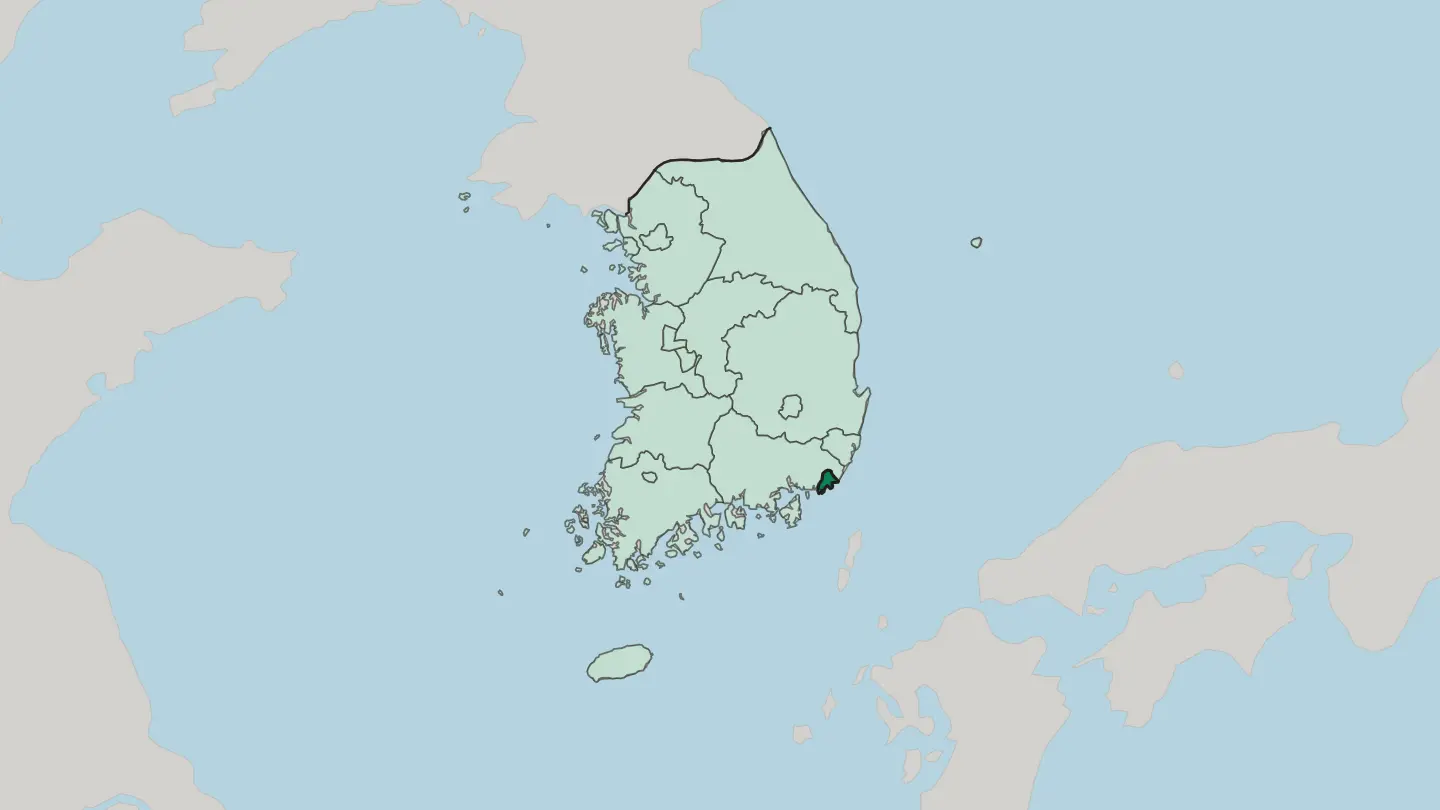
 South Korea
Chungcheongbuk-do
Chungcheongbuk-do is South Korea's only landlocked province, a mountain-and-lake interior wrapped around Cheongju in the middle of the peninsula.Towns & cities →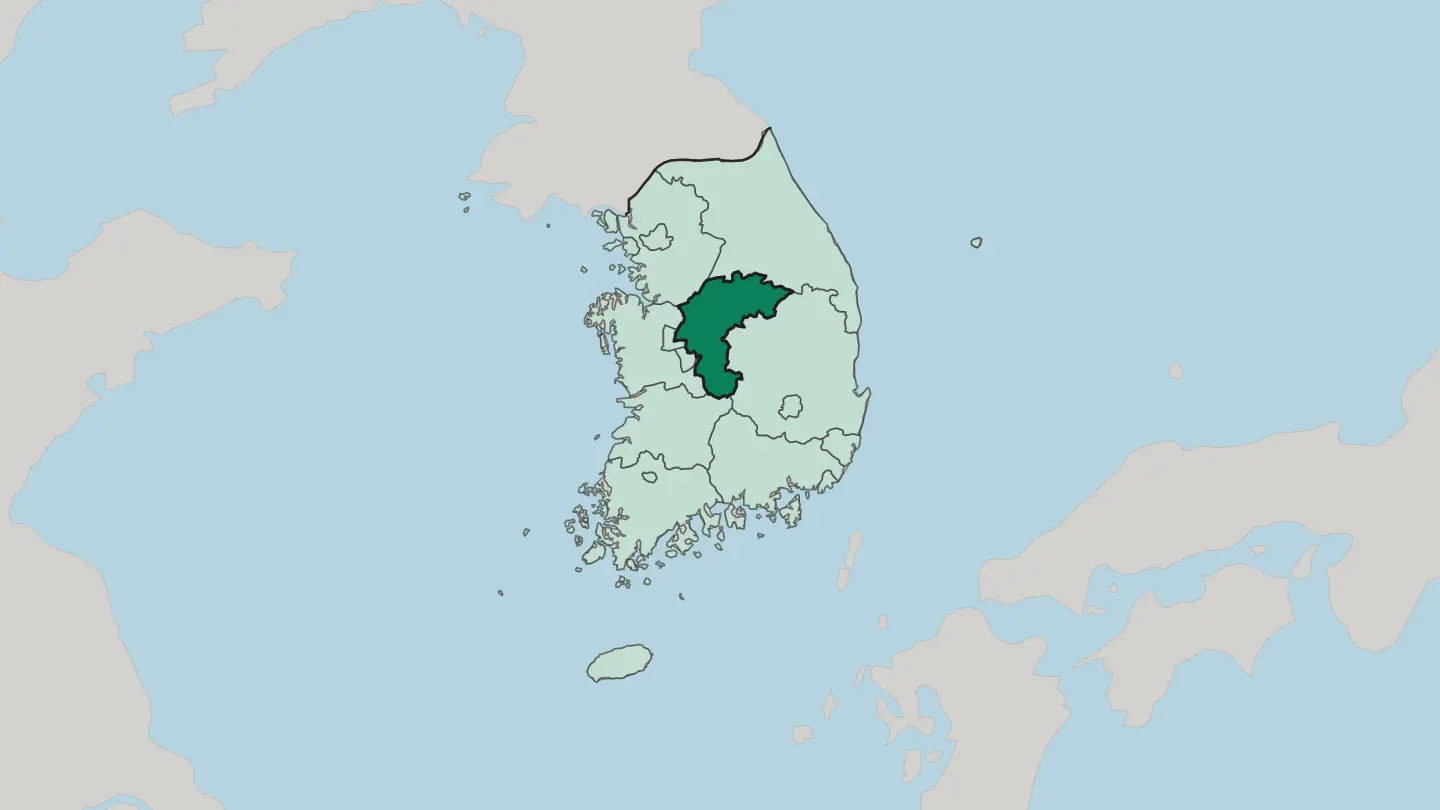
 South Korea
Chungcheongnam-do
Chungcheongnam-do is South Korea's Yellow Sea province, where Baekje kings ruled from Gongju and Buyeo.Towns & cities →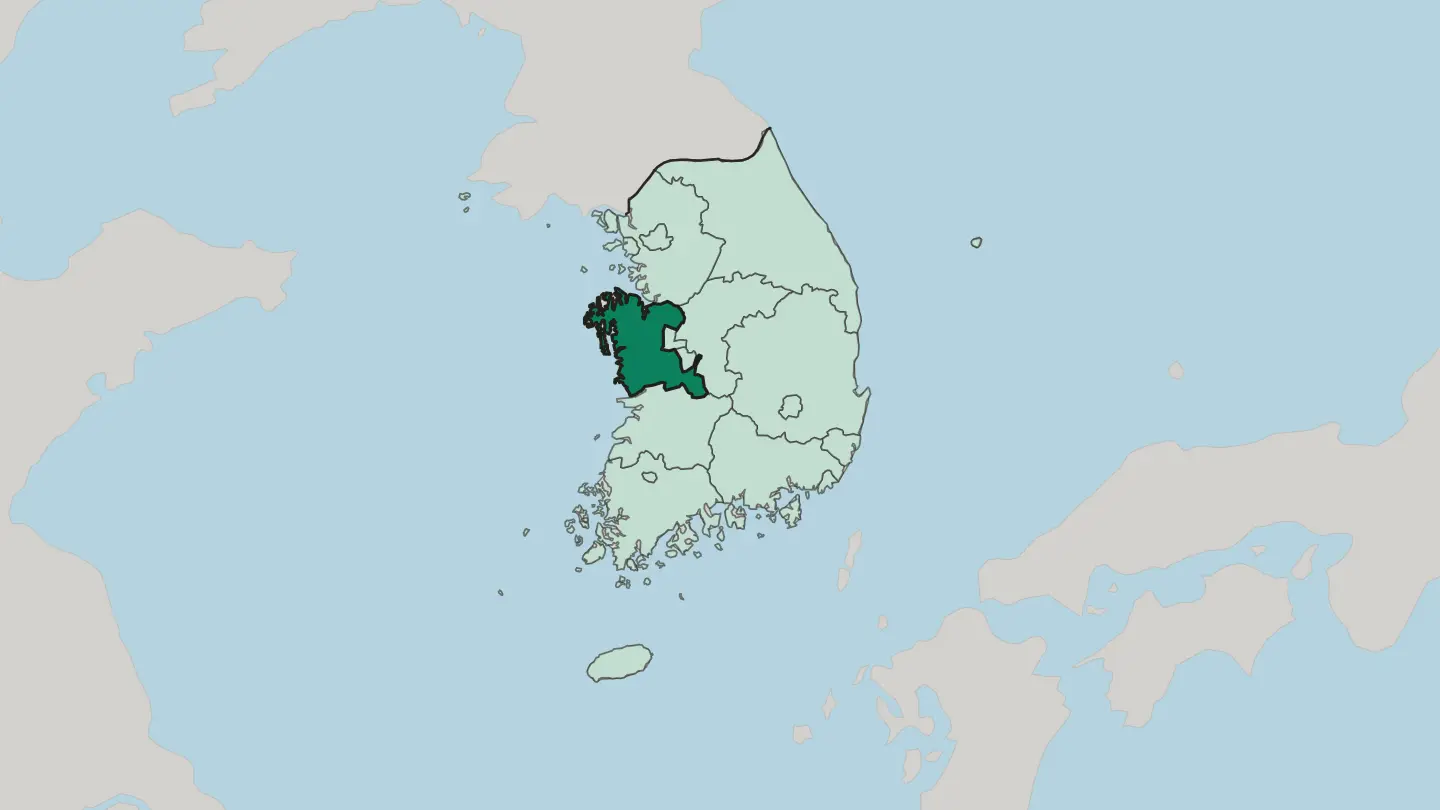 South Korea
Daegu
Daegu is South Korea's fourth-largest city, set in a mountain-ringed basin near the Nakdong River in the country's southeast.Towns & cities →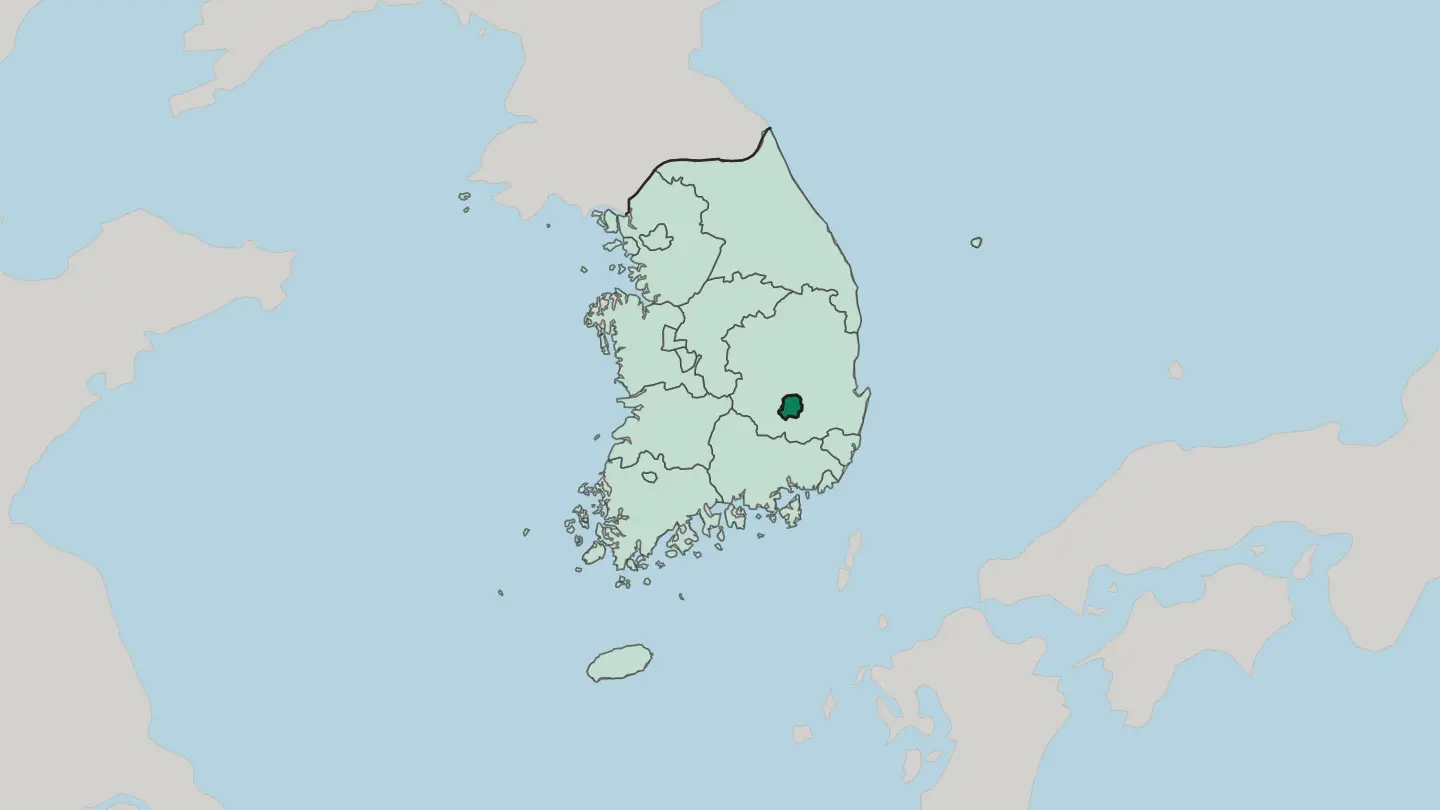 South Korea
Daejeon
Daejeon is South Korea's science capital, a metropolitan city ringed by mountains at the middle of the peninsula.Towns & cities →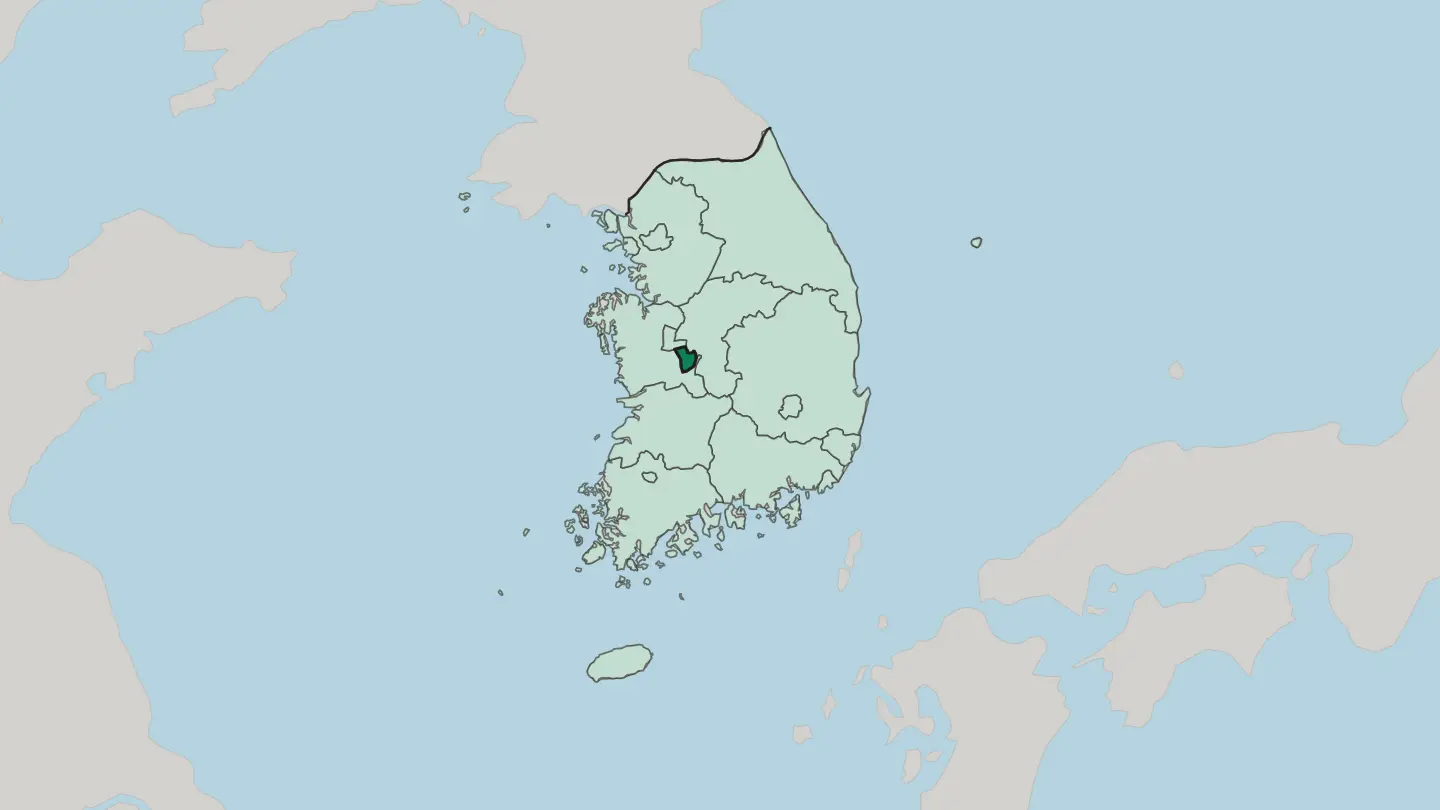
 South Korea
Gangwon
Gangwon fills the mountainous north-east of South Korea, where the Taebaek range walls off the East Sea coast.Towns & cities →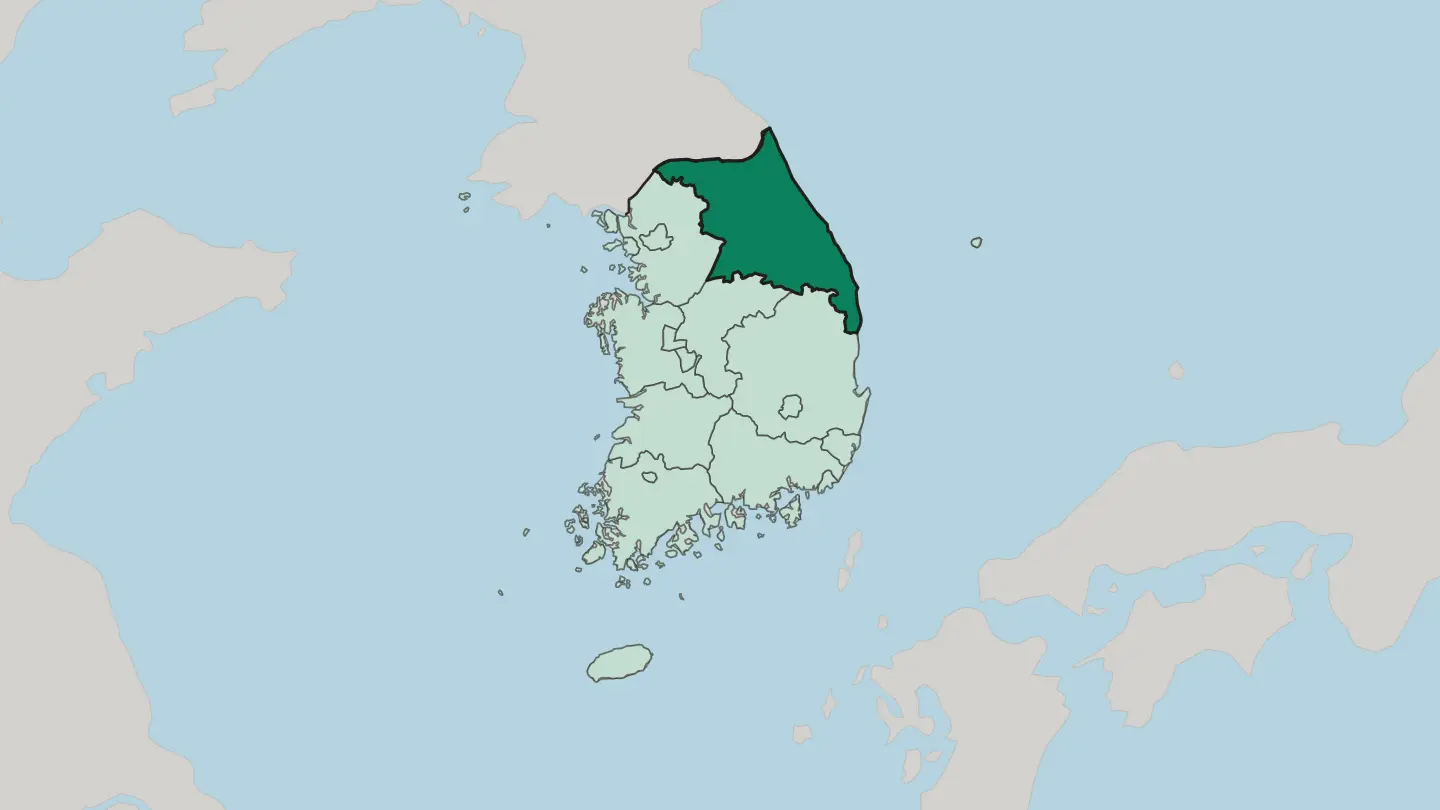 South Korea
Gwangju
Gwangju sits under Mudeungsan in the south-west of South Korea, a district-scaled city of art, memory and mountain air.Towns & cities →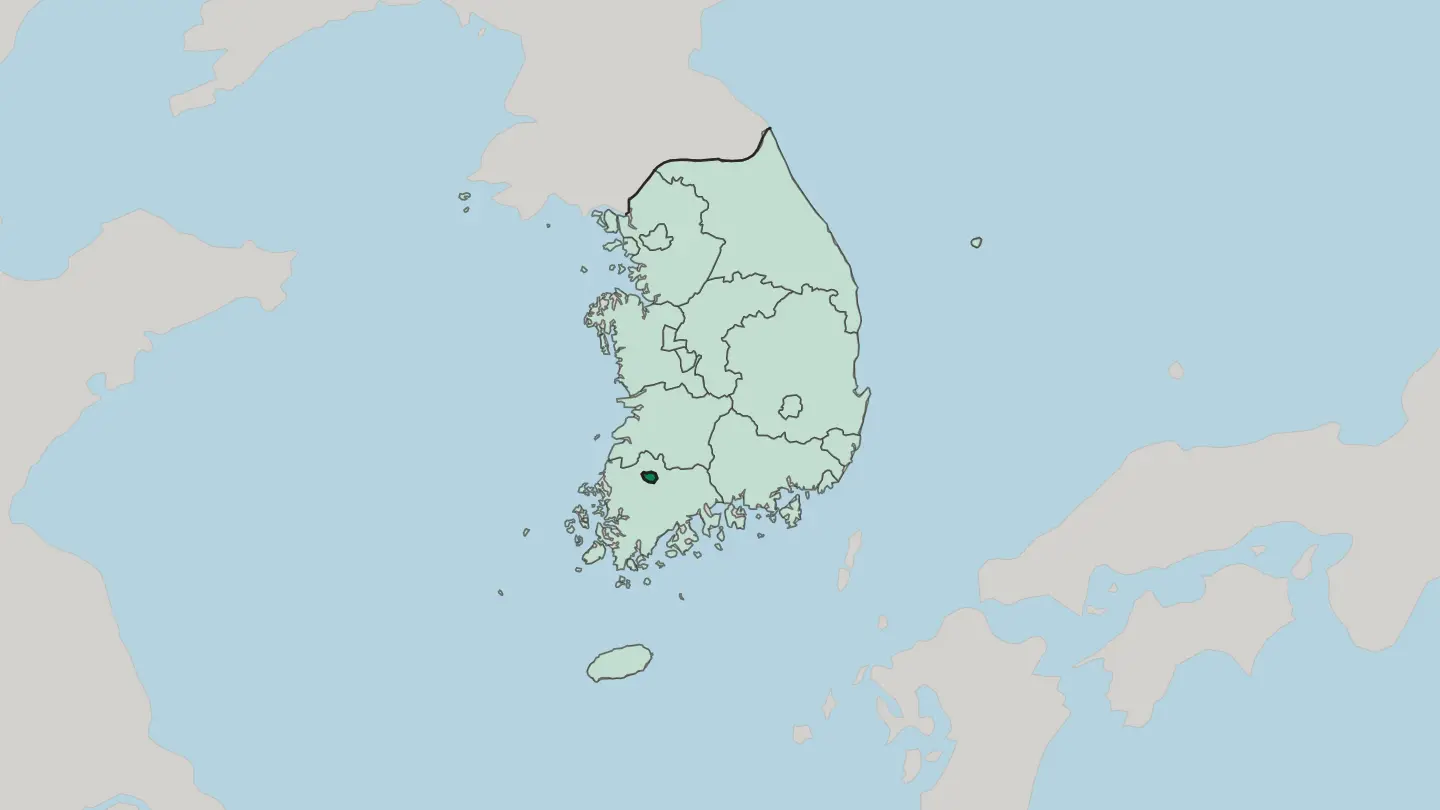 South Korea
Gyeonggi-do
Gyeonggi-do is the province wrapped around Seoul, holding more people than any other in South Korea and its ring of fortress towns.Towns & cities →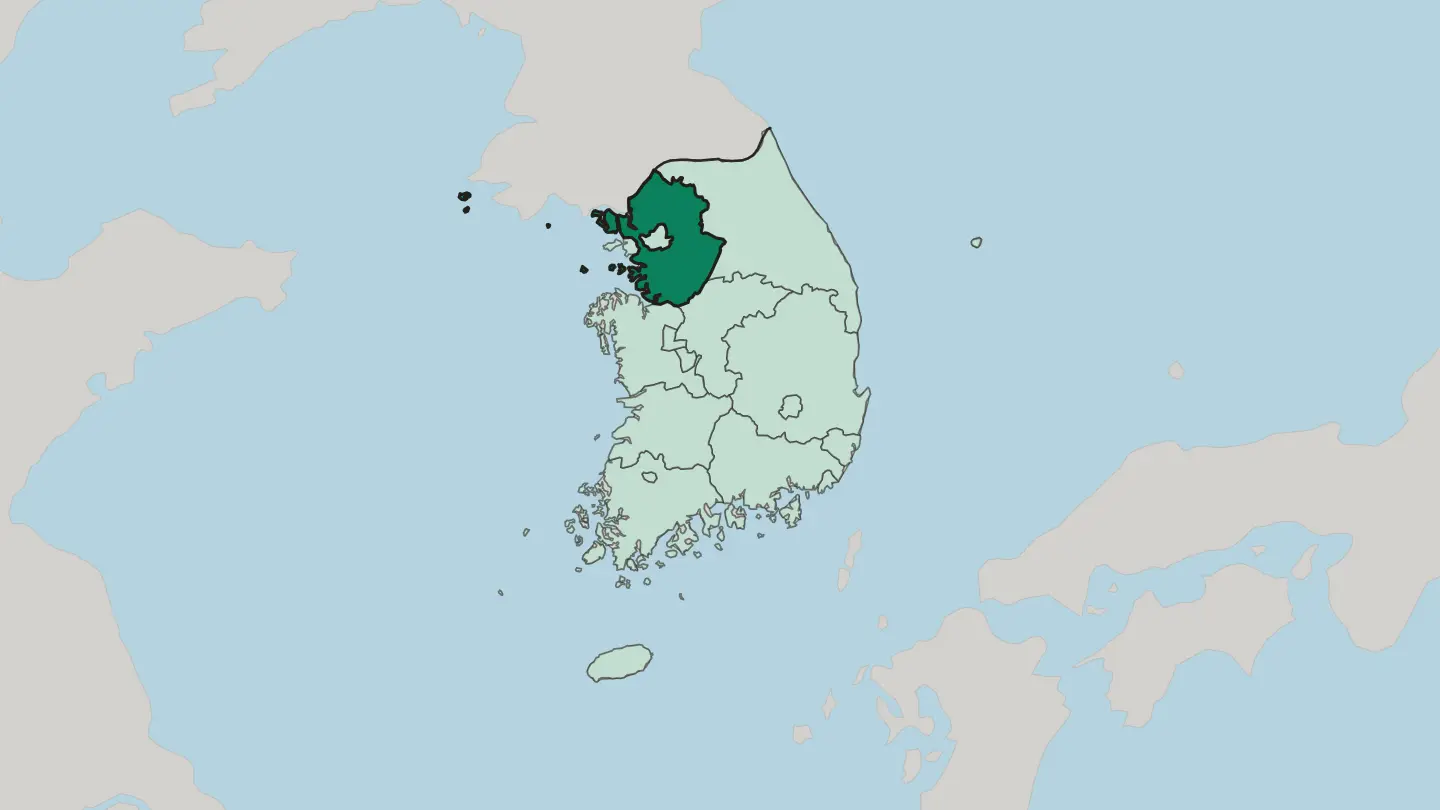
 South Korea
Gyeongsangbuk-do
Gyeongsangbuk-do is South Korea's largest province, holding the Silla heartland of Gyeongju and the Confucian towns of the Nakdong valley.Towns & cities →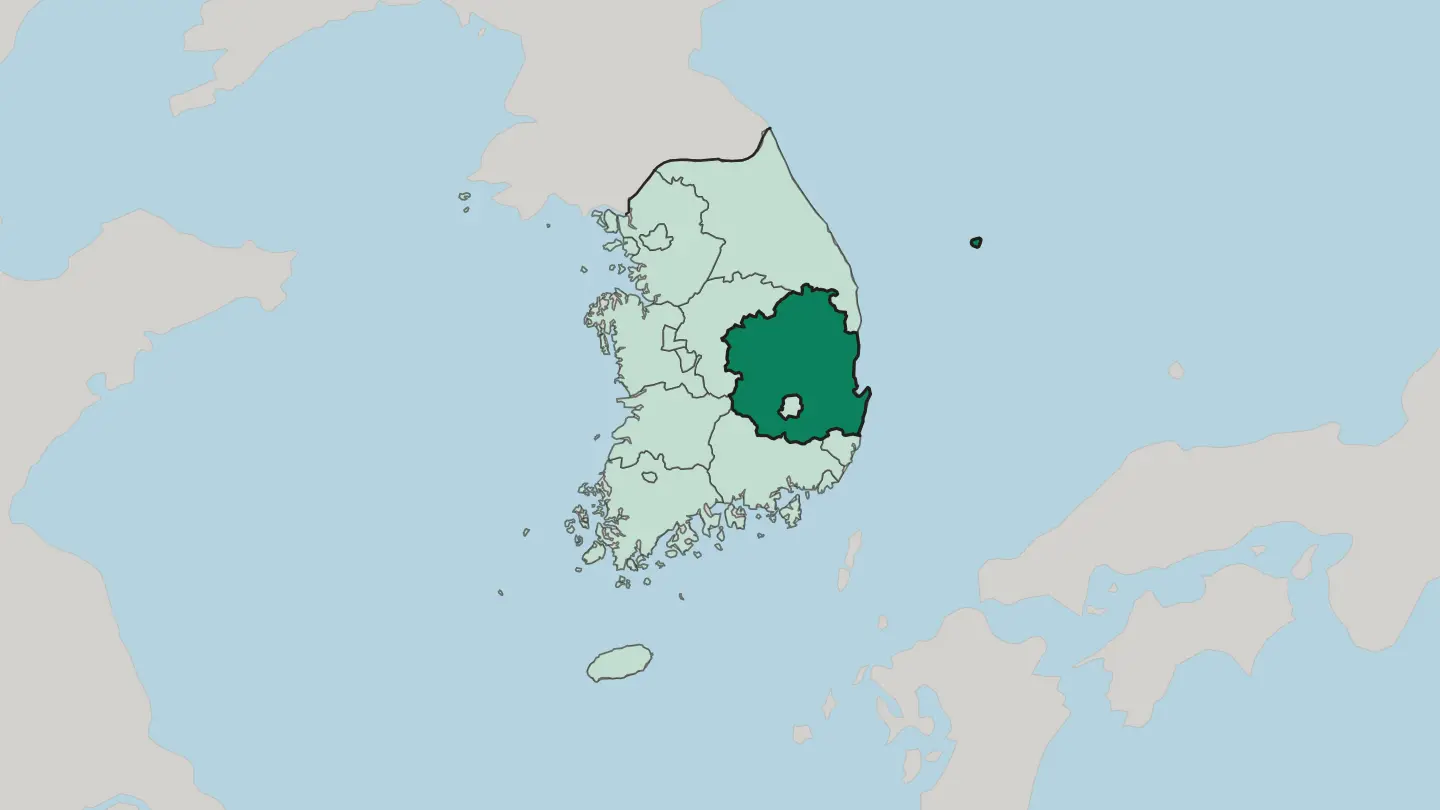
 South Korea
Gyeongsangnam-do
Gyeongsangnam-do is South Korea's south-eastern coastal province, wrapped around the Nakdong River and the port of Busan.Towns & cities →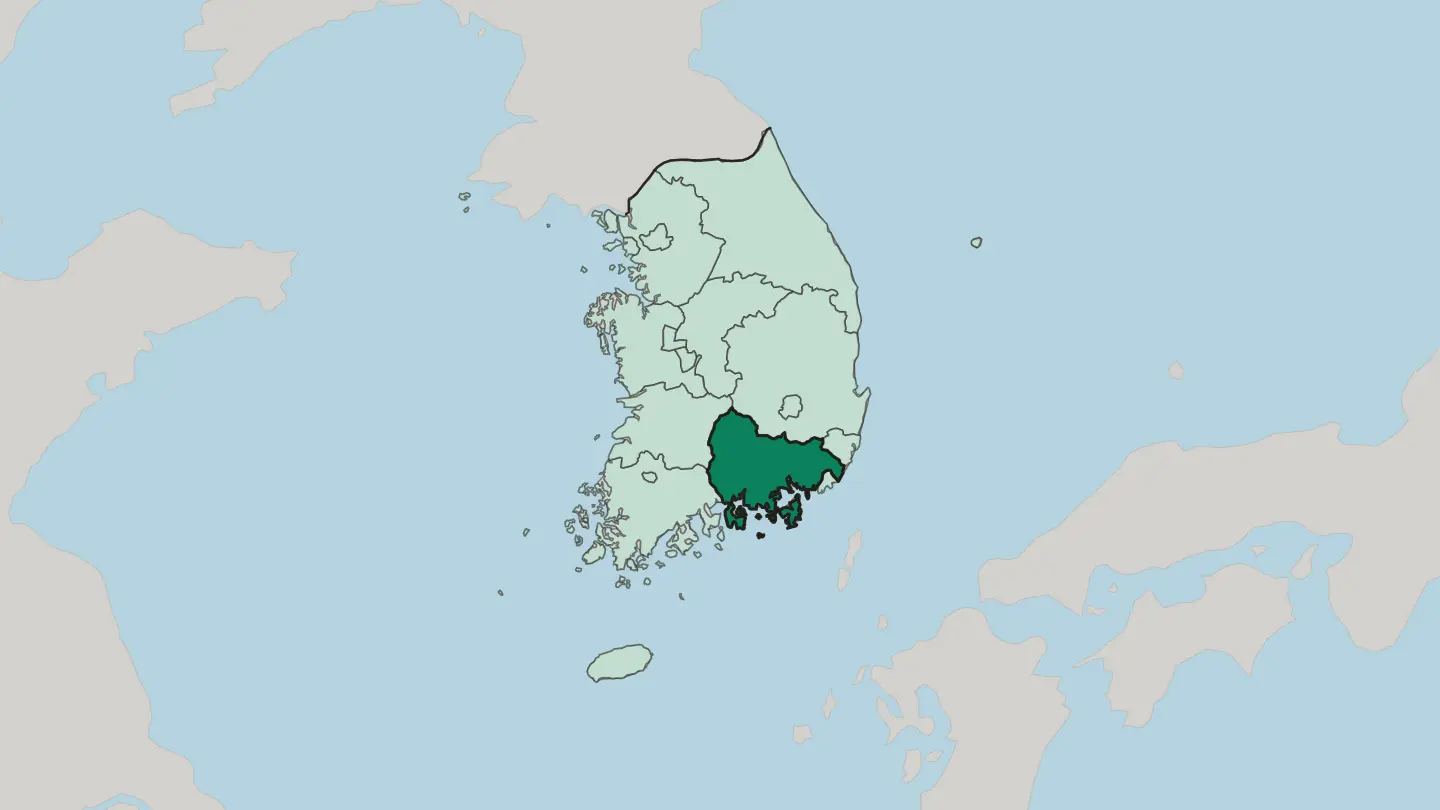 South Korea
Incheon
Incheon is South Korea's port on the Yellow Sea, the harbour city west of Seoul where the country's biggest airport sits on reclaimed islands.Towns & cities →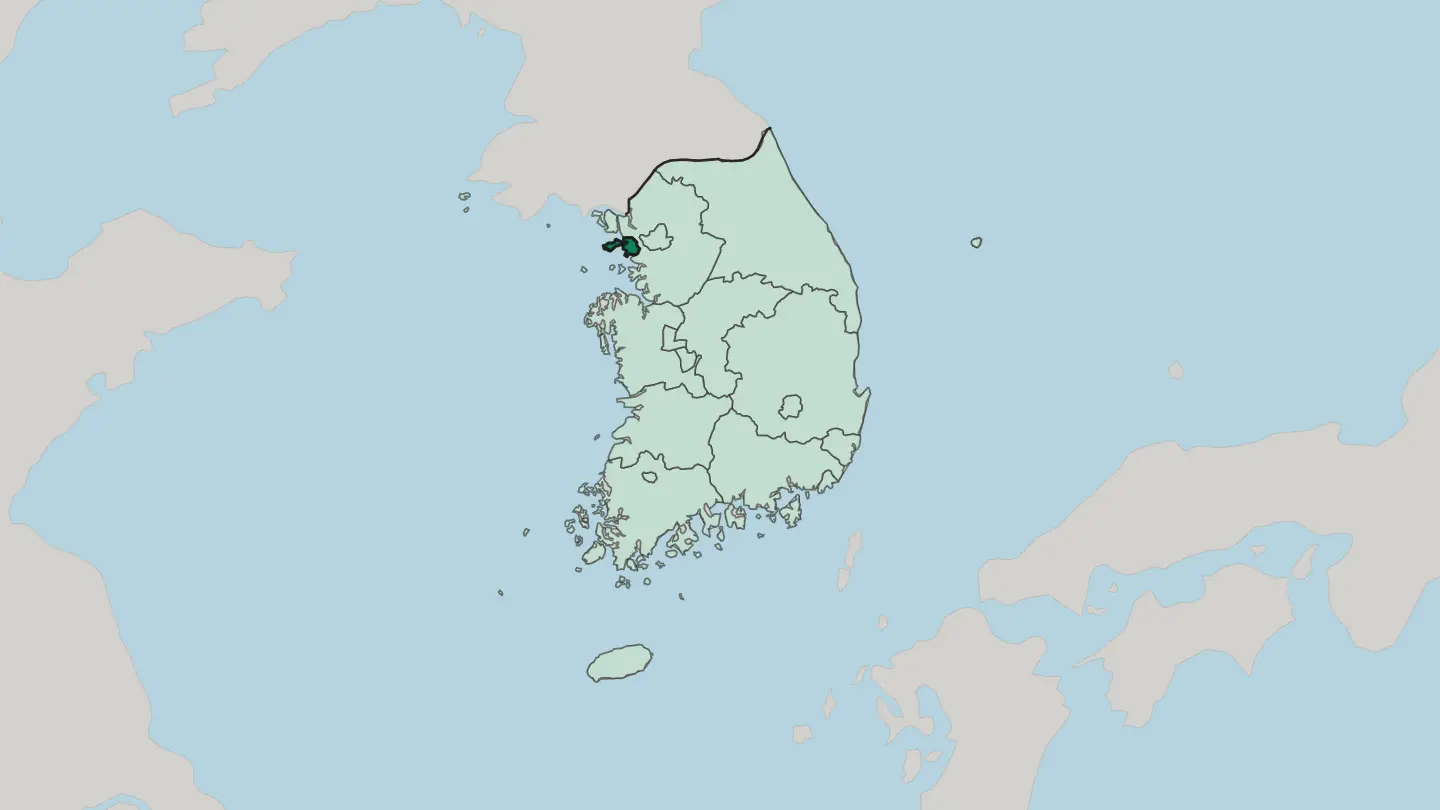
 South Korea
Jeju-do
Jeju-do is South Korea's volcanic island province, a subtropical world built around Hallasan and ringed by the Korea Strait.Towns & cities →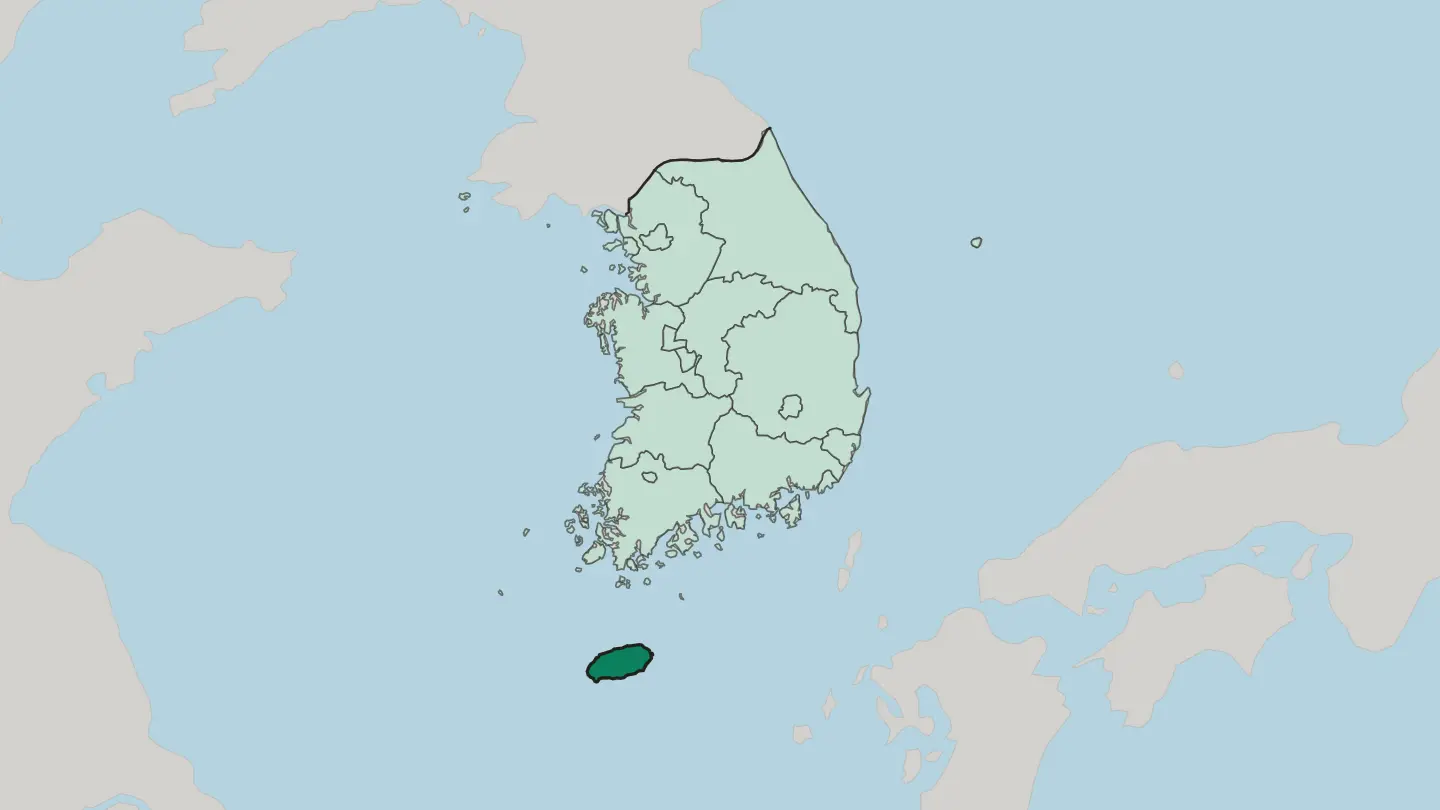
 South Korea
Jeollanam-do
Jeollanam-do is South Korea's southernmost mainland province, a coast of nearly 2,000 islands, tea hills, and Namdo cooking.Towns & cities →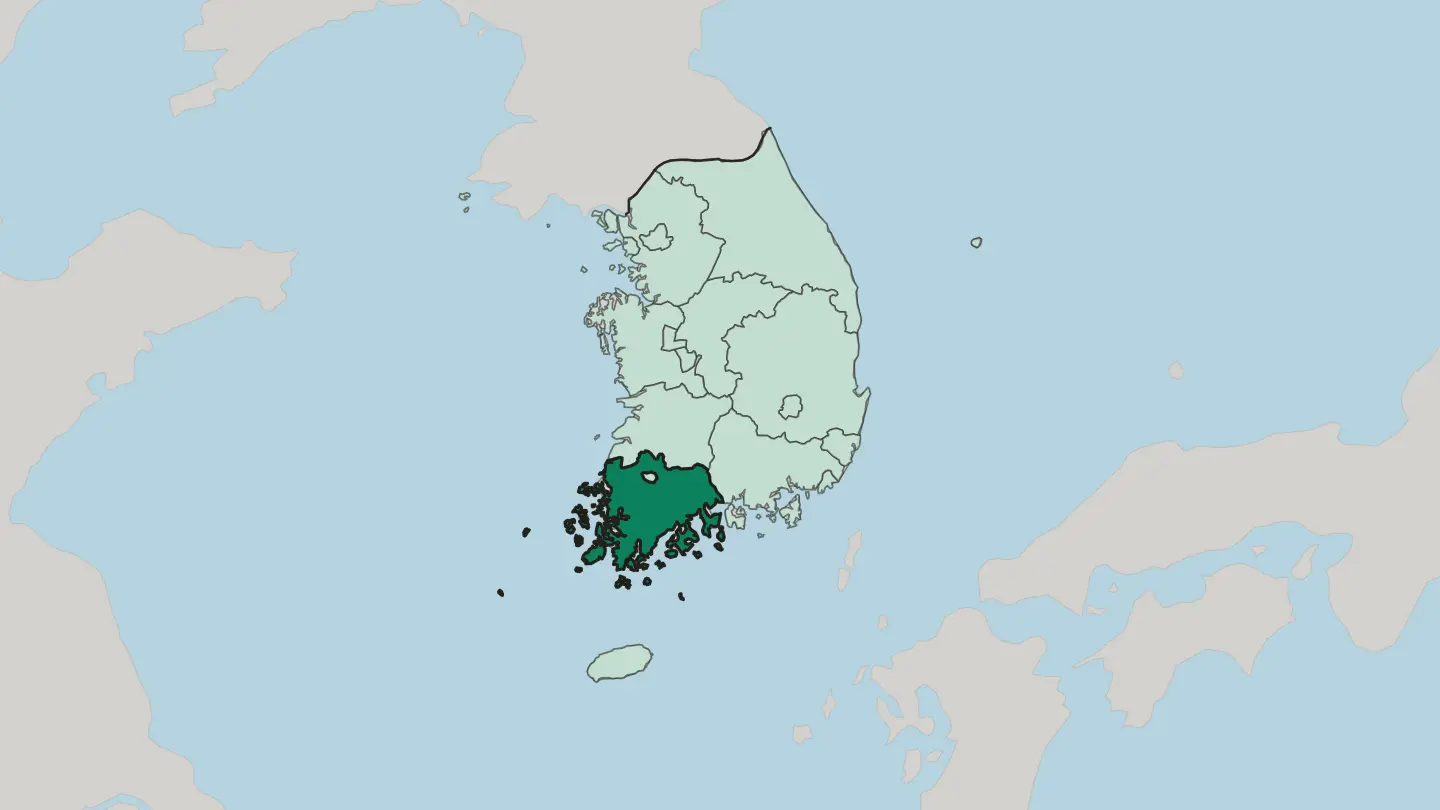
 South Korea
Jeonbuk
Jeonbuk is a province in the southwest of South Korea, its rice plains, hanok streets and Jirisan ridges centred on Jeonju.Towns & cities →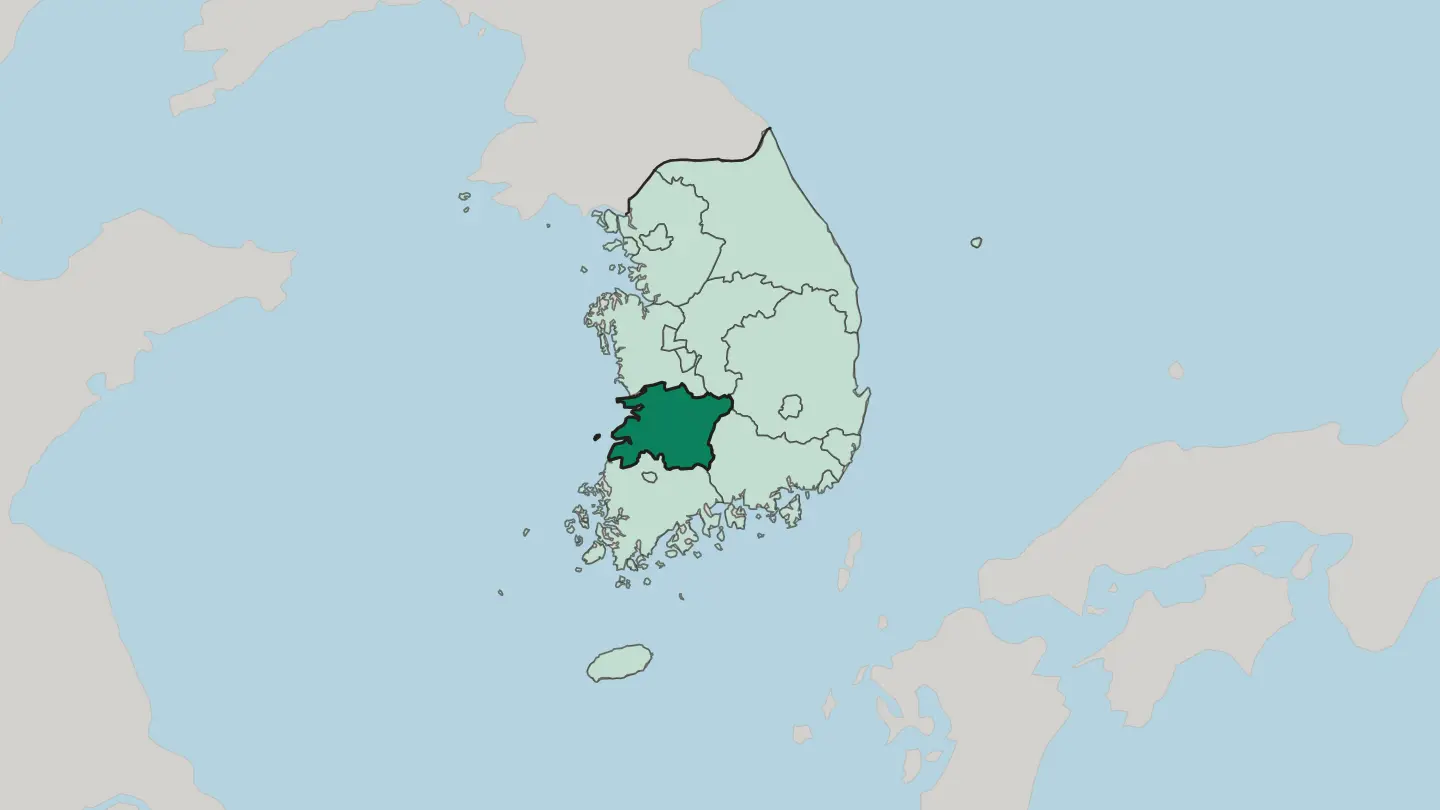 South Korea
Sejong-si
Sejong-si is South Korea's planned administrative capital, built from farmland in the country's centre to house its relocated ministries.Towns & cities →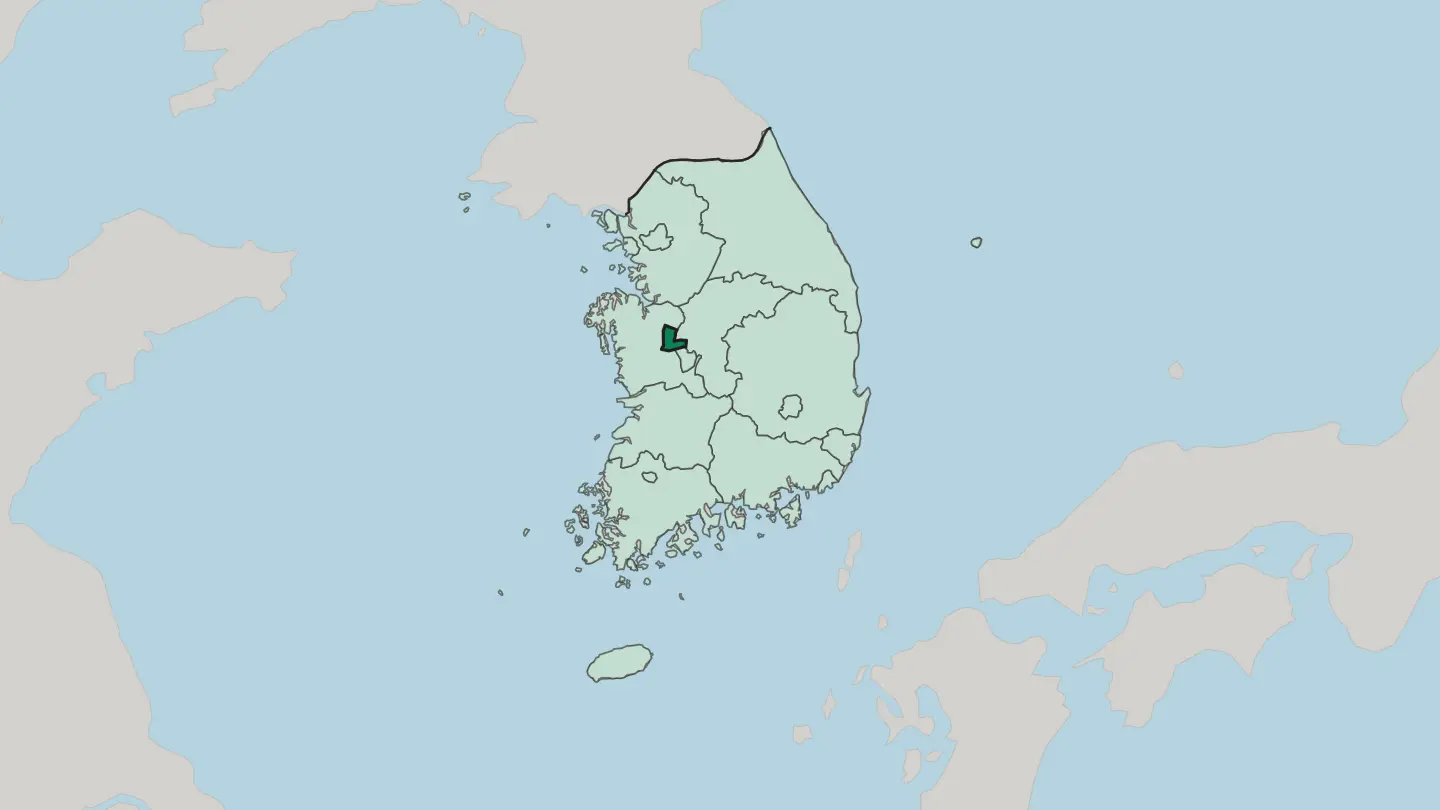 South Korea
Seoul
Seoul is the capital and largest city of South Korea, a special metropolitan city at the centre of the wider Seoul Metropolitan Area.Towns & cities →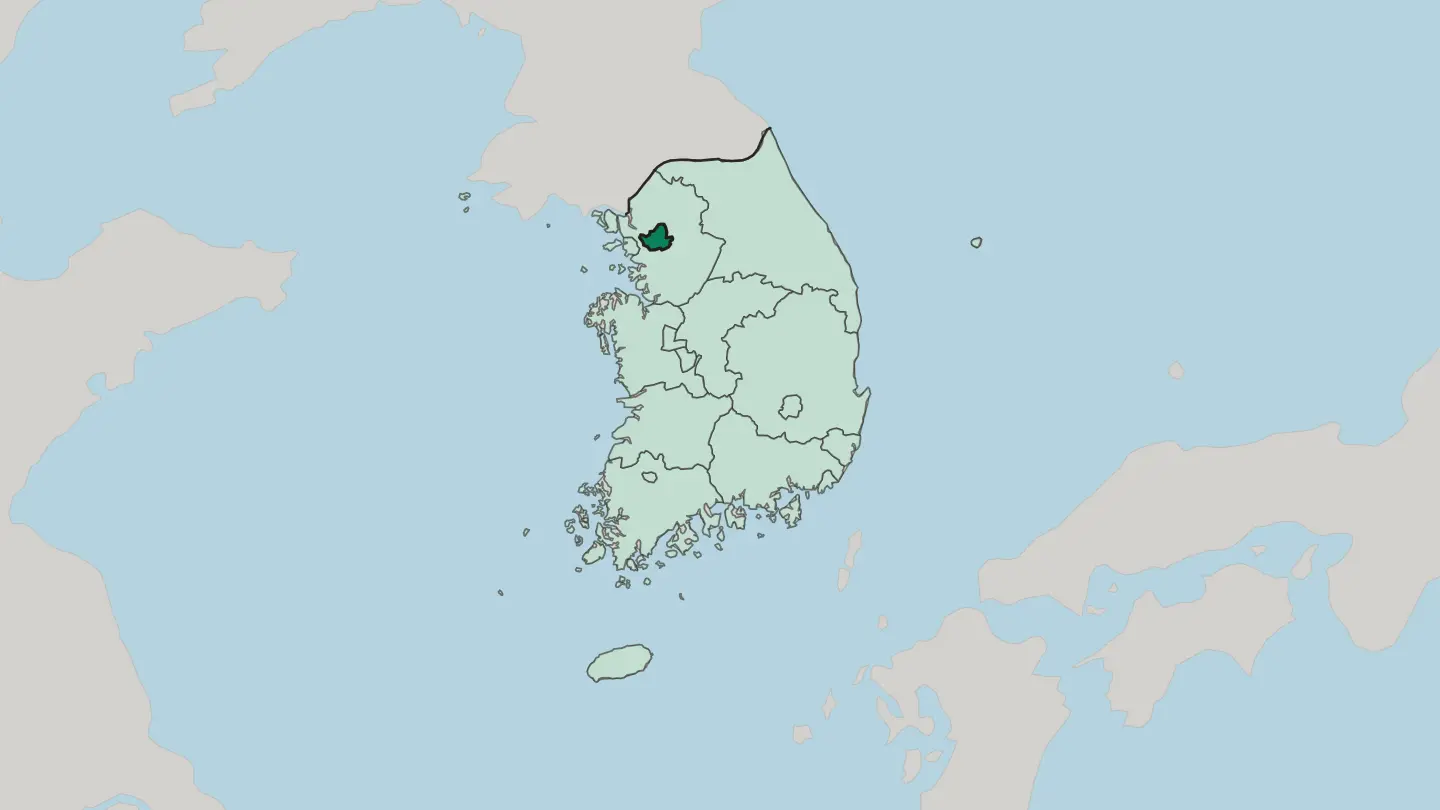 South Korea
Ulsan
Ulsan is South Korea's industrial coast, where Hyundai shipyards and a restored river meet the Sea of Japan.Towns & cities →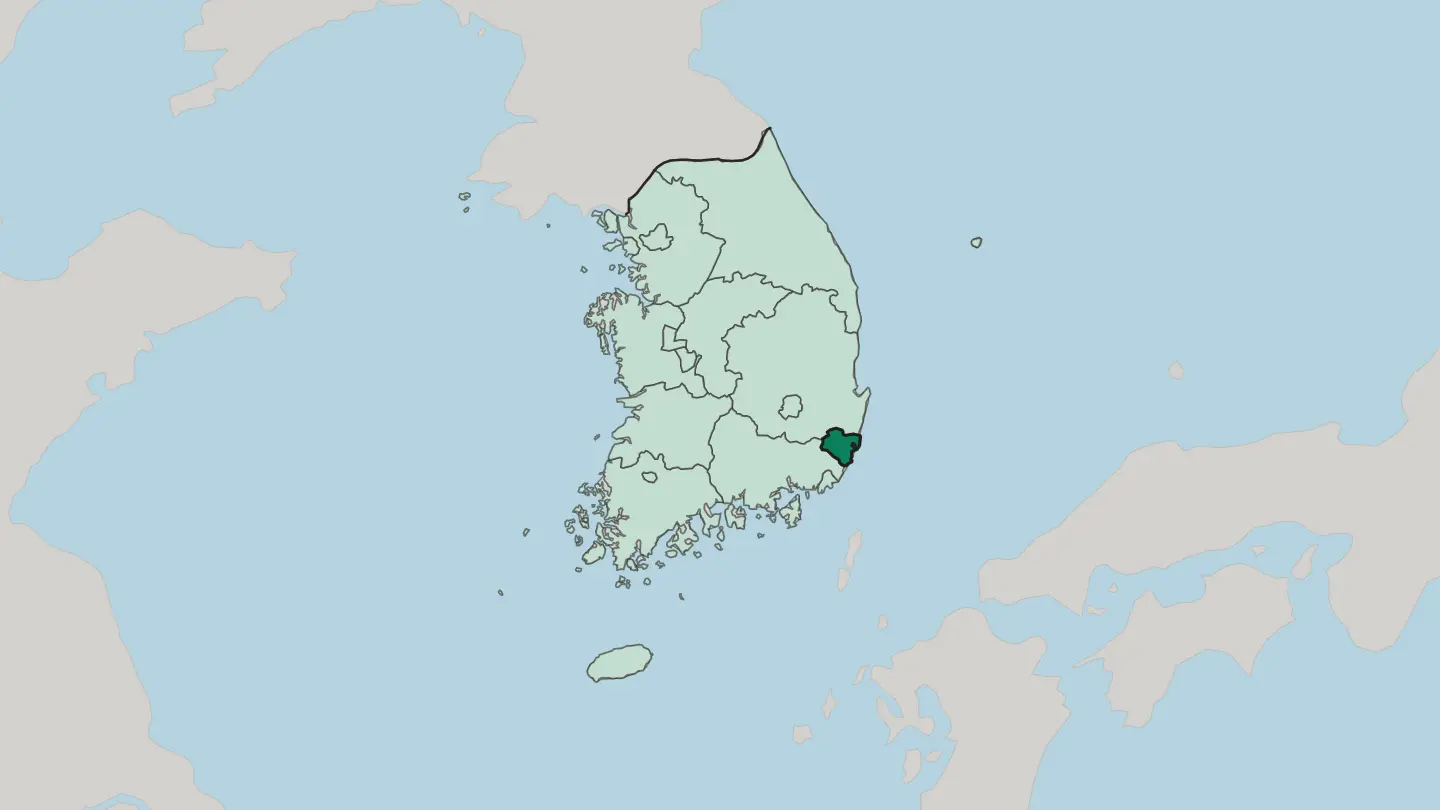
Explore by experience
Not sure which place? Start from how you want to travel.
About South Korea
South Korea is known as the Land of the Morning Calm.
What is South Korea known for?
Its cities pair old palaces and Buddhist temples with a modern culture that has carried K-pop across the world, drawing travellers to Seoul, Busan, Daegu, and Incheon. Tradition holds firm here. For long centuries the peninsula served as a cultural bridge between China and Japan, and well-preserved historical sites still record that past across the country.
Where is South Korea?
South Korea occupies the southern half of the Korean Peninsula, a mountainous arm of East Asia that reaches south into the surrounding seas. The Yellow Sea washes its western shore, and the Sea of Japan lies along the eastern coast, so salt water frames the country on three sides. The land tilts toward the sea.
To the north it meets North Korea along the Korean Demilitarized Zone, the fortified line that runs clear across the peninsula from one coast to the other. Beyond the peninsula the country faces China across the Yellow Sea and Japan across the Sea of Japan, the two neighbours it has long sat between. Most people live around Seoul and its metropolitan area, where about half the country gathers in a single urban region.
Cities crowd the lowlands. Busan, Incheon, and Daegu rank among the largest, set along the coasts and in the valleys that break the mountains. Rivers run to both seas.
High ground fills much of the interior, and the peninsula narrows steadily as it reaches south toward the open water where the two seas meet.
What is the history of South Korea?
The Republic of Korea took its modern form in 1948, when a separate state rose on the southern half of the Korean Peninsula. Its roots reach much further back. For long centuries Korea served as a cultural bridge between China and Japan, passing writing, faith, and craft along the peninsula, and older chronicles gave the land the name Land of the Morning Calm.
Kingdoms rose and fell across the country, leaving palaces, temples, and fortresses that still stand. Trade, learning, and religion crossed the peninsula in both directions for many generations, binding the country to its larger neighbours. Division shaped the modern era, drawing the Korean Demilitarized Zone between South Korea and North Korea after 1948.
That line still holds. In the decades that followed, the south rebuilt from a turbulent past and achieved swift economic growth, turning a farming country into a modern industrial one, while Seoul spread into one of the world's largest metropolitan regions. The well-preserved historical sites of the earlier kingdoms remain in daily use, tying the modern republic to the deep past that formed it across East Asia.
What is South Korea like?
South Korea holds together tradition and speed in equal measure. Old palaces, Buddhist temples, and court customs endure beside a modern popular culture whose music, film, and design travel far beyond the peninsula, and K-pop has carried the country's name across the world. Both worlds share the same streets.
Korean is spoken throughout the land, and the table sets the seasons, with fermented dishes and shared bowls that mark the calendar. Much of this culture gathers in Seoul, the capital and one of the cultural centres of East Asia, where theatres, concert halls, and street food fill the districts through the day and the night. The old and the new sit side by side.
Long centuries as a bridge between China and Japan left their mark on script, belief, and craft, and those threads still run through daily life. Festivals follow the farming year. From the palaces of Seoul to the ports of Busan and Incheon, the same language and the same table bind the country, while modern art, cinema, and design give its cities a life of their own across the peninsula.
What is the climate of South Korea?
South Korea has a temperate climate with four clear seasons. Winters run cold and dry across the Korean Peninsula, while summers turn hot and wet, and the Yellow Sea and the Sea of Japan temper the long coasts on either side. Spring and autumn are mild.
The mountainous interior holds its snow well into the colder months, and the seasons swing widely between the two.
How do you get to South Korea?
Most travellers reach South Korea by air, landing at Seoul and Incheon before spreading out across the peninsula. Incheon is the main gateway. By sea, ferries cross the Yellow Sea and the Sea of Japan to the ports of Busan and the western coast, linking the country to China and Japan.
Fast trains then carry travellers on to Daegu and the rest of the land.
Common questions
What is the best area to stay in South Korea?
Seoul and its metropolitan area: First-time visitors wanting palaces and transport links. The Yellow Sea coast: Western ports and island trips. The southern coast: Harbour cities and sea air.
Good for
Updated September 2026